Etosha's Best Waterholes: June to August Guide

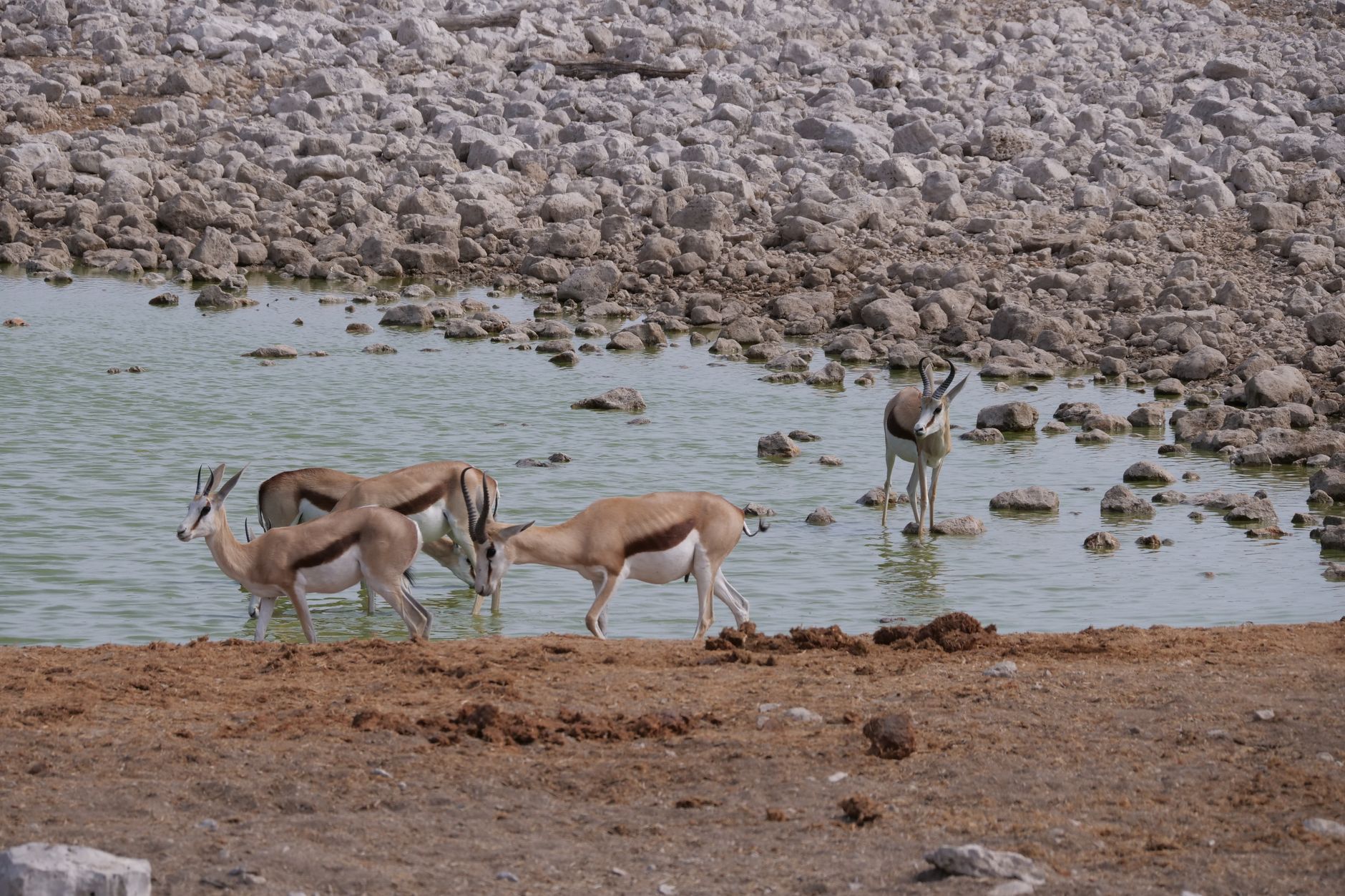
There is a unique stillness that settles over northern Namibia as winter arrives. The air becomes crisp, the skies a vast, cloudless blue, and the landscape transforms. For wildlife lovers, this is a season of unparalleled opportunity, especially in Etosha National Park. Finding the best Etosha waterholes June August becomes the key to unlocking the park’s most dramatic spectacles, as the drying landscape funnels life towards these precious oases.
From the first cool days of June to the deep, dry chill of August, Etosha enters its peak season. The ephemeral water sources scattered across the plains evaporate under the gentle winter sun, leaving only the permanent or deep-bored waterholes as a lifeline. This is when the park’s legendary game viewing truly comes alive, offering a theatre of natural drama that is both breathtaking and deeply moving.
Why Winter is Prime Time in Etosha
The Namibian winter is nothing like the bleak, grey seasons of other continents. Here, it means dry, mild, and sunny days, perfect for long hours in a vehicle. The nights, however, can be surprisingly cold, so packing layers is essential. This climatic shift is the engine driving the superb game viewing.
As the natural rainfall disappears, the vastness of Etosha National Park begins to work in your favour. Animals that were once dispersed across thousands of square kilometres are now compelled to travel, sometimes great distances, for a daily drink. The vegetation, thinned out by the lack of rain, no longer provides thick cover for elusive species. This combination makes spotting wildlife significantly easier than in the lush, wet summer months.
The great Etosha Pan itself, a shimmering saline desert that defines the park, becomes a stark white backdrop. Against it, herds of springbok, zebra, and wildebeest are thrown into sharp relief. But the real action unfolds at the water’s edge, where the daily rituals of survival play out for all to see.
A Guide to the Best Etosha Waterholes: June to August
While almost any waterhole can yield a surprise, certain ones have a reputation for consistent and spectacular sightings during the dry season. A successful strategy often involves finding a productive spot, turning off your engine, and simply waiting. Patience is the most valuable tool in any safari-goer's kit.
The Eastern Side: Namutoni's Treasures
The area around Namutoni Camp is known for its denser vegetation, but the waterholes here are magnets for both plains game and predators. Chudop is a particularly rewarding stop, famous for its large herds of eland and resident giraffe. Its proximity to the camp makes it an excellent choice for an early morning or late afternoon drive.
Kalkheuwel is another star of the east. It's a large, open waterhole that attracts a staggering variety of species. It's not uncommon to see zebra, kudu, giraffe, and elephant all drinking at once, creating a photographer's dream. Keep an eye on the surrounding thickets, as lions often use the dense cover for ambushes.
The Central Heart: Halali's Kingdom
Midway between the east and west of the park lies Halali Camp, and its floodlit Moringa waterhole is an icon. Tucked away behind the camp and nestled at the base of a small koppie, this waterhole is renowned for its nocturnal visitors. After dinner, guests can walk to the viewing area and watch in near-silence as black rhino, herds of elephant, and the occasional leopard emerge from the darkness for a drink.
During the day, drives from Halali should include Goas, which often hosts a fabulous mix of species, and Salvadora, which offers a commanding view over the vast salt pan. The sight of a herd of zebra kicking up white dust as they approach the water against this immense, flat horizon is a classic Etosha moment.
The Southern Plains: Okaukuejo's Grand Stage
Perhaps the most famous waterhole in all of Africa is the one located right at Okaukuejo Camp. Its reputation is built on one animal in particular: the critically endangered black rhino. During the peak dry months, it is arguably the most reliable place on the continent to see them. As dusk falls, the floodlights switch on, and the parade begins. Rhinos, elephants, and lions often visit, sometimes creating tense standoffs at the water's edge.
Beyond the camp, Okondeka, situated on the edge of the pan, is well-known for its prides of lion that often lounge in the shade nearby, watching the endless processions of springbok and zebra. Ombika, near Anderson's Gate, is another productive first or last stop, reliably attracting giraffe, zebra, and various antelope.
Safari Etiquette & Waterhole Wisdom
To make the most of your time and respect the wildlife, a few simple rules make all the difference. The animals' welfare should always be the priority.
- Be Patient: The most rewarding sightings often come after a period of quiet waiting. Don't rush from one waterhole to the next. Pick one, get comfortable, and let the drama unfold.
- Be Quiet: Switch off your engine. Loud noises and human voices can disturb nervous animals and prevent them from drinking. The sounds of the bush are part of the experience.
- Stay in Your Vehicle: It is strictly prohibited and extremely dangerous to get out of your car, except in designated fenced areas like picnic spots and camps.
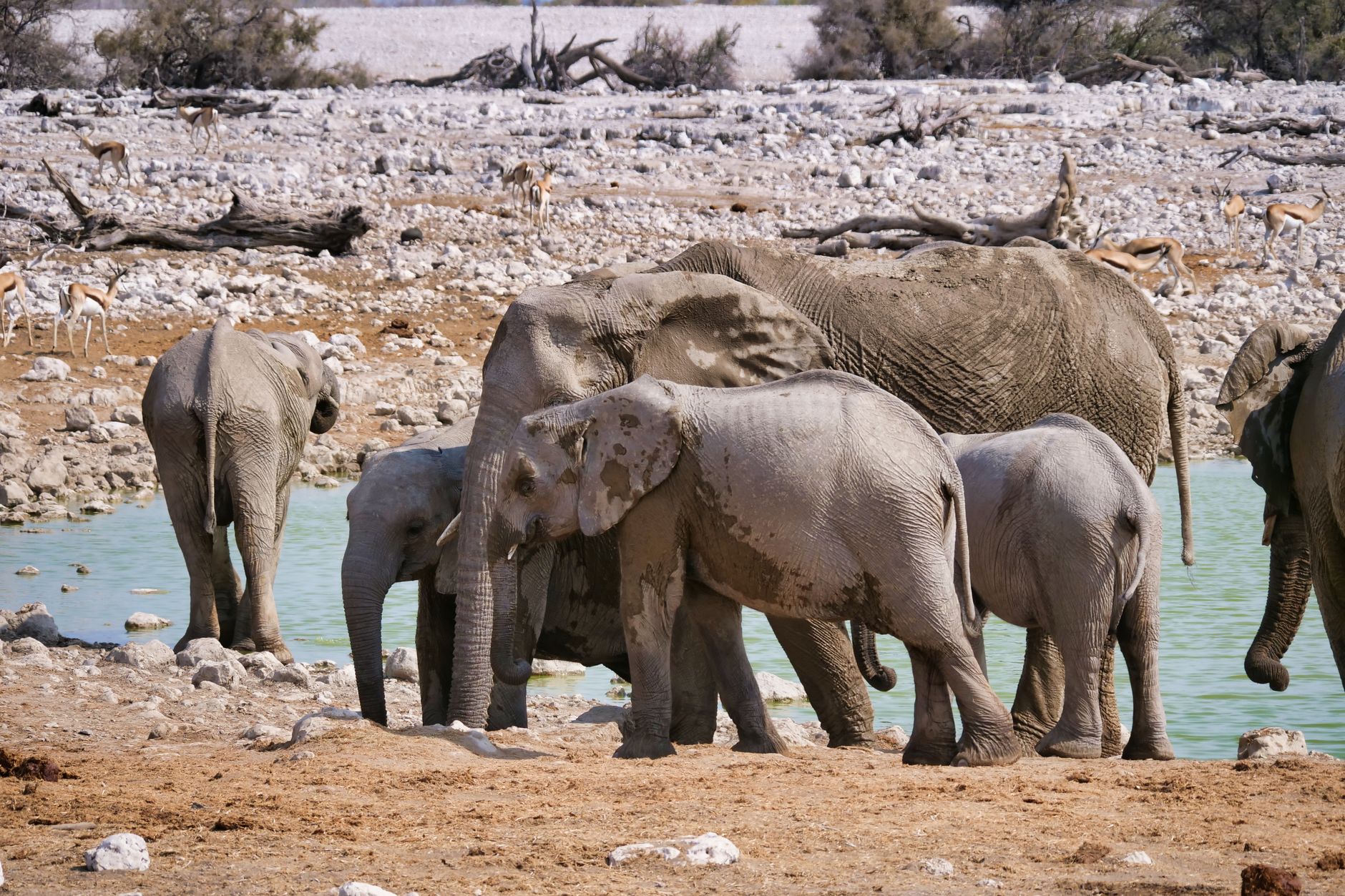
- Give Animals Space: At the waterhole, dominant animals and large breeding herds need space. Don't crowd them. If an elephant herd is approaching, give them a wide berth.
Planning Your Etosha Adventure
Creating a successful Etosha itinerary involves deciding where to stay and how to pace your journey. Many visitors spend several days in the park, moving from one camp to another to experience the different regions. For those seeking comfort just outside the park gates, a lodge like Etosha Oberland Lodge offers a luxurious base near the southern entrance.
A classic Namibian road trip might involve driving north from the capital, perhaps with a stop at a private reserve like the Otjiwa Collection - Mountain Lodge to break up the journey. After a few days exploring Etosha's wonders, many travellers continue west into the ruggedly beautiful landscapes of Damaraland, creating a truly comprehensive northern Namibia circuit.
Remember to book accommodation and park entry well in advance, as June through August is the most popular time to visit. Prepare for a journey of immense scale, profound silence, and sudden, heart-stopping action.
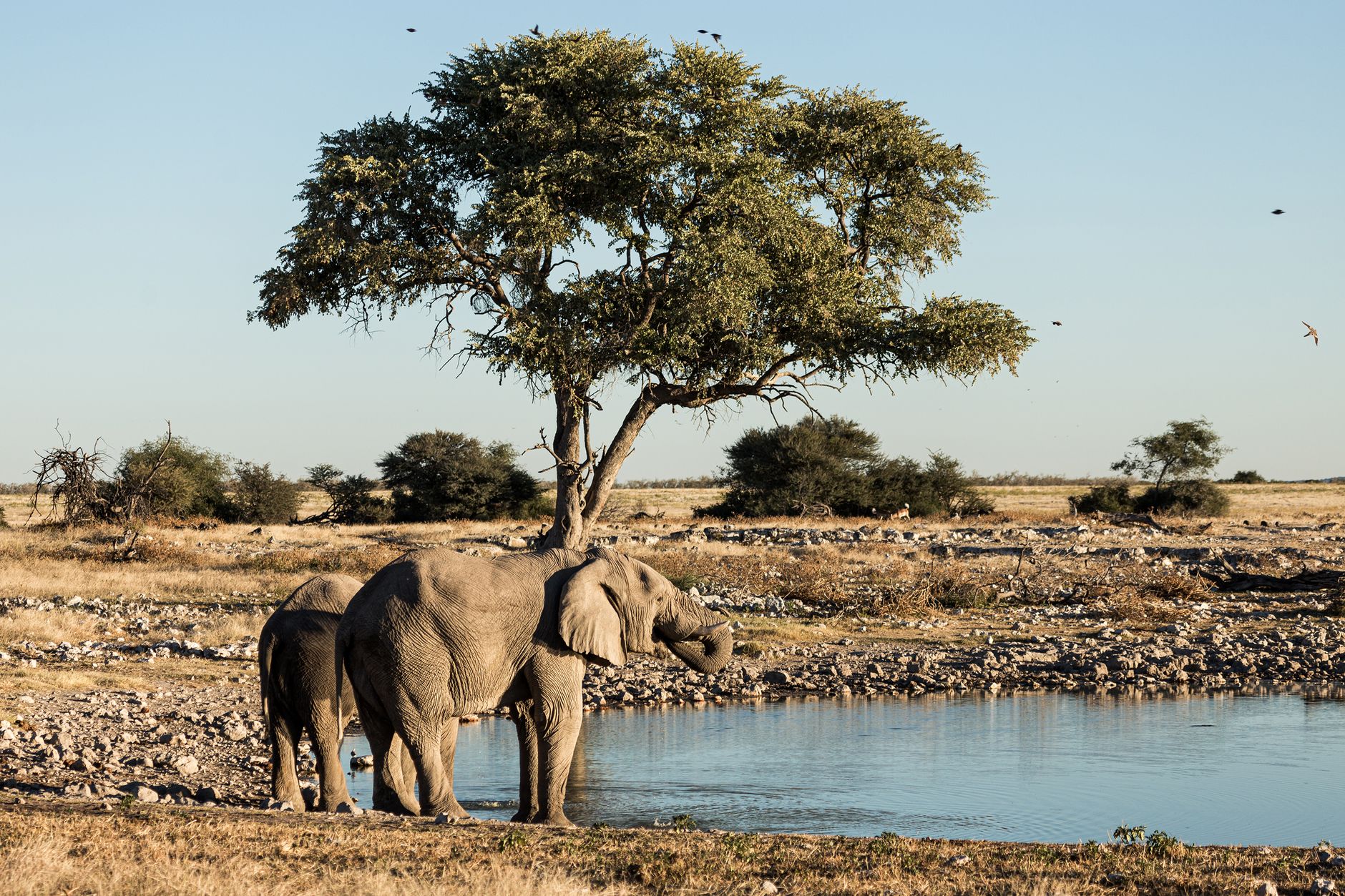
The experience of watching a herd of elephants silently materialise from the Mopane woodland, or seeing a black rhino cautiously approach the water under a canopy of stars, is unforgettable. By focusing your time on the best etosha waterholes june august, you are positioning yourself at the very heart of one of Africa’s greatest wildlife spectacles.
Ready to plan your trip?
Check live availability, compare lodges and book instantly — or send us an enquiry and we'll help shape the route.