When is the Best Time to Visit Etosha?
Etosha National Park is a place of stark and profound beauty, a landscape dominated by a colossal mineral pan so vast it’s visible from space. This shimmering, saline desert is the heart of a wildlife sanctuary unlike any other. The question we hear most often is not if one should go, but when. Determining the best time to visit Etosha depends entirely on what you wish to see and experience, as the park transforms dramatically between its two distinct seasons: the dry winter and the verdant summer.
Whether you dream of parched earth and dramatic waterhole congregations or lush landscapes teeming with newborn animals and migratory birds, Etosha delivers. Let us guide you through the rhythms of the park, helping you choose the perfect moment for your Namibian adventure.
The Dry Season: May to October
For many, the dry winter season is the quintessential Etosha experience. As the last of the summer rains fade and seasonal pans evaporate, the landscape returns to a palette of muted golds, dusty whites, and pale blues. This scarcity of water is the driving force behind the season’s legendary wildlife viewing.
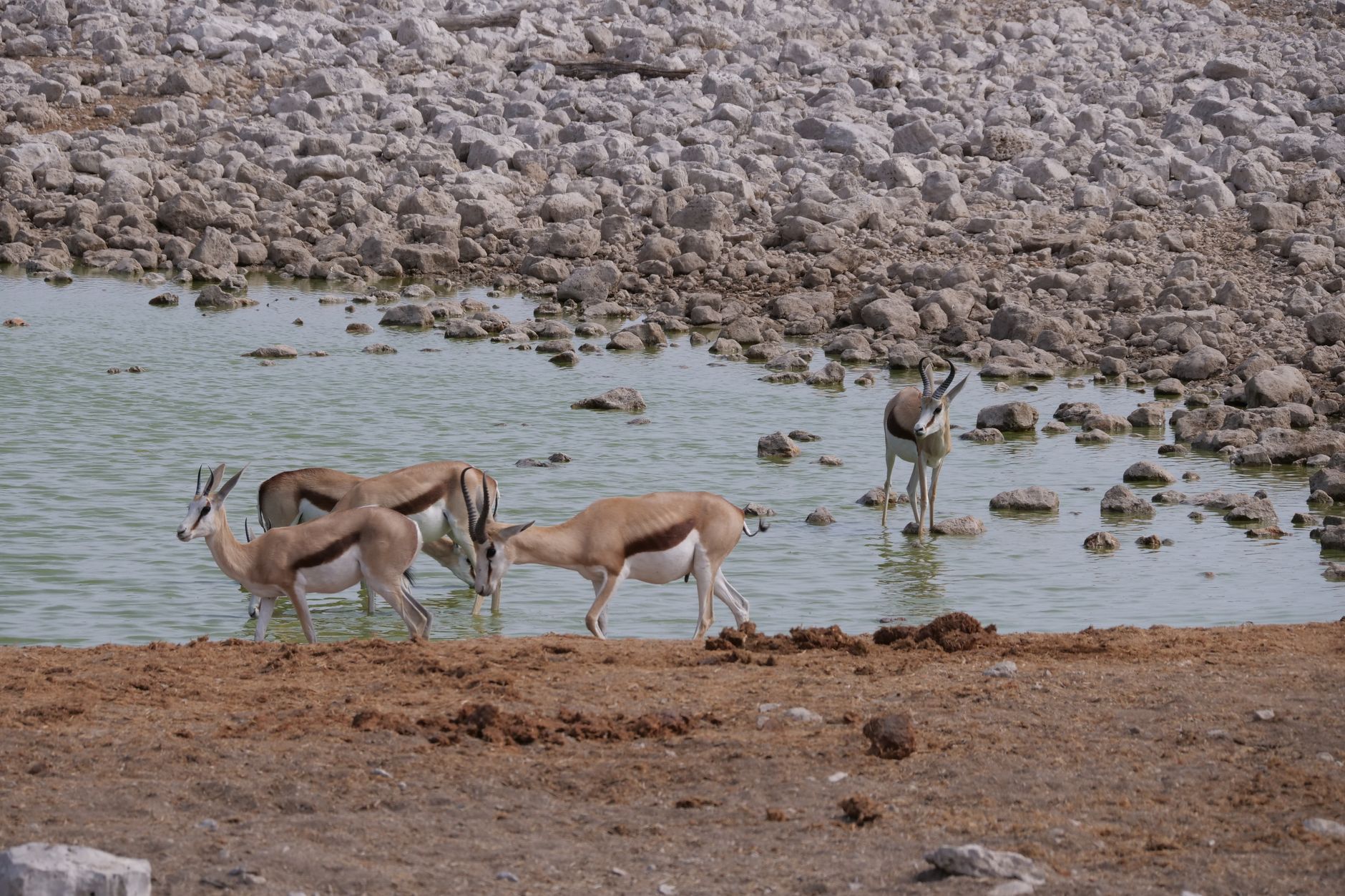
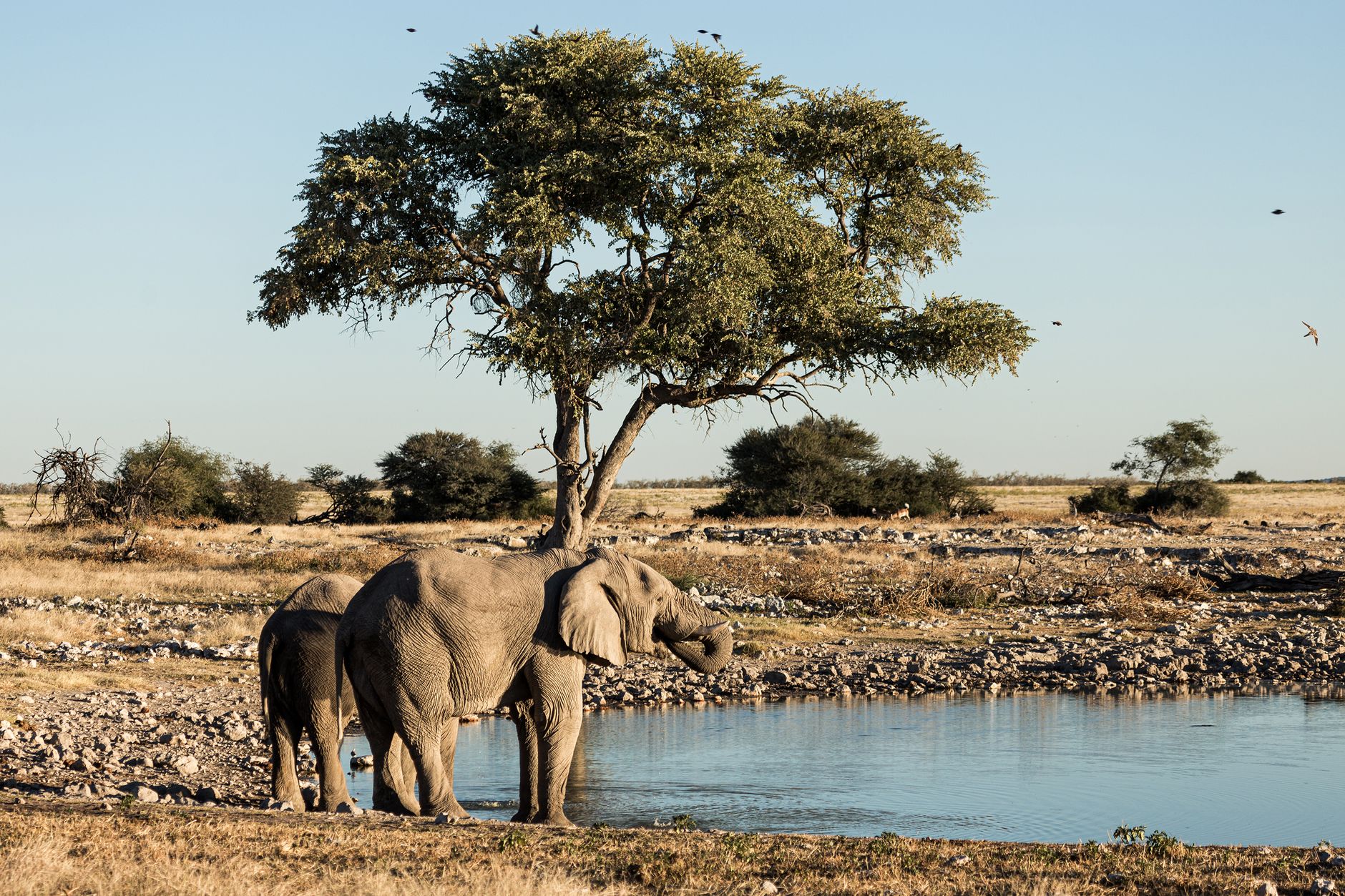
Life in the park gravitates towards the permanent waterholes, found mostly along the southern edge of the great pan. These become vibrant, living theatres. The air is clear and cool, especially during the mornings and evenings, making for comfortable game drives. With sparse vegetation, spotting animals against the arid backdrop is significantly easier.
Why The Dry Season is Prime for Game Viewing
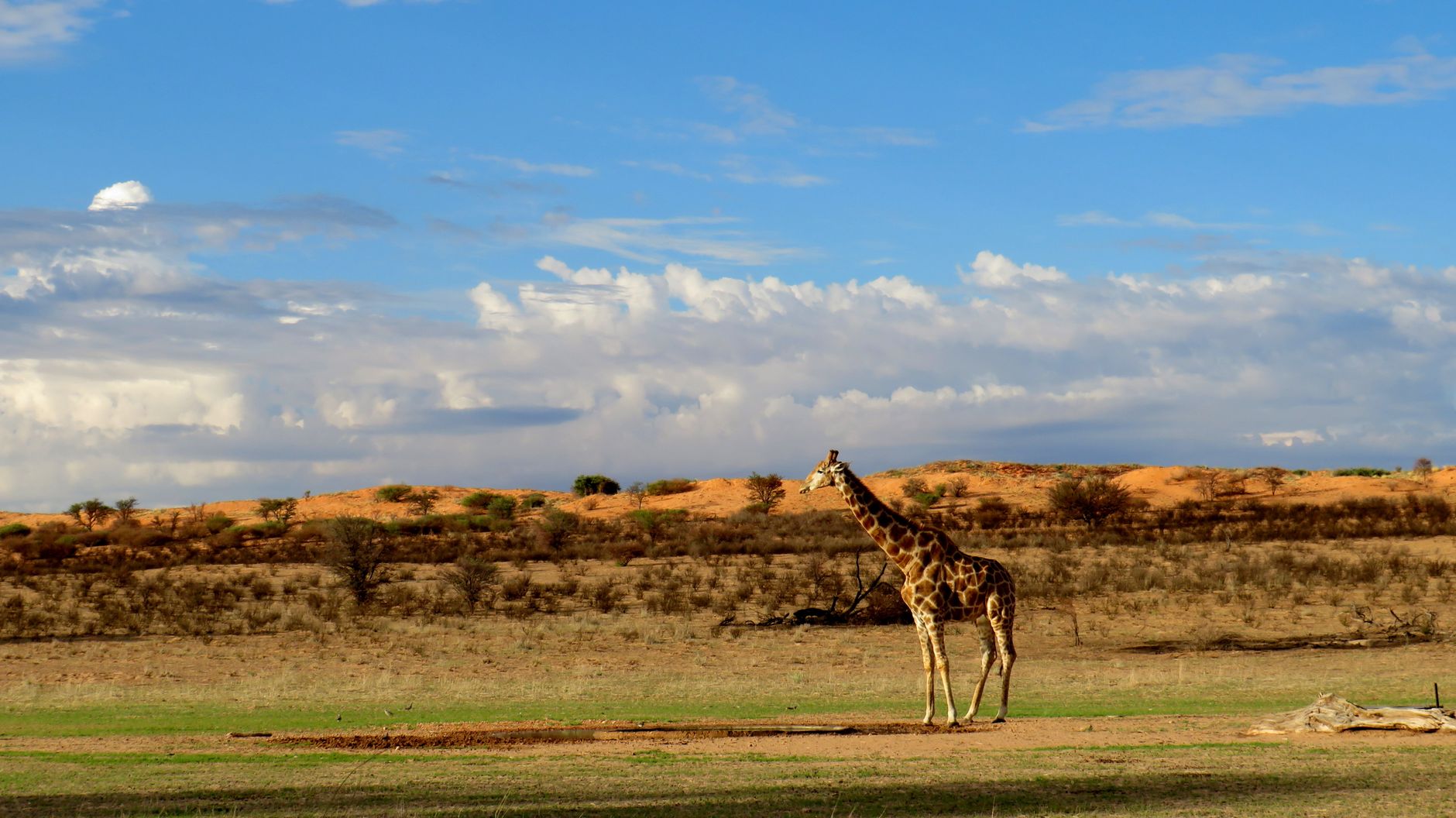
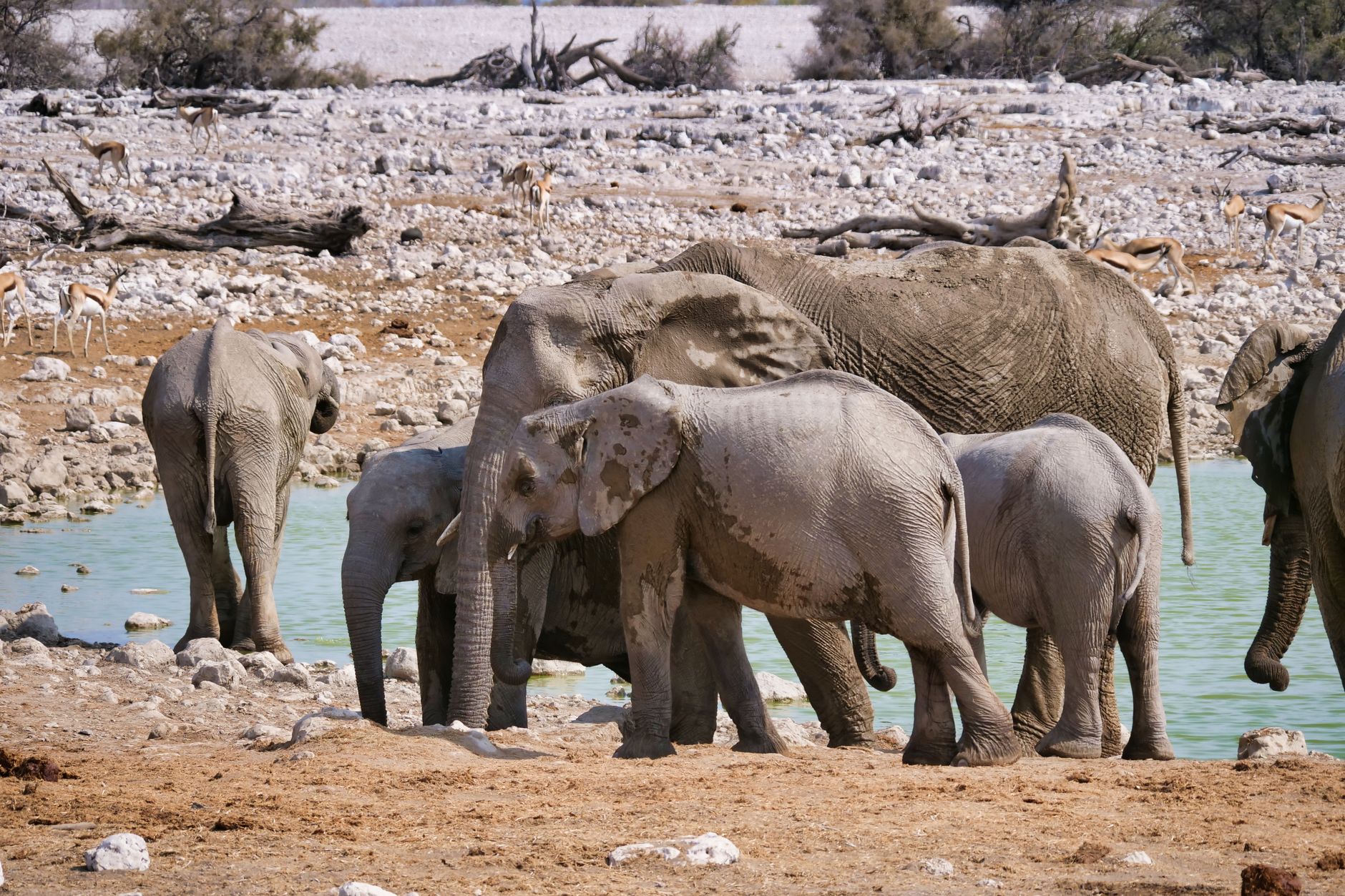
Imagine sitting quietly at a waterhole as a breeding herd of elephants, numbering in the dozens, materialises from the shimmering haze. They drink deeply, splash, and interact, while cautious giraffe spread their legs in an awkward ballet to reach the water. Herds of zebra, springbok, and blue wildebeest await their turn, a constant, nervous energy rippling through them. And watching from a distance, a lone lion or a pack of hyenas may be patiently observing, waiting for a moment of opportunity. This is the drama of the dry season.
It’s a time of concentration and high contrast, where the daily quest for survival plays out in plain sight. From the majestic black-maned lions to the critically endangered black rhino making a cautious nocturnal visit, the waterholes are where Etosha’s stories unfold. This is the period most often recommended for a first-time visitor focused on seeing the Big 4 (Etosha has no buffalo) and a sheer volume of animals.
A Closer Look: Month by Month in the Dry Season
May and June: These are beautiful shoulder months. The landscape retains a hint of its summer greenness, the dust has yet to fully kick up, and temperatures are perfectly mild. You get the benefit of congregating wildlife without the peak season crowds.
July to September: This is the heart of peak season. The park is at its driest, and wildlife concentrations at the Okaukuejo, Halali, and Namutoni waterholes are at their absolute maximum. The experience is nothing short of breathtaking. Be aware that this is also the busiest time in the park, so booking your accommodation, such as a private retreat like Ongava Lodge on our Etosha page, well in advance is essential.
October: The heat builds to a crescendo before the coming rains. This month can be intensely hot, but the game viewing is often the most extreme and rewarding. Water is at its absolute scarcest, forcing even the most elusive animals to the permanent springs. If you can handle the heat, the payoff is immense.

The Green Season: November to April
To dismiss the summer is to miss half of Etosha’s soul. When the first rains arrive, typically in November, the park undergoes a miraculous transformation. The parched earth drinks greedily, and a soft, green carpet of grass sprouts across the plains. The air, thick with the petrichor of rain on dry soil, feels electric.
This is the season of renewal. The Etosha Pan itself may flood, creating a vast, shallow lagoon that attracts an astonishing spectacle of birdlife. It's a photographer's dream, with dramatic, cloud-filled skies, vibrant colours, and happy, well-fed animals.
A Photographer’s and Birder’s Paradise
The green season offers a completely different, yet equally compelling, safari experience. Instead of animals being forced together by thirst, they are dispersed across the plains, feasting on the new growth. Many species, from springbok to wildebeest, give birth during this time, and the sight of wobbly-legged fawns and calves is a heart-warming privilege.
For birders, this season is second to none. Over 340 bird species have been recorded here, and the summer months see the arrival of migratory birds from the northern hemisphere. The flooded pan can attract tens of thousands of flamingos, creating a sea of pink against the water's silvery sheen. It’s an ephemeral wonder that few get to witness.
While wildlife is more spread out, it is by no means absent. The trick is to drive slowly and scan the rejuvenated landscape. The bonus? You will often have sightings all to yourself, as there are far fewer visitors. For more tips on navigating the park, our Namibia self-drive guide might be useful.
A Closer Look: Month by Month in the Green Season
November and December: The start of the rains brings theatrical afternoon thunderstorms. It’s the primary calving season, making for wonderful sightings of young animals.
January to March: These are the wettest months. The landscape is at its most lush and green. This is the peak for birdwatching, especially if the pan has filled. Game viewing requires more patience, but the rewards are sightings set against a stunning, vibrant backdrop.
April: Another beautiful shoulder month. The rains begin to subside, but the park is still gloriously green. Temperatures are pleasant, the air is clear, and you get a wonderful balance of healthy-looking animals and manageable visitor numbers.
So, What is the Best Time to Visit Etosha for You?
Ultimately, the perfect time for your safari depends on your priorities. There is no single correct answer, only the season that aligns with your personal safari dream. To simplify your decision:
- For Maximum Wildlife Density: The dry season, particularly from July to September, is unbeatable for seeing large numbers of animals at waterholes.
- For Photography and Birding: The green season, from January to March, offers dramatic skies, vibrant landscapes, and a phenomenal avian spectacle.
- For Pleasant Weather and Fewer People: The shoulder months of May, June, and April offer a fantastic balance of good game viewing and comfortable conditions.
- For Newborn Animals: Visit during the early green season, from November to December, to see the plains dotted with young.
No matter when you choose to go, the ancient, magnetic pull of the great white pan and its inhabitants is a constant. The best time to visit Etosha is simply the moment you finally set foot on its shimmering, hallowed ground.
Ready to witness the magic of Etosha and the surrounding northern regions for yourself? Explore our curated collection of luxury lodges and begin planning your extraordinary Namibian adventure by viewing our full list of Namibian properties.
Ready to plan your trip?
Check live availability, compare lodges and book instantly — or send us an enquiry and we'll help shape the route.