What to Pack for a Kenya Safari in March: A Guide

A safari in Kenya is a timeless adventure, but visiting in March offers a unique and dramatic experience. As the first whispers of the ‘long rains’ arrive, the landscape transforms, dust settles, and a vibrant, emerald hue carpets the plains. If you are starting to plan your trip, understanding what to pack for Kenya safari in March is the key to unlocking the full magic of this verdant season.
March sits on the cusp of change. It is a time of renewal, of dramatic skies and fewer vehicles in the reserves, offering a more intimate connection with the wild. Packing thoughtfully will ensure you are comfortable, prepared, and ready for every spectacular moment, from sun-drenched mornings to atmospheric afternoon showers.
Understanding Kenya's Weather in March
March marks the beginning of the ‘green season’ in many of Kenya’s prime safari destinations. While this period is associated with the ‘long rains’, it is not a time of ceaseless downpours. Instead, you can anticipate bright, warm, and often humid days, with rain typically arriving in short, intense bursts in the late afternoon or evening.
Temperatures remain pleasant, though they vary by altitude. Lowland areas will be warm, while highland plateaus like Laikipia experience cooler temperatures, especially during the early mornings and after sunset. These refreshing showers clear the air, reduce dust, and coax out a kaleidoscope of wildflowers and butterflies.
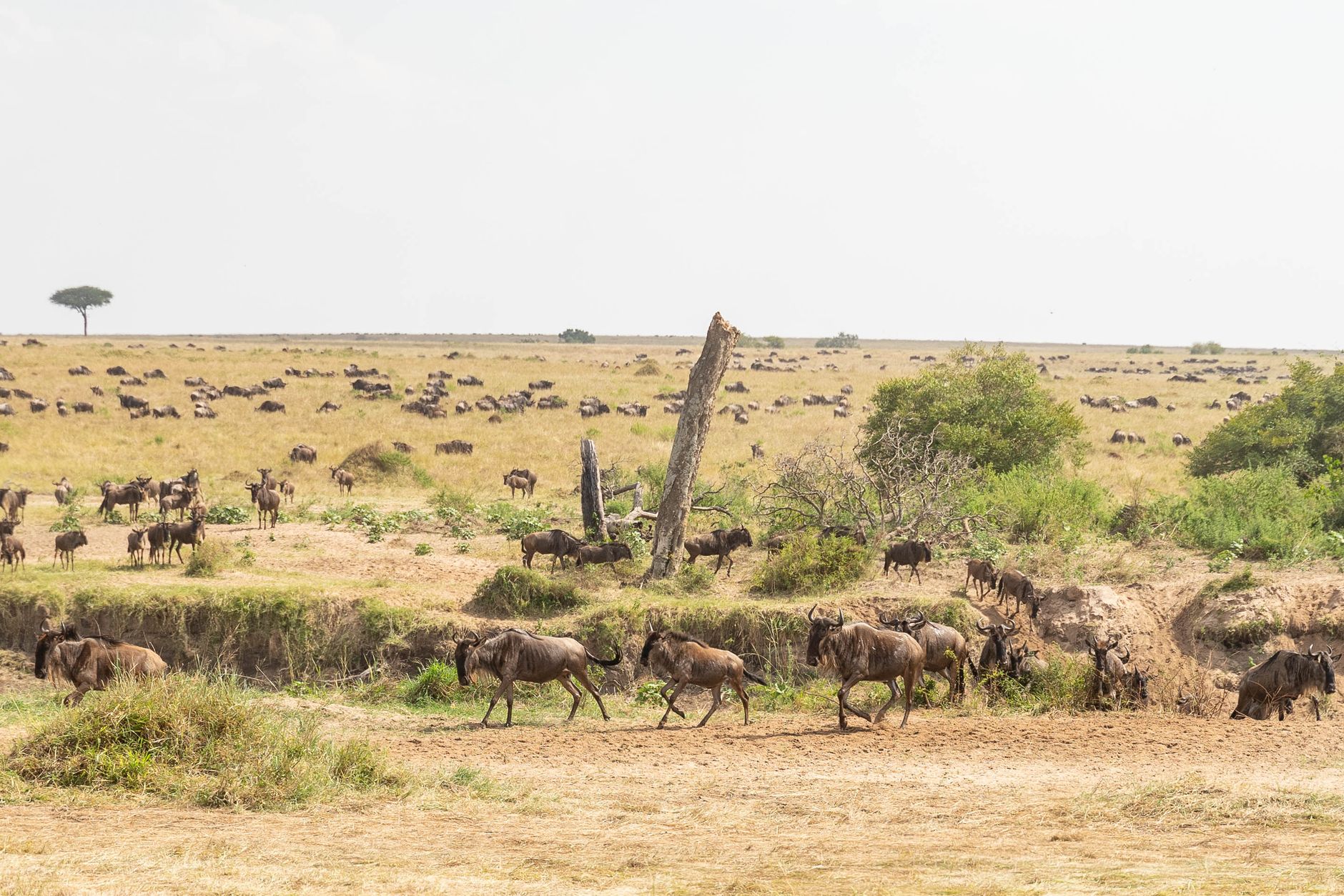
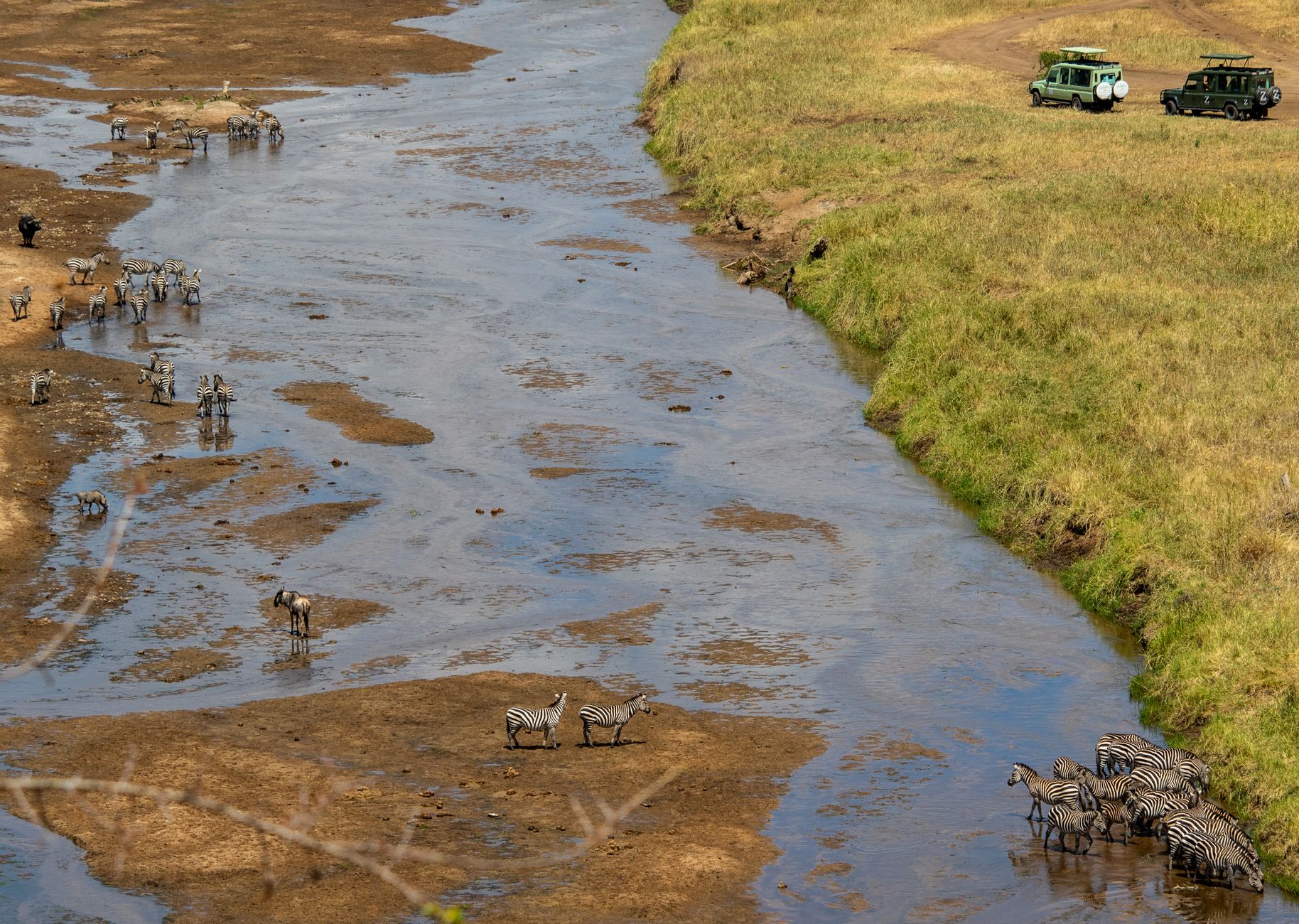
The rain breathes new life into the ecosystem. Parched riverbeds begin to flow, and the plains turn a brilliant green, providing a stunning, high-contrast backdrop for wildlife photography. This is a time of abundance for herbivores, and the drama of the predator-prey cycle continues against this lush new canvas.
What to Pack for Kenya Safari in March: The Essentials
Packing for a March safari is all about versatility. With a mix of sunshine, heat, and potential rain, layering is your most effective strategy. The goal is to stay comfortable from the cool pre-dawn game drive through the warm midday sun and into the rain-freshened evening.
Clothing: Layers, Colours, and Fabrics
Your clothing choices should be practical and respectful of the environment. Stick to neutral, earthy tones like khaki, beige, green, and brown. These colours help you blend into the landscape, minimizing disturbance to wildlife. Avoid dark blue and black, as they can attract tsetse flies, and bright white, which stands out and shows dirt easily.
Opt for lightweight, breathable fabrics such as cotton, linen, and moisture-wicking blends. Quick-drying materials are particularly useful during the green season. A typical day might involve a warm fleece for the morning drive, a simple t-shirt during the heat of the day, and a waterproof jacket for an afternoon shower.
Footwear and Accessories
Comfortable, closed-toe shoes are essential. A pair of broken-in walking shoes or trail runners is perfect for game drives and any walking excursions. While heavy hiking boots are usually unnecessary unless your itinerary includes serious trekking, a degree of water resistance is a welcome feature in March.
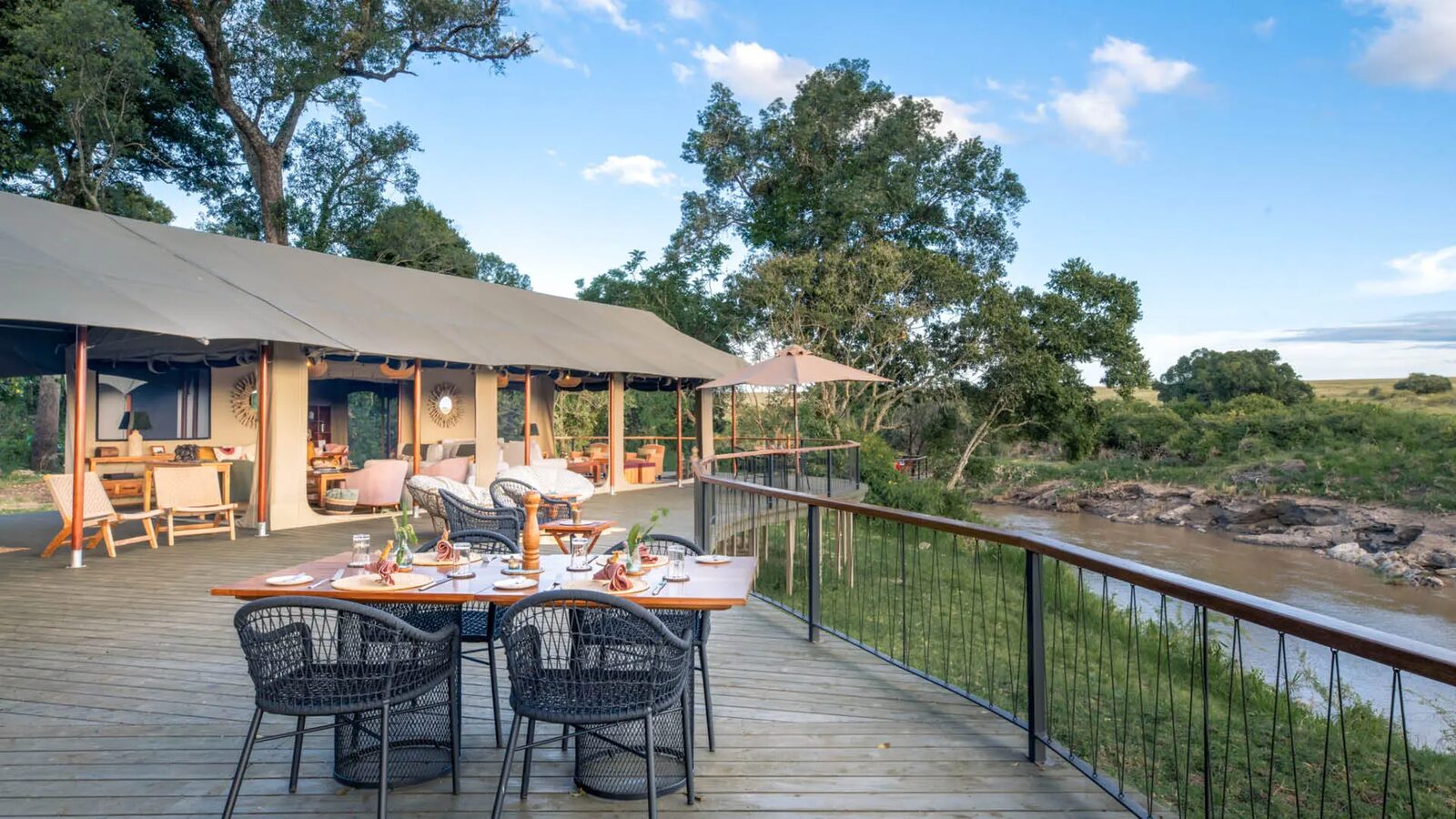
Around the lodge, a pair of sandals or flip-flops will be perfect for relaxing between activities. Imagine kicking back on your private deck at a place like Rekero Camp, listening to the sounds of the bush after a rewarding day of exploration.
Beyond Clothing: Essential Gear and Gadgets
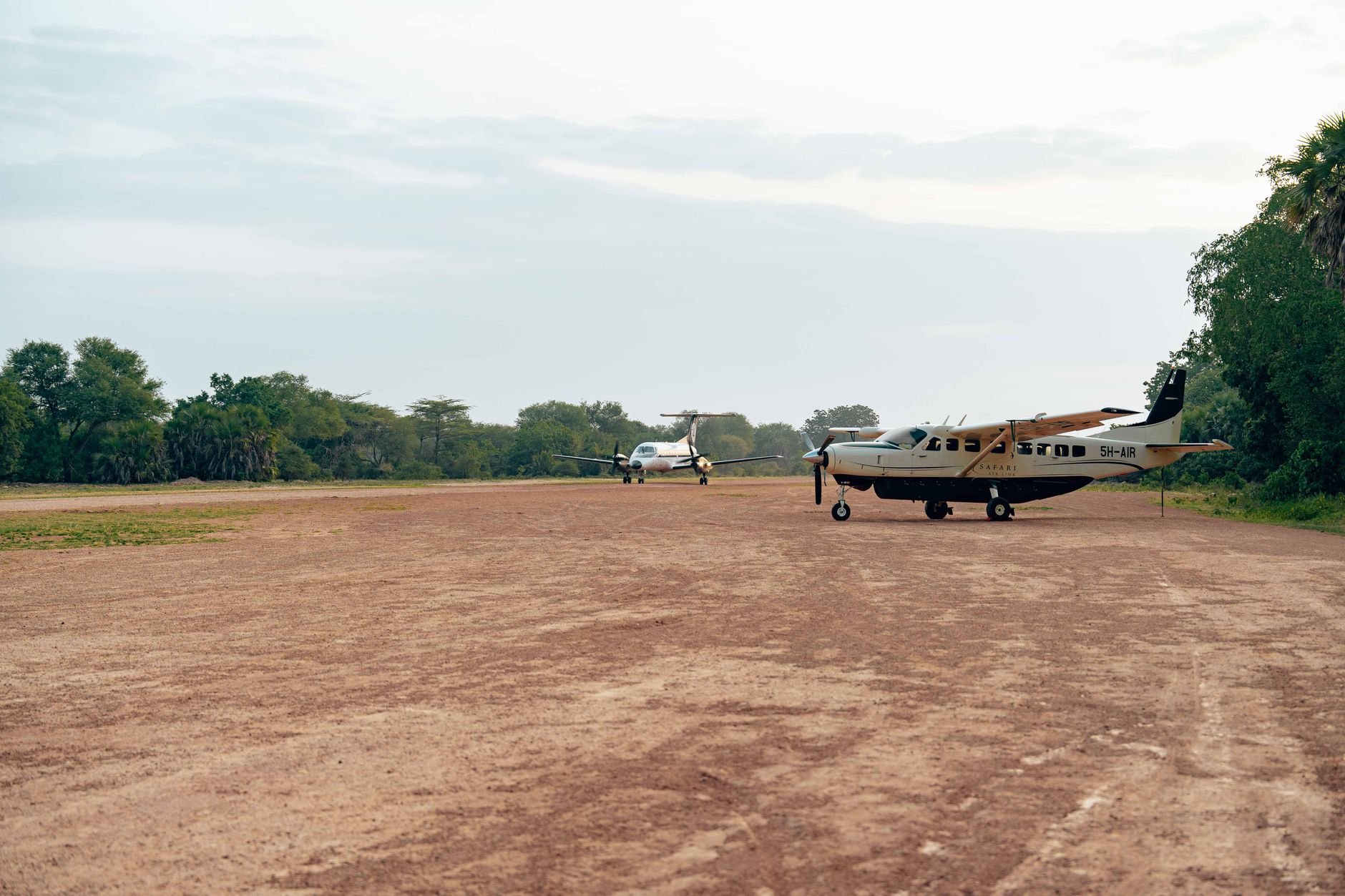
Beyond your main wardrobe, a few key items will significantly enhance your comfort, safety, and overall safari experience. Packing these in a soft-sided duffel bag is always recommended, especially if your itinerary includes light aircraft flights, which have strict weight and size limits (usually 15kg per person).
Here is a checklist of other must-have items:
- Health and Safety: A personal first-aid kit with antiseptic wipes, plasters, pain relief, and any personal prescription medications is a must. High-SPF sunscreen (SPF 30+), effective insect repellent containing DEET, and after-sun lotion are also crucial.
- Optics and Electronics: A good pair of binoculars (8x42 or 10x42 are ideal) is non-negotiable for any safari-goer. For photographers, bring extra batteries and memory cards. A portable power bank is invaluable for charging devices on the go, and a universal travel adapter is needed for Kenya's Type G outlets.
- Day-to-Day Comfort: A wide-brimmed hat is vital for sun protection. Pack polarized sunglasses to cut through the glare, a reusable water bottle to stay hydrated sustainably, and a small, waterproof daypack to carry your essentials on game drives.
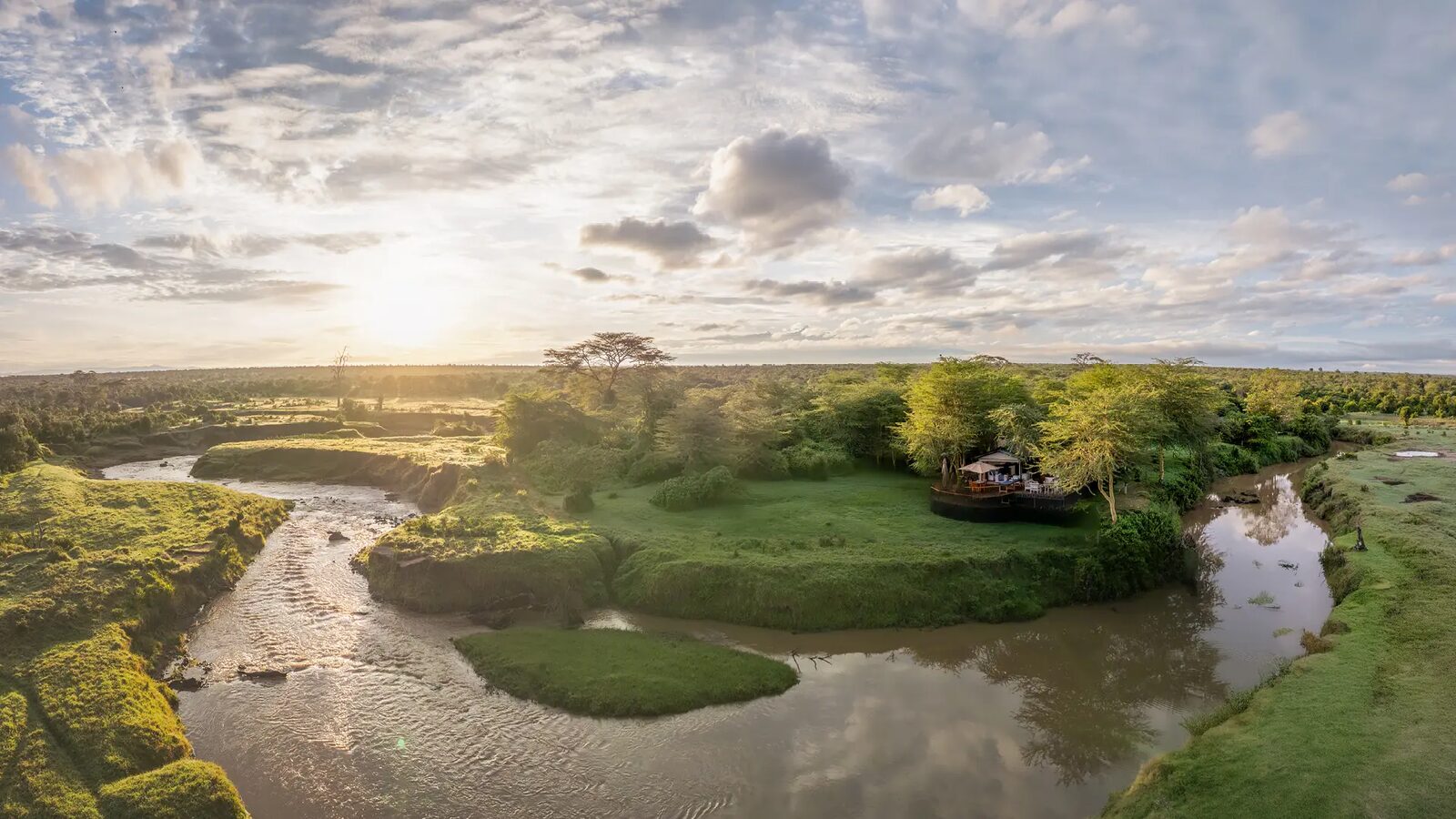
- Lodge Life: A headlamp or small torch is useful for navigating your way around camp after dark, especially at unfenced properties like the authentic Ol Pejeta Bush Camp.

Special Considerations for a Green Season Safari
Travelling in March presents a few unique opportunities and logistical points to consider. The lush vegetation can sometimes make wildlife spotting a little more challenging, but the rewards are immense. Animal populations are often more dispersed due to plentiful water sources, meaning your guide’s tracking skills truly shine.
This is an exceptional time for birdwatching. Many migratory species are still present, and resident birds are in their full breeding plumage. The clear, post-rain air and vibrant green backgrounds also make for spectacular photographic conditions, especially for those interested in landscape photography.
Given the chance of rain, consider packing a few waterproof dry bags to protect sensitive electronics and important documents within your main luggage. If your plans include both a safari and a coastal escape, be aware that the rains also reach areas like the Diani South Coast, though temperatures remain high and the ocean warm.
Ultimately, a safari in the green season is a chance to see Kenya in a different light. The famous plains of the Maasai Mara, for example, are transformed from golden savannah to a verdant paradise, offering a deeply atmospheric and sensory journey.
With the right preparation, your March safari will be comfortable, captivating, and utterly unforgettable. By embracing the dynamic weather and packing smartly, you position yourself to enjoy the full spectacle of Kenya's green season: a time of rejuvenation, vibrant life, and incredible beauty. This guide on what to pack for Kenya safari in March should give you the confidence to plan an incredible adventure during one of the country's most photogenic and peaceful seasons.
Where to stay
Browse handpicked places to stay — many with live availability and instant booking.
 4.8(63)
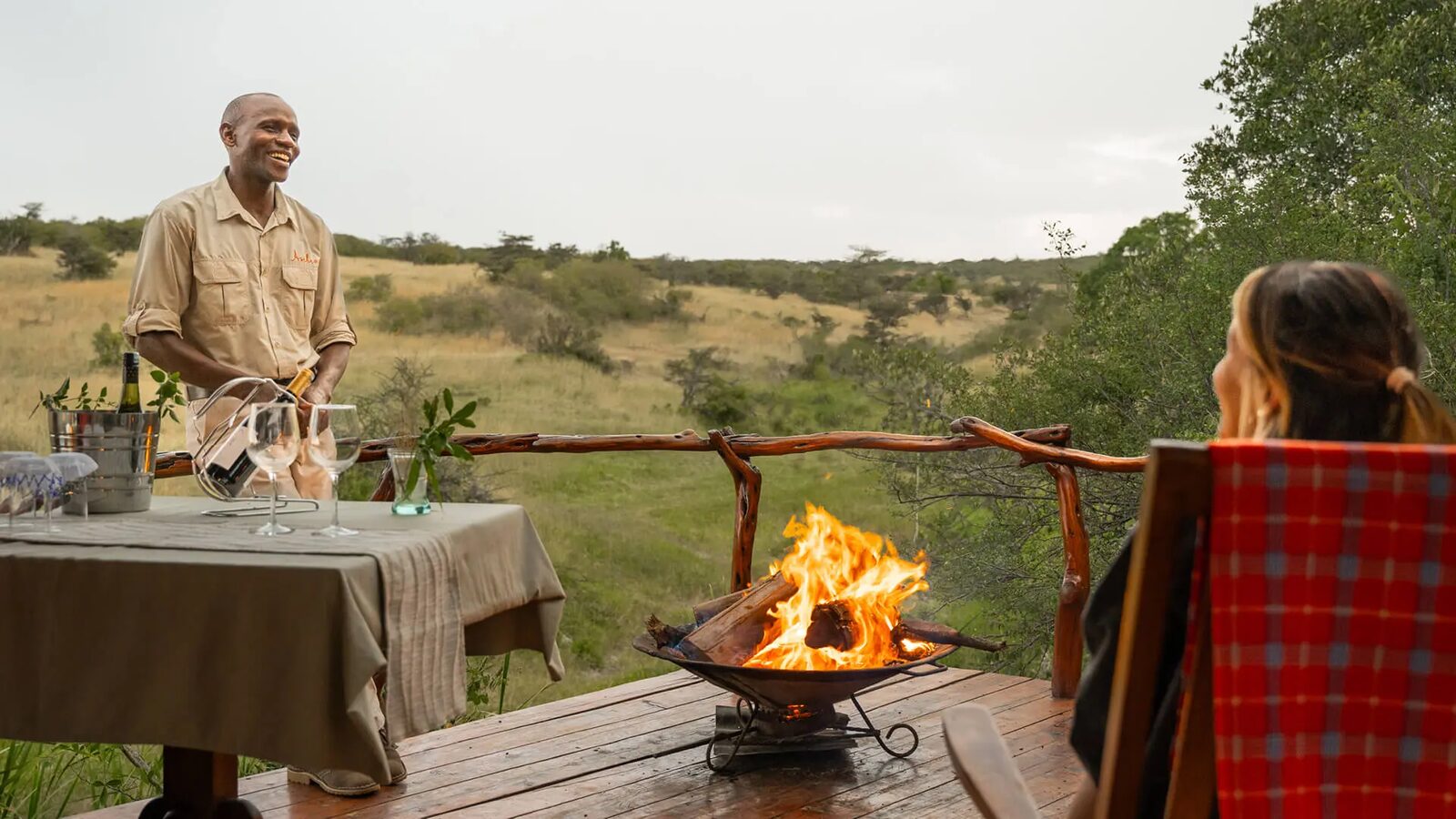
Encounter Mara Camp
Mara Naboisho Conservancy, Kenya
 4.9(76)
Rekero Camp
Talek River, Maasai Mara National Reserve, Kenya
 4.8(95)
Ol Pejeta Bush Camp
Ol Pejeta Conservancy, Laikipia, Kenya
 4.7(91)
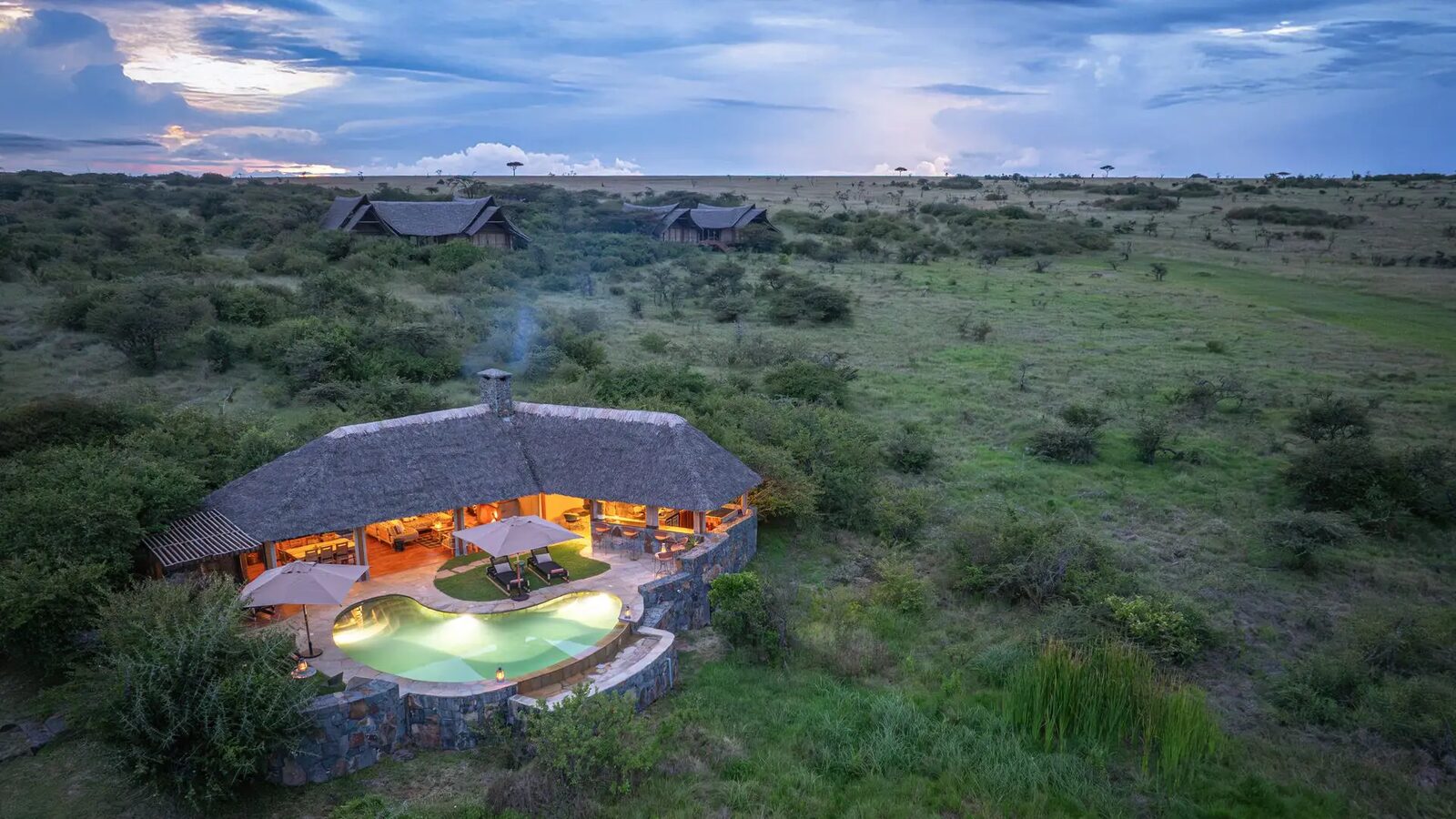
Naboisho Camp
Mara Naboisho Conservancy, Kenya
 4.6(2137)
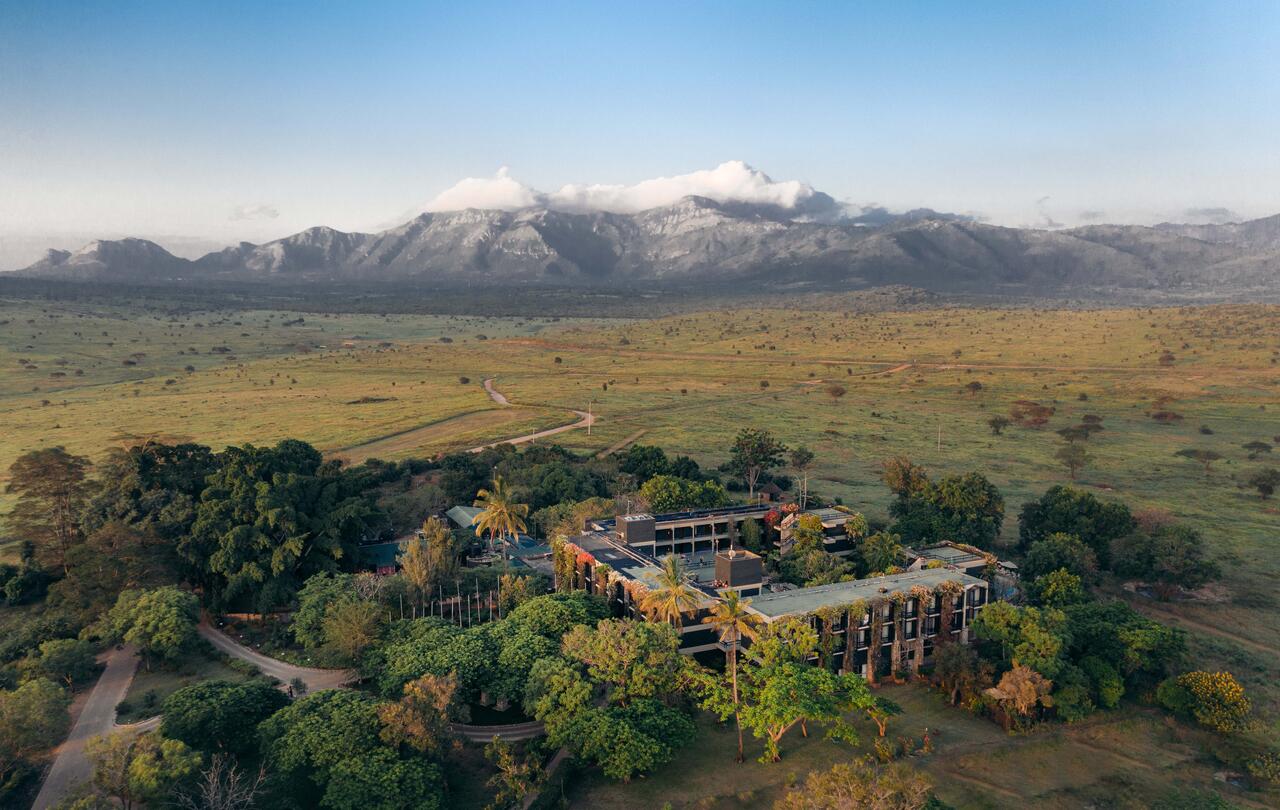
Taita Hills Safari Resort & Spa
Taita Hills, Kenya
 4.5(594)
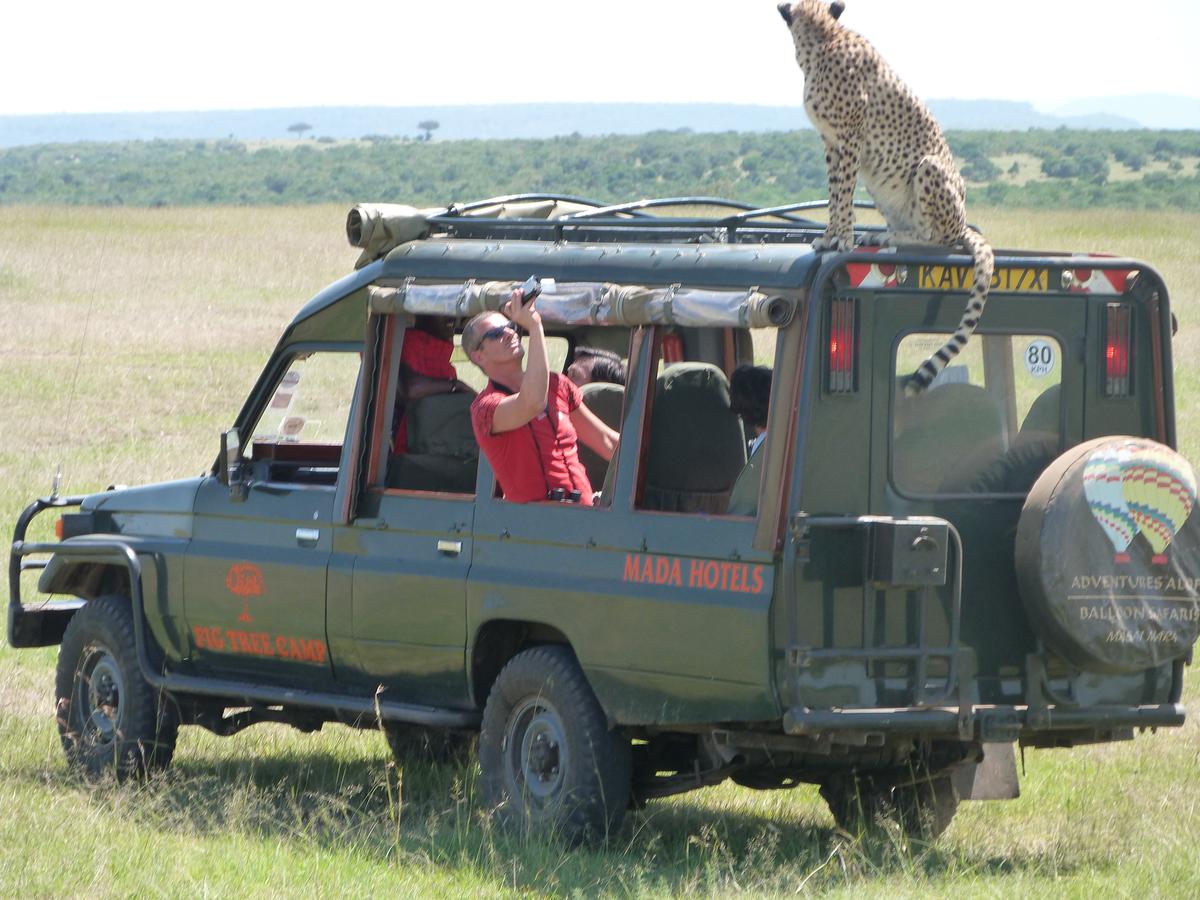
Fig Tree Camp - Maasai Mara
Maasai Mara, Kenya
Let us plan this trip for you
Send us your dates, party and budget and we'll come back with a costed itinerary — lodges, flights, transfers and activities in one place. No fee, no obligation.
Keep reading
See our safari advice first on Google
One tap tells Google you want Safari Stays shown higher when you search for safari and travel news. It takes a second and you can undo it anytime.
Make Safari Stays a preferred source on Google