Are Private Conservancies in Kenya Worth It?
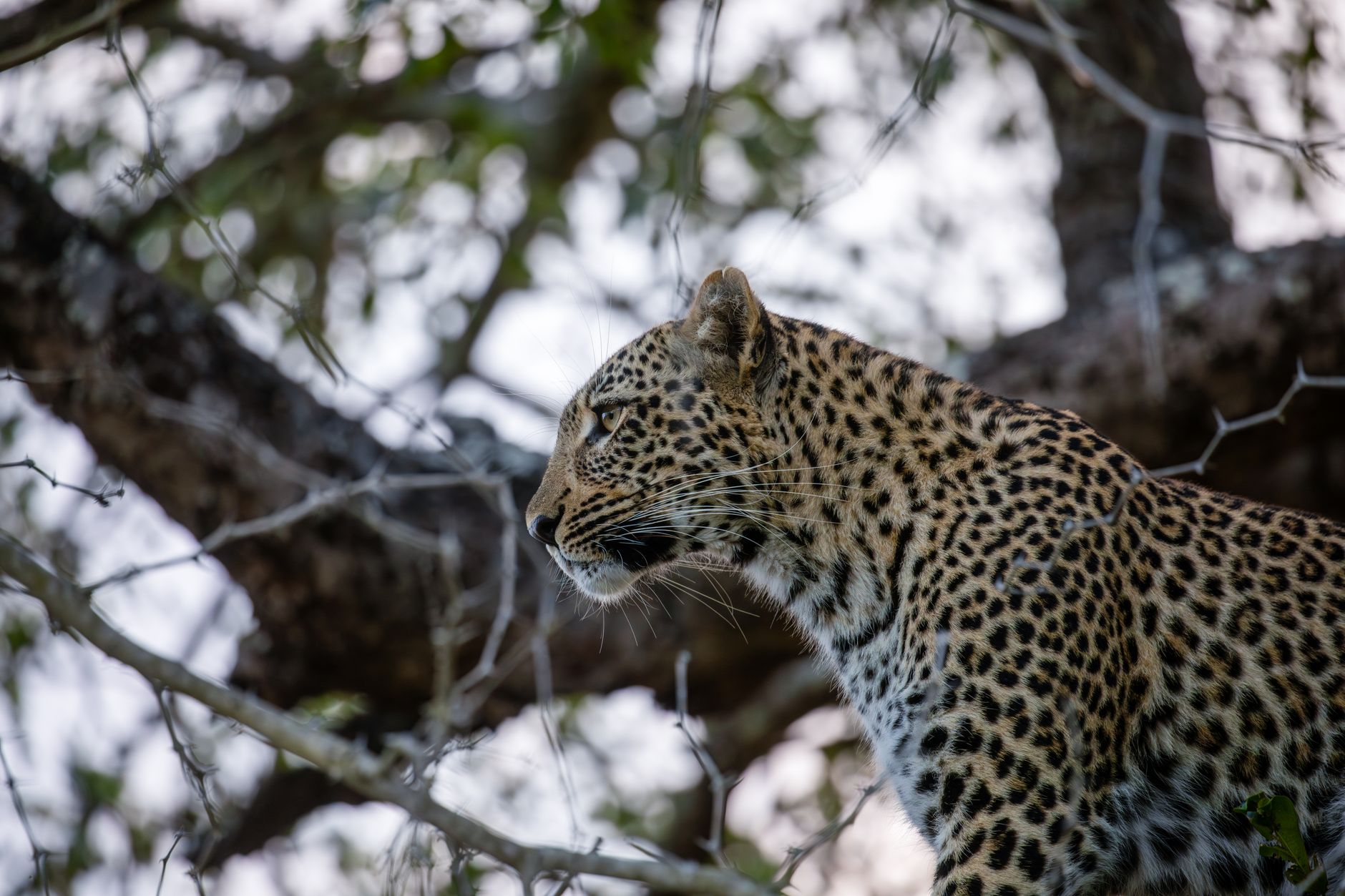
As you begin to map out your dream Kenyan safari for 2027, a question inevitably arises: where, precisely, should you go? The classic images of vast, golden plains teeming with wildlife often belong to Kenya's famed National Reserves. Yet, you may have also heard whispers of a more exclusive alternative: the private conservancy. This leads many travellers to ask, are private conservancies in Kenya worth it?
The answer depends on what you seek from your time in the African bush. While National Reserves offer an incredible and classic safari experience, private conservancies provide a different kind of magic—one defined by exclusivity, flexibility, and a deep, direct connection to conservation. This guide will explore the differences to help you make the perfect choice for your upcoming adventure.
Understanding the Difference: National Reserves vs. Private Conservancies
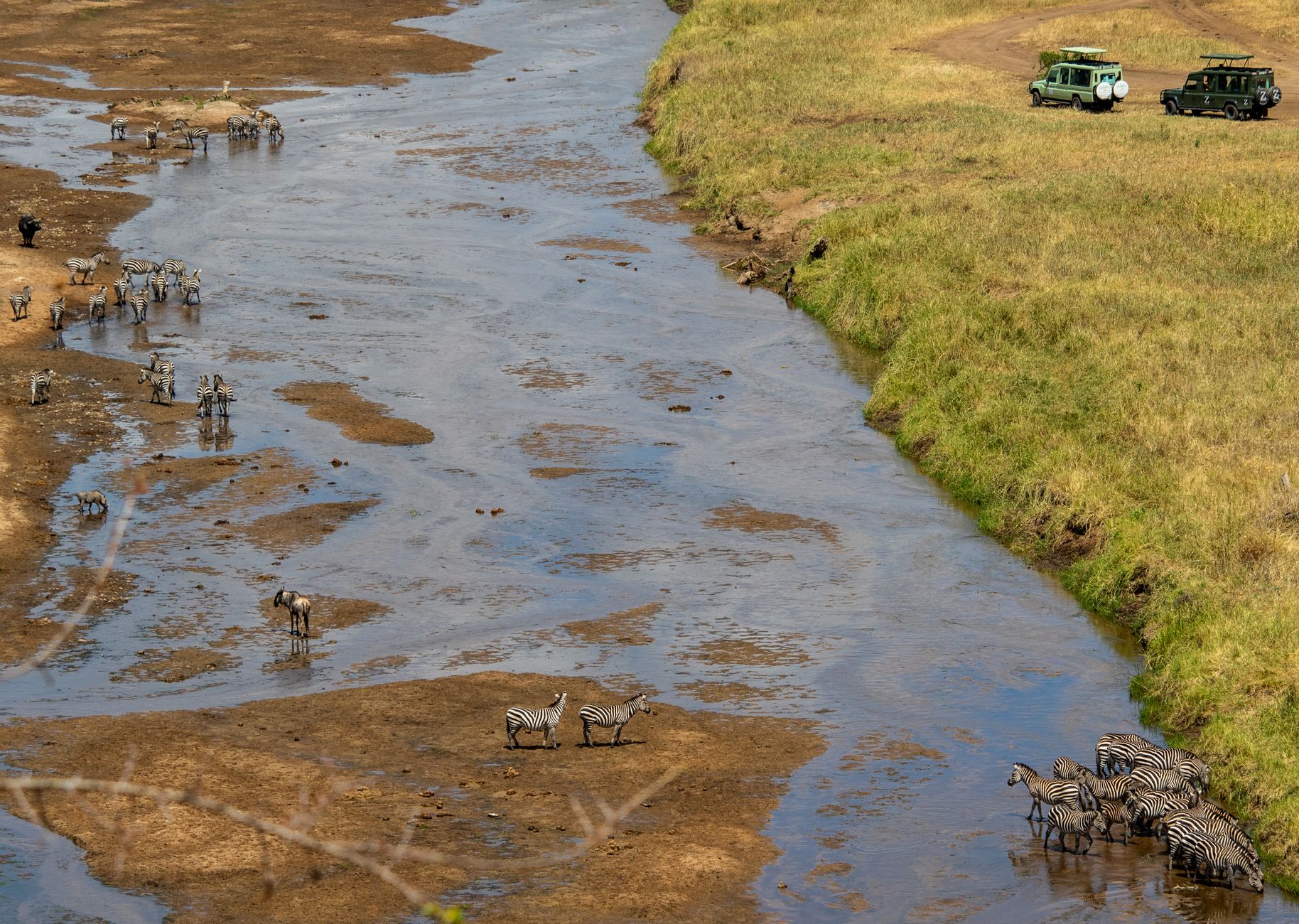
First, it’s helpful to understand the distinction between these two models. Kenya’s National Parks and National Reserves, such as the legendary Maasai Mara National Reserve, are vast tracts of land managed by national or county governments. They are open to the public, meaning any licensed tour operator can bring guests in for game drives. This accessibility is wonderful, but it can lead to high vehicle concentrations, especially during peak seasons or at a popular wildlife sighting.
To protect the environment and wildlife, these reserves have strict regulations. Vehicles must stay on designated tracks, and gates typically close at dusk, meaning your day ends as the sun sets. This is the quintessential safari many have dreamed of, and for good reason—the sheer scale and wildlife density are breathtaking.
Private conservancies operate on a different model. They are parcels of land that border the national reserves, forming a crucial buffer zone and expanding the protected habitat for wildlife. This land is typically owned by local communities—often hundreds of Maasai families—who lease it to a collection of tourism partners. In return for a steady income from conservancy fees, they agree to set the land aside for wildlife instead of farming or fencing.
This partnership is the heart of the conservancy model. It ensures that the benefits of tourism are shared directly with the people who live alongside the wildlife, creating a powerful incentive for conservation. The result is a safari experience that is both sustainable and deeply collaborative.
The Conservancy Advantage: Exclusivity and Freedom
So, what does this mean for your safari in early 2027? The most immediate difference you will feel in a private conservancy is a profound sense of space and seclusion. Because the number of lodges and guest vehicles is strictly limited, you will rarely encounter another vehicle on your game drives. Wildlife sightings become personal, unhurried moments shared with just your guide and fellow travellers.
This exclusivity is paired with an incredible degree of flexibility. The rules that govern national reserves are relaxed within the conservancies, opening up a world of unique activities that allow for a more intimate connection with the bush. These often include:
- Off-road driving: When a leopard is spotted resting in a distant acacia, your guide has the freedom to drive off the track (respectfully and responsibly) to get you a closer view.
- Night game drives: The bush transforms after dark, revealing a cast of nocturnal creatures you would otherwise never see. An evening drive might reveal the glowing eyes of a genet, a hunting serval cat, or the powerful prowl of a lion in its prime hunting hours.
- Walking safaris: There is nothing more thrilling than leaving the vehicle behind to explore the savanna on foot. Accompanied by a highly trained armed guide, you learn to read tracks, identify plants, and experience the ecosystem from a humbling new perspective.
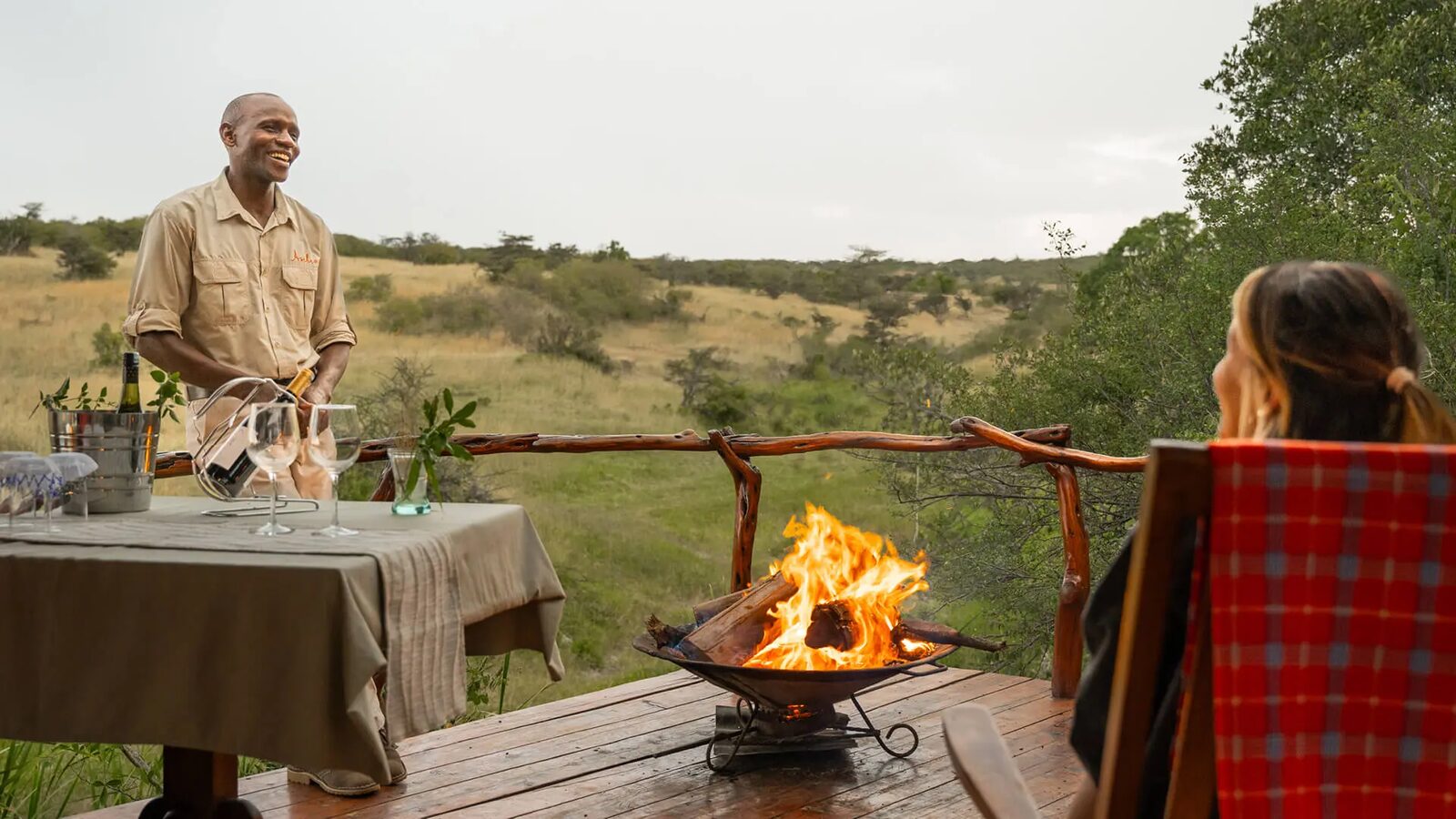
- Bush meals and sundowners: Conservancies allow for magical moments like a surprise breakfast cooked over a fire in the middle of the plains or evening cocktails served as the sun sets over the escarpment.
These activities move beyond just observing the landscape to truly immersing yourself within it. They create a richer, more varied, and deeply personal safari experience.
Are private conservancies in Kenya worth it for wildlife viewing?
This is a critical question for any safari-goer. It’s a common concern that leaving the famous national reserves might mean compromising on wildlife encounters. The reality, however, is quite the opposite. Wildlife does not recognise the man-made boundaries between a reserve and a conservancy. These areas are part of the same vast, interconnected ecosystem.
In fact, because conservancies are managed as exclusive wildlife havens with very low human traffic, they often host incredible concentrations of game. The land is healthy, the animals are less pressured by vehicles, and the viewing opportunities can be phenomenal. This is particularly true in the conservancies bordering the Maasai Mara, which are vital dispersal areas for the Great Migration and home to high densities of predators year-round. Lodges like Encounter Mara Camp in the Mara Naboisho Conservancy are perfectly positioned to take advantage of this pristine, crowd-free environment.
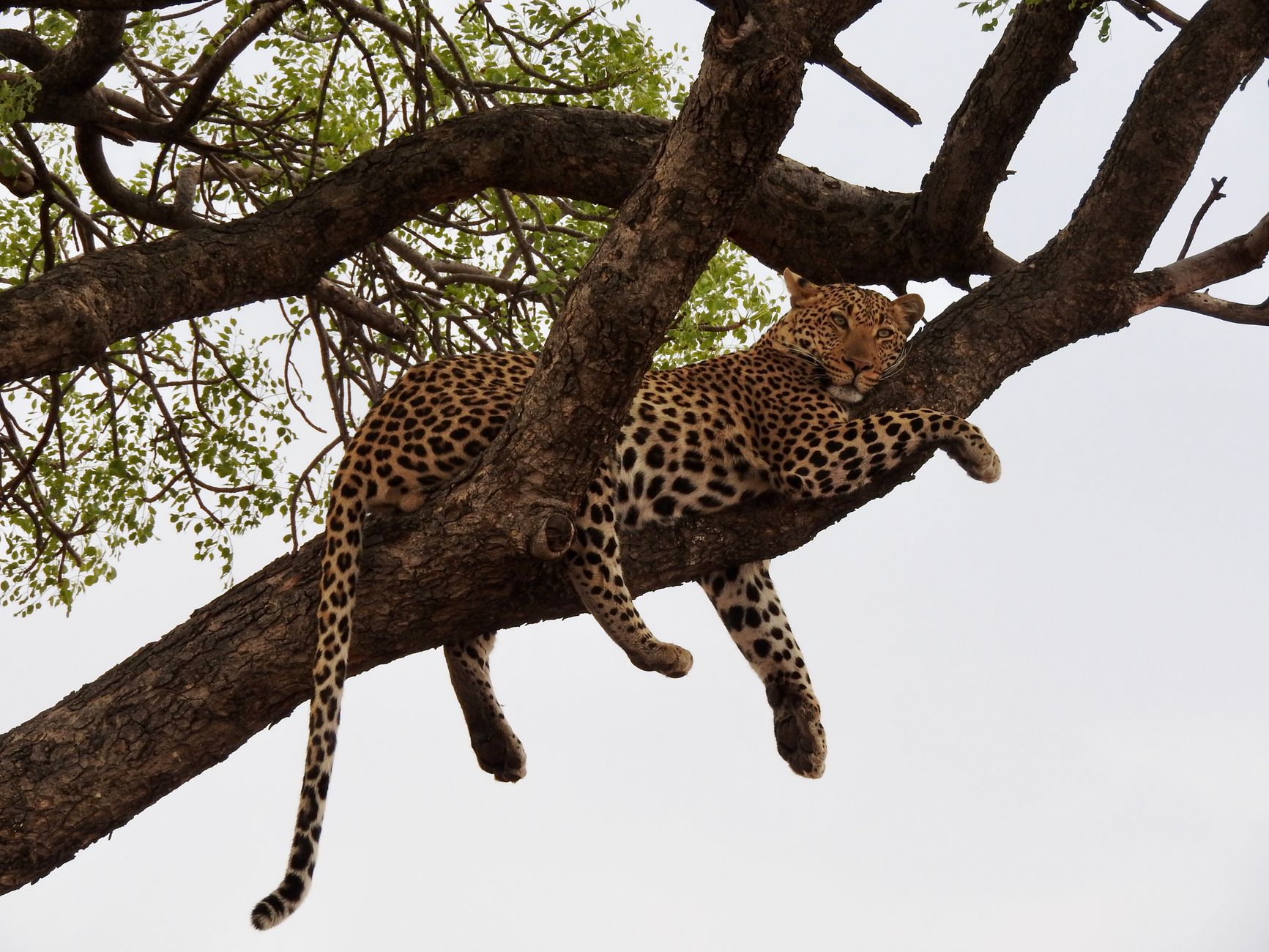
Beyond the Mara, the conservancy model has been a powerful force for conservation across the country. The highlands of Laikipia are a shining example, where a network of private reserves has transformed former cattle ranches into a haven for endangered species. Here, the renowned Ol Pejeta Conservancy is a global leader in rhino conservation. A stay at a lodge like Ol Pejeta Bush Camp not only gives you exceptional game viewing but also a front-row seat to groundbreaking conservation work.
By choosing a conservancy, you are not sacrificing wildlife viewing; you are simply choosing to experience it in a more private, holistic, and often more rewarding way.
A Deeper Impact: Conservation and Community
Perhaps the most compelling reason to choose a conservancy lies beyond your own experience. It’s in the knowledge that your journey has a direct, positive, and lasting impact on the place and people you visit. The fees you pay for your stay are the lifeblood of the entire system.
A significant portion of your nightly rate goes directly to the conservancy, funding everything from ranger salaries and anti-poaching patrols to the land-lease payments for hundreds of local families. This consistent income empowers communities, providing funds for education, healthcare, and sustainable livelihoods. It transforms wildlife from a potential liability into a valuable asset worth protecting.
When you stay in a conservancy, you become part of this virtuous cycle. You are an active participant in a community-led conservation success story. Your safari is not just a holiday; it’s an investment in the future of Kenya's wild spaces and a partnership with the communities who are their custodians.
So, as you weigh your options for that unforgettable trip, the question of are private conservancies in Kenya worth it comes down to a matter of value. While they can represent a higher initial cost, the return on that investment is immense. For the traveller who values privacy, seeks unique experiences beyond a standard game drive, and wishes for their travel to contribute meaningfully to conservation and community, the answer is a clear and resounding yes. It is an investment in a deeper, more profound kind of African adventure.
Where to stay
Browse handpicked places to stay — many with live availability and instant booking.
 4.8(63)
Encounter Mara Camp
Mara Naboisho Conservancy, Kenya
 4.7(91)
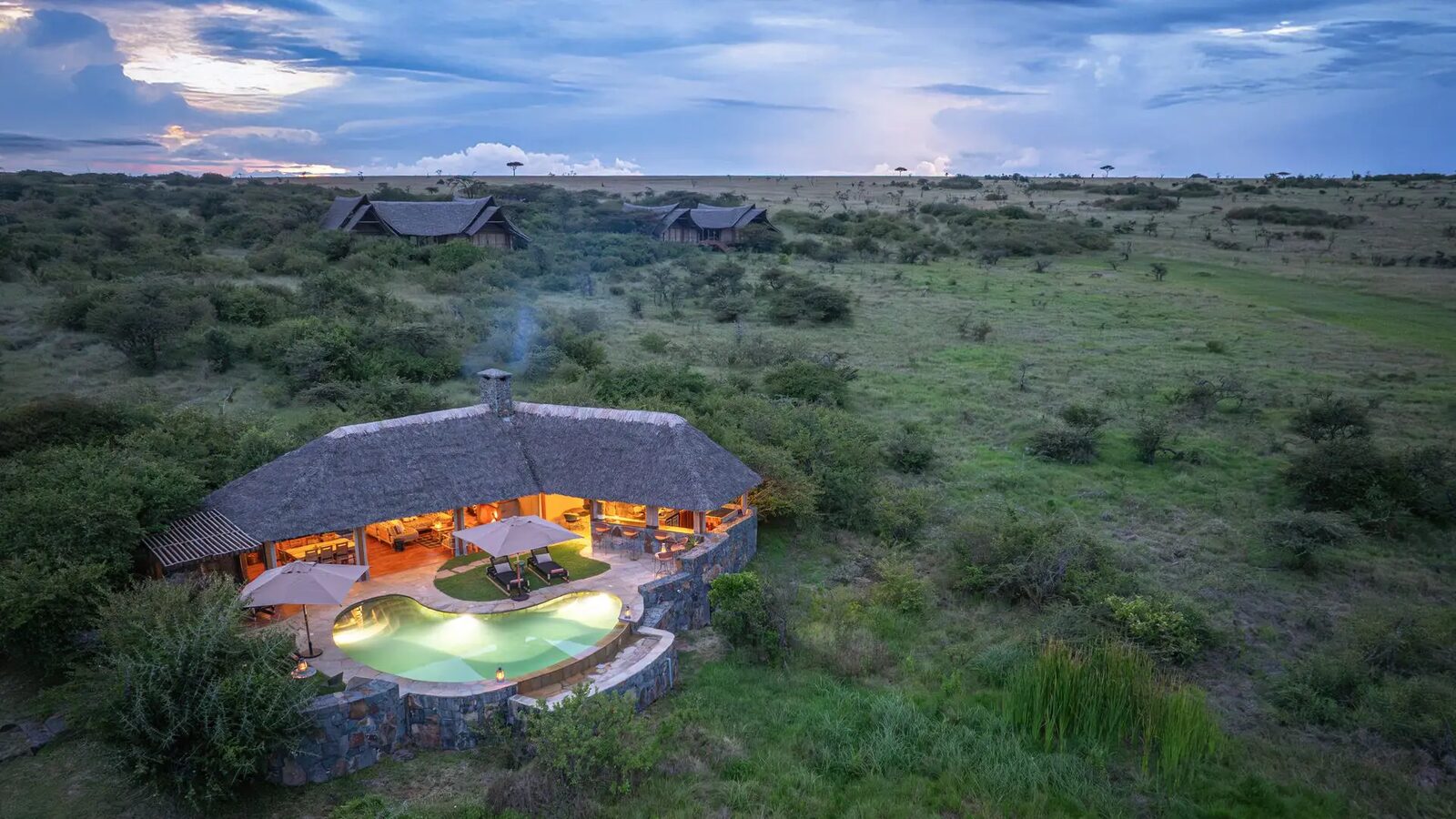
Naboisho Camp
Mara Naboisho Conservancy, Kenya
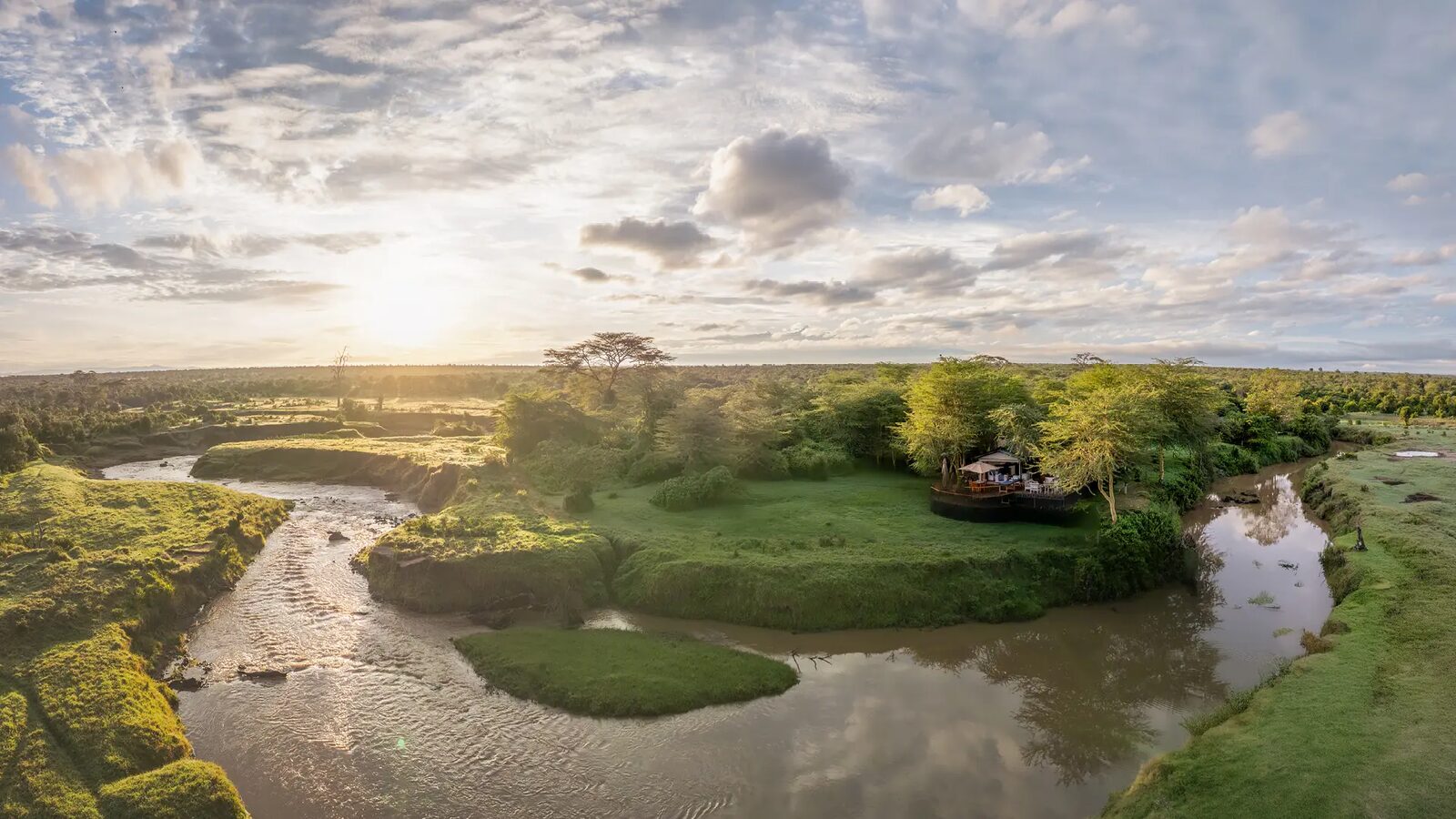 4.8(95)
Ol Pejeta Bush Camp
Ol Pejeta Conservancy, Laikipia, Kenya
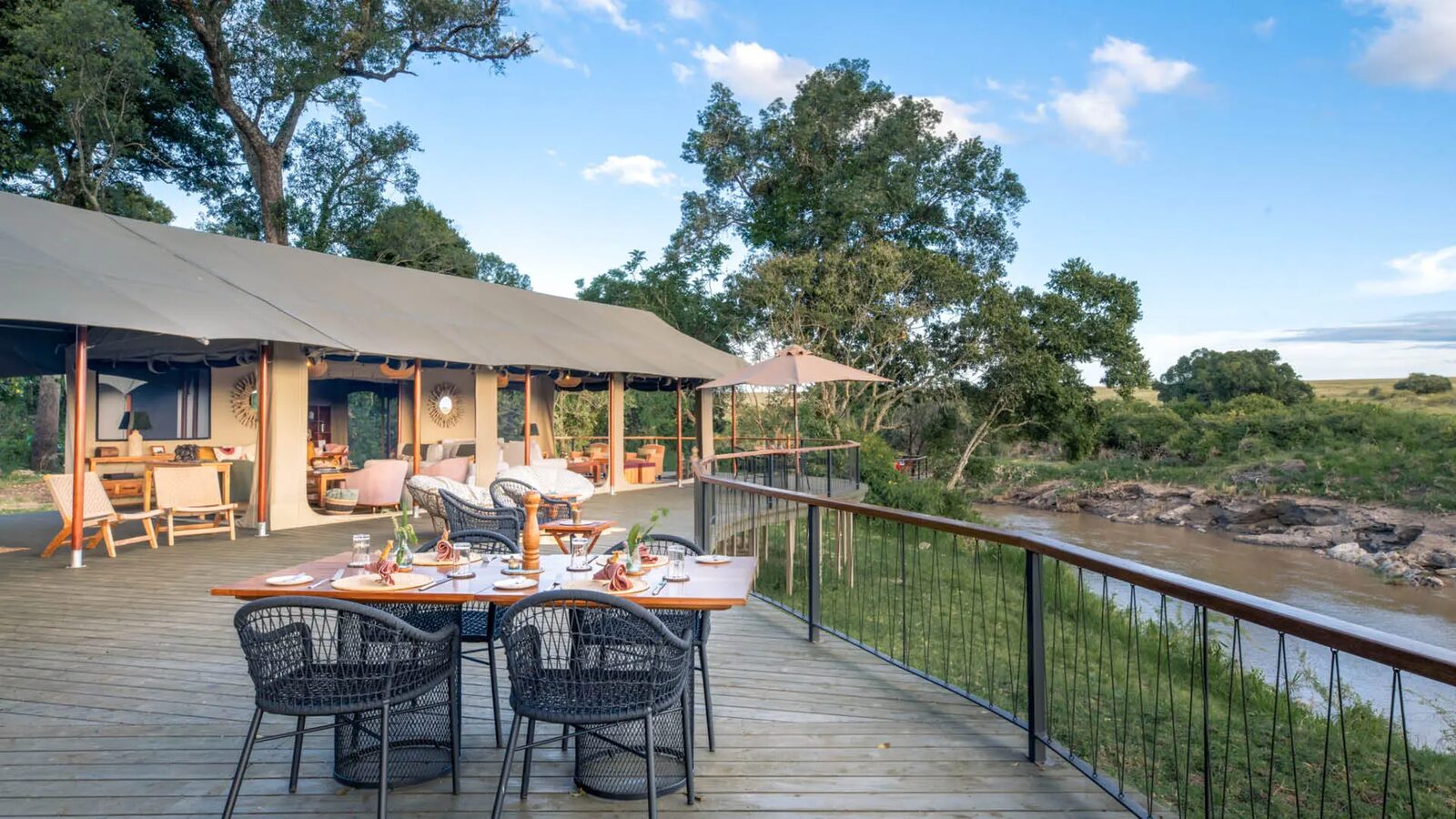 4.9(76)
Rekero Camp
Talek River, Maasai Mara National Reserve, Kenya
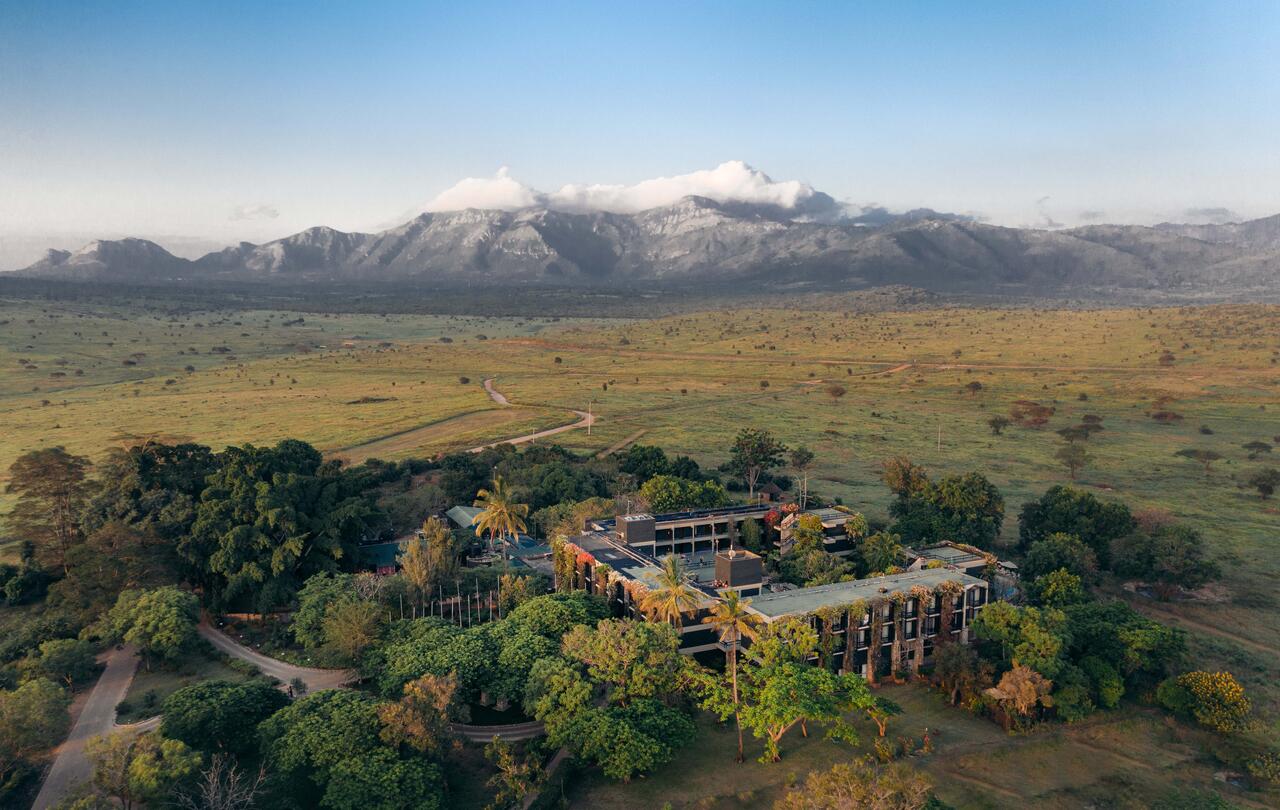 4.6(2137)
Taita Hills Safari Resort & Spa
Taita Hills, Kenya
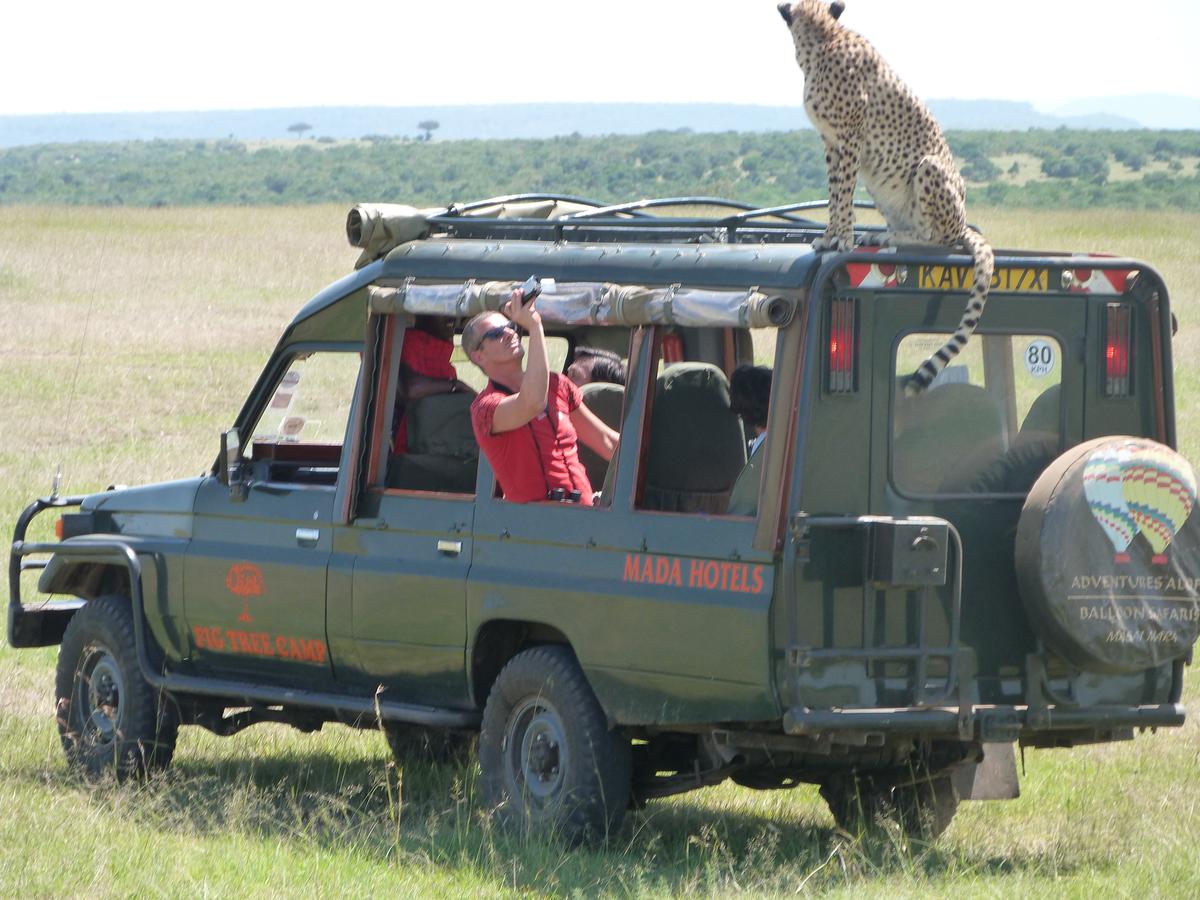 4.5(594)
Fig Tree Camp - Maasai Mara
Maasai Mara, Kenya
Let us plan this trip for you
Send us your dates, party and budget and we'll come back with a costed itinerary — lodges, flights, transfers and activities in one place. No fee, no obligation.
Keep reading

See our safari advice first on Google
One tap tells Google you want Safari Stays shown higher when you search for safari and travel news. It takes a second and you can undo it anytime.
Make Safari Stays a preferred source on Google