How to Get from Nairobi to the Masai Mara
The journey from Kenya's bustling capital to its most celebrated wilderness is the opening chapter of your safari story. As you begin to plan your 2027 trip, one of the first practical questions you'll ask is how to get from Nairobi to Masai Mara. This transfer isn't just a logistical step; it's a transition from the urban to the untamed, a journey that can be as scenic and memorable as the destination itself.
At Safari Stays, we believe that a well-planned trip starts with clear, expert advice. Whether you envision soaring over the Great Rift Valley in a light aircraft or witnessing the changing landscapes from the road, this guide will walk you through the options, helping you choose the perfect path for your adventure.
The Journey: From City to Savannah
The distance between Nairobi and the heart of the Maasai Mara is approximately 270 kilometres (about 170 miles). While this might not seem vast, the method you choose to cover this distance will significantly shape your itinerary, budget, and overall experience.
Your journey will take you from the high-altitude energy of Nairobi southwest across the country, descending into the magnificent expanse of the Great Rift Valley. This ancient geological trench sets the stage for the iconic, acacia-dotted plains that await. Deciding between flying and driving is the primary choice, each offering a distinct set of advantages.
Flying to the Mara: The Scenic & Swift Option
For travellers prioritising time and comfort, flying is the undisputed best choice. The journey transforms a half-day road trip into a brief, breathtaking flight, getting you to your lodge in time for lunch and an afternoon game drive.
The Flight Experience
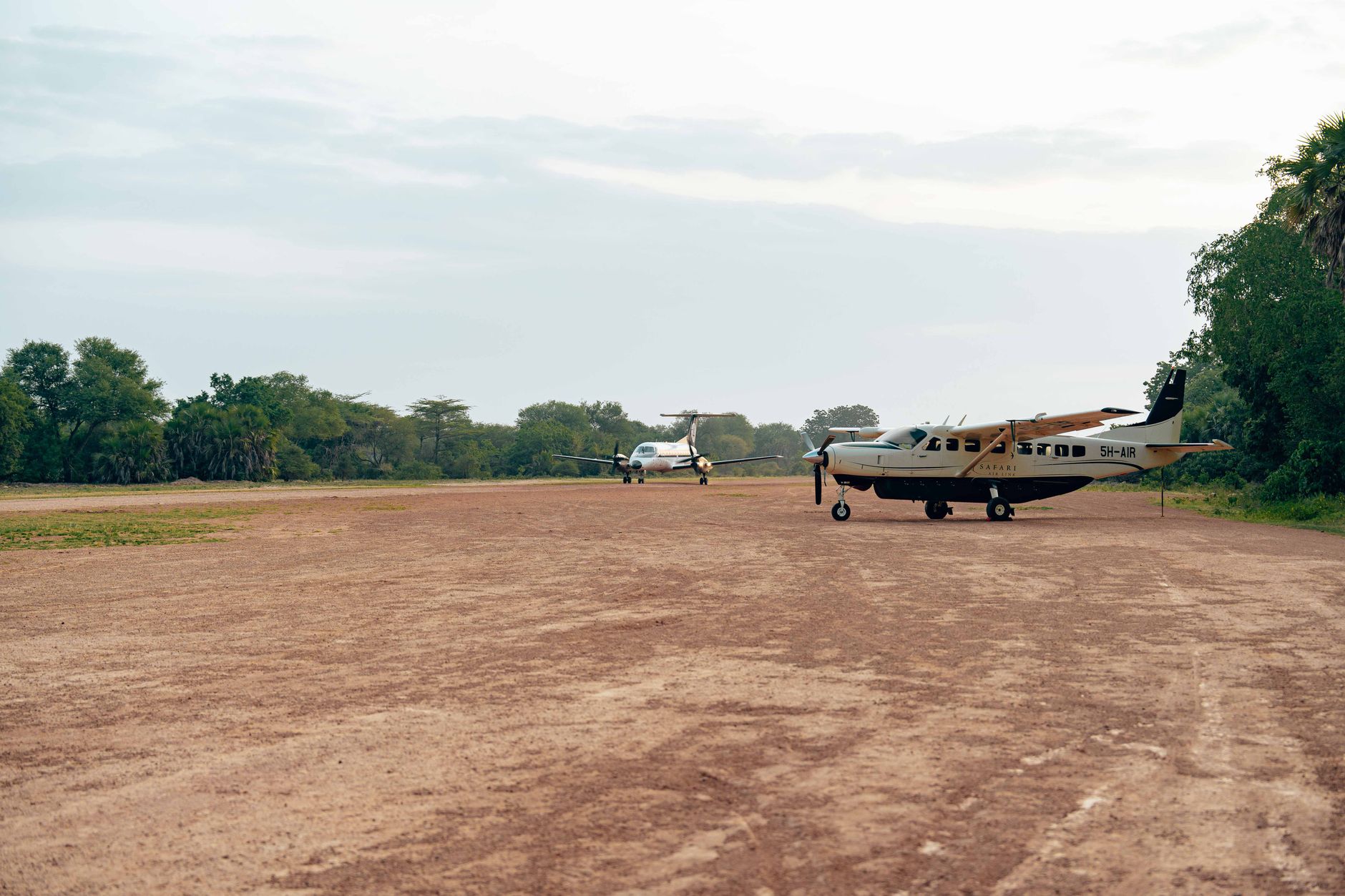
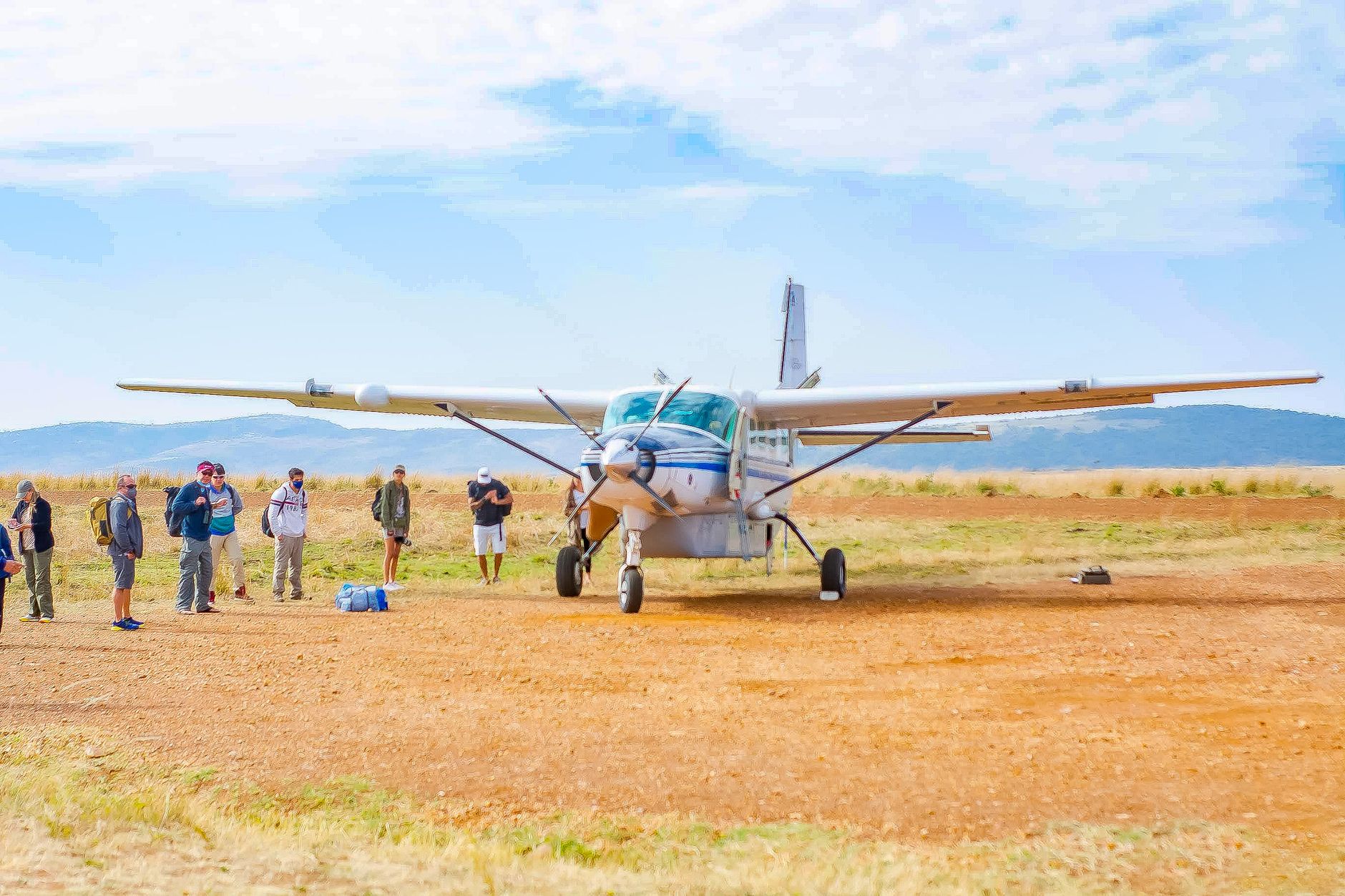
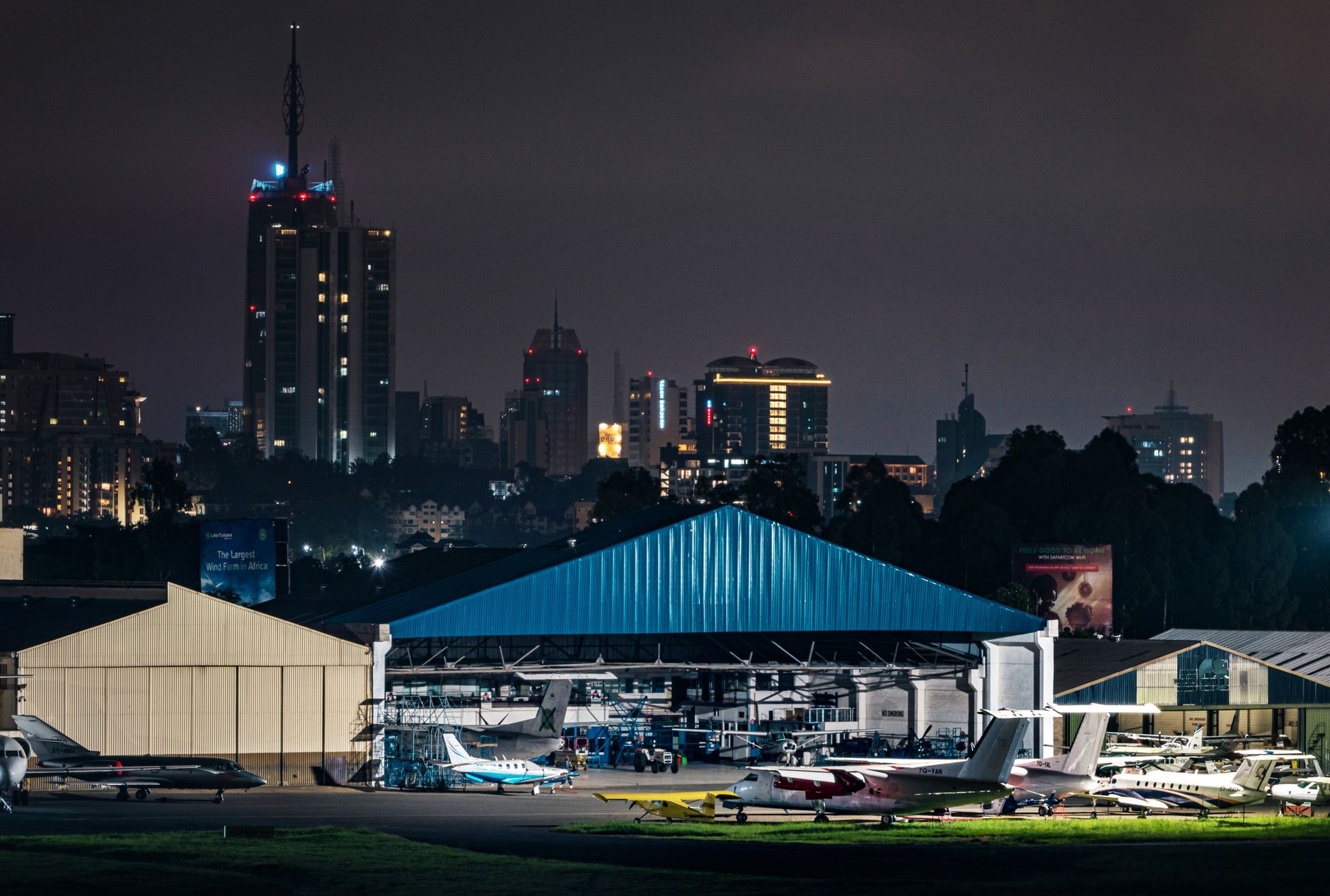
Domestic flights to the Mara depart from Wilson Airport (PLZ), a smaller, regional airport in Nairobi that is much more relaxed than the international Jomo Kenyatta Airport (NBO). Several reputable local airlines, such as Safarilink and AirKenya, operate multiple daily flights. The aircraft are typically Cessna Caravans or similar small planes, offering an intimate and exciting start to your safari.
Flying provides a stunning aerial perspective of Kenya's diverse geography. You’ll soar over suburbs and farmland before the dramatic escarpment of the Great Rift Valley unfolds beneath you. The flight itself, lasting between 45 to 60 minutes, is a scenic tour from above.
Airstrips and Lodge Transfers
The Maasai Mara is served by a network of over a dozen gravel and dirt airstrips, each strategically located to serve different areas of the reserve and surrounding conservancies. When you book your stay, your lodge will advise on the best airstrip. For example, guests staying at Rekero Camp would likely fly into the Ol Kiombo airstrip. Upon landing, a guide from your camp will be waiting to greet you with a 4x4 vehicle, often beginning your first game drive on the way to the lodge.
One key consideration for flying is the strict luggage limitation. Most domestic flights enforce a soft-sided bag limit of 15 kg (33 lbs) per person, including hand luggage. This requires smart, minimalist packing, but it's a small trade-off for the speed and convenience.
Driving to the Mara: A Rift Valley Road Trip
For those who prefer a journey grounded in the landscape, travelling by road offers a deeper connection to the country you're exploring. The drive from Nairobi to the Maasai Mara takes approximately five to six hours, depending on traffic and road conditions.
The Route and What You'll See
The journey begins by navigating out of Nairobi, heading northwest on the main highway. The first major landmark is the spectacular Great Rift Valley viewpoint, a popular stop to stretch your legs and take in the immense scale of the valley floor below. From there, the road descends into the valley, passing through dusty towns and villages.
The largest town en route is Narok, a bustling hub for the Maasai community. After Narok, the final leg of the journey is on a less-maintained road, which can be bumpy and rough, especially after rains. However, it's on this stretch that the safari truly begins, as you start to spot wildlife and traditional Maasai homesteads. Travelling in a sturdy 4x4 safari vehicle is essential.
Options for Road Travel
Most travellers who drive do so as part of a package with a pre-arranged safari operator who provides a vehicle and driver-guide. This is the most seamless option, as your guide will handle navigation and provide insightful commentary along the way. Alternatively, you can hire a private vehicle with a driver for a more flexible and independent transfer.
How to Get From Nairobi to Masai Mara: A Comparison
Choosing between air and road depends on your personal priorities: time, budget, and travel style. As you plan your safari for early 2027, consider the unique qualities of the 'Green Season' from January to June. The landscape will be lush, the skies dramatic, and you'll experience the Mara with fewer crowds.
To help you decide, here’s a direct comparison:
- Travel by Air
- Pros: Very fast (under an hour of flying time), comfortable, offers incredible aerial views, and allows you to maximise your time on safari.
- Cons: More expensive, strict luggage limits (15 kg in soft-sided bags), and you miss the ground-level perspective of the journey.
- Travel by Road
- Pros: More budget-friendly (especially for groups), no luggage restrictions, and allows you to witness the changing scenery and local life of the Great Rift Valley.
- Cons: Much longer travel time (5-6 hours), road conditions can be rough and uncomfortable, and potential for traffic delays leaving Nairobi.
For a multi-destination trip that might include parks like Amboseli or Laikipia, flying between locations can save you entire days of travel. However, if the Mara is your sole destination, the road trip can be a rewarding adventure in itself.
Making Your Final Decision
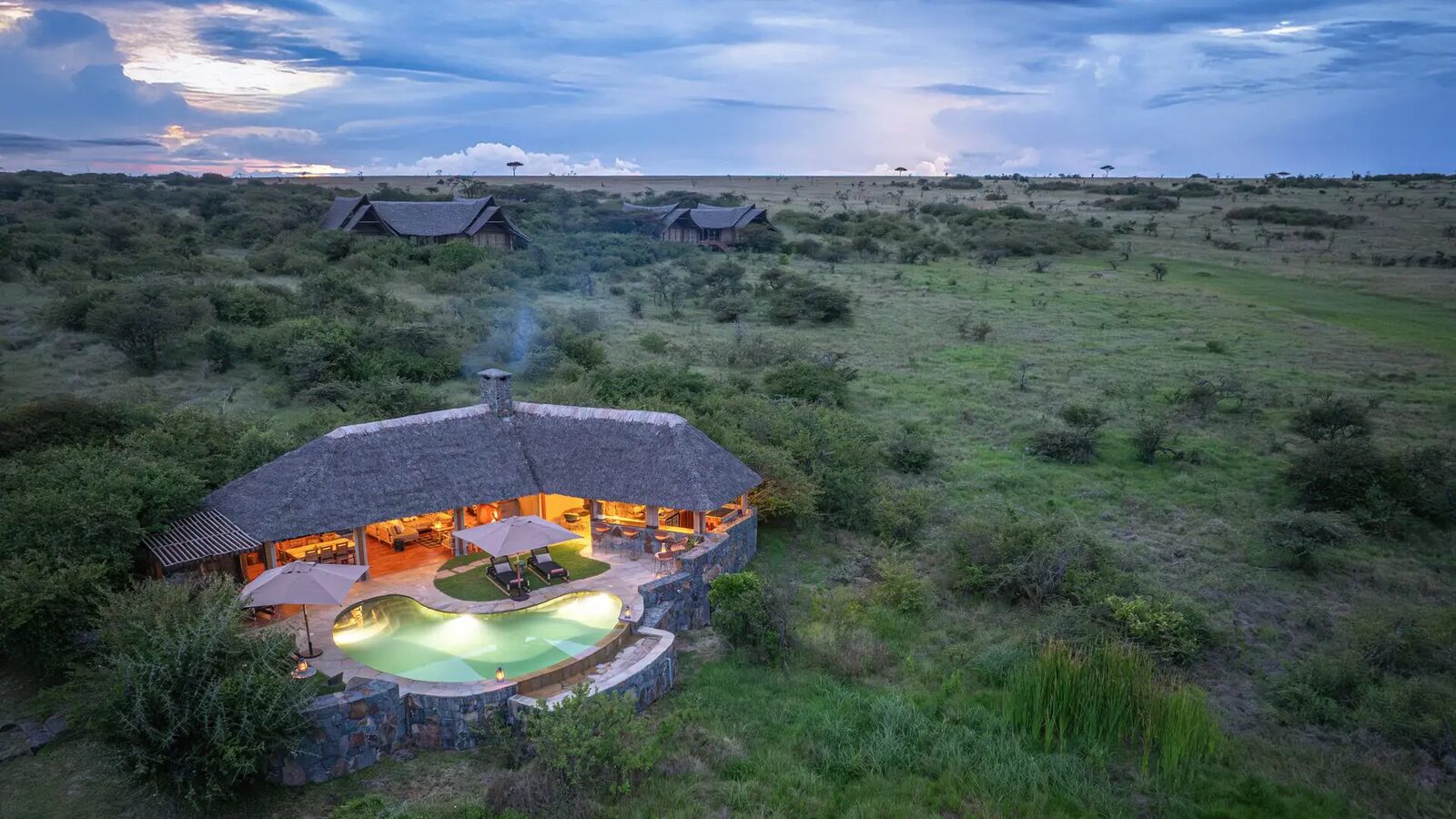
Ultimately, there is no single 'best' way. If your safari is short, or if you simply wish to get to the wildlife action as quickly as possible, flying is the logical choice. It allows you to settle into incredible properties like Karen Blixen Camp Masai Mara with minimal travel fatigue.
If you have a more relaxed schedule, a tighter budget, or a desire to see more of rural Kenya, the drive is an excellent option. The journey itself becomes an integral part of your adventure, offering cultural insights and a true sense of the distance you've covered to reach this magical wilderness.
Many visitors choose a combination, perhaps driving to the Mara to experience the Rift Valley and then flying back to Nairobi to catch an international flight home. This offers the best of both worlds.
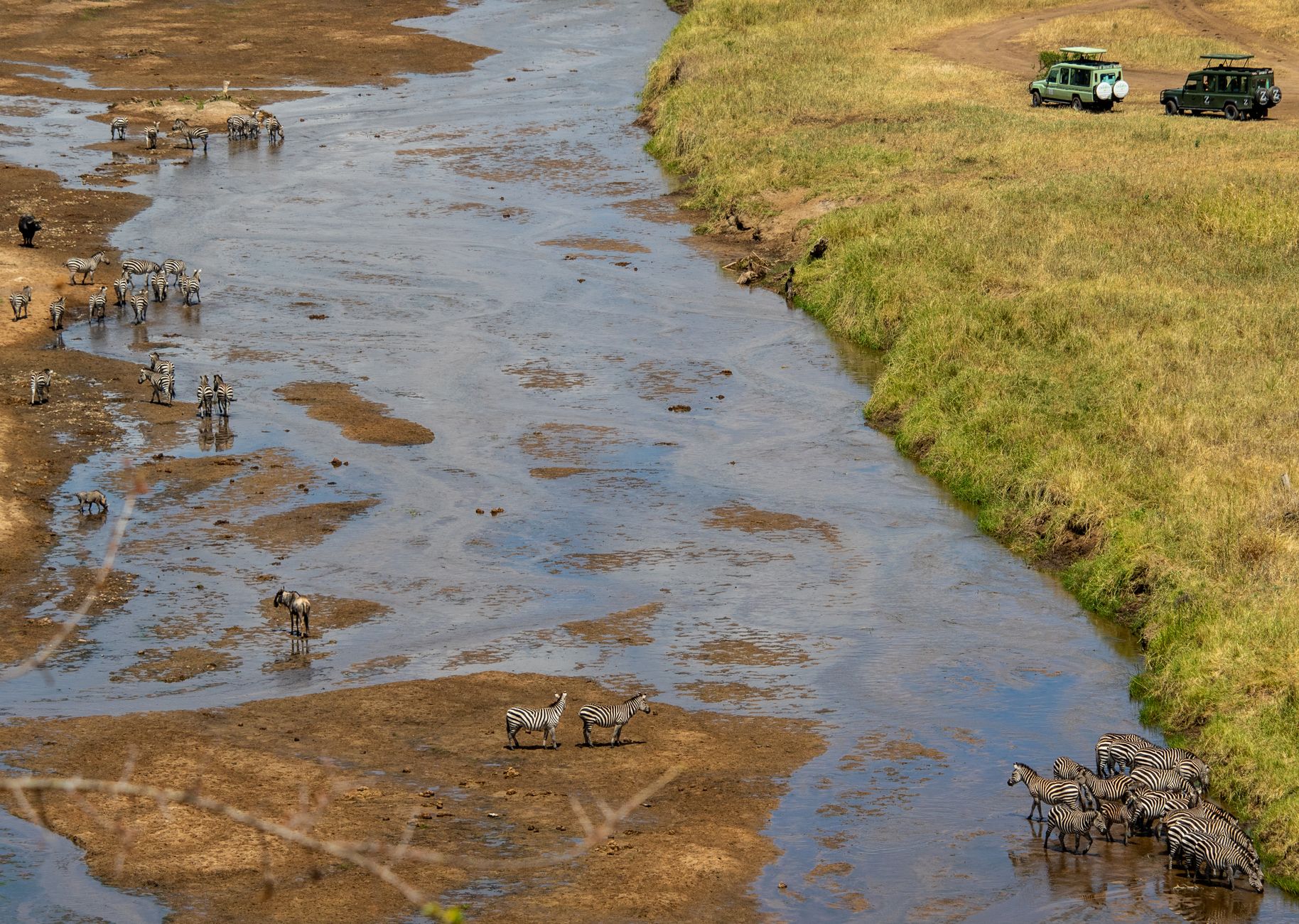
Whichever you choose, the arrival is always spectacular. Whether you’re touching down on a sun-baked airstrip surrounded by zebras or pulling up to your camp's entrance after a long drive, the feeling is the same: you have arrived. By thinking through how to get from Nairobi to Masai Mara now, you're setting the stage for a seamless and unforgettable safari in 2027. For more inspiration, browse our full collection of Kenyan lodges and camps.
Where to stay
Browse handpicked places to stay — many with live availability and instant booking.
 4.8(63)
Encounter Mara Camp
Mara Naboisho Conservancy, Kenya
 4.7(91)
Naboisho Camp
Mara Naboisho Conservancy, Kenya
 4.9(76)
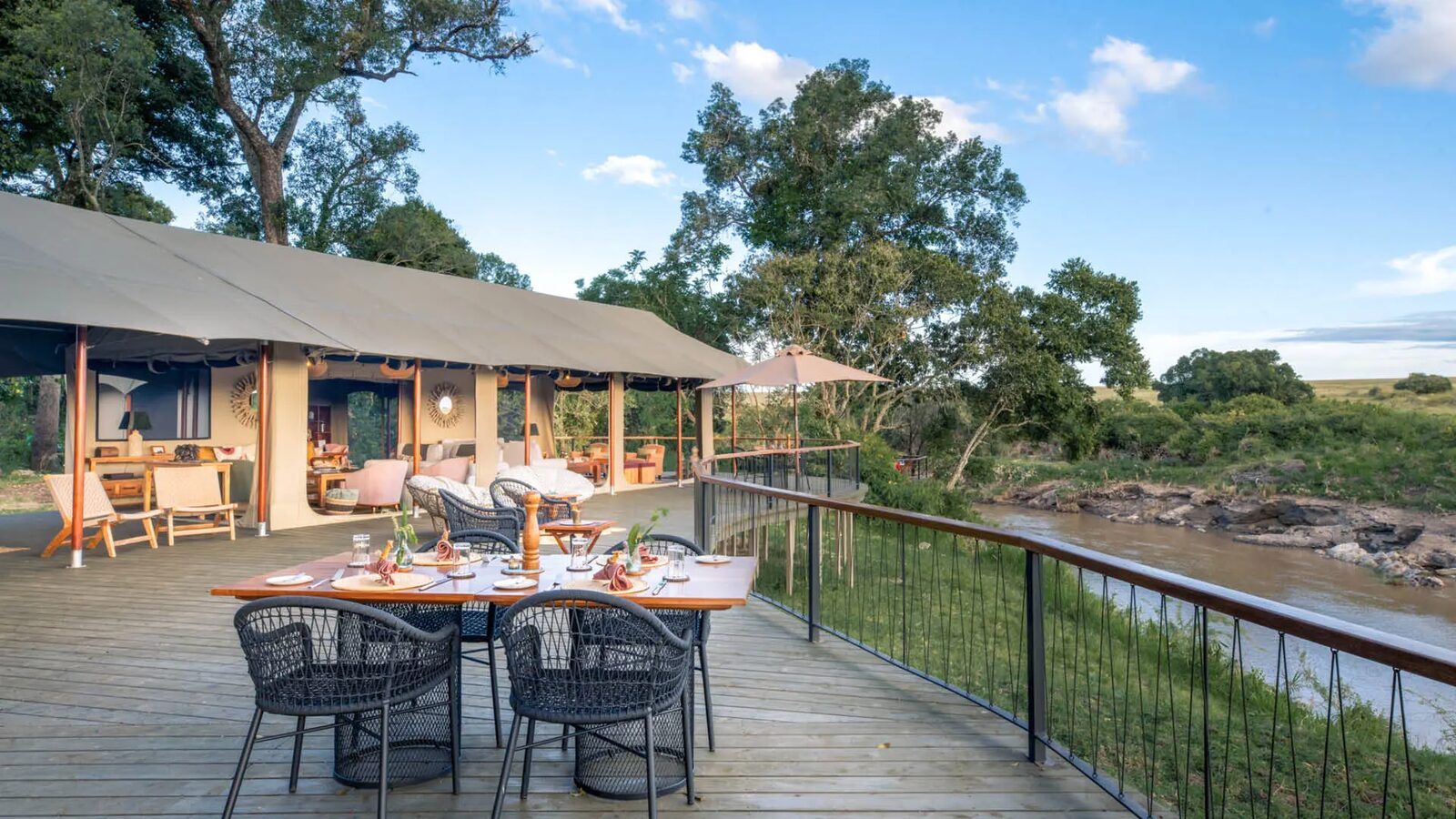
Rekero Camp
Talek River, Maasai Mara National Reserve, Kenya
 4.8(95)
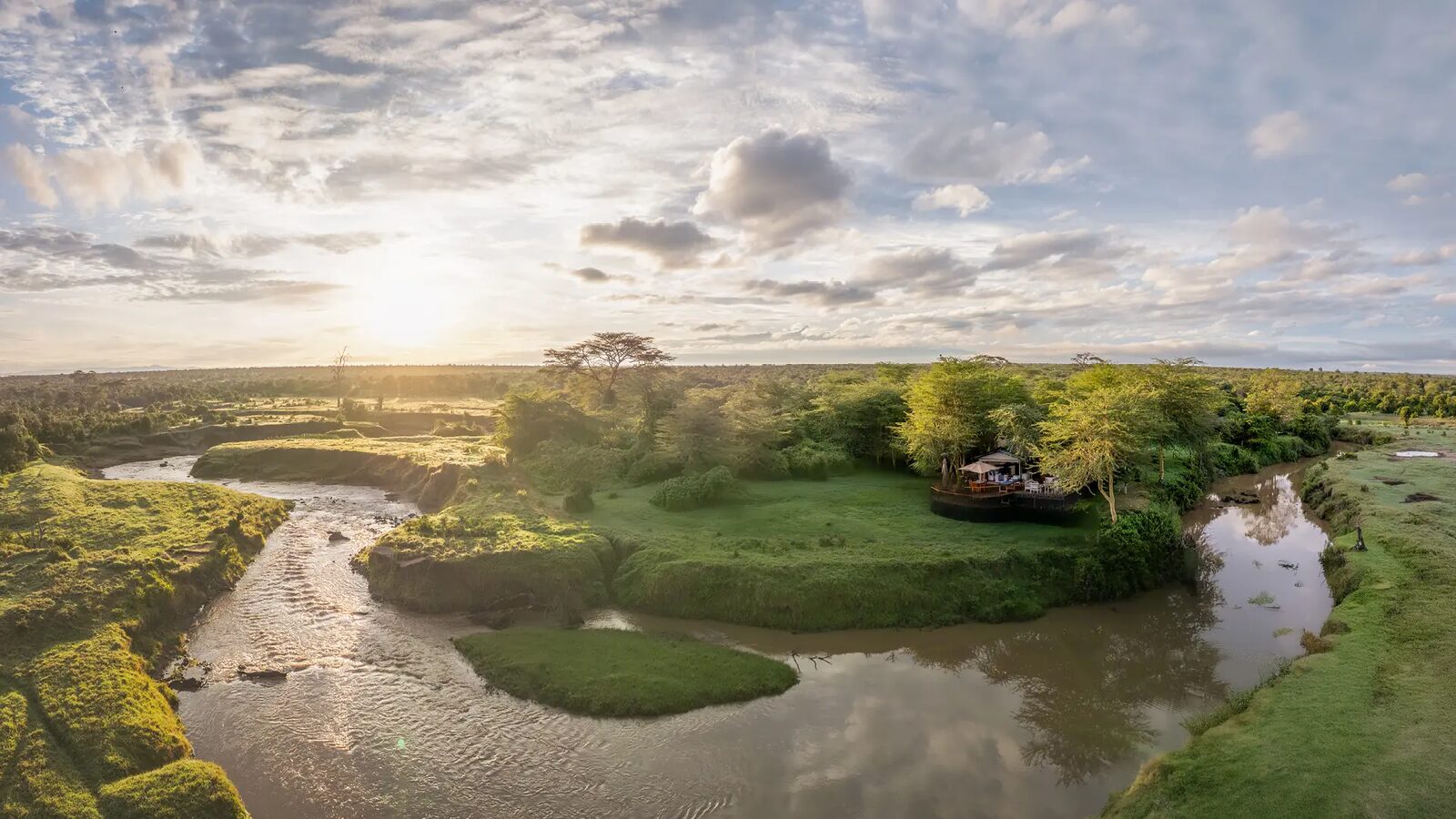
Ol Pejeta Bush Camp
Ol Pejeta Conservancy, Laikipia, Kenya
 4.5(594)
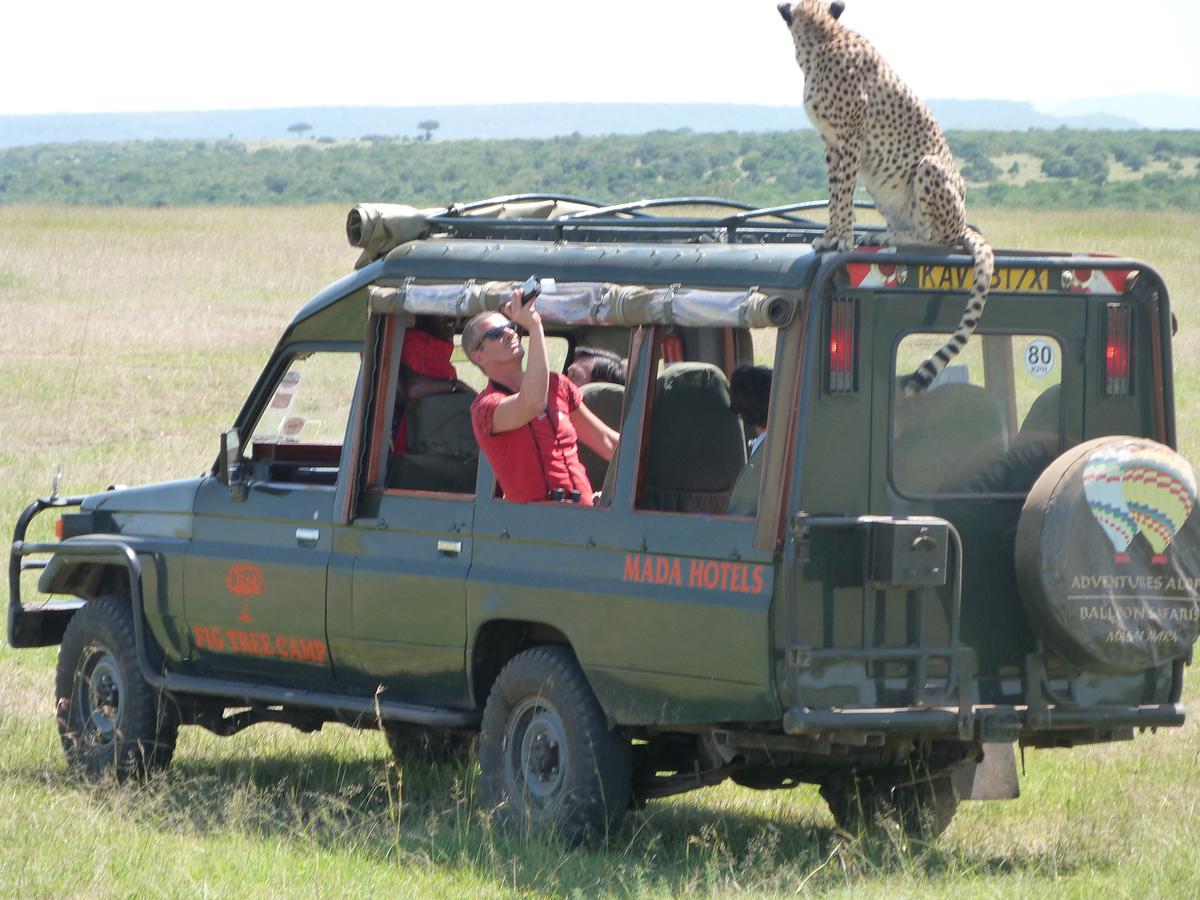
Fig Tree Camp - Maasai Mara
Maasai Mara, Kenya
 4.6(2137)
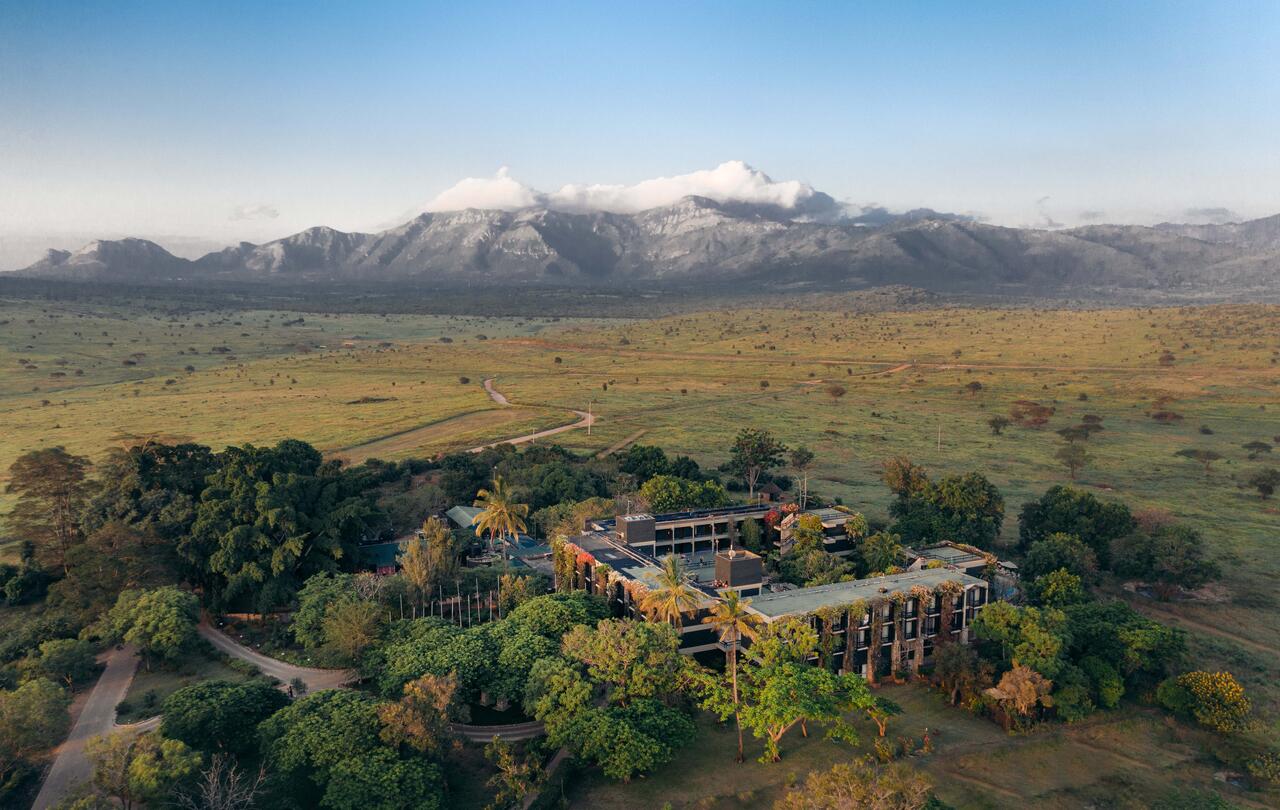
Taita Hills Safari Resort & Spa
Taita Hills, Kenya
Ready to plan your trip?
Check live availability, compare lodges and book instantly — or send us an enquiry and we'll help shape the route.
Keep reading

See our safari advice first on Google
One tap tells Google you want Safari Stays shown higher when you search for safari and travel news. It takes a second and you can undo it anytime.
Make Safari Stays a preferred source on Google