Lamu Island Travel Guide: Kenya's Swahili Heritage Coast
Lamu is unlike anywhere else in Kenya, and arguably unlike anywhere else in East Africa. A 700-year-old Swahili town built of coral stone and mangrove timber, a working dhow harbour, no cars on the main island, and a slow rhythm dictated by tides and call to prayer rather than safari schedules. For travellers willing to make the extra effort to get there, it's one of the most rewarding stops on the entire Kenyan coast.
Where and what is Lamu?
The Lamu Archipelago lies off the far north coast of Kenya, close to the Somali border. Lamu Island is the main one; Manda is the airport island next door; Pate, Kiwayu and a scattering of smaller islands sit further out. Lamu Old Town, on the southwest of Lamu Island, is a UNESCO World Heritage Site and one of the oldest and best-preserved Swahili settlements anywhere on the East African coast.
The town's narrow alleys, carved doors, and waterfront seafront — the famous Harambee Avenue — feel less like a tourist destination and more like a place still living its history. Donkeys, not cars, are the only form of land transport. Dhows, not motorboats, dominate the harbour.
Getting there
Lamu is reached by a 90-minute flight from Nairobi's Wilson Airport, operated daily by Safarilink, Jambojet and Skyward Express. The plane lands on Manda Island; from there a short boat transfer (typically arranged by your hotel) takes you across the channel to Lamu town or to Shela village, the more upmarket beach settlement just south of the old town.
Driving to Lamu from Mombasa is technically possible but not recommended for international visitors. Fly.
Lamu Old Town
Plan at least one full day exploring the old town on foot. The Lamu Museum on the waterfront is a good orientation point. From there wander inland — get lost on purpose. The Swahili House Museum, the German Post Office Museum, and the Lamu Fort are all worth an hour each. The Riyadha Mosque, built in 1900, hosts the famous Maulidi festival each year and is the spiritual centre of the town.
Eat at Whispers Coffee Shop for breakfast, Moonrise for sunset cocktails, and one of the small seafront cafés in the evening for grilled fish and rice. The town is safe to walk after dark, but quiet — life winds down early.
Shela village and the beach
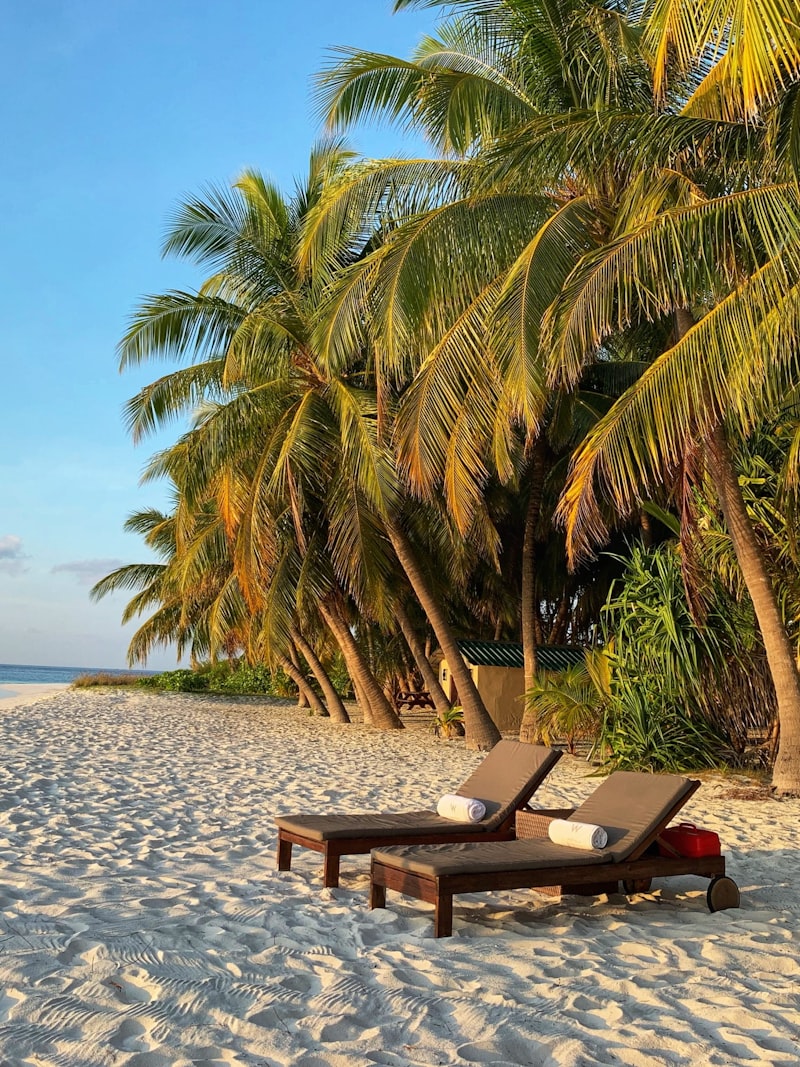
Two kilometres south of Lamu town, Shela is the white-sand beach village where most international travellers actually stay. The 12-kilometre Shela beach is wide, empty, and backed by dunes — one of the most beautiful and least crowded beaches in Kenya. Peponi Hotel, the iconic 1960s waterfront hotel that essentially put Lamu on the map for international travellers, anchors the village and is the natural place for a sundowner.
Shela's accommodation is dominated by privately-owned Swahili houses available for rent — open-plan stone houses with rooftop terraces, plunge pools and house staff. For couples and small groups, this is one of the best-value villa experiences anywhere on the Indian Ocean. SafariStays/Kenya features several of the best houses in the village.
Dhow sailing
The single most authentic experience in Lamu is to spend a day on a traditional sailing dhow. Local skippers run trips from Lamu town and Shela: a typical day starts mid-morning, sails north through the mangroves to Manda Toto for snorkelling, includes a fresh-caught seafood lunch grilled on the beach, and returns at sunset under sail. Costs are modest — typically $40–$60 per person for a shared boat, or $200–$400 to charter a boat privately for the day.
For something more ambitious, multi-day dhow safaris run north through the archipelago to Kiwayu and Kiunga Marine National Reserve, sleeping on remote beaches under the stars.
Where to stay
- Peponi Hotel — the legendary Shela waterfront hotel, beautifully run by the same family for decades
- The Majlis — five-star resort on Manda Island, the most polished property in the archipelago
- Kizingo — barefoot eco-lodge on the southern tip of Lamu Island, almost completely off-grid
- Private Swahili houses — Shela has dozens; the standouts are typically booked direct or via SafariStays/Kenya
When to visit
The best months are December to March (hot, dry, festive) and July to October (cooler, dry, excellent for dhow trips). The Lamu Cultural Festival (late November) and Maulidi Festival (date varies, follows the Islamic calendar) are both worth planning a trip around.
Avoid the long rains in April and May — many smaller properties close entirely.
A note on safety
Lamu had a difficult period a decade ago that affected its tourism reputation. Current security is well-managed, the islands themselves are safe, and direct flights from Nairobi mean travellers don't need to overland through any sensitive areas. Most international operators include Lamu in their standard Kenya itineraries again.
Combining Lamu with a safari
Lamu pairs naturally with a Maasai Mara or Laikipia safari. Fly Mara → Wilson → Lamu via Nairobi the same day, spend three or four nights on the island, then fly back to Nairobi for your international connection. The contrast between the open plains of the Mara and the close, salt-soaked alleys of Lamu Old Town is one of the most memorable transitions in African travel.
Book through SafariStays/Kenya
Browse Lamu's most distinctive houses, hotels and dhow trips on SafariStays/Kenya. We feature properties you won't find on the big OTAs — and every enquiry goes directly to the host.
Ready to plan your trip?
Check live availability, compare lodges and book instantly — or send us an enquiry and we'll help shape the route.