Kenya Birding Safari February 2027: An Expert Guide

Imagine a landscape painted in sound and colour. The flash of a turquoise roller, the haunting cry of a fish eagle across a freshwater lake, the silent march of a secretarybird through golden grass. This is the world that awaits you in Kenya. For the discerning birdwatcher, planning a Kenya birding safari February 2027 is an exercise in extraordinary anticipation. It is a time when the country’s rich resident birdlife is joined by a spectacular influx of migratory visitors, creating an avian spectacle of unparalleled diversity and vibrancy.
As you begin to map out your journey for early next year, this guide will serve as your compass. We will explore why February offers a perfect window for birding, chart a course through the most prolific habitats, and highlight the feathered treasures you are likely to encounter. Kenya is more than just a safari destination; it is a living, breathing aviary, and February is when its chorus is at its most magnificent.
Why February is a Birder’s Paradise
Timing is everything in the world of wildlife observation, and for birding in Kenya, February hits a remarkable sweet spot. Falling within the short dry season between the rains, the month offers an ideal combination of pleasant weather and exceptional viewing opportunities. The vegetation is less dense than in the wet season, making it significantly easier to spot smaller, more elusive birds as they flit between branches.
This period also represents a critical juncture in the avian calendar. Many of Kenya’s resident birds are in their full breeding plumage, showcasing their most spectacular colours and engaging in fascinating courtship displays. Their songs and calls fill the air from dawn until dusk, providing a constant, melodic soundtrack to your safari.
Furthermore, February is the peak time for Palearctic migrants. Birds that have journeyed thousands of miles south from Europe and Asia to escape the northern winter are found in abundance across Kenya’s parks and conservancies. From waders and warblers to storks and birds of prey, their presence adds a thrilling layer of discovery to any bird list. For the enthusiast, this means a chance to see species from two continents in a single, breathtaking location.
Your Ultimate Kenya Birding Safari February 2027 Itinerary
Crafting the perfect birding safari involves traversing diverse ecosystems, from the alkaline lakes of the Great Rift Valley to the iconic savannahs of the south and the unique arid landscapes of the north. Each region offers a distinct suite of species, ensuring your checklist grows with every day of your adventure.
The Great Rift Valley: A Symphony of Wings
Your journey rightly begins in the Great Rift Valley, a geological marvel that has created a chain of lakes, each a magnet for birdlife. A visit to Lake Nakuru is essential. While famous for its vast flocks of flamingos, the park surrounding the lake is a haven for over 450 species. Look for Great White Pelicans, African Fish Eagles, and the impressive Goliath Heron. The surrounding acacia woodland is home to Cliff Chats, Nyanza Swifts, and numerous sunbirds.
Nearby Lake Naivasha offers a different, freshwater environment. A boat trip here brings you eye-to-eye with cormorants, kingfishers, and a spectacular concentration of African Fish Eagles. The papyrus swamps hide gems like the Lesser Swamp Warbler, while the iconic Crescent Island provides a tranquil setting for spotting herons and sandpipers on foot.
The Maasai Mara: Raptors and Grassland Giants
No Kenyan safari is complete without a visit to the world-renowned Maasai Mara. While celebrated for its big cats and the Great Migration, the Mara is also an exceptional birding destination. The open grasslands are the domain of some of Africa’s most impressive terrestrial birds. The Kori Bustard, the world’s heaviest flying bird, struts with regal confidence, while the elegant Secretarybird hunts for snakes on foot.
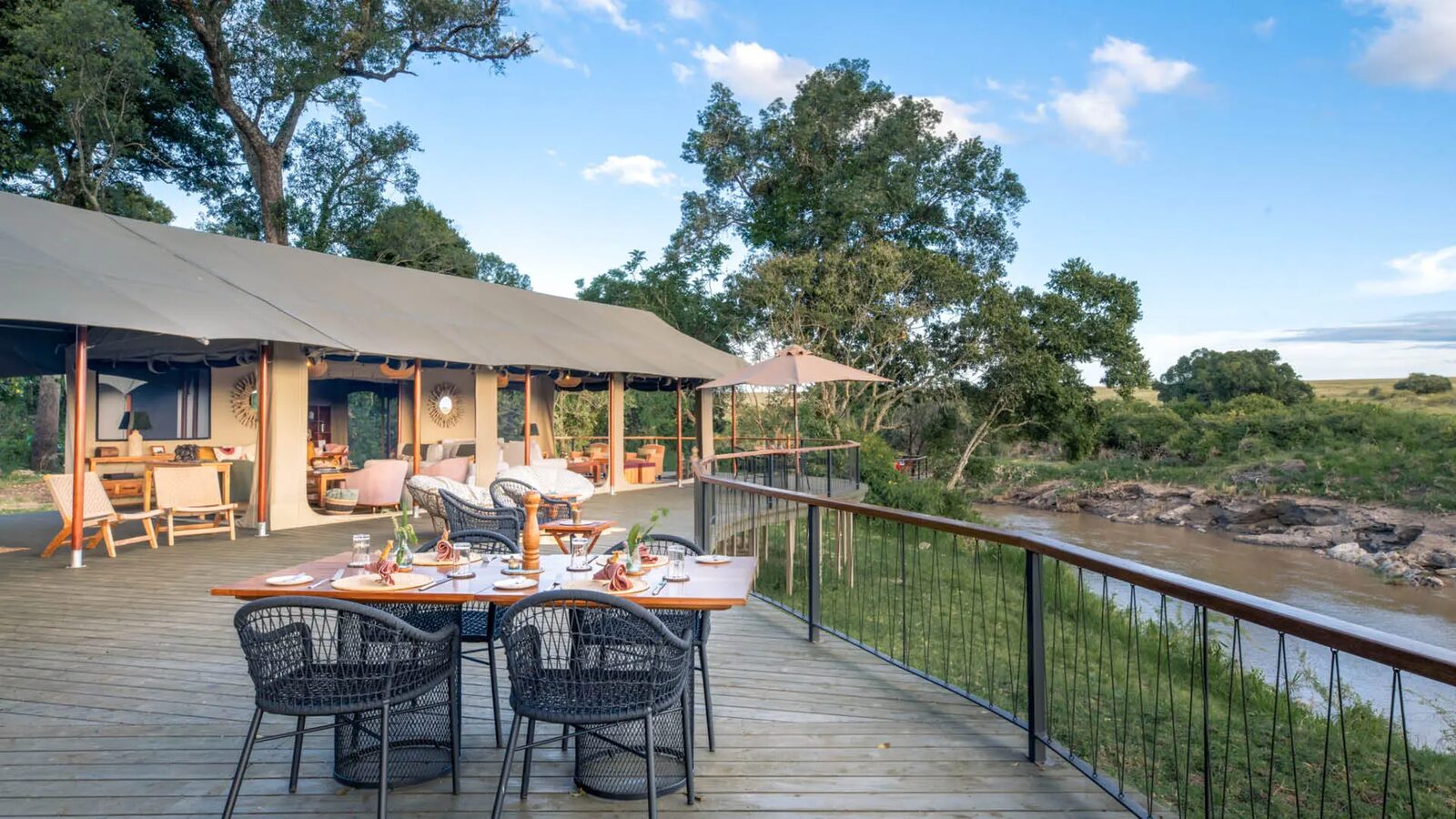
The Mara is also a hotspot for raptors. Bateleur eagles, Martial Eagles, and numerous vulture species, including the Lappet-faced Vulture, soar on the thermals. Staying at a well-positioned lodge such as Rekero Camp, situated on the Talek River, provides intimate access to riverine species and a comfortable base from which to explore the reserve's vastness.
Amboseli and Tsavo: Birds of the Drylands
For a change of scenery, head southeast to the shadow of Mount Kilimanjaro. The wetlands and dry plains of Amboseli offer fantastic birding against one of Africa’s most iconic backdrops. The park’s swamps, fed by underground springs from the mountain, attract a wealth of waterbirds. It's also one of the best places to find the Taveta Golden Weaver and the critically endangered Malagasy Pond Heron in its non-breeding plumage.
From a base like the classic Amboseli Serena Safari Lodge, you can explore diverse habitats that are home to specialist species adapted to arid environments. Look for the Von der Decken’s Hornbill and the stunning Golden-breasted Starling. The combination of elephants, Kilimanjaro, and a vibrant bird checklist makes Amboseli unforgettable.
Spotlight on Key Species to Find
While the sheer number of birds can be overwhelming, certain species stand out as quintessential Kenyan sightings. February offers the chance to see both charismatic residents and eagerly anticipated migrants. Keep your binoculars ready for these incredible birds.

Your February checklist should be ambitious, covering a range of families and habitats. Here are a few must-see species:
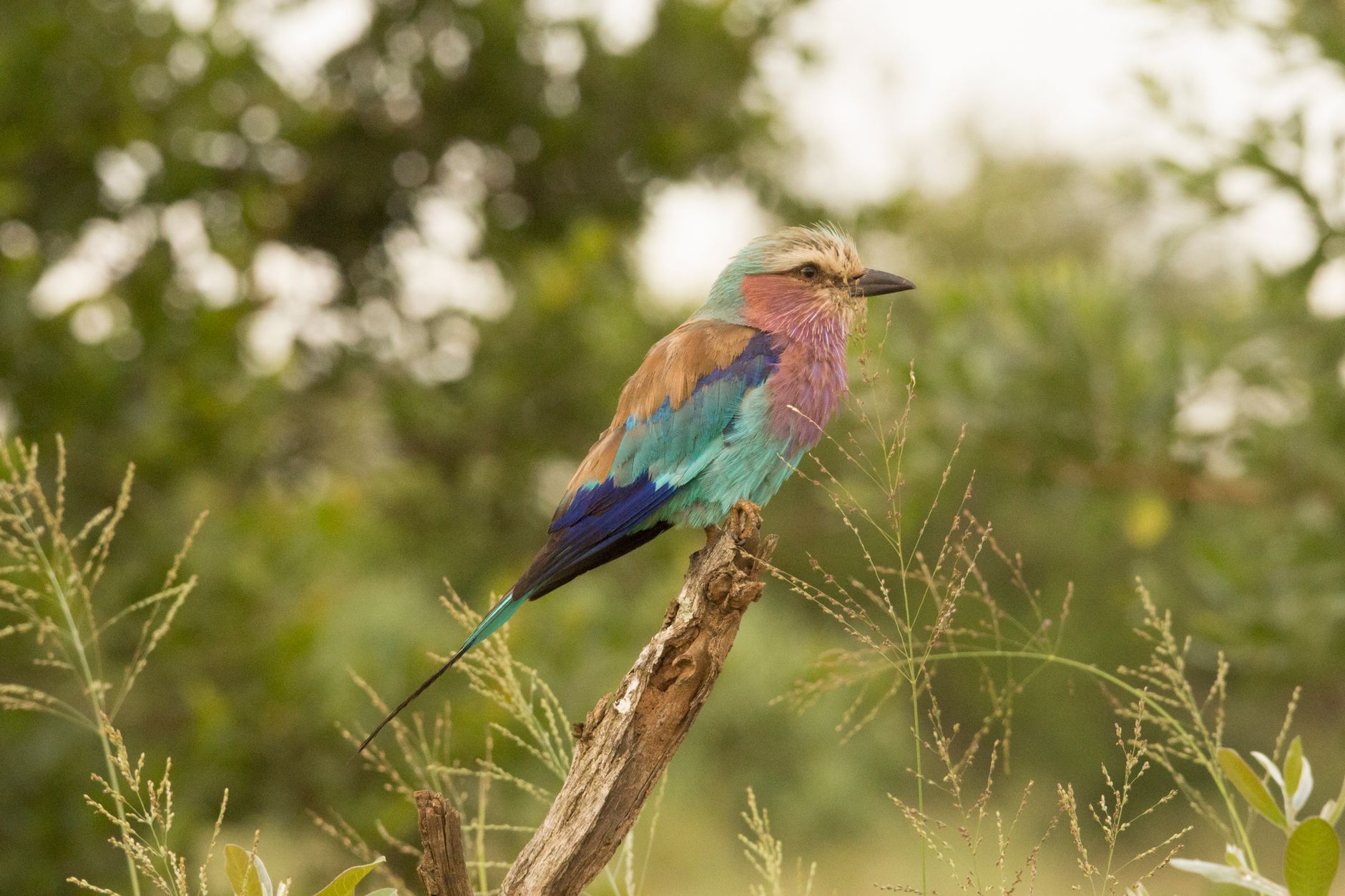
- Lilac-breasted Roller: Often considered Kenya’s unofficial national bird, its jewel-toned plumage is a photographer’s dream. You'll find it perched prominently on branches in savannahs across the country.
- Superb Starling: Another iridescent wonder, this common but dazzlingly beautiful bird is a frequent and welcome sight in most safari locations.
- Secretarybird: A unique, long-legged terrestrial bird of prey. Watching one hunt is a truly special experience, typically found in the grasslands of the Mara and Amboseli.
- African Fish Eagle: Its distinctive call is the sound of wild Africa. You will find them near any significant body of water, from the Rift Valley lakes to the Mara River.
- White-bellied Go-away-bird: Named for its nasal call, this charismatic grey bird with its prominent crest is a common resident of dry acacia woodland.
- Palearctic Migrants: Be on the lookout for species like the Common Cuckoo, Eurasian Roller, and a variety of sandpipers and plovers along wetlands and shorelines.
Preparing for Your Avian Adventure
A successful birding safari is as much about preparation as it is about being in the right place at the right time. Your packing list should prioritize optics. A good pair of binoculars (8x42 or 10x42 are generally recommended) is non-negotiable. A camera with a decent zoom lens will help you capture lasting memories of your sightings.
A quality field guide is also essential. While your local guide will be an expert, having your own book allows you to read up on species in the evenings and keep a detailed list. Consider one of the comprehensive guides specific to East Africa. Pack lightweight, neutral-coloured clothing, a wide-brimmed hat, and comfortable walking shoes.
Choosing the right accommodation is key to maximizing your experience. Many lodges, like the Nairobi Serena Hotel in the capital, offer beautiful gardens that are home to a surprising number of bird species, allowing you to start your list from the moment you arrive. Most importantly, travel with a spirit of patience and curiosity. Birding is a quiet pursuit that rewards the observant.
A journey to Kenya is a feast for the senses, but for a birder, it is something more. It is a pilgrimage to a land of staggering avian wealth. The sights and sounds of a Kenyan dawn, filled with a chorus of calls you are slowly learning to identify, is a memory that will stay with you long after you have returned home. Planning your Kenya birding safari February 2027 is the first step toward that unforgettable experience.
Where to stay
Browse handpicked places to stay — many with live availability and instant booking.
 4.8(63)
Encounter Mara Camp
Mara Naboisho Conservancy, Kenya
 4.9(76)
Rekero Camp
Talek River, Maasai Mara National Reserve, Kenya
 4.8(95)
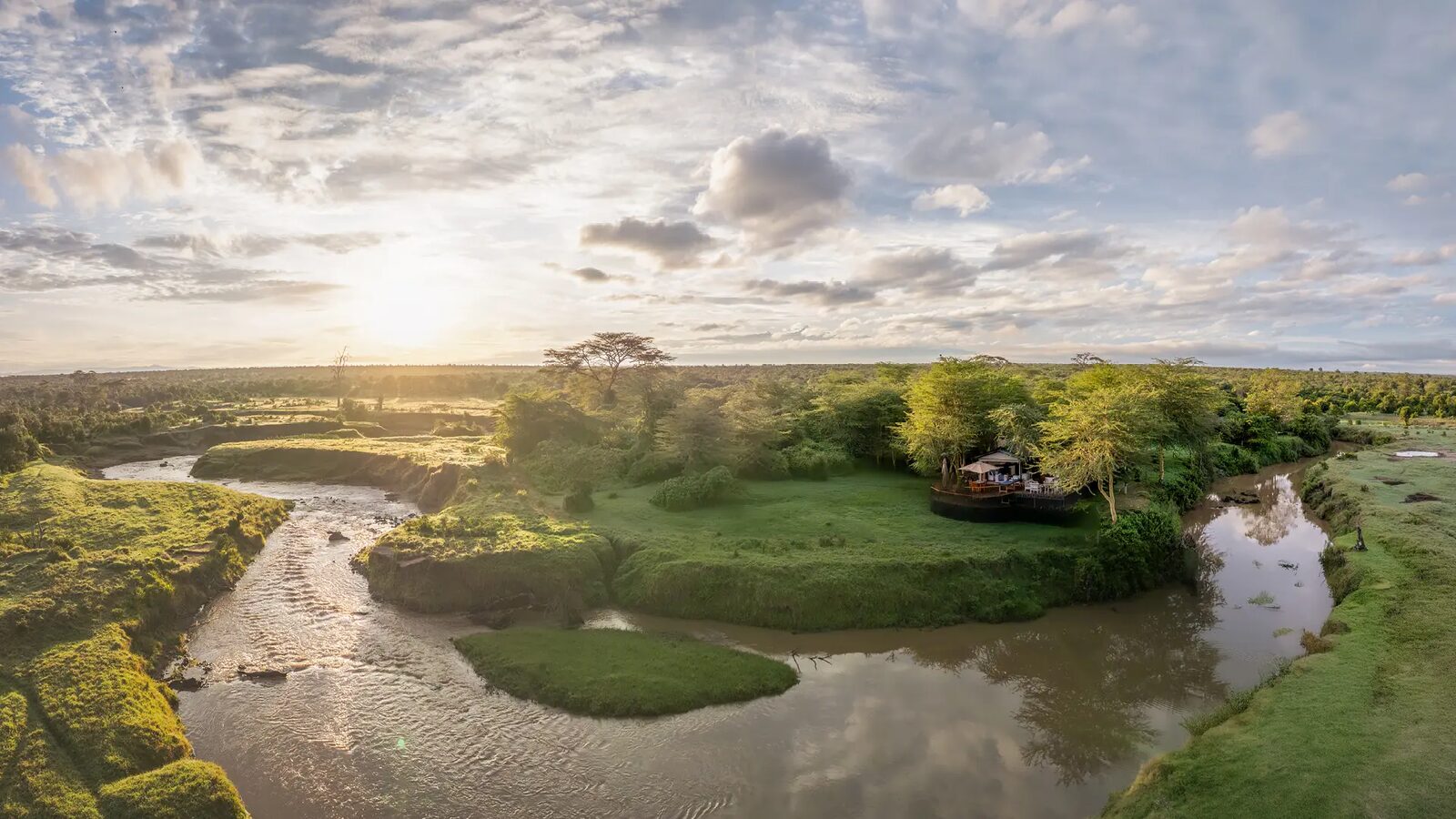
Ol Pejeta Bush Camp
Ol Pejeta Conservancy, Laikipia, Kenya
 4.7(91)
Naboisho Camp
Mara Naboisho Conservancy, Kenya
 4.6(2137)
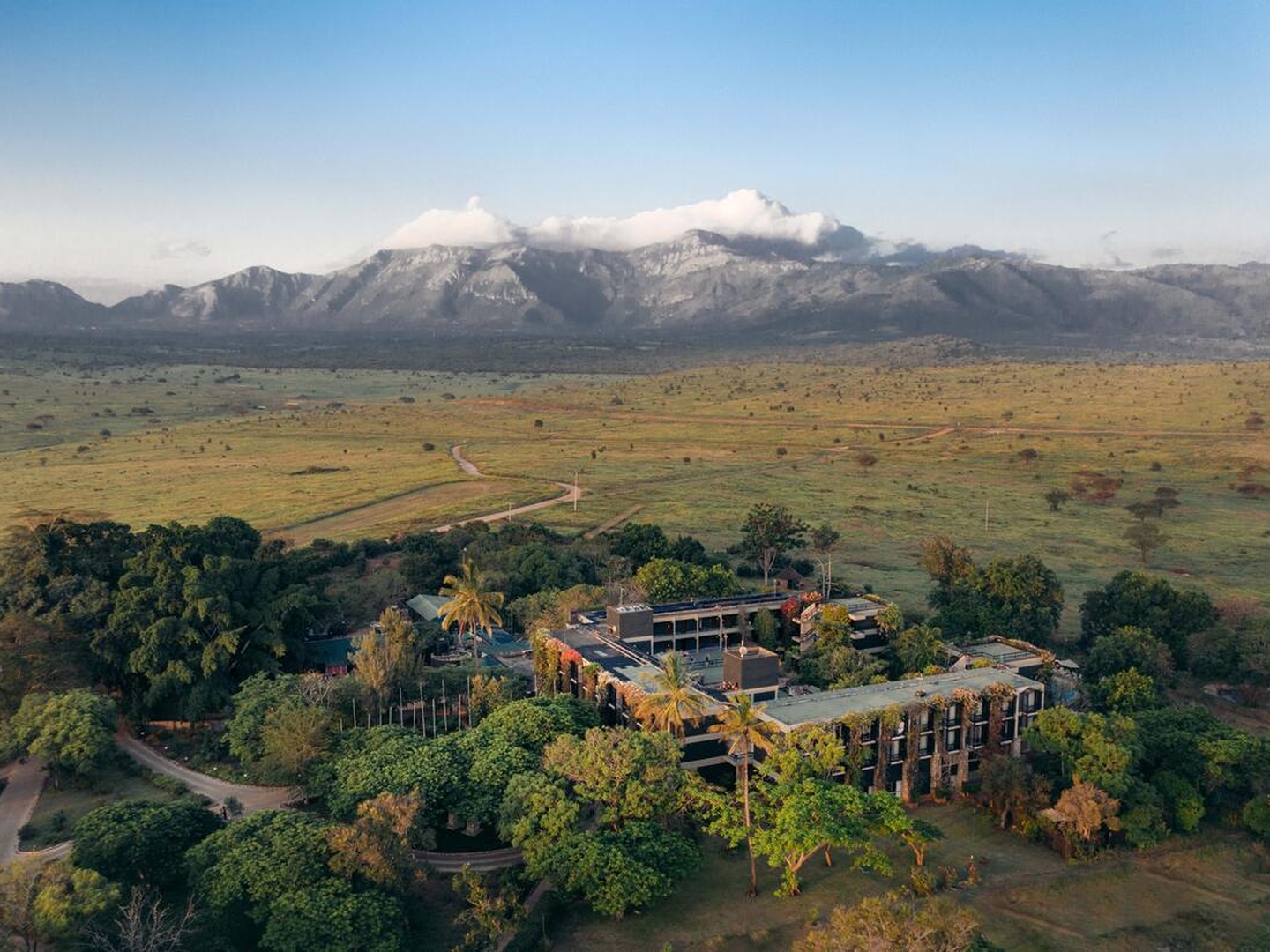
Taita Hills Safari Resort & Spa
Taita Hills, Kenya
 4.5(594)
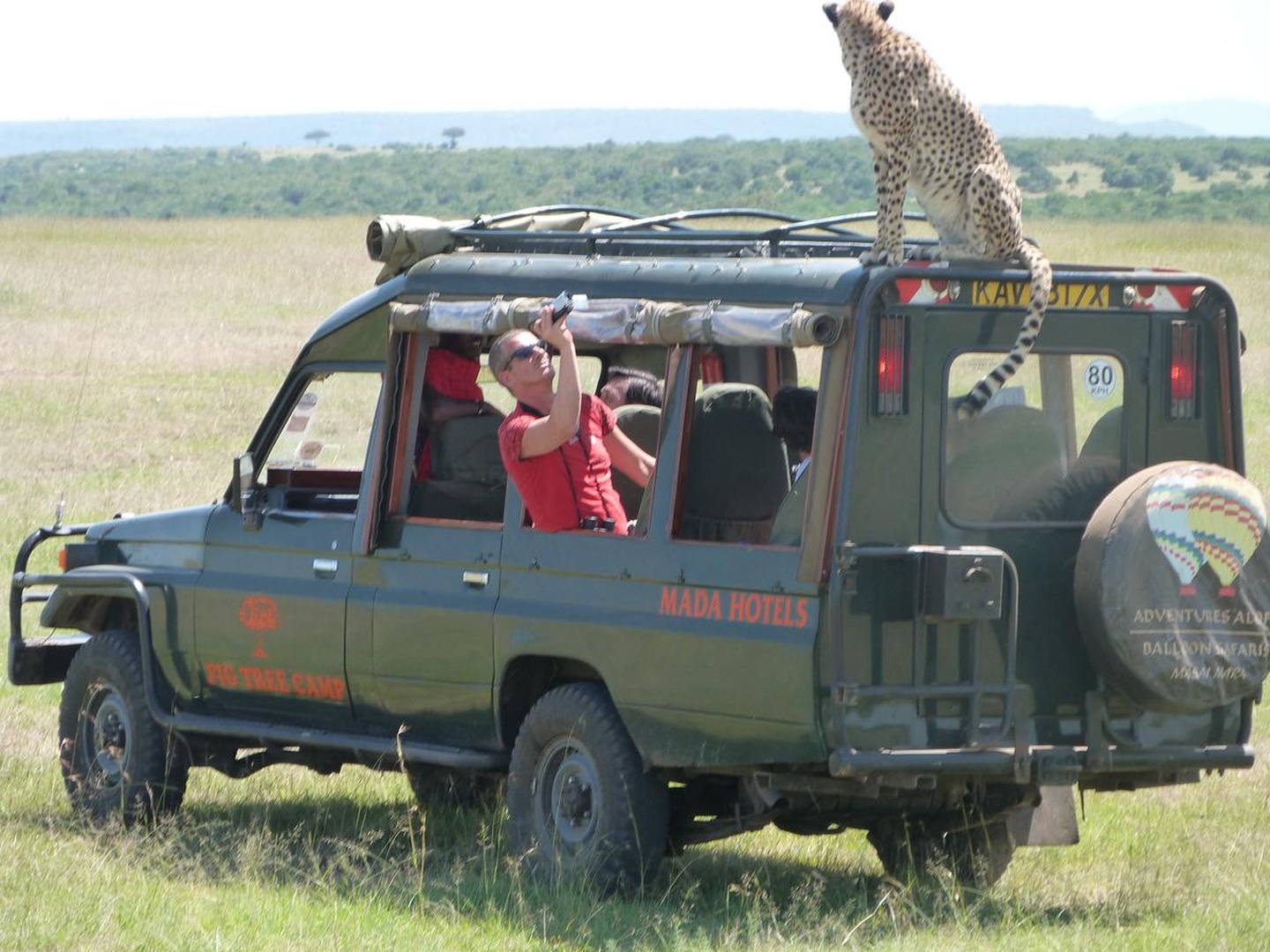
Fig Tree Camp - Maasai Mara
Maasai Mara, Kenya
Let us plan this trip for you
Send us your dates, party and budget and we'll come back with a costed itinerary, with lodges, flights, transfers and activities in one place. No obligation.
Keep reading


See our safari advice first on Google
One tap tells Google you want Safari Stays shown higher when you search for safari and travel news. It takes a second and you can undo it anytime.
Make Safari Stays a preferred source on Google