The Best Kenya Safari Circuit for Repeat Visitors

A first journey to East Africa is often defined by a checklist. Travelers arrive eager to cross off the Big Five, witness the sheer volume of the central savannahs, and capture iconic vistas before moving quickly to the next reserve. Returning, however, shifts your perspective entirely; crafting an intentional kenya safari circuit for repeat visitors requires trading rushed transit and crowded viewpoints for depth, exclusivity, and nuanced encounters with the bush.
When you already know what a pride of lions looks like at midday, your curiosity naturally turns toward subtler wonders. You begin to appreciate the mechanics of tracking, the ecology of nocturnal species, and the luxury of staying in private concessions where vehicle limits preserve absolute stillness. For travelers planning their 2027 itinerary between March and August, the following route offers an elevated, unhurried reimagining of Kenya.
Beyond the Big Five: What Changes on Your Second Safari
A second or third safari is an exercise in slowing down. Rather than spending entire days racing toward crackling radio calls, returning travelers often choose to anchor themselves in regions that reward patience and expert guiding. The goal shifts from tallying predator sightings to understanding animal behavior, habitat conservation, and community partnerships.
This shift influences how you structure your days in the field. Walking safaris, night drives, and stationary hides replace the standard dawn-to-dusk loop behind tinted vehicle glass. You gain access to ecosystems that are structurally different from the broad plains of popular national reserves, exposing you to endemic species and varied landscapes.
Private conservancies become the foundation of this travel style. Because these protected tracts operate outside public park regulations, guides can take vehicles off-road responsibly to follow elusive leopards or track African wild dogs on foot alongside experienced local rangers.
Designing a Kenya Safari Circuit for Repeat Visitors
A truly rewarding return itinerary connects distinct biomes while minimizing unnecessary travel fatigue. Instead of repeating the well-worn triangle of central parks, this curated route moves from the rugged plateau of the north to exclusive private parcels bordering the Mara, concluding in the volcanic vastness of the south.
The Northern Plateau: Laikipia and Ol Pejeta
Begin your journey north of the equator across the undulating plateau of Laikipia. This semi-arid wilderness has established itself as the vanguard of community-led conservation in Kenya, home to thriving populations of endangered black rhinos and healthy packs of African wild dogs.
Staying at Ol Pejeta Bush Camp immerses you in one of the most proactive conservation ecosystems on the continent. Here, days are defined by tracking anti-poaching dog units, exploring riverine woodlands along the Ewaso Nyiro River, and engaging with researchers who monitor predator corridors across private and community lands.
Because Laikipia sits at an elevation between 1,700 and 2,100 meters, the climate remains crisp and invigorating. It provides an energetic opening chapter where guided walking safaris sharpen your senses for reading tracks, identifying flora, and recognizing alarm calls.
The Arid North: Samburu and the Special Five
Continuing further into the dramatic rift landscapes, the arid plains of Samburu provide a striking contrast to southern savannahs. Characterized by doum palms, red earth, and granite kopjes, this region introduces seasoned safari-goers to species found almost nowhere else in the country.
Wildlife enthusiasts come here specifically for the Samburu Special Five: Grevy's zebra, reticulated giraffe, Beisa oryx, Somali ostrich, and the long-necked gerenuk feeding delicately on high acacia branches. Settling into Surana Buffalo Springs positions you along natural watercourses where desert-adapted elephants dig into dry riverbeds during morning foraging.
Night drives in this northern territory uncover an entirely different cast of characters. Aardwolves, caracals, bat-eared foxes, and striped hyenas frequently emerge once the equatorial sun dips below the rugged Matthew's Range.

Private Mara: Intimacy in Naboisho Conservancy
No journey to Kenya feels complete without acknowledging the richness of the southwest, but repeat guests should bypass the congested public gates of the main reserve. Instead, direct your attention to the vast private conservancies that flank the ecosystem, such as Mara Naboisho.
In Naboisho, vehicle density is strictly capped, ensuring that rare predator moments remain quiet and personal. Properties like Naboisho Camp provide intimate access to critical lion corridors and secluded wilderness pockets without another traveler in sight.
This landscape also affords the luxury of unscripted exploration, where your day unfolds according to wildlife movements rather than park gate closing times:
- Off-road tracking: Follow hunting cheetahs across open plains with sensitive, low-impact driving.
- Night explorations: Spot leopards, white-tailed mongooses, and bushbabies using filtered spotlights.
- Foot patrols: Walk alongside local Maasai guides who share generational knowledge of medicinal plants and animal spoor.
- Photographic hides: Wait quietly at eye level with drinking game for dramatic, low-angle photography.
The Ancient Horizons of Tsavo West
Conclude your circuit in the raw, volcanic drama of Tsavo West. With its black lava flows, acacia scrub, and natural springs, Tsavo feels expansive and delightfully forgotten compared to the gentle hills of western Kenya.
Based at Kilaguni Serena Safari Lodge, you overlook a bustling waterhole that acts as a natural amphitheater for buffalo herds and dust-red elephants throughout the heat of the afternoon. The sense of scale here recalls an earlier era of African exploration, where wildlife encounters must be earned through patient scanning of dense commiphora woodlands.
Exploring nearby Mzima Springs—where crystalline waters emerge filtered through volcanic ash—reveals underwater views of resident hippos and Nile crocodiles, adding an aquatic dimension rarely found on standard safari routes.
Seasonality for 2027: Timing Your Return Journey
Booking a return safari requires aligning your preferred activities with Kenya's distinct seasonal cycles. When planning for travel between March and August 2027, seasonal nuances dictate the character of your wildlife encounters.
March marks the gentle transition before the long rains, offering warm days, vibrant green landscapes, and low visitor numbers across northern conservancies. While April and May bring intermittent rainfall, they provide extraordinary conditions for photography, with dramatic cloud formations and dust-free air.
From June through August, the country enters its dry winter season. Vegetation thins out, drawing wildlife in concentrated numbers to permanent rivers and waterholes across Laikipia and Samburu. July and August also herald the arrival of grazing herds in the southern ecosystems, though staying in private conservancies ensures you witness this spectacular influx entirely removed from tourist convoys.

Practical Considerations for the Discerning Return Traveler
An advanced safari demands thoughtful logistics. Opting for light aircraft transfers between regional bush strips saves precious hours that would otherwise be spent navigating highway traffic, preserving your energy for dawn excursions.
Pay close attention to luggage allowances, as domestic bush flights enforce soft-sided duffel bags typically restricted to 15 kilograms per person. Packing neutral tones, sturdy walking shoes, and quality compact optics will serve you far better than excessive wardrobe changes.
Finally, collaborate closely with your safari specialist to request seasoned head guides. For a traveler who has already witnessed the basics, having a specialist guide with deep botanical, ornithological, and tracking expertise elevates every single drive into a masterclass in natural history.
By stepping away from high-traffic routes and embracing the conservation-first sanctuaries of the north and south, your next expedition becomes an entirely fresh narrative. Choosing an elevated kenya safari circuit for repeat visitors ensures that your connection to this extraordinary country deepens with every mile traveled across its red earth.
Where to stay
Browse handpicked places to stay — many with live availability and instant booking.
 4.8(63)
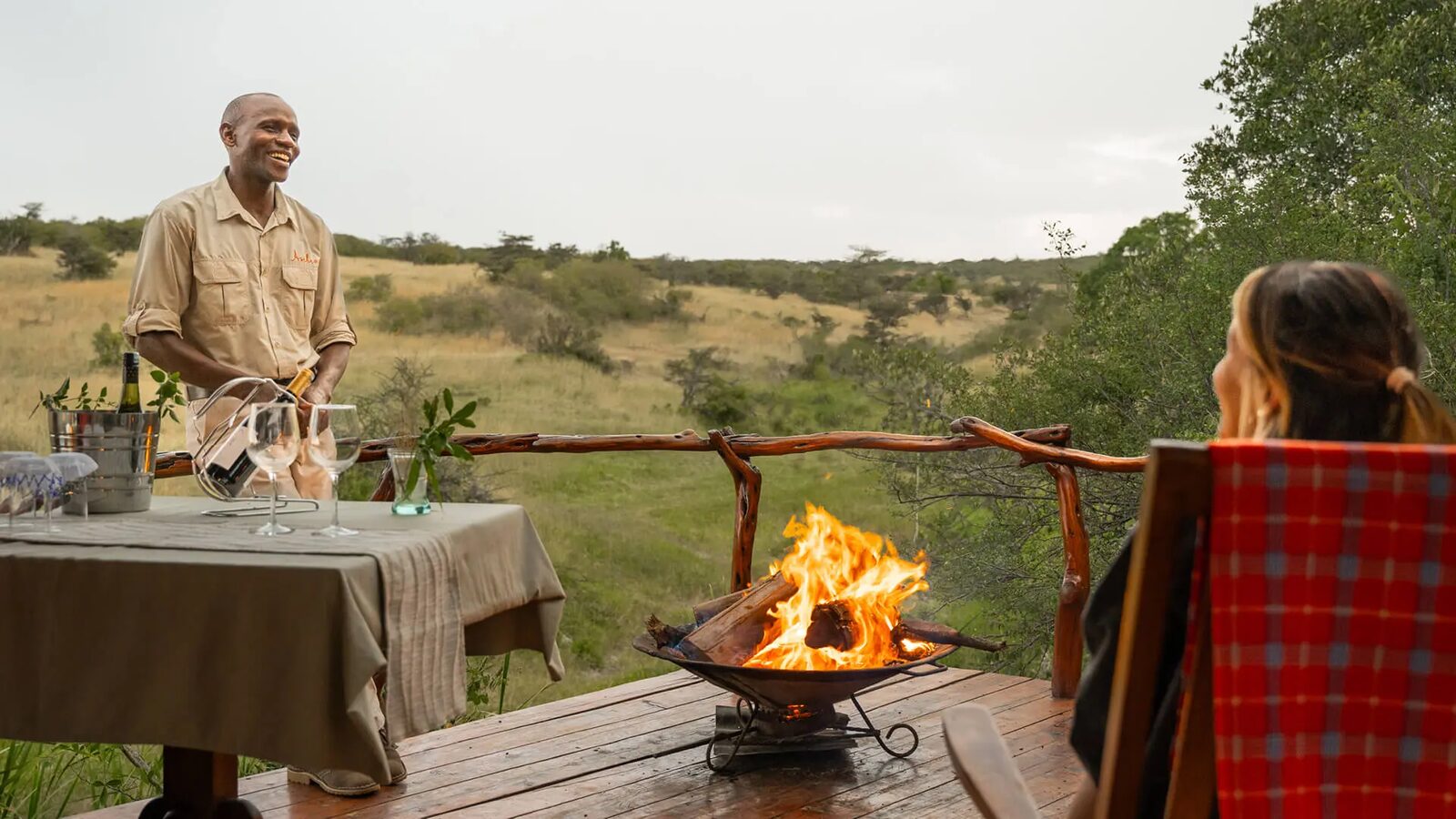
Encounter Mara Camp
Mara Naboisho Conservancy, Kenya
 4.8(95)
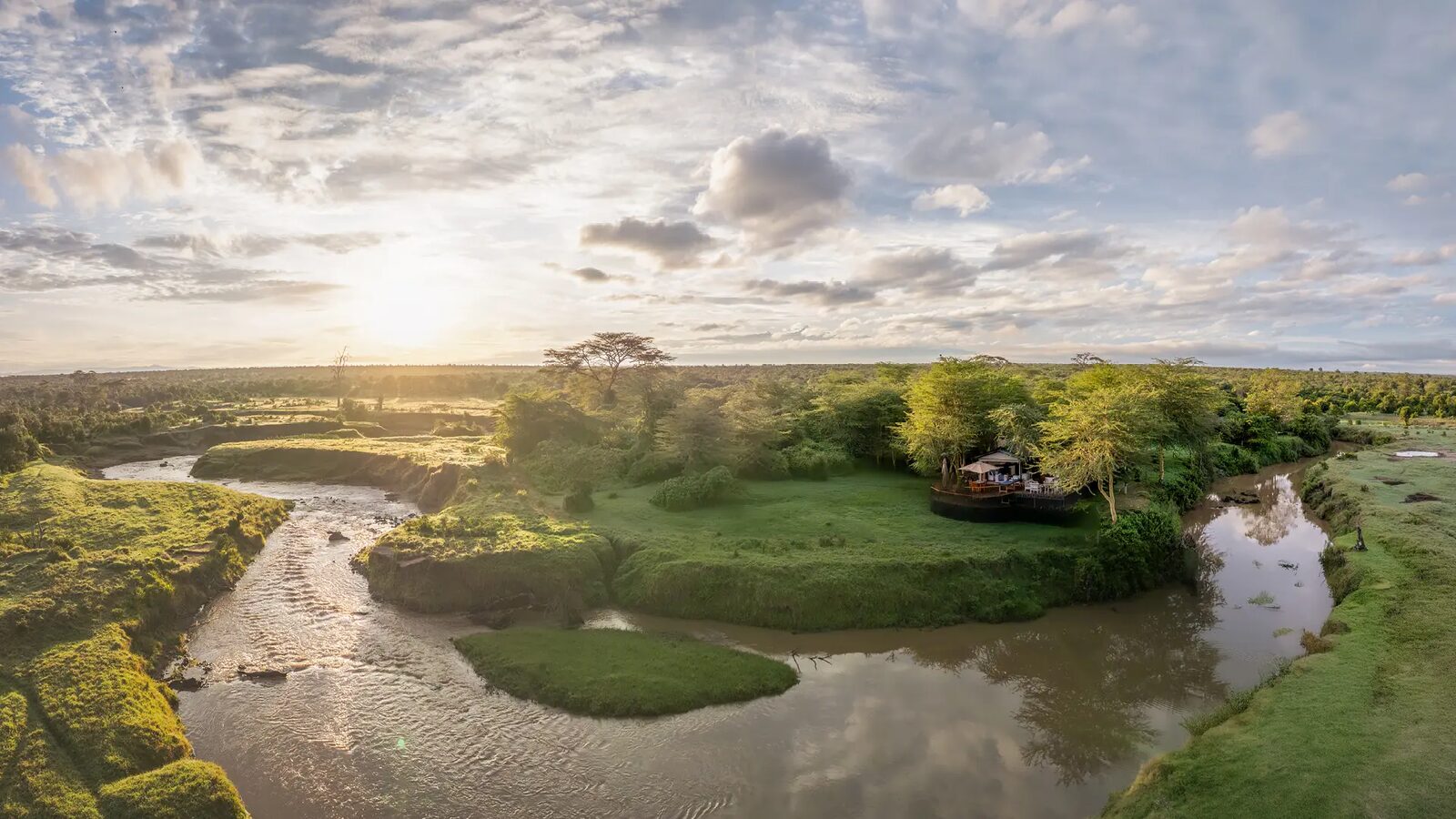
Ol Pejeta Bush Camp
Ol Pejeta Conservancy, Laikipia, Kenya
 4.9(76)
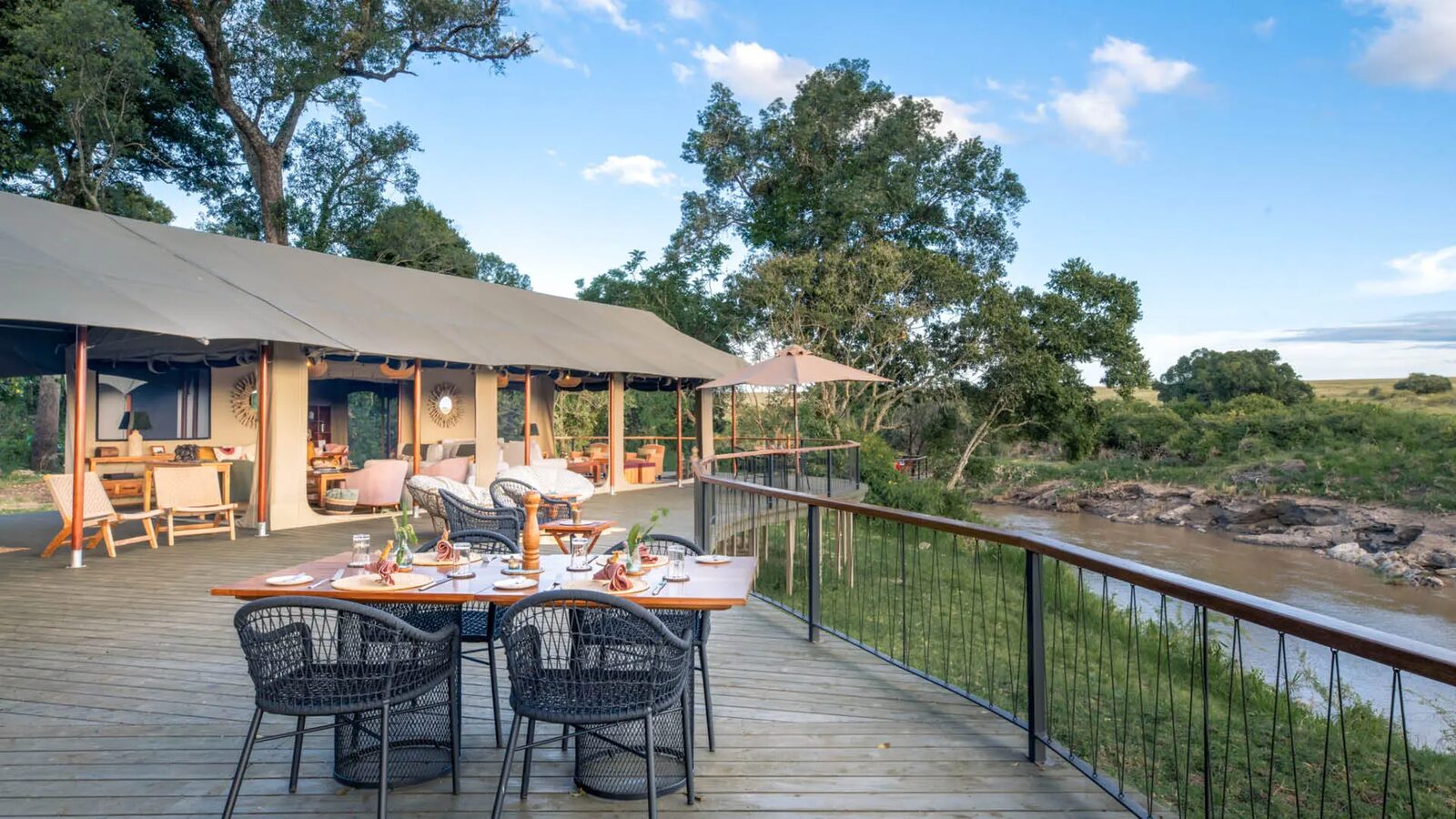
Rekero Camp
Talek River, Maasai Mara National Reserve, Kenya
 4.7(91)
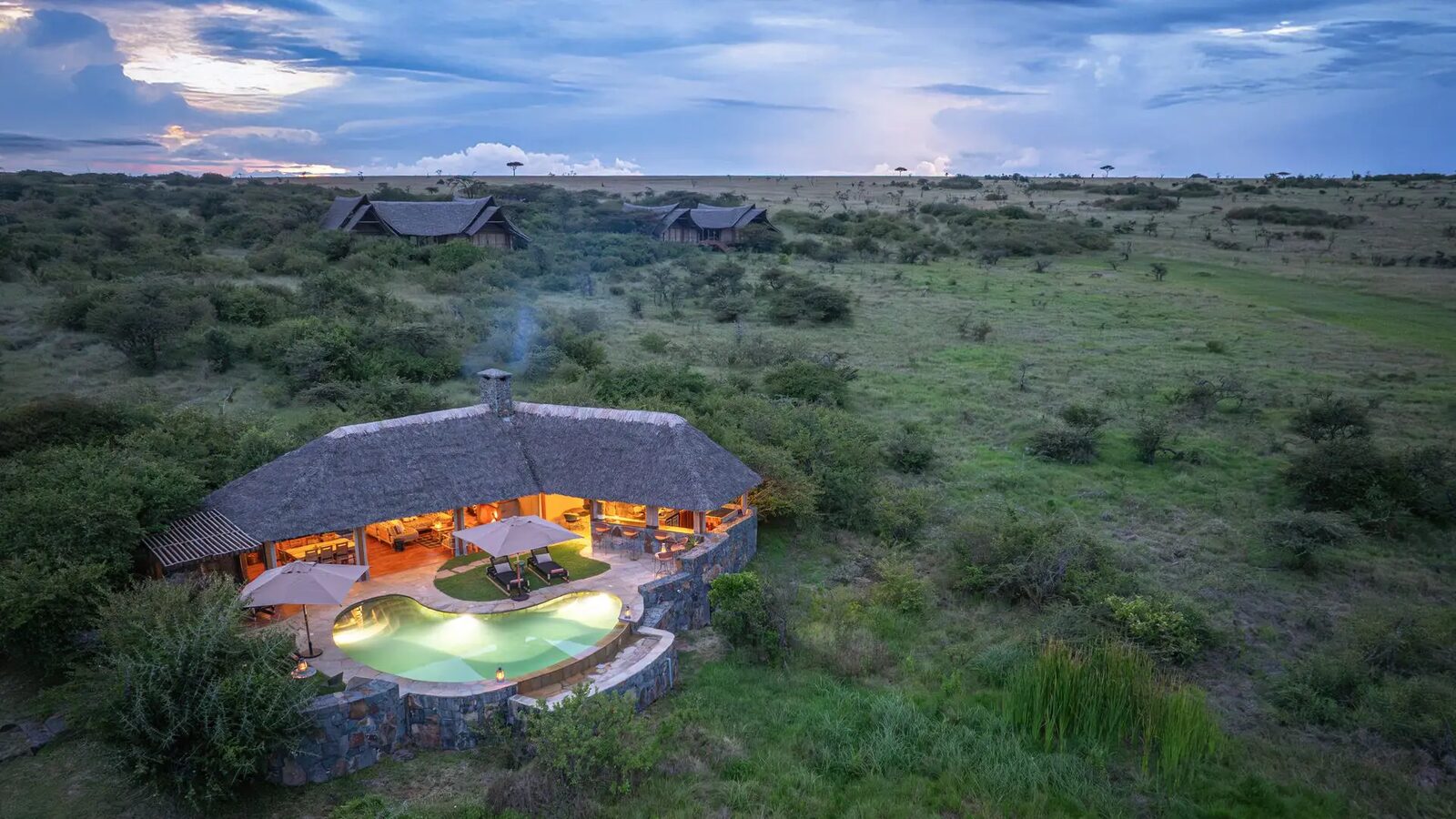
Naboisho Camp
Mara Naboisho Conservancy, Kenya
 4.6(2137)
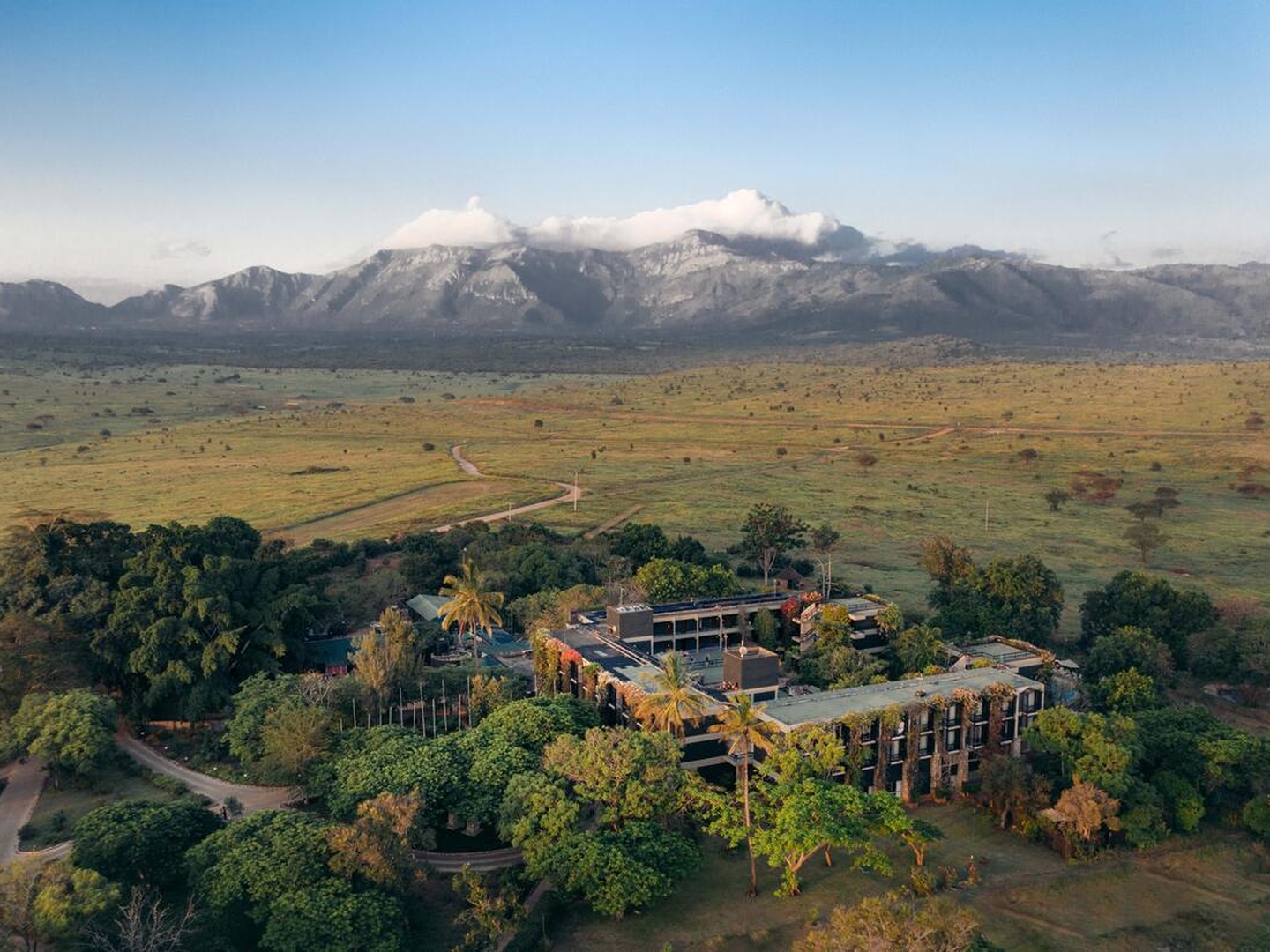
Taita Hills Safari Resort & Spa
Taita Hills, Kenya
 4.5(594)
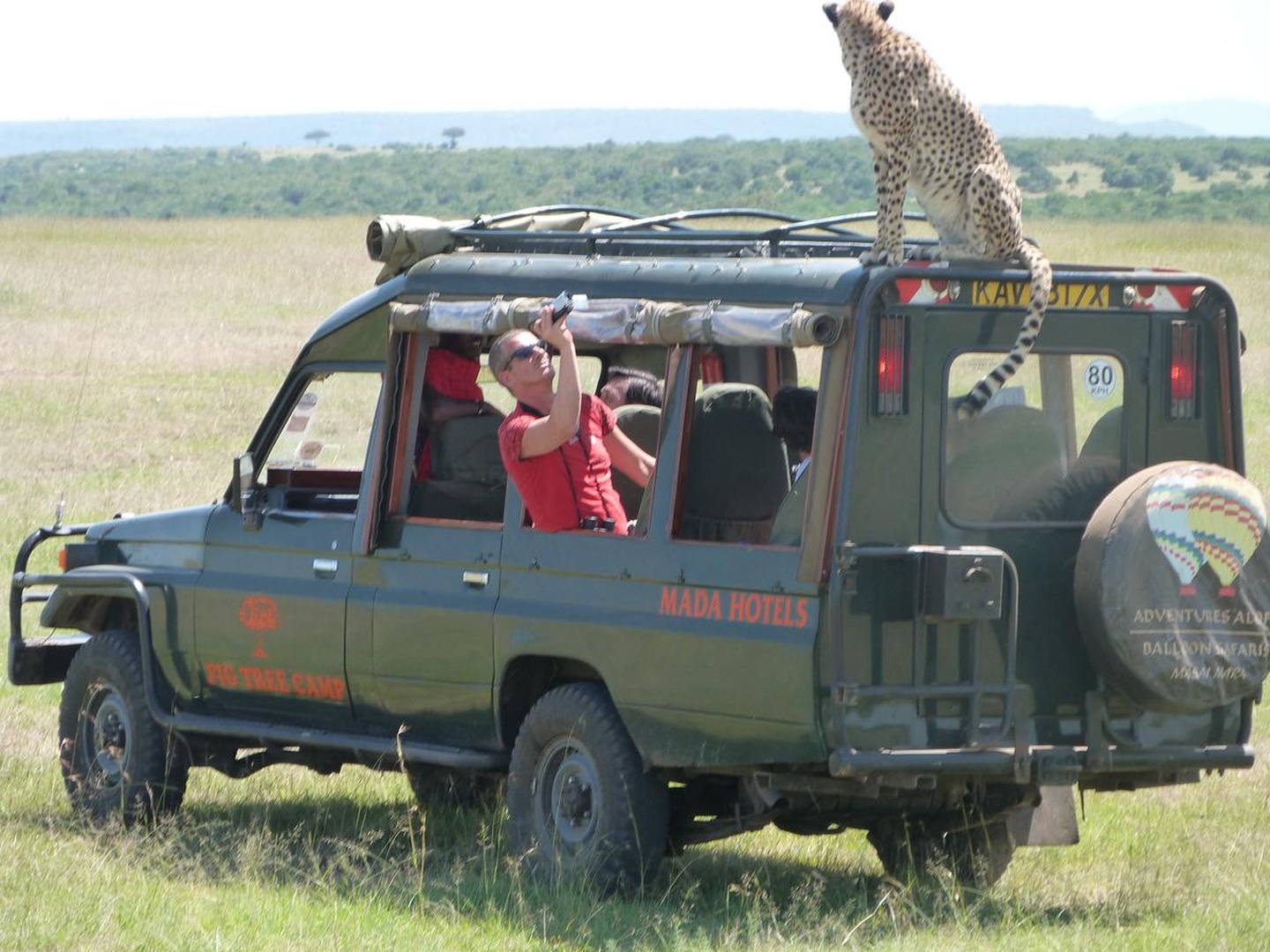
Fig Tree Camp - Maasai Mara
Maasai Mara, Kenya
Let us plan this trip for you
Send us your dates, party and budget and we'll come back with a costed itinerary, with lodges, flights, transfers and activities in one place. No obligation.
Keep reading

See our safari advice first on Google
One tap tells Google you want Safari Stays shown higher when you search for safari and travel news. It takes a second and you can undo it anytime.
Make Safari Stays a preferred source on Google