Best Time to Visit Kenya: A Month-by-Month Safari and Beach Guide
"When should I go to Kenya?" is the question every safari traveller asks first, and the honest answer is: it depends on what you want to see. Kenya's rainfall is split into two wet seasons (the long rains in April–May and the short rains in November) and two dry seasons that bracket them. Layered on top is the migration, the calving, the coastal monsoon, and the bird-breeding cycles. This guide breaks down every month so you can pick yours with confidence.
The basics: dry season vs wet season
For wildlife viewing, the dry seasons are easier. Vegetation is sparse, animals concentrate around permanent water, and roads are passable. June to October and January to February are the classic safari months.
The wet seasons aren't a write-off. The long rains (late March through May) bring lush landscapes, dramatic skies, low prices and fewer vehicles. Birding peaks. Calving happens. Game viewing is genuinely good — just wetter.
The coast follows a slightly different rhythm: the southeast monsoon (Kusi) from June to September brings cooler, breezier days; the northeast monsoon (Kaskazi) from December to March brings hot, calm seas — peak beach conditions.
January
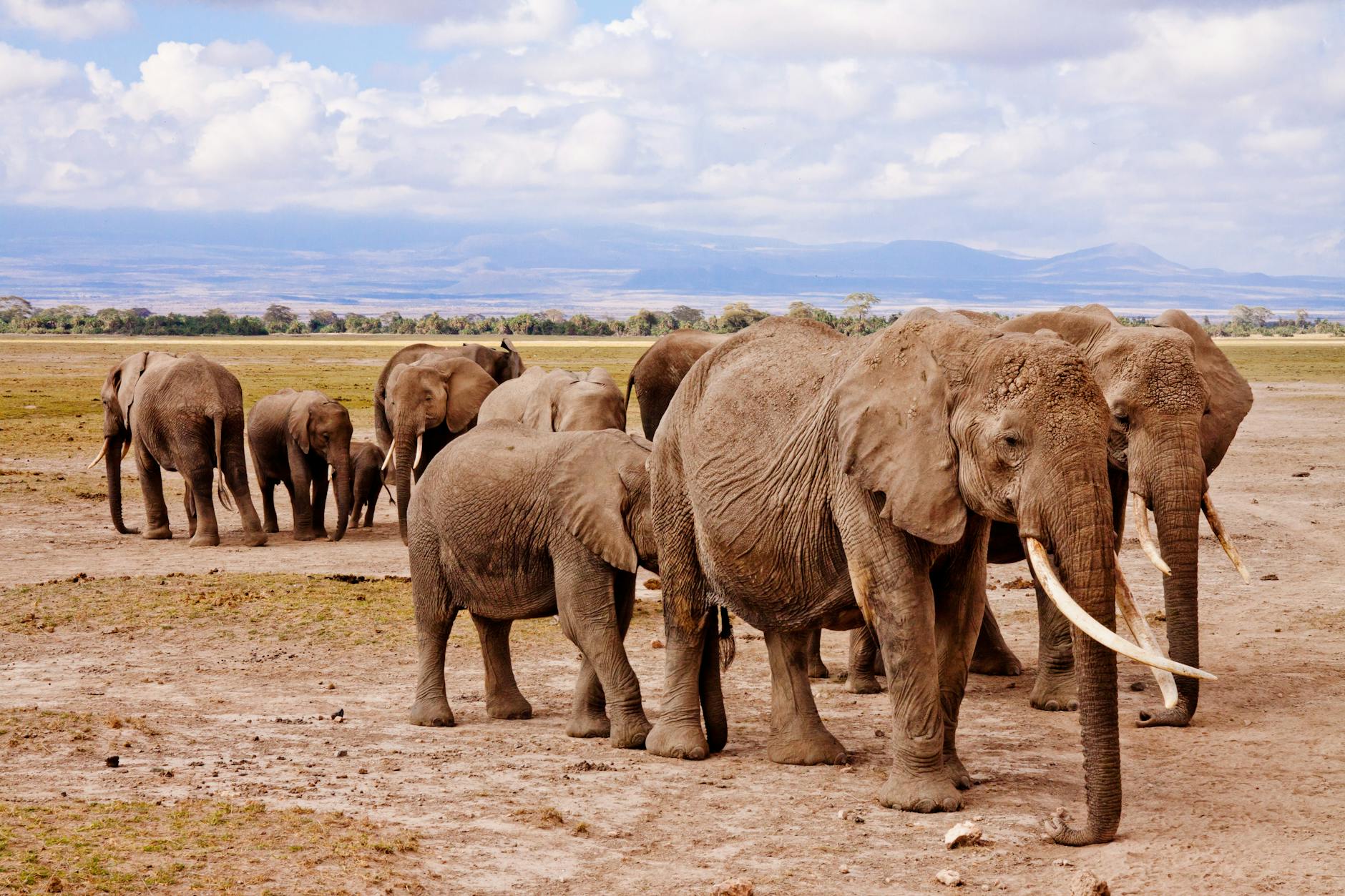
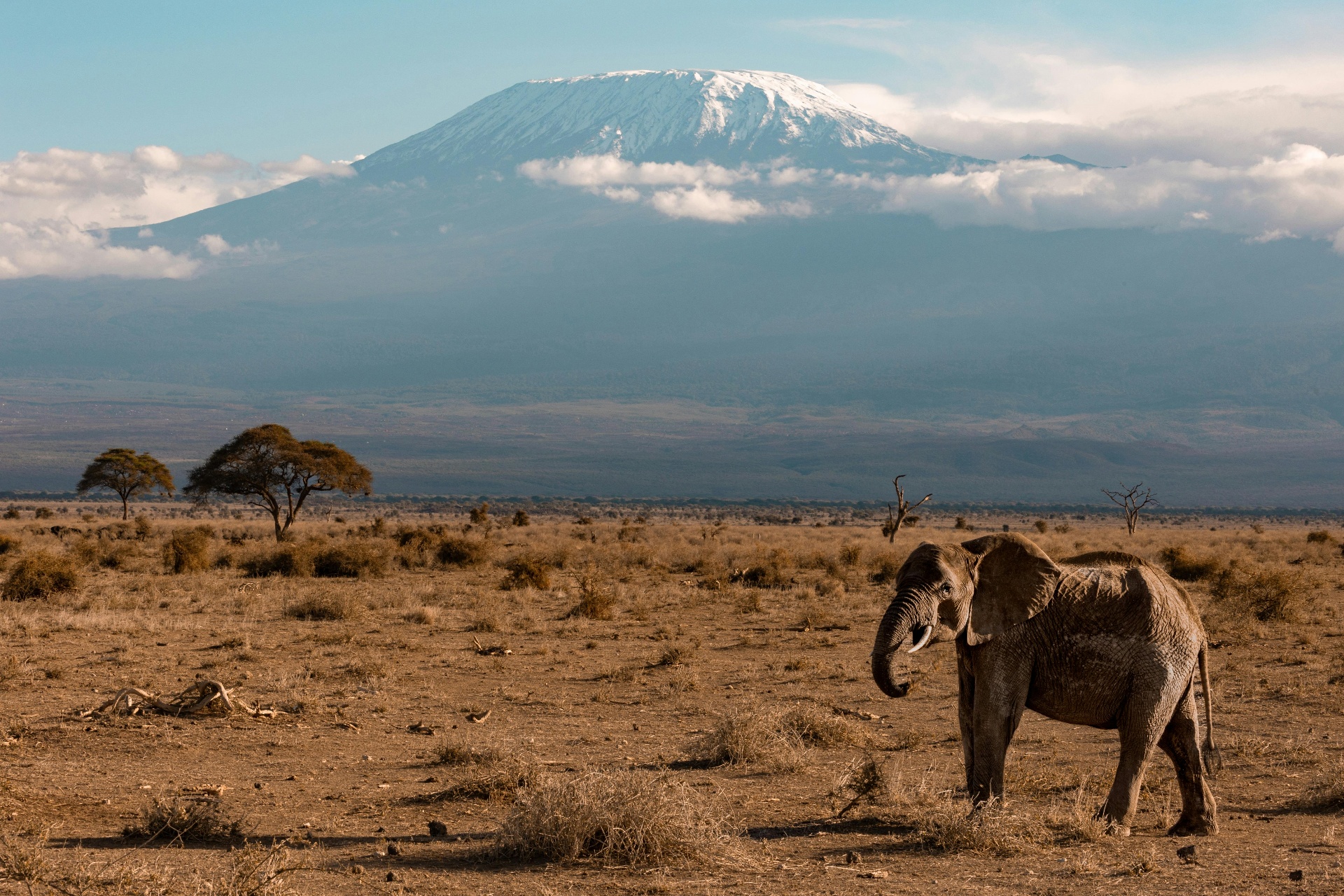
One of the best months. Hot, dry, clear skies. Resident wildebeest and zebra calve in the Mara — vulnerable young attract predators. Amboseli's elephants are highly visible against Kilimanjaro. Coast is hot and calm, ideal for diving. Domestic schools are still on holiday in the first two weeks; book early.
February
Continues January's pattern. Slightly hotter. Best month for raptor sightings. Excellent value before the long rains hit. Strongly recommended for first-time travellers who want a balance of weather, wildlife and price.
March
The transition month. First half is still dry and good. Second half can bring early rains, particularly in the highlands. Lodge prices begin to drop. Crowds thin out.
April
The long rains. Most international visitors avoid this month, which means it's the cheapest time to travel and the camps that stay open are nearly empty. Roads in the Mara become difficult. Many smaller camps close entirely. If you go, choose the Laikipia conservancies or the Mara Triangle, both of which drain better than the eastern Mara.
May
Tail end of the long rains. Conditions improving. Wildflowers everywhere, landscapes spectacularly green, resident game still excellent. By late May the rains have usually stopped and the country is at its most beautiful. An underrated month.
June
Officially the start of the dry season and the safari high season. Cooler temperatures, dust settling, vegetation still lush. Migration herds beginning to mass in the northern Serengeti, with the first vanguard typically reaching the Mara River by very late June. Coast becomes cooler and breezier.
July
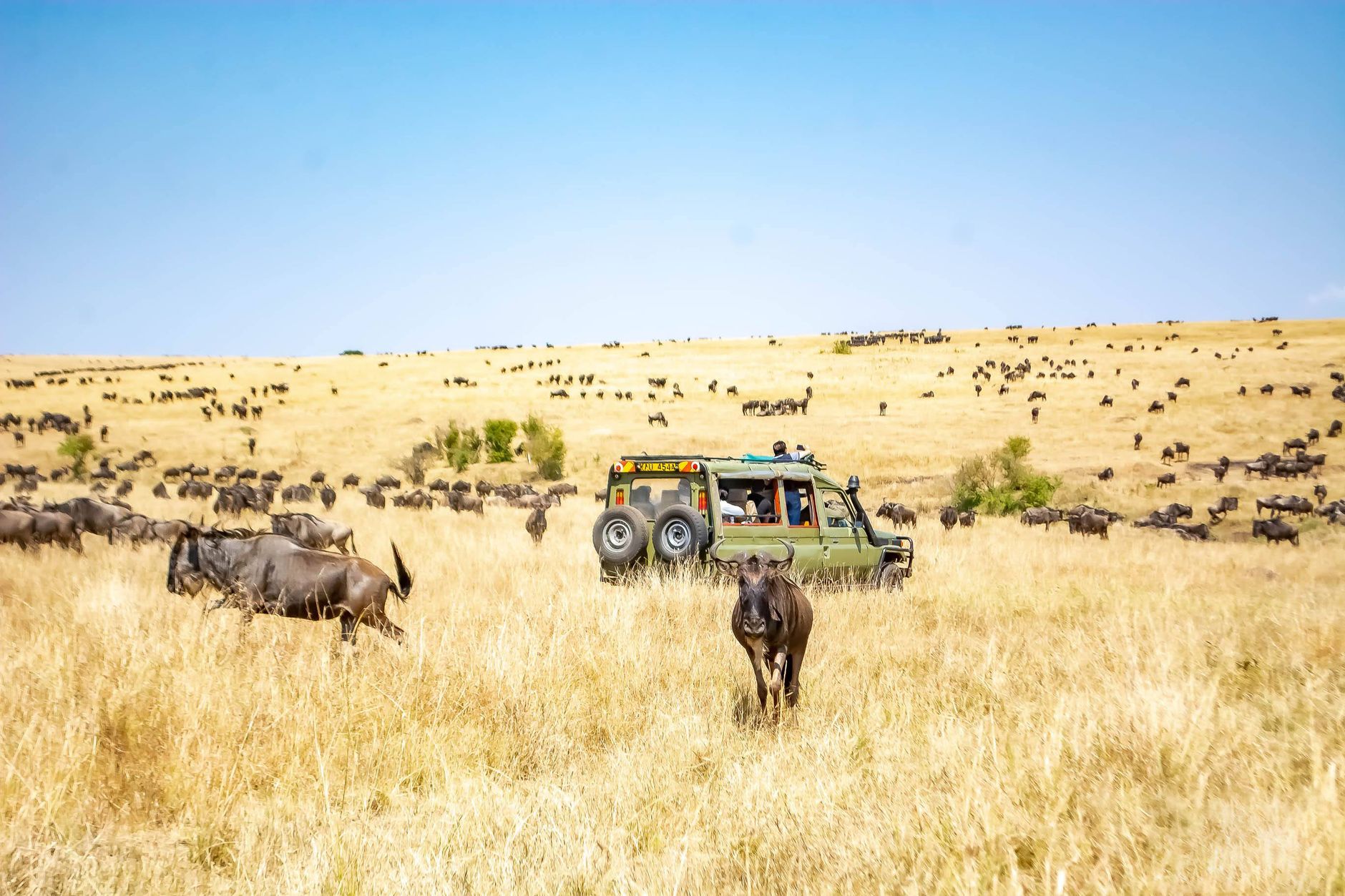
Migration begins arriving in the Mara in earnest. River crossings start. Lodges fill up. Prices climb. Outside the Mara, it's the start of one of the best months for Amboseli, Tsavo and Laikipia — dry, cool, exceptional game viewing across the country.
August
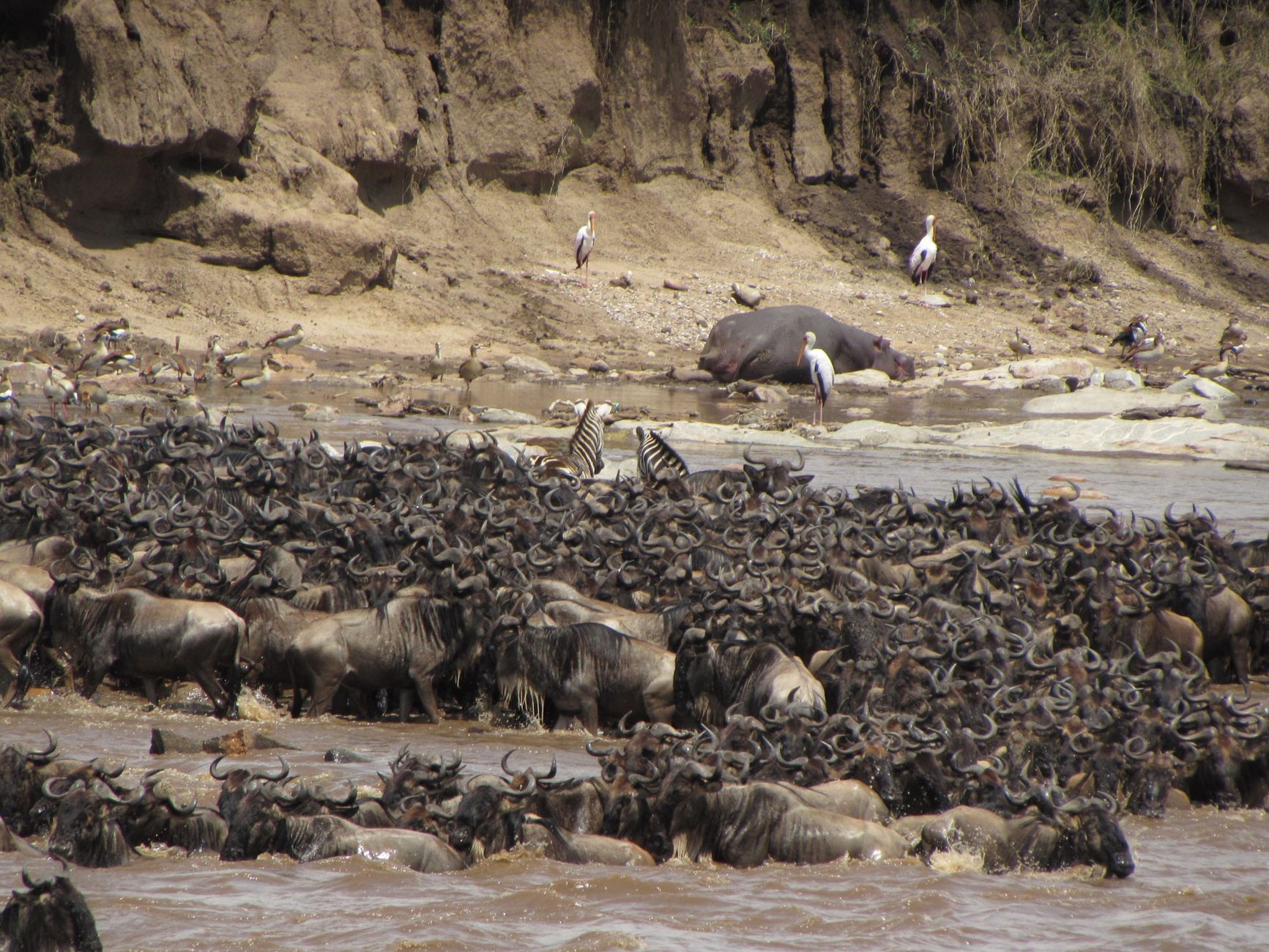
Peak migration. Peak prices. Peak crowds. The single most popular month in the Kenyan safari calendar. If you want to see river crossings, this is the month. Book 9–12 months in advance.
September
Many experienced travellers' favourite month. Migration density still very high. Slightly fewer vehicles than August. Predator action peaks as resident lions, leopards and cheetahs exploit the abundant prey. Coastal weather warming up.
October
Late migration. Herds begin moving south, often crossing the Mara River back into Tanzania in dramatic late-season crossings. Rest of the country still in dry-season form. Excellent month for combining safari with the coast.
November
Short rains arrive — typically afternoon thundershowers rather than all-day rain. Migration has left for Tanzania. Resident game remains excellent. Lodge prices drop sharply. A genuine value sweet spot for travellers who don't need migration on their itinerary.
December
First half is short-rains shoulder. By Christmas, dry conditions are usually returning. The festive period (mid-December through New Year) is one of the busiest weeks of the year on the coast and in the Mara — book very early.
Quick recommendations by traveller type
- First-time safari, mid-budget: January, February, late September, October
- Migration river crossings: Late July, August, September
- Best value with great wildlife: Late May, June, November
- Beach and coastal diving: December–March
- Birding: October–April (Palearctic migrants present)
- Calving and predator action without crowds: January–February
Region by region
Maasai Mara: July–October for migration; January–February for resident game; year-round for the conservancies.
Amboseli: June–October and January–February for the clearest Kilimanjaro views and best elephant viewing. Rains can obscure the mountain entirely.
Laikipia: Year-round. Higher altitude, drier microclimate, less affected by rains. One of the best wet-season destinations.
Samburu: June–October, January–February. Genuinely dry environment — wet-season visits can transform the landscape but make road access harder.
Tsavo: June–October, January–February. Avoid April–May.
Coast (Diani, Watamu, Lamu): December–March for hot calm weather; July–October for cooler dry conditions; April–May for low prices and acceptable risk of rain.
Plan with SafariStays/Kenya
Use SafariStays/Kenya to filter lodges and beach properties by region, compare seasonal pricing, and enquire directly with hosts. Whatever month you pick, we'll help you build the right itinerary around it.
Ready to plan your trip?
Check live availability, compare lodges and book instantly — or send us an enquiry and we'll help shape the route.