Your Botswana Self-Drive Itinerary
There is a profound sense of freedom that comes with charting your own course through the African wilderness. The hum of a 4x4 engine, a map spread across the dashboard, and an untamed landscape unfurling before you—this is the heart of the adventure. For the independent traveller, crafting a Botswana self-drive itinerary is not just about getting from one point to another; it's about deep, unfiltered immersion in one of the planet's last great wilderness areas.
Botswana rewards the intrepid. Its network of national parks and private reserves is connected by sandy tracks and rugged trails that demand a capable vehicle and a spirit of self-reliance. In return, you are granted the priceless luxury of time—the freedom to linger at a leopard sighting, to watch an elephant herd cross a river at your own pace, and to experience the bush on your own terms.
Embracing the Freedom: Why Choose a Self-Drive Safari?
A guided safari is a magnificent and seamless way to experience Botswana, but a self-drive expedition offers a different kind of magic. It is an active, participatory adventure where you are the navigator, the spotter, and the camp chef. You become acutely attuned to the rhythms of the wild, from the first bird calls at dawn to the distant roar of a lion under a canopy of stars.
This style of travel allows for unparalleled flexibility. You can alter your plans to follow a fresh rumour of a wild dog den, spend an entire afternoon at a waterhole waiting for the drama to unfold, or simply sit in silence, absorbing the vastness of the Kalahari. It is a journey that challenges and changes you, leaving you with a powerful sense of accomplishment and a collection of stories that are uniquely yours.
Before You Go: Essential Self-Drive Preparation
Success in a Botswana self-drive lies in meticulous preparation. The country's wild heart is remote, and services are few and far between. Careful planning ensures a safe and smooth journey.
Vehicle & Equipment
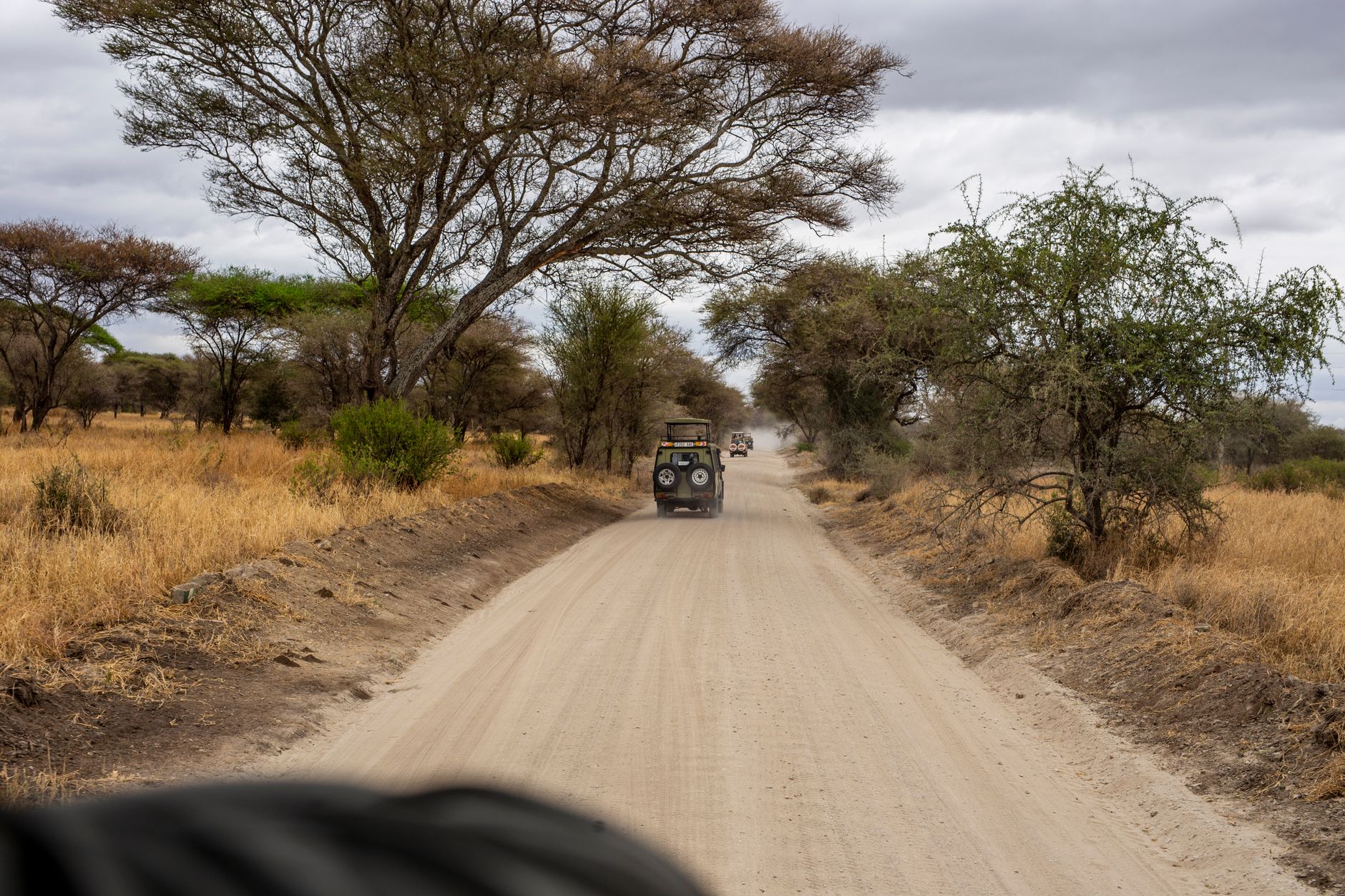
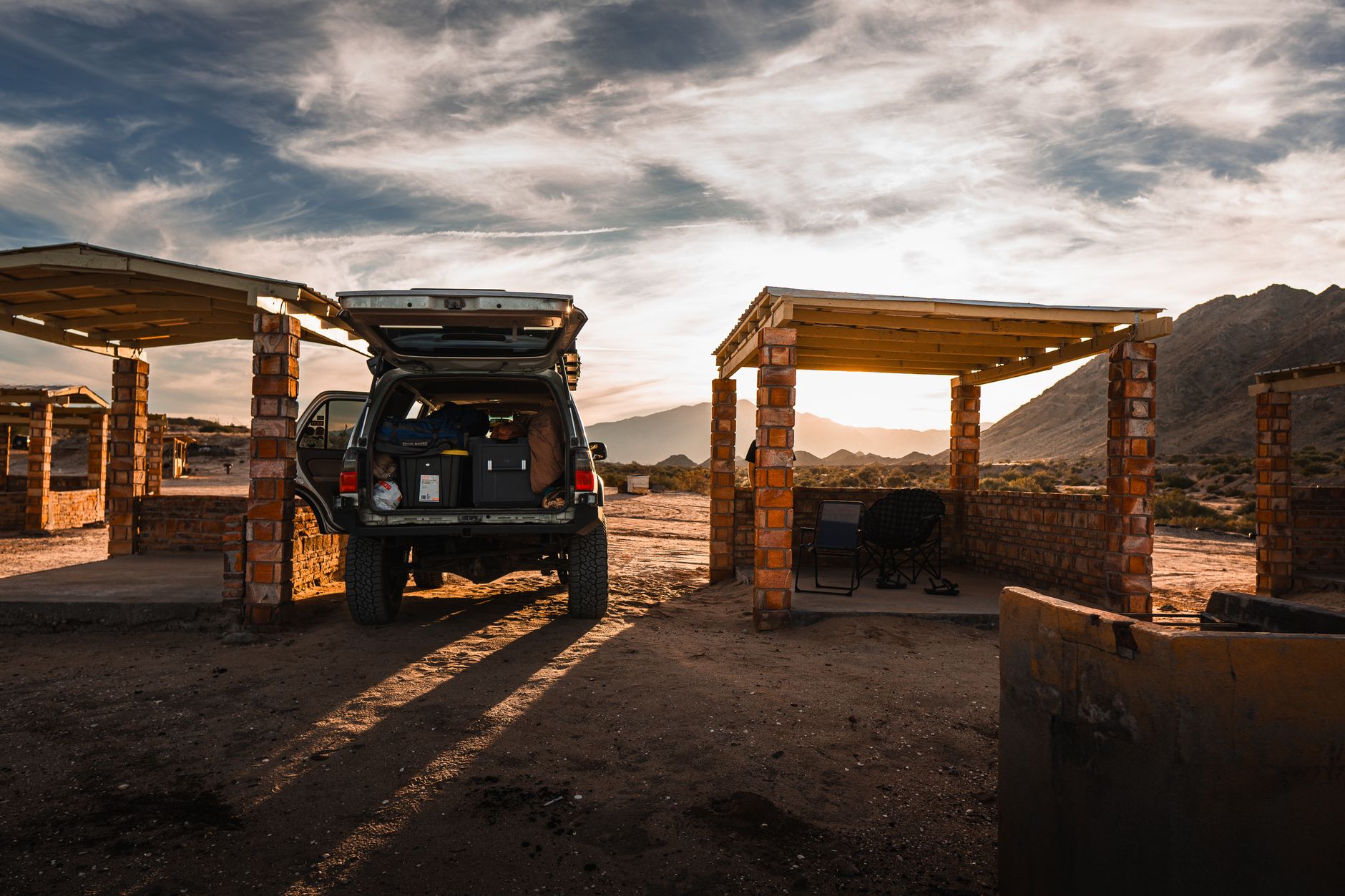
A fully equipped 4x4 is non-negotiable. This is not simply a vehicle with high clearance; it's your mobile basecamp. Ensure your rental comes with a long-range fuel tank, two spare tyres, a high-lift jack, and basic recovery gear. Most reputable rentals include a rooftop tent, a dual-battery system, a fridge/freezer, cooking equipment, and water storage—all essential for navigating the bush.
Navigating Botswana
While main roads are generally paved, the tracks within the parks are deep sand, mud, or rough terrain. A GPS with a detailed map application like Tracks4Africa is vital. However, technology can fail, so always carry a comprehensive paper map as a backup. Mobile phone service is non-existent in most park areas, so consider renting a satellite phone for emergencies.
Bookings and Permits
Botswana's wild popularity means you cannot simply arrive. Campsites within the national parks, especially in Moremi and Chobe, are limited and must be booked many months—often a year—in advance. The same applies to park entry permits. Planning ahead is the single most important step to avoid disappointment.
Crafting Your Botswana Self-Drive Itinerary
This classic two-week route offers a breathtaking cross-section of Botswana's most iconic landscapes, from stark salt pans to lush floodplains. It begins and ends in Maun, the primary safari hub.
Days 1-3: The Makgadikgadi Pans Gateway
From Maun, your first leg takes you east towards the shimmering expanse of the Makgadikgadi Pans. The drive is a gentle introduction, transitioning from acacia scrub to the wide-open grasslands that border the pans. This is a landscape of profound emptiness and subtle beauty. Set up camp near the edge of the pans and explore landmarks like Chapman’s Baobabs. The real magic happens at dawn and dusk when the low light paints the horizon in pastel shades. For a different perspective, consider a guided walk to meet the habituated meerkats. Read more about this unique landscape in our guide to the Makgadikgadi Pans National Park.

Days 4-7: The Heart of the Okavango Delta - Moremi Game Reserve
Leaving the pans behind, you’ll head north into the watery world of the Okavango Delta. Moremi Game Reserve, on the eastern side of the Delta, is a mosaic of lagoons, floodplains, and dense mopane woodland. The drive from South Gate to the Khwai Community Area in the northeast is one of Africa’s great game drives.
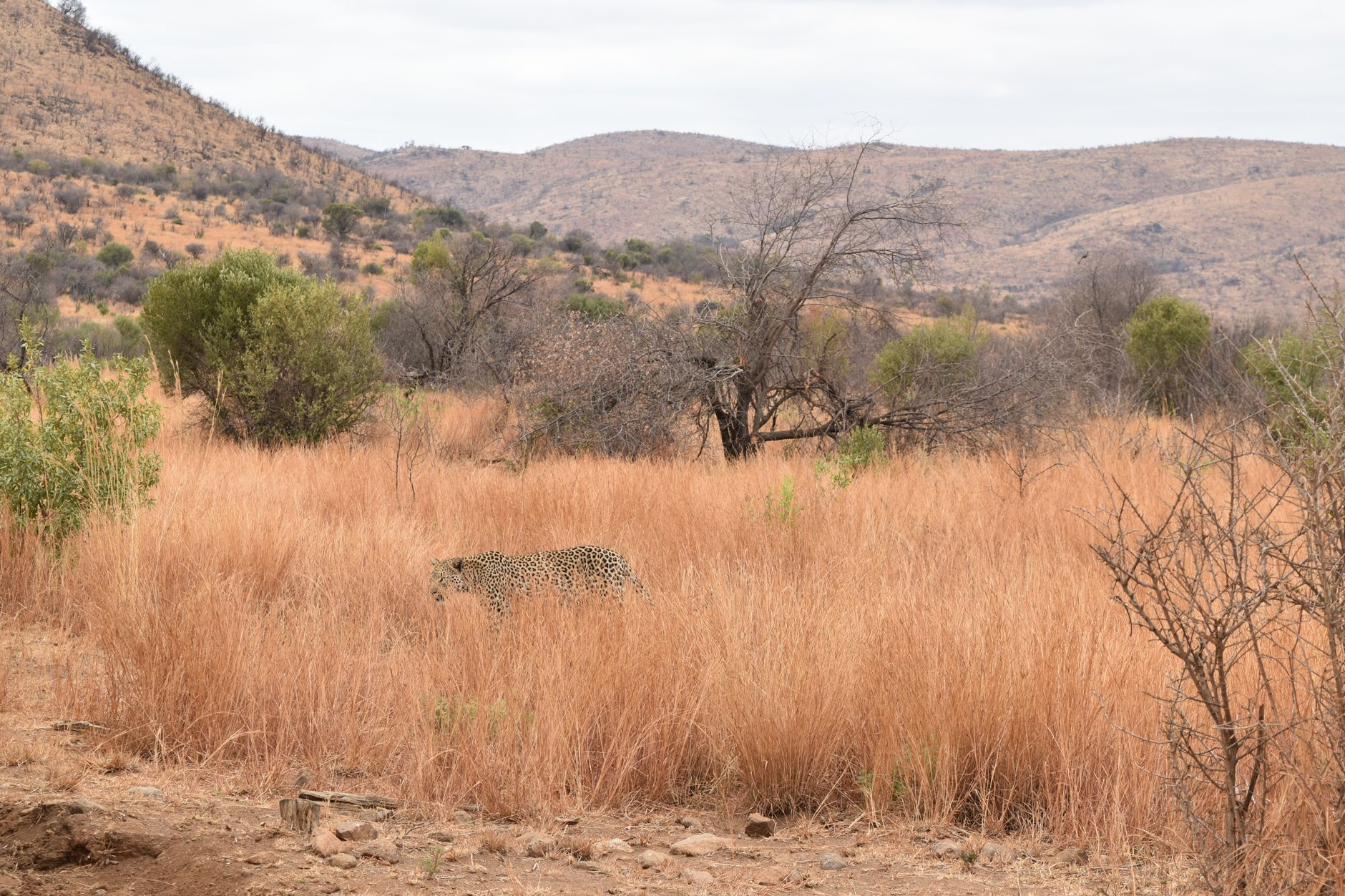
This region is renowned for its predators. Keep your eyes peeled for leopards draped over sausage tree branches and some of the best chances to see the endangered African wild dog. The Khwai River area, in particular, is a magnet for wildlife. Here, you can find exquisite lodges to break up your camping adventure, like the celebrated Khwai River Lodge, which offers a touch of luxury amidst the wild.
Days 8-11: The Elephant Paradise - Chobe National Park
Your journey continues north into Chobe National Park. The track from Khwai to the Savuti region of Chobe can be challenging, with sections of very deep sand, but the reward is immense. Savuti is a raw, wild place known for its powerful lion prides that have learned to hunt elephants and the mysterious, now-flowing Savuti Channel.
From Savuti, drive to the Chobe Riverfront near the town of Kasane. The contrast is stark. Here, the park is defined by the broad, life-giving Chobe River, which attracts some of the largest concentrations of elephants on the continent. A sunset boat cruise on the river is an essential experience, offering incredible photographic opportunities as breeding herds come down to drink and play.
Days 12-14: Return to Maun
From Kasane, the well-paved A3 highway provides a straightforward drive back to Maun, completing your epic circuit. It’s a day to reflect on the incredible sights and sounds of the past two weeks, your vehicle now coated in the dust of Botswana's most celebrated wilds.
On the Road: Practical Tips for a Smooth Journey
Keeping a few key principles in mind will make your self-drive adventure safer and more enjoyable.
- Fuel and Supplies: Never pass a fuel station without filling up. Towns like Maun, Kasane, and Gweta are your main supply points. Always carry extra water—at least 5-10 litres per person per day is recommended.
- Wildlife Etiquette: Always keep a respectful distance from wildlife. Never get out of your vehicle in unfenced areas, except in designated safe zones. Elephants, especially bulls, can be unpredictable; give them a very wide berth and be prepared to slowly back away if they show signs of agitation. Find out more in our post about ethical wildlife encounters.
- Tyre Pressure: This is crucial for sand driving. Lowering your tyre pressure significantly increases the tyre's footprint, providing better traction and preventing you from getting stuck. Carry a reliable pressure gauge and compressor.
- Camp Smarts: Be vigilant in unfenced campsites. Hyenas are common and inquisitive visitors. Store all food securely in your vehicle overnight and never leave scraps out.

Embarking on this journey is a commitment, but it’s one that repays your effort a thousand times over. The sights, the sounds, and the profound silence of the Botswana bush will stay with you long after the dust has settled. A well-planned Botswana self-drive itinerary is more than a holiday; it is a true, modern-day exploration into the wild heart of Africa.
Ready to find the perfect anchor points for your adventure? While much of a self-drive is about camping, punctuating your journey with stays at beautifully situated lodges can enhance the experience. Browse our curated collection of Safari Stays in Botswana to find exceptional properties that blend seamlessly with the wilderness.
Ready to plan your trip?
Check live availability, compare lodges and book instantly — or send us an enquiry and we'll help shape the route.