Okavango Delta Flood Season Guide: Planning Your Safari
The Okavango Delta is a place of beautiful contradictions. It is a vast inland delta that floods not in its own rainy season, but months later, when rainwater from a foreign land finally completes a thousand-kilometre journey. Understanding this slow, magnificent pulse of water is the key to unlocking the safari of a lifetime. If you are planning a trip for late 2026 or early 2027, this Okavango Delta flood season guide is your essential companion to navigating its unique rhythms.
At Safari Stays, we believe the most memorable journeys are born from deep understanding. The magic of the Delta isn’t a single event but a slow-motion spectacle that transforms the landscape over many months. Timing your visit allows you to witness a specific chapter of this incredible story, and the period from December to May offers a particularly dramatic and rewarding experience.
Understanding the Great Flood: A Counterintuitive Calendar
The most fascinating aspect of the Okavango Delta is the origin and timing of its annual flood. The water that nourishes this UNESCO World Heritage Site doesn't come from the clouds directly above, but from summer rains that fall over the Angolan highlands, typically between January and March.
This immense volume of water then begins a slow, deliberate journey south, flowing down the Rio Cubango into Botswana, where it becomes the Okavango River. It travels for months, seeping across the Kalahari sands, filling ancient channels, and pushing forward at a walking pace. This means the flood arrives in the Delta long after Botswana’s own summer rains have passed, creating a lush wetland oasis when the surrounding landscape is at its driest.
The floodwaters typically reach the top of the Okavango Delta panhandle around March and April. From there, they fan out, filling the permanent swamps and seasonal floodplains. The peak of the flood usually occurs in the heart of the Delta between June and August. For those planning a visit in the preceding months, you are poised to witness the very beginning of this transformation—a time of vibrant change and exceptional wildlife viewing.
Your Pre-Season Okavango Delta Flood Season Guide
Planning a safari between December and May means you will experience the Delta during its 'Green Season' and the arrival of the 'first waters'. This is a time of abundance, new life, and fewer visitors, offering a more intimate and exclusive experience.
December to February: The Green Season
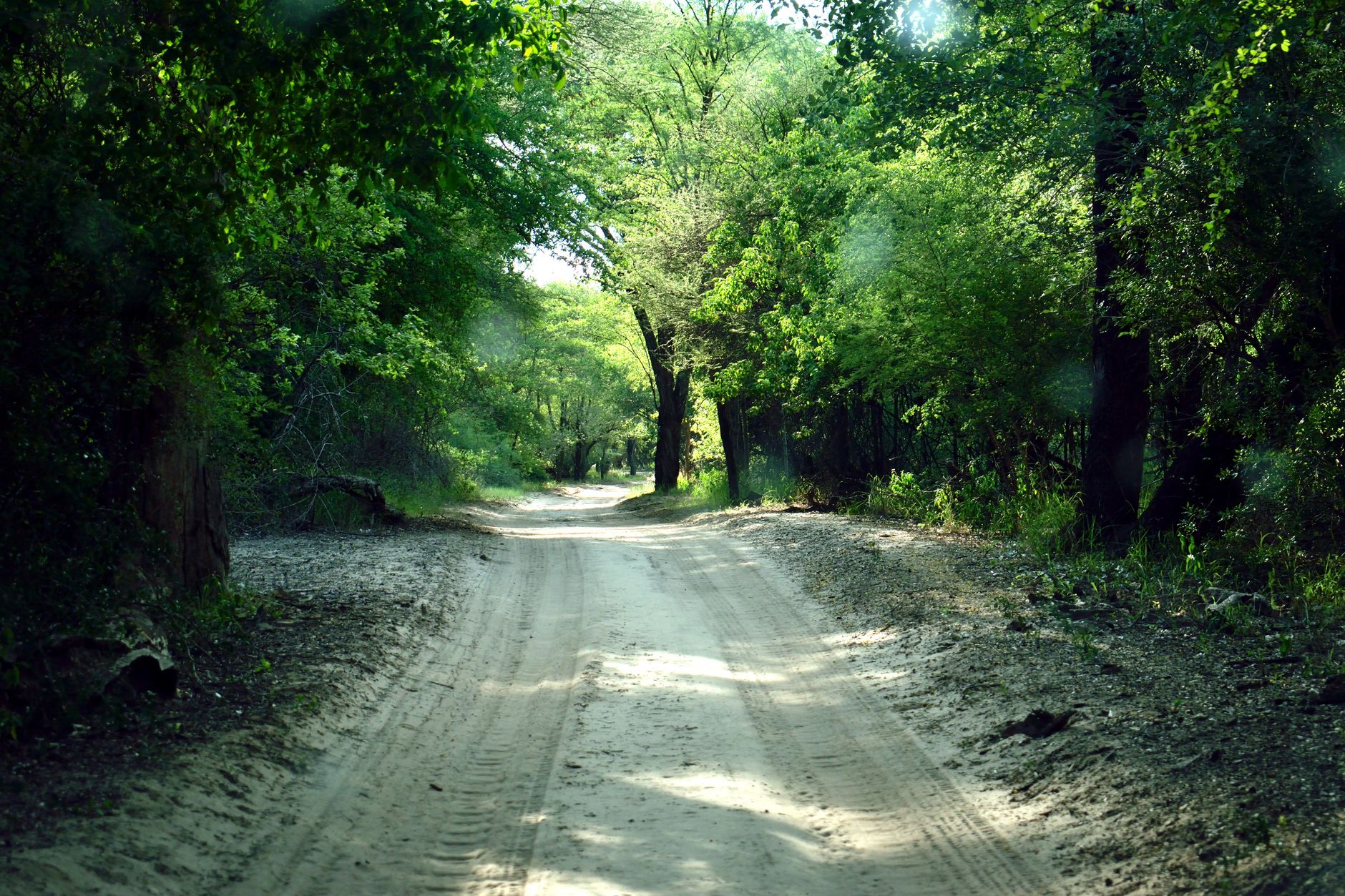
This period is Botswana’s own summer. While the Angolan floodwaters are still months away, the landscape is transformed by local thundershowers. The air is clear of dust, the bush is a brilliant, emerald green, and the skies are filled with dramatic cloud formations that make for spectacular photography.
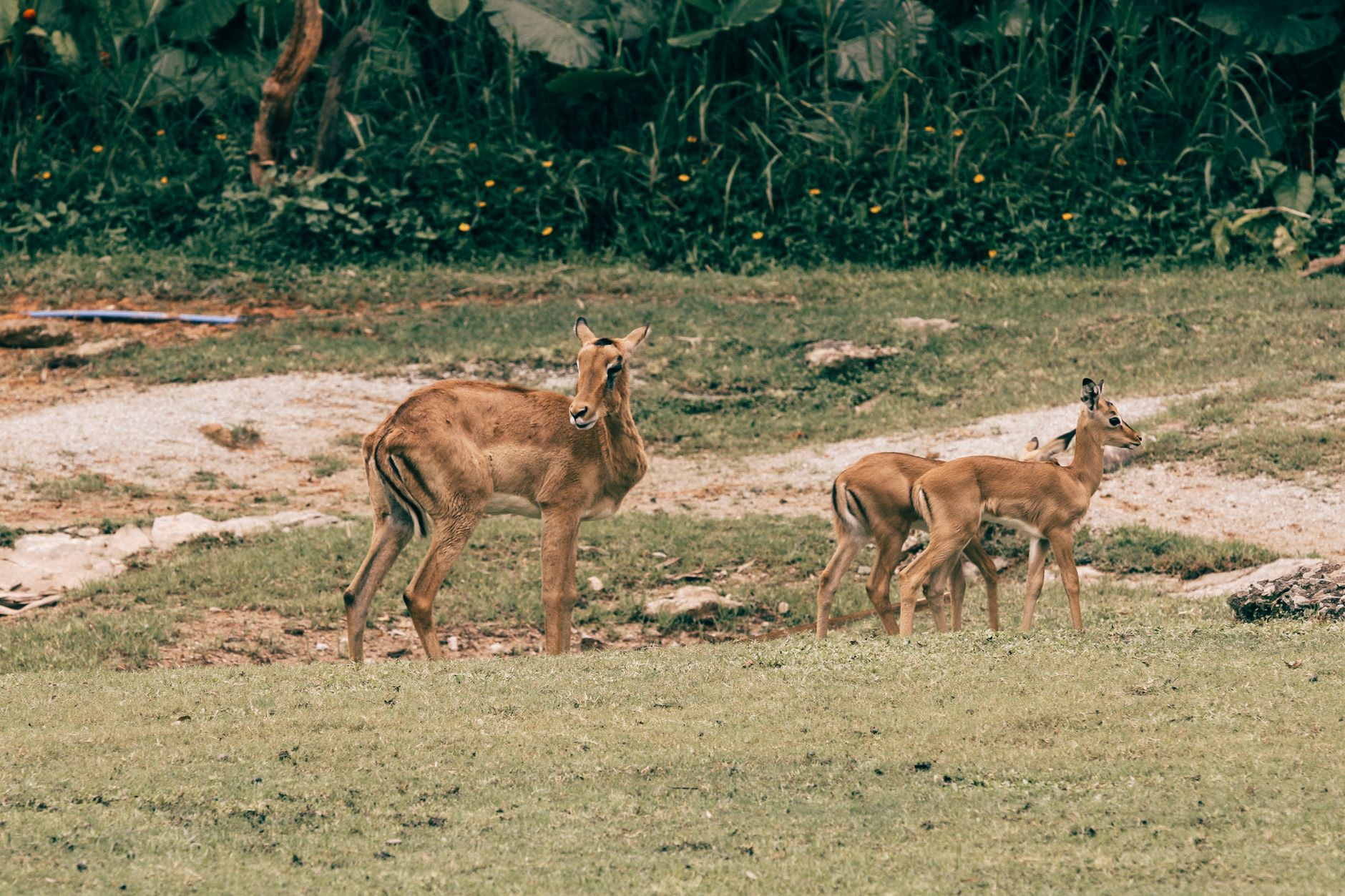
This is a time of plenty for wildlife. It's the birthing season for many antelope species, which means predators are often active. While game can be more dispersed due to plentiful water sources, the sightings are deeply rewarding. For birders, this season is unparalleled, as resident species are in full breeding plumage and are joined by a host of intra-African and Palaearctic migrants.
March to May: The First Waters Arrive
This is when the true magic begins. As the local rains subside, the first pulse of the Angolan floodwater starts its silent advance into the Delta's northern reaches. Channels that were dry just weeks before begin to glisten with water. The landscape changes daily, and with it, the behaviour of the wildlife.
Animals that had been scattered across the plains begin to concentrate on the islands created by the rising water. This can lead to fantastic and predictable game viewing. Activities also shift; areas previously accessible only by vehicle may now be explored by boat or traditional mokoro (dugout canoe), offering a completely new perspective. It’s a photographer’s dream, with the golden light of autumn reflecting off the new waterways.
Activities and Wildlife During the Rising Flood
The transition from the dry to the wet season opens up a unique combination of safari activities. Many lodges are able to offer the best of both worlds, with experiences on both land and water. This variety is a hallmark of a safari in the early flood season.
Key activities during this period include:
- Mokoro Safaris: As the channels fill, there is no better way to experience the Delta's serenity than by being poled through the reeds in a mokoro. You glide silently past tiny reed frogs, flowering waterlilies, and drinking elephants.
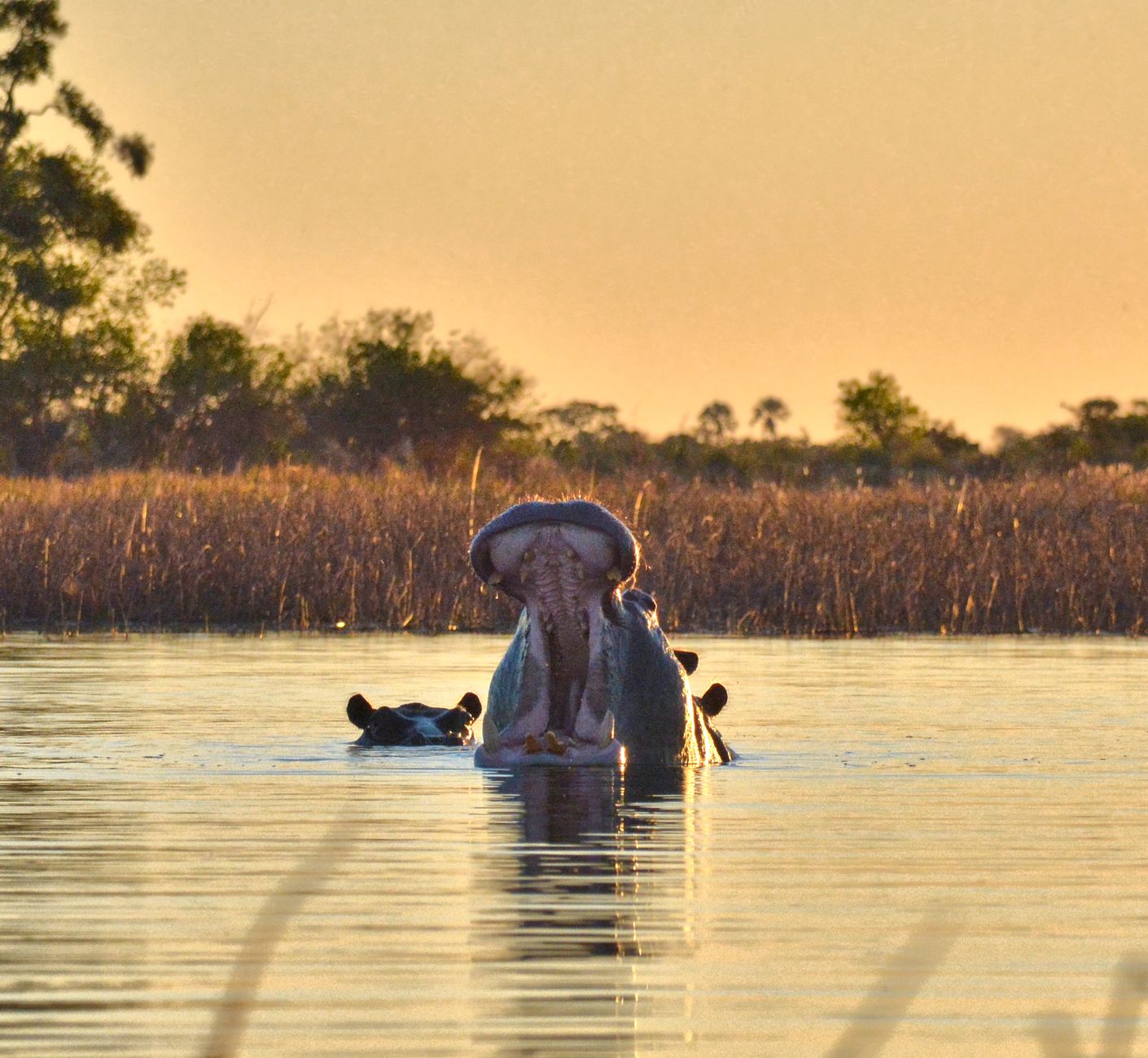
- Boating: Motorboats allow you to explore larger, deeper channels and lagoons, covering more ground to spot hippos, crocodiles, and the magnificent birdlife that congregates on the water's edge.
- Game Drives: 4x4 game drives remain a core activity, especially in concessions with a mix of habitats. Drives across the floodplains and through the island woodlands reveal big cats, vast herds of buffalo, and diverse plains game.
- Walking Safaris: Exploring the Delta's islands on foot with an expert guide is an intimate and thrilling way to connect with the environment, learning to read tracks and appreciate the smaller details of the ecosystem.
This changing world is a dynamic stage for wildlife. The rising water can trap prey on islands, creating hotspots for predators. Camps like the exquisite &Beyond Nxabega Okavango Tented Camp are perfectly positioned to offer this blend of land and water adventures. For a truly water-focused immersion, consider a lodge like Duba Explorers Camp, renowned for its location in the heart of the floodplains.
Choosing Your Lodge: Where to Stay
The Delta is a mosaic of private concessions and protected areas, each with a distinct character. Choosing the right location is crucial, especially during the transitional seasons. Some areas receive water much earlier than others, while some remain dry year-round.
In the eastern and south-eastern Delta, you'll find a beautiful mix of seasonal floodplains and permanent dry land within the Moremi Game Reserve. This makes it a superb year-round destination, offering a reliable combination of activities. Lodges here are well-versed in adapting to the water levels.
For an exclusive experience focused on the arriving waters, look to concessions in the northern and western parts of the Delta. These areas are often the first to receive the flood. A stay at a private retreat like Sitatunga Private Island can place you on your own exclusive sanctuary, allowing you to watch the wilderness transform around you from a place of supreme comfort.
To the north, the wetlands of the Linyanti region offer a different but equally compelling water-based safari. Fed by the Kwando River, its ecosystem provides a fantastic contrast and is easily combined with an Okavango Delta itinerary, showing you two of Botswana's premier wildlife habitats.
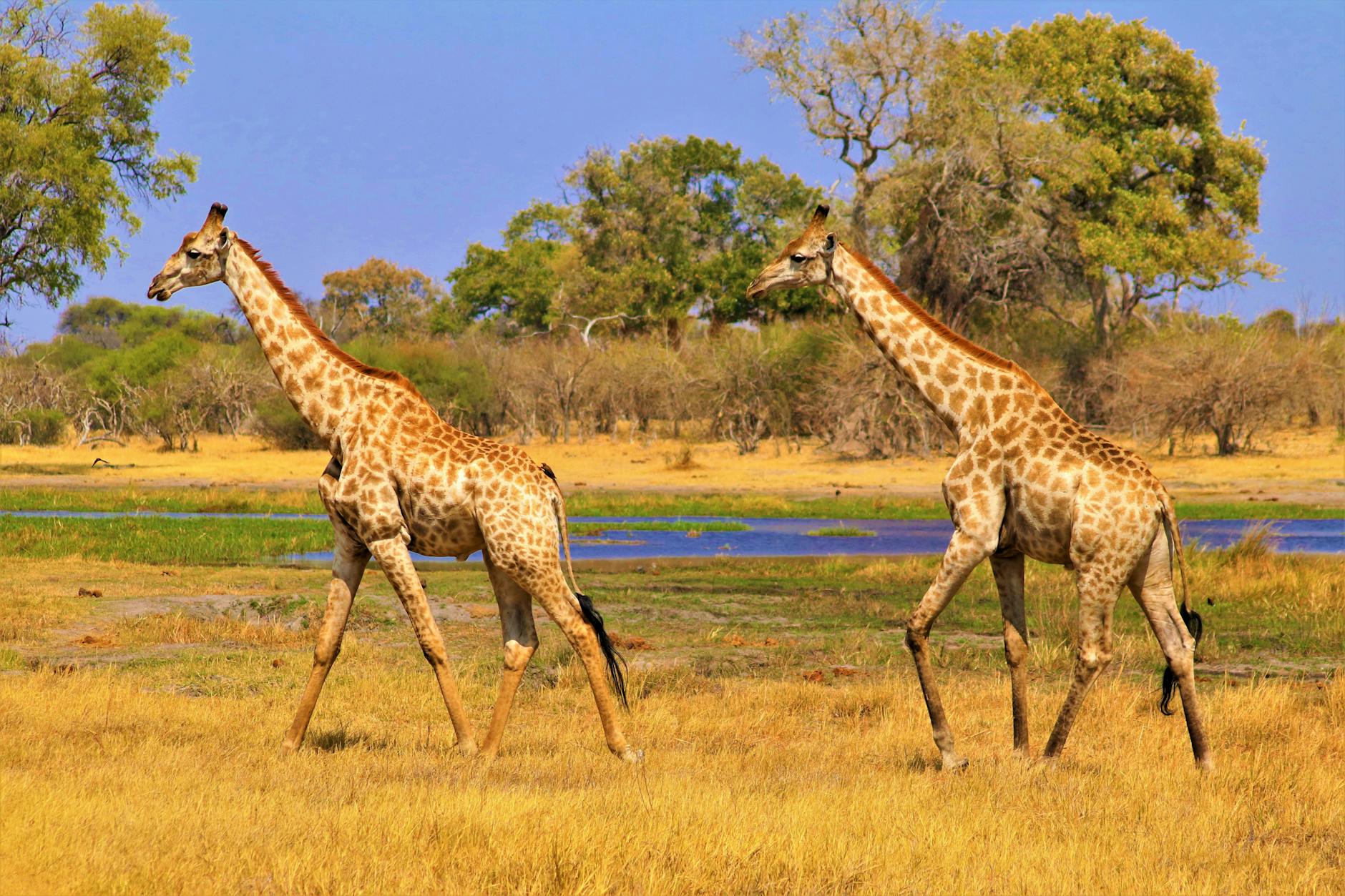
Ultimately, a visit to the Delta between December and May provides a sense of discovery. You are witnessing a world in flux, from the vibrant green of summer to the life-giving arrival of the flood. This is a time of rebirth and change, and a complete Okavango Delta flood season guide would be incomplete without celebrating this remarkable period. With careful planning, your safari can coincide with the most dramatic moments of this annual miracle. Contact our Safari Stays experts to begin crafting your journey for the upcoming season.
Ready to plan your trip?
Check live availability, compare lodges and book instantly — or send us an enquiry and we'll help shape the route.