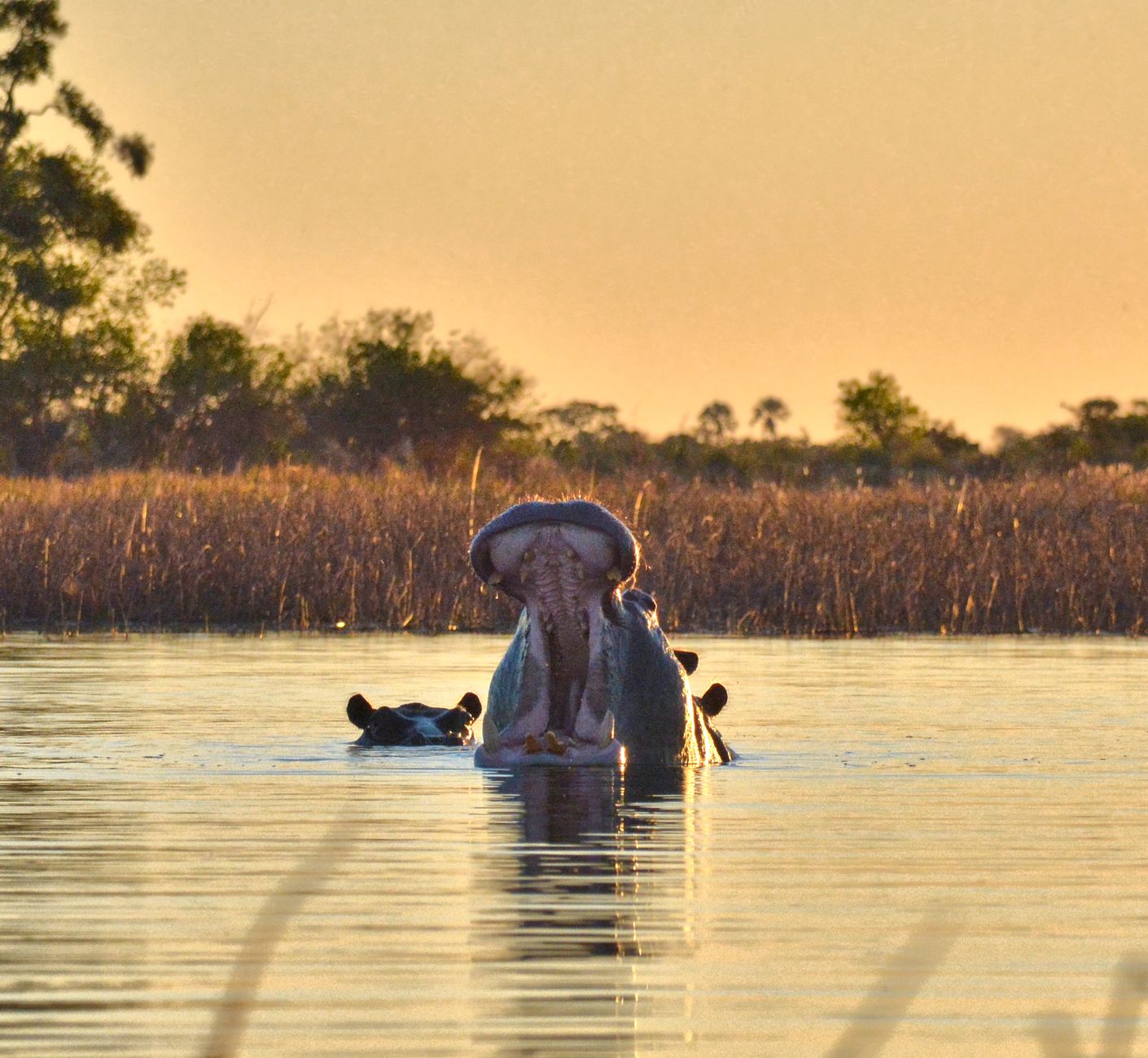
An Expert's Okavango Delta Green Season Guide
While many safari veterans speak of the dry season's concentrated wildlife, a quieter, more vibrant magic awakens in Botswana between December and May. This is the ‘emerald season,’ a time of dramatic transformation and renewal. For those in the know, it represents one of the most rewarding times to visit. This Okavango Delta green season guide is your expert companion to planning an unforgettable journey into the heart of a world reborn.
The green season is not defined by the famous annual floodwaters, which arrive from Angola much later in the year. Instead, it is the product of local, life-giving summer rains that quench the thirsty landscape, turning vast, sun-bleached plains into a dazzling spectacle of green. It’s a time of plenty, of newborn animals, and of breathtaking, cloud-stacked skies.
Understanding the Emerald Season
The green season, running roughly from late November or early December through to April or May, is Botswana's summer. It’s characterized by warmer temperatures and the arrival of the rains, which typically fall in dramatic, short-lived afternoon thunderstorms rather than persistent downpours. These storms clear the air of dust, leaving behind a world that feels clean, crisp, and intensely alive.
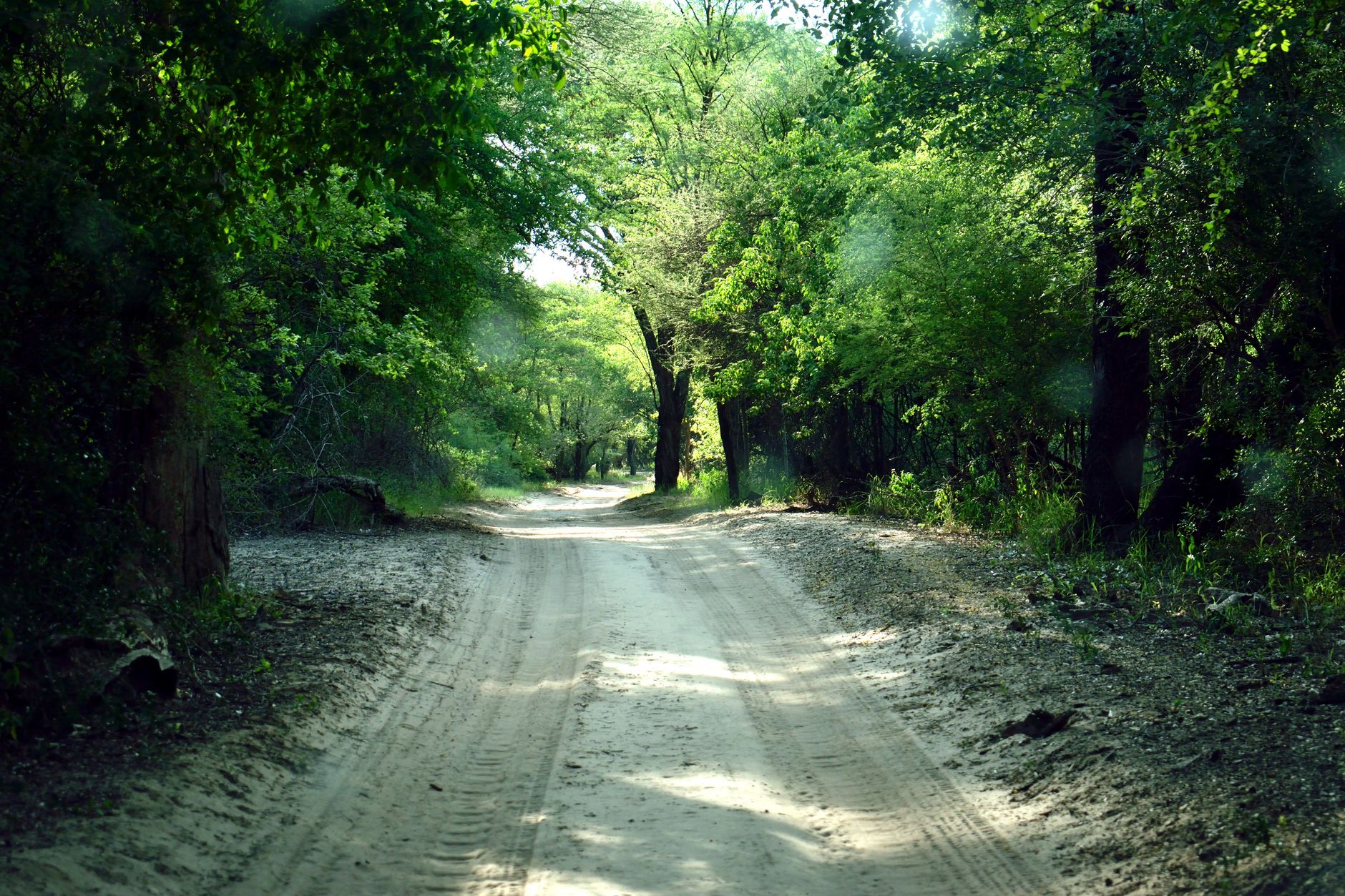
The landscape undergoes a complete metamorphosis. Mopane woodlands flush with new leaves, Kalahari sands sprout a carpet of grasses and wildflowers, and the entire ecosystem seems to exhale in relief. This explosion of colour and life creates a safari experience that is profoundly different from the starkness of the dry season, offering a feast for the senses.
This period of abundance triggers significant ecological events. Waterholes fill, rivers flow, and the bush becomes thick and lush. While this means wildlife can be more dispersed than in the dry winter months, the viewing is no less spectacular—it simply offers a different, and arguably more intimate, rhythm.
The Unrivalled Perks of a Green Season Safari
Visiting during the emerald season offers distinct advantages that appeal to both first-time visitors and seasoned safari-goers. It is a time of unique opportunities, from photography to pricing.
Fewer Crowds and Exceptional Value
Historically considered the ‘low’ season, these months see fewer visitors than the peak winter period. This translates to a more exclusive and personal experience on the ground. You will often feel as if you have the vast wilderness to yourself, sharing sightings with only one or two other vehicles, if any. This solitude amplifies the sense of being truly immersed in nature. Furthermore, many lodges offer excellent value, making a world-class safari in the Okavango Delta more accessible.
A Photographer's Dream
For photographers, the green season is paradise. The air is crystal clear, free from the haze and dust of winter. The soft, golden light of early morning and late afternoon is filtered through dramatic, moisture-heavy clouds, creating incredible depth and mood. The vibrant green backdrop makes wildlife subjects pop, their coats looking their healthiest and richest. The contrast of a leopard’s rosette pattern against a verdant thicket or a herd of zebra on a lush floodplain is simply breathtaking.
A Time of New Life
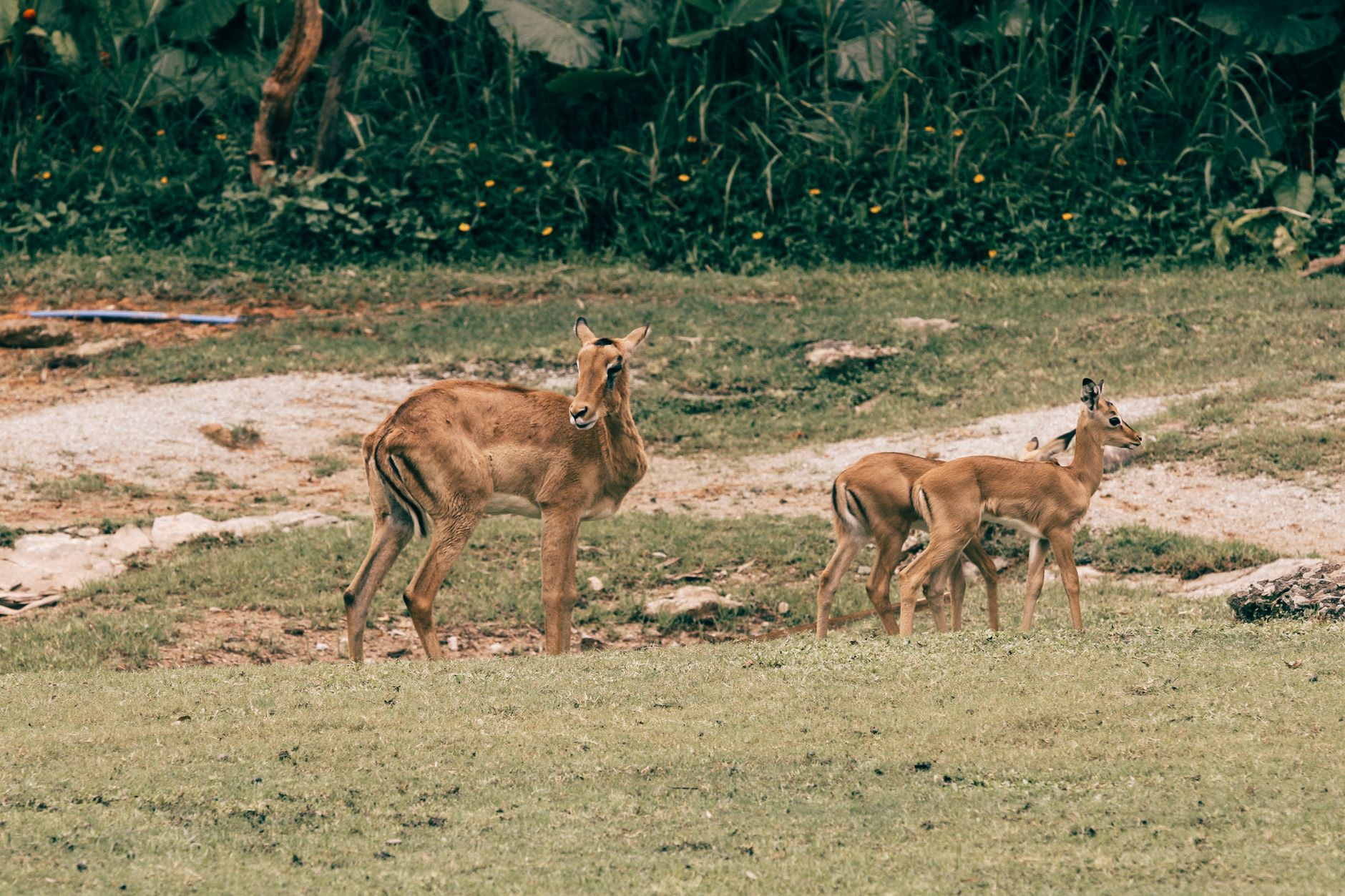
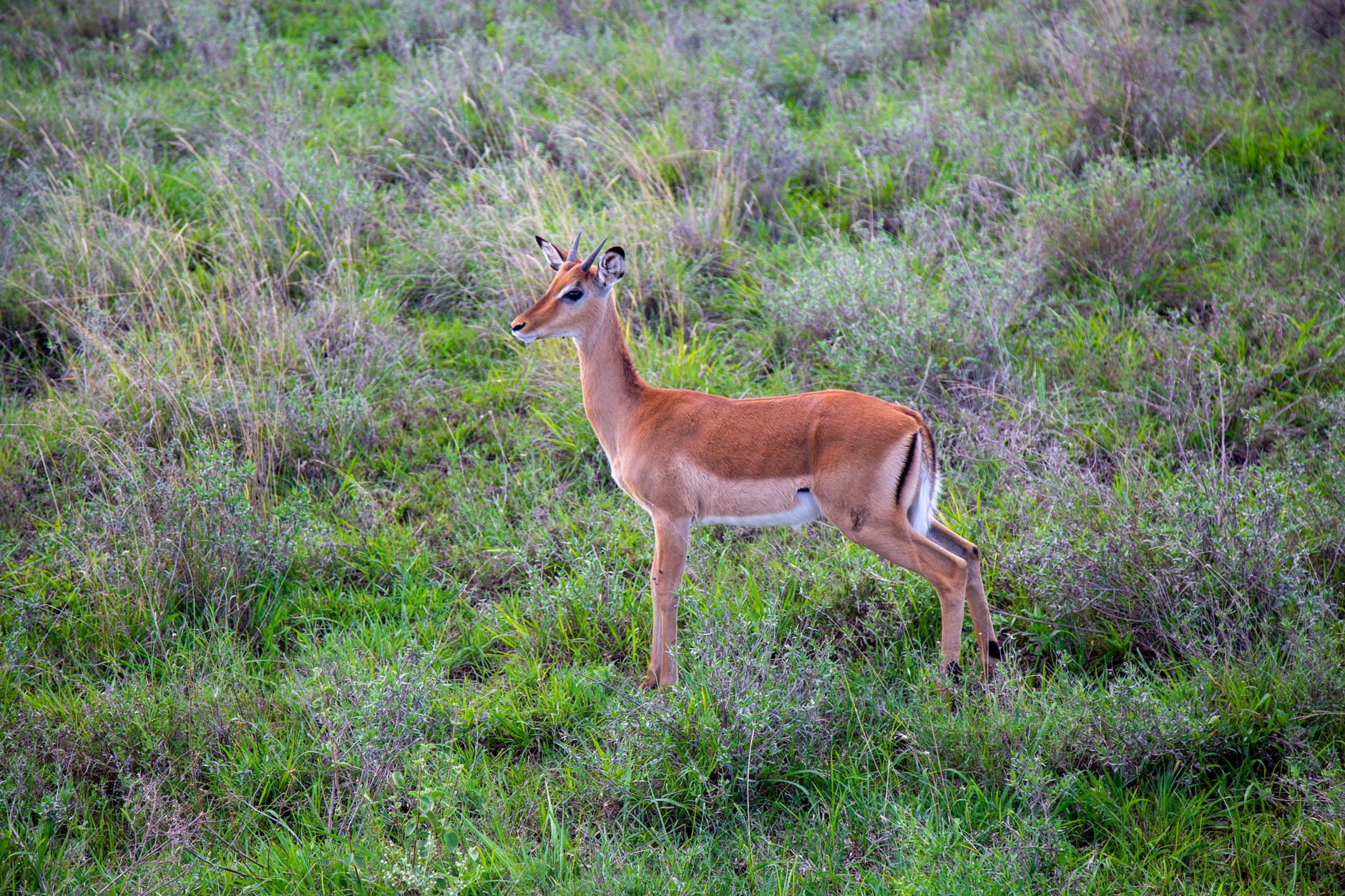
Perhaps the most compelling reason to visit is the explosion of new life. This is the primary birthing season for many antelope species. You will see wobbly-legged impala fawns, tsessebe calves, and young wildebeest taking their first steps. This influx of vulnerable prey creates a dynamic environment, as predators like lions, leopards, wild dogs, and hyenas take advantage of the sudden bounty. The drama of the food chain is on full display.
Superb Birdwatching
For birders, the green season is non-negotiable. It is when the local bird populations are supplemented by a dazzling array of intra-African and Palaearctic migrants, all in their vibrant breeding plumage. The bush is filled with their calls and colours.
- Woodland Kingfishers flash iridescent blue.
- Southern Carmine Bee-eaters create vibrant, noisy colonies.
- Cuckoos, from Diederik to Jacobin, fill the air with their distinctive calls.
- Waders and waterfowl flock to the temporary pans and full waterholes.
Your Complete Okavango Delta Green Season Guide to Wildlife
Wildlife viewing during the green season is not about scarcity; it's about a different kind of abundance. Animals are healthy, well-fed, and active. Game drives are an exercise in uncovering the secrets of the lush landscape, where every turn can reveal a remarkable sighting.
Large breeding herds of elephants and buffalo revel in the plentiful food and water, often seen moving through the verdant mopane forests. Zebra and wildebeest migrations in certain areas, such as the Makgadikgadi Pans, are triggered by the rains, creating a spectacle to rival any other. In the Delta itself, Red Lechwe splash through the newly greened floodplains, their coats a fiery red against the emerald grasses.
Predator sightings remain excellent. The dense vegetation may require more skilful tracking from your guide, but the rewards are immense. Lions are often seen patrolling their territories, their golden coats shining. Leopards use the thicker bush to their advantage for ambushing prey, and packs of African wild dogs are constantly on the move, hunting the young antelope.
Planning Your Green Season Safari
A successful green season trip is all about preparation and choosing the right locations. Understanding the conditions and logistics will ensure your experience is seamless and magical.
What to Expect from the Weather
Expect warm to hot and humid days, with average temperatures often exceeding 30°C (86°F). The highlight is the afternoon thunderstorm – a dramatic display of lightning and thunder, delivering a refreshing, intense burst of rain that usually passes within an hour. These moments are a spectacle in themselves and are a cherished part of the summer experience.
Activities and Where to Stay
Game drives are the cornerstone of a green season safari. The rich landscapes and active wildlife provide endless fascination. It is wise to choose a camp in a private concession, which guarantees exclusivity and the ability to off-road for exceptional sightings. Some water activities like mokoro excursions may depend on localized water levels, but camps in areas with permanent channels can offer them year-round.
For an exceptional experience, consider a camp known for its outstanding guides and location, such as the incredible &Beyond Sandibe Okavango Safari Lodge, which blends stunning architecture with a prime wildlife area. Another phenomenal choice is Duba Plains Camp, legendary for its intense predator action. You can also craft a diverse itinerary by combining the Delta with the neighbouring Linyanti region, which is equally spectacular in summer, or the transformed Central Kalahari desert, which bursts into life.
What to Pack
Pack lightweight clothing in neutral colours. A good quality, breathable rain jacket is essential for afternoon showers and for staying dry on game drives. Don’t forget sunscreen, a wide-brimmed hat, insect repellent, and of course, your camera with extra batteries and memory cards. The photographic opportunities are endless.

For the discerning traveller, the emerald season is Botswana at its most photogenic and atmospheric. It is a time of vibrant life, dramatic beauty, and profound solitude. It challenges the conventional safari narrative and rewards visitors with a deeper, more colourful understanding of the African bush. By following this Okavango Delta green season guide, you are setting the stage for a journey that is as unique as it is unforgettable.
Ready to plan your trip?
Check live availability, compare lodges and book instantly — or send us an enquiry and we'll help shape the route.