Life Renewed: The Kalahari Calving Season in February
When you picture the Kalahari, you might imagine a vast expanse of sun-scorched sand and hardy, thorned trees. For much of the year, that vision holds true. But from December to May, a remarkable transformation occurs. The summer rains arrive, turning the desert into a sweeping canvas of green, and setting the stage for one of nature’s most moving spectacles: the kalahari calving season in February.
This is a time of renewal and abundance, when the landscape pulses with new life. For travellers planning their journey for the upcoming season, it offers a safari experience unlike any other—one defined by vibrant colours, dramatic predator encounters, and the unforgettable sight of thousands of newborn animals taking their first steps.
The Magic of the Green Season
Botswana's 'green season' is a period of extraordinary change. The first rains, often arriving in late November or December, break the long dry spell of winter. Dust settles, and the air clears. What follows are weeks of growth, where dormant grasses spring to life, carpeting the pans and dunes in shades of emerald and lime.
These rains typically manifest as powerful, short-lived afternoon thunderstorms. The storms themselves are a spectacle, with dramatic cloud formations building on the horizon before releasing a torrent that cools the air and replenishes the earth. The sky becomes an integral part of the landscape, offering photographers some of the most spectacular light of the year—from the crisp clarity after a storm to the deep, golden hues of sunset.
This abundance of water and fresh grazing is the trigger for a cascade of life. Wildflowers bloom, insects emerge in buzzing clouds, and migratory birds arrive from the northern hemisphere, adding flashes of colour and a symphony of new calls to the bush. It is this very richness that cues the plains game to give birth, ensuring their young are born into a world of plenty.
The Kalahari Calving Season in February: A Time of Plenty
The peak of this birthing period often falls in February. By this time, the vegetation is lush and nutritious, providing mothering herds with the energy they need to produce milk and support their young. The desert floor teems with life, a stark contrast to the sparse, arid scenes of the dry season.
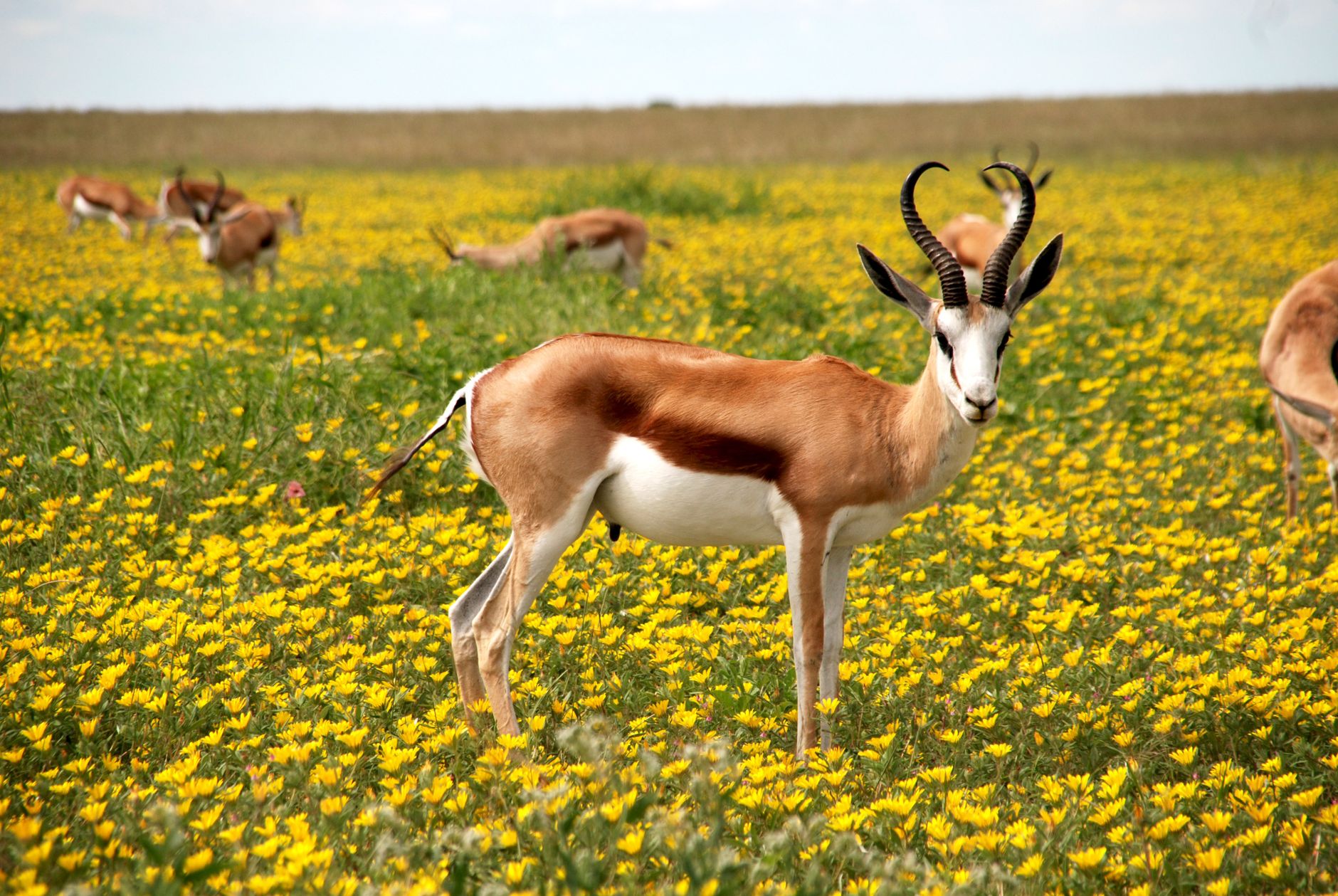
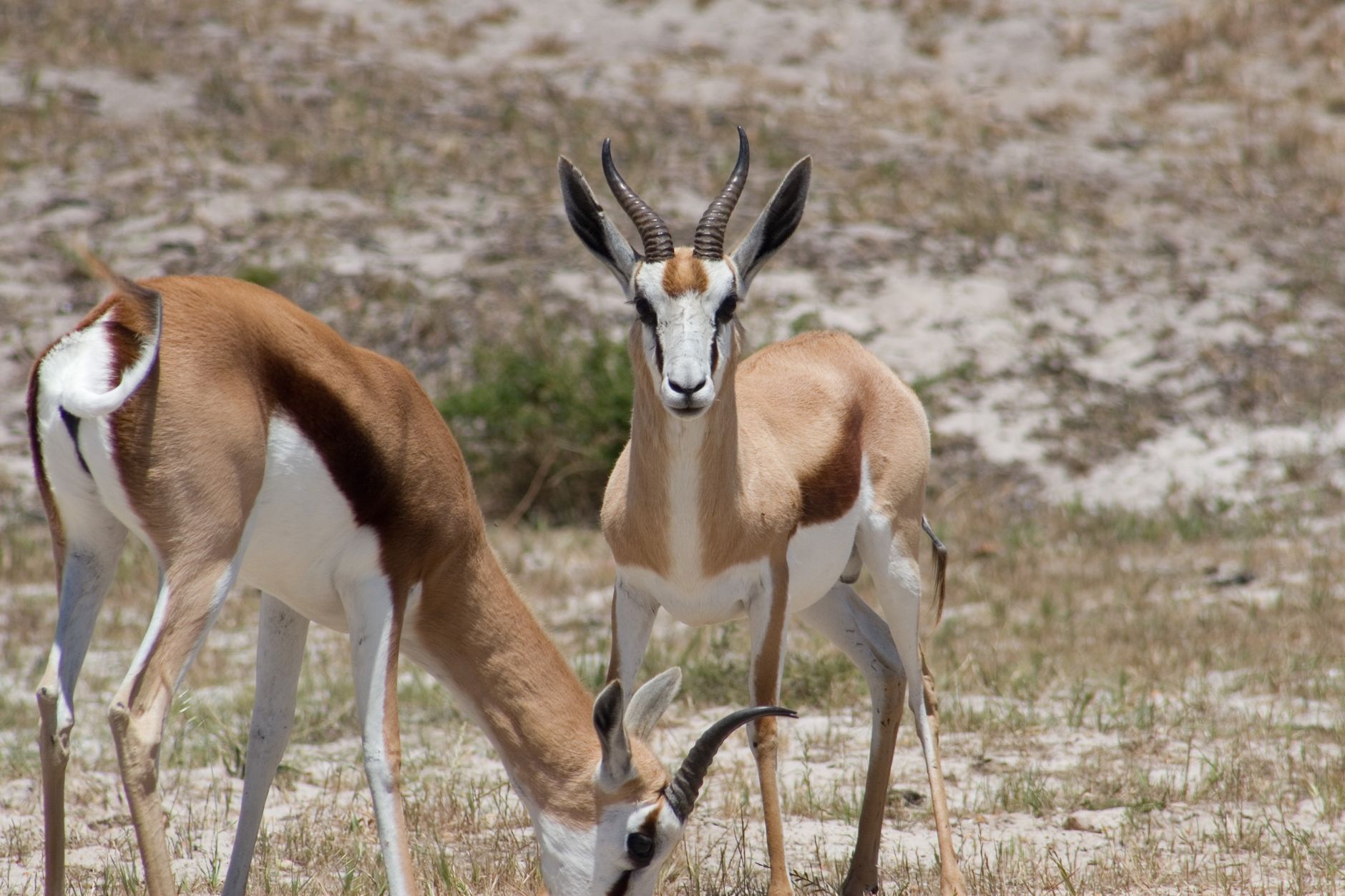
For herbivores like springbok, gemsbok, and blue wildebeest, this is a time of synchronised birth. Many females in a herd will deliver their calves within a few weeks of each other. This is a survival strategy known as 'predator swamping'—with so many vulnerable newborns available at once, the odds of any single one being targeted by a predator are reduced.
Of course, where there are vulnerable young, predators are never far behind. The calving season creates a dynamic and action-packed environment for game viewing. The Kalahari’s famous black-maned lions, cheetahs, leopards, and hyenas are all drawn to the promise of an easy meal. While it can be poignant to witness, this ancient drama is a vital part of the ecosystem, ensuring the health and strength of both predator and prey populations.
What You Can Expect to See:
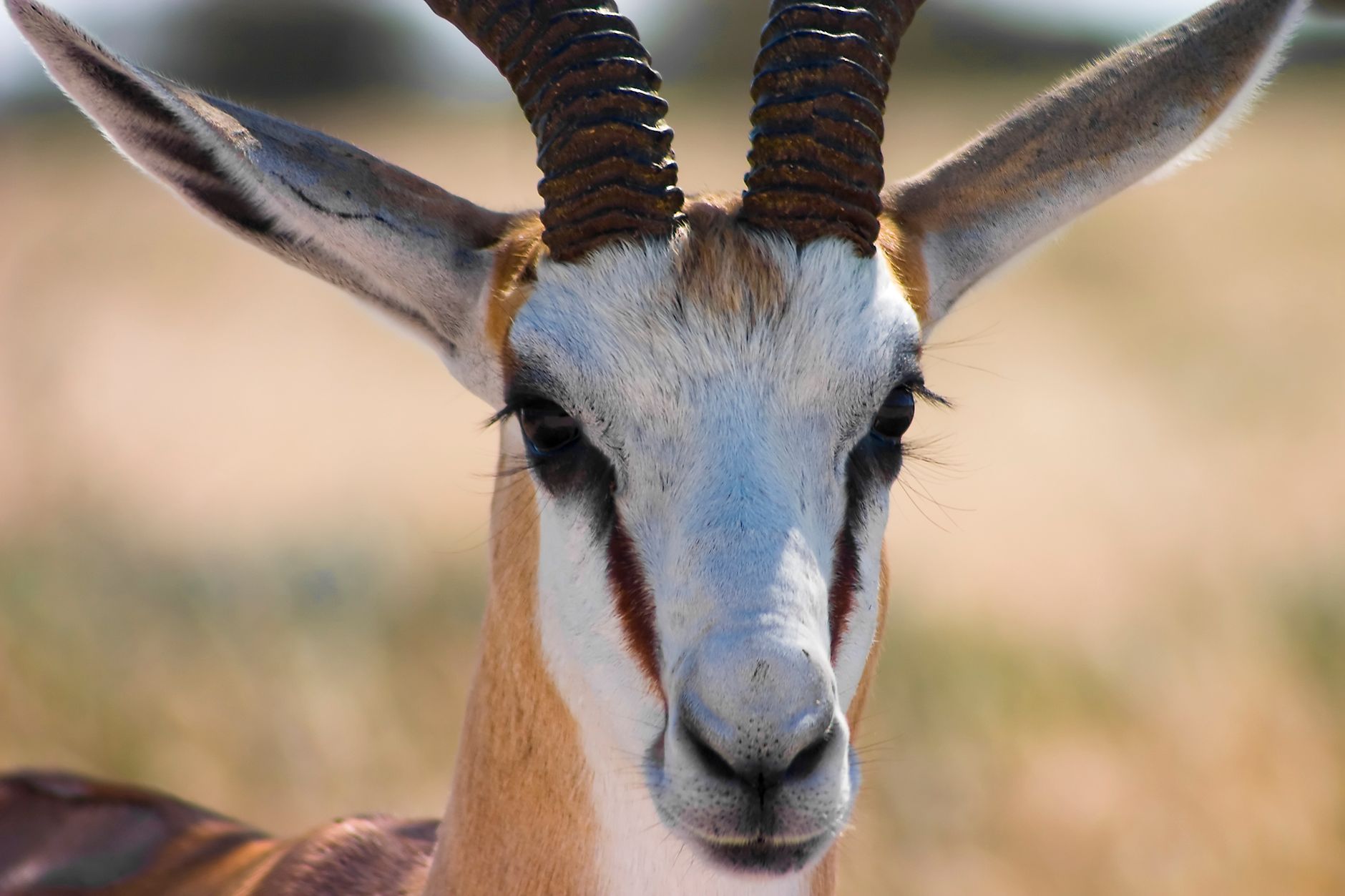
- Newborn Antelopes: Watch as tiny springbok, known as lambs, stumble to their feet within minutes of birth, their oversized ears and spindly legs a picture of endearing awkwardness.
- Vast Herds: The plains of areas like Deception Valley can fill with thousands of animals, grazing peacefully on the green flush.
- Predator Action: The chances of seeing a cheetah on the hunt or a pride of lions stalking the herds are significantly higher during this period.
- Avian Spectacles: Birdwatching is exceptional, with resident species in full breeding plumage and the arrival of migratory birds like eagles, kites, and cuckoos.
- Dramatic Landscapes: Capture stunning photographs of wildlife against backdrops of stormy skies and vibrant green plains.
Where to Witness the Spectacle
The epicenter of this natural event is the vast Central Kalahari Game Reserve. This immense, wild space becomes a nursery for the desert’s antelope herds. The fossilised riverbeds, particularly the renowned Deception Valley, transform into verdant corridors that attract and concentrate the wildlife, making for superb game viewing.
Lodges located within or on the edge of the reserve, such as the elegantly designed Evolve Back Gham Dhao Lodge, provide unparalleled access to these remote areas. Guided drives from these camps allow you to explore the valleys and pans where the herds congregate, with expert guides who know how to read the signs of the bush and locate the action.
Slightly to the northeast, the grasslands surrounding the Makgadikgadi Pans also host part of the second-largest zebra migration in Africa. These herds move in response to the rains, and the green season is a prime time to witness them with their newly born foals.
Planning Your Green Season Safari
A safari during the green season requires a slightly different approach to a dry season trip, but the rewards are immense. The period from December to May is considered the 'low' or 'shoulder' season, which can mean better value and fewer crowds.
While the Kalahari is the star of the calving show, this is also a magnificent time to visit other parts of Botswana. The rains breathe life into every corner of the country. You could easily combine a desert adventure with the lush waterways of the Okavango Delta, where the birdlife is at its peak and the landscapes are spectacularly green before the main floodwaters arrive.
Similarly, the private concessions of the Linyanti are teeming with life. Here, camps like the intimate and authentic Selinda Camp offer a chance to see large elephant herds and thriving wild dog populations in a beautifully verdant setting.
Advance planning is always recommended, especially for the upcoming season. This ensures you can secure space at the best-located camps for experiencing the unique wonder of the kalahari calving season in February.
This is not a safari for ticking off a checklist. It is an immersive experience for the traveller who appreciates the nuances of the natural world—the scent of rain on dry earth, the sight of a wobbly fawn, and the electric tension of a hunt. It is the Kalahari at its most vibrant and vital, a desert reborn.
Ready to plan your trip?
Check live availability, compare lodges and book instantly — or send us an enquiry and we'll help shape the route.