A Guide to Your Botswana Rhino Conservation Safari
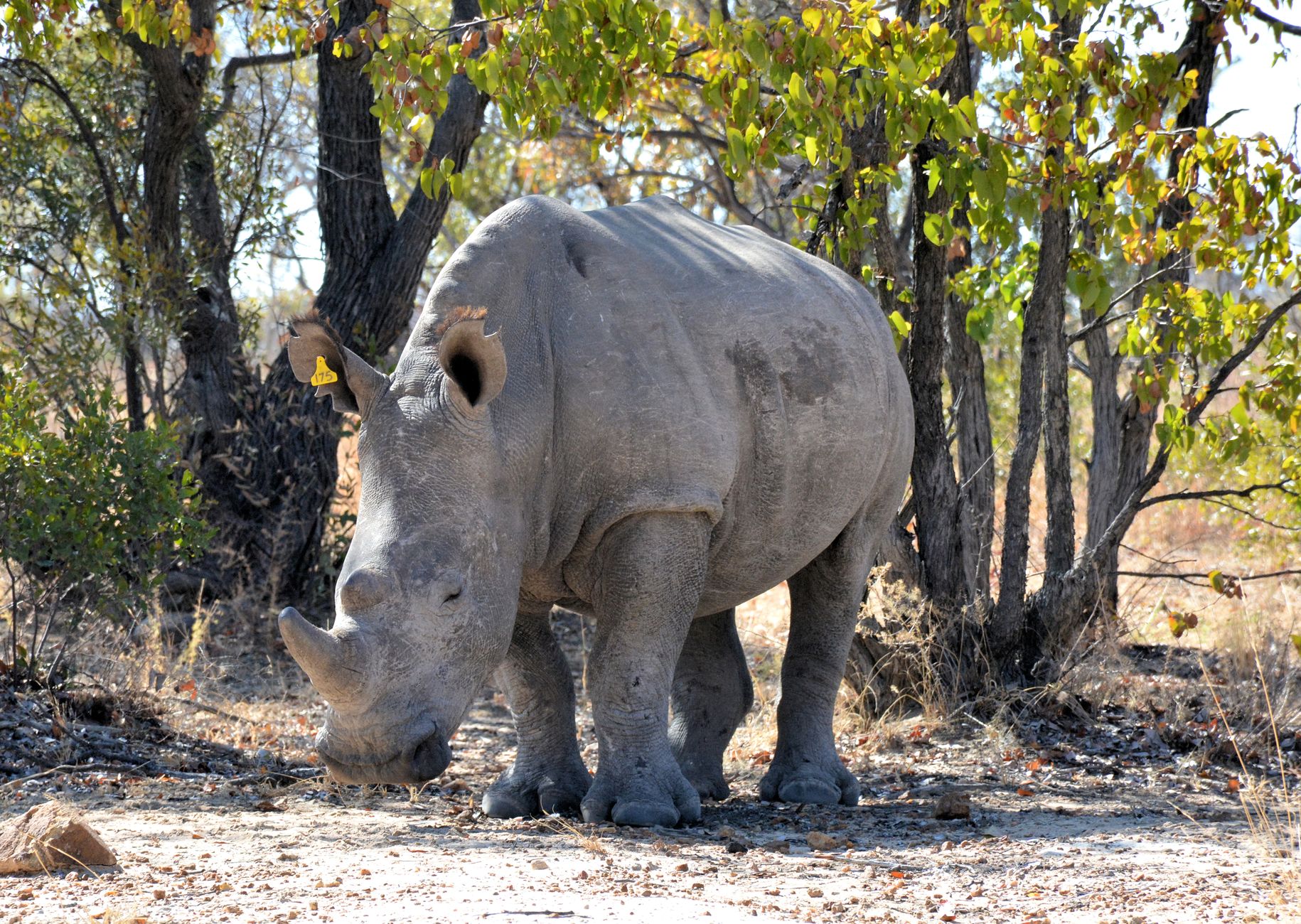
To see a rhino in the wild is to witness a living relic. Their formidable, armour-plated forms are an indelible symbol of the African bush, a connection to a prehistoric past. Yet, these gentle giants are critically vulnerable. In a continent grappling with the scourge of poaching, Botswana has emerged as a crucial sanctuary, a nation that has staked its future on protecting its wildlife. Embarking on a Botswana rhino conservation safari is therefore more than just a holiday; it is an act of hope and a direct investment in the future of a species.
The Story of Rhinos in Botswana: A Nation's Commitment
Botswana’s rhino story is one of profound loss and remarkable recovery. By the late 1990s, rampant cross-border poaching had rendered both black and white rhinos locally extinct. It was a devastating blow to the country’s natural heritage. However, rather than accept defeat, Botswana resolved to turn the tide in one of Africa’s most ambitious conservation undertakings.
Beginning in the early 2000s, the government, in partnership with pioneering conservation-led safari operators, initiated the Botswana Rhino Reintroduction Project. This collaborative effort involved translocating rhinos from high-risk areas in neighbouring countries to the vast, inaccessible wilderness of Botswana’s core conservation areas. The government’s zero-tolerance policy on poaching, enforced by the ever-present Botswana Defence Force (BDF), created the secure foundation needed for these new populations to thrive.
This national strategy is not just about enforcement; it is a holistic vision. It recognises that the survival of the rhino is intrinsically linked to the health of the tourism industry and the well-being of the communities that border these wild spaces. It’s a testament to what can be achieved when political will and private passion align for a common cause.
Why Your Safari Matters: The Conservation Tourism Model
So, how does your journey contribute? A Botswana rhino conservation safari operates on a powerful and effective principle: high-value, low-impact tourism. The country has deliberately chosen to favour smaller, more exclusive camps over mass-market tourism. This model ensures that the wilderness remains pristine while generating significant revenue from fewer visitors.
When you stay in a lodge within these key rhino conservation areas, a significant portion of your travel costs is channelled directly back into the ecosystem. These funds are the lifeblood of on-the-ground conservation, paying for the salaries, training, and equipment of dedicated anti-poaching units that patrol these vast landscapes day and night. They also fund sophisticated monitoring programmes, aerial surveillance, and essential veterinary care.
This is not a passive donation. The safari experience itself is interwoven with the conservation narrative. Your guides are often deeply involved in monitoring efforts, providing valuable data on rhino movements and behaviour. You are not just a spectator; you are part of a conservation solution, and your presence on the ground is a powerful deterrent to would-be poachers.
Where to See Rhinos and Support Conservation
While rhino sightings are never guaranteed—a fact that makes each encounter all the more precious—certain areas offer the best chances of a sighting while ensuring your visit directly supports their protection.
The Okavango Delta
The jewel in Botswana's crown, the Okavango Delta, is the heartland of the rhino reintroduction project. This sprawling inland wetland, a UNESCO World Heritage Site, provides a natural fortress. Its labyrinthine channels and secluded islands make access for poachers incredibly difficult, offering rhinos a secure place to breed and flourish. Many of the rhinos were released onto private concessions here, where lodges like &Beyond Sandibe Okavango Safari Lodge play a vital role in funding their daily protection.
Moremi Game Reserve
Encircling the heart of the Delta, the Moremi Game Reserve is a state-protected area that was one of the first locations for rhino reintroductions. The reserve’s diverse habitats, from Mopane woodland to floodplains, support a rich array of wildlife, and it remains a core stronghold for both black and white rhinos. Safari activities in the private concessions bordering the reserve contribute to the wider security network that shields the entire ecosystem.
The Linyanti Wildlife Reserve
To the north of the Delta lies the equally spectacular Linyanti region. Characterised by the Linyanti River, marshes, and vast woodlands, this area is managed by a collective of private operators deeply committed to conservation. Companies like Great Plains Conservation have been instrumental in translocating rhinos here, and a stay at a camp such as Selinda Camp places you at the forefront of these efforts, where every game drive is a patrol and every guest is a stakeholder.
The Northern Tuli Game Reserve
In the eastern corner of Botswana, the rugged landscape of the Northern Tuli Game Reserve offers a different but no less important rhino habitat. This privately owned land, known for its dramatic rock formations and ancient baobab trees, is a model of collaborative conservation. Here, lodges like Mashatu Lodge work together to protect a significant and growing population of rhinos, offering a unique safari experience in a starkly beautiful setting.

The On-the-Ground Reality: A Day on a Rhino-Focused Safari
A rhino-focused safari is a patient, rewarding pursuit. It begins in the cool of the early morning, joining an expert guide whose skills go far beyond identifying birds and trees. They are elite trackers, reading the subtle signs of the bush—a broken branch, a fresh track in the sand—to slowly and respectfully locate these magnificent animals.
The experience is intentionally unobtrusive. The goal is to observe the rhinos without altering their natural behaviour, a philosophy that governs every ethical encounter. You may see them grazing peacefully on a floodplain, a calf trotting clumsily behind its mother, or a large bull wallowing in a pan of thick, cool mud. These quiet moments are profoundly moving.
You may also become aware of the security that surrounds them. Seeing a BDF or anti-poaching patrol is a common and reassuring sight, a visible reminder of the national commitment to their safety. Occasionally, conversations around the campfire may turn to the difficult realities of conservation, such as de-horning. This preventative measure, undertaken by veterinary and conservation authorities, is a sad but necessary strategy to deter poachers. It is a management tool, not a tourist spectacle, but understanding its purpose deepens one’s appreciation for the challenges involved.
Your safari contributes directly to these multifaceted efforts. Every night you spend in the bush helps fund:
- The salaries, equipment, and training for anti-poaching rangers.
- Aerial surveillance for monitoring rhino movements and detecting threats.
- The immense logistical and veterinary costs of translocating rhinos.
- Community development and education programmes that build local support for conservation.

Choosing Botswana for a rhino-centric safari is a powerful statement. It is a choice to align your travel with a country that has demonstrated an unwavering and successful commitment to protecting one of Africa’s most iconic species. It transforms your journey into something deeper, where the thrill of seeing a rhino is matched only by the knowledge that you are helping to keep it safe. The future of the rhino is still precarious, but by participating in a responsible Botswana rhino conservation safari, you become an active part of a story filled with hope and resilience.
Ready to plan your trip?
Check live availability, compare lodges and book instantly — or send us an enquiry and we'll help shape the route.