Tracking the Okavango Flood: Your May 2027 Guide
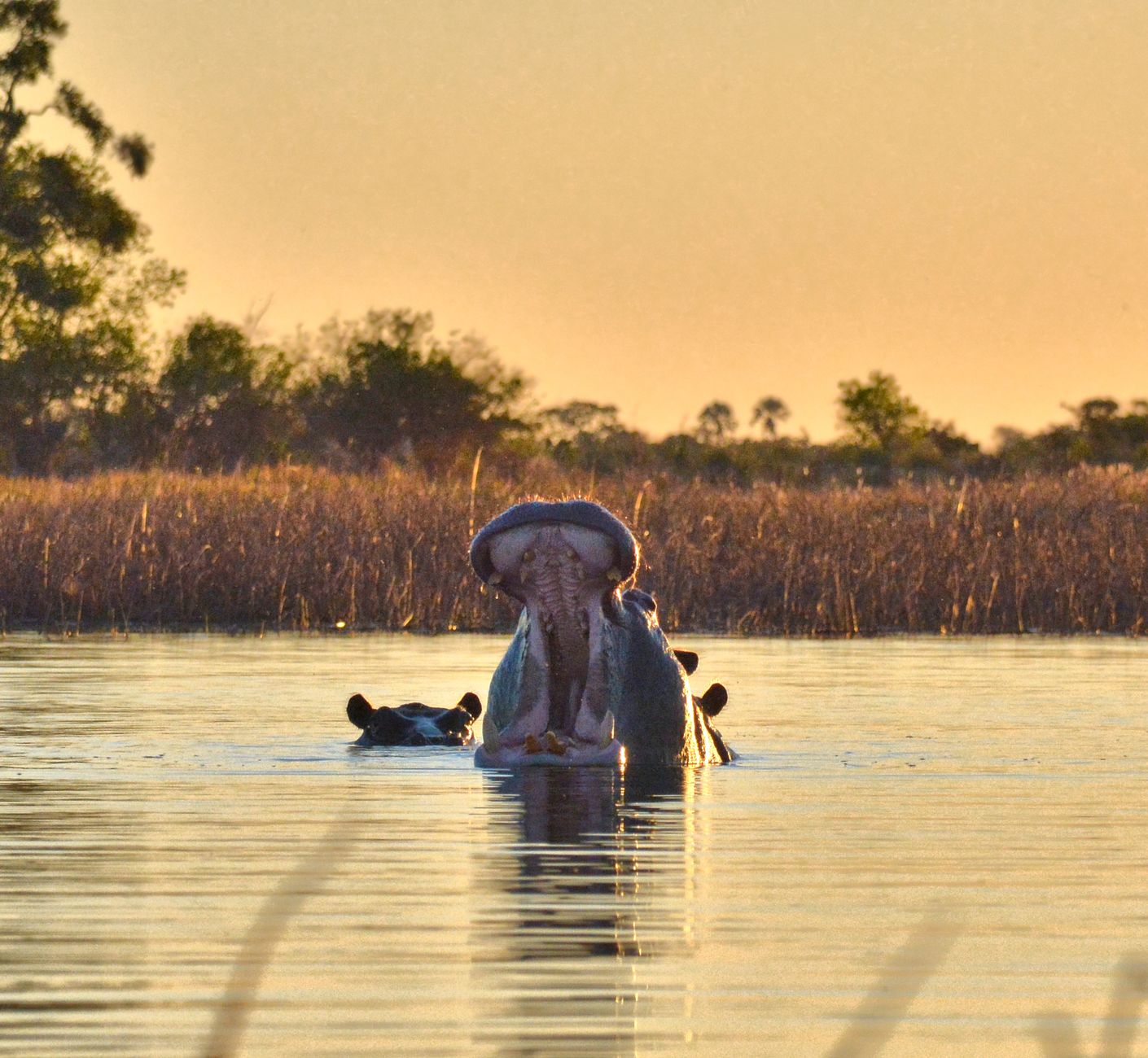
In the heart of the Kalahari Desert lies one of nature’s most profound and paradoxical wonders: a wetland that pulses with life, not in response to local rains, but to waters that have travelled over a thousand kilometres. This is the great annual inundation of the Okavango Delta, a slow-motion miracle that transforms a dry landscape into a lush, watery paradise. For those planning ahead, tracking the Okavango flood may 2027 offers a safari experience unlike any other, a chance to witness the very heartbeat of Botswana.
This is not a flood in the catastrophic sense, but a gentle and life-giving surge. It is the quiet arrival of water from the Angolan highlands, which begins its journey months earlier, finally spilling across the Delta’s fan-shaped network of channels, lagoons, and floodplains. Planning a trip to witness this spectacle requires foresight, an understanding of its rhythms, and a touch of wonder. As we look towards the upcoming season, now is the perfect time to plan your journey.
The Journey of Water: A Natural Marvel
To appreciate the Okavango flood, one must first understand its incredible origin story. It all begins with summer rainfall, usually from January to February, in the highlands of Angola. These rains swell the Cubango River, which flows south, crossing the border into Botswana where it becomes the Kavango River.
Unlike most rivers that flow towards an ocean, the Kavango flows inland, spreading out into the vast, fan-shaped alluvial delta. The journey is remarkably slow. The water percolates through sand, fills aquifers, and navigates a maze of existing channels. It can take nearly six months for the first drops of Angolan rain to travel the full length of the Delta.
This incredible time lag creates the paradox: the floodwaters arrive in the Okavango Delta during Botswana’s own dry season, from roughly May through to July. The landscape, parched and thirsty, drinks in the water, and an astonishing transformation begins. Dry floodplains become glistening lagoons, and pathways for game drives are submerged, becoming channels for mokoro canoes.
How to Experience the Flood Season
Witnessing the inundation is a multi-faceted experience, engaging all the senses. The arrival of the water changes not only the landscape but the behaviour of wildlife and the very activities you can enjoy. As you plan for the 2027 season, consider how you wish to immerse yourself in this changing world.
On the Water: Mokoro and Motorboat
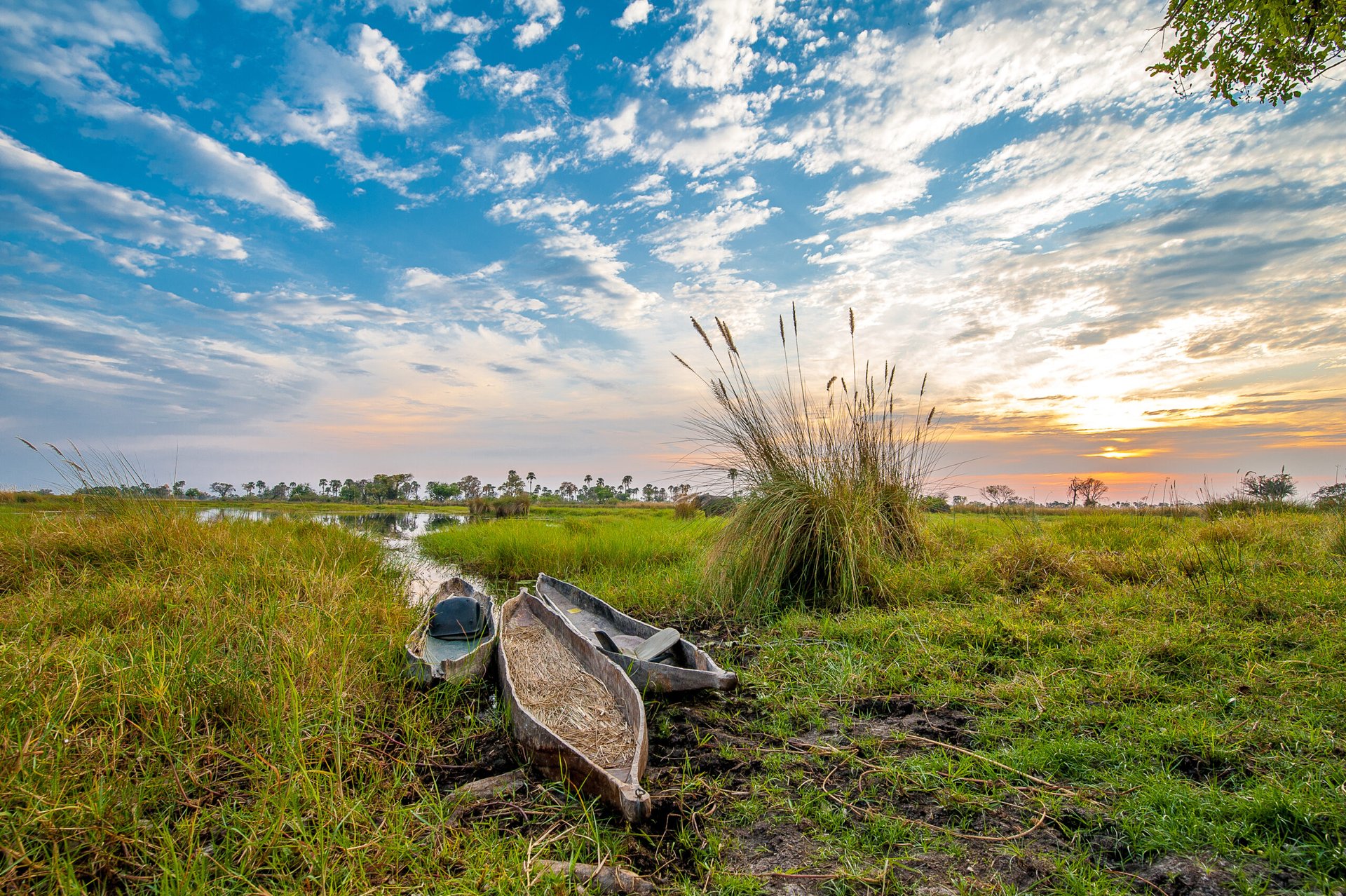
The most intimate way to experience the flood is from a mokoro, a traditional dugout canoe. Gliding silently through papyrus-lined channels, poled by an expert guide, you are at eye-level with the water itself. You’ll see tiny reed frogs, dazzling dragonflies, and birds fishing in the shallows. It’s a peaceful, meditative experience that connects you directly to the pulse of the Delta.
For exploring larger lagoons and main channels, motorboat safaris are ideal. They allow you to cover more ground and are perfect for birdwatching and approaching herds of elephants that come to the water's edge to drink and play. Lodges like &Beyond Nxabega Okavango Tented Camp are perfectly positioned to offer a sublime mix of both water and land activities as the floodplains fill.
From Land and Sky
Even as the water rises, land-based game drives remain a crucial part of the safari. The flood concentrates terrestrial animals onto newly formed islands, creating incredible densities of wildlife. It is not uncommon to see large herds of lechwe splashing through the floodplains or prides of lions navigating the altered terrain.
A scenic helicopter or small plane flight is almost essential to comprehend the sheer scale of the inundation. From the air, the intricate web of channels and floodplains is laid bare, a shimmering mosaic of blue and green against the tan canvas of the Kalahari. You can truly see the frontier of the flood as it pushes deeper into the desert.
Where to Go: Tracking the Okavango Flood May 2027
Timing and location are everything when planning a safari around the flood. The water moves in a predictable, albeit gradual, pattern from the northwest to the southeast. Your experience in May will differ depending on which part of this vast ecosystem you choose to visit.
The Okavango Panhandle
The flood's entry point is the Panhandle, a deep, wide channel at the Delta's northwestern tip. Here, the water arrives first, typically from March and peaking around April and May. This area is characterized by permanent swamp, with vast beds of papyrus and reeds. It is a haven for birds and offers excellent fishing opportunities.
The Heart of the Delta
As the water pushes south from the Panhandle, it enters the permanent swamps in the heart of the Delta. These areas have water year-round but swell dramatically with the annual inundation. A lodge like Sitatunga Private Island offers an exclusive and deeply immersive water-based experience, putting you at the centre of this aquatic world as it reaches its peak.
Seasonal Floodplains
For many, the true magic happens in the seasonal floodplains. These are the vast, open grasslands that are dry for much of the year. By May, the first fingers of the flood are beginning to creep across these plains, and by June and July, they are transformed into a breathtaking water wonderland. Visiting during this transition is remarkable.
What to expect when visiting the seasonal floodplains in May:
- The visible frontier of the water moving across the land.
- Game drives that may involve exciting water crossings.
- Wildlife congregating on the remaining dry land.
- The first opportunities for mokoro trips in newly filled channels.
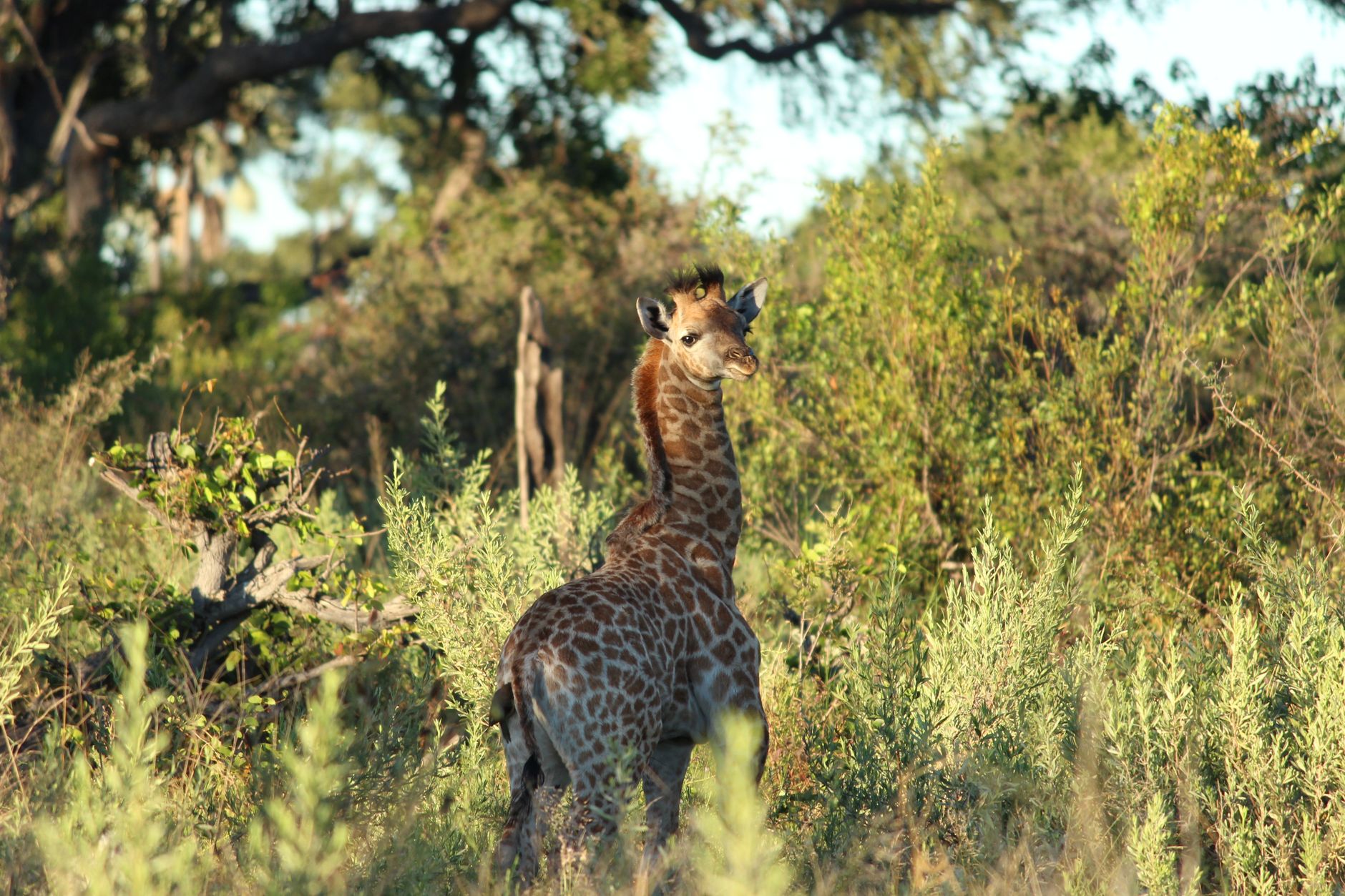
The Ripple Effect: Beyond the Delta
The influence of the Okavango’s flood extends far beyond its immediate boundaries. The intricate water systems of northern Botswana are interconnected, and the annual pulse of life is felt across the region. As the floodwaters fill the Delta, they also feed the Selinda Spillway, a channel that connects the Delta to the Kwando-Linyanti river system.
This connection revitalizes the marshes of the Linyanti region, another of Botswana’s premier wildlife destinations. The Linyanti is renowned for its high concentration of elephants and predators, and the renewed water supply ensures the ecosystem remains vibrant. A stay at a camp here, such as Linyanti Bush Camp, provides a fascinating contrast and complement to a Delta safari.
Eventually, some of the water may even reach the Boteti River on the western edge of the Makgadikgadi Pans. This brings life to a region defined by its salt pans, drawing impressive herds of zebra and wildebeest in one of Southern Africa’s lesser-known migrations.
Witnessing the arrival of the flood is to witness a landscape in a state of becoming. It is a slow, quiet, yet powerful event that underpins all life in this extraordinary corner of Africa. By planning your journey carefully, you can be there to see the desert bloom and the channels fill. If you are considering tracking the okavango flood may 2027, the time to begin dreaming and preparing is now, ensuring your place in one of nature’s grandest theatres.
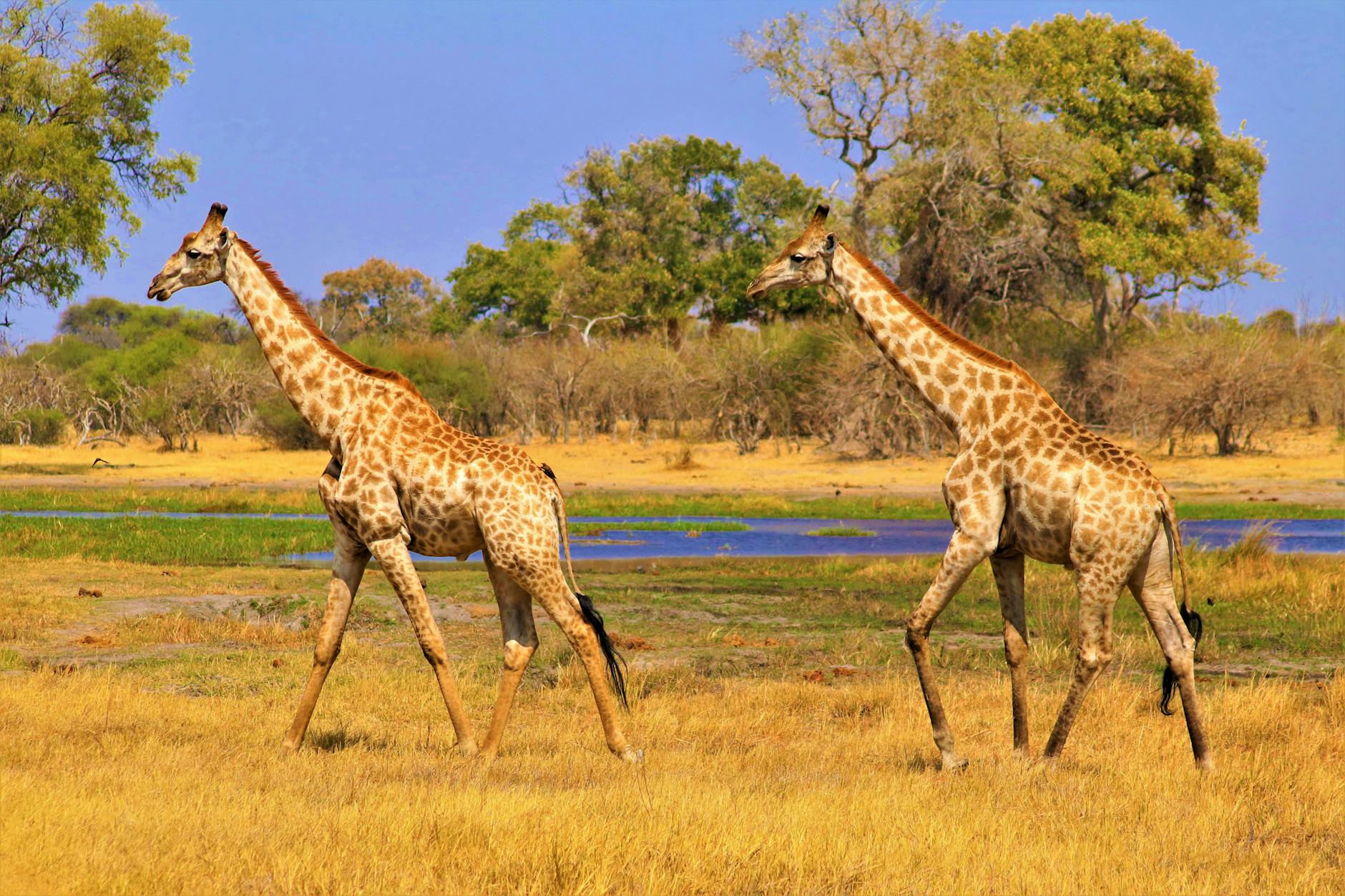
Where to stay in Okavango Delta
Browse handpicked places to stay — many with live availability and instant booking.
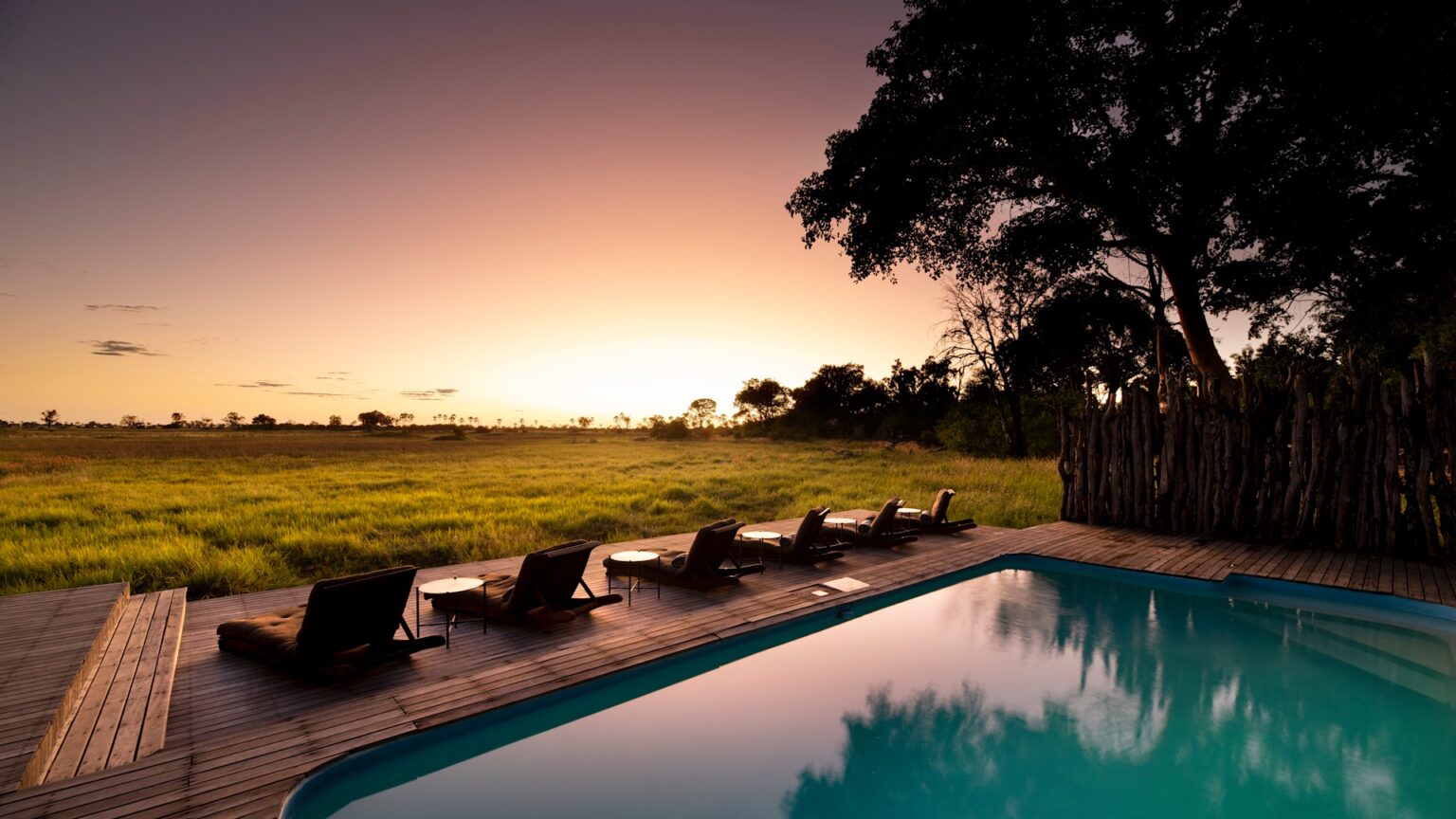 4.8(61)
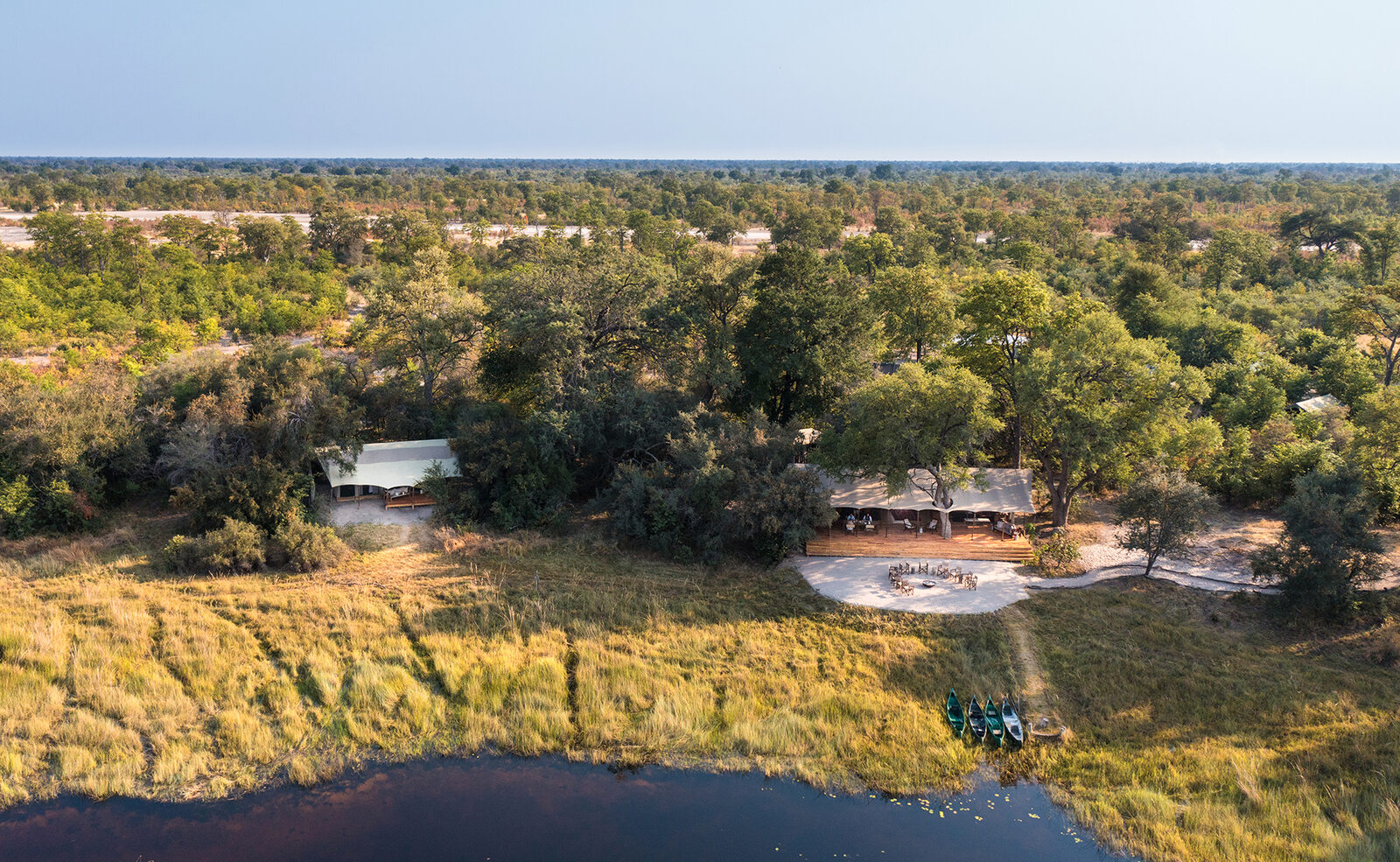
&Beyond Nxabega Okavango Tented Camp
Okavango Delta, Botswana
 5(8)
Okavango Explorers Camp
Selinda Reserve, Okavango Delta, Botswana
 4.7(70)
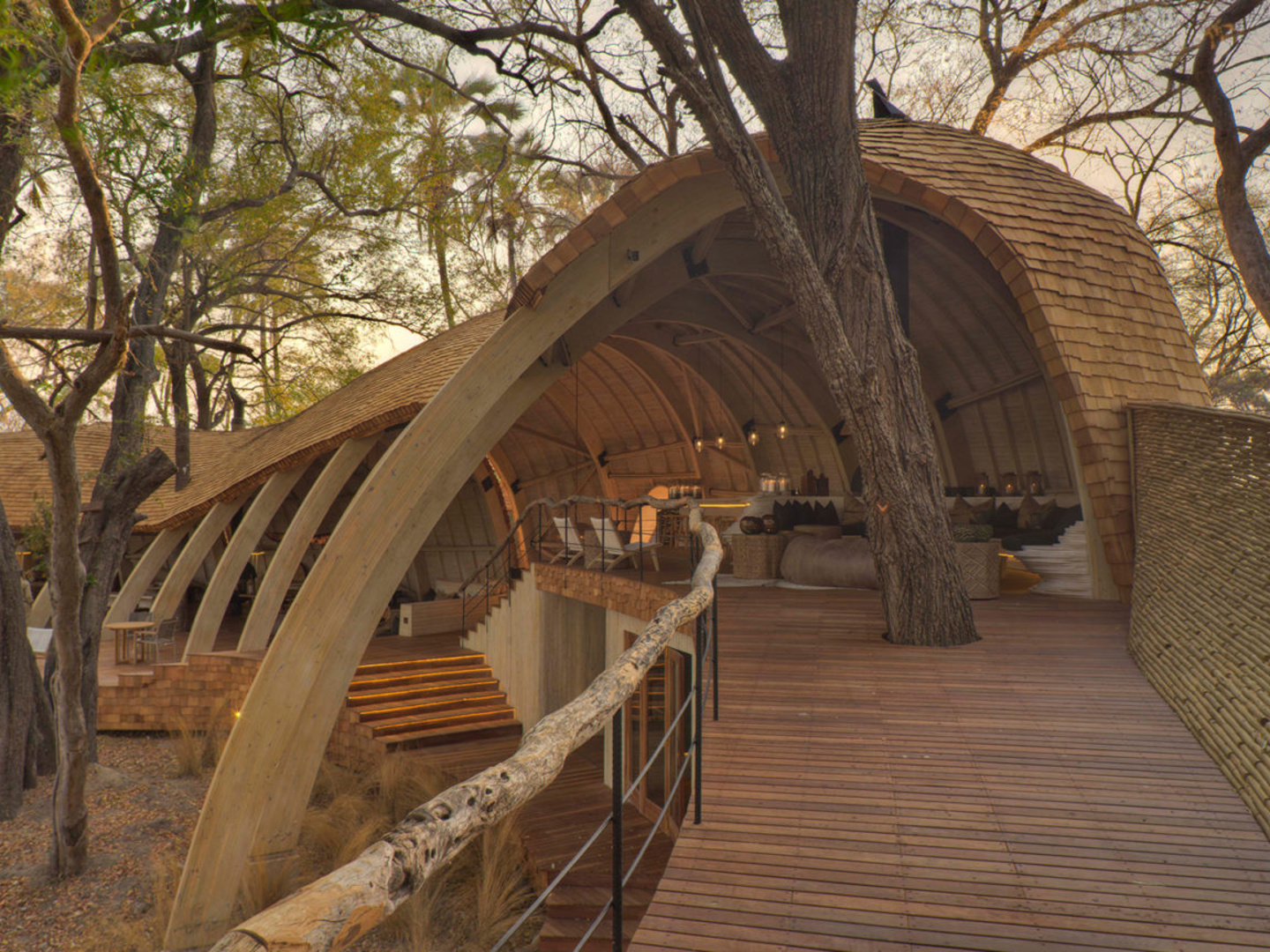
&Beyond Sandibe Okavango Safari Lodge
Okavango Delta, Botswana
 4.6(53)
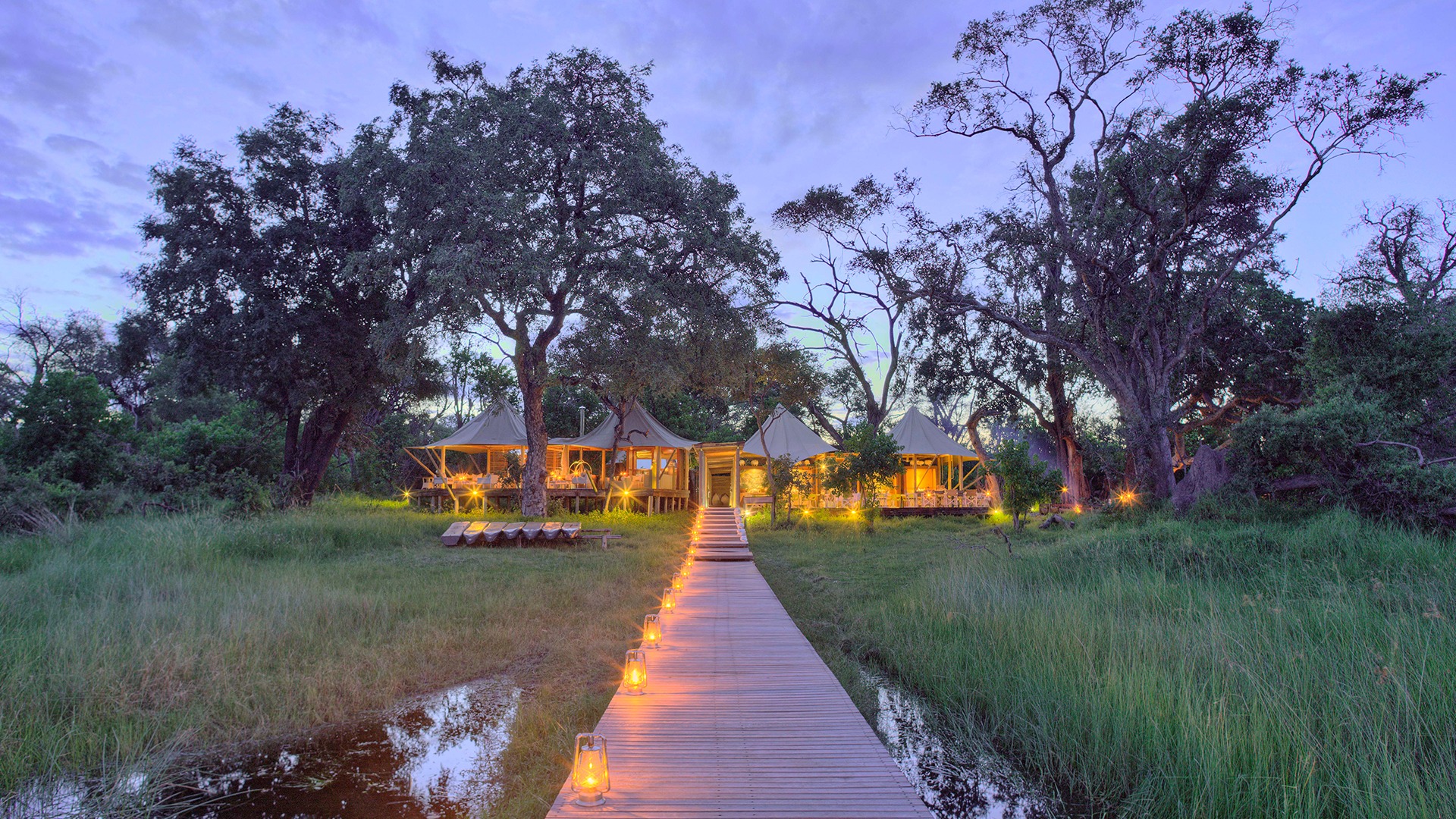
&Beyond Xaranna Okavango Delta Camp
Okavango Delta, Botswana
 4.8(38)
Oddballs' Camp
Okavango Delta, Botswana
 5(3)
&Beyond Chobe Under Canvas
Chobe National Park, Botswana
Let us plan this trip for you
Send us your dates, party and budget and we'll come back with a costed itinerary — lodges, flights, transfers and activities in one place. No fee, no obligation.
Keep reading
See our safari advice first on Google
One tap tells Google you want Safari Stays shown higher when you search for safari and travel news. It takes a second and you can undo it anytime.
Make Safari Stays a preferred source on Google