Central Kalahari vs Makgadikgadi Pans: A 2027 Guide
Botswana’s iconic safari destinations are often synonymous with water: the glistening floodplains of the Okavango, the teeming banks of the Chobe River. Yet, to truly understand the country’s soul, one must look to its arid heart. Here lie two immense, contrasting wildernesses that spark the imagination and challenge perceptions of what a desert can be. For those planning a journey for early to mid-2027, the choice between the Central Kalahari vs Makgadikgadi Pans is a foundational one, defining the character of your entire safari.
While both offer silence, space, and star-dusted nights, they are fundamentally different worlds. The Kalahari is a vast, ancient desert cloaked in resilient vegetation, while the Makgadikgadi is the bed of a prehistoric super-lake, a stark landscape of salt and sky. Choosing between them depends entirely on what you seek: a classic, remote game-viewing expedition or an adventure into a realm of surreal landscapes and unique activities.
The Soul of the Sands: Understanding the Landscapes
The primary distinction between these two regions lies in their geology and topography. One is a desert of texture and subtle life, the other a canvas of minimalist, breathtaking scale.
Central Kalahari Game Reserve: A Desert of Life
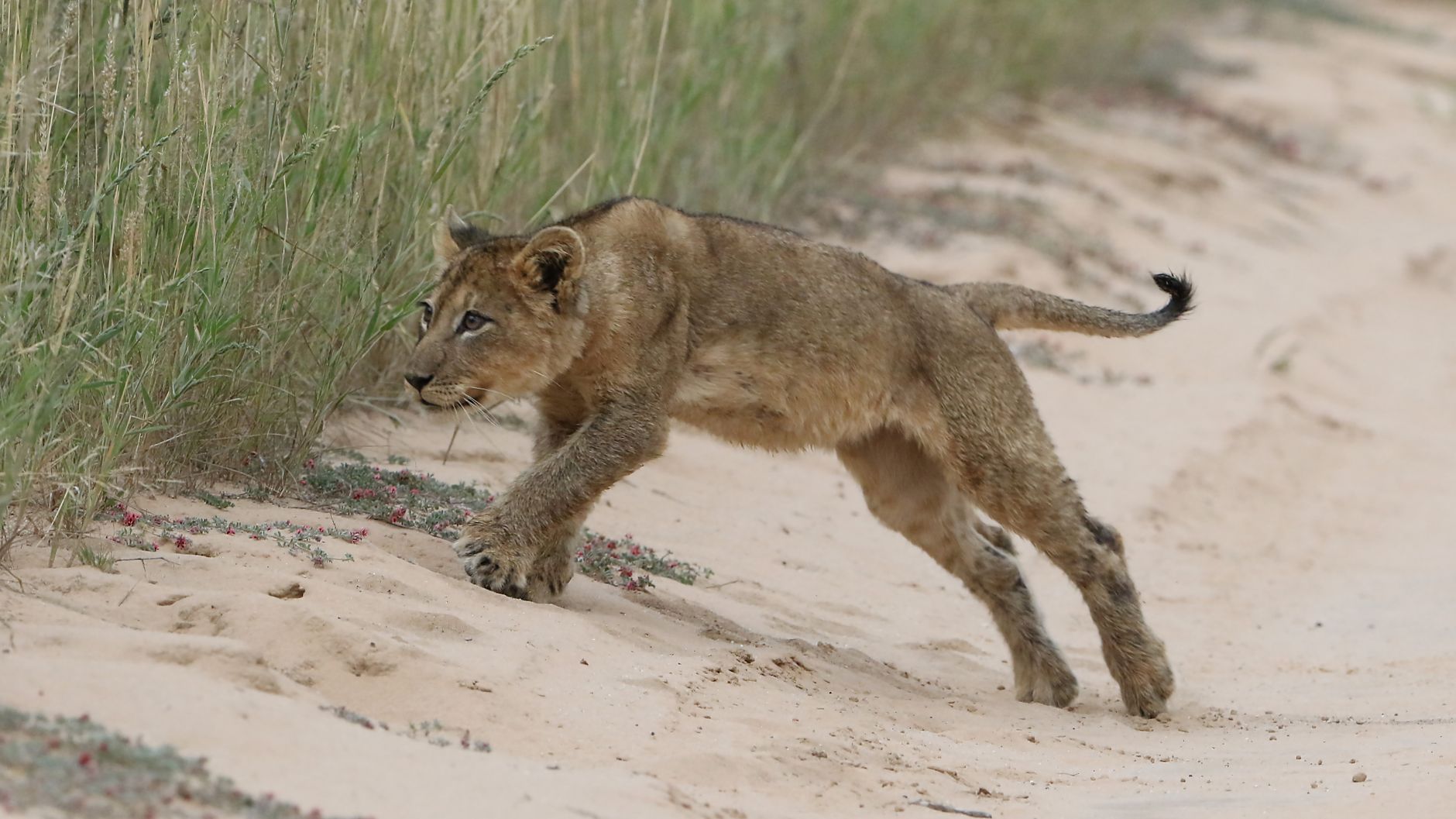
Covering over 52,000 square kilometres, the Central Kalahari Game Reserve is a place of staggering size and deceptive vitality. This is not a desert of shifting, barren dunes. Instead, it’s a semi-arid fossil desert where ancient sand dunes are stabilized by grasses, hardy shrubs, and clusters of acacia trees.
The landscape is one of gentle, rolling waves of sand and savanna, punctuated by sprawling pans and the ghosts of ancient rivers. The most famous of these, Deception Valley, becomes a magnet for wildlife after the rains, its sweet grasses drawing herds from across the reserve. The beauty of the Kalahari is in its detail: the resilience of its flora and the specialised adaptations of its fauna.
Makgadikgadi Pans National Park: A Shimmering Horizon
To drive onto the Makgadikgadi Pans is to enter another dimension. Here, the horizon dissolves into a shimmering, heat-hazed line where the white, salt-crusted earth meets a vast, pale blue sky. These are among the largest salt flats in the world, the remnants of a colossal lake that evaporated millennia ago.
For much of the year, the pans are a landscape of profound emptiness and silence, an experience that is both humbling and deeply meditative. The ecosystem is not just the pans themselves but also the surrounding grasslands and the life-giving Boteti River on the park's western boundary, which acts as a crucial lifeline for wildlife during the dry season.
Wildlife and When to Visit: A Tale of Two Seasons
Your chosen travel window, from February to July 2027, straddles two distinct periods: the transformative late green season and the beginning of the cool, dry season. Each period brings a different character to both the Kalahari and the Makgadikgadi.
Green Season Glory (February – April)
This is a time of plenty, when the summer rains have rejuvenated the desert. Thunderclouds build dramatically in the afternoons, and the landscape is at its most vibrant.
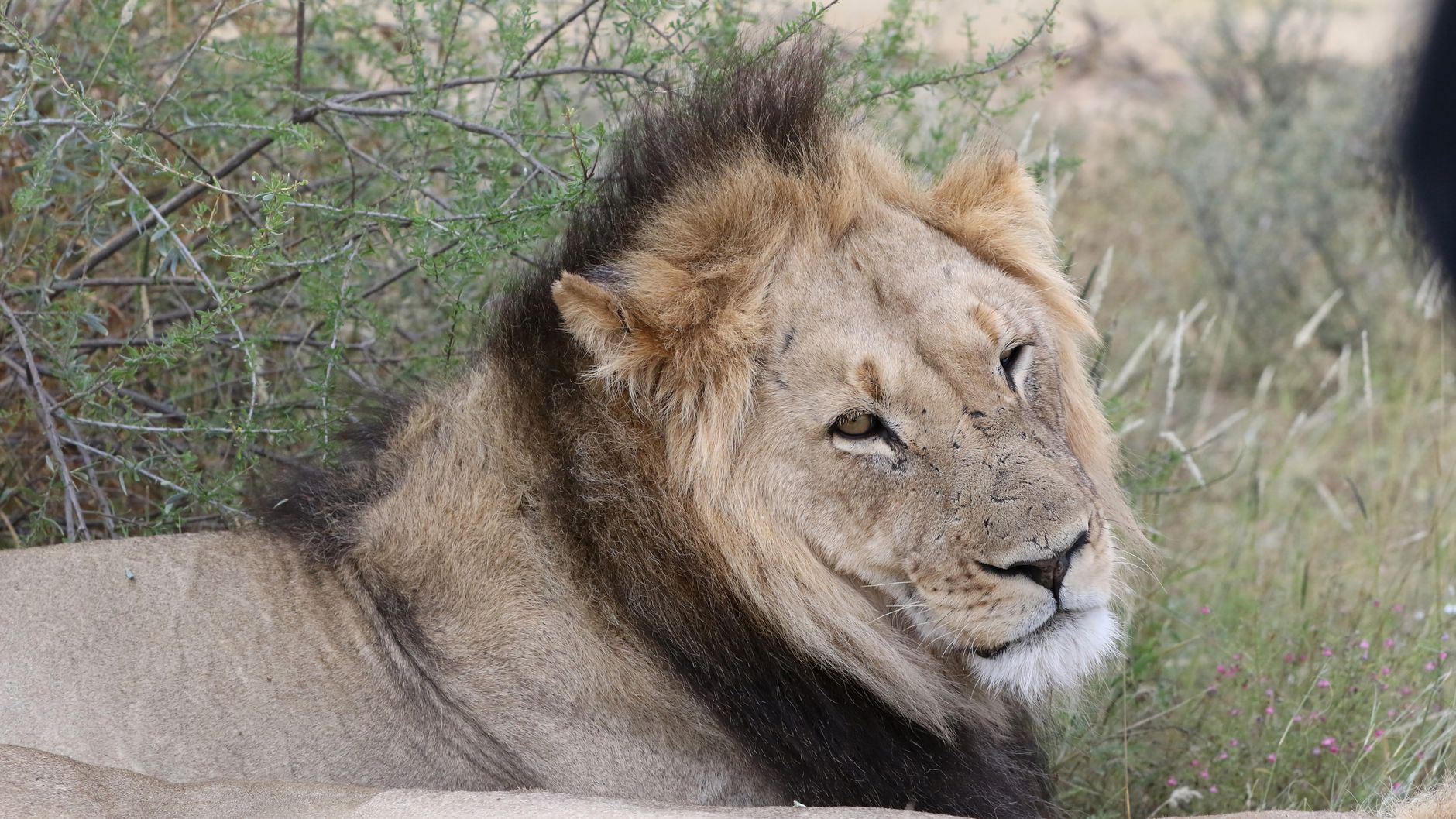
In the Central Kalahari, the valleys are lush and green, supporting large herds of springbok and gemsbok. This abundance of prey attracts the region’s famous predators. It is an exceptional time to track the iconic black-maned Kalahari lions and to spot cheetahs using the open plains for high-speed hunts. For photographers, the contrast between the green plains, dark skies, and golden wildlife is unparalleled.
In the Makgadikgadi, this season hosts one of Africa’s great spectacles: the zebra and wildebeest migration. Tens of thousands of animals congregate on the nutrient-rich grasslands, creating a scene of constant movement and sound. If the pans hold water, they may also attract flocks of migratory waterbirds, including thousands of flamingos, turning the white flats pink.
The Edge of Dry (May – July)
As the rains cease and the air cools, the landscape begins to transform again. This period offers wonderfully pleasant daytime temperatures and clear, starry nights.
In the Kalahari, wildlife begins to disperse from the pans as ephemeral water sources dry up, but game viewing remains excellent. The sparser vegetation can make tracking easier, and predators are still very much a focus. It's a comfortable and rewarding time to explore this vast reserve.
In the Makgadikgadi, the water on the pans evaporates completely, revealing the iconic, cracked white surface. This is when the landscape truly opens up, and activities like quad biking across the immense flats become possible. Wildlife begins its steady retreat towards the permanent water of the Boteti River, making for more concentrated viewing along its banks.
Central Kalahari vs Makgadikgadi Pans: Comparing Activities
Your choice may ultimately come down to the experiences on offer. While both feature superb guiding and a sense of remoteness, the day-to-day activities differ significantly.
- Central Kalahari Focus:
- Classic game drives with a strong emphasis on tracking predators through the vegetated dunes and valleys.
- Learning about the unique desert-adapted species like the brown hyena, bat-eared fox, and honey badger.
- Immersive cultural walks with San guides, who share their incredible knowledge of survival in this environment.
- Unrivalled stargazing due to the complete absence of light pollution, often enjoyed from camps like the superbly situated Evolve Back Gham Dhao Lodge.
- Makgadikgadi Focus:
- Thrilling low-impact quad bike journeys across the immense, dry salt pans (typically available from mid-year).
- Walking with habituated meerkat families, allowing for phenomenal up-close encounters.
- Exploring for unique desert species and witnessing the zebra migration during the green season.
- The truly unforgettable experience of sleeping out on the pans under a blanket of stars.
Crafting Your Perfect Botswana Itinerary
Neither the Kalahari nor the Makgadikgadi needs to be your only stop. In fact, they are best experienced as part of a broader Botswana journey that showcases the country's incredible diversity. Combining a 3-4 night desert stay with a trip to the wetlands creates a safari of perfect contrasts.
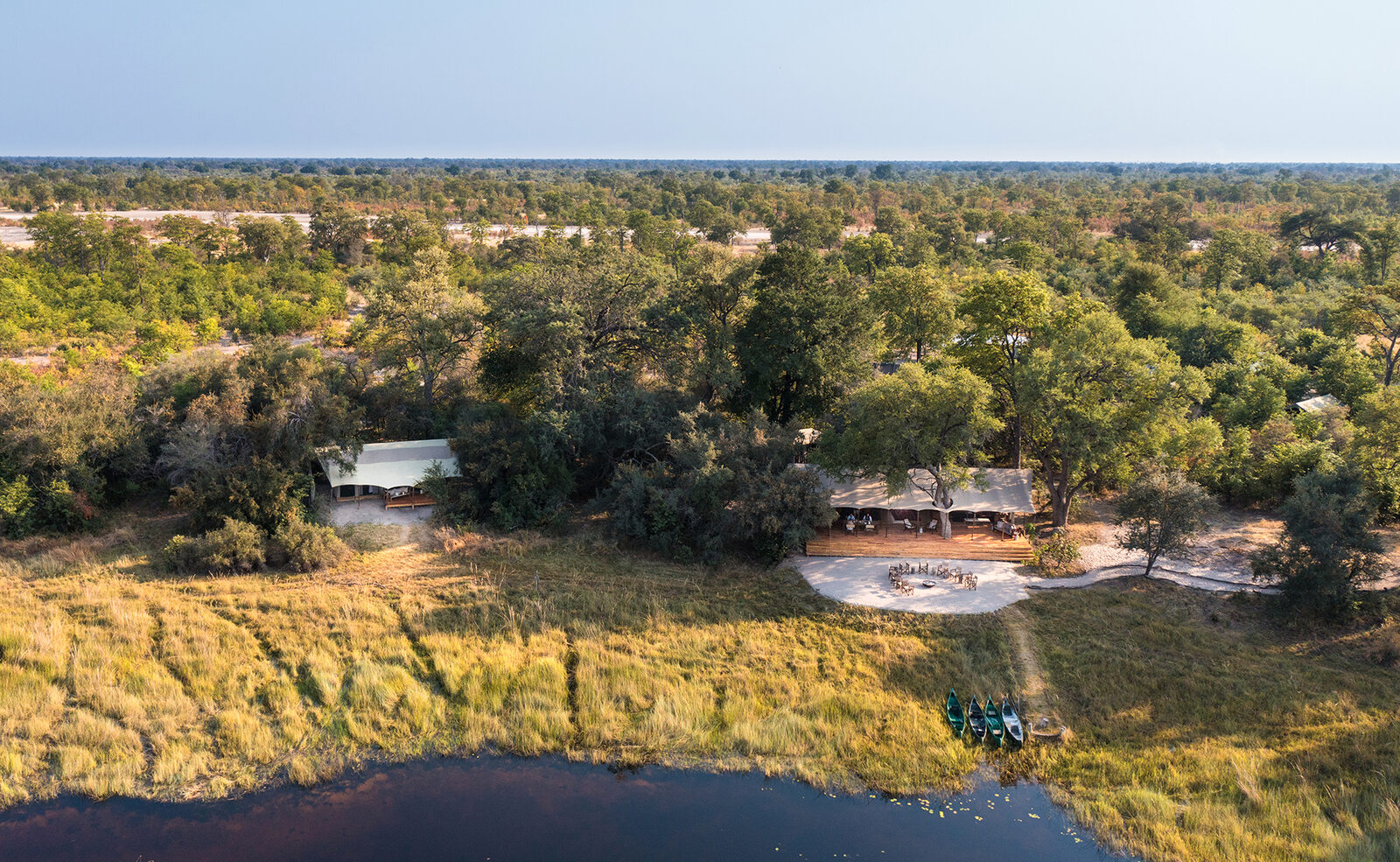
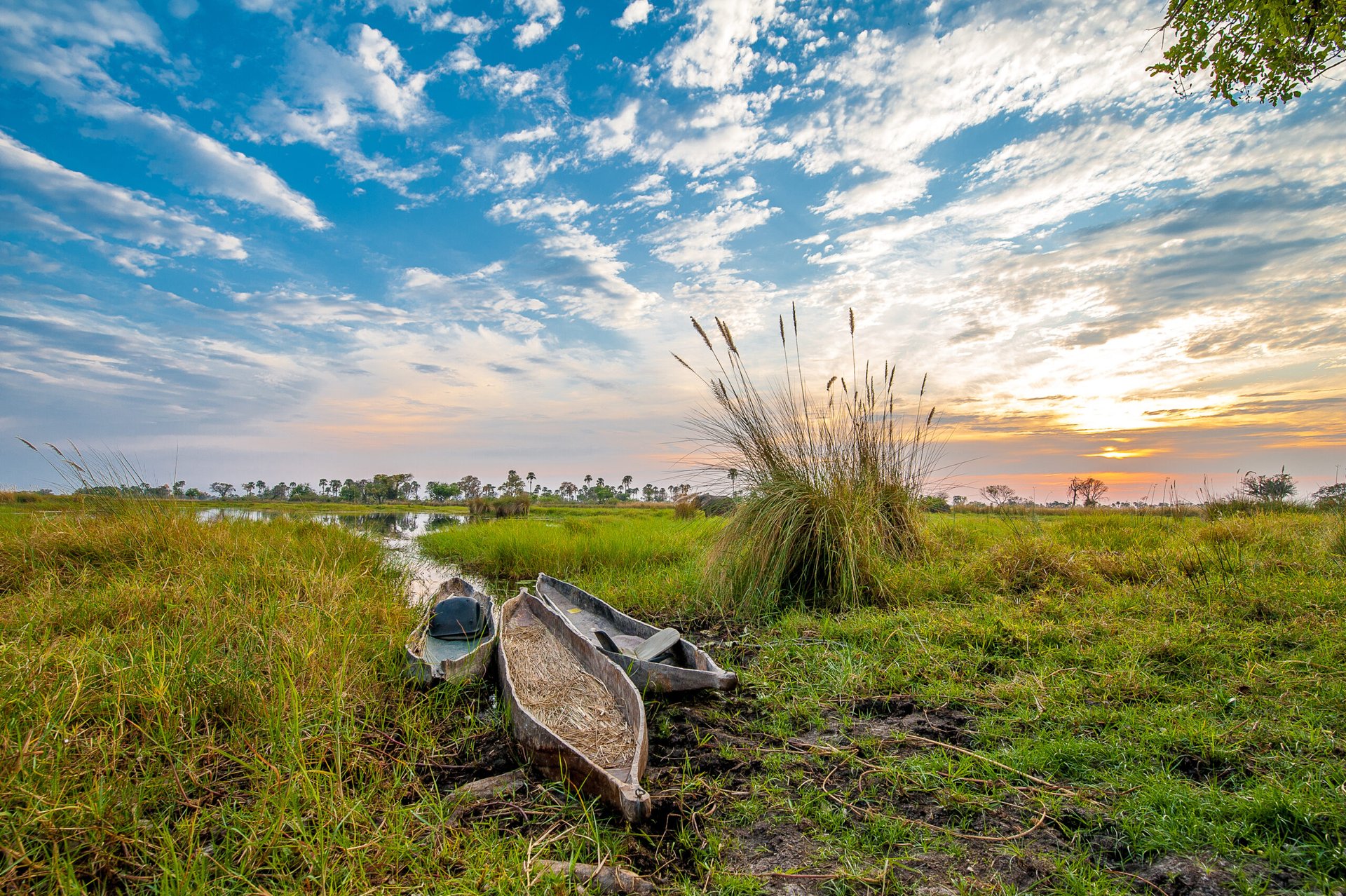
After the stark beauty and earthy tones of the desert, arriving in the lush, watery world of the Okavango Delta is a breathtaking shift. Here, game drives are complemented by gliding silently through reed-lined channels on a mokoro (dugout canoe). A lodge like Khwai Leadwood, on the edge of the Moremi Game Reserve, offers a superb mix of wet and dry activities.
Alternatively, you could pair your desert adventure with the predator-rich private concessions of the Linyanti Wildlife Reserve, known for its huge elephant herds and wild dog populations. This creates an itinerary focused on two of Botswana's most exclusive and wild frontiers.
Ultimately, the choice of Central Kalahari vs Makgadikgadi Pans comes down to your personal safari style. For a classic and remote wildlife safari in a unique desert ecosystem, the Central Kalahari is unmatched. For surreal landscapes, a sense of immense scale, and a set of truly unique activities, the Makgadikgadi Pans deliver an experience you will find nowhere else on Earth.
Whatever you choose, an adventure into Botswana's arid heart is a journey into a landscape that will stay with you forever. It is a world of subtle beauty, surprising life, and a silence that speaks volumes. It's the perfect, grounding counterpoint to the vibrant waterways of the north, and an essential part of a complete Botswana safari.
Where to stay in Moremi Game Reserve
Browse handpicked places to stay — many with live availability and instant booking.
 5(8)
Okavango Explorers Camp
Selinda Reserve, Okavango Delta, Botswana
 4.7(70)
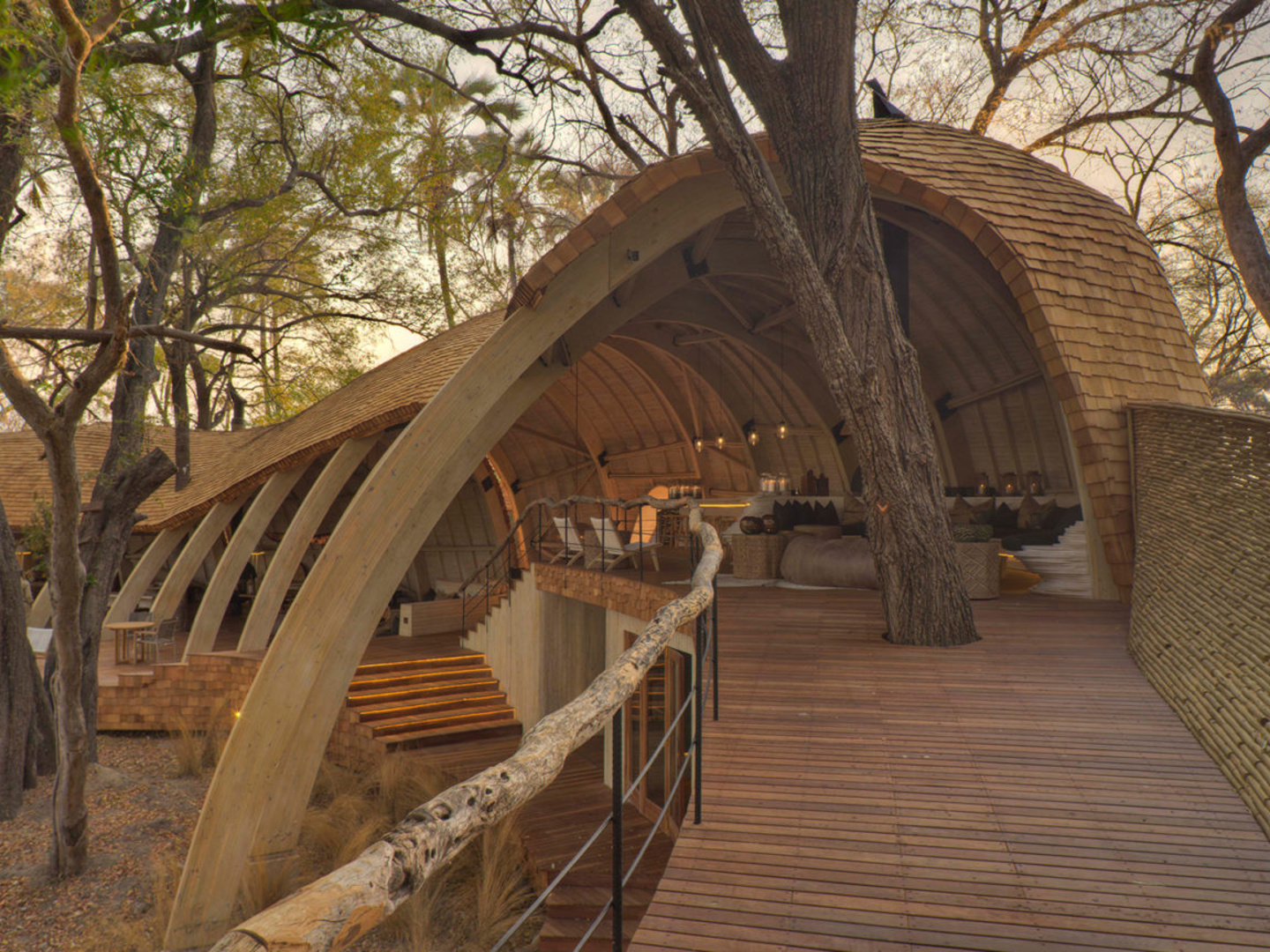
&Beyond Sandibe Okavango Safari Lodge
Okavango Delta, Botswana
 4.8(61)
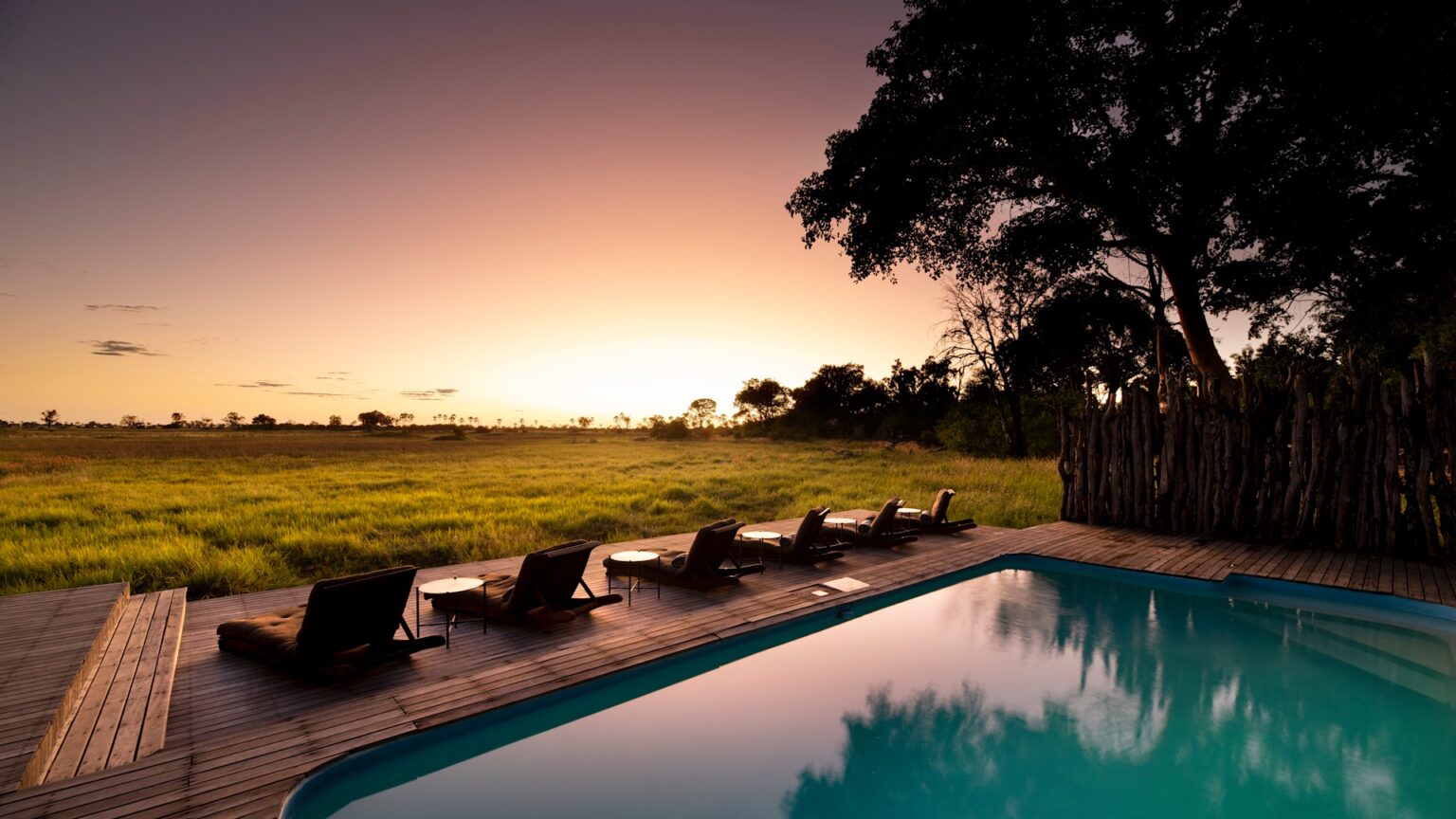
&Beyond Nxabega Okavango Tented Camp
Okavango Delta, Botswana
 0(0)
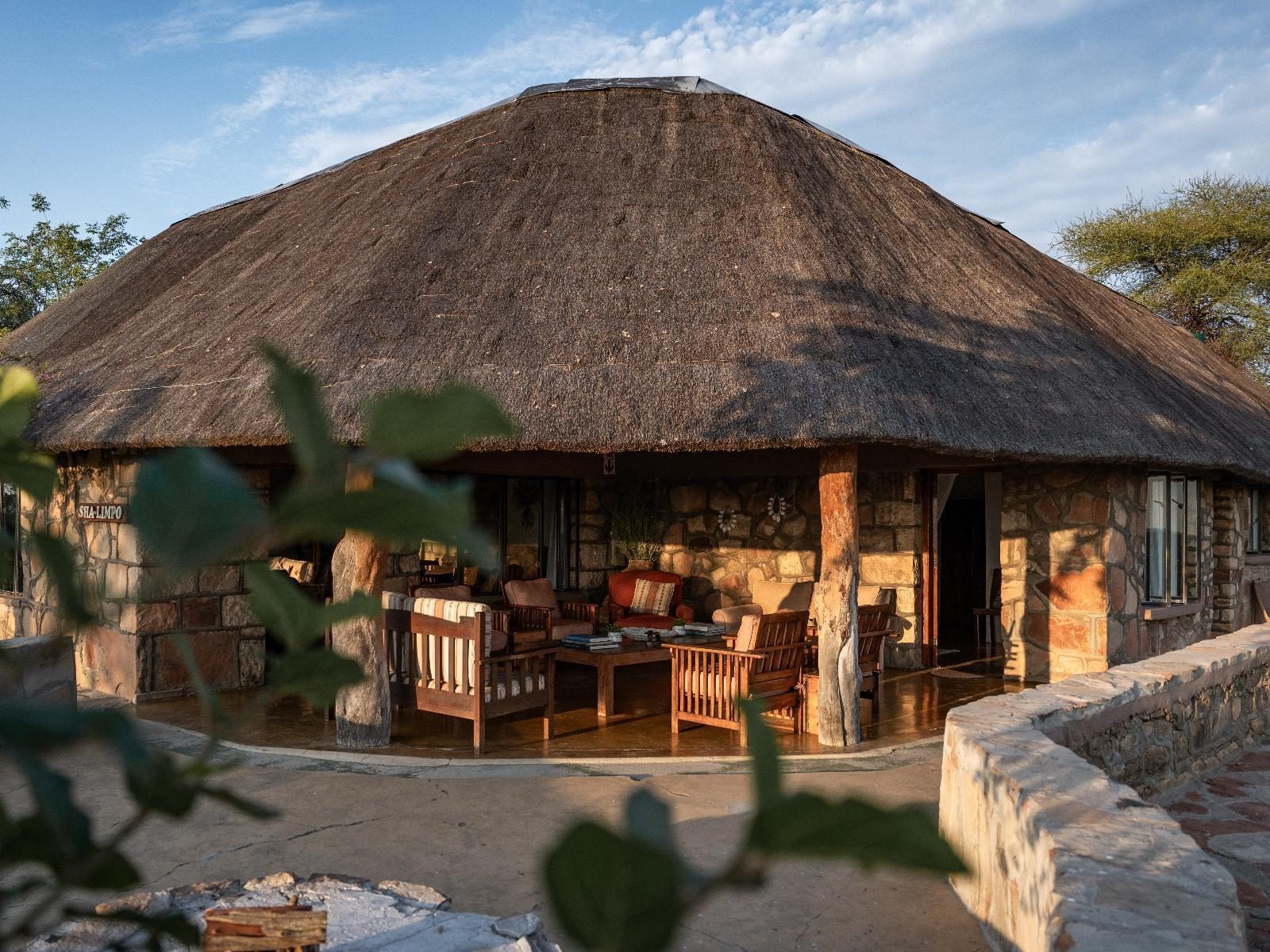
Shalimpo Safari Home
Northern Tuli Game Reserve, Botswana
 5(3)
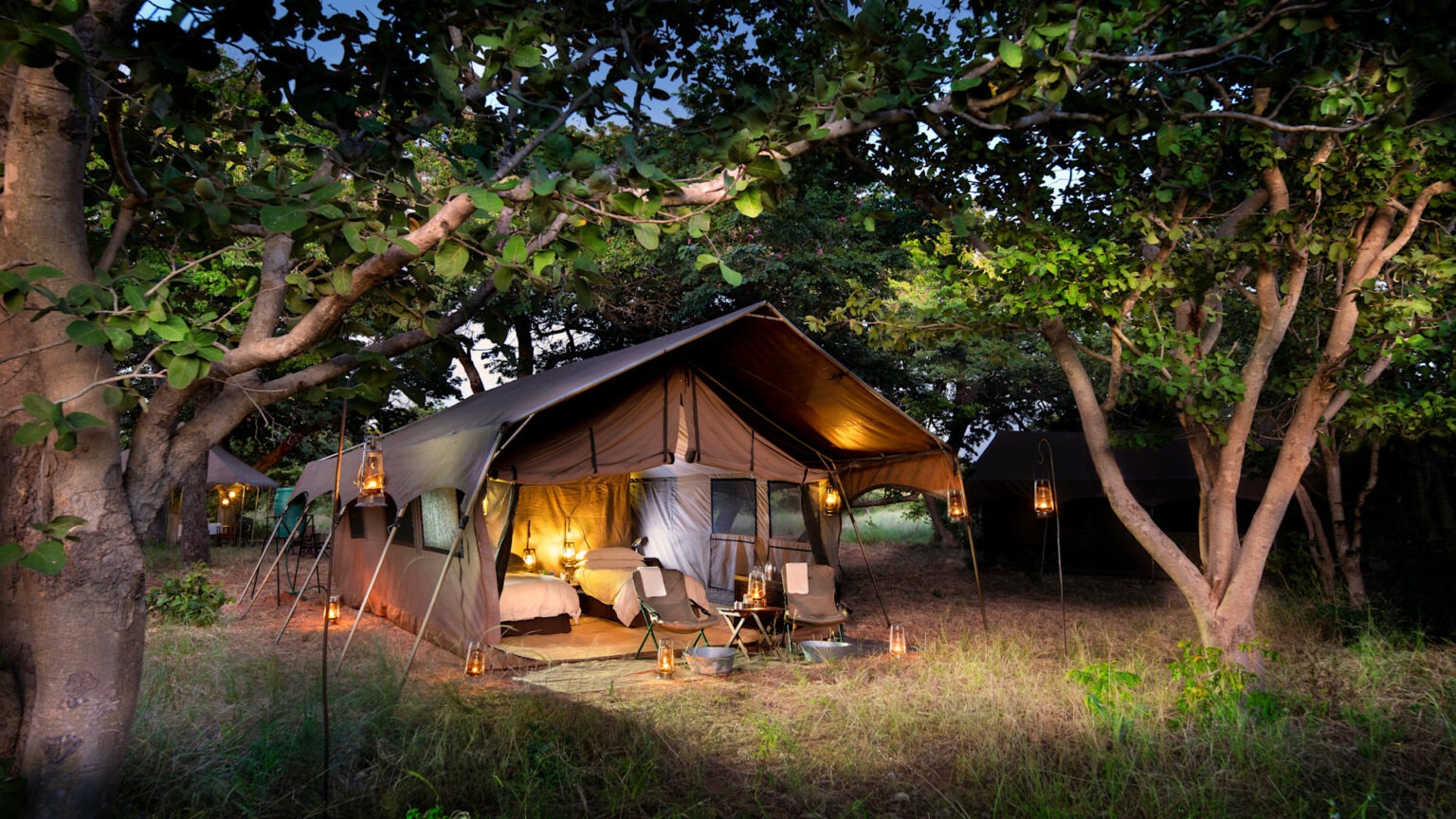
&Beyond Chobe Under Canvas
Chobe National Park, Botswana
 4.8(38)
Oddballs' Camp
Okavango Delta, Botswana
Let us plan this trip for you
Send us your dates, party and budget and we'll come back with a costed itinerary — lodges, flights, transfers and activities in one place. No fee, no obligation.
Keep reading
See our safari advice first on Google
One tap tells Google you want Safari Stays shown higher when you search for safari and travel news. It takes a second and you can undo it anytime.
Make Safari Stays a preferred source on Google