Okavango Delta Travel Guide: What to Expect, How to Get There & Where to Stay
The Okavango Delta is one of the world's most extraordinary ecosystems — a vast inland river delta that floods annually in the middle of the Kalahari Desert, creating a temporary oasis of channels, islands, and floodplains that sustains an astonishing diversity of wildlife. It was declared a UNESCO World Heritage Site in 2014.
Unlike a traditional game reserve, the Delta's character changes completely with the seasons. The same landscape that is open grassland in October becomes a labyrinth of water channels by July.
What Makes the Okavango Delta Unique
The Okavango River originates in the Angolan highlands, flows southeast into Botswana, and fans out across a flat depression in the northern Kalahari — never reaching the sea. Instead, it evaporates and transpires back into the atmosphere, sustaining a permanent wetland of around 15,000 square kilometres (the permanent swamp), with seasonal floodplains that can extend the total to 22,000 square kilometres.
This water in the desert dynamic creates unparalleled biodiversity:
- Over 1,300 plant species
- More than 130 mammal species, including all of Africa's Big Five
- Over 480 bird species
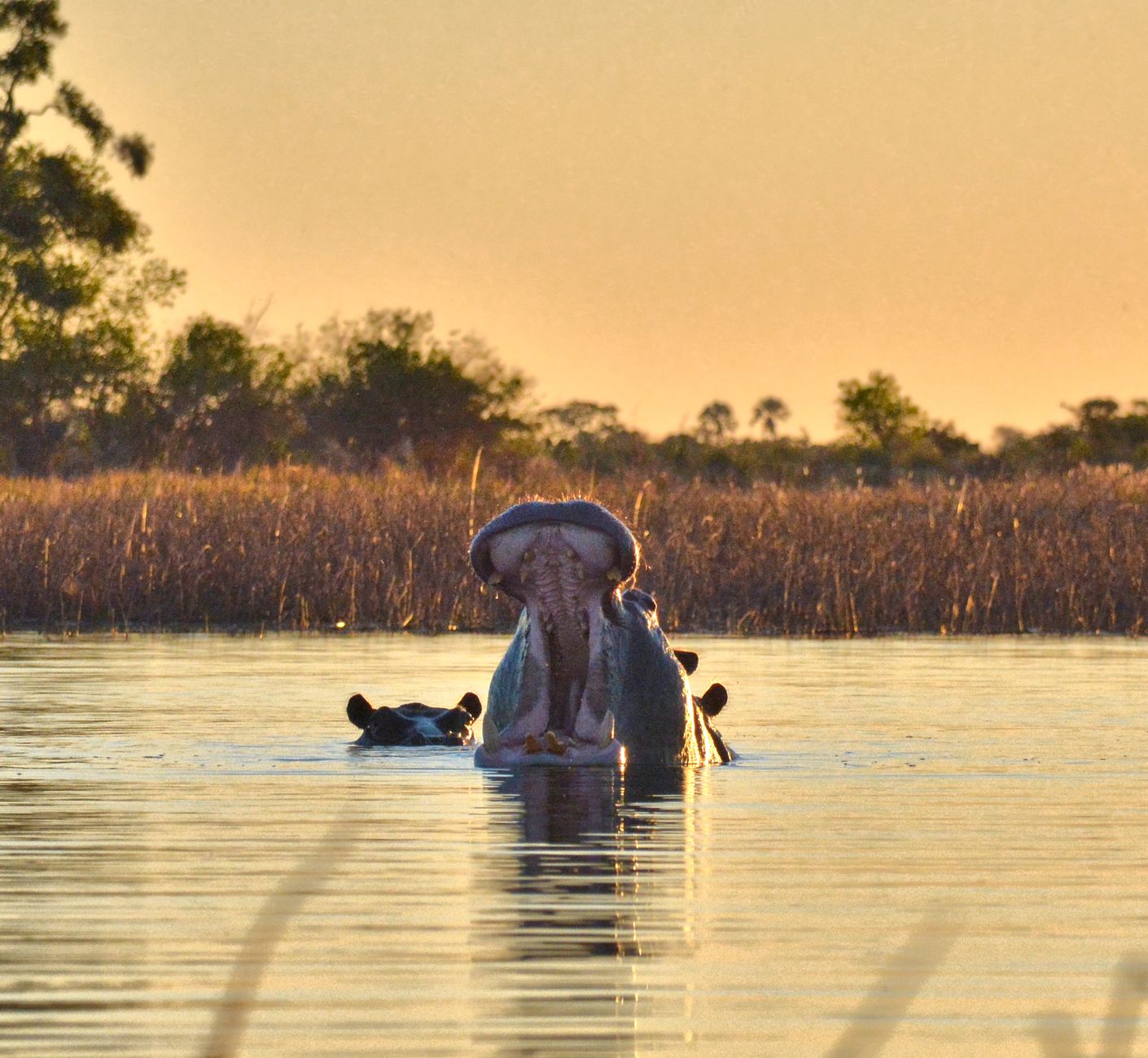
- 70+ species of fish, supporting large crocodile and hippo populations
When to Visit the Okavango Delta
The Delta's seasonal flood is counter-intuitive: the waters are highest during the dry season. Rain falls in Angola between November and March, and the resulting flood takes several months to travel the 1,000 km to the Delta, arriving in Botswana between June and August.
| Period | Delta Character | Best Activities |
|---|---|---|
| June – August | Peak flood, channels full | Mokoro, motorboat, walking islands |
| September – October | Water receding, game concentrating | Game drives, walking, fishing |
| November – March | Low water, green vegetation | Birdwatching, photography, value rates |
| April – May | Water returning, pleasant temperatures | Game drives, uncrowded |
How to Get to the Okavango Delta
Maun is the main gateway. It has an international airport with direct flights from Johannesburg (approximately 1.5 hours), and connections from Cape Town and Windhoek.
From Maun, access into the Delta depends on your destination:
- By light aircraft: Most permanent camps and lodges in the inner Delta are fly-in only. Charter flights from Maun's Delta airstrip take 15–40 minutes depending on destination.
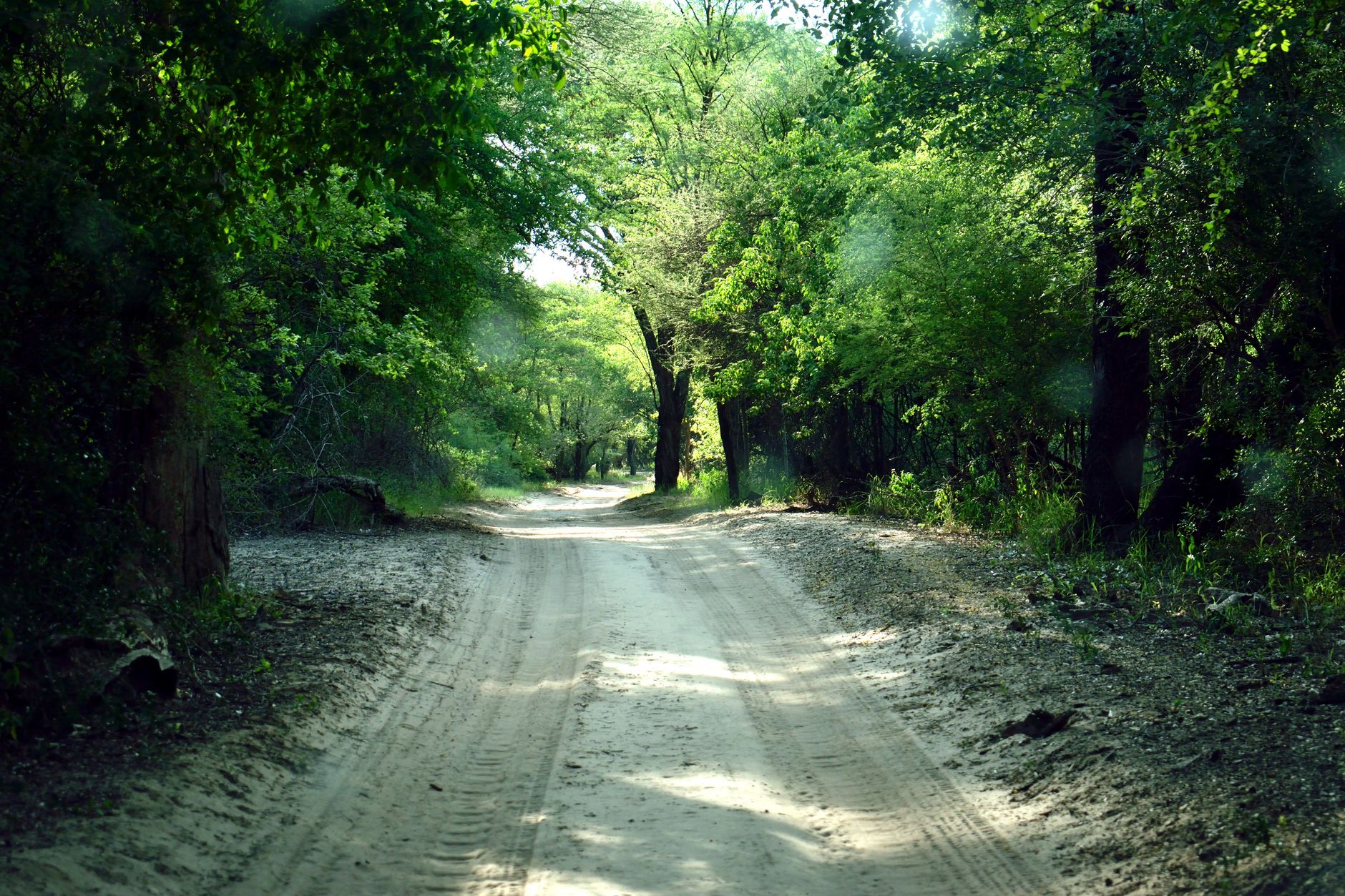
- By road: The southern and eastern Delta fringes — including Moremi Game Reserve's South Gate — are accessible by 4WD from Maun (approximately 90–120 minutes).
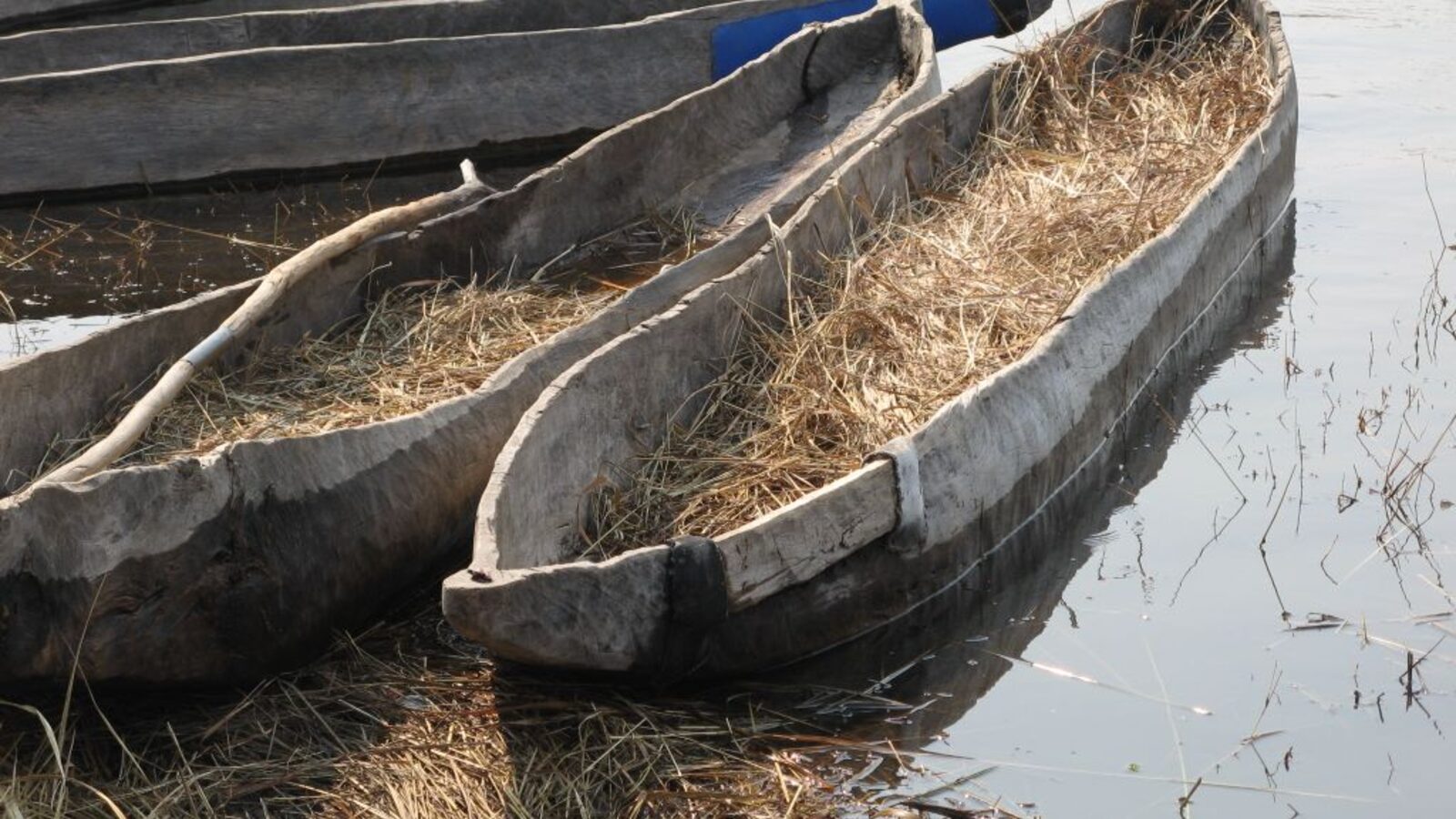
- By mokoro: For the budget-conscious, polers operate from villages on the Delta edge, taking visitors into the shallower waterways by traditional dugout canoe.
Areas Within the Okavango Delta
Moremi Game Reserve forms the wildlife-managed core of the eastern Delta. It is the only formally protected area within the Delta and contains the famous Khwai community area on its northern border. Accessible by self-drive 4WD.
Chief's Island is the largest land mass in the Delta, in the permanent swamp. Accessible only by air or boat. Some of Botswana's most exclusive camps are located here, offering exceptional predator sightings.
Jao Flats and Vumbura are northern Delta areas renowned for large game populations, including wild dog, lion, and leopard, alongside extraordinary water-based activities at peak flood.
The Panhandle is the narrow upper section of the Delta near Shakawe, closer to the Namibian border. Popular for birdwatching and tiger fishing, with a quieter and more accessible feel than the inner Delta.
Activities in the Okavango Delta
Mokoro safaris — the quintessential Delta experience. A poler navigates a traditional dugout canoe through shallow reed channels while you observe hippos, birds, and vegetation from water level. Generally offered from camps and community sites at the Delta's edge, and from inner-Delta lodges during peak flood.
Guided game drives — most camps and lodges include morning and afternoon drives in open 4WD vehicles. The road network in Moremi and Khwai is well-established.
Walking safaris — the islands of the Delta are ideal for guided walks, offering close encounters with birds and plants that vehicles can't access. All walking safaris in Botswana require a licensed walking guide.
Night drives — many camps offer spotlight drives after dark, giving access to nocturnal species: aardvark, porcupine, honey badger, and various small cats.
Fishing — catch-and-release fishing in the Delta is outstanding. Tiger fish, bream, and catfish are common.
Accommodation in the Okavango Delta
Accommodation ranges from ultra-luxury fly-in camps (some charging USD 1,000+ per person per night) to community-run campsites on the Delta fringes accessible by road.
Mid-range lodge options have expanded significantly in recent years, particularly around Moremi's South Gate and in the Khwai community area. These offer a genuine Delta experience at a fraction of the cost of the inner-Delta exclusives.
Self-catering options are limited inside the Delta itself, but several guesthouses in Maun offer good value as a base.
Frequently Asked Questions
Do you need a 4WD to visit the Okavango Delta?
Not necessarily. If you fly into a camp, no 4WD is needed. If you're driving to Moremi or the Khwai area from Maun, a high-clearance 4WD with low range is strongly recommended, particularly between November and April.
How many days do you need in the Okavango Delta?
A minimum of three nights is recommended to meaningfully explore any one area. Five to seven nights allows you to experience different habitats and a broader range of activities. Many travellers combine the Delta with Chobe or the Makgadikgadi Pans.
Is the Okavango Delta expensive?
It ranges widely. Fly-in camps at Chief's Island are among the most expensive safari accommodation in Africa. Road-accessible camps around Moremi and Khwai offer good value by Botswana standards. Camping in Moremi with your own kit is the most affordable option.
What wildlife can you see in the Okavango Delta?
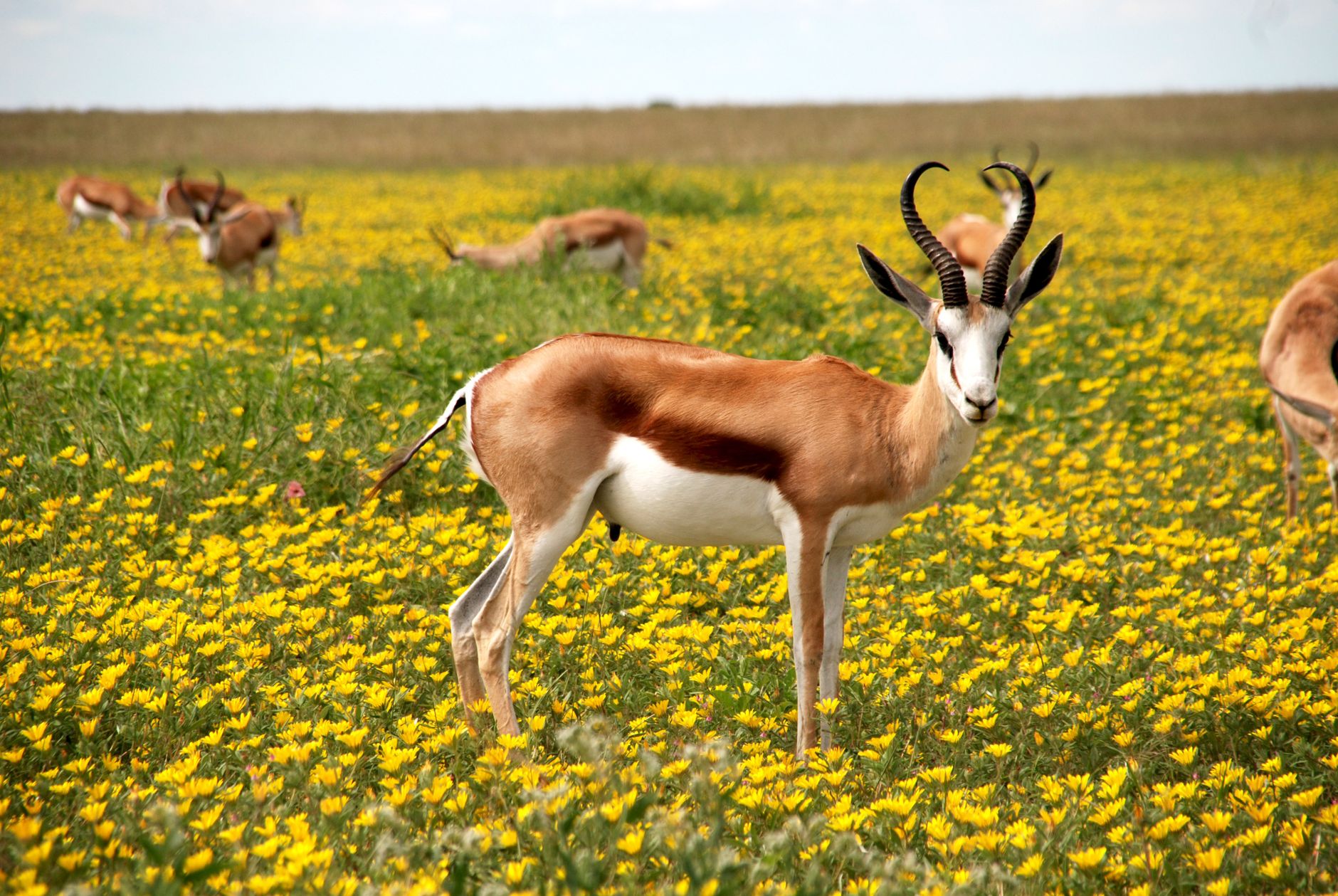
The Delta supports lion, leopard, elephant, hippo, buffalo, crocodile, wild dog, hyena, zebra, giraffe, red lechwe (endemic to the Delta), sitatunga, and a huge variety of antelope. Cheetah are present but less common than in drier reserves. Wild dog sightings are exceptional in the Khwai area.
Browse lodges and camps accessible from the Okavango Delta on our Botswana accommodation page.
Ready to plan your trip?
Check live availability, compare lodges and book instantly — or send us an enquiry and we'll help shape the route.