How Safe is Self-Driving in Botswana? A 2027 Guide
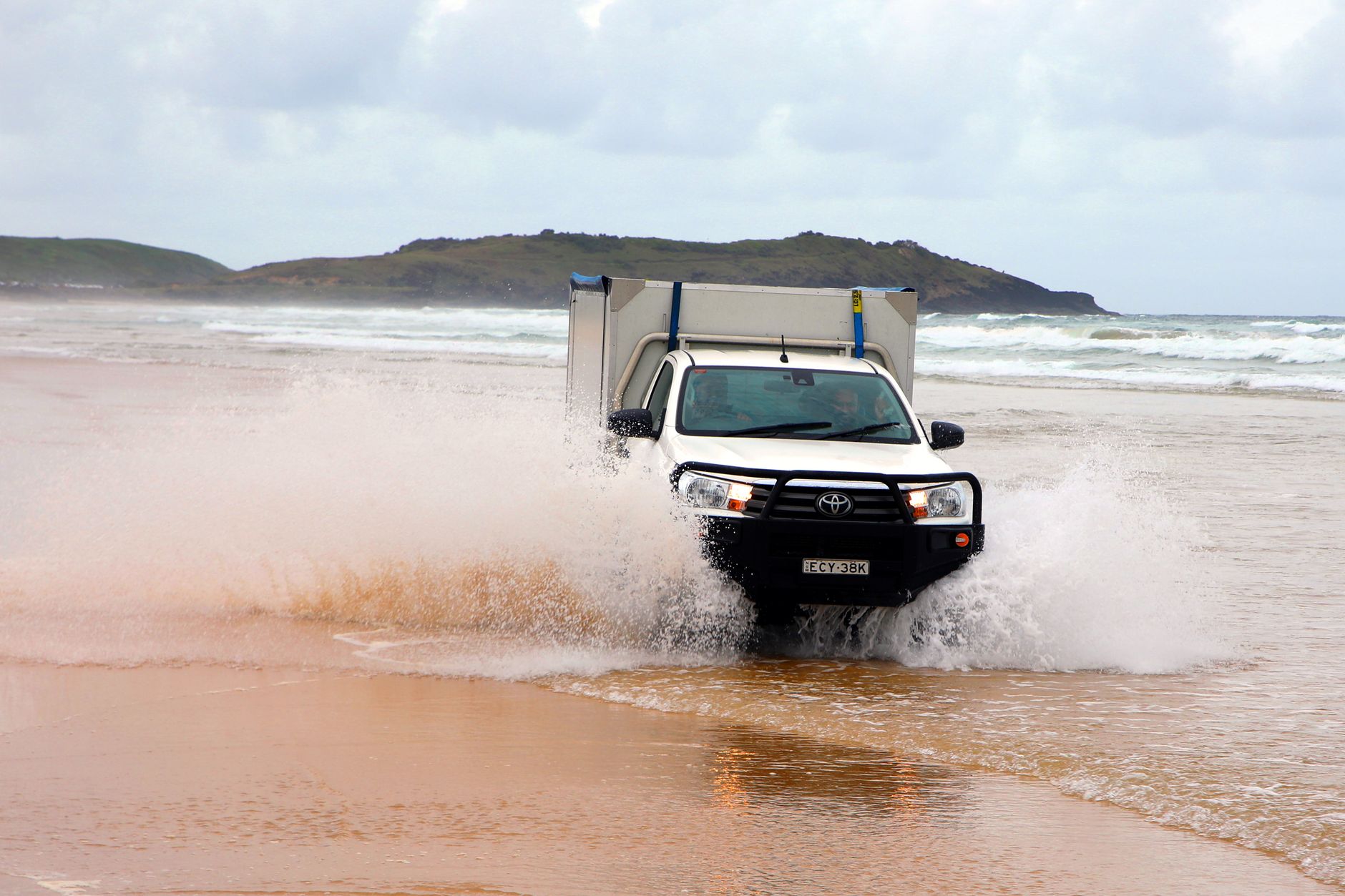
The idea of a Botswana self-drive safari is pure adventure. It evokes images of navigating dusty tracks, a fully-kitted 4x4 your trusty steed, with the freedom to explore one of Africa’s last great wildernesses on your own terms. But alongside this exciting prospect comes a crucial question many travellers ask during the planning phase: how safe is self driving in Botswana? The answer is that with thorough preparation, a spirit of self-reliance, and a healthy respect for the wild, it is not only safe but one of the most rewarding ways to experience this incredible country.
As you begin planning your journey for the 2027 season, this guide will provide a grounded, realistic look at what a self-drive adventure entails. We’ll cover the realities of the roads, navigating wildlife encounters, and how to best prepare your vehicle and yourselves for an unforgettable expedition into the heart of Botswana.
Navigating the Terrain: Roads, Tracks, and Water Crossings
The first step in understanding a Botswana self-drive is appreciating its unique road network. The country is well-connected by a series of tarred ‘A’ roads linking major towns like Gaborone, Francistown, Maun, and Kasane. These are generally in good condition and make covering long distances between hubs straightforward.
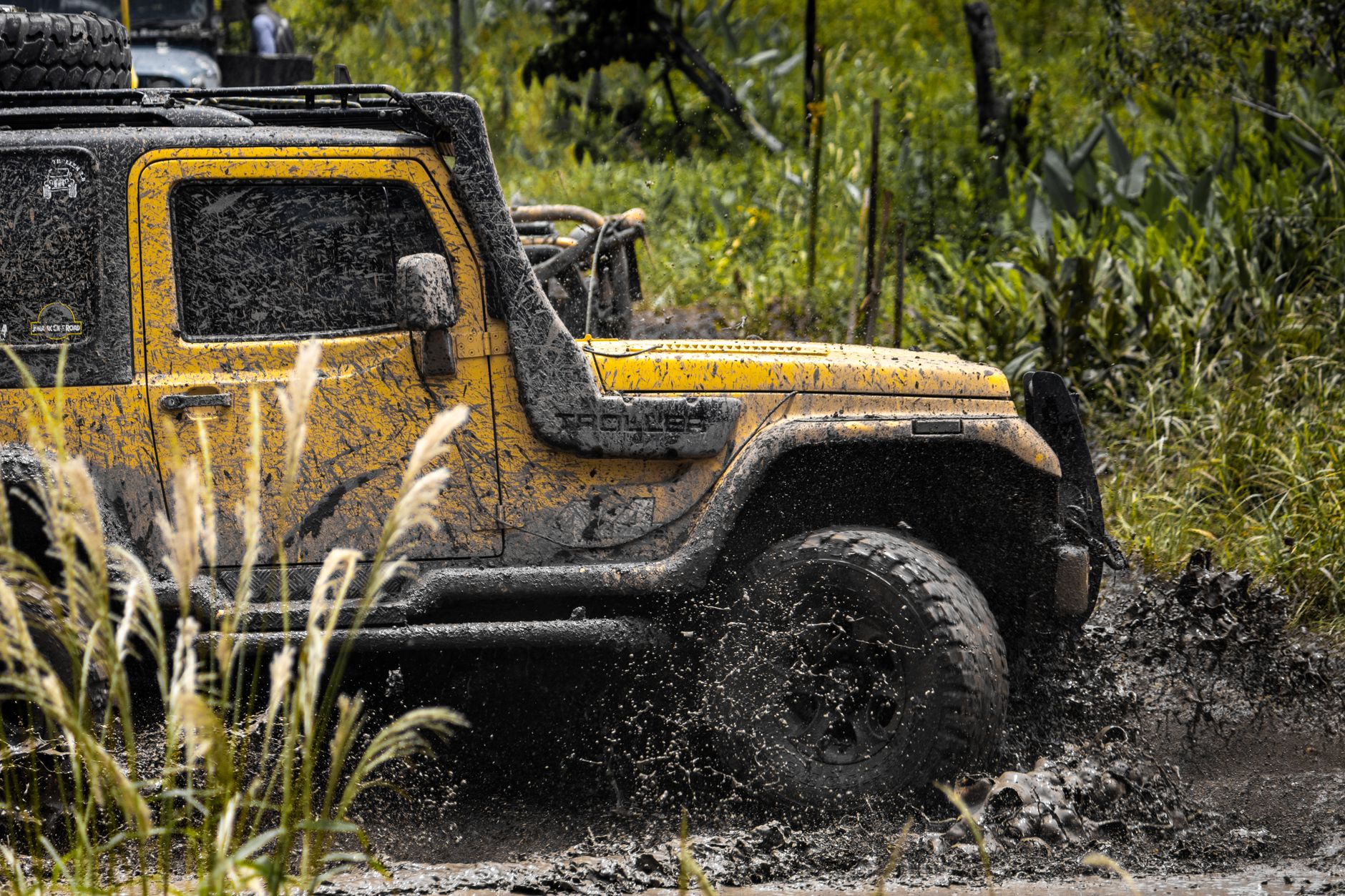
The real adventure, however, begins when you turn off the tarmac. The tracks within national parks and reserves like the Okavango Delta and Moremi Game Reserve are a different story entirely. Here, you will encounter deep, soft sand that requires confident 4x4 handling, constant deflation and inflation of your tyres, and a slow, steady pace.
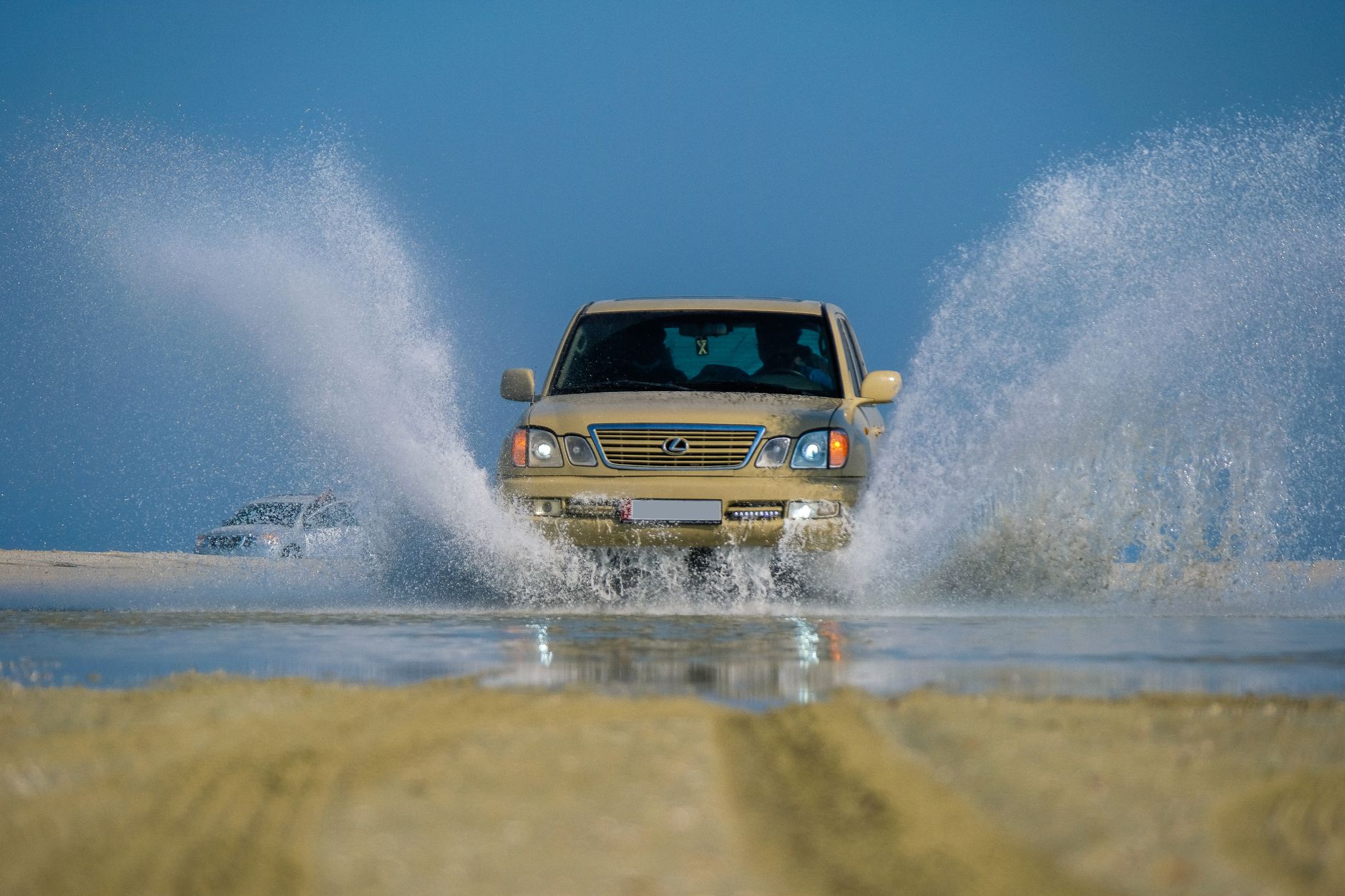
For those travelling during the early part of the year, from January through to June, you will be arriving during and just after our "green season." This time of year brings lush landscapes and fantastic birdlife, but also the potential for waterlogged tracks and river crossings. Some crossings can be deep, and it's essential to assess them carefully before proceeding. Walking a crossing first (if safe from wildlife) is standard practice. Never underestimate the power of water.
Because of these conditions, a high-clearance 4x4 vehicle is not a recommendation; it is a necessity. Attempting these routes in a standard 2WD vehicle is impossible and unsafe. Similarly, while GPS apps are invaluable, they should be supplemented with a dedicated offline map system like Tracks4Africa, as mobile signal is non-existent across vast swathes of the country's northern wilderness.
How Safe is Self Driving in Botswana With Wildlife All Around?
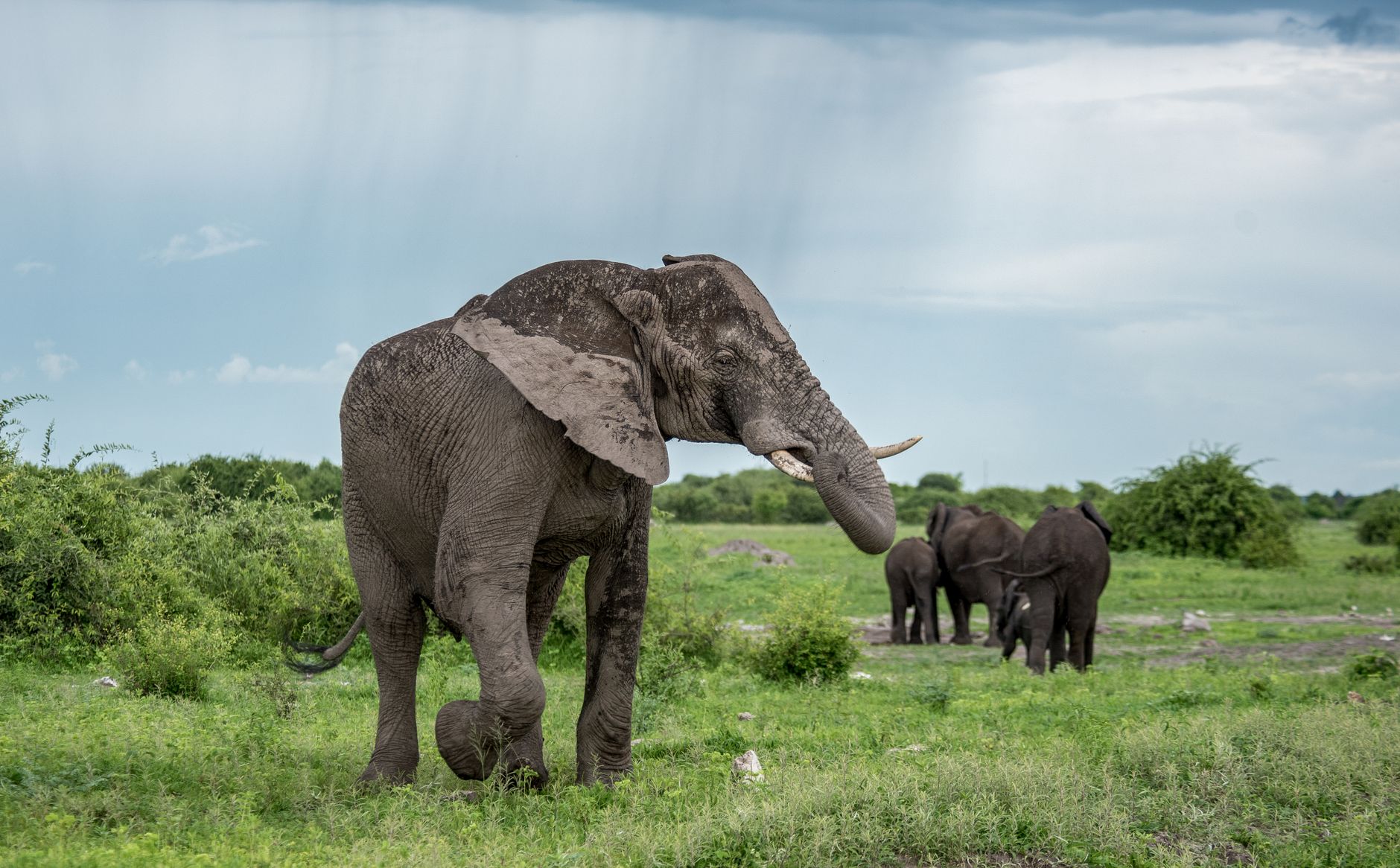
Encountering wildlife is the very reason you come to Botswana, and on a self-drive trip, these encounters are often intimate and unfiltered. Seeing a breeding herd of elephants cross the track in front of you or spotting a lion resting in the shade is a profound experience. Safety in these moments comes down to knowledge and respect.
The golden rule is to never, ever get out of your vehicle in an unfenced wildlife area, except in designated, secured locations. Your vehicle is a "hide," and animals are generally accustomed to their presence. The moment you step out, you change that dynamic and can be perceived as a threat or prey. Always give animals, especially elephants, plenty of space. If they seem agitated, simply back away slowly and give them the right of way.
Driving at night within the national parks is strictly prohibited for safety reasons. The bush comes alive after dark, and the risk of a collision with a large, nocturnal animal is extremely high. Plan your daily drives to ensure you arrive at your designated campsite well before sunset.
Campsite Safety and Etiquette
Most public campsites within the parks and reserves are unfenced, meaning wildlife can and will wander through. This is part of the magic, but requires vigilance.
- Food Management: Never leave food out or store it inside your ground tent. The incredible scenting ability of hyenas is legendary. All food should be packed away securely inside your vehicle. Keep your site clean and pack out everything you pack in.
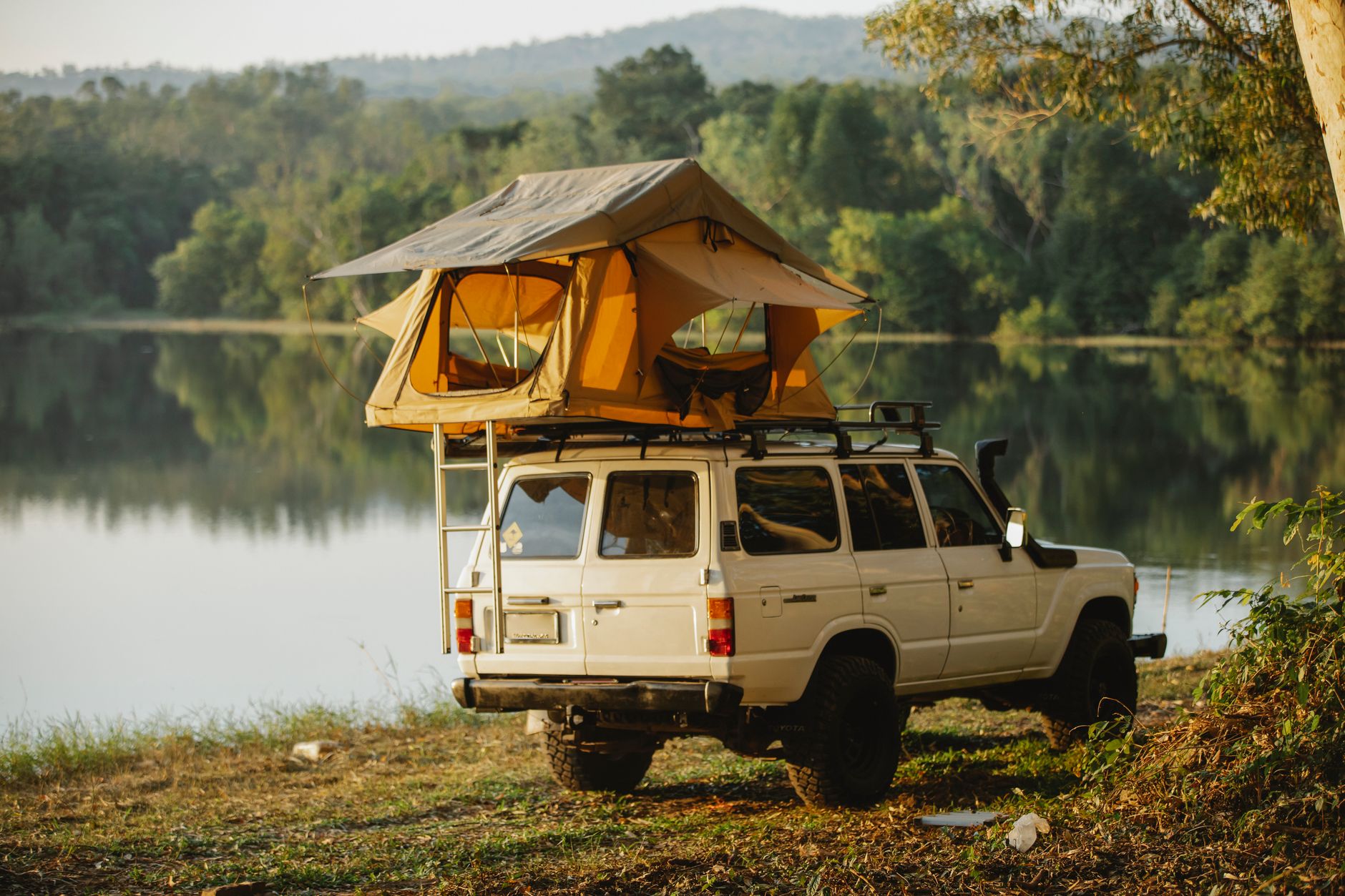
- Be Aware: Before getting out of your vehicle or rooftop tent, have a good look and listen around your immediate vicinity. Use a strong torch at night to scan the area.
- Fires: A campfire is a wonderful part of the safari experience, but it is not a guaranteed wildlife deterrent. Always remain cautious.
- Respect the Silence: Remember that sound travels in the bush. Keep noise levels to a minimum, especially in the early mornings and evenings, out of respect for both wildlife and fellow campers.
Gearing Up: The Right Vehicle and Essential Supplies
Your choice of vehicle is the single most important decision for a self-drive trip. You will need a reliable 4x4, preferably a Toyota Hilux or Land Cruiser, that is fully equipped for remote travel. A long-range fuel tank is crucial, as fuel stops are few and far between.
A dual-battery system is standard, powering the fridge/freezer that will keep your supplies fresh. Essential recovery gear should include two spare tyres, a spade, a high-lift jack, and sand mats or tracks. We also strongly recommend hiring a satellite phone for emergencies, as you will be out of mobile range for much of your journey through the parks.
Planning your supplies is part of the adventure. Maun and Kasane are the primary gateways to the northern parks and your last chance to stock up on fuel, fresh water, and groceries for several days. Always carry more water than you think you will need. The journey between these hubs is an immersion in true wilderness, and self-sufficiency is paramount. Some travellers enjoy the contrast of a rugged self-drive with a more comfortable lodge experience, such as a stay at &Beyond Chobe Under Canvas near the amenities of Kasane before venturing into the wilder parts of Chobe.
The Best of Both Worlds: Combining Self-Drive with Lodge Stays
While the freedom of a pure self-drive trip is compelling, a hybrid itinerary often provides the ultimate Botswana experience. Driving yourself between major areas like Maun, Khwai, and Kasane gives you that sense of overland adventure, but interspersing it with a few nights at a catered lodge can elevate your safari.
This approach allows you to take a break from the logistics of camping and cooking. More importantly, it gives you access to the expertise of professional guides and the exclusive wilderness areas of private concessions. You can park your 4x4 securely in Maun and take a light aircraft flight into the heart of the Delta, experiencing areas inaccessible by road. Imagine the thrill of arriving at a camp like Khwai Leadwood, where guided mokoro trips and night drives offer a different perspective on the bush.
Similarly, a self-drive route can be punctuated with a stay in a camp that specialises in deep wilderness immersion, like Linyanti Expeditions. This allows you to benefit from the knowledge of guides who interpret the animal behaviours and ecosystems around you in incredible detail, enriching your understanding of the landscape you've just driven through.

Ultimately, answering the question of how safe is self driving in Botswana comes down to you. It is as safe as your preparation, your research, and your attitude. It demands a higher level of participation than a fly-in safari, but for the independent-minded traveller, the rewards are immeasurable. The sense of accomplishment that comes from successfully navigating a deep sand track or enjoying a quiet morning coffee as a giraffe wanders past your campsite is something that stays with you forever.
With the right vehicle, a sensible itinerary, and a deep respect for the wild, your 2027 self-drive expedition will not just be safe—it will be the adventure of a lifetime.
Where to stay in Moremi Game Reserve
Browse handpicked places to stay — many with live availability and instant booking.
 0(0)
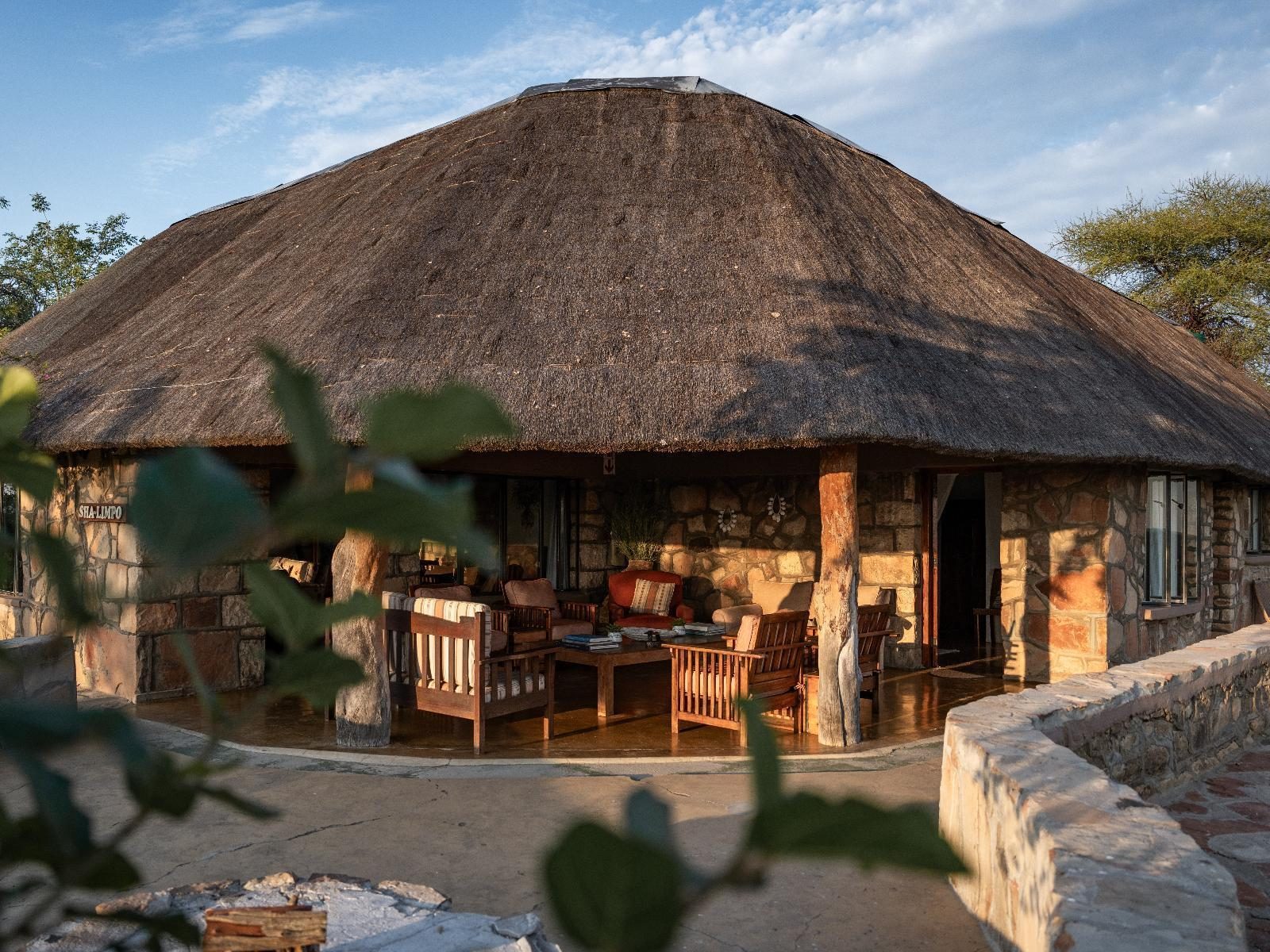
0(0)Shalimpo Safari Home
Northern Tuli Game Reserve, Botswana
 5(3)
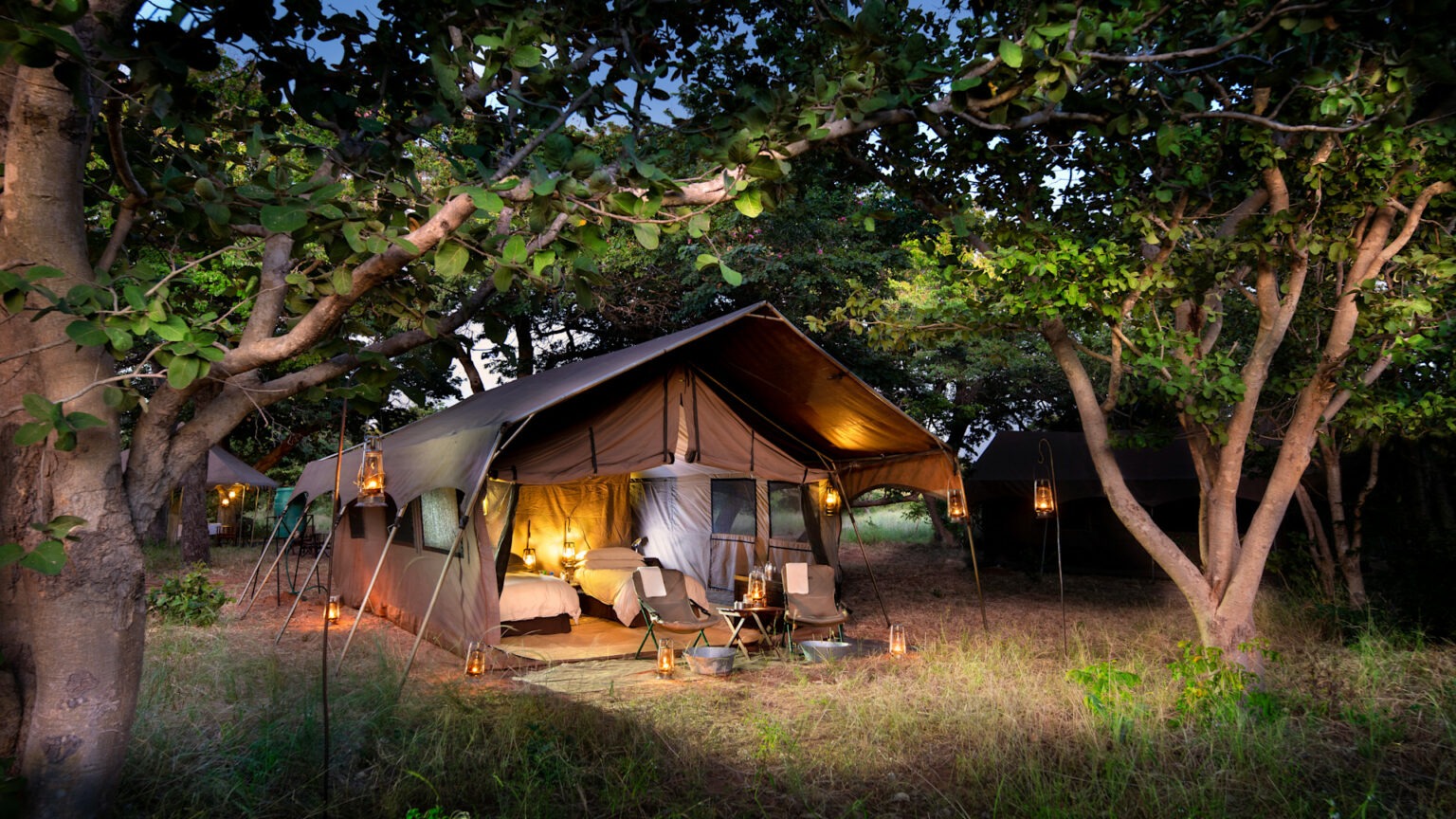
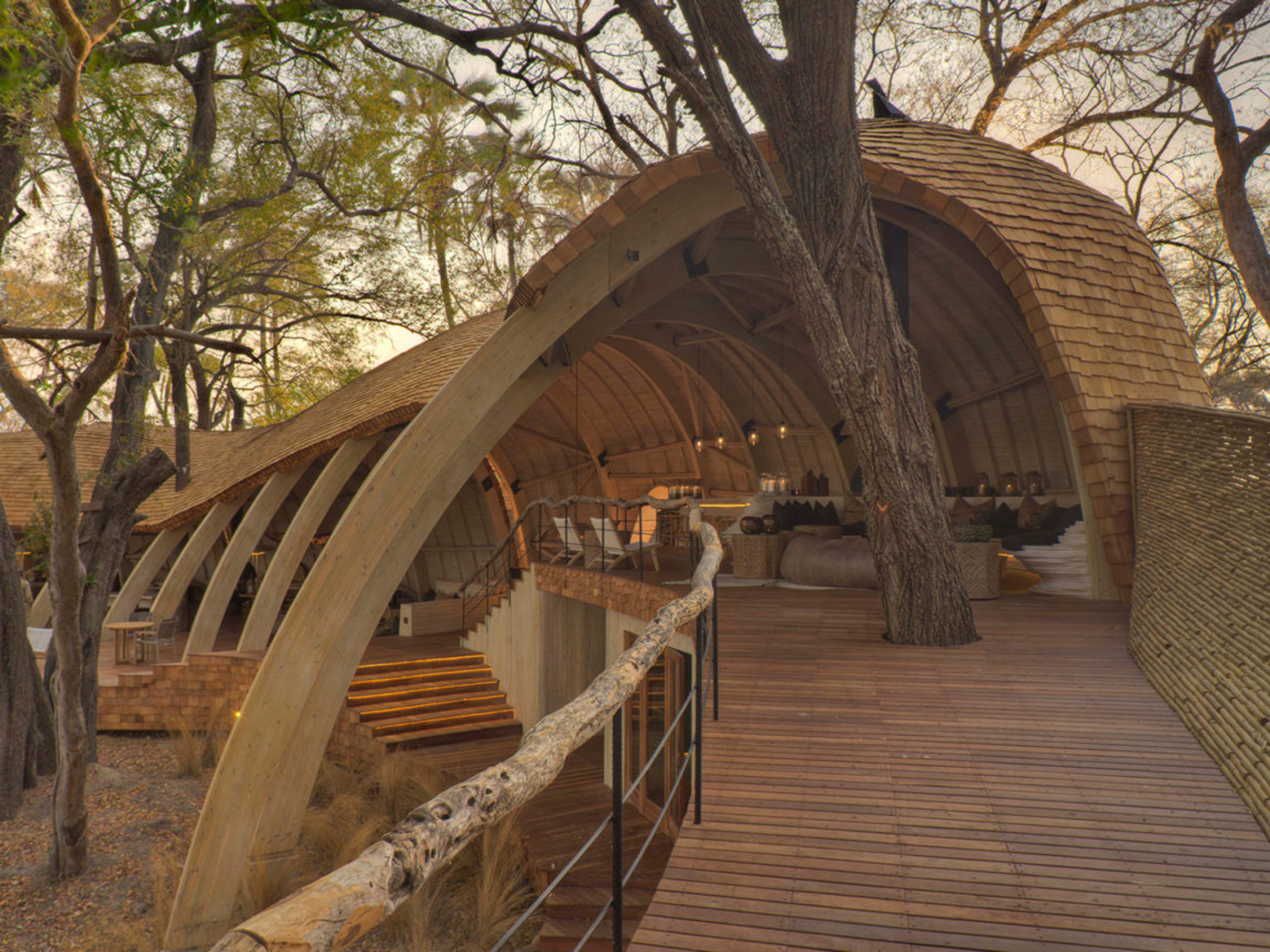
5(3)&Beyond Chobe Under Canvas
Chobe National Park, Botswana
 4.7(70)
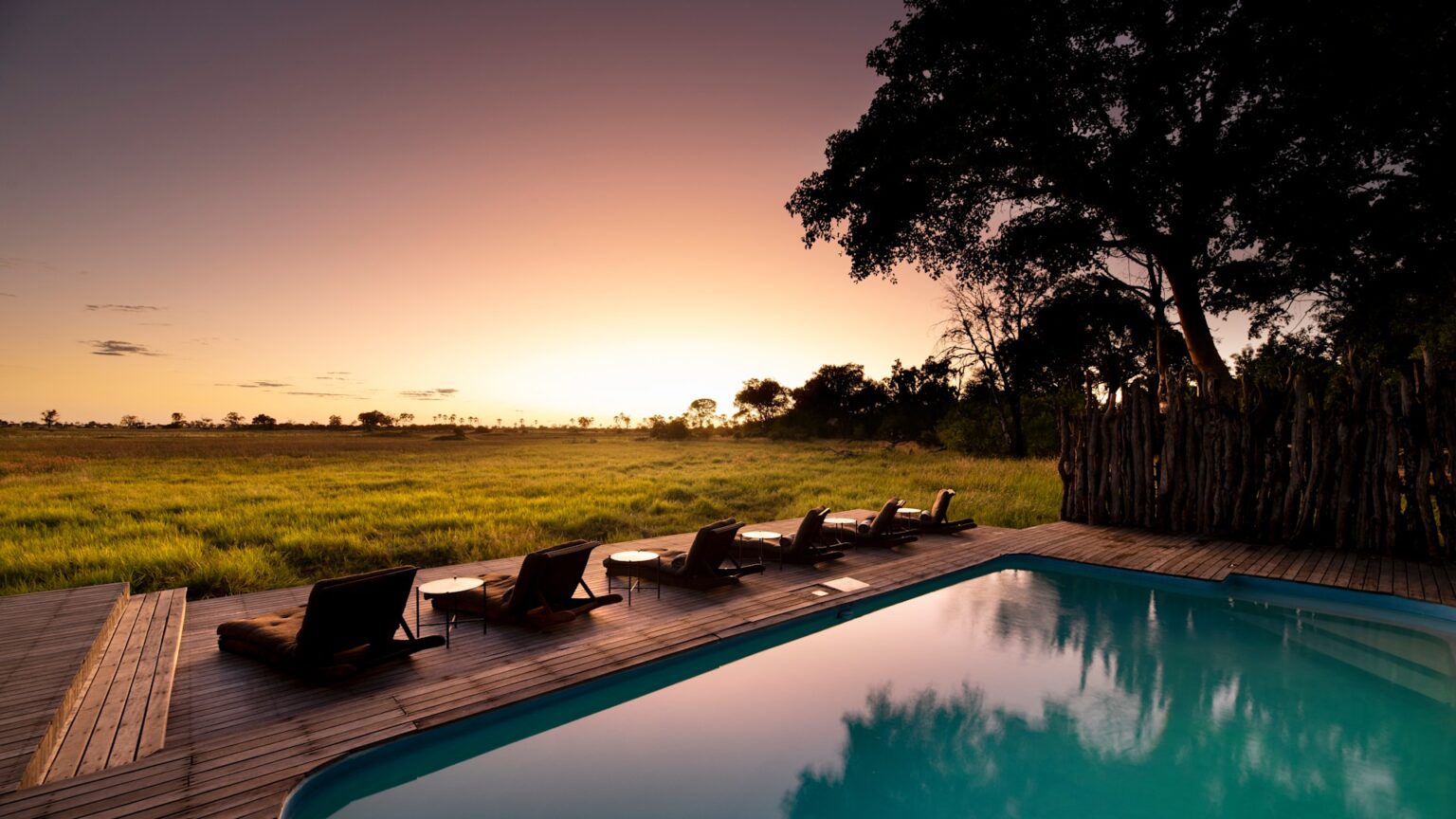
&Beyond Sandibe Okavango Safari Lodge
Okavango Delta, Botswana
 4.8(61)
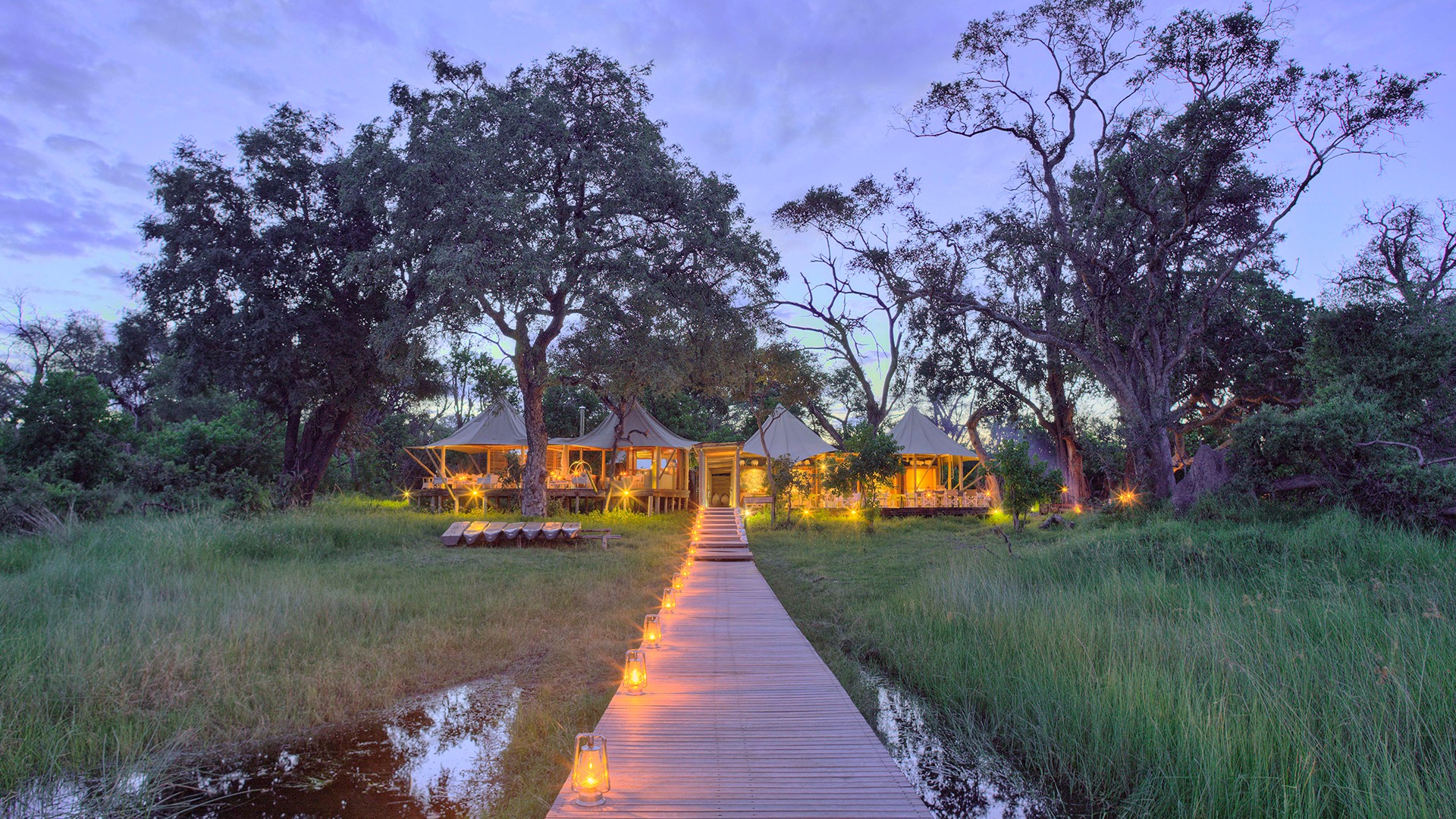
&Beyond Nxabega Okavango Tented Camp
Okavango Delta, Botswana
 4.6(53)
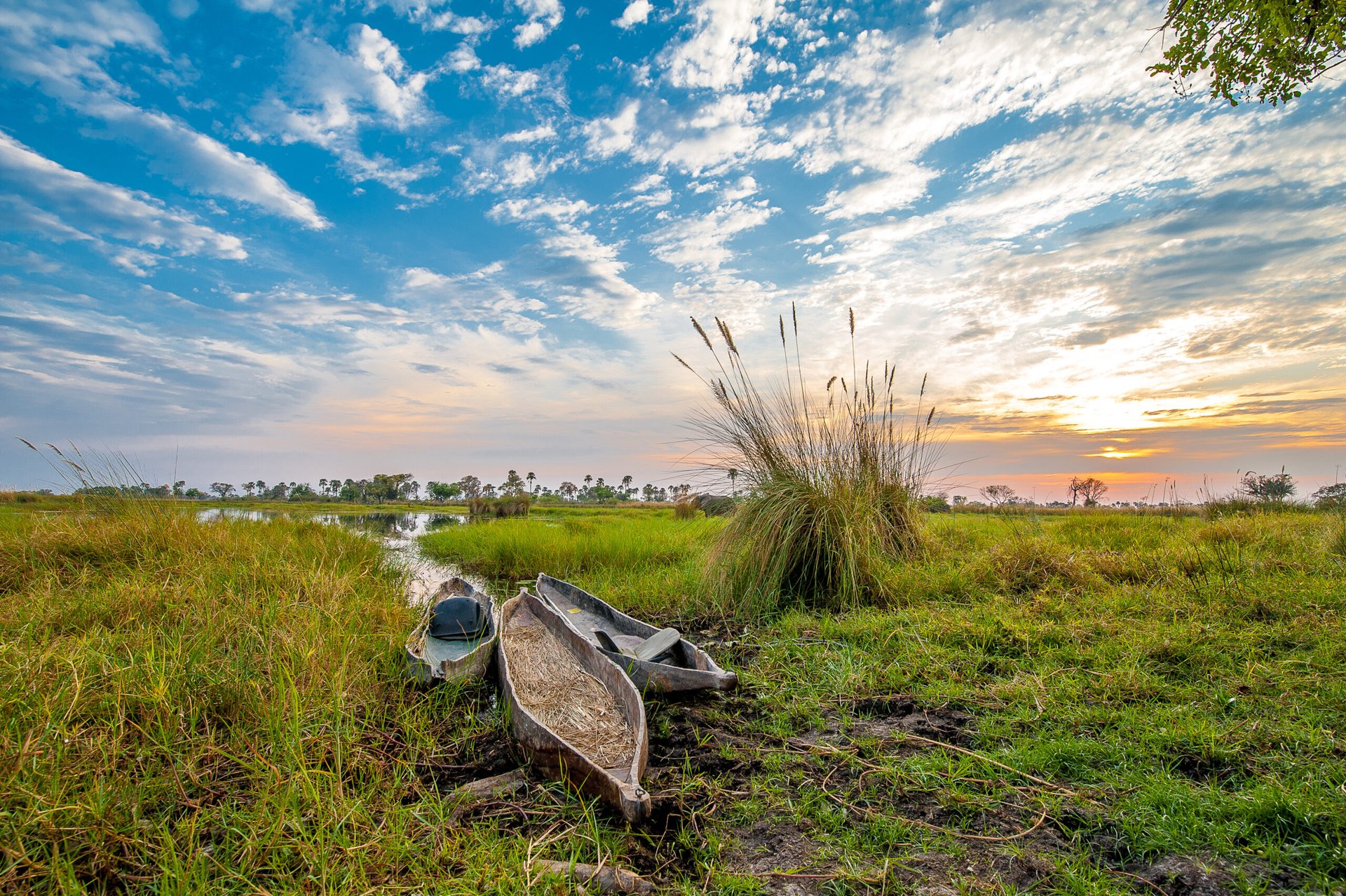
&Beyond Xaranna Okavango Delta Camp
Okavango Delta, Botswana
 4.8(38)
Oddballs' Camp
Okavango Delta, Botswana
Ready to plan your trip?
Check live availability, compare lodges and book instantly — or send us an enquiry and we'll help shape the route.
Keep reading
See our safari advice first on Google
One tap tells Google you want Safari Stays shown higher when you search for safari and travel news. It takes a second and you can undo it anytime.
Make Safari Stays a preferred source on Google