What to Pack for Botswana in March: An Expert Guide
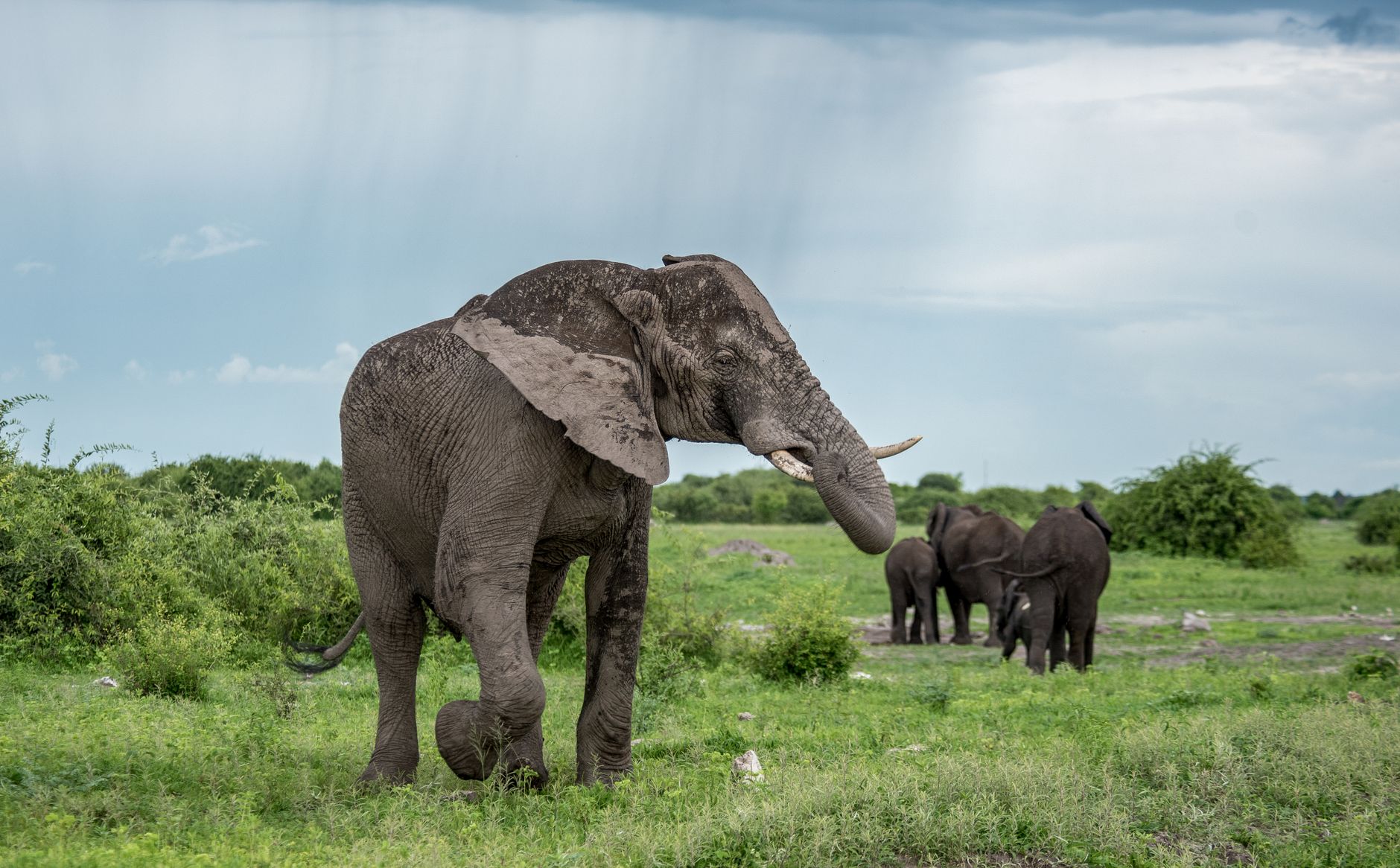
March in Botswana is a time of profound transformation. The landscape, saturated by the summer rains, is at its most vibrant. This is the 'Green Season'—or 'Emerald Season', as we affectionately call it—a period of dramatic skies, lush foliage, and thriving wildlife. As you plan your safari for this magical time of year, one of the most common questions we hear is, “What should I pack for Botswana in March?” This guide is designed to answer just that, ensuring you arrive prepared for comfort, adventure, and everything in between.
Packing for this season is about preparing for contrasts: warm, sunny days can give way to spectacular afternoon thunderstorms, and cool mornings require a different approach than the midday heat. It’s a photographer’s dream, a birder’s paradise, and a truly unique time to experience the wild heart of Southern Africa. Let’s explore the essentials that will make your journey seamless.
Understanding Botswana's Climate in March
To pack effectively, it helps to understand the environment you’ll be stepping into. March marks the tail end of the rainy season. This doesn’t mean constant downpours; instead, rain typically arrives in the form of short, intense, and wonderfully dramatic afternoon thunderstorms that clear the air and leave behind glistening leaves and the scent of rain on dry earth.
Daytime temperatures are pleasantly warm, generally hovering between 25°C and 32°C (77°F to 90°F). The humidity can be noticeable, but it’s rarely uncomfortable. As the sun sets, and especially on early morning game drives, the air cools down significantly, so being prepared for a temperature drop is key.
The Green Season's dense vegetation means wildlife can be more dispersed than in the dry winter months. However, the animals are often in their best condition, with plentiful food and water. It’s also a time of birth for many species, offering incredible scenes of new life. The birding, in particular, is exceptional, with migratory species present in dazzling numbers.
The Essential Safari Wardrobe: Layering for Comfort
Versatility is the guiding principle for a March safari wardrobe. Layering allows you to adapt effortlessly to changing temperatures throughout the day, from a cool pre-dawn game drive to a sun-drenched afternoon by the water.
Lightweight Clothing in Neutral Colours
The classic safari palette of khaki, beige, olive, and stone grey isn’t just for aesthetics. These neutral colours help you blend into the landscape, enhancing your wildlife viewing experience by making you less conspicuous to the animals. It's wise to avoid very dark colours like black and dark blue, as they can attract tsetse flies in certain areas, while bright whites and vibrant hues can stand out more than you'd like.
Opt for lightweight, breathable fabrics like cotton or technical blends that wick moisture. Long-sleeved shirts and trousers offer protection from both the sun and insects. Many safari-specific trousers have zip-off legs, converting them into shorts for warmer moments—a practical and space-saving option.
A Reliable Waterproof Layer
Given the likelihood of afternoon showers, a lightweight, packable waterproof jacket is non-negotiable. It doesn’t need to be a heavy-duty winter coat; a simple shell that can be easily stowed in your daypack is perfect. It will protect you from sudden rain on a game drive or during a boat excursion, ensuring you stay dry and comfortable.
Warmth for Mornings and Evenings
You will be grateful for a warm layer during the crisp, cool hours of dawn and dusk. A mid-weight fleece jacket, a softshell, or a warm knitted sweater is ideal. It’s easy to remove and store as the day heats up but essential for staying comfortable when the sun is low.
What to Pack for Botswana in March: Beyond the Basics
With your core clothing sorted, it's time to consider the other essentials that will elevate your safari experience from good to unforgettable. These items cover everything from health and safety to capturing those once-in-a-lifetime moments.
Health and Sun Protection
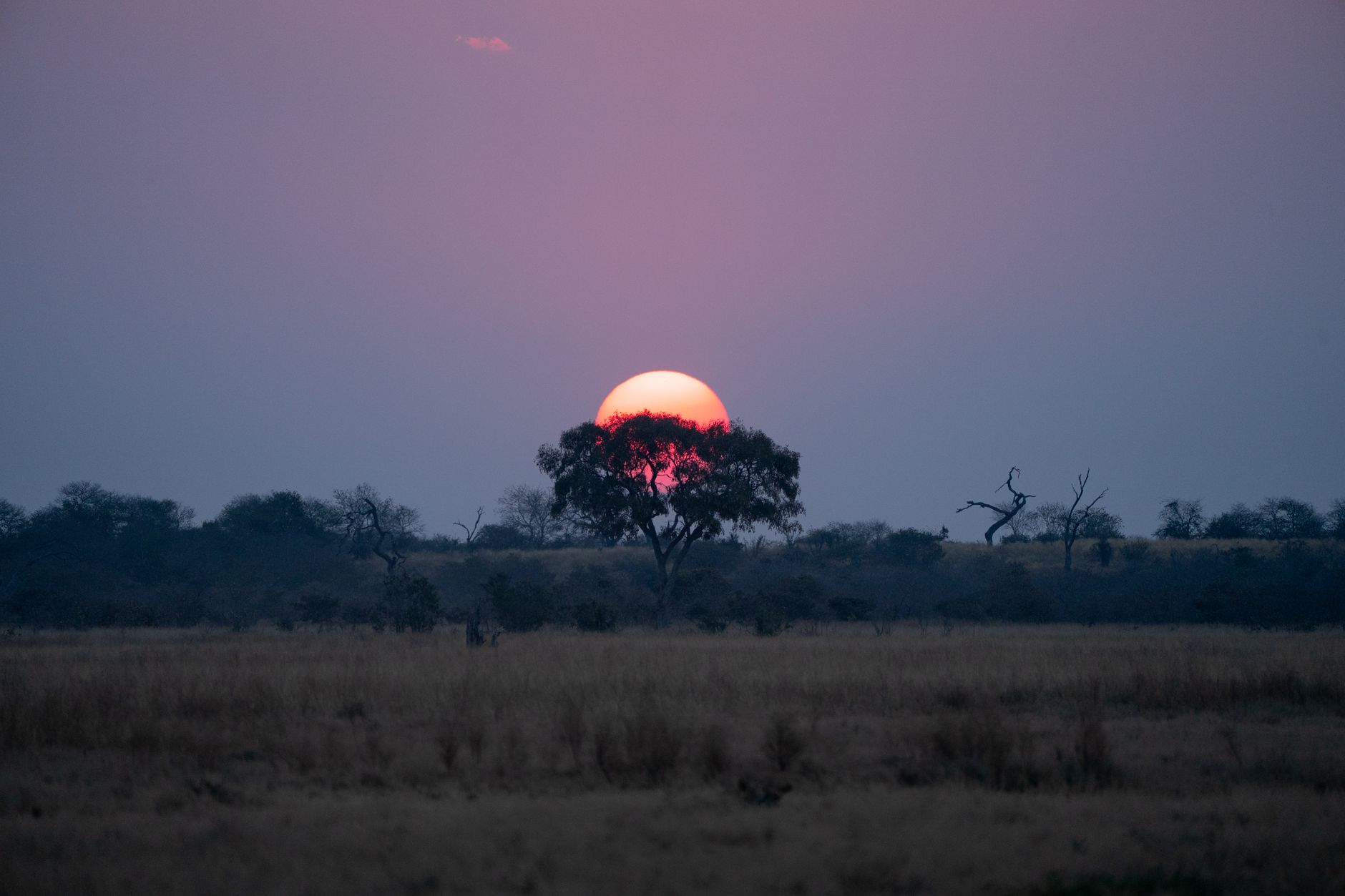
Botswana's sun is strong, even on overcast days. Protecting yourself is crucial for enjoying your time outdoors.
- High-SPF Sunscreen: A broad-spectrum sunscreen (SPF 30 or higher) for all exposed skin.
- Wide-Brimmed Hat: Essential for protecting your face, neck, and ears.
- Polarised Sunglasses: To reduce glare and protect your eyes.
- Insect Repellent: Choose a repellent containing DEET for the most effective protection against mosquitoes, especially during the wetter season. Always consult your doctor or a travel clinic regarding malaria precautions well in advance of your trip.
- Personal First-Aid Kit: Include basics like plasters, antiseptic wipes, pain relievers, and any personal prescription medications you require. While our lodges are equipped with first aid, having your own small kit is always a good idea.
Gadgets and Gear
While the goal is to connect with nature, a few pieces of tech are indispensable for a modern safari.
- Camera and Lenses: With extra batteries and memory cards. The Green Season's light and landscapes are spectacular, so you’ll likely take more photos than you expect.
- Binoculars: This is perhaps the most important piece of safari equipment. A good pair of binoculars (8x42 or 10x42 are popular choices) brings the wildlife up close, from a distant leopard in a tree to the intricate patterns on a lilac-breasted roller.
- Portable Power Bank: To keep your phone and camera charged, especially in more remote camps.
- Universal Travel Adapter: Botswana uses Type D, G, and M plugs, so a universal adapter is your best bet.
- Headlamp or Small Torch: Invaluable for walking around camp after dark.
Documents and Luggage
Pay close attention to luggage restrictions, as most safaris in Botswana involve travel on small light aircraft where space and weight are strictly limited. A soft-sided duffel bag (with no rigid frame or wheels) is mandatory. It should weigh no more than 20kg (44lbs), including hand luggage.
Packing for Specific Regions and Activities
Your exact packing list might vary slightly depending on where in Botswana you’re headed. The Green Season brings unique opportunities to different ecosystems.
In the magnificent Okavango Delta, the floodwaters are beginning their annual journey from the Angolan highlands. This means water-based activities like mokoro (traditional dugout canoe) excursions are central to the experience at camps like Atzaró Okavango Camp. For these activities, quick-drying shorts and water-friendly sandals can be very useful.
Further north, Chobe is renowned for its immense elephant herds. In March, you’ll find them enjoying the lush vegetation along the river. A boat cruise on the Chobe River is a must, and a stay at a camp like &Beyond Chobe Under Canvas puts you right in the heart of the action. Your waterproof jacket and binoculars will be your best friends here.
The private reserves of the Linyanti offer a similar blend of water and land activities. This area is known for its predator concentrations, and the verdant landscape provides a stunning backdrop for photography. An expedition-style camp such as Linyanti Expeditions delivers an immersive experience in this wild corner of the country.
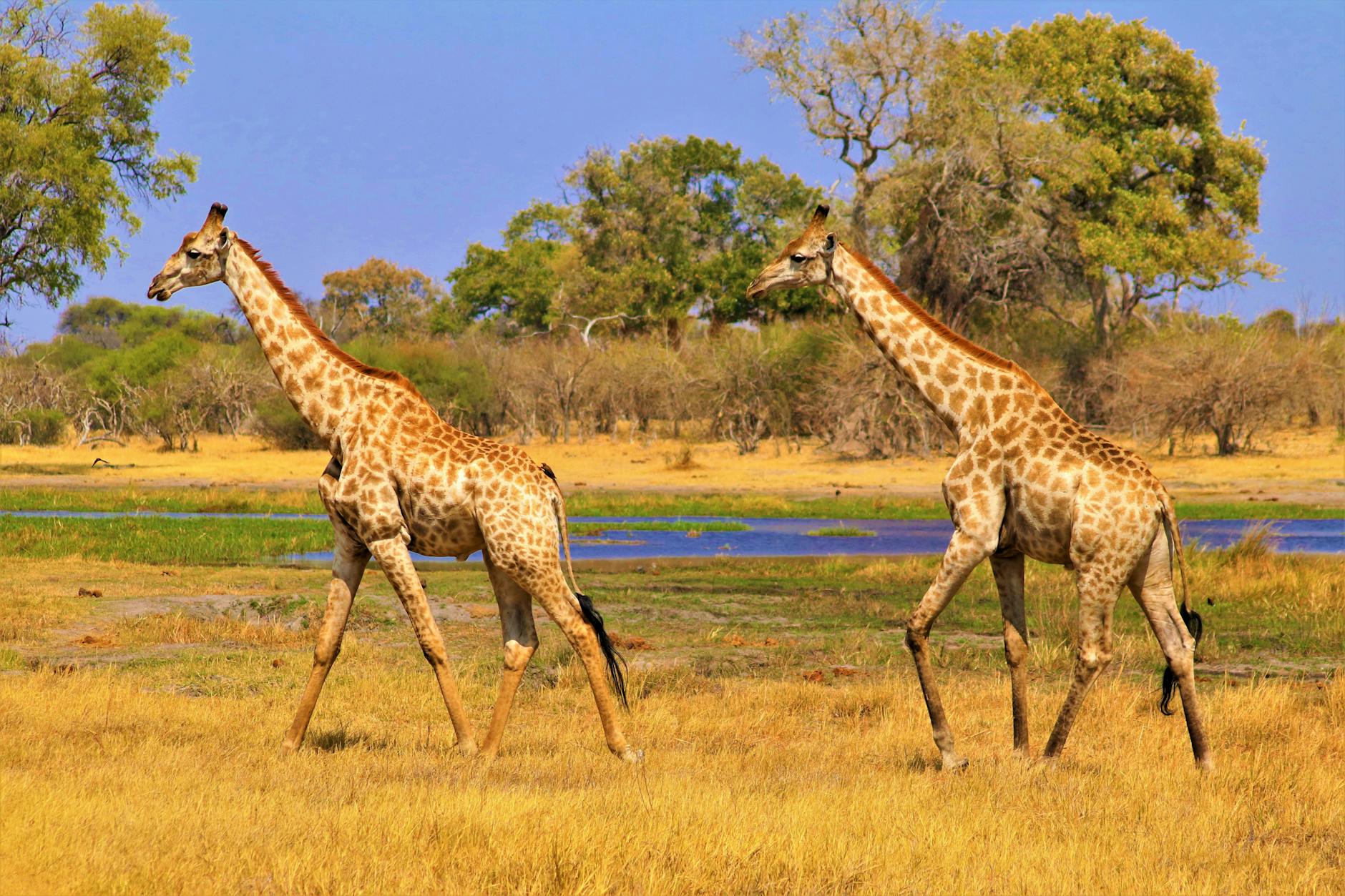
Ultimately, a safari in March is an embrace of life in its most verdant, energetic form. The air is clear, the dust has settled, and the wilderness feels refreshed and alive. By packing thoughtfully, you free yourself to fully immerse in the moment, whether that’s watching a newborn impala take its first steps or marvelling at the thunderous beauty of an African storm. With this guide on what to pack for Botswana in March, you are well on your way to a comfortable, prepared, and truly unforgettable adventure.
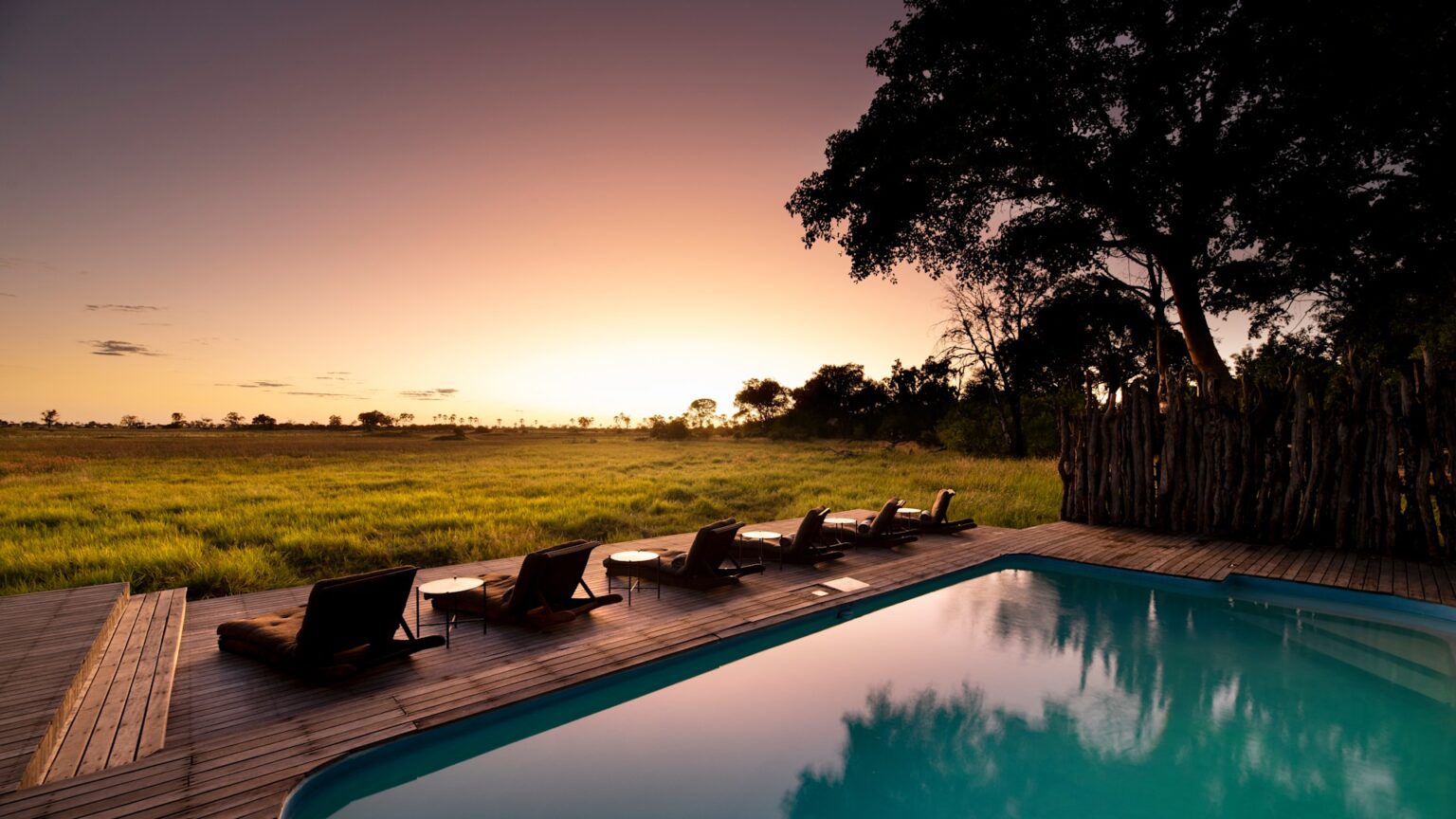
Where to stay in Okavango Delta
Browse handpicked places to stay — many with live availability and instant booking.
 4.8(61)
&Beyond Nxabega Okavango Tented Camp
Okavango Delta, Botswana
 4.6(53)
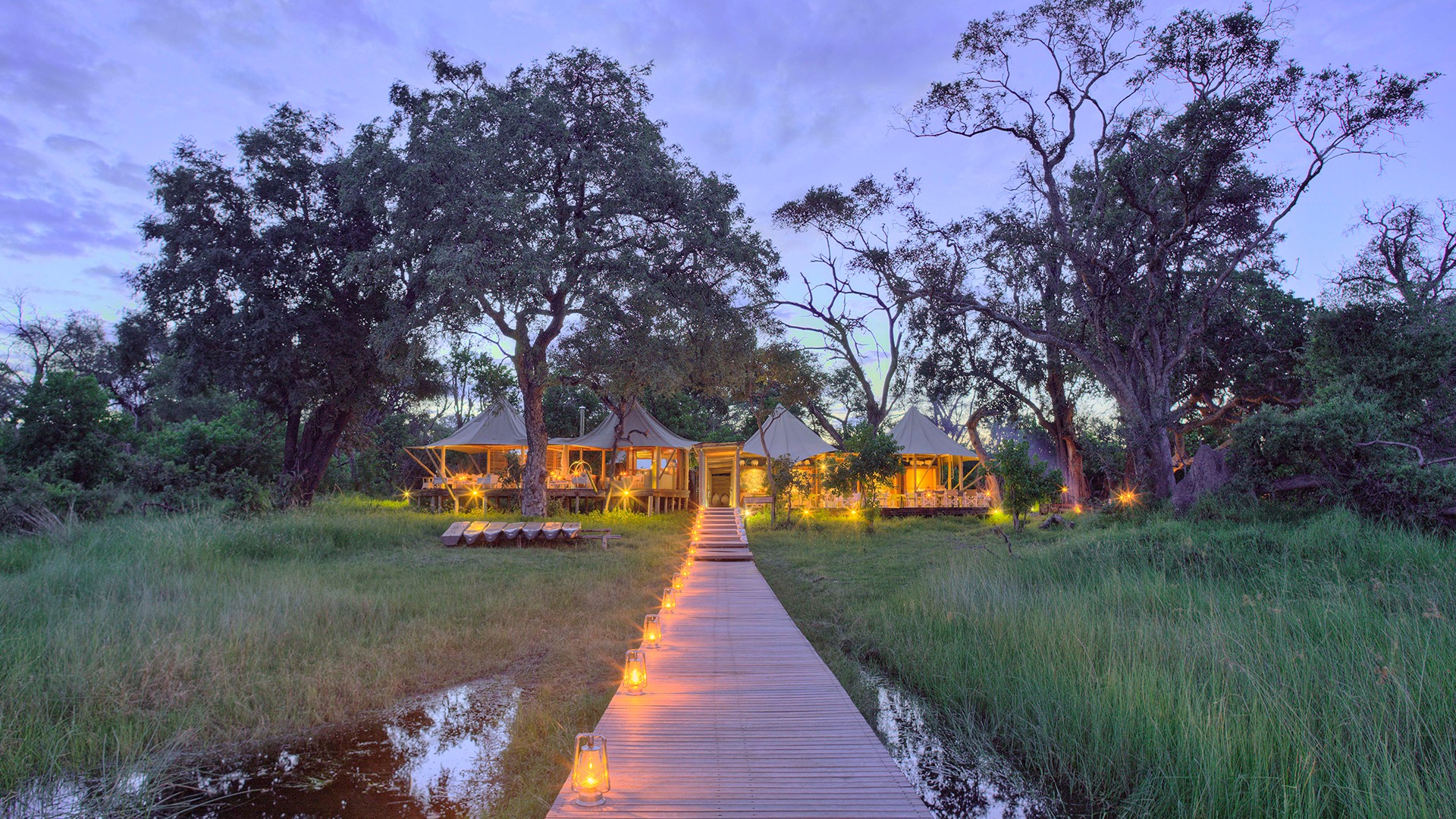
&Beyond Xaranna Okavango Delta Camp
Okavango Delta, Botswana
 4.7(70)
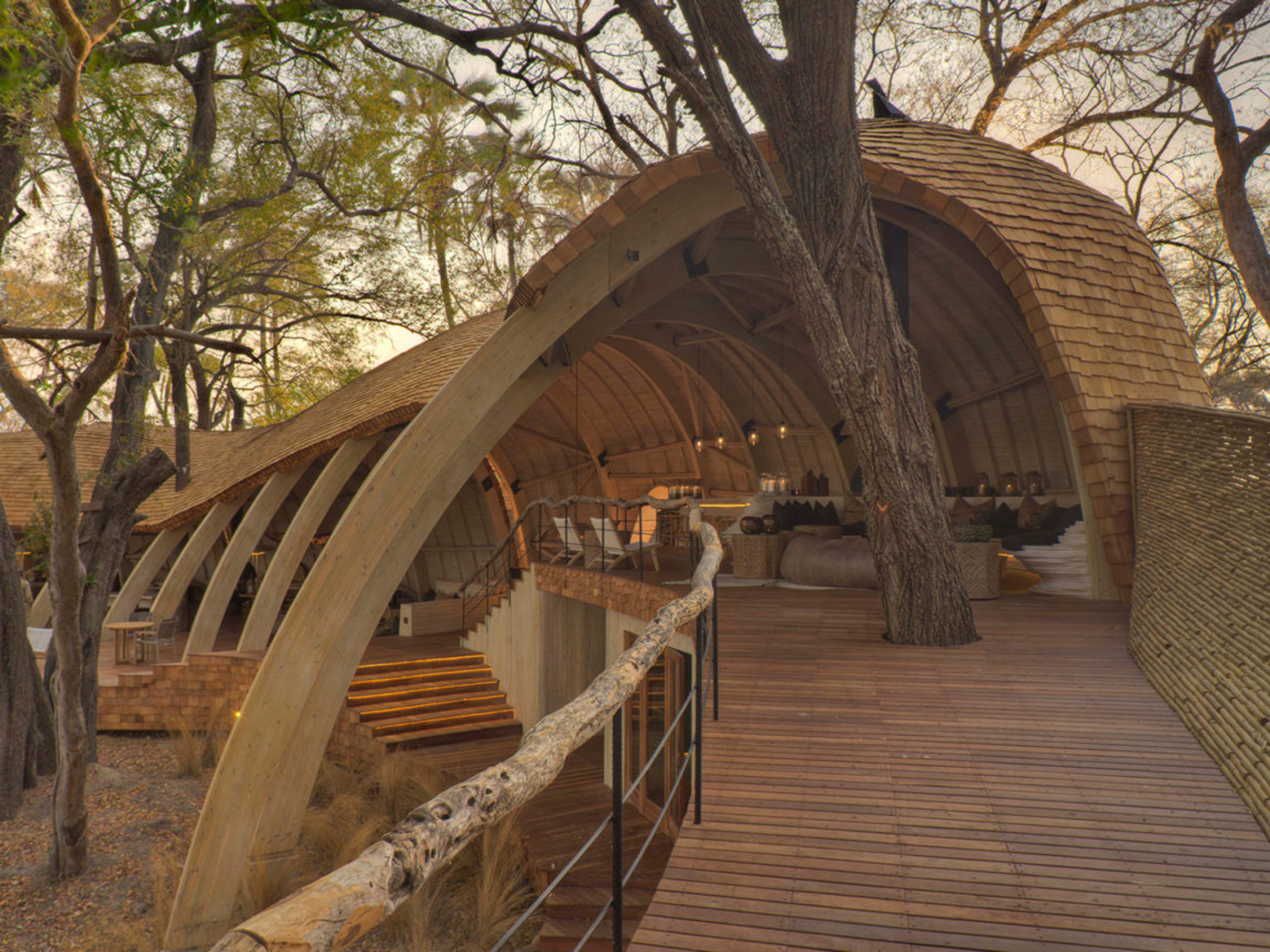
&Beyond Sandibe Okavango Safari Lodge
Okavango Delta, Botswana
 0(0)
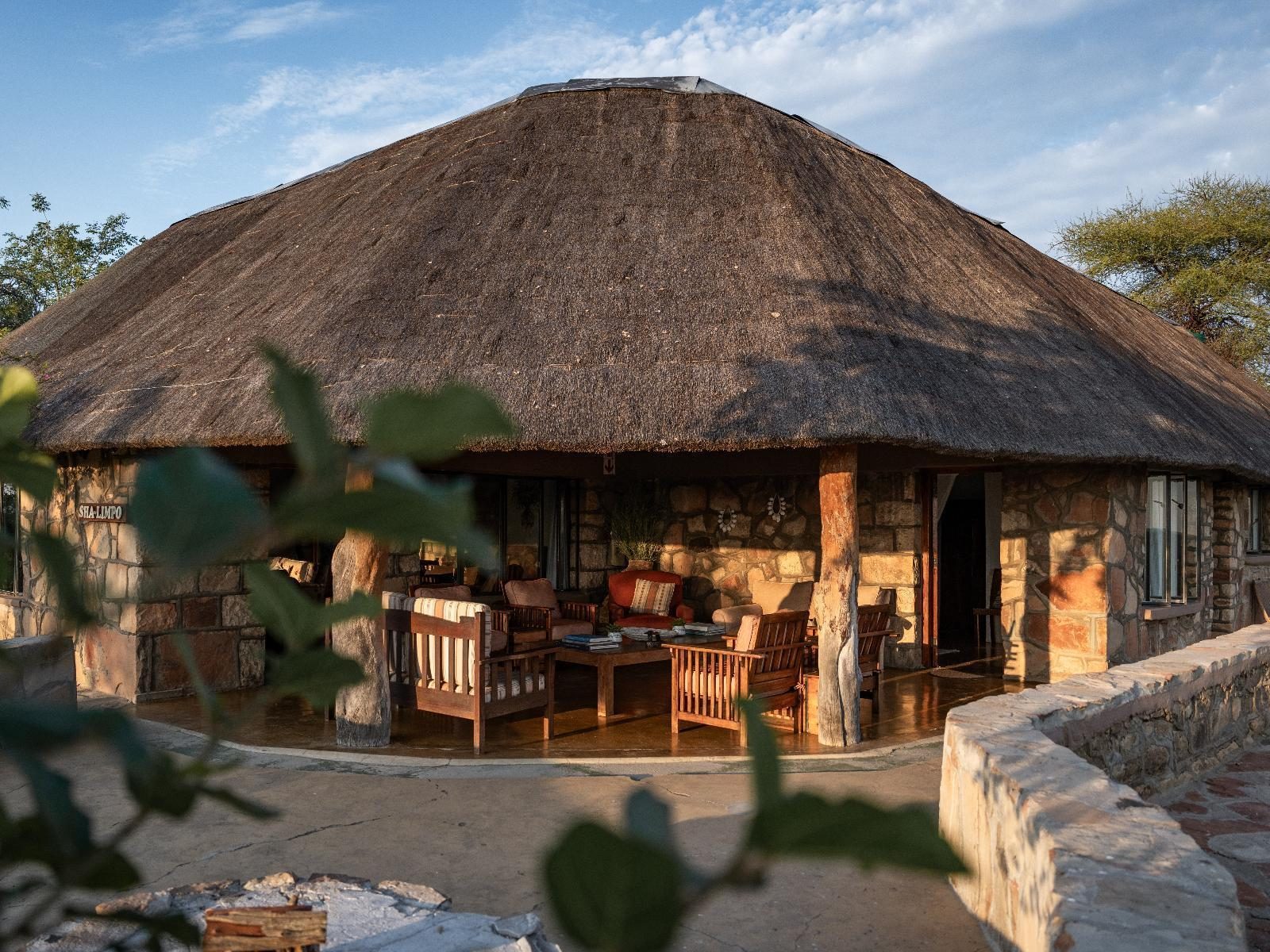
0(0)Shalimpo Safari Home
Northern Tuli Game Reserve, Botswana
 5(3)
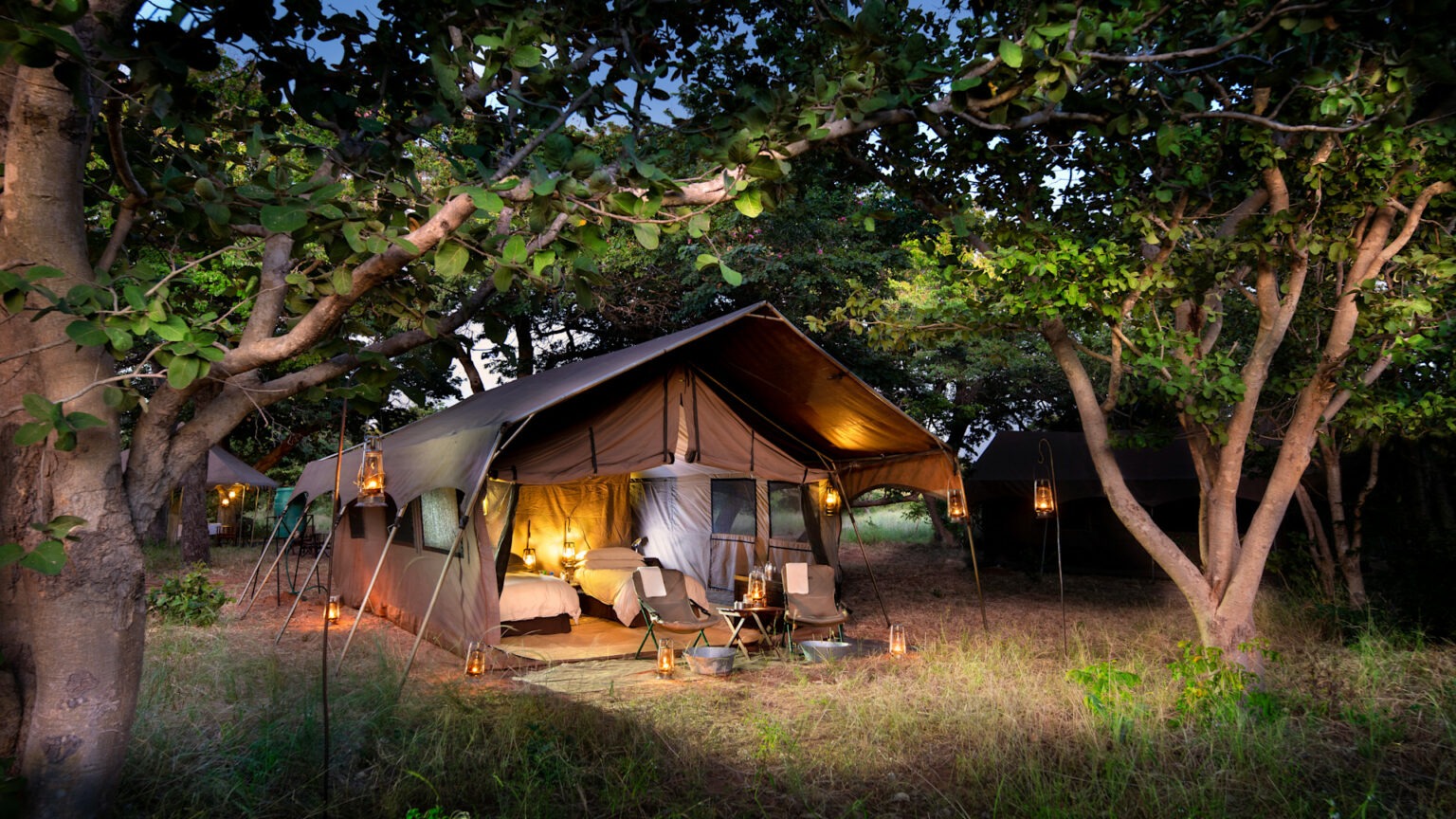
5(3)&Beyond Chobe Under Canvas
Chobe National Park, Botswana
 5(8)
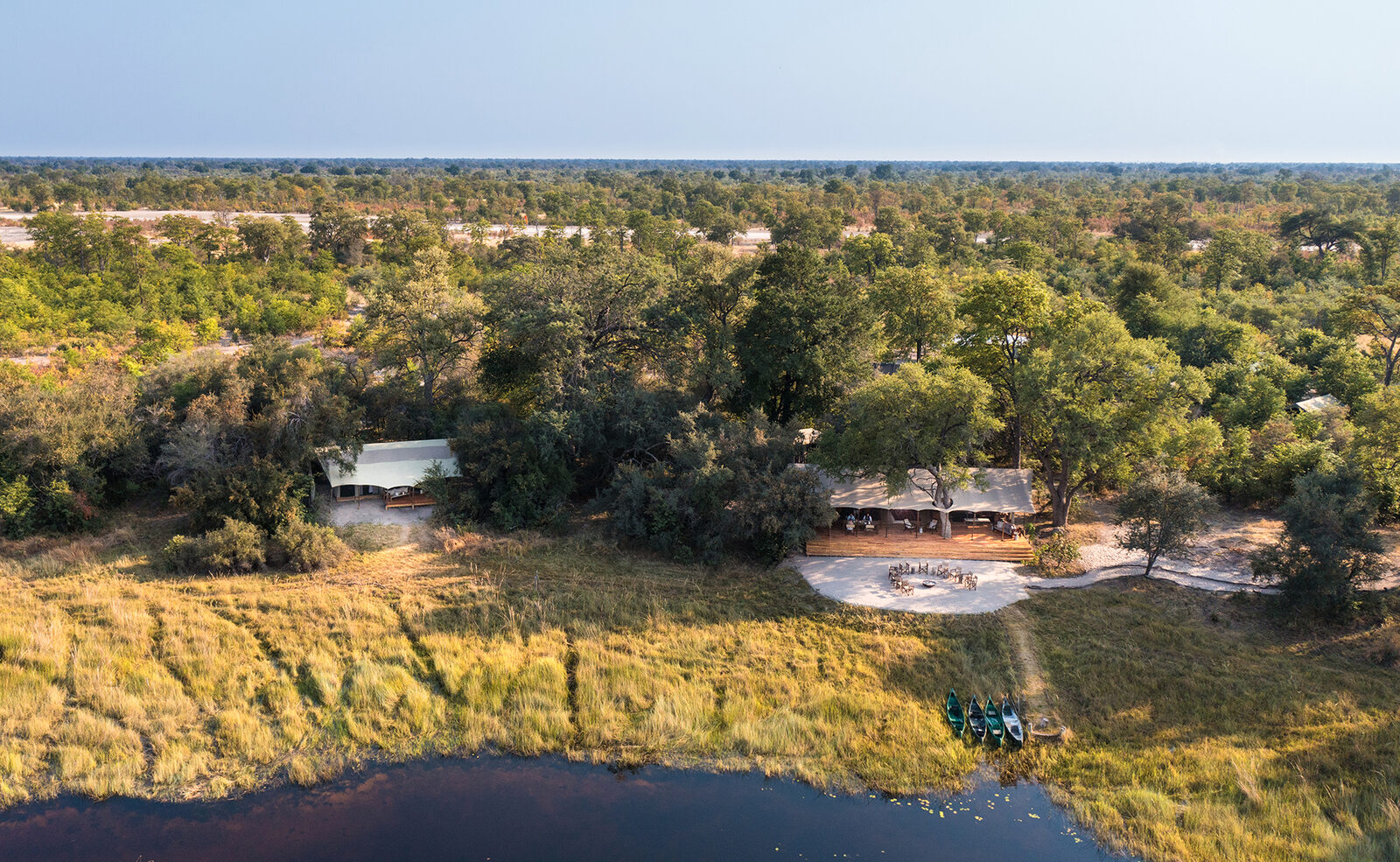
5(8)Okavango Explorers Camp
Selinda Reserve, Okavango Delta, Botswana
Ready to plan your trip?
Check live availability, compare lodges and book instantly — or send us an enquiry and we'll help shape the route.
Keep reading
See our safari advice first on Google
One tap tells Google you want Safari Stays shown higher when you search for safari and travel news. It takes a second and you can undo it anytime.
Make Safari Stays a preferred source on Google