An Expert Guide to Botswana for First Timers
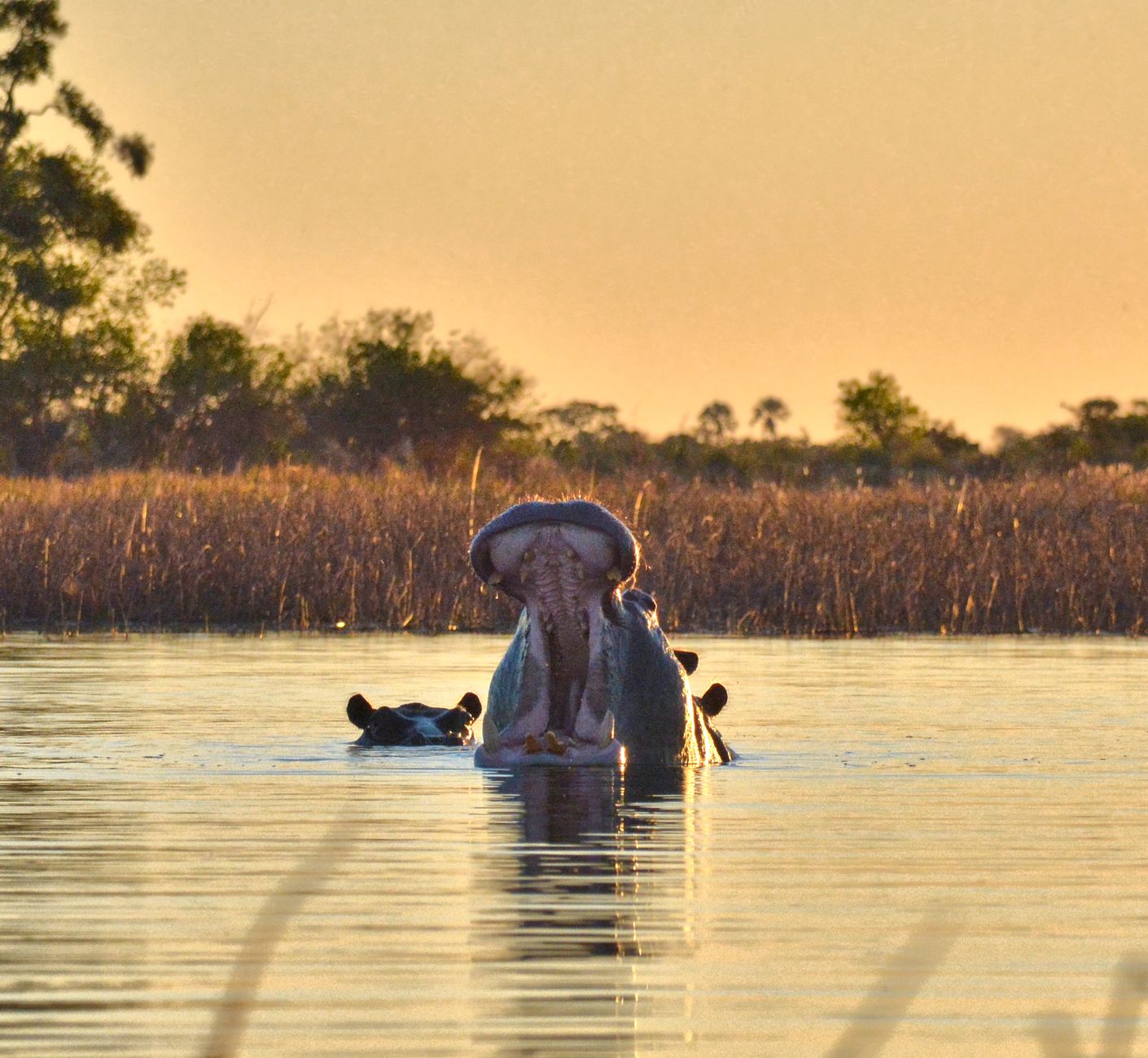
There is a rhythm to Botswana that you feel before you see. It’s in the quiet lapping of water against a dugout canoe, the distant roar of a lion at dusk, and the vast, star-dusted silence of the Kalahari. For those dreaming of a first African safari, there is no destination more pure or more profound. But planning a trip to this wild heart of the continent can feel like a grand undertaking. This guide to Botswana for first timers is designed to demystify the process, offering a clear path to crafting an unforgettable journey.
Why Botswana?
Unlike many other safari destinations, Botswana has long championed a forward-thinking policy of low-volume, high-value tourism. The result is a land that feels genuinely untouched. Here, you will not find paved roads in the premier wildlife areas or queues of vehicles at a sighting. Instead, you find exclusivity, intimacy, and a deep sense of immersion in one of the last truly wild places on Earth.
This commitment to conservation means that the wilderness is pristine, the wildlife is prolific, and the experience is unparalleled. From the shimmering waterways of the Okavango Delta to the stark, beautiful pans of the Makgadikgadi, Botswana offers a diversity of landscapes that translates into a rich and varied safari adventure.
Planning Your Botswana for First Timers Itinerary
Crafting the perfect first-time safari is about timing, logistics, and choosing the right combination of regions. Botswana's distinct seasons and reliance on light aircraft travel are key factors to understand.
When to Visit: Dry Season vs. Green Season
There is no single “best” time to visit; it depends entirely on what you wish to experience. The dry season (roughly May to October) is the peak safari period. As seasonal waterholes dry up, animals are forced to congregate along the permanent rivers and in the Okavango Delta. The vegetation is sparse, making wildlife easier to spot. The days are warm and sunny, while the nights are crisp and cool.
The green season (November to April) offers a different kind of magic. Afternoon thunderstorms transform the landscape into a lush, emerald paradise. This is the time of new life, with migratory birds arriving in their thousands and many animals giving birth. While wildlife can be harder to spot in the thicker bush, the photography is spectacular, the crowds are fewer, and you may benefit from lower seasonal rates. It's a wonderful time for avid birders and returning visitors seeking a new perspective.
How You'll Explore: The Fly-in Safari
A quintessential part of the Botswana experience is the journey itself. Most premier lodges are accessible only by light aircraft. These “fly-in” safaris are not just a means of transport; they are a breathtaking introduction to the scale of the wilderness. Flying low over the Okavango, you can trace the intricate network of channels and spot herds of elephants and giraffe from above—an unforgettable prelude to your adventures on the ground.
The alternative is a guided mobile safari, where you travel between locations by 4x4 with a private guide and camp crew. This offers a more grounded, continuous journey through the landscape, though it covers less distance than a fly-in itinerary.
The Unmissable Regions
For a first-time visitor, combining two or three distinct regions provides a comprehensive and deeply rewarding experience. A classic itinerary often pairs the water-based activities of the Delta with the magnificent herds of Chobe.
The Okavango Delta: The Jewel of the Kalahari
The Okavango is a miracle of nature—a vast inland delta that fans out across the Kalahari Desert, creating a 15,000-square-kilometre wetland oasis. Life here is dictated by the annual floodwaters that arrive from the Angolan highlands. A safari in the Okavango Delta is about more than just game drives.
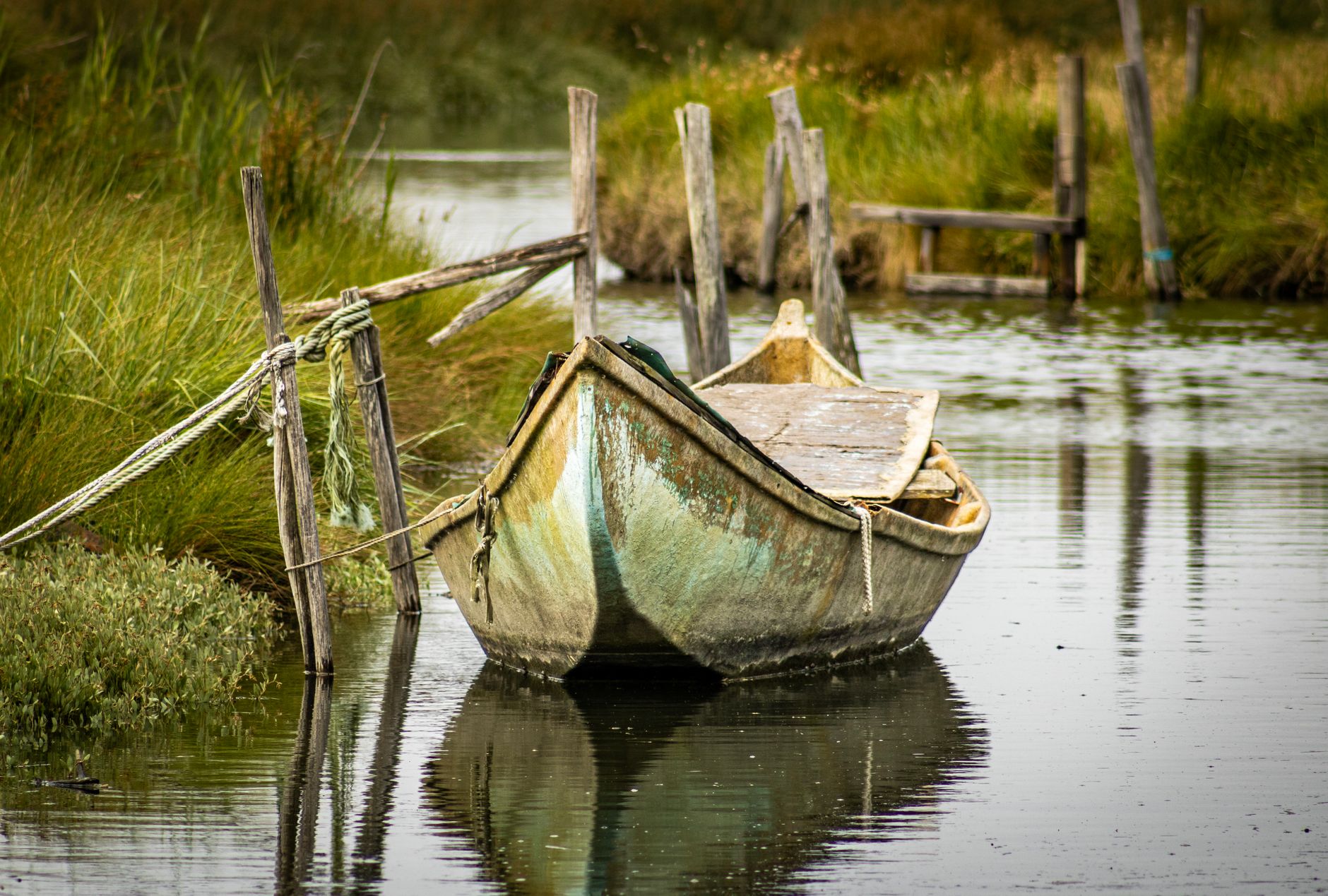
It’s about gliding silently through lily-covered channels in a mokoro (traditional dugout canoe), propelled by a poler who shares stories of the bush. It's exploring the deeper lagoons by motorboat, getting eye-level with hippos and crocodiles. It's embarking on guided walking safaris on game-rich islands, following the tracks of giraffes and zebra. The wildlife is superb, with healthy populations of predators and a rich diversity of plains game.
Chobe National Park: Land of Giants
Home to an estimated 120,000 elephants, Chobe National Park is a place of staggering abundance. The Chobe Riverfront in the north is the park's most famous area. Here, afternoon boat cruises offer a unique perspective, allowing you to watch enormous herds of elephants drink, play, and swim in the river, often just metres away. The river also attracts a wealth of other life, including immense pods of hippos, large crocodiles, and an incredible array of water birds.
Further south lies the remote Savuti region, a landscape known for its intense predator action. The Savuti Channel has a mysterious history of flowing and drying up for decades at a time, creating a dramatic stage for clashes between lion prides and hyena clans. If you want to dive deeper into the elephant story, you can read more about Chobe's elephants on our blog.
The Kalahari: A Different Kind of Wild
To truly appreciate Botswana’s diversity, consider adding the Central Kalahari Game Reserve or the Makgadikgadi Pans to your itinerary. This semi-arid desert environment is a world away from the lush delta. Here, the sense of space is immense, the silence profound. You'll track the famed black-maned lions of the Kalahari, spend time with habituated meerkat families, and search for elusive species like the brown hyena and bat-eared fox. In the Makgadikgadi, you can quad bike across surreal salt pans that stretch to the horizon.
What to Pack for Your First Safari
Packing is straightforward, with an emphasis on practicality and the strict luggage limits (typically 15-20kg per person in a soft-sided bag) for light aircraft flights.
- Clothing: Neutral, earthy tones are essential (khaki, beige, olive, brown). Avoid bright colours and white. Pack lightweight layers: long-sleeved shirts for sun protection, t-shirts, shorts, and a warmer fleece or jacket for chilly mornings and evenings.
- Footwear: Comfortable, closed-toe walking shoes are sufficient for most activities. A pair of sandals or flip-flops is useful for around camp.
- Sun Protection: A wide-brimmed hat, high-SPF sunscreen, and quality sunglasses are non-negotiable.
- Optics & Tech: A good pair of binoculars (8x42 or 10x42 are ideal) will transform your wildlife viewing. Bring your camera, extra batteries, and memory cards. A power bank can be useful.
- Health: Insect repellent containing DEET and any personal medications.
- Luggage: A soft-sided duffel bag or holdall without wheels is mandatory for an easy fit into the small aircraft luggage pods.
A Final Word on Your Journey
Botswana is more than a destination; it's an investment in preservation. Your visit directly supports the country’s conservation model, helping to protect its wilderness and empower the communities that are its custodians. Lodges like the iconic Khwai River Lodge are deeply integrated with their local communities, ensuring that the benefits of tourism are shared.
Embarking on a journey to Botswana for first timers is to step into a world defined by nature’s rhythms. It’s an adventure that recalibrates the soul and leaves an indelible mark. This is not just a holiday; it's a connection to something ancient, wild, and truly magnificent.
Ready to begin your journey? Explore our curated collection of Botswana's finest lodges and let our safari experts help you craft the perfect itinerary.
Ready to plan your trip?
Check live availability, compare lodges and book instantly — or send us an enquiry and we'll help shape the route.