Your Complete Chobe River Safari Guide

The Chobe River is the enduring lifeblood of northern Botswana. It flows languidly along the edge of the nation’s first and most biologically diverse national park, drawing in staggering concentrations of wildlife to its banks. A safari here is unlike any other in Africa, defined not just by what you see, but how you see it: from the water. This is a place of profound encounters, where the rhythm of the day is dictated by the river’s timeless pulse. To help you navigate this remarkable destination, we have crafted this comprehensive Chobe River safari guide to share the magic we know and love.
Why a Chobe River Safari?
While Botswana offers a tapestry of extraordinary landscapes, from the shimmering salt pans of Makgadikgadi to the pristine waterways of the Okavango Delta, Chobe possesses a character all its own. Its global fame is built on one animal in particular: the elephant. Chobe National Park is home to the largest single concentration of elephants in Africa, estimated at over 50,000 individuals. During the dry season, these vast herds are drawn to the river, creating a wildlife spectacle that is simply monumental.
A river safari offers a unique and intimate perspective. Gliding along the water in a small, stable boat allows for exceptionally close and quiet viewing. You are at eye-level with drinking elephants, slumbering pods of hippos, and basking crocodiles. The photography opportunities are unparalleled, with soft morning and evening light reflecting off the water, creating a golden glow around your subjects. It is a peaceful yet deeply thrilling way to experience the bush, complementing the classic overland game drive perfectly.
Understanding the Chobe Ecosystem
Chobe National Park is a vast and varied wilderness covering over 11,700 square kilometres. While the river is its most famous feature, the park is comprised of several distinct ecosystems, each offering a different safari experience. A well-rounded Botswana itinerary might include more than one.
The Chobe Riverfront (Serondela)
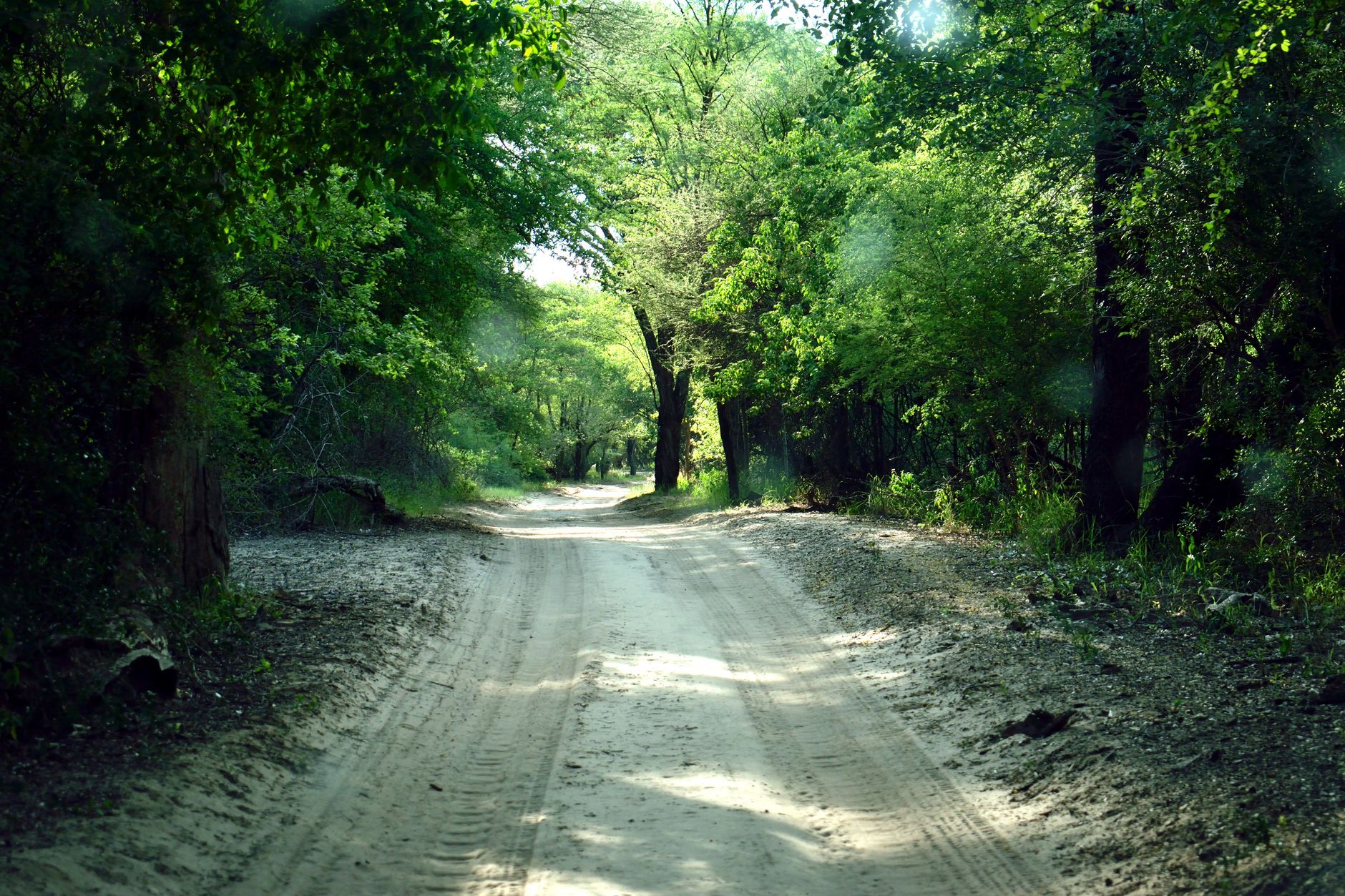
This is the heart of the Chobe experience and where all river safaris take place. Located in the northeast of the park, this strip of land is characterized by lush floodplains and dense forests of mahogany and teak. It is easily accessible from the town of Kasane, making it a popular and rewarding destination. The constant water source ensures that wildlife is abundant year-round, though it peaks dramatically in the dry months.
Savuti Marsh
Further south lies the legendary Savuti Marsh, a landscape of starkly different character. Known for its open grasslands and isolated rock kopjes, Savuti has a hard-earned reputation as a predator’s arena. It is famous for its powerful lion prides, which have historically been documented hunting elephants, as well as leopard, cheetah, and spotted hyena. While the Savuti Channel can be flowing or dry, the experience here is predominantly land-based and beautifully complements a river safari. You can learn more about this area in our post on exploring the dynamic Savuti Marsh.
Linyanti Wetlands
To the northwest, the Linyanti River forms another of Botswana's incredible wetland systems. Bordering Namibia's Caprivi Strip, this remote and exclusive region consists of private concessions offering a more secluded safari. Like Chobe, it boasts high concentrations of elephants and general game, and it is a stronghold for the endangered African wild dog. The experience here is one of pristine, untouched wilderness.

Your Definitive Chobe River Safari Guide
Planning is key to making the most of your adventure. Understanding the seasonal shifts and wildlife movements will help shape an unforgettable journey.
When to Visit Chobe
The park offers superb game viewing throughout the year, but the experience changes significantly with the seasons.
The Dry Season (approximately May to October) is widely considered the peak season for a Chobe River safari. As inland water sources evaporate, wildlife congregates in immense numbers along the riverfront. The vegetation is sparse, making animals easier to spot. The days are warm, clear, and sunny, while the evenings are cool and crisp. This is the best time to witness the enormous herds of elephant and buffalo that have made Chobe famous.
The Green Season (approximately November to April), also known as the Emerald Season, is a time of transformation. Afternoon thunderstorms bring life back to the landscape, turning the plains a vibrant green. It is the primary birding season, with migratory species arriving in their thousands. This is also the calving season for many antelope species, which means the bush is full of new life. While the animals are more dispersed, the scenery is breathtaking, the light for photography is dramatic, and there are generally fewer visitors.
What You Will See: The Wildlife Spectacle
The sheer volume and variety of wildlife along the Chobe River are astounding. While sightings are never guaranteed, you have an excellent chance of encountering a rich cast of characters.
- Elephants: The stars of the show. You will see them in herds of all sizes, from bachelor groups to large breeding herds with tiny calves. Watching them drink, spray themselves with mud, and swim across the channels is a core Chobe memory.
- Cape Buffalo: Vast herds, often numbering in the hundreds, move between the forests and the floodplains to graze.
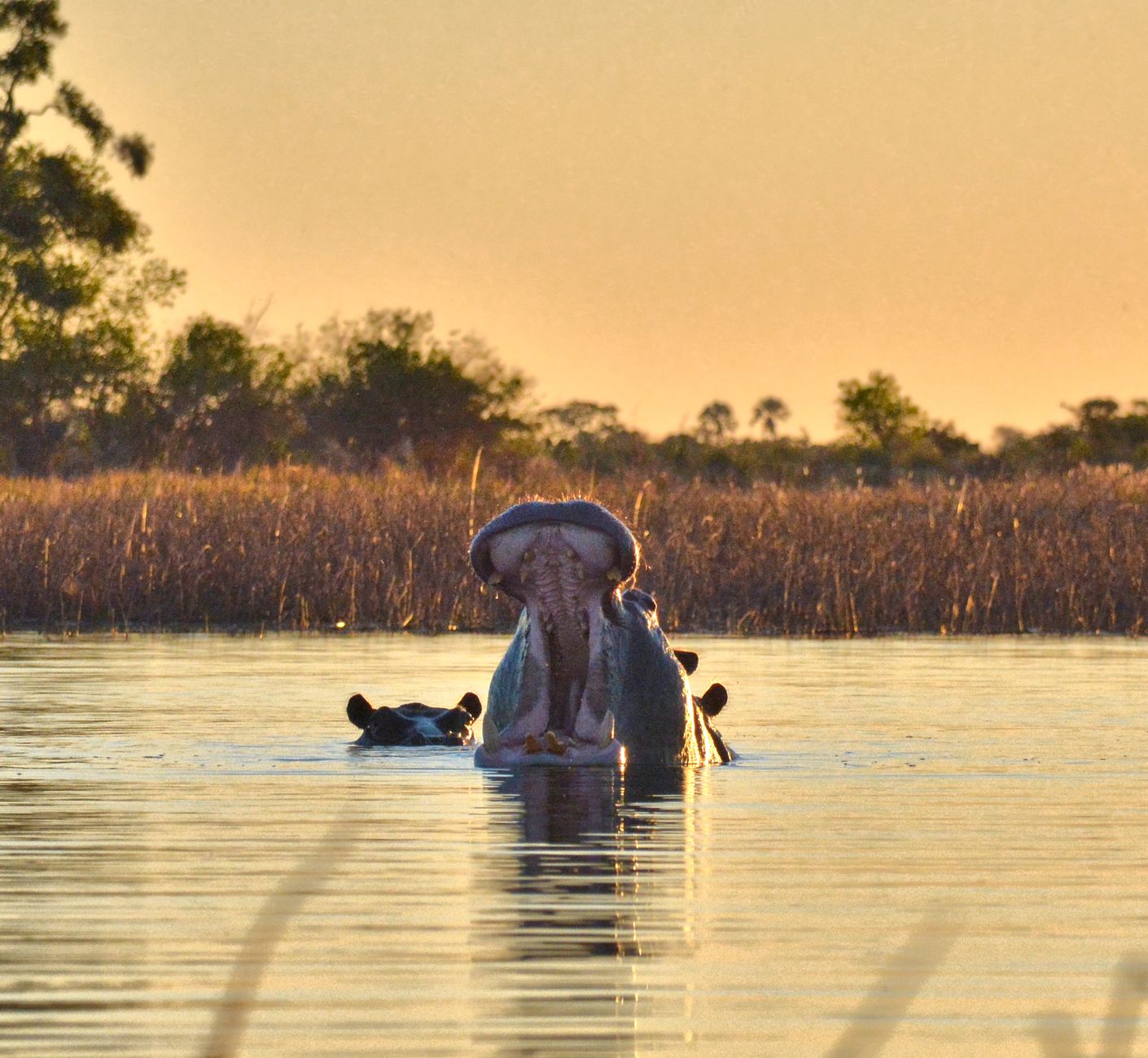
- Hippos and Crocodiles: The river’s permanent residents. Hippo pods grunt and jostle for position in the deeper channels, while some of Africa’s largest Nile crocodiles bask motionlessly on the sandy banks.
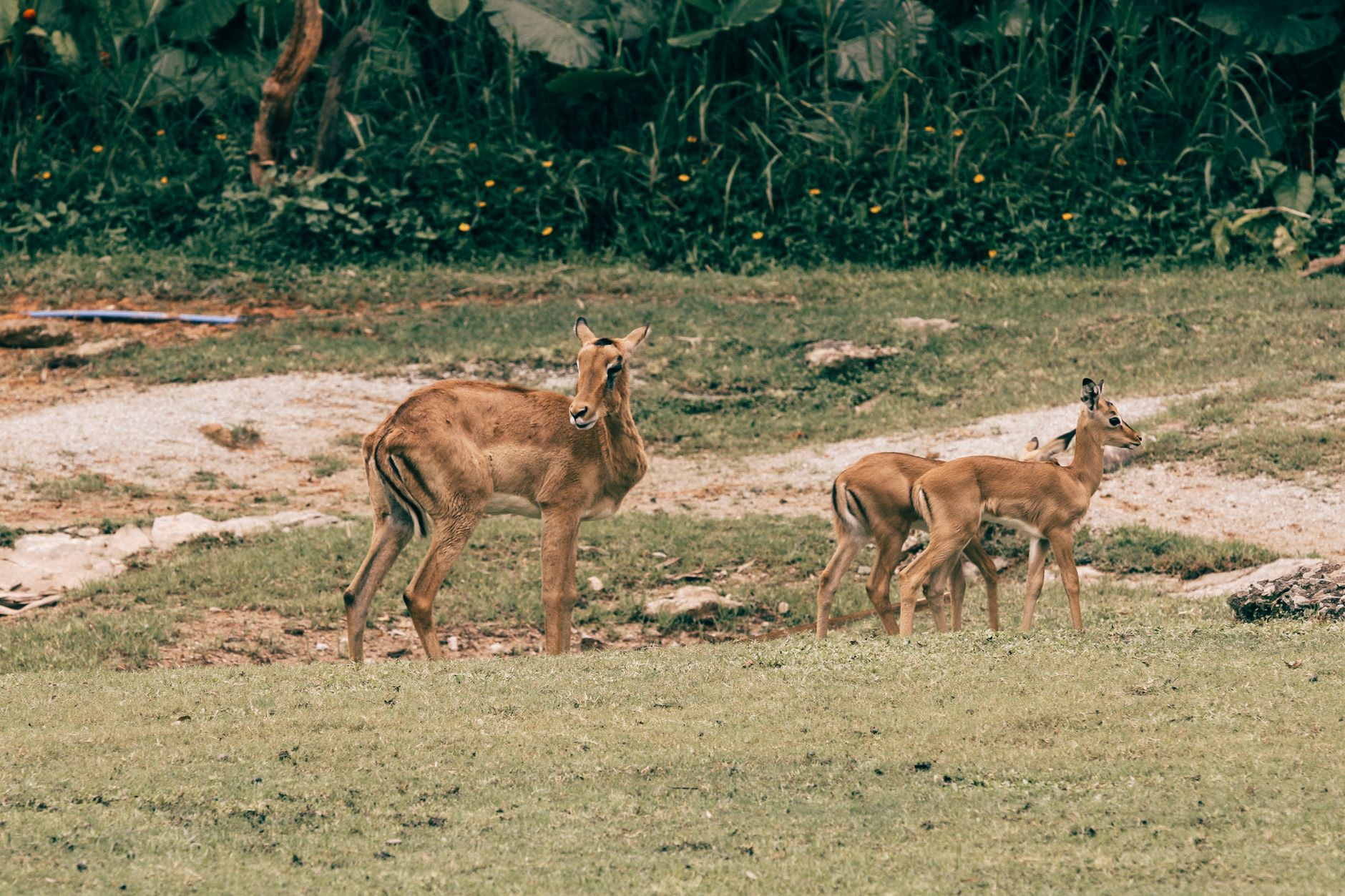
- Antelopes: The riverfront is home to abundant plains game, including the water-loving Puku and Red Lechwe, alongside Impala, Kudu, and the majestic Sable and Roan antelopes.
- Predators: Although more elusive, lions are frequently seen resting in the shade or watching the herds from a distance. Leopards are present but harder to spot. With luck, you may even see a pack of African wild dogs on a game drive.
- Birdlife: Chobe is a birder's paradise with over 450 recorded species. Look for the iconic African Fish Eagle, squadrons of pelicans, vibrant kingfishers, herons, storks, and the stunning Carmine Bee-eater, which nests in the riverbanks during the dry season.
Choosing Your Chobe Accommodation
Where you stay will influence the style of your safari. Most lodges are situated along the river, either near Kasane or in the more exclusive Chobe Enclave to the west. A lodge like the historic Chobe Game Lodge offers the unique advantage of being located entirely inside the National Park. Alternatively, properties in the Enclave, a private concession bordering the park, often provide a quieter experience with activities like walking safaris. Whichever you choose, you will have access to the wonders of the Chobe region.

The Chobe River delivers one of Africa’s most iconic and accessible wildlife encounters. It is a world of immense herds, dramatic sunsets, and the profound peace of gliding on the water, surrounded by nature at its most grand. We hope this Chobe River safari guide has provided a window into this exceptional destination and inspired your own journey to its storied banks.
Whether you are drawn by the promise of swimming elephants or the allure of a sunset cruise, the river awaits. Begin exploring our curated collection of Chobe properties to find the perfect lodge for your Botswana adventure by browsing all our Botswana listings.
Ready to plan your trip?
Check live availability, compare lodges and book instantly — or send us an enquiry and we'll help shape the route.