Chobe National Park: Wildlife, Accommodation & Practical Travel Guide
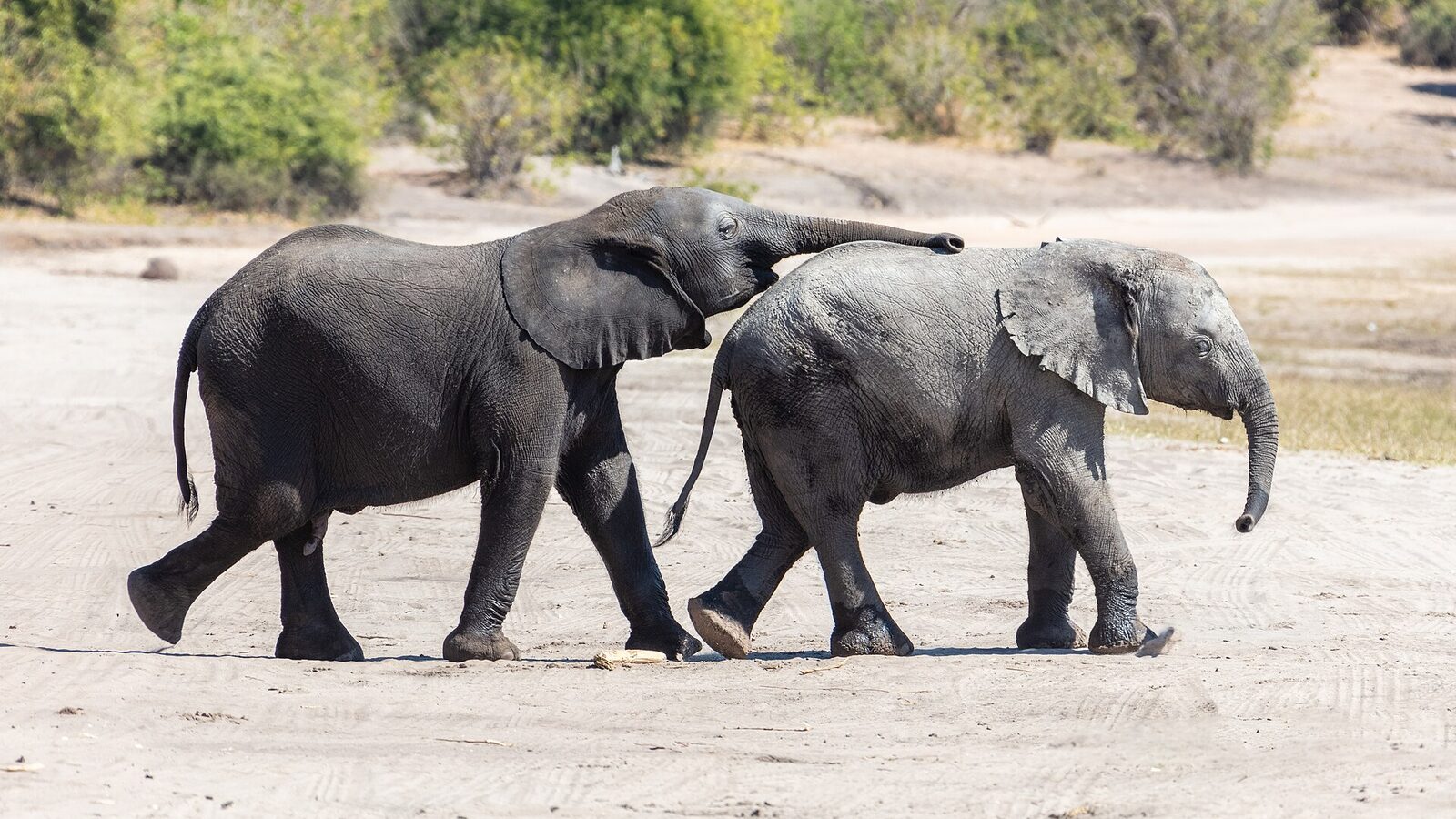
Chobe National Park in northern Botswana is arguably the continent's best destination for elephant. With an estimated 130,000 elephants within the greater Chobe ecosystem — the largest concentration anywhere in Africa — it offers wildlife encounters on a scale found nowhere else. But Chobe is far more than elephants: its diverse habitats also support lion, leopard, wild dog, sable antelope, roan antelope, and over 450 bird species.
Key Facts
- Size: 11,700 km² (approximately)
- Location: Northern Botswana, bordering Zimbabwe, Zambia, and Namibia
- Nearest town: Kasane (the gateway town, with an airport and full facilities)
- UNESCO status: Part of the Kavango-Zambezi Transfrontier Conservation Area (KAZA), one of the world's largest conservation areas
- Best known for: Africa's highest elephant density; prolific Chobe River wildlife
The Four Ecosystems of Chobe
Chobe is not a single uniform landscape. It contains four distinct zones, each offering a different experience.
1. Serondela (Chobe Riverfront)
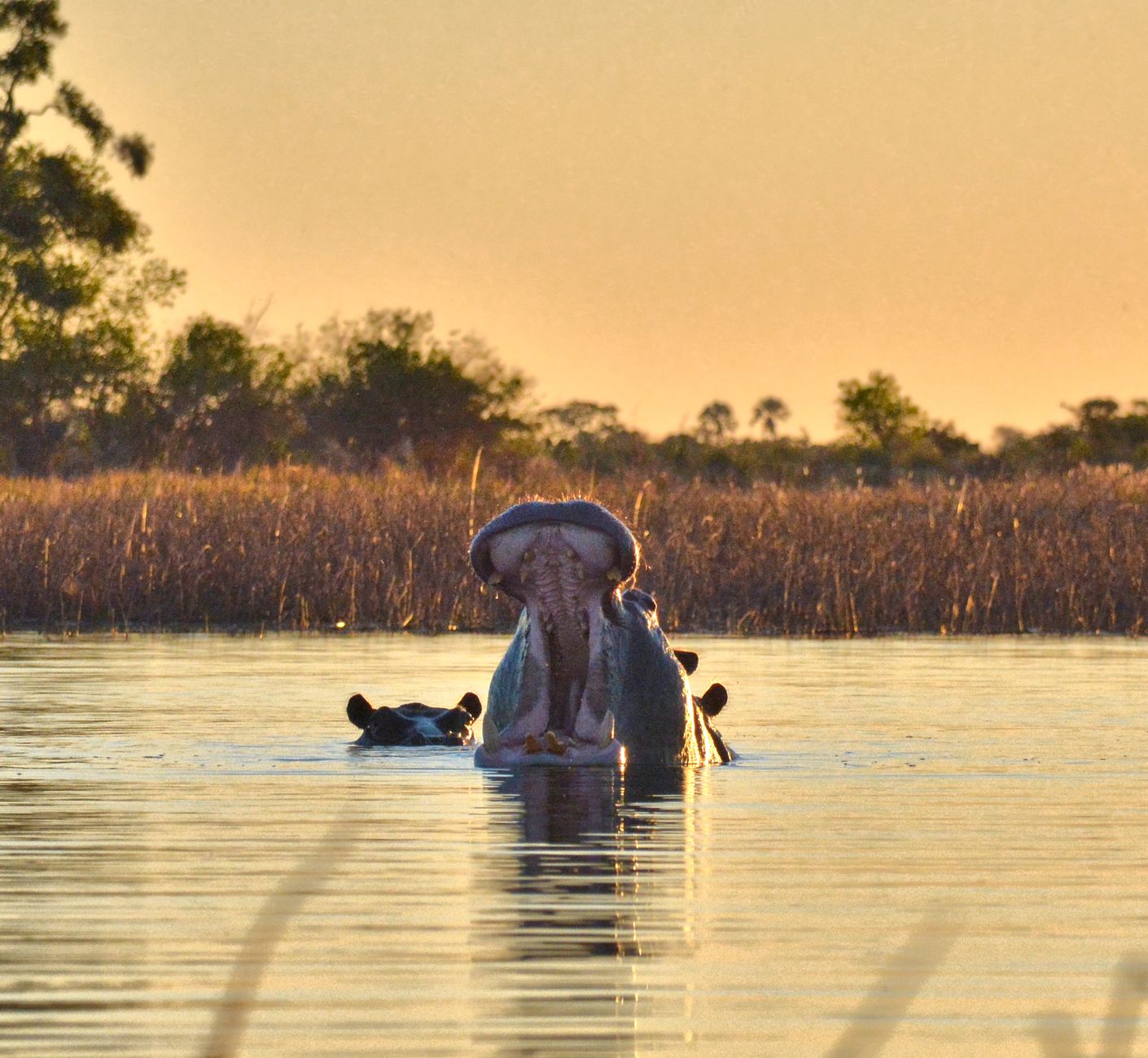
The most visited section, directly accessible from Kasane. The Chobe River provides a permanent water source that sustains enormous concentrations of elephant, buffalo, hippo, and crocodile year-round, with numbers peaking in the dry season. Game drives run along the riverfront road; boat safaris on the river offer a unique perspective, with elephants swimming across channels and lions hunting on the banks.
2. Savuti
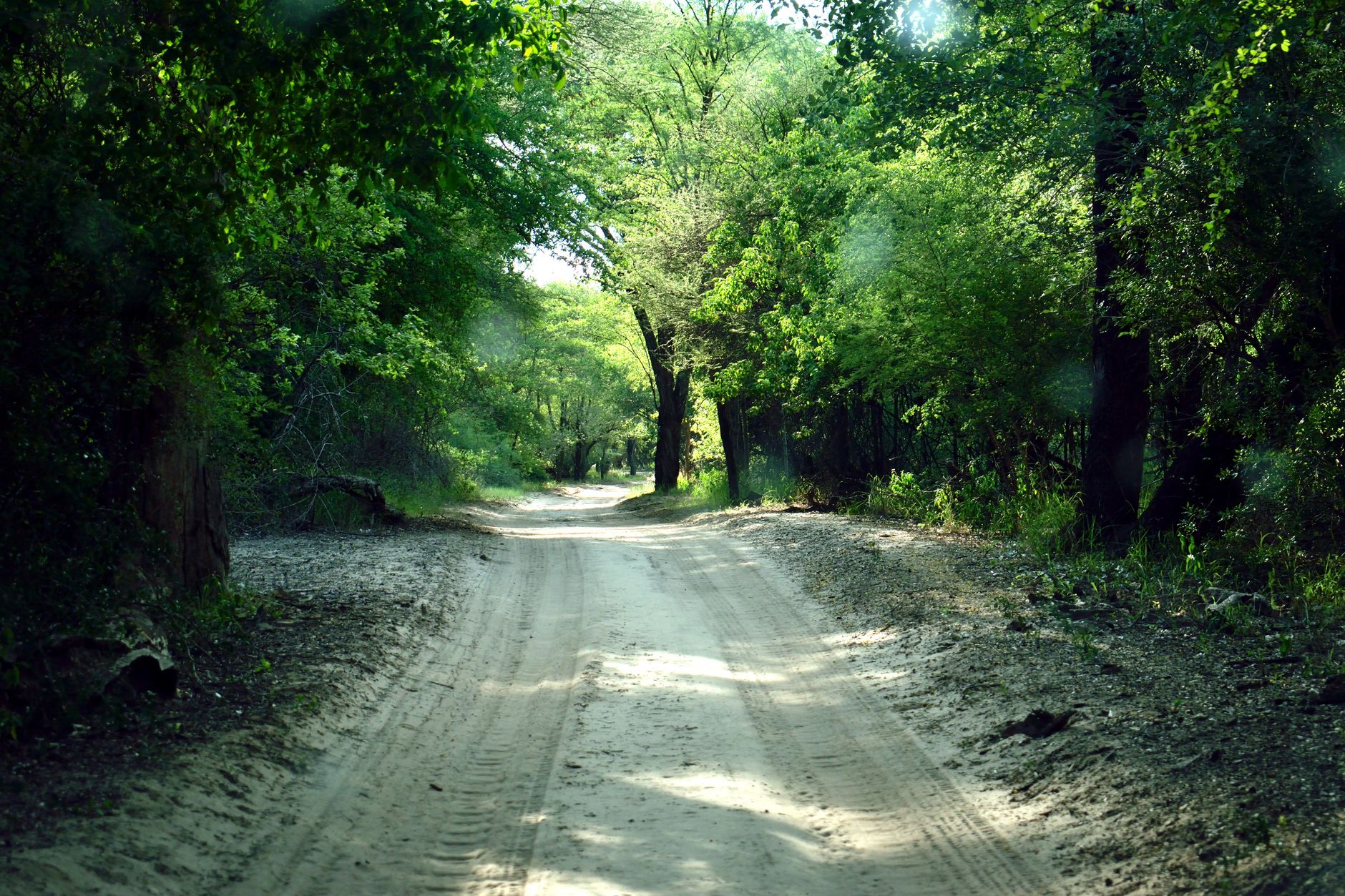
A remote, landlocked section in the south of the park, centred on the ancient Savuti Channel and Marsh. Savuti is famous for its large lion prides and their historical specialisation in hunting elephants. Buffalo herds gather here in their thousands. Savuti is accessible by self-drive 4WD but requires the right vehicle and experience — the tracks are demanding.
3. Linyanti
The western section, bordering Namibia's Caprivi Strip. The Linyanti Swamps and Kwando River attract large concentrations of wildlife, including excellent wild dog sightings. This area is dominated by private conservancies and is largely fly-in, making it one of Botswana's more exclusive destinations.
4. Nogatsaa and Tchinga
The interior woodland zone between Savuti and the Chobe Riverfront. Far fewer visitors, denser woodland, and excellent sightings of roan and sable antelope — two species that are genuinely difficult to find elsewhere in Botswana.
When to Visit Chobe
The Chobe Riverfront is spectacular year-round, but the dry season (May to October) produces the most dramatic concentrations. As the bush dries, thousands of elephant and buffalo converge on the river.
Savuti and Nogatsaa are best visited in the dry season, when roads are accessible and wildlife concentrates. In the wet season, Savuti's grasslands become productive but roads deteriorate significantly.
How to Get to Chobe
By air: Kasane airport receives scheduled flights from Johannesburg (SA Express, Airlink) and Maun. From Kasane, the Chobe Riverfront is a 10-minute drive.
By road from Namibia: The Ngoma border crossing connects Chobe directly to Namibia's Caprivi Strip. Many self-drive travellers combine Namibia and Botswana on a single circuit.
By road from Victoria Falls: Kasane is 80 km from Victoria Falls via the Kazungula border crossing (Zimbabwe) or the Kazungula Ferry (Zambia), making a Chobe/Vic Falls combination easy.
From Maun: Approximately 500 km by tar road — a long but straightforward drive.
Activities in Chobe National Park
Boat safaris on the Chobe River — arguably the park's signature experience. Flat-bottomed pontoon boats cruise the river at eye level with drinking elephants. Afternoon departures offer extraordinary light for photography.
Game drives on the Chobe Riverfront — the riverfront road produces some of the highest wildlife density of any game-viewing drive in southern Africa. Best in early morning and late afternoon.
Self-drive in Savuti — for experienced 4WD travellers, driving Savuti independently is deeply rewarding. There are public campsites, and the solitude is remarkable.
Birding — the Chobe River corridor is an exceptional birding destination. African skimmer, carmine bee-eater, and pel's fishing owl are among the sought-after species.
Accommodation Options
Kasane has a broad range of accommodation outside the park — from budget guesthouses to mid-range lodges with river views. Several large lodges sit on the Chobe riverfront with private jetties for boat safaris.
Inside the park, public campsites operate at Serondela, Savuti, and Linyanti, all bookable through the Botswana Tourism portal. These are basic but well-positioned for wildlife.
Linyanti is dominated by private, high-end camp operators — predominantly fly-in.
Frequently Asked Questions
How long should I spend at Chobe?
Two to three nights on the Chobe Riverfront is the minimum for a worthwhile visit. If you're adding Savuti, budget an additional two to three nights. A full Chobe circuit (Riverfront + Savuti + Linyanti) requires seven to ten days.
Can I combine Chobe with Victoria Falls?
Yes — it's one of the most popular itineraries in southern Africa. Kasane and Victoria Falls are under 100 km apart. A border crossing takes approximately 30–60 minutes. Many visitors combine three to four nights in Chobe with two nights at Victoria Falls.
Is Chobe suitable for self-drive?
The Chobe Riverfront around Kasane is accessible to well-prepared self-drive travellers with a 4WD. Savuti demands more experience and a proper expedition setup. The boat safari experience is best accessed through a lodge or operator based in Kasane.
What is the entrance fee for Chobe National Park?
Park fees are set by the Botswana government and are payable in USD at the gate. As of 2025, fees are approximately USD 30–50 per person per day plus a vehicle fee. Confirm current fees via the Botswana Department of Wildlife and National Parks (DWNP).
Browse Chobe-area lodges and camps on our Botswana accommodation page.
Ready to plan your trip?
Check live availability, compare lodges and book instantly — or send us an enquiry and we'll help shape the route.