Botswana Self-Drive Safari: The Complete Guide for Independent Travellers
A self-drive safari in Botswana is one of the most rewarding ways to explore southern Africa. You set the pace, stay as long as you want at a sighting, and cover ground that guided tours often skip. It also demands preparation: Botswana's remote parks require the right vehicle, adequate supplies, and a realistic understanding of road conditions.
This guide covers everything independent travellers need to know.
Is Botswana Suitable for Self-Drive Safari?
Botswana is a viable self-drive destination for experienced travellers, but it differs from easier self-drive markets like South Africa or Namibia. Key differences:
- Distances between fuel and supplies are long — sometimes 200–400 km
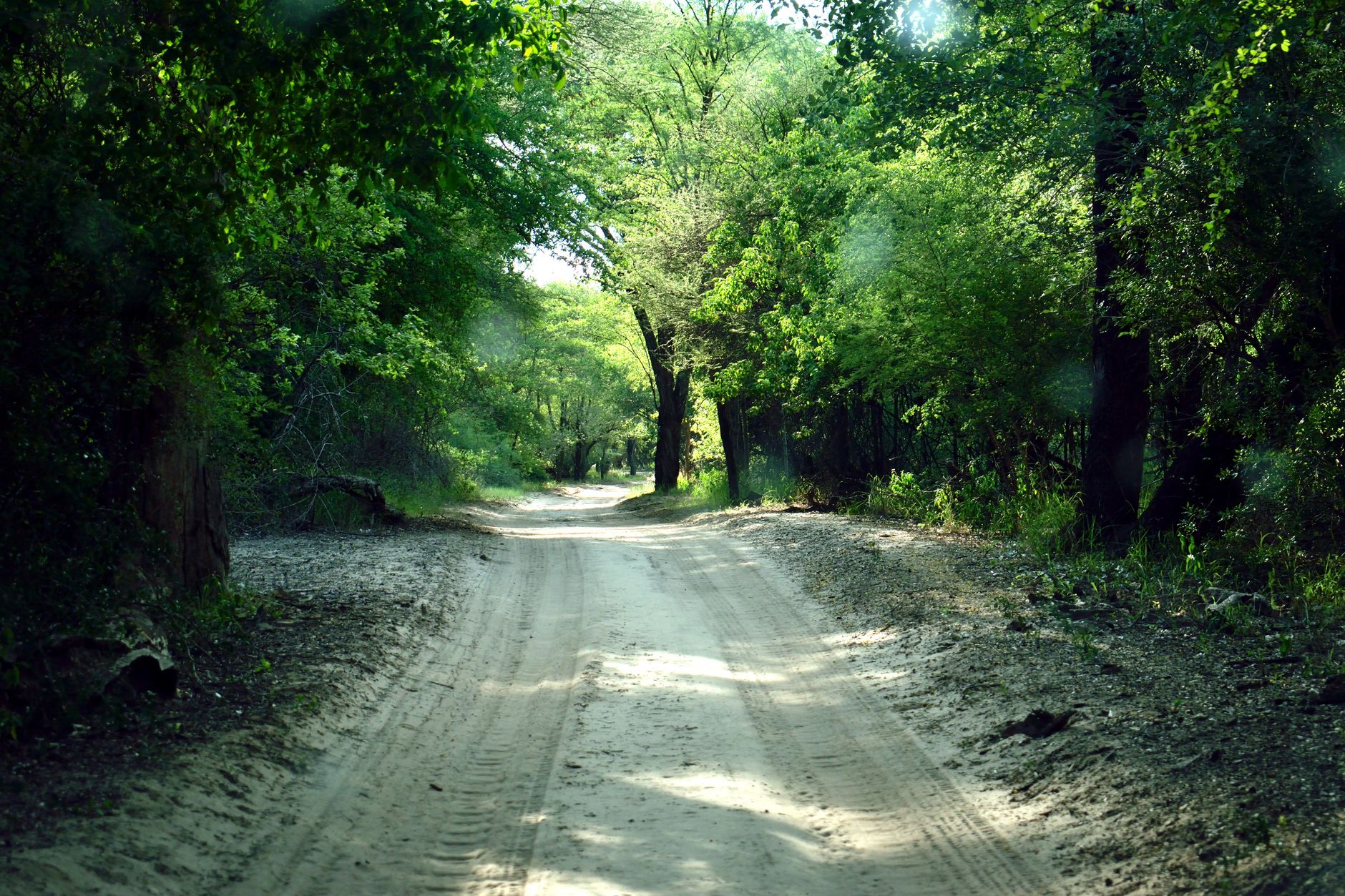
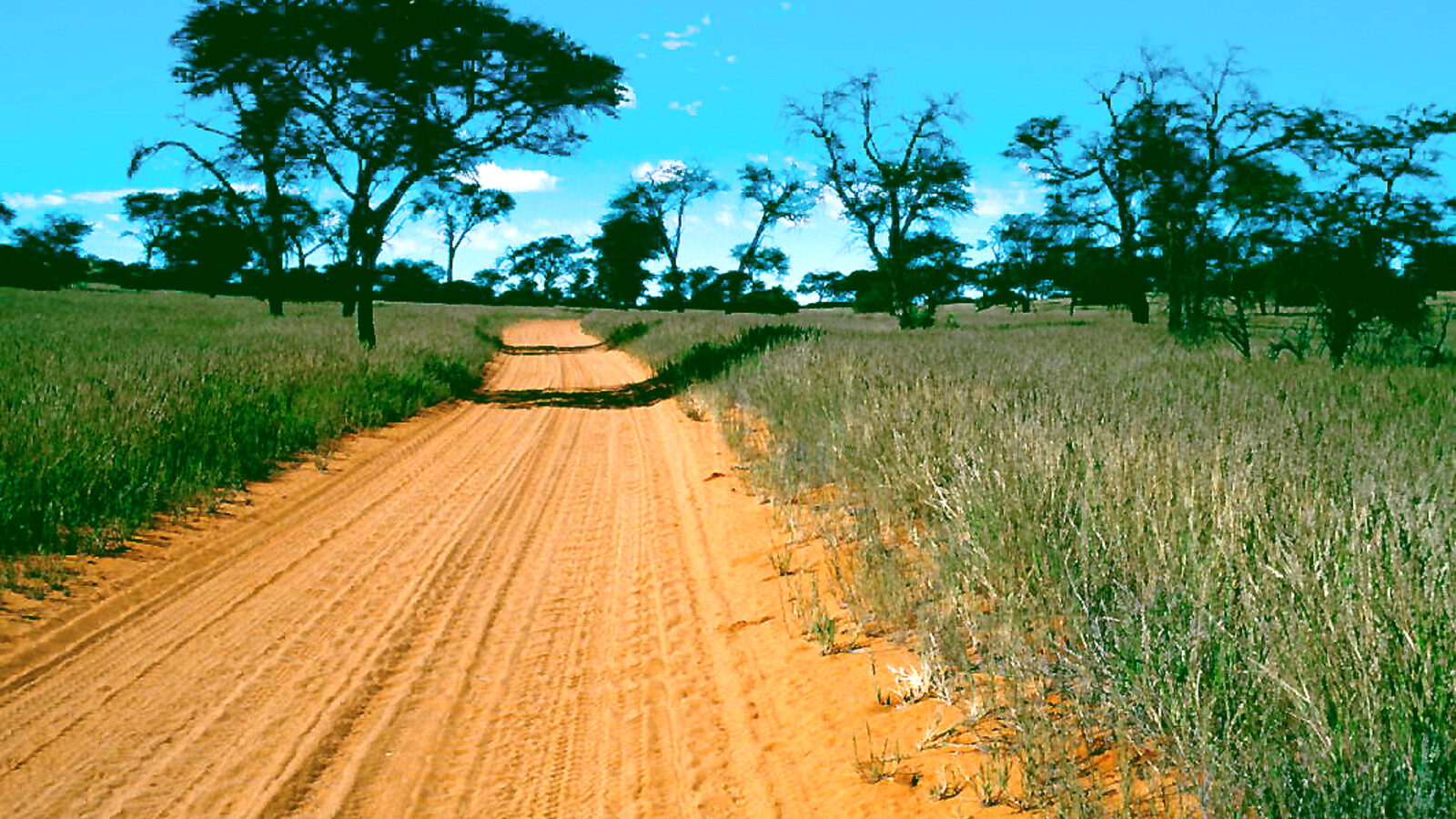
- Many roads inside national parks are sand tracks requiring genuine 4WD
- Mobile signal is unreliable in remote areas
- Wildlife is not behind fences; elephant and buffalo encounters on the road are common
That said, with proper preparation, a self-drive Botswana trip is entirely achievable and deeply memorable.
Vehicle Requirements
The minimum realistic vehicle for Botswana self-drive is a high-clearance 4WD with low-range gearing. A standard SUV or crossover is not sufficient for the Kalahari, Central CKGR, or Moremi's black cotton soil tracks.
Recommended specifications:
- High-clearance 4WD with low range (not just AWD)
- Minimum ground clearance of 220mm
- Recovery gear: tow strap, sand ladders, hi-lift jack
- Two spare tyres (not one — sand tracks are hard on tyres)
- Snorkel recommended (not essential, but useful after rain)
Most self-drivers rent from Windhoek or Johannesburg and drive in. Rental companies with Botswana permits include Britz, Avis 4x4, and African Tracks, among others.
Fuel and Supplies Planning
Fuel is available in Maun (the gateway to the Okavango and Moremi), Francistown, Gaborone, Kasane, and Letlhakane. Inside parks and in remote areas, there is no fuel. Plan your tank range carefully.
Practical fuel rule: Never leave a town without a full tank. Carry an additional 20-litre jerry can when self-driving the CKGR or remote Kalahari routes.
Food and water should be stocked before entering any national park. There are no shops inside Botswana's parks. Budget for at least 5 litres of water per person per day in the dry season.
Entry Requirements and Park Fees
Most nationalities (including UK and EU citizens) do not require a visa for stays under 90 days. Your passport must be valid for at least six months beyond your intended stay.
Park fees are paid at entry gates and are levied per person and per vehicle per day. As of 2025, fees in CKGR and Moremi are in the range of USD 30–50 per person per day, plus a vehicle fee. Fees change periodically — confirm current rates with the Department of Wildlife and National Parks (DWNP) before travel.
The Best Self-Drive Routes
1. Maun – Moremi Game Reserve – Chobe (7–10 days)
The classic northern Botswana circuit. Begin in Maun, drive into Moremi via the South Gate, work your way north through the reserve, and exit toward Kasane and Chobe National Park. Excellent year-round; best in dry season for roads.
2. Central Kalahari Game Reserve (CKGR) Loop (5–7 days)
Enter via Matswere or Xade Gate and drive the Deception Valley / Sunday Pan circuit. Remote, demanding, and spectacular. Large lion prides, cheetah, brown hyena, and vast open plains. Dry season only for most self-drivers.
3. Nxai Pan – Makgadikgadi Pans (4–5 days)
Accessible via the A3 tar road east of Maun. Nxai Pan has good lion and cheetah sightings. The Makgadikgadi salt pans are otherworldly — particularly at dusk and dawn. Accessible to relatively standard 4WD vehicles compared to the CKGR.
4. Tuli Block (3–4 days)
In eastern Botswana near the South African border, the Tuli Block is a privately conserved area offering a more accessible self-drive option. Good for those entering from South Africa without wanting to cross the full country.
Camping vs Lodges for Self-Drive
Self-drive travellers in Botswana typically use a mix of public campsites (DWNP-run, bookable through the Botswana Tourism website) and privately run lodge/camp accommodation.
Public campsites are very basic — often just a cleared area with a firepit and long-drop toilet. Bring everything. Private lodge stays offer comfort and local guiding expertise, and many accept self-drive guests arriving independently.
Frequently Asked Questions
Do I need a 4WD for all of Botswana?
Not for all of Botswana. The tar roads connecting major towns are accessible to any vehicle. However, inside Moremi, the CKGR, and Chobe's interior tracks, a proper 4WD with low range is essential, particularly in the wet season.
Can I cross into Botswana from Namibia or Zimbabwe by self-drive vehicle?
Yes. Major border crossings include Ngoma (Namibia/Botswana near Chobe), Mohembo (Namibia/Botswana near Shakawe), and Kazungula (Zimbabwe/Botswana). You'll need your rental agreement to confirm cross-border permissions; confirm with your rental company before booking.
Is it safe to self-drive in Botswana?
Crime targeting tourists is rare. The primary risks are mechanical (breakdowns in remote areas) and wildlife-related (animals on roads at night). Don't drive between parks at night, and carry a satellite communicator or GPS tracker in remote areas.
When should I book park campsites?
Peak season campsites (especially in Moremi and Chobe) should be booked months in advance through the Botswana Tourism online portal. Green season offers more availability, but always book ahead where possible.
Looking for lodge and camp accommodation along your self-drive route? Browse verified properties on our Botswana accommodation page.
Ready to plan your trip?
Check live availability, compare lodges and book instantly — or send us an enquiry and we'll help shape the route.