10-Day Botswana Safari Itinerary: Chobe, Okavango Delta & Beyond
Ten days is enough to experience three of Botswana's most distinct ecosystems without rushing. This itinerary covers Chobe National Park, the Okavango Delta, and the Makgadikgadi Pans — a combination that showcases the extraordinary diversity of a country that covers over 580,000 km² of southern Africa.
Two versions are offered below: a fly-in version for comfort-first travellers, and a self-drive version for those wanting full independence. Both can be mixed and matched.
Overview: What You'll See
| Destination | Key Wildlife | Landscape | Days |
|---|---|---|---|
| Chobe National Park | Elephant, lion, wild dog, buffalo | River corridor, floodplain | 3 |
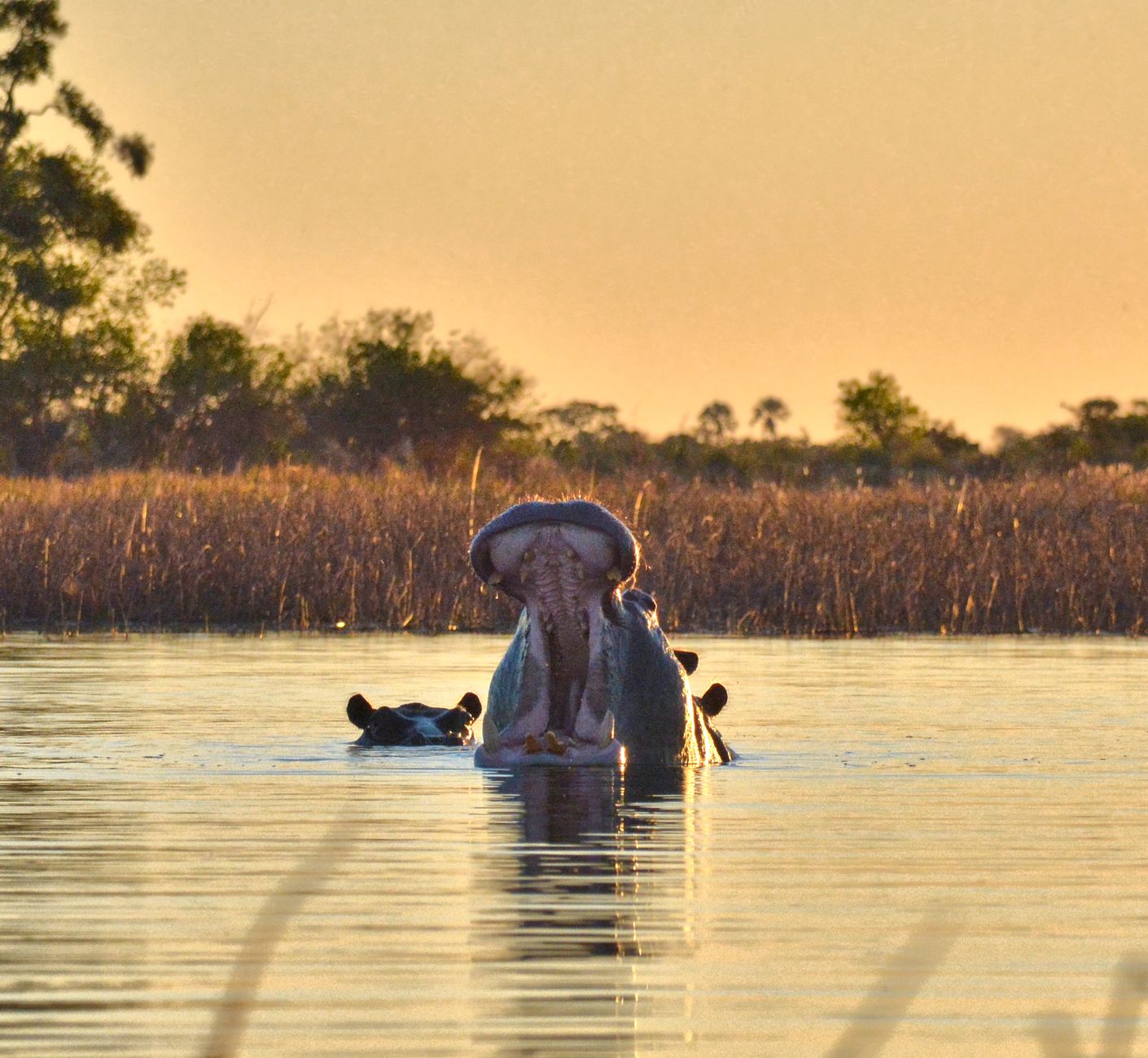
| Okavango Delta | Wild dog, leopard, hippo, elephant | Channels, islands, floodplain | 4 |
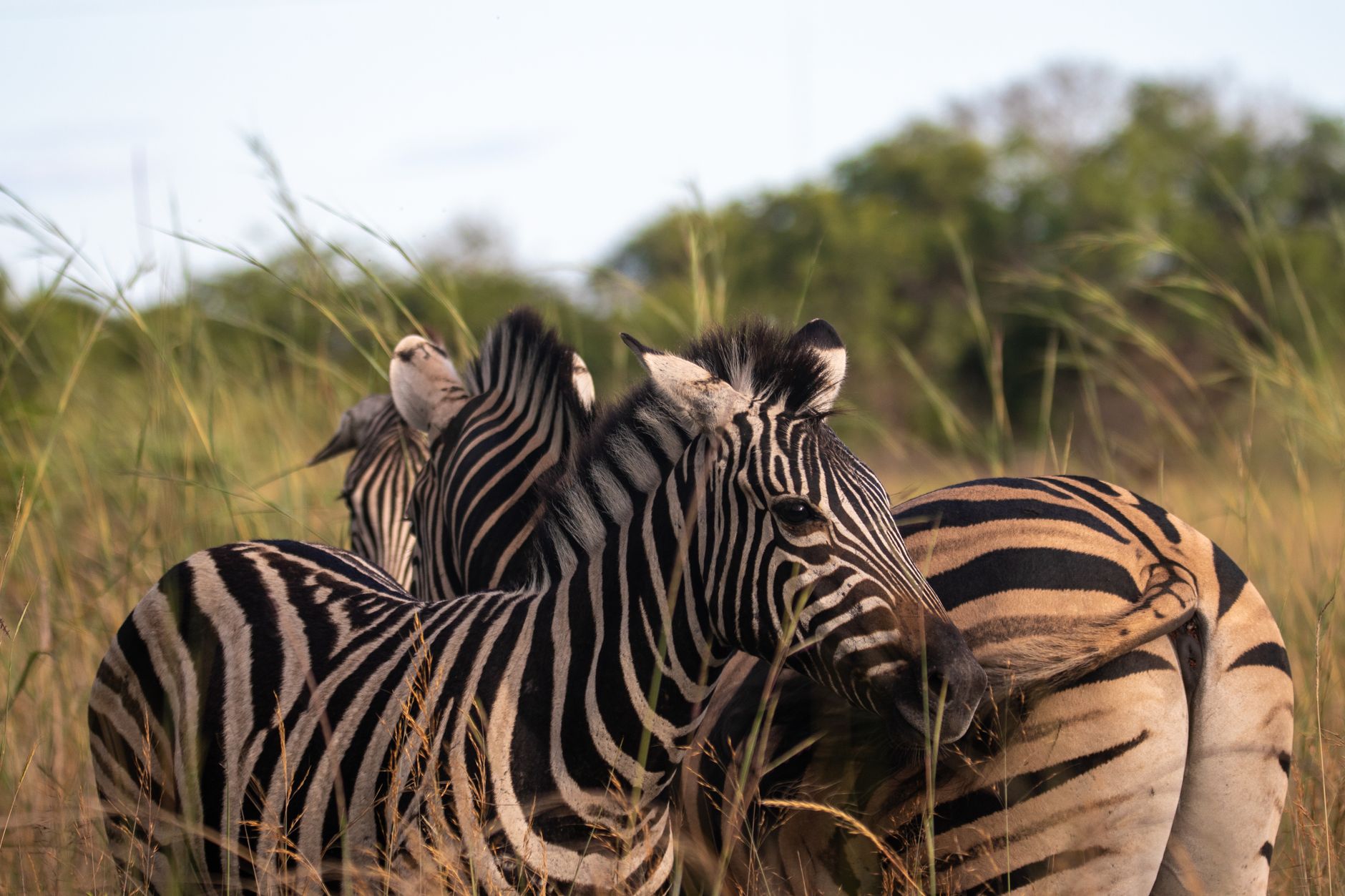
| Makgadikgadi Pans | Zebra, flamingo, meerkats, brown hyena | Salt pans, grass plains | 2 |
| Travel days | — | — | 1 |
Day-by-Day Itinerary
Day 1 — Arrive Kasane / Chobe Riverfront
Fly into Kasane from Johannesburg (approximately 2 hours), or drive from Victoria Falls (approximately 80 km). Check in to your lodge and take an afternoon boat safari on the Chobe River. Late afternoon on the river in dry season is extraordinary — herds of hundreds of elephants converge on the banks.
Day 2 — Chobe Riverfront
Full day of game drives and a second boat safari. Mornings on the riverfront road; late afternoon on the water. Chobe rewards time — you're unlikely to see everything in a single circuit.
Day 3 — Chobe Riverfront to Kasane / Fly to Maun
Morning game drive. Mid-morning transfer to Kasane airport for a scheduled flight to Maun (approximately 1 hour). Check in to your Maun guesthouse or take a connecting light aircraft into the Delta if your lodge is fly-in only.
Self-drive alternative for Days 1–3: Drive from Victoria Falls or Livingstone, cross at Kazungula, and self-drive the Chobe riverfront road. A high-clearance 4WD is strongly recommended.
Day 4 — Into the Okavango Delta
Transfer from Maun into your Delta camp or lodge. If fly-in: a 15–30 minute scenic flight reveals the Delta from above — one of the great arrivals in travel. Afternoon activity: mokoro or motorboat depending on season and water level.
Day 5 — Okavango Delta
Full safari day. Morning game drive, afternoon on the water, night drive after dinner. The rhythm of a well-run Delta camp is one of the pleasures of Botswana — activities are timed to light and animal movement.
Day 6 — Okavango Delta
Walking safari. The islands of the Delta support a surprising diversity of plants and large reptiles — monitor lizards, chameleons, and various snake species alongside larger mammals. A guided walk with a licenced guide offers a completely different perspective to the vehicle.
Day 7 — Okavango Delta / Moremi (Khwai)
Depending on your camp's location, either remain in the Delta or transfer to the Khwai area on the northeastern edge of Moremi. Khwai is one of Botswana's top locations for wild dog, and is road-accessible from Maun.
Self-drive note: Moremi's South Gate and the Khwai community area are accessible by 4WD from Maun via a reasonable sand track. Moremi requires a proper 4WD — not just AWD.
Day 8 — Drive or Fly to Makgadikgadi Pans
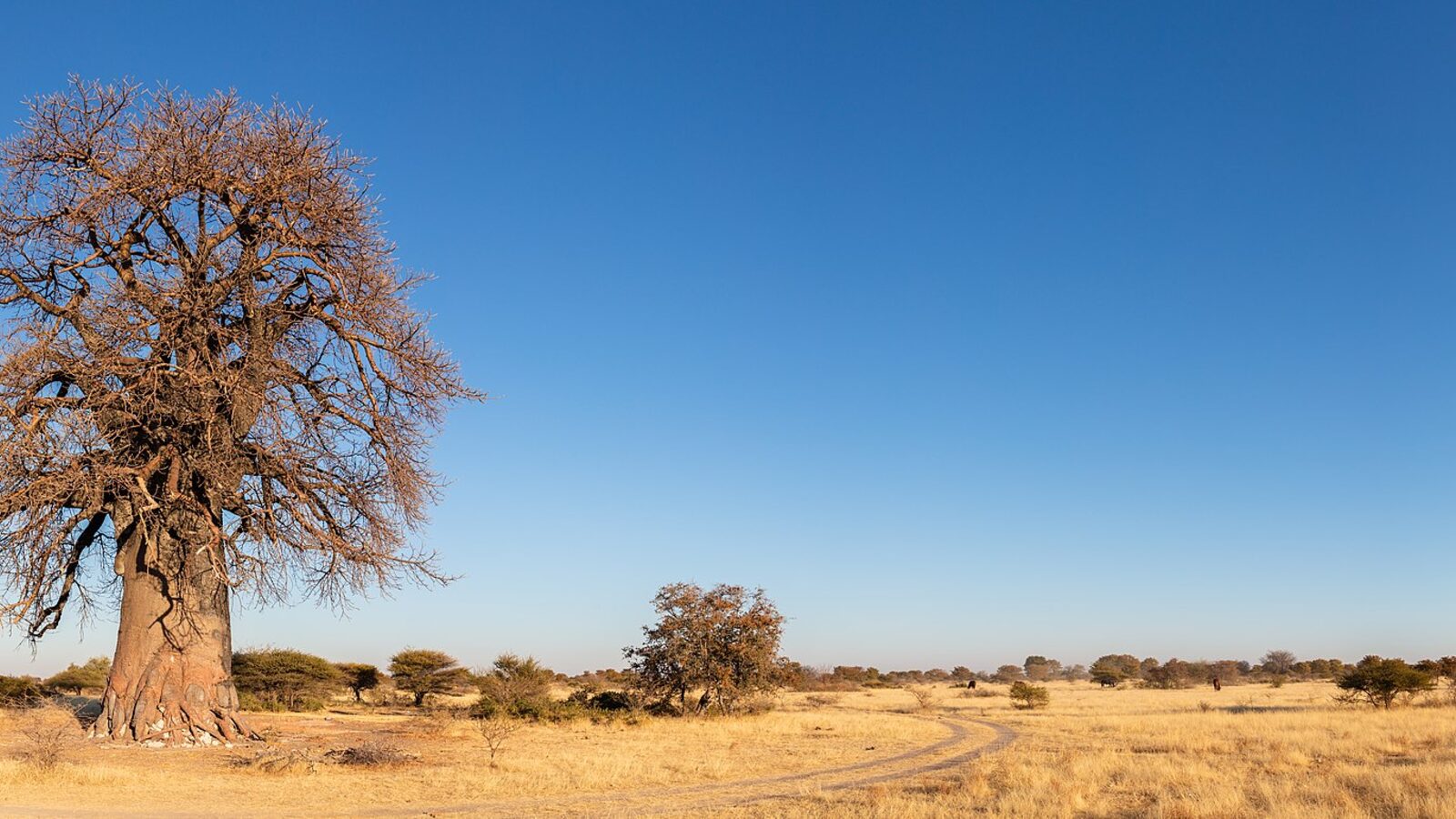
Transfer from the Delta to the Makgadikgadi. By air, this is a short charter hop; by road, it's approximately 3–4 hours from Maun via Nata. The landscape shifts dramatically from water to one of the world's largest salt pan systems — an ancient lakebed covering over 16,000 km².
Day 9 — Makgadikgadi Pans
Full day at the pans. Activities depend on season: in the dry season, the salt pans are ghostly and vast, and meerkats are found on the fringes. In the wet season (December to March), the pans flood shallowly and attract enormous flamingo flocks. Year-round: quad bike rides onto the pans at sunrise or sunset are spectacular.
Day 10 — Depart
Transfer to Maun airport for onward flights. Most international connections go via Johannesburg.
Fly-In vs Self-Drive: Which is Right for You?
| Factor | Fly-In | Self-Drive |
|---|---|---|
| Cost | Higher (flights add USD 400–800+ per circuit) | Lower overall |
| Flexibility | Fixed lodge schedule | Full independence |
| Remote access | Can reach inner Delta | Limited to road-accessible areas |
| Vehicle hassle | None | Significant planning required |
| Wildlife experience | Similar quality | Can stay as long as you want at a sighting |
| Suitable for | First-time Africa visitors; comfort travellers | Experienced safari-goers; those wanting total control |
Practical Logistics
Getting to Botswana: Johannesburg is the primary hub. OR Tambo connects to Kasane, Maun, and Gaborone. Windhoek (Namibia) is a useful entry point if combining Botswana with a Namibia self-drive.
Currency: Botswana Pula (BWP). USD is widely accepted at lodges and camps. Cards work in Maun and Kasane; carry cash in remote areas.
Visas: UK, EU, and most Western passport holders receive a free visa on arrival for stays up to 90 days. Confirm requirements for your specific nationality before travel.
Health: Yellow fever vaccination is required if arriving from a yellow fever-endemic country. Malaria prophylaxis is strongly recommended for all northern Botswana destinations (Chobe, Okavango, Makgadikgadi). Consult a travel health clinic before departure.
Packing essentials: Neutral-coloured clothing (khaki, olive, grey), layers for cold mornings and evenings in dry season, sunscreen, binoculars, and a good camera with a telephoto lens.
Frequently Asked Questions
Is 10 days enough for Botswana?
Ten days is a solid foundation that allows you to experience genuine variety without the pace becoming exhausting. Travellers with more time often add a fourth area — the Central Kalahari (CKGR), Savuti, or Linyanti — for a more comprehensive circuit.
How much does a 10-day Botswana safari cost?
Costs vary enormously. A fly-in itinerary using mid-range lodges runs approximately USD 4,000–7,000 per person excluding international flights. Self-drive with camping and occasional lodge stays can reduce this to USD 1,500–2,500 per person. Luxury fly-in camps in the inner Delta can push the budget significantly higher.
Can I do this itinerary in the wet season?
Yes, with modifications. Chobe is excellent year-round. The Delta is beautiful in the wet season but some self-drive tracks are impassable. The Makgadikgadi pans flood in the wet season, transforming the landscape. Rates are lower and crowds minimal from November to March.
Should I book a guide or is this manageable independently?
The fly-in version requires no independent guiding — all camps include guide services. The self-drive version requires you to be comfortable with remote navigation, vehicle recovery basics, and wildlife awareness on foot. A qualified guide is legally required for walking in Botswana's national parks.
Ready to plan your Botswana safari? Browse accommodation options for Chobe, the Okavango Delta, and the Makgadikgadi on our Botswana accommodation page.
Ready to plan your trip?
Check live availability, compare lodges and book instantly — or send us an enquiry and we'll help shape the route.