The Best Time to Visit the Okavango Delta: A Guide
The Okavango Delta is a place of profound and untamed beauty, a liquid jewel sparkling in the heart of the Kalahari Desert. This UNESCO World Heritage site pulses with a rhythm all its own, dictated not by local rainfall but by distant waters arriving from the Angolan highlands. Answering the question of the best time to visit the Okavango Delta is less about finding a single correct answer and more about understanding its unique cadence and deciding which of its many spectacular acts you wish to witness.
Unlike any other major river system, the Okavango never reaches the sea. Instead, its waters fan out across the sands, creating a 15,000-square-kilometre wetland oasis that supports an astonishing concentration of wildlife. The magic lies in its famous paradox: the Delta floods during Botswana’s dry winter months, creating a world of surreal contrasts and exceptional safari opportunities.
Understanding the Okavango's Unique Rhythm
The annual flood is the lifeblood of the Delta. Rains that fall in the Angolan highlands from January to March begin a slow, patient journey southward, travelling for months across more than a thousand kilometres. These floodwaters typically begin to reach the panhandle of the Okavango in April or May, spreading slowly across the vast alluvial fan over the subsequent months, usually peaking in the core of the Delta between June and August.
This counter-intuitive cycle means that at the very moment the surrounding Kalahari landscape is at its driest, the Delta is at its most inundated. This concentration of water creates an immense magnet for wildlife, drawing animals from hundreds of kilometres around. Understanding this remarkable phenomenon is the key to planning your perfect Botswana safari.
The Peak Season: June to October (High Water & Dry Season)
For many, this period is the definitive Okavango experience and traditionally considered the prime time for a safari. The days are warm and cloudless, the air is crisp, and the natural drama is at its peak.
Unparalleled Game Viewing
As seasonal waterholes in the hinterland dry up, vast numbers of animals are drawn to the Delta’s permanent water and lush grasses. Game viewing is simply sensational. Great herds of elephants and buffalo gather, their movements dictated by the push and pull of the flood. With vegetation thinning out and wildlife concentrated near water channels, spotting animals becomes significantly easier.
This is also a fantastic time for predator sightings. Lions, leopards, and African wild dogs patrol the edges of the floodplains, taking advantage of the abundant prey. The chances of witnessing a thrilling hunt or a territorial dispute are high.
Water-Based Activities at Their Finest
This is the season when the Delta truly lives up to its name as a water wonderland. The high-water levels open up a labyrinth of crystal-clear channels and lagoons, perfect for exploration. Gliding silently through papyrus-lined waterways in a traditional mokoro (dugout canoe) is an almost spiritual experience, allowing you to connect with the smaller wonders of the Delta—the painted reed frogs, the malachite kingfishers, and the intricate patterns of waterlilies.
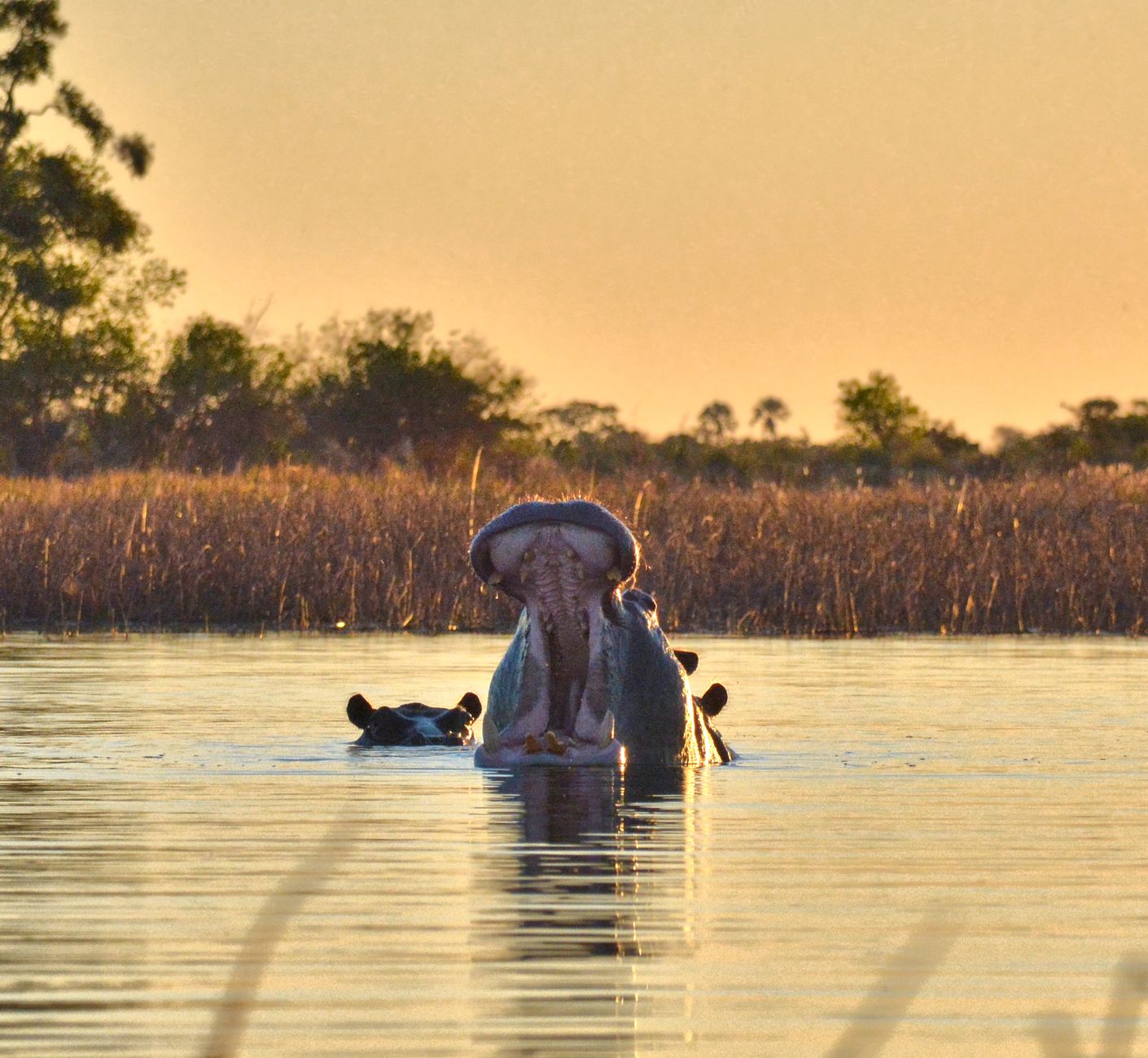
Motorboat safaris offer a different perspective, allowing you to cover more ground and explore larger lagoons, often with the chance of seeing hippos, crocodiles, and elephants swimming between islands. In many camps, such as the exquisite Vumbura Plains, water activities form the core of the safari experience during these months.
Climate and Considerations
The weather is idyllic, with daytime temperatures hovering comfortably in the mid-20s Celsius. However, the nights and early mornings are cold, often dropping to near freezing. It is essential to pack warm layers, including a beanie, scarf, and insulated jacket for those sunrise game drives. Be aware that this is the most popular time to travel, so booking well in advance is crucial, and prices are at their peak.
The 'Green Season': December to March (Low Water & Rains)
Often overlooked, the Green Season is a time of renewal and rebirth, beloved by safari connoisseurs and photographers. The arrival of the summer rains transforms the landscape into a lush, vibrant paradise, offering a completely different but equally magical experience.
A Photographer's Paradise
The parched plains are quenched, and the Delta is awash in emerald green. The air is clear of dust, and the sky is filled with dramatic, billowing clouds that create a spectacular backdrop for photography. Brief but powerful afternoon thunderstorms refresh the land and produce the most incredible light as the sun breaks through.
This is also the peak season for birding, as resident species are joined by a host of colourful migrants. It's a true spectacle for ornithologists and casual birdwatchers alike. You can expect to see:
- Vibrant flocks of Carmine Bee-eaters
- Woodland Kingfishers and other intra-African migrants
- Waders and waterfowl in abundance
- Impressive displays from birds in their breeding plumage
The Miracle of Birth
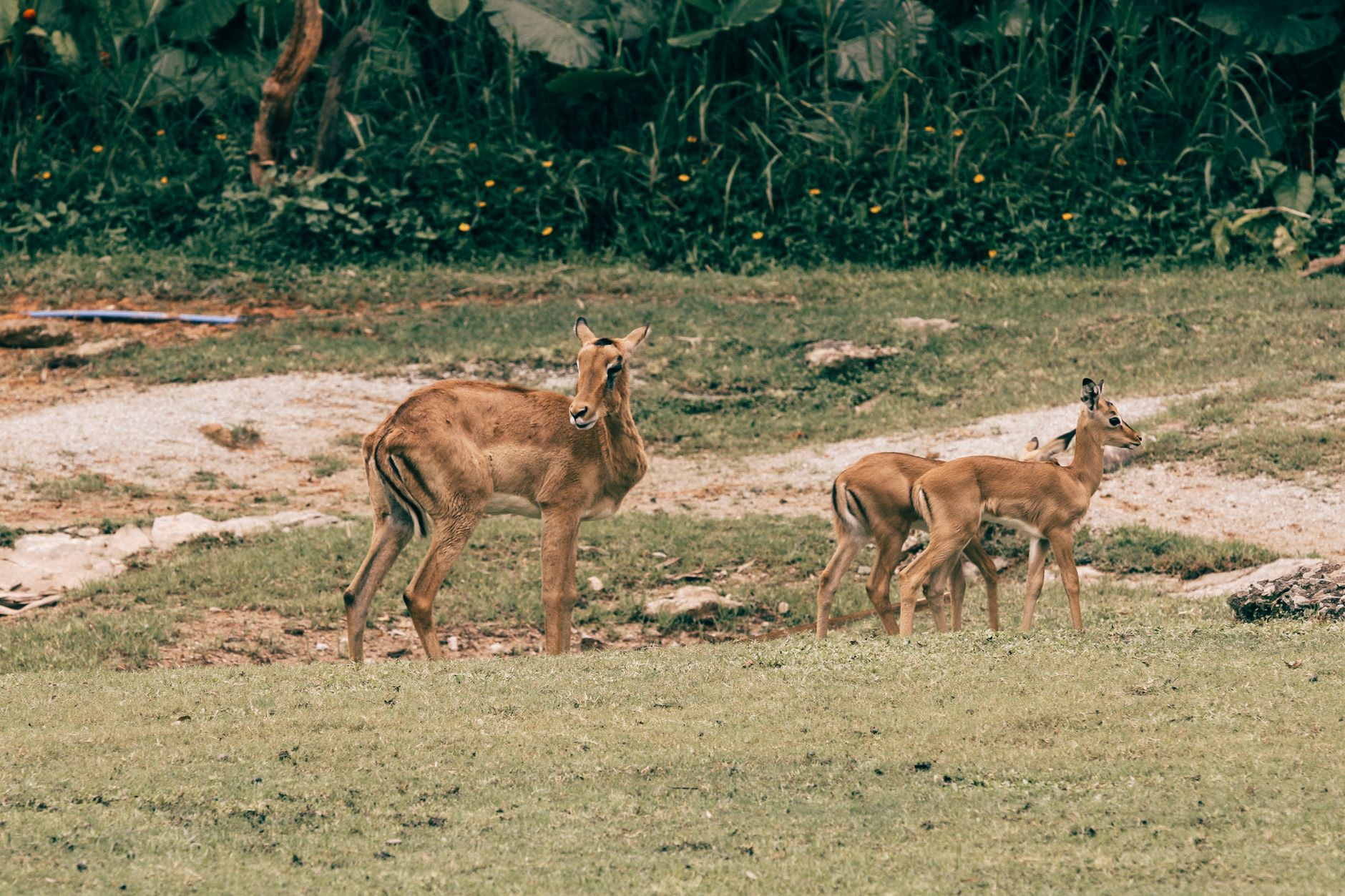
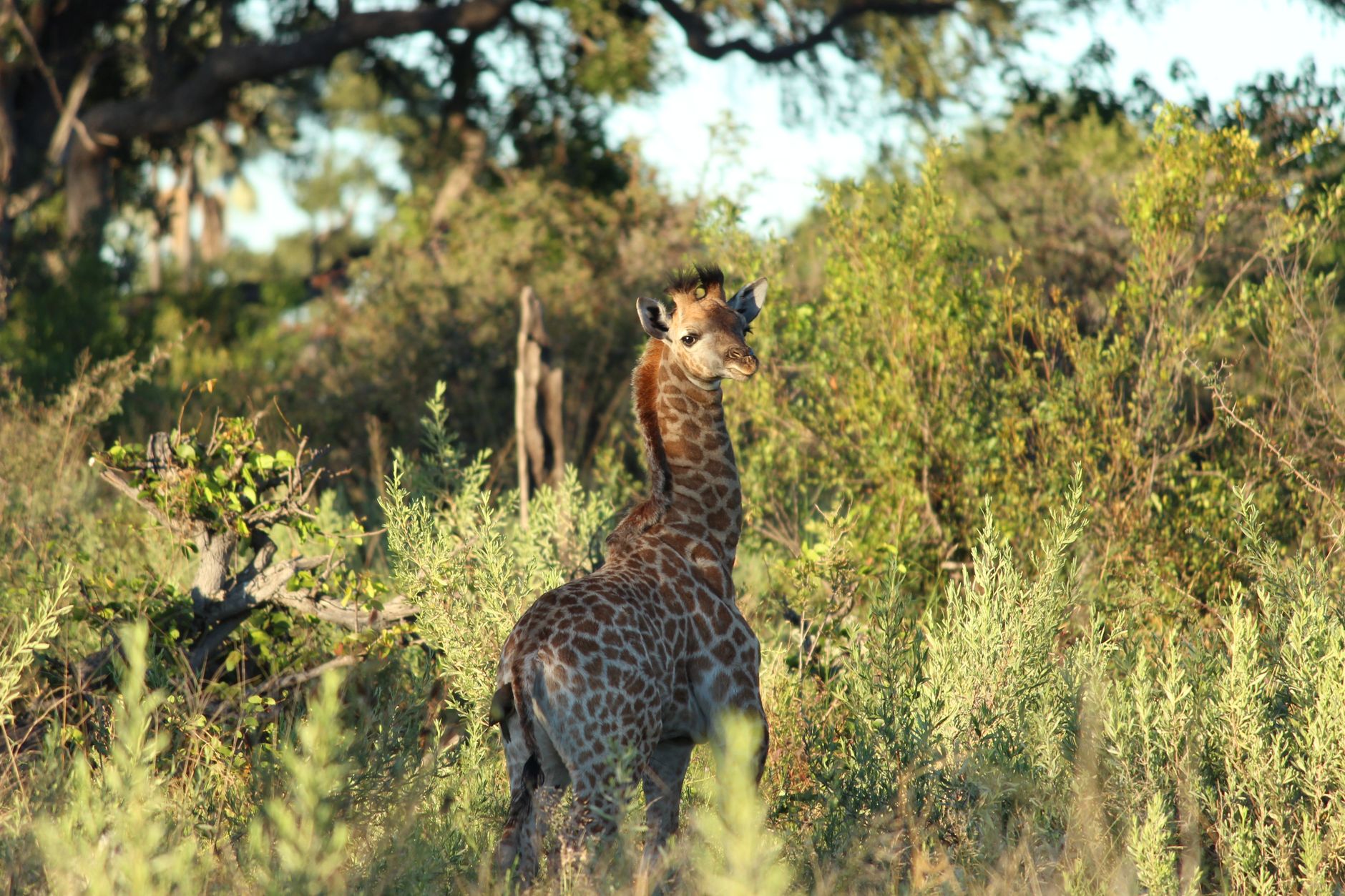
The abundance of fresh grazing triggers a birthing boom among the antelope species. Herds of impala, tsessebe, and wildebeest deliver their young, dotting the plains with wobbly-legged newborns. While a joyous sight, this surplus of vulnerable prey also means predator action is at an all-time high. Watching lions and leopards strategically hunt offers a raw and powerful insight into the circle of life.
What to Expect from Activities
As this is the low-water season, the focus shifts from water-based safaris to land-based game drives. Many channels will be too shallow for mokoros, but exploring the vast green plains by vehicle offers its own rewards, with access to areas that would be flooded in winter. It’s an excellent time to explore diverse regions like the famed Moremi Game Reserve, where land and water meet. The advantages of this season are significant: visitor numbers are lower, and you can often benefit from more attractive pricing without compromising on the quality of the wildlife experience.
The Shoulder Months: April, May & November
These transitional months offer a wonderful balance, often combining the best elements of both seasons.
April and May are particularly lovely. The rains have subsided, the landscape is still green and lush, but the air is clear and the temperature is perfect. The floodwaters are beginning their gentle advance from the north, and you can witness the landscape change almost daily. You get great game viewing, beautiful scenery, and fewer crowds than in the peak months ahead.
November is a month of dramatic change. The heat builds before the first rains arrive, bringing with them a sense of palpable anticipation. When the storms finally break, the scent of petrichor—rain on dry earth—fills the air. Migratory birds begin to arrive, and it’s a time of great energy and transition.
So, What is the Best Time to Visit the Okavango Delta?
Ultimately, the ideal time for your safari depends on your personal priorities.
If your dream is to experience the iconic water-world of the Delta, glide through channels in a mokoro, and see enormous herds of game concentrated around the water, then the dry season from June to October is your answer.
If you are a keen photographer or birder, are fascinated by the drama of predator-prey interactions during the birthing season, and prefer a lush, vibrant landscape with fewer fellow travellers, then the Green Season from December to March will be deeply rewarding. For a beautiful blend of both, consider the shoulder months of April and May.
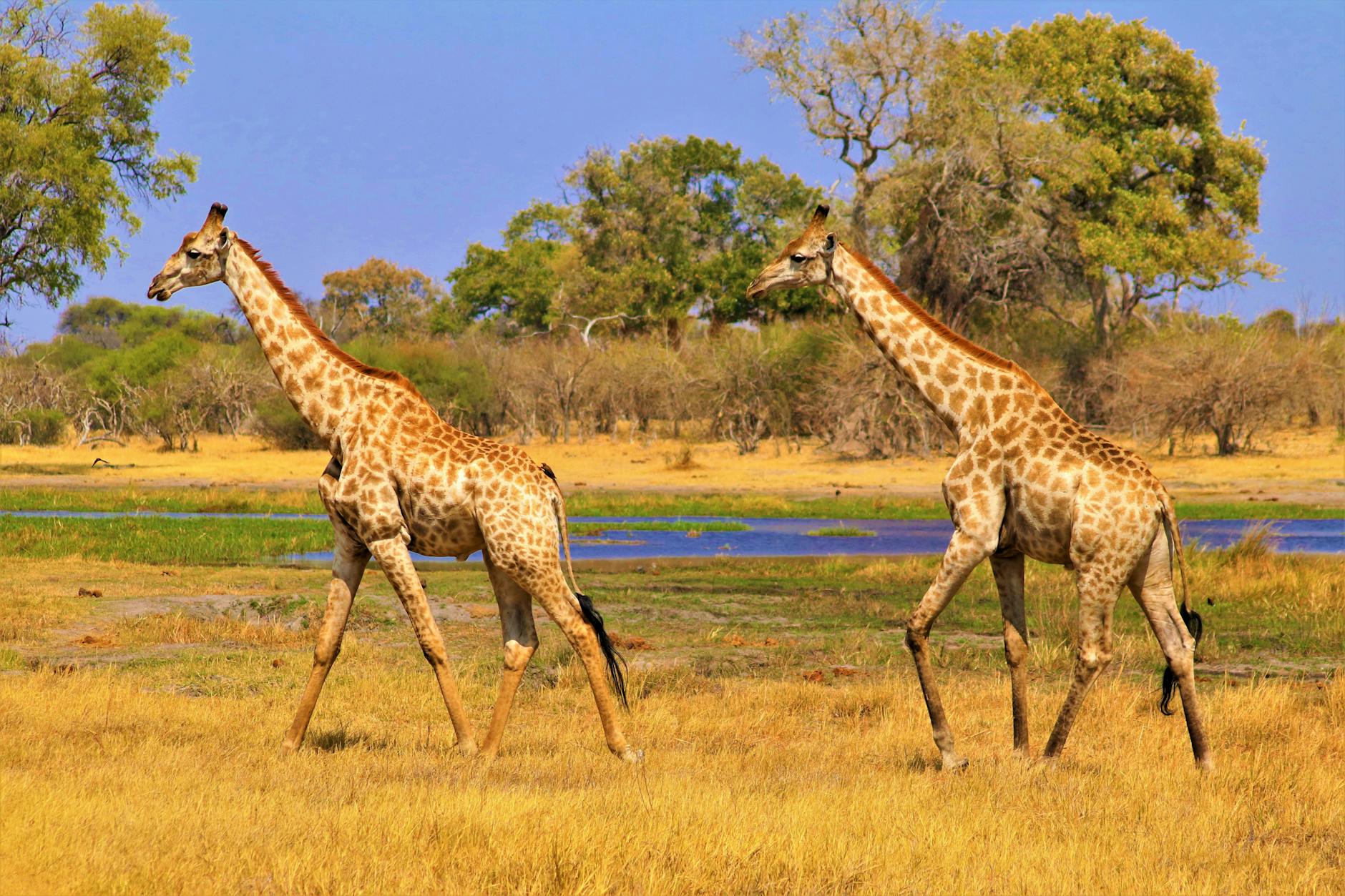
No matter when you choose to travel, the Okavango Delta delivers an unforgettable encounter with one of Africa’s last great wildernesses. Its ever-changing character ensures that there is always something new to discover. Choosing the best time to visit the Okavango Delta is ultimately a personal decision based on your safari dreams, and the truth is, there is no wrong time to fall in love with this extraordinary place.
Are you ready to witness the magic for yourself? Explore our curated collection of Botswana's finest lodges and allow our safari experts to help you craft the journey of a lifetime to the heart of the Okavango.
Ready to plan your trip?
Check live availability, compare lodges and book instantly — or send us an enquiry and we'll help shape the route.