The Best Time to Visit Chobe National Park: A Guide
Chobe National Park is a land of giants, a realm where elephants roam in their thousands and the lifeblood of a vast ecosystem pulses along the banks of the Chobe River. It’s a cornerstone of any Botswana safari, promising some of the most prolific and accessible wildlife viewing in Africa. But a common question we receive from travellers is, “When is the best time to visit Chobe National Park?” The answer, as with many of nature’s grand theatres, is not a single date but a season, and that season depends entirely on what you wish to see and experience.
While Chobe delivers remarkable sightings year-round, its character shifts dramatically with the rains. The dry, dusty plains of September and the lush, emerald landscapes of January offer two entirely different, yet equally compelling, safari experiences. This guide will walk you through the nuances of each season, helping you align your personal travel style with Chobe’s timeless rhythm.
The Dry Season: May to October – Peak Wildlife Viewing
For many, the dry season represents the quintessential African safari. From late autumn through to the first hints of summer, the rains cease, and the vast Botswana landscape begins to dry out. This scarcity of water is the driving force behind the season’s spectacular game viewing.
As inland pans and seasonal waterholes evaporate under the clear blue skies, wildlife is forced to congregate along the few permanent water sources. The Chobe River becomes a lifeline, drawing in colossal herds of elephant, buffalo, zebra, and the predators that follow them. The vegetation thins, and the muted, golden grasses make spotting animals far easier. Game drives are productive, boat cruises on the river are simply breathtaking, and the air is filled with a sense of anticipation.
H3: The Shoulder Months (May & June)
These early winter months are a delightful time to be in Chobe. The park is still wearing a touch of green from the recent rains, but the air is crisp and clear. Temperatures are wonderfully moderate—warm days perfect for a boat cruise, and cool evenings for a fireside dinner. The animal concentrations are building steadily along the riverfront, but you’ll experience fewer visitors than in the peak months to come.
H3: The Peak Months (July, August & September)
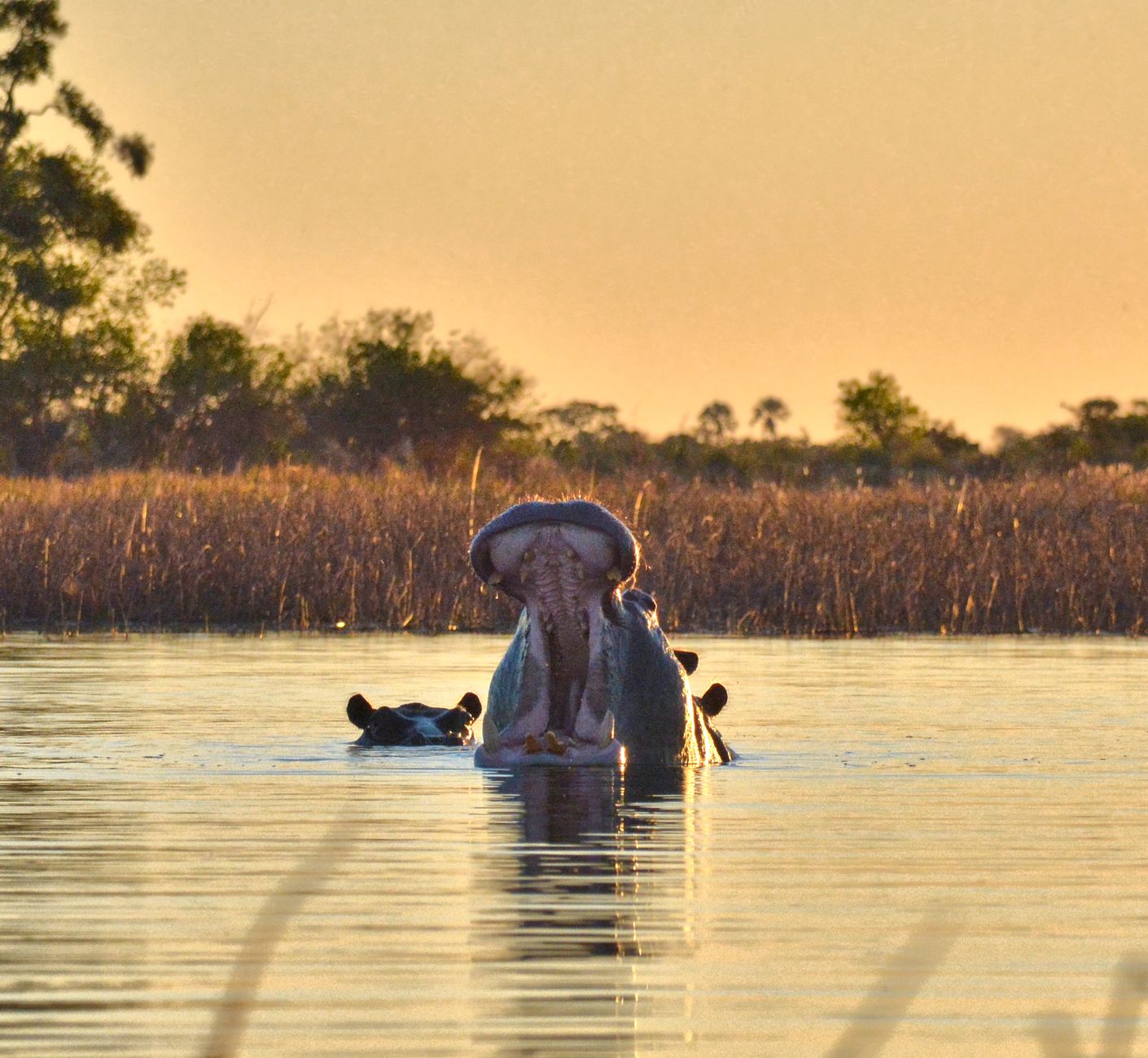
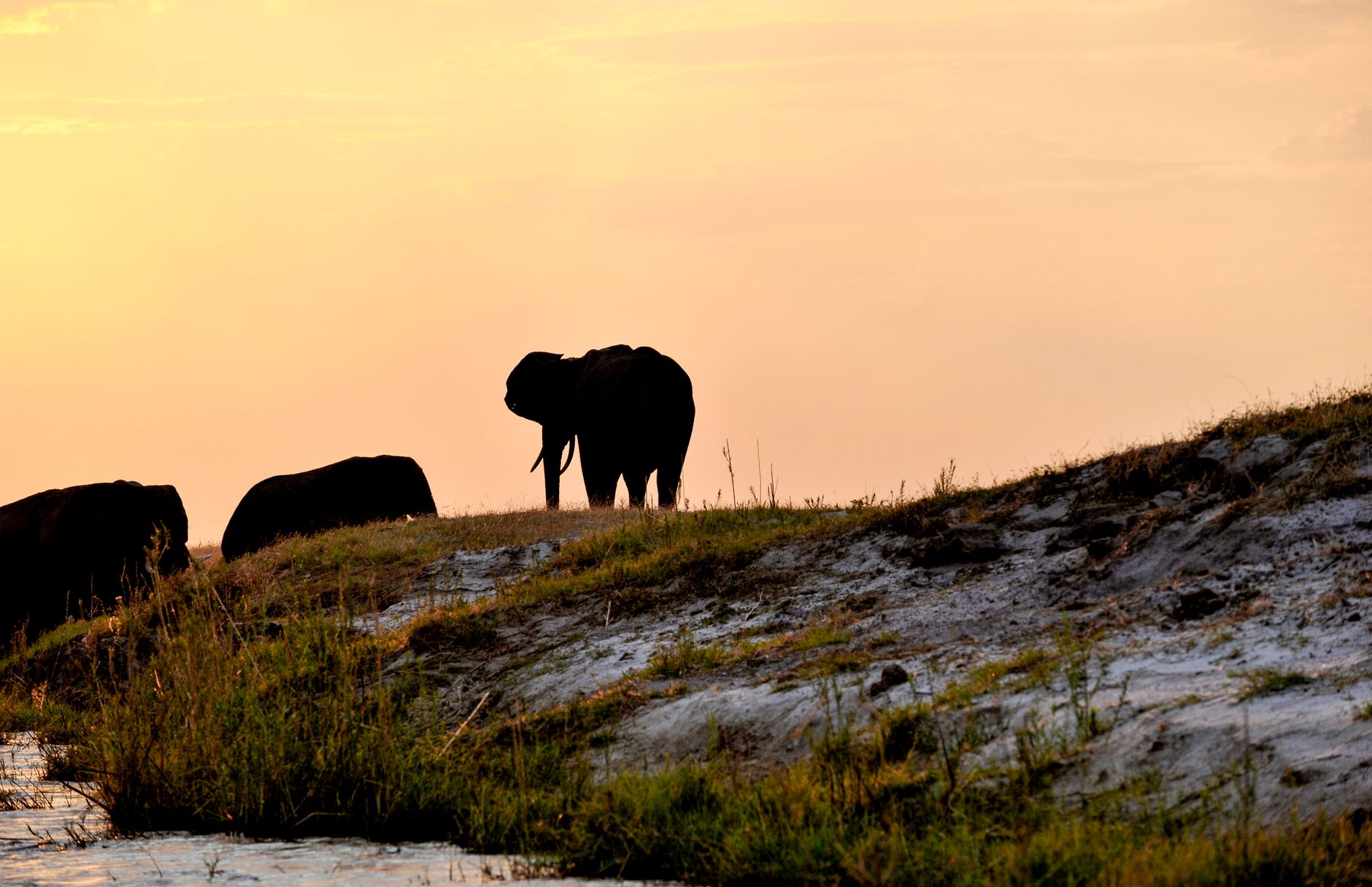
This is prime time. The dry season is in full effect, and the wildlife density along the Chobe riverfront is arguably one of the greatest wildlife spectacles on the continent. It's not uncommon to see hundreds, if not thousands, of elephants in a single afternoon. They wade, drink, and spray themselves in the cool waters, creating unforgettable scenes. This is the Africa of documentaries. The weather is cool and dry, but be prepared for cold mornings on your early game drives—a warm jacket and beanie are essential. This is also the busiest time in the park, so booking well in advance is crucial.
H3: The Heat of October
Often referred to by locals as 'suicide month,' October is intensely hot and dry. Temperatures can soar, making midday activities uncomfortable. However, for the dedicated safari enthusiast, this month offers a significant reward. The heat and lack of water create the highest possible concentration of game. The riverfront teems with animals, and the desperation for water can lead to dramatic predator-prey interactions. If you can handle the heat, the photographic and wildlife-viewing opportunities are simply phenomenal.

The Green Season: November to April – The Emerald Season
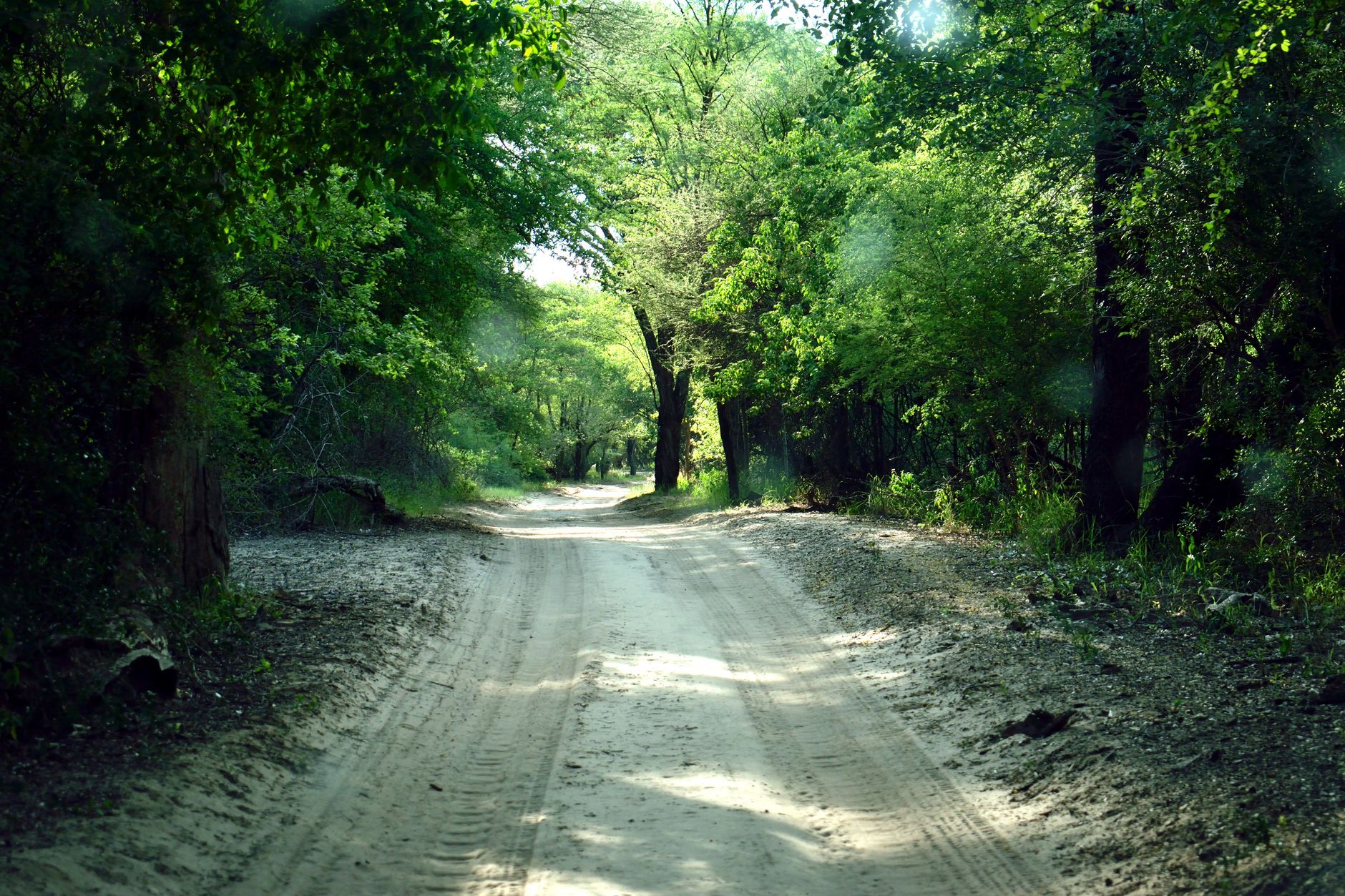
Just when the land seems it can give no more, the skies open up. The arrival of the first rains in November transforms Chobe completely. The parched earth drinks deeply, and within weeks, a blanket of vibrant green covers the landscape. This period, known as the Emerald Season, is a time of renewal and rebirth.
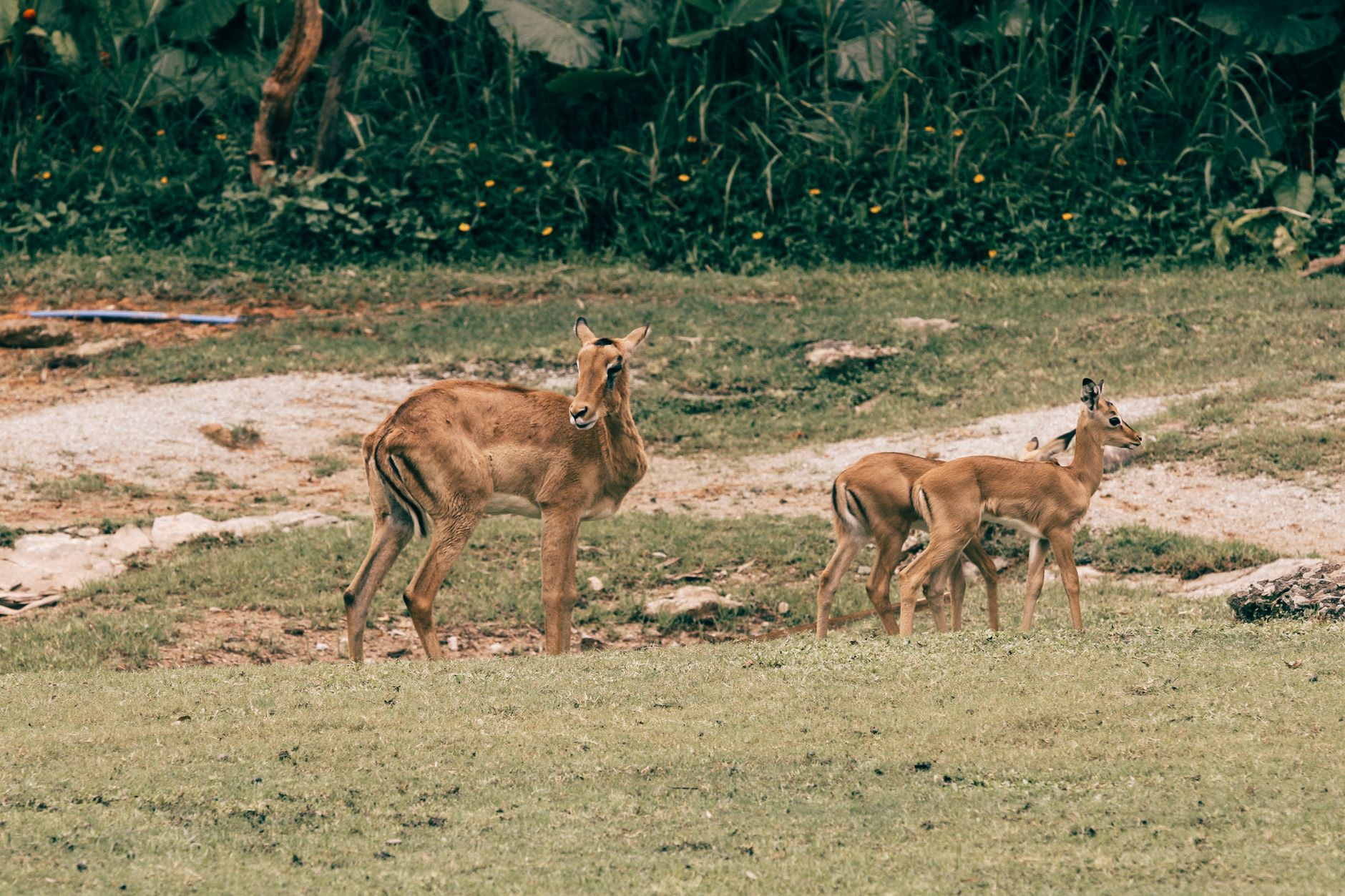
While the dense vegetation can make game viewing more challenging, the rewards are unique. This is the calving season for many antelope species, and the plains are filled with wobbly-legged newborns, which in turn attract predators. It’s a paradise for birdwatchers, as thousands of migratory birds arrive from Europe and North Africa, cloaking the park in colour and song. The dramatic afternoon thunderstorms create magnificent skies, offering incredible light for photographers.
H3: The Early Rains (November & December)
This is a period of dramatic change. The relief brought by the first thunderstorms is palpable. The dust settles, and the air feels clean and fresh. Impala, wildebeest, and other plains game begin to give birth, dotting the landscape with young. It’s a time of plenty, and the animals appear healthy and content. Game is still relatively easy to see before the vegetation becomes too thick.
H3: The Peak Rains (January, February & March)
This is the heart of the wet season. Rains are more consistent, often in the form of short, powerful afternoon downpours that clear to reveal golden evening light. This is the absolute best time for birding. The Savuti Marsh, a fabled corner of Chobe, can become a watery wonderland. While some roads may become temporarily impassable, the adventure is part of the experience. Lodges like the iconic Chobe Game Lodge offer river-based activities that are exceptional during this time. For travellers seeking solitude and a different perspective on the bush, these months are magical. For help planning what to wear during this humid season, our Botswana safari packing guide has you covered.
H3: The End of the Rains (April)
Much like May and June, April is a beautiful shoulder month. The rains begin to taper off, but the park is at its most beautiful—lush, green, and wonderfully photogenic. The air is clear, the migratory birds are still around, and the crowds have yet to arrive. It offers a fantastic balance of comfortable weather, beautiful scenery, and good game viewing.
So, What is the Best Time to Visit Chobe National Park?
To help you decide, here is a summary based on different travel priorities:
- For Peak Wildlife Concentrations: Choose the late dry season, from July to October. The sheer numbers of animals, especially elephants, are staggering.
- For Birdwatching and Photography: The Emerald Season, from November to March, is unparalleled. The combination of migratory birds, baby animals, and dramatic skies is a photographer’s dream.
- For Pleasant Weather and Fewer Crowds: The shoulder months of May, June, and April offer the best of both worlds—comfortable temperatures, beautiful landscapes, and good wildlife viewing without the peak season crowds.
- For Seeing Baby Animals: Plan your trip for November and December, when the birthing season begins.

Ultimately, deciding on the best time to visit Chobe National Park is a personal choice, weighing your tolerance for heat against your desire for density, or your love for lush landscapes against the ease of spotting game. Chobe never disappoints; it simply changes its costume with the seasons. Each performance is as captivating as the last, offering a new reason to return.
Ready to witness the wonders of Chobe for yourself? Our collection of handpicked lodges places you in the heart of the action, no matter the season. Let our safari experts help you craft the perfect Botswana journey. Explore Chobe Lodges.
Ready to plan your trip?
Check live availability, compare lodges and book instantly — or send us an enquiry and we'll help shape the route.