When to Go: Finding the Best Time for a Botswana Safari
A safari in Botswana is not simply a trip; it is an immersion into one of the last great wildernesses on Earth. It’s a land of shimmering floodplains, vast salt pans, and a profound silence broken only by the call of a fish eagle or the deep rumble of an elephant. A common question we receive is about the best time to visit botswana safari destinations, and the answer, much like the country itself, is wonderfully nuanced. The truth is, there is no single “best” time, only different seasons that offer their own unique magic.
Botswana’s safari calendar is largely defined by two distinct periods: the Dry Season and the Green Season. Each transforms the landscape, dictates the movement of wildlife, and crafts a completely different kind of safari experience. Understanding these rhythms is the key to unlocking the adventure that resonates most deeply with you.
The Dry Season: Prime Time for Wildlife Viewing (May to October)
For many, the classic Botswana safari experience unfolds during the dry winter months. This period is widely considered the peak season for game viewing, and for good reason. As the seasonal floodplains recede and ephemeral waterholes evaporate, the landscape becomes a stage for an incredible concentration of wildlife.
Weather and Landscape
The weather from May to October is idyllic. Expect crystal-clear blue skies, warm and pleasant days with temperatures averaging 25°C (77°F), and a distinct lack of humidity. As the sun sets, however, the temperature drops sharply. Nights and early mornings are crisp and cold, sometimes nearing freezing, so packing warm layers for your game drives is essential.
During this time, the vegetation thins out, and the palette of the bush shifts from verdant green to muted tones of khaki and gold. This sparse foliage makes spotting wildlife significantly easier, as animals can no longer melt away into a dense thicket.
The Wildlife Experience
The defining characteristic of the Dry Season is the congregation of animals around the few remaining permanent water sources. The life-giving channels of the Okavango Delta and the banks of the Chobe River become magnets for thirsty wildlife. It is a time of great drama and unparalleled viewing opportunities.
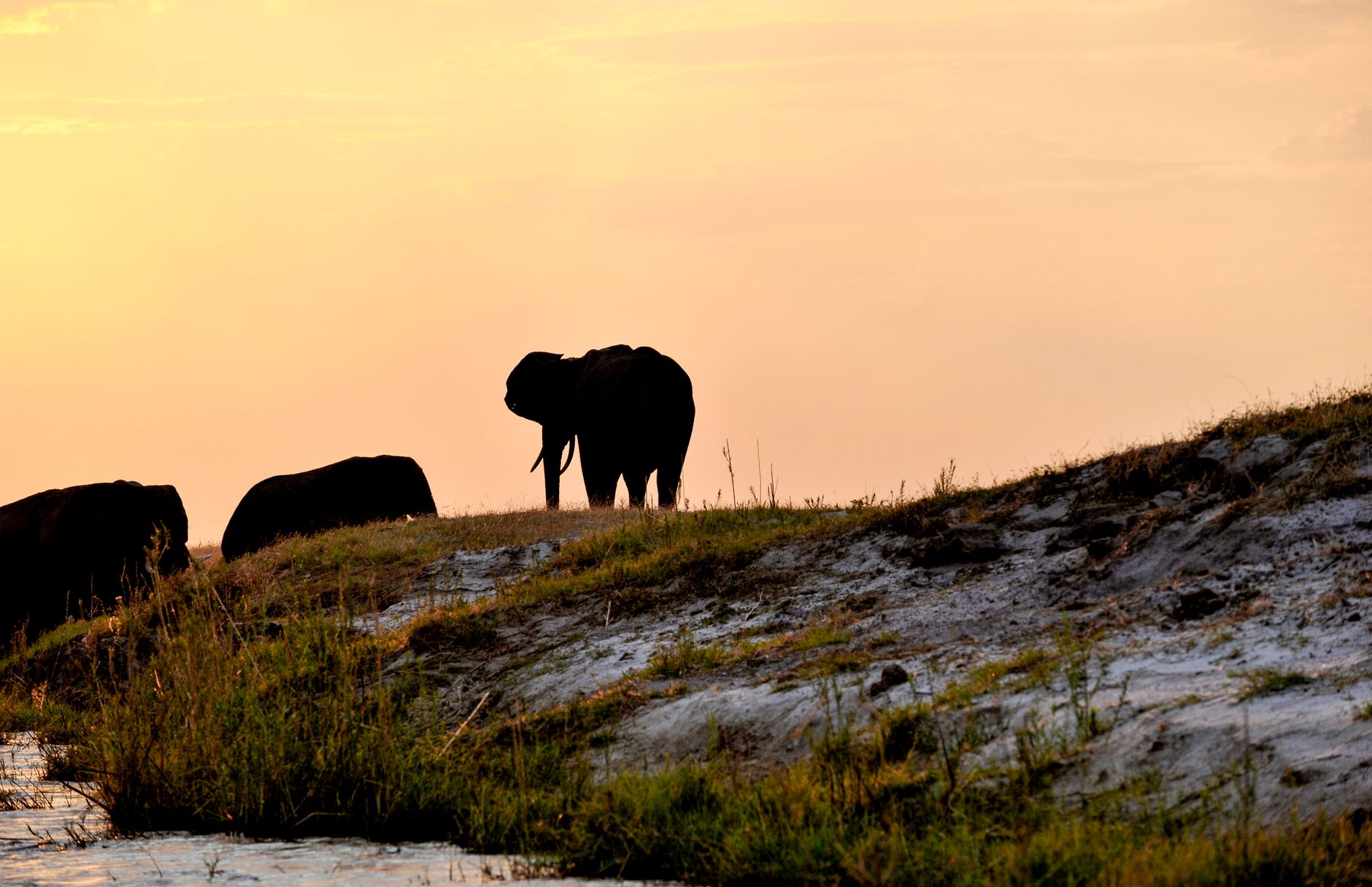
Elephants arrive in their hundreds, creating unforgettable scenes along the Chobe riverfront. Herds of buffalo, zebra, and antelope gather in vast numbers, and where the herbivores are, the predators are never far behind. Lions, leopards, and wild dogs take advantage of these congregations, making for thrilling and frequent sightings. It is, without a doubt, a time of plenty for the safari-goer.
Regional Highlights in the Dry Season
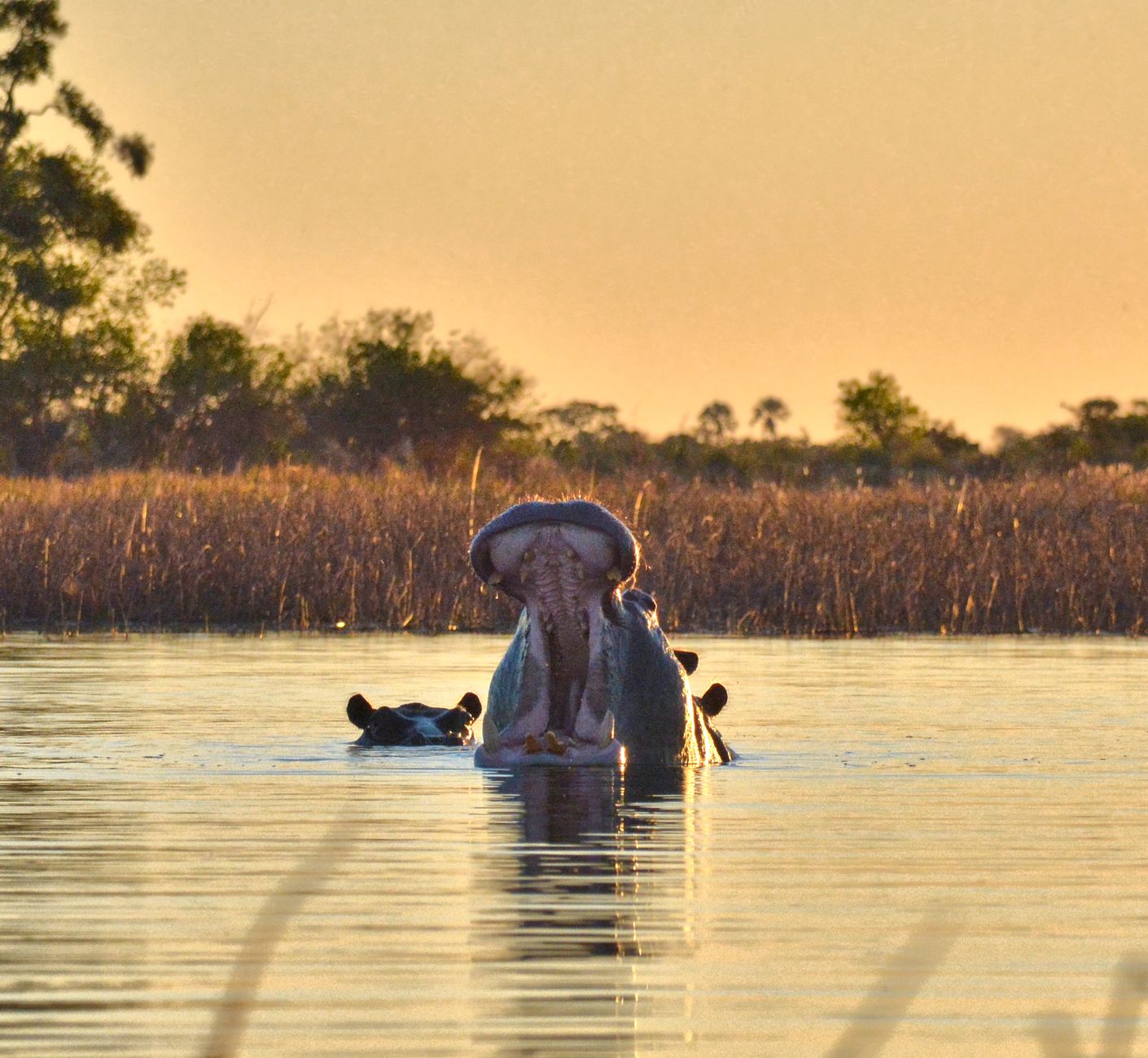
This is the season when the Okavango Delta is at its most iconic. The annual floodwaters, which have travelled for months from the Angolan highlands, typically peak between June and August, transforming the region into a glistening water-wonderland. This is the prime time for water-based activities, like gliding silently through the channels in a traditional mokoro canoe from a lodge like the sublime Eagle Island Lodge.
Further north, Chobe National Park is synonymous with elephants in the Dry Season. The riverfront drives and boat cruises offer a spectacle of pachyderms found nowhere else on the continent.

The Green Season: A Time of Rebirth and Abundance (November to April)
Often called the “Emerald Season,” this period is a well-kept secret among seasoned safari travellers. While the dramatic wildlife concentrations of the Dry Season disperse, the Green Season offers a different, but no less captivating, safari experience defined by new life, dramatic skies, and a sense of exclusivity.
Weather and Landscape
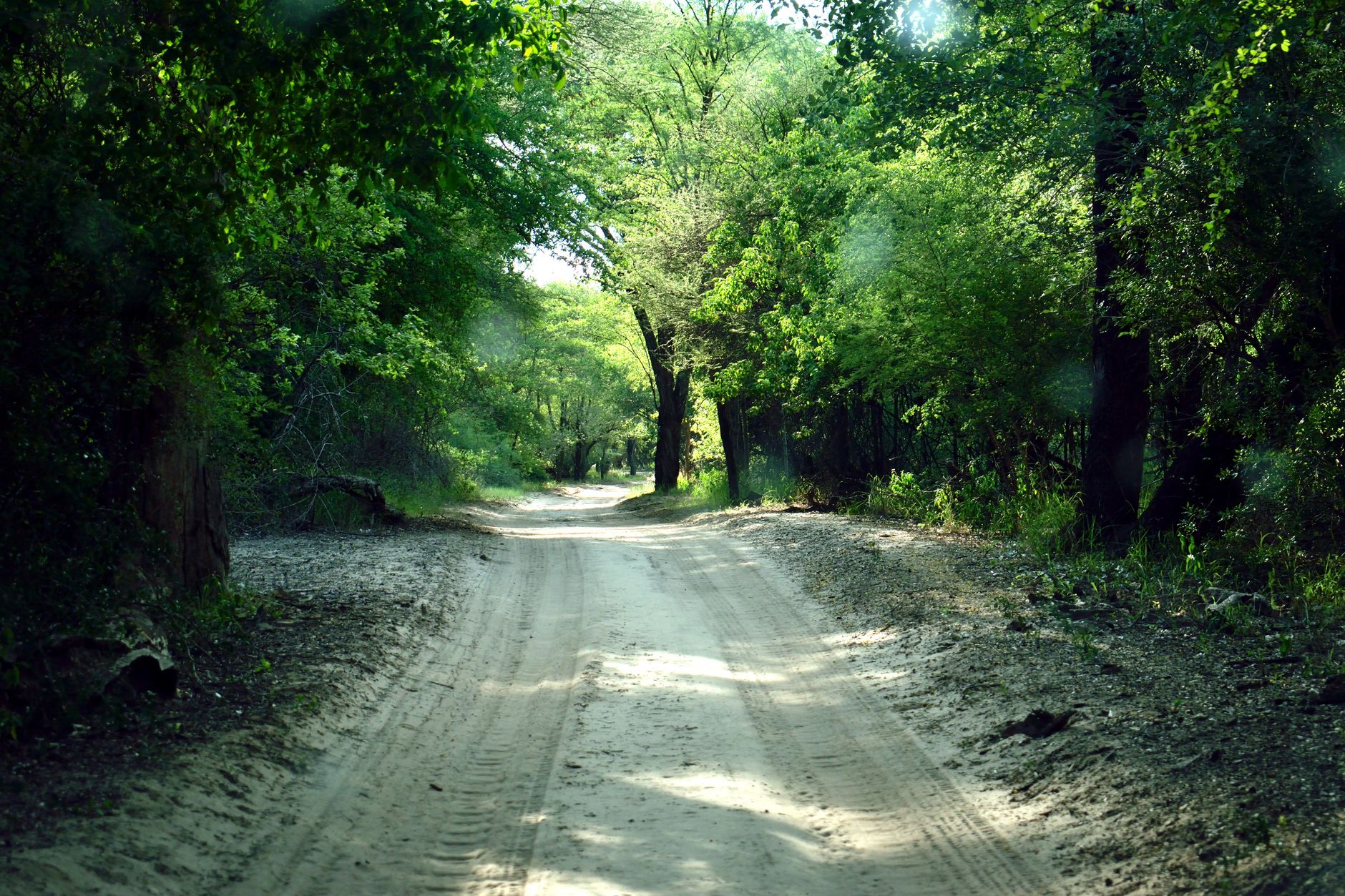
Beginning in November, the first rains arrive, breaking the long dry spell. The transformation is astonishing. The parched earth erupts in a carpet of green, wildflowers bloom, and the air is filled with the scent of petrichor—the smell of rain on dry ground. The rains typically come in the form of spectacular, short-lived afternoon thunderstorms that leave the air clean and the light luminous, creating a paradise for photographers.
Temperatures are higher, as are the humidity levels, but the reward is a landscape teeming with vitality.
The Wildlife Experience
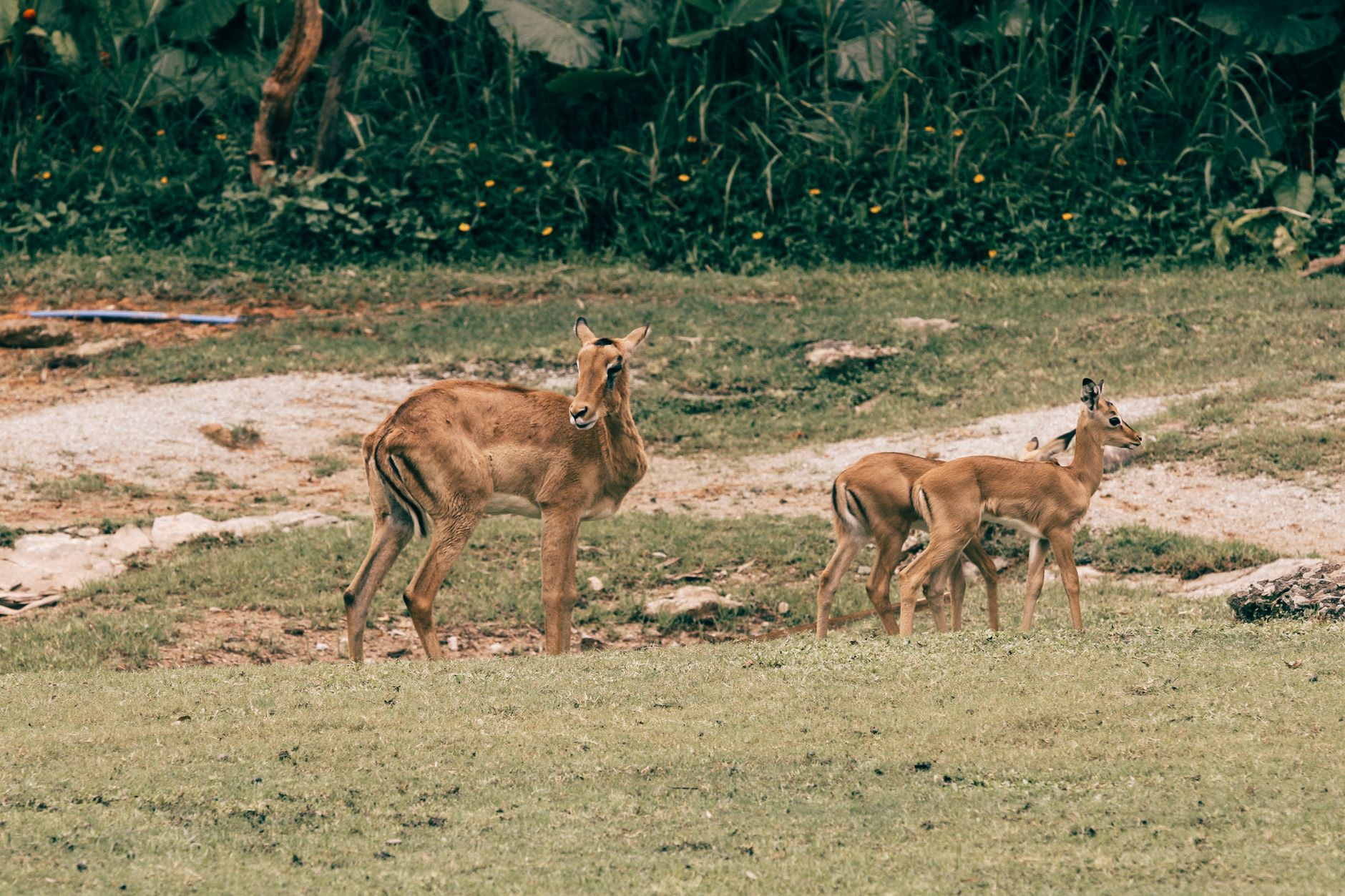
With water and fresh grazing available everywhere, the large herds of the Dry Season break up and spread out across the landscape. While this can make game viewing more challenging, it is also a more intimate experience. The bush is alive with the sights and sounds of new life. This is the primary birthing season for many antelope species, and the wobbly-legged young are a heart-warming sight. Of course, this abundance of vulnerable prey also means predators are highly active.
Furthermore, the Green Season is the absolute best time for birdwatching. Hundreds of migratory species arrive from the northern hemisphere, cloaking the bush in colour and song.
Regional Highlights in the Green Season
While the Okavango and Chobe are magnificent year-round, the Green Season is when other regions truly come into their own. The vast salt pans of the Kalahari, barren for much of the year, are transformed into lush grasslands that host the second-largest zebra migration in Africa. Exploring the Makgadikgadi Pans as they teem with zebra, wildebeest, and flocks of flamingos is an unforgettable experience.
Your Guide to the Best Time to Visit Botswana for a Safari: A Month-by-Month Overview
To help you decide, here is a quick breakdown of what to expect throughout the year.
- April – May (Shoulder Season): A beautiful transitional period. The rains have mostly subsided, but the landscape is still lush. Game viewing improves as the month progresses, and you can enjoy good value before the peak season begins.
- June – August (Peak Dry Season): The heart of the classic safari season. Cool, dry weather and phenomenal wildlife viewing, especially in the Okavango Delta and Chobe. Book well in advance.
- September – October (Late Dry Season): The hottest and driest months. Wildlife concentrations around water are at their absolute peak. The viewing can be incredibly intense and dramatic, but be prepared for the heat.
- November – December (Early Green Season): The first rains bring relief and new life. The birthing season begins, migratory birds start to arrive, and the landscape transforms. A fantastic time for photographers.
- January – March (Peak Green Season): The wettest months, creating a lush, green paradise. This is the prime time for birding and for witnessing the zebra migration in the Kalahari. You’ll also find fewer visitors and lower rates.

So, When is the Right Time for You?
Choosing your ideal time comes down to personal preference. If you are a first-time visitor whose primary goal is to see as much big game as possible with maximum ease, the Dry Season from June to October is your answer.
However, if you are a keen photographer captivated by dramatic skies and vibrant colours, a birder, or a seasoned safari-goer looking for a more intimate experience away from the crowds, then the Green Season from November to April holds a special allure. It is often called the connoisseur's season for its subtle but profound rewards.
Ultimately, deciding on the best time to visit botswana safari depends on what you wish to see and experience. Botswana does not offer a single, static picture, but a living, breathing ecosystem that presents a different facet of its beauty with each passing month. For more travel ideas, see our other Botswana travel guides.
Ready to start planning your own Botswana adventure? Explore our curated collection of lodges and camps to find your perfect safari stay. Each property is hand-picked for its exceptional location, service, and commitment to conservation, ensuring your journey is extraordinary, no matter the season.
Ready to plan your trip?
Check live availability, compare lodges and book instantly — or send us an enquiry and we'll help shape the route.