Best Time to Visit Botswana: Month-by-Month Guide (2025/2026)
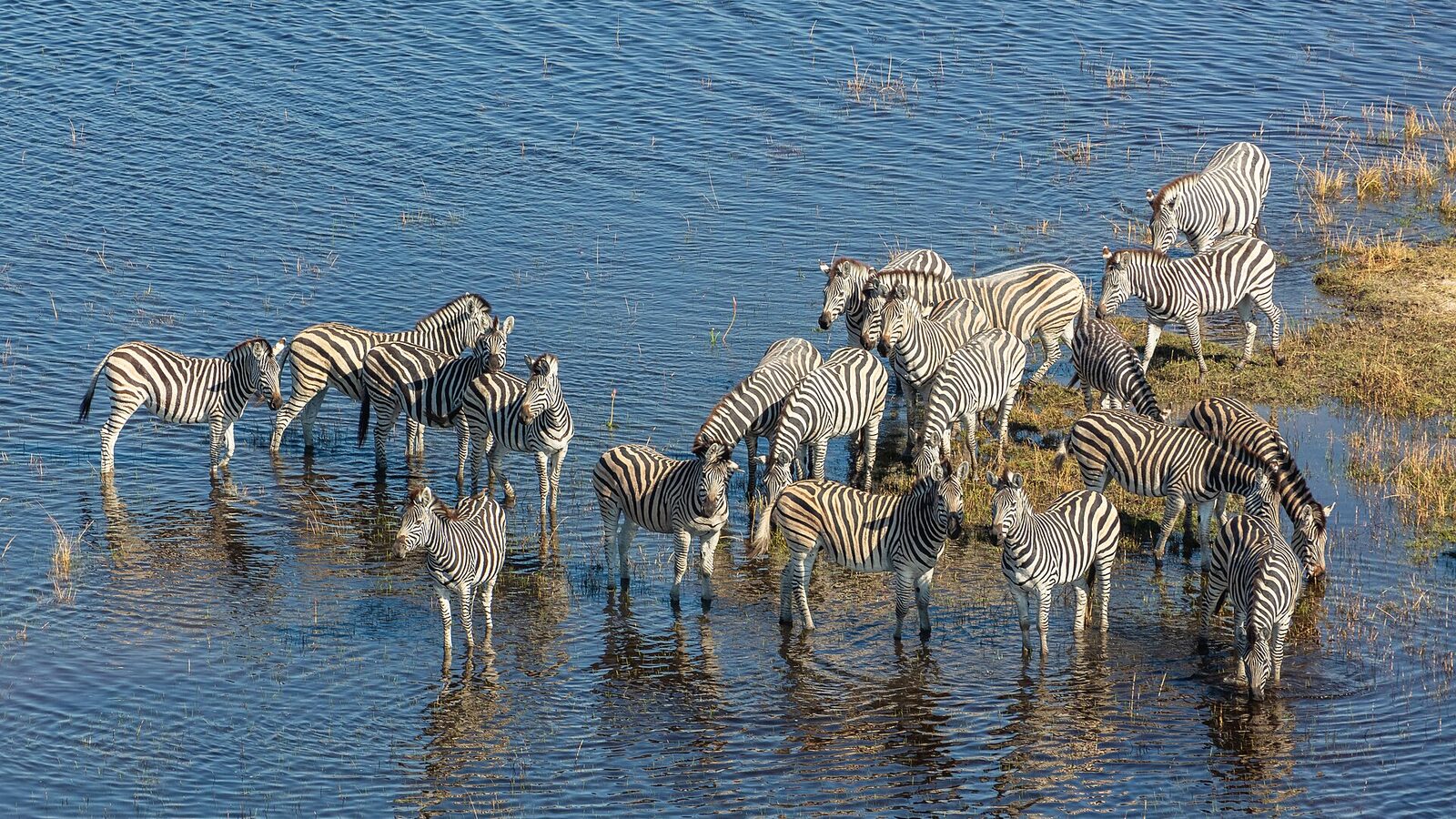
Botswana is a year-round destination, but the timing of your visit has a dramatic effect on what you'll see, where you can go, and what you'll pay. The dry season draws huge concentrations of wildlife around shrinking water sources; the green season brings newborn animals, lush landscapes, and far fewer crowds.
This guide breaks down every month so you can choose the window that matches your priorities.
The Two Seasons at a Glance
Botswana has two distinct seasons: dry (May to October) and green (November to April). Neither is universally "better" — they simply offer different experiences.
| Season | Months | Wildlife Viewing | Road Conditions | Prices |
|---|---|---|---|---|
| Dry | May – October | Excellent to outstanding | Good to very good | Peak rates apply |
| Green | November – April | Good, with spectacular events | Variable; some roads impassable | 20–40% lower |
Month-by-Month Breakdown
May
The rains are ending and the bush is still lush, but animals are beginning to concentrate around permanent water. Temperatures are mild (around 22–26°C in the Okavango region). One of the best months for a first visit — crowds haven't peaked, yet wildlife viewing is already excellent.
June – July
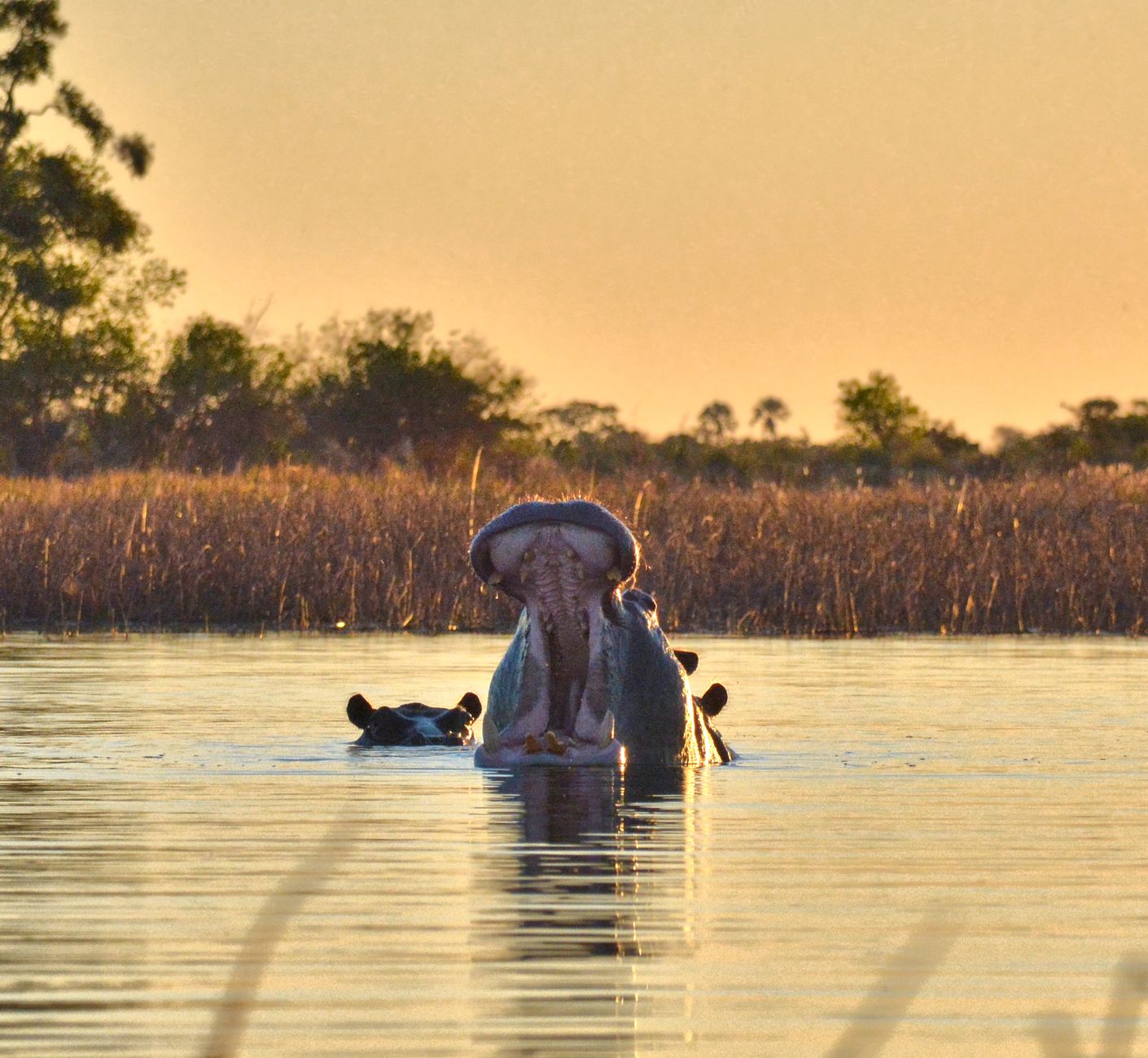
Peak dry season. Grasses dry out and thin, making animals easier to spot. The Okavango Delta flood reaches its annual high in June and July, making mokoro (dugout canoe) excursions and water-based activities prime. Nights are cool (sometimes below 10°C), so pack warm layers. Book well in advance — this is the busiest period.
August – September
Widely regarded as Botswana's finest months for wildlife. Waterholes become critical hubs; elephant herds of 100+ are common in Hwange (across the border) and Chobe. The Okavango water levels begin to drop. Heat is building — expect 30–35°C by September. Predator sightings are exceptional as prey species cluster near remaining water.
October
The hottest month, often exceeding 38°C in the Kalahari. Known as the "suicide month" by some seasoned visitors — it's harsh but rewarding. Newborn animals begin to appear, drawing predators. A good option for experienced safari-goers who want drama without peak crowds.
November – December
The first rains arrive, usually in November. The bush greens almost overnight. Migratory birds arrive in enormous numbers — Botswana hosts over 580 bird species, and the wet season is when the majority are present. Baby animals are abundant. Some sand tracks become impassable for standard 4WD vehicles; check conditions before self-driving.
January – February
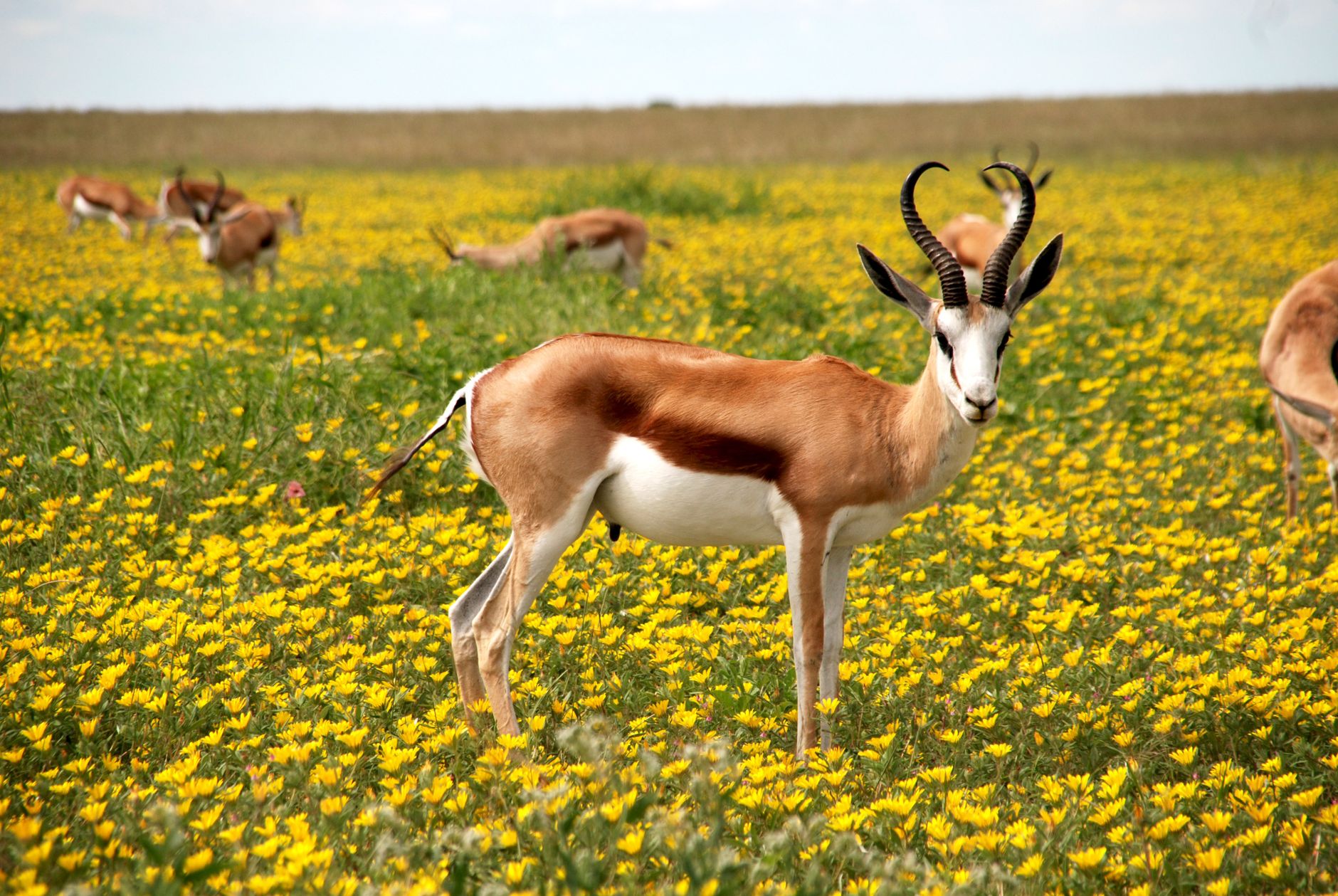
Full wet season. The Central Kalahari Game Reserve transforms into a sea of green. Zebra and wildebeest calving peaks, and predator activity is high. Humidity is notable, but afternoon thunderstorms usually clear quickly. Excellent value and near-empty parks.
March – April
Rain tapers off. The landscape remains green and photogenic. Rates are still low and crowds minimal. An underrated window for photographers who want dramatic skies and verdant backgrounds.
Best Time for Specific Experiences
- Okavango Delta mokoro safaris: June to September (peak flood, clearest water channels)
- Chobe River elephants: Year-round, but August to October for largest concentrations
- Birdwatching: November to March (migrants present)
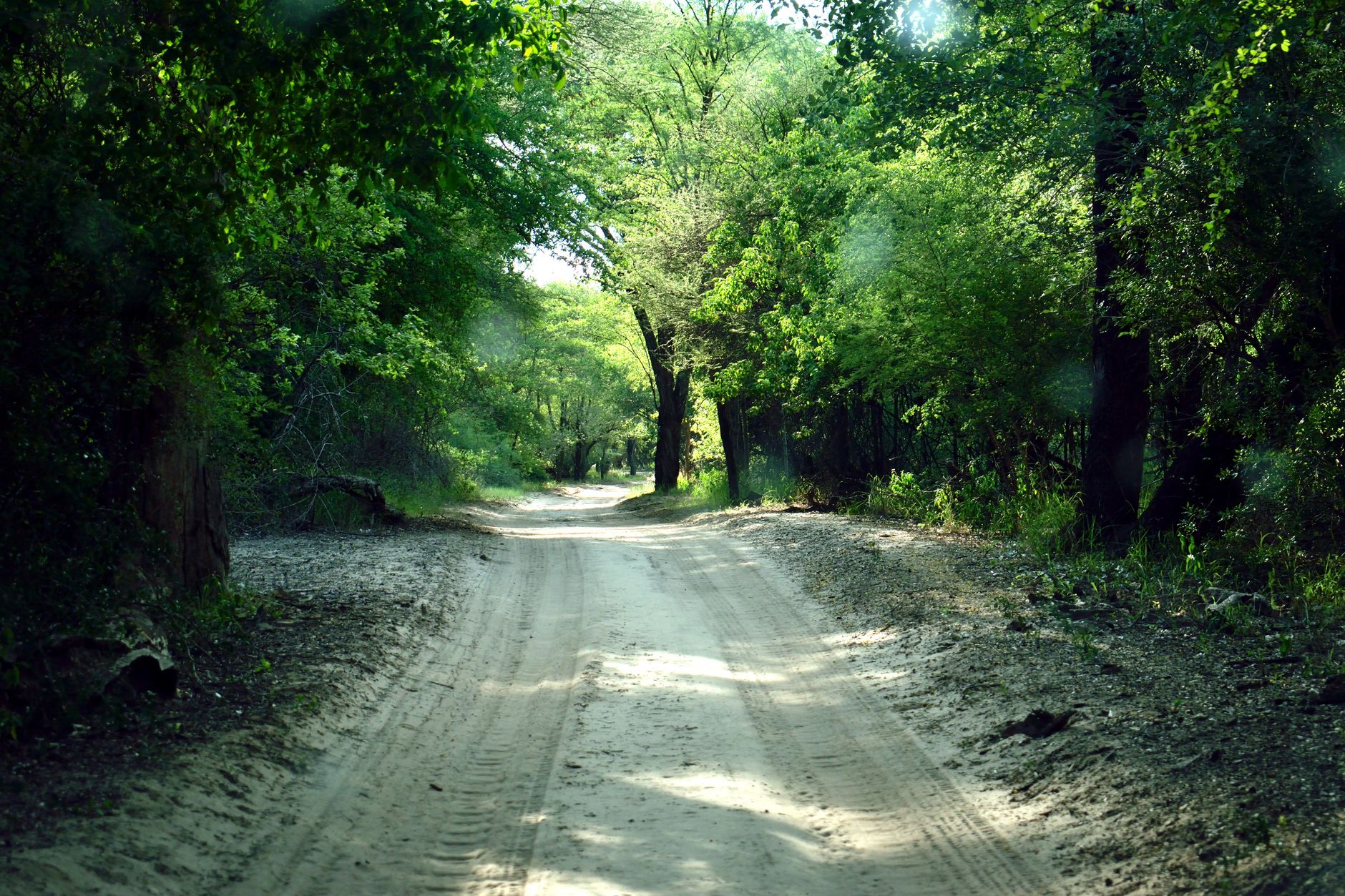
- Self-drive on sand tracks: May to October (dry, firm roads)
- Budget travel: January to March (green season discounts)
- Predator sightings: August to October (prey concentrated at waterholes)
Frequently Asked Questions
What is the best month to visit Botswana overall?
For first-time visitors prioritising wildlife, July to September offers the most reliable and spectacular game viewing. If budget matters more, January to March delivers a genuine safari experience at significantly lower cost.
Is Botswana good to visit in December?
Yes, with caveats. The rains begin in November and December, which makes some self-drive tracks challenging. However, the parks are quiet, rates are lower, and the landscape is beautiful. It suits experienced self-drivers and travellers who prioritise value over peak wildlife density.
When is Botswana cheapest to visit?
Green season (November to April) typically offers lodge rates 20–40% lower than peak. January and February are usually the cheapest months, with some lodges offering further discounts.
Can you self-drive in Botswana in the wet season?
Partially. Tar roads and many gravel roads remain accessible year-round. However, some sand tracks in the Kalahari and remote Okavango areas require high-clearance 4WD and can become impassable after heavy rain. Check road conditions with your lodge or local operators before departing.
Planning a self-drive trip to Botswana? Browse lodges, camps, and self-catering properties on our Botswana accommodation page.
Ready to plan your trip?
Check live availability, compare lodges and book instantly — or send us an enquiry and we'll help shape the route.