Akagera National Park Rwanda: The Big 5's Return

In the quiet hills of eastern Rwanda, a story of profound resilience is unfolding. Akagera National Park, a landscape once on the brink, has been reborn. This is not just a story of conservation, but a testament to a nation’s enduring spirit. For travellers seeking a safari experience rich with meaning and hope, the quest to find the akagera national park rwanda big 5 offers an unparalleled journey into the heart of Africa’s renewal.
Once a landscape scarred by the past, Akagera is now a symbol of a thriving future. Its sweeping savannahs, papyrus-fringed lakes, and rolling highlands are once again echoing with the calls of iconic wildlife, a vibrant ecosystem restored against all odds.
A Phoenix from the Ashes: The Story of Akagera
To truly appreciate a safari in Akagera today is to understand its recent history. Following the 1994 Genocide against the Tutsi, the park’s ecosystems suffered immensely. Refugees returning home settled in large parts of the park, and much of the wildlife was lost to poaching and human-wildlife conflict. By the late 1990s, lions had been hunted to local extinction, and the black rhinos had vanished.
Everything changed in 2010. The Rwanda Development Board forged a visionary partnership with African Parks, a non-profit conservation organisation. This joint management agreement sparked one of Africa’s most ambitious restoration projects. The first step was securing the park. A 120-kilometre solar-powered predator-proof fence was constructed along its western boundary, a critical move that immediately reduced human-wildlife conflict and laid the foundation for what was to come.
With the perimeter secure and effective law enforcement and community engagement programs in place, poaching plummeted. Wildlife populations began to rebound naturally. But to complete the ecosystem, the lost giants had to be brought home.
The Akagera National Park Rwanda Big 5: Completing the Picture
For decades, Akagera was a beautiful park missing some of its most essential characters. The ambitious reintroductions by African Parks and the Rwanda Development Board have changed that, transforming Akagera into a fully-fledged Big 5 destination and a beacon for conservation-led tourism.
The Return of the Lions and Rhinos
The roar of the lion returned to Akagera in 2015. Seven lions, carefully selected from two reserves in South Africa, were released into the park. This founding population adapted beautifully, and today, their descendants roam the plains. Hearing a lion roar across the shores of Lake Ihema at dawn is a powerful, poignant reminder of this success.
Just two years later, in 2017, the next chapter was written with the return of the Eastern black rhino. Eighteen individuals made the monumental journey from South Africa, bringing the critically endangered species back to Rwanda after a ten-year absence. This was followed by another milestone in 2021: the successful translocation of 30 white rhinos, establishing a new breeding stronghold for the species in a secure location.
Spotting a rhino in Akagera feels like a privilege. These prehistoric-looking animals, often seen with their calves, represent the pinnacle of the park's restoration and the tireless work of the anti-poaching teams who protect them around the clock.

Elephants, Buffalo, and the Elusive Leopard
While lions and rhinos were reintroduced, Akagera's populations of elephant and buffalo have been thriving under renewed protection. The park’s elephants, which numbered less than 100 in the year 2000, have grown into a healthy and relaxed breeding population. Encounters with family herds as they move through the acacia woodlands are a safari highlight.
Cape buffalo are found in enormous herds, sometimes hundreds strong, a truly impressive sight as they graze on the savannah or wallow in muddy pans. They are a cornerstone of the Akagera ecosystem.
Completing the Big 5 is the leopard. As with anywhere in Africa, seeing this master of camouflage requires patience and a little luck. They are solitary and stealthy, often found resting in the boughs of a sausage tree during the day. A night drive offers the best chance, your guide’s spotlight scanning for the tell-tale reflection of their eyes in the darkness.
Beyond the Big 5: Akagera’s Diverse Tapestry
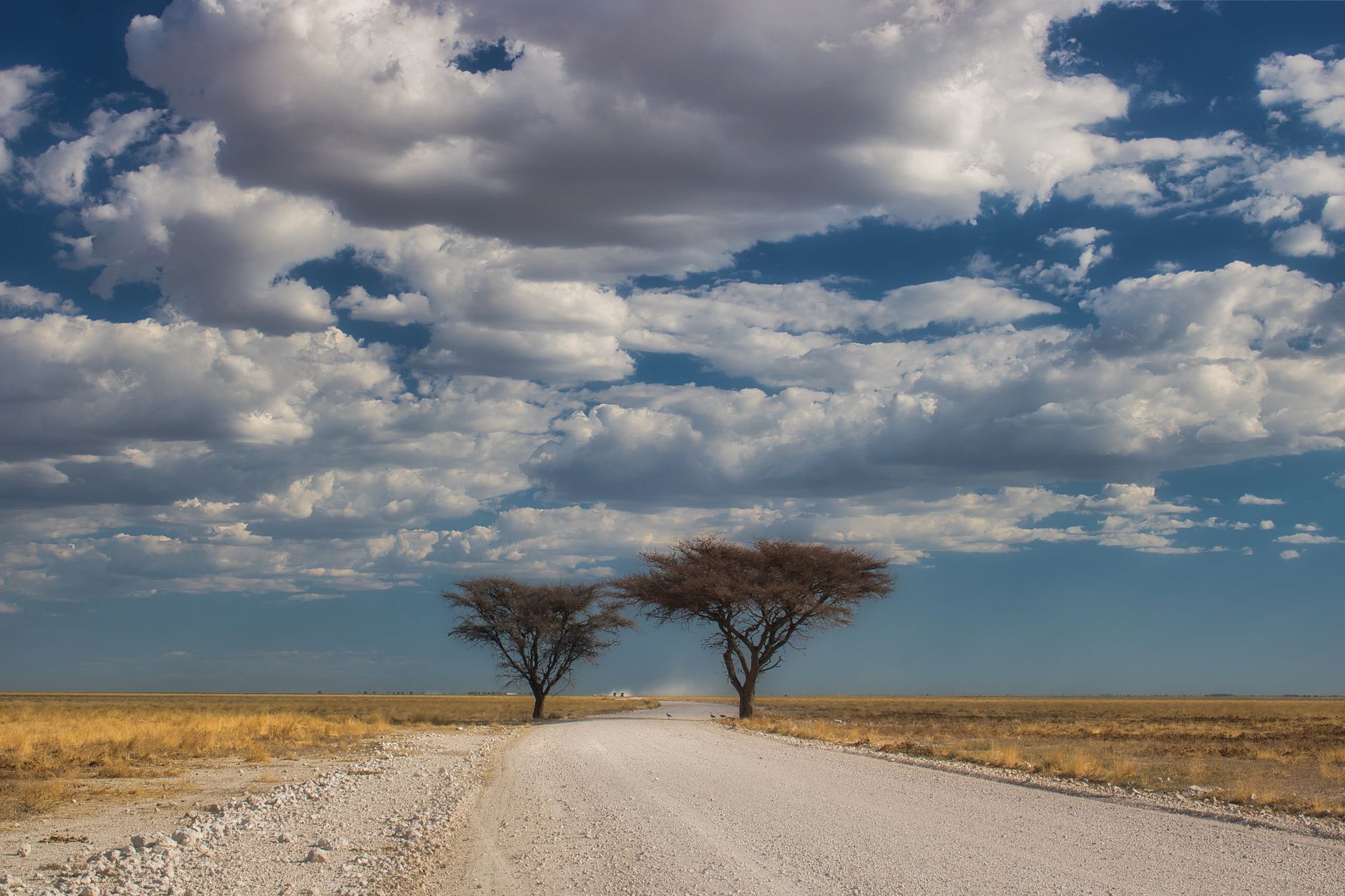
While the Big 5 are a major draw, Akagera’s magic lies in its incredible variety. It is arguably the most scenic national park in Africa, with a diversity of landscapes that is simply breathtaking. The northern plains feel like the classic East African savannah, while the west is defined by rolling hills and valleys. The eastern boundary is a vast lacustrine system of lakes and wetlands fed by the Kagera River.
This variety of habitats supports a rich array of other species. You will almost certainly see:
- Topi, with their distinctive purple-patched legs
- Large pods of hippos, which fill Lake Ihema
- Enormous Nile crocodiles basking on the shores
- Graceful Maasai giraffes
- Plains zebra and Defassa waterbuck
- Several primate species, including vervet monkeys and olive baboons
Akagera is also a world-class birding destination, with over 480 species recorded. A boat trip on Lake Ihema is a must, not just for the hippos and crocodiles, but for the chance to spot African fish eagles, pied kingfishers, and with great fortune, the rare and magnificent Shoebill.

Planning Your Akagera Safari
A visit to Akagera is easily integrated into a wider Rwandan itinerary, which might include gorilla trekking in Volcanoes National Park or exploring the canopy in Nyungwe Forest. But this park deserves more than a fleeting visit. To truly soak it in, plan for at least two or three nights.
How to Explore
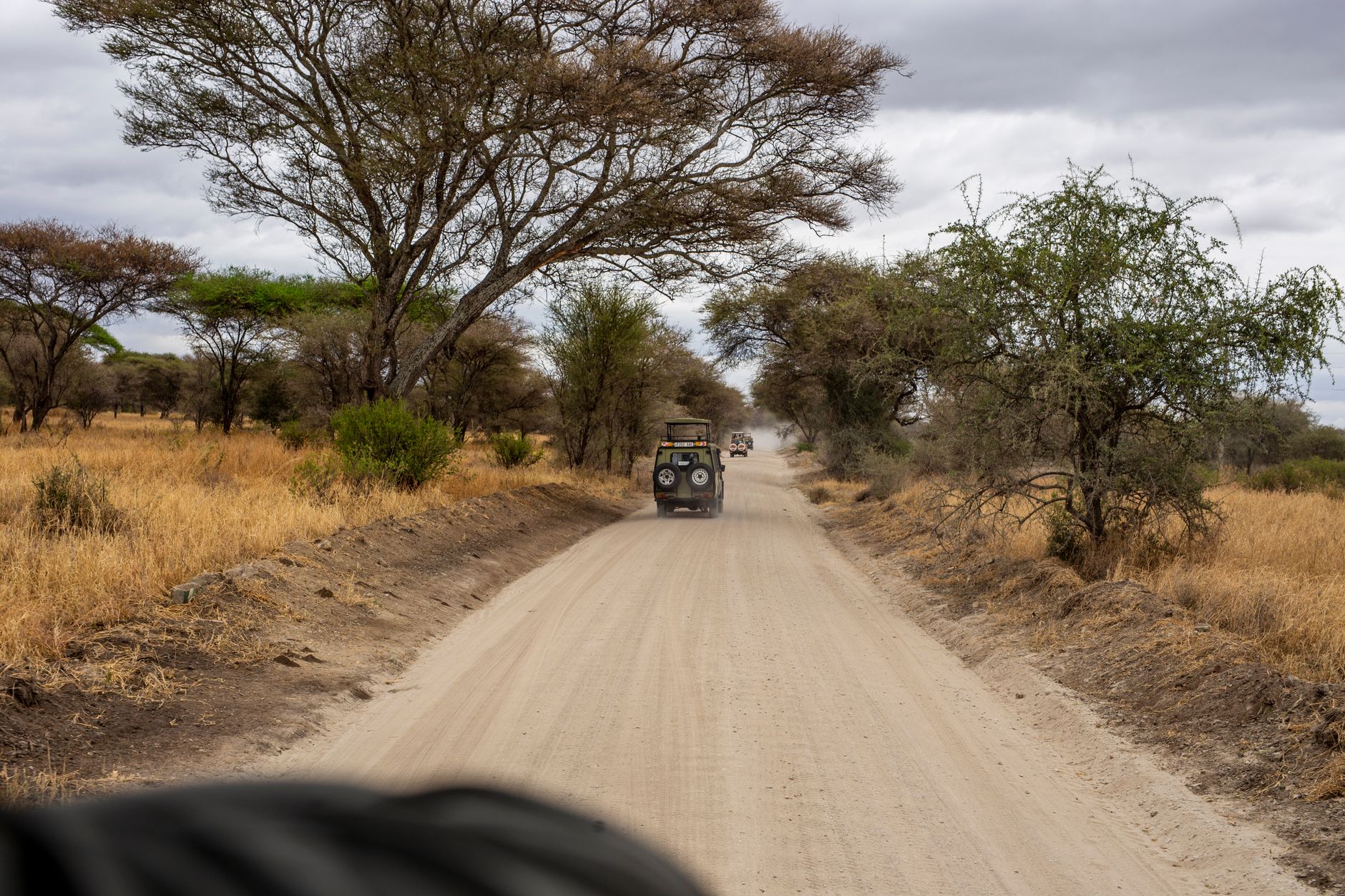
Game drives are the primary way to see wildlife, and the park’s road network covers the different landscapes well. A full-day drive from the south to the north gate reveals the stunning transition from wetland to savannah. Night drives offer a completely different perspective and the chance to find nocturnal creatures like leopards, hyenas, and civets.
As mentioned, a boat safari on Lake Ihema is essential. It provides a unique view of the park and brings you eye-to-eye with its incredible aquatic life. For those interested in the conservation story, a visit to the park’s headquarters to learn more about their work, as detailed in our article on The Art of Conservation Travel, can be deeply rewarding.
Where to Stay
Staying at a lodge within the park maximizes your experience. Options range from the sublime luxury of camps like Magashi Camp in the wildlife-rich northern sector to more rustic and community-run options. Waking up to the sounds of the bush, with immediate access to game drive routes, is an unbeatable experience.
A journey to Akagera is about more than ticking off a list. It is about witnessing a landscape brought back to life. Seeing the akagera national park rwanda big 5 here is not just a wildlife sighting; it's a front-row seat to one of the greatest conservation stories of our time. It’s a chance to see that with dedication and vision, the wild can return. For a deeper look into crafting your perfect Rwandan adventure, explore our complete Rwanda travel guide.
Ready to witness this incredible revival for yourself? A safari in Akagera offers a journey of hope, beauty, and unforgettable wildlife encounters. Explore our curated collection of Rwandan lodges and begin planning a trip that contributes to this inspiring story.
Ready to plan your trip?
Check live availability, compare lodges and book instantly — or send us an enquiry and we'll help shape the route.