Tswalu Kalahari Private Game Reserve Safari Guide

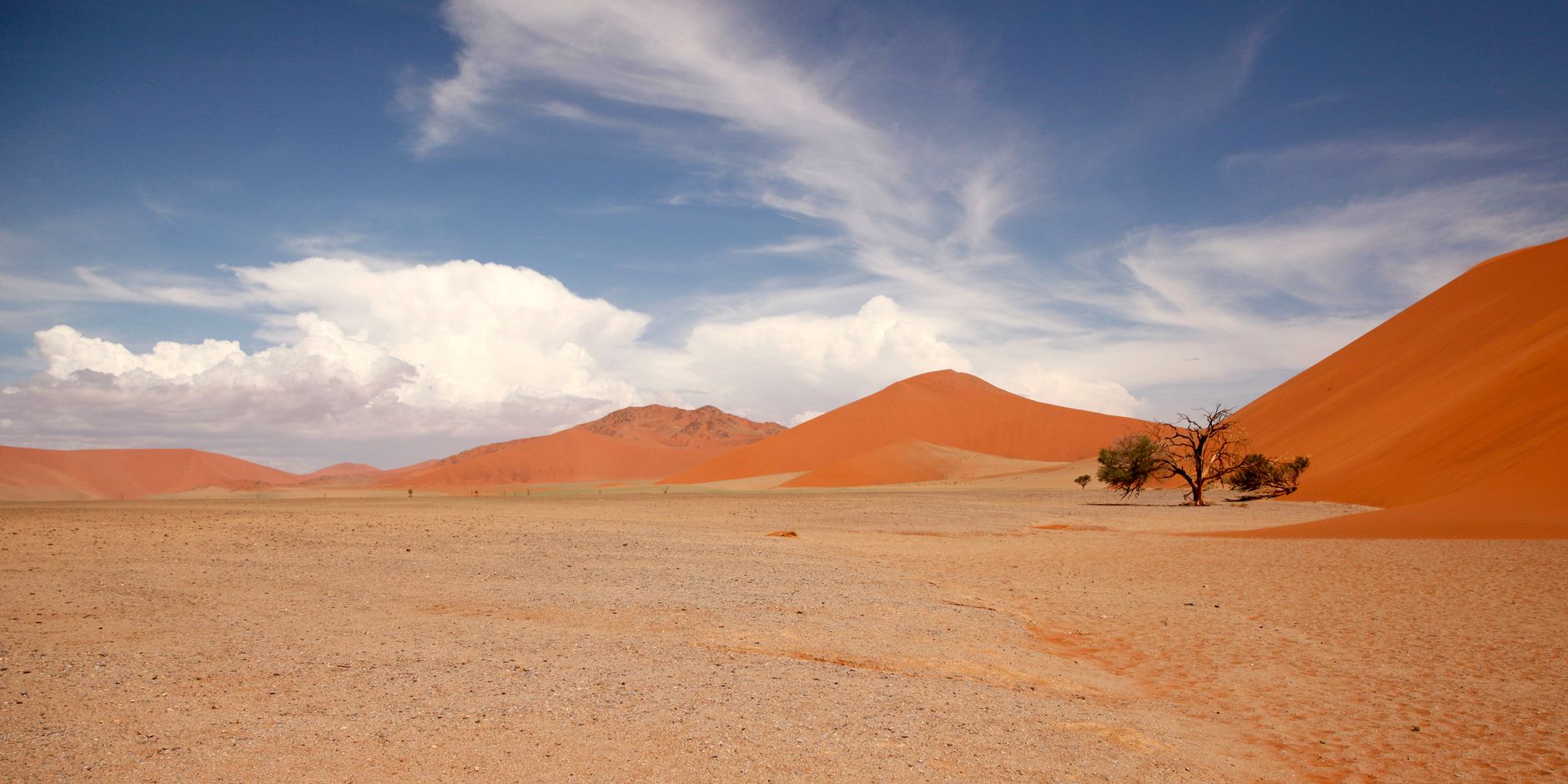
In the southernmost reaches of the Kalahari, where rust-red sand dunes meet the craggy quartzite peaks of the Korannaberg mountains, lies South Africa’s largest private wilderness. Preparing for a tswalu kalahari private game reserve safari is an exercise in recalibrating your perception of an African wilderness. Far from the crowded circuits of busier national parks, this vast protected expanse offers an unfiltered encounter with an arid ecosystem shaped by silence, space, and profound conservation commitments.
For those looking ahead to travels between March and August 2027, the coming autumn and winter months present prime conditions for desert exploration. Cooler days and receding vegetation shift the landscape into sharp relief, revealing shy nocturnal wanderers and dramatic predator interactions across sweeping savannahs.
The Green Kalahari: Understanding the Seasons
The Southern Kalahari is often termed the 'Green Kalahari' due to its undulating dunes anchored by golden grasses, shepherd's trees, and ancient camelthorns. While summer brings sporadic and dramatic electrical storms, the months spanning March to August transition into clarity and dryness.
March and April mark the gentle close of the warm season. Daytime temperatures hover pleasantly in the high twenties Celsius, and the desert floor retains lush pockets of vegetation that draw plains game like oryx, red hartebeest, and springbok to the open valleys. It is a photogenic window when dramatic cloudscapes drift over vibrant red earth.
By May and June, winter settles across the desert plains. Days remain crisp, sunny, and cloudless, while nights plunge toward freezing under brilliantly illuminated southern skies. This temperature drop sparks behavioral shifts among the desert's most elusive residents, making it a revered time for dedicated wildlife enthusiasts planning with the Safari Stays collection.
- March to April: Lingering warmth, rich birdlife, and verdant dune landscapes.
- May to June: Crisp air, thinning bush, and early afternoon foraging by nocturnal species.
- July to August: Cold desert nights, peak viewing around waterholes, and ideal walking conditions.
Rare Encounters: The Unique Wildlife of the Kalahari
Unlike traditional riverine reserves dominated by the conventional Big Five, Tswalu is renowned for encounters with species rarely glimpsed elsewhere on the continent. The reserve protects over 114,000 hectares of restored habitat, allowing sensitive ecological niches to thrive without boundary fences.
Foremost among these is the ground pangolin. Thanks to dedicated ongoing research programs on the property, trackers possess exceptional knowledge of local pangolin home ranges. During the cooler mid-year months, these prehistoric creatures often emerge in the warmth of the early afternoon rather than deep into the night, rewarding patient travellers with sightings of a lifetime.
Similarly, the elusive aardvark and the whimsical bat-eared fox alter their foraging patterns as midday temperatures soften in winter. Guests can quietly observe habituated meerkat colonies emerging from their underground burrows at dawn, warming their bellies against the morning sun before scattering across the red earth to dig for scorpions.
Predators here carry their own distinct desert stature. The iconic Kalahari black-maned lions patrol immense territories, their deep territorial roars echoing across dry pans under starlight. Cheetah thrive on the open plains where their unmatched speed can be deployed without dense thickets, while packs of African wild dog frequently traverse the Korannaberg foothills.
Planning Your Tswalu Kalahari Private Game Reserve Safari
A hallmark of this remote haven is exclusivity. Every booking is paired with a private safari vehicle, an experienced field guide, and an expert local tracker. This arrangement allows you to dictate the tempo of every day without the compromises of shared game drives.
When reserving your itinerary across our wider Southern Africa safari regions, deliberate pacing is essential. The scale of the reserve requires time to unfold; rushing through in two nights misses the quiet rhythm that defines the Kalahari. Four or five nights allow for deep immersion, balancing sunrise tracking missions with reflective afternoons.
Accommodation across the reserve reflects an understated, earth-toned luxury crafted from local stone, slate, and woven thatch. Properties such as Motse, Tarkuni, and Loapi offer distinct footprints, whether you seek an intimate villa suited for multi-generational families or an ultra-exclusive tented enclave nestled along the mountain slopes. As highlighted in our safari planning journal, securing peak winter spaces requires booking well ahead of the coming dry season.
Dining throughout your stay celebrates regional ingredients, paired alongside world-class South African vintages, often served beneath an astonishing canopy of stars untouched by modern light pollution.
Beyond the Vehicle: Tracking, Walking, and Rock Art
Game drives in customized open vehicles cover considerable territory, but stepping onto the sand transforms your appreciation of the desert floor. Guided walking safaris unveil the intricate stories written across the red dunes, from the tiny footprints of barking geckos to the morning drag marks of a porcupine.
The reserve also protects significant cultural heritage. Accompanied by your guide, you can visit ancient archaeological sites housing petroglyphs carved into dolomitic rock by San ancestors thousands of years ago. Depicting zebra, giraffe, and abstract symbols, these engravings offer humbling perspective on human continuity in this fragile climate.
Horseback safaris provide another silent, non-invasive medium for exploring. Riding through herds of mountain zebra and blue wildebeest allows for an unhurried communion with nature that mechanical transport cannot replicate.
- Bush walks: Focus on spoor identification, desert flora, and medicinal plant lore.
- Rock art excursions: Marvel at ancient San petroglyphs preserved on rocky outcrops.
- Night sky exploration: Gaze at the Milky Way through high-powered telescopes in a dark-sky paradise.
Practical Considerations for 2027 Travelers
Reaching this isolated pocket of the Northern Cape is seamless via scheduled private charter flights departing from either Johannesburg or Cape Town directly onto Tswalu's private airstrip. Luggage restrictions on these smaller aircraft generally require soft-sided duffel bags without rigid frames.
Because the Kalahari is situated outside of tropical zones, the reserve is considered a low-risk malaria area, making it an appealing prospect for multi-generational travel and winter breaks. Even so, travelers should always consult their personal medical practitioners when finalizing comprehensive itinerary plans.

Packing for an autumn or winter desert expedition requires adaptable layering. Morning drives demand windproof down jackets, warm beanies, and gloves, yet by midday, light linen shirts and sun hats become the order of the day. A sturdy pair of broken-in walking shoes is indispensable for navigating the loose sands and uneven quartzite ridges.
Taking the time to craft your tswalu kalahari private game reserve safari well in advance ensures access to preferred camp locations and optimal flight combinations for the upcoming 2027 season, unlocking an African journey defined by rarity, stillness, and restorative space.
To begin curating your journey into the pristine dunes of the Southern Kalahari, connect with the specialist team at Safari Stays, where every itinerary is tailored with quiet precision to match your travel aspirations.
Let us plan this trip for you
Send us your dates, party and budget and we'll come back with a costed itinerary, with lodges, flights, transfers and activities in one place. No obligation.
Keep reading


See our safari advice first on Google
One tap tells Google you want Safari Stays shown higher when you search for safari and travel news. It takes a second and you can undo it anytime.
Make Safari Stays a preferred source on Google