A Guide to the Ndutu Calving Season Safari February 2027

The air in the southern Serengeti ecosystem hums with a palpable energy. It’s a feeling of imminence, of life on a colossal scale. This is the stage for one of the planet's most breathtaking natural dramas: the Great Wildebeest Migration's calving season. For those planning a journey of a lifetime, a ndutu calving season safari february 2027 promises an experience that is as profound as it is thrilling, a front-row seat to the circle of life in its most raw and beautiful form.
Each year, a timeless rhythm guides over 1.5 million wildebeest, accompanied by hundreds of thousands of zebra and gazelle, on a vast circular trek through Tanzania and Kenya. The Ndutu region, straddling the southern edge of the Serengeti National Park and the northern part of the Ngorongoro Conservation Area, becomes the heart of this spectacle from December to March. It is here, on these nutrient-rich short-grass plains, that the migration pauses for its most vital chapter.
The Miracle of Life on the Plains
The calving season is nature's grand nursery. Timed to coincide with the rainy season which turns the volcanic soil into a carpet of lush, green grass, this period sees the birth of an estimated 500,000 wildebeest calves over a concentrated two-to-three-week window, peaking in February. This remarkable synchronisation is a survival strategy, overwhelming predators with a sheer abundance of potential prey.
The sight of a newborn calf, spindly and wet, staggering to its feet within minutes of birth is an image that stays with you forever. It is a moment of immense vulnerability and incredible strength. The calf must learn to run almost immediately, a crucial skill in a landscape patrolled by Africa's most formidable hunters. The plains come alive with the tender interactions between mother and child, the low grunts of the herd, and the vast, open skies stretching to a limitless horizon.
This isn't just about birth; it's about the renewal of the entire ecosystem. The grazing herds mow the grasses, and their dung fertilises the soil, continuing a cycle that has played out for millennia. Witnessing it firsthand provides a deep and humbling connection to the wilderness.
Planning Your Ndutu Calving Season Safari February 2027
Timing is everything when planning a safari centred around a natural event. February is widely considered the ultimate month for this experience, placing you squarely in the peak of the calving. By then, the herds are densely congregated across the Ndutu plains, and the drama of new life—and the inevitable predator action it attracts—is at its most intense.
Because this is one of the most sought-after safari experiences in Africa, early planning is essential. Lodges and camps, particularly those located within the Ndutu Conservation Area itself, are often booked more than a year in advance. Securing your spot now for a February 2027 trip ensures you have the best choice of accommodation and expert guides.
When planning, consider the type of safari you envision. Mobile camps offer an intimate connection to the wilderness, moving with the general flow of the animals. These camps are often more rustic but place you in the heart of the action. Permanent lodges and tented camps in the area provide more creature comforts, with beautiful settings and amenities, while still offering incredible access to the plains. Both offer an exceptional base for your daily explorations across Tanzania.
Beyond the Wildebeest: A Complete Safari Ecosystem
While the wildebeest are undoubtedly the stars of the show, the calving season is a magnet for an incredible diversity of other wildlife, making for a truly holistic safari. The sudden abundance of vulnerable calves creates a banquet for predators, and sightings of lions, cheetahs, and hyenas are exceptionally common during this time.
The open plains of Ndutu are classic cheetah territory. Watching these graceful cats stalk through the short grass is a heart-in-your-mouth experience. Lion prides, often with cubs of their own, are drawn to the easy hunting opportunities, and their powerful dynamics are on full display. Spotted hyena clans, often misunderstood but highly intelligent, are ever-present, whether loping across the horizon or engaging in dramatic confrontations over a kill.
Beyond the high-stakes predator-prey drama, the resident wildlife of the region is spectacular. Expect to see:
- Vast herds of zebra, which migrate alongside the wildebeest.
- Graceful giraffes nibbling on acacia trees.
- Large herds of elephants moving with quiet dignity.
- Abundant plains game like Grant's and Thomson's gazelles, eland, and impala.
- A vibrant birdlife, with over 400 species recorded, from majestic eagles to colourful lilac-breasted rollers.

A Photographer's Dream
For photographers, both amateur and professional, the calving season is paradise. The quality of light in the early mornings and late afternoons bathes the landscape in a golden hue, creating stunning conditions for capturing images. The sheer density of wildlife offers endless subjects.
The emotional range of potential shots is staggering—from the tenderness of a mother grooming her newborn calf to the explosive action of a cheetah hunt. The sweeping landscapes, dotted with acacia trees and dramatic cloud formations, provide epic backdrops for your wildlife portraits. It is a time and place where every game drive can yield a portfolio's worth of unforgettable images.
Where to Stay and What to Expect
To truly immerse yourself in the calving season, staying within the Ndutu area is paramount. This avoids the long daily drives from the central Serengeti or the Ngorongoro Crater rim, maximising your time on the plains where the action is unfolding. The accommodations here are designed to blend with the environment, offering comfort without sacrificing the authentic connection to the wild.
Safari Stays partners with a selection of exceptional camps and lodges in the heart of this region. Whether you prefer the classic elegance of a permanent tented suite with a private veranda or the adventurous spirit of a mobile camp that follows the migration, our portfolio ensures a prime location and an unparalleled safari experience. For a wider view of possibilities, you can explore our curated collection on our homepage.
A Day on Safari in Ndutu
Your days will follow a rhythm dictated by the wildlife. An early wake-up call with coffee and biscuits is followed by a game drive as the sun rises, casting long shadows across the plains. This is when predators are most active. Your guide might track a lion pride on the move or find a cheetah surveying the plains from a termite mound.
You may enjoy a picnic breakfast amidst the herds before continuing your exploration. The middle of the day is often spent back at camp, enjoying a delicious lunch, relaxing, and perhaps taking a dip in a pool if your lodge has one. As the afternoon heat subsides, you’ll head out again for another game drive, staying out until sunset to witness the landscape transform in the evening light before returning to camp for cocktails around the fire and a starlit dinner. Our blog features more stories and inspiration from days just like this.
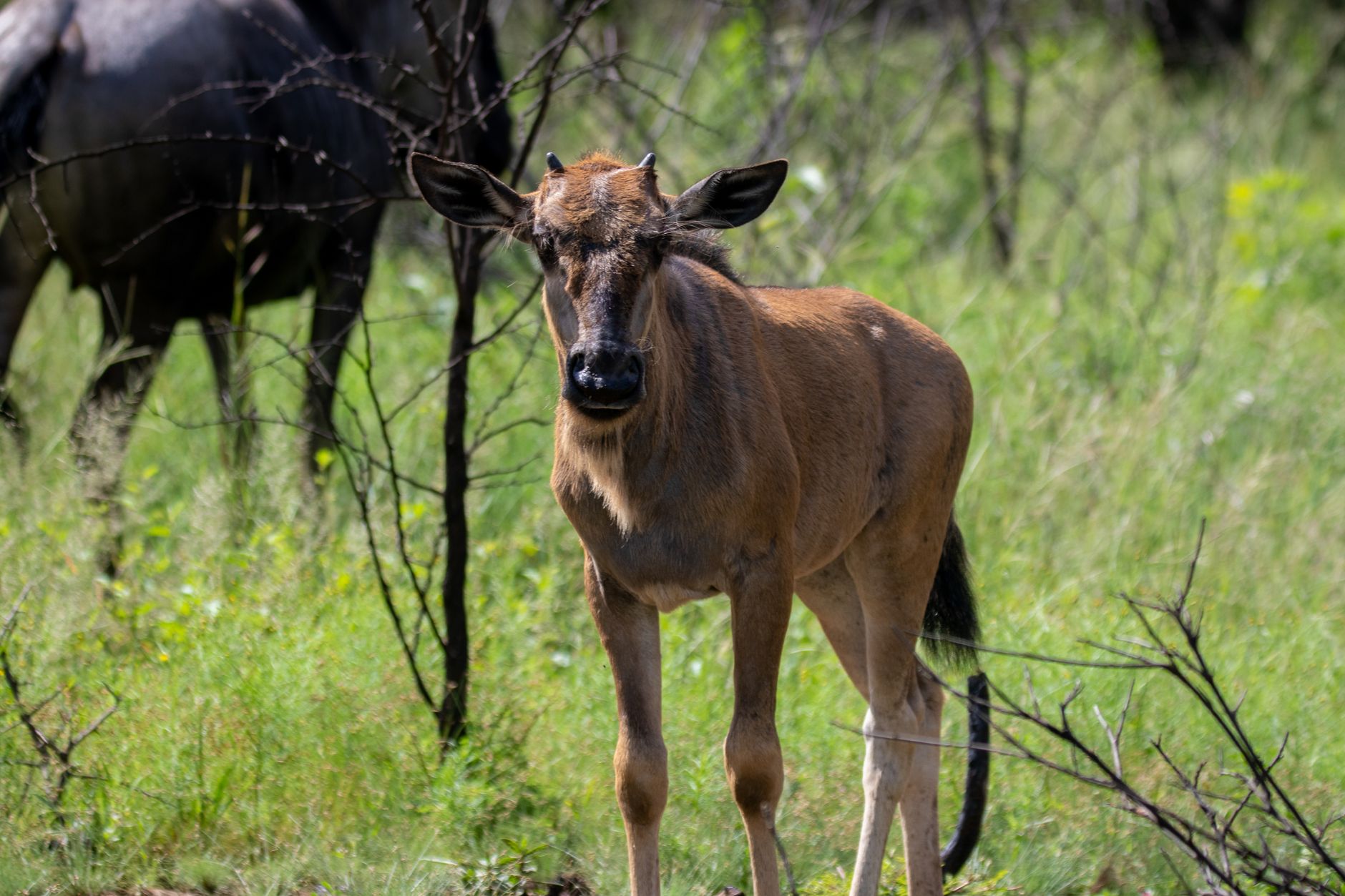
The Great Migration is a force of nature, a relentless and awe-inspiring cycle of movement and survival. The calving season in Ndutu is its emotional core—a time of birth, fragility, and intense drama. To be there is to witness a fundamental truth about our planet, a spectacle that is both grand and intimately personal. Planning your ndutu calving season safari february 2027 is the first step toward an adventure that will not just be seen, but felt, leaving an indelible mark on your soul.
Let us plan this trip for you
Send us your dates, party and budget and we'll come back with a costed itinerary, with lodges, flights, transfers and activities in one place. No obligation.
Keep reading


See our safari advice first on Google
One tap tells Google you want Safari Stays shown higher when you search for safari and travel news. It takes a second and you can undo it anytime.
Make Safari Stays a preferred source on Google