Hwange National Park: Complete Travel Guide for Safari Visitors
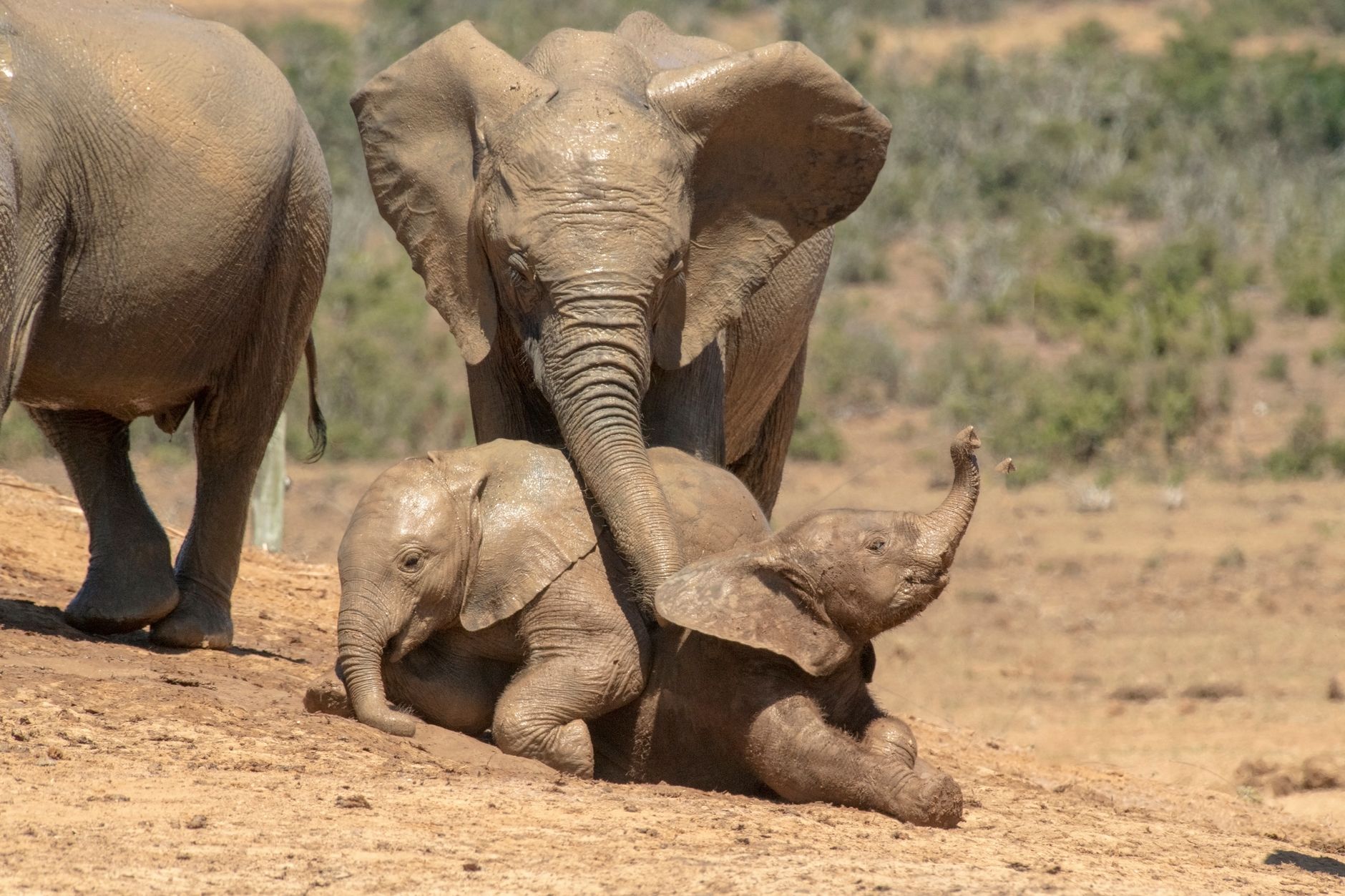
Hwange National Park is Zimbabwe's largest and most celebrated wildlife reserve, covering approximately 14,600 km² of Kalahari sand and mopane woodland in the country's northwest. It is home to an estimated 45,000 elephants — the largest elephant population of any national park in the world — alongside lion, wild dog, cheetah, sable antelope, roan antelope, and over 400 bird species.
What makes Hwange exceptional is not just the quantity of wildlife but the quality of the viewing. The park's system of pump-fed waterholes — many established and maintained by conservation trusts — draws animals in extraordinary concentrations during the dry season, creating spectacles comparable to anything in Africa.
Key Facts
- Size: 14,651 km²
- Location: Northwestern Zimbabwe, bordering Botswana and close to Victoria Falls
- Nearest town: Hwange town (basic facilities); Victoria Falls (full facilities, 100 km north)
- Best known for: Africa's largest elephant population; wild dog stronghold; sable antelope
- UNESCO status: Part of the Kavango-Zambezi Transfrontier Conservation Area (KAZA)
The Waterhole System
Hwange sits on a fossil river drainage with no permanent natural water in much of the park. The waterholes that sustain the park's extraordinary wildlife are artificially pump-fed — a conservation intervention that has been running for decades, maintained by Zimbabwe Parks and a network of conservation trusts.
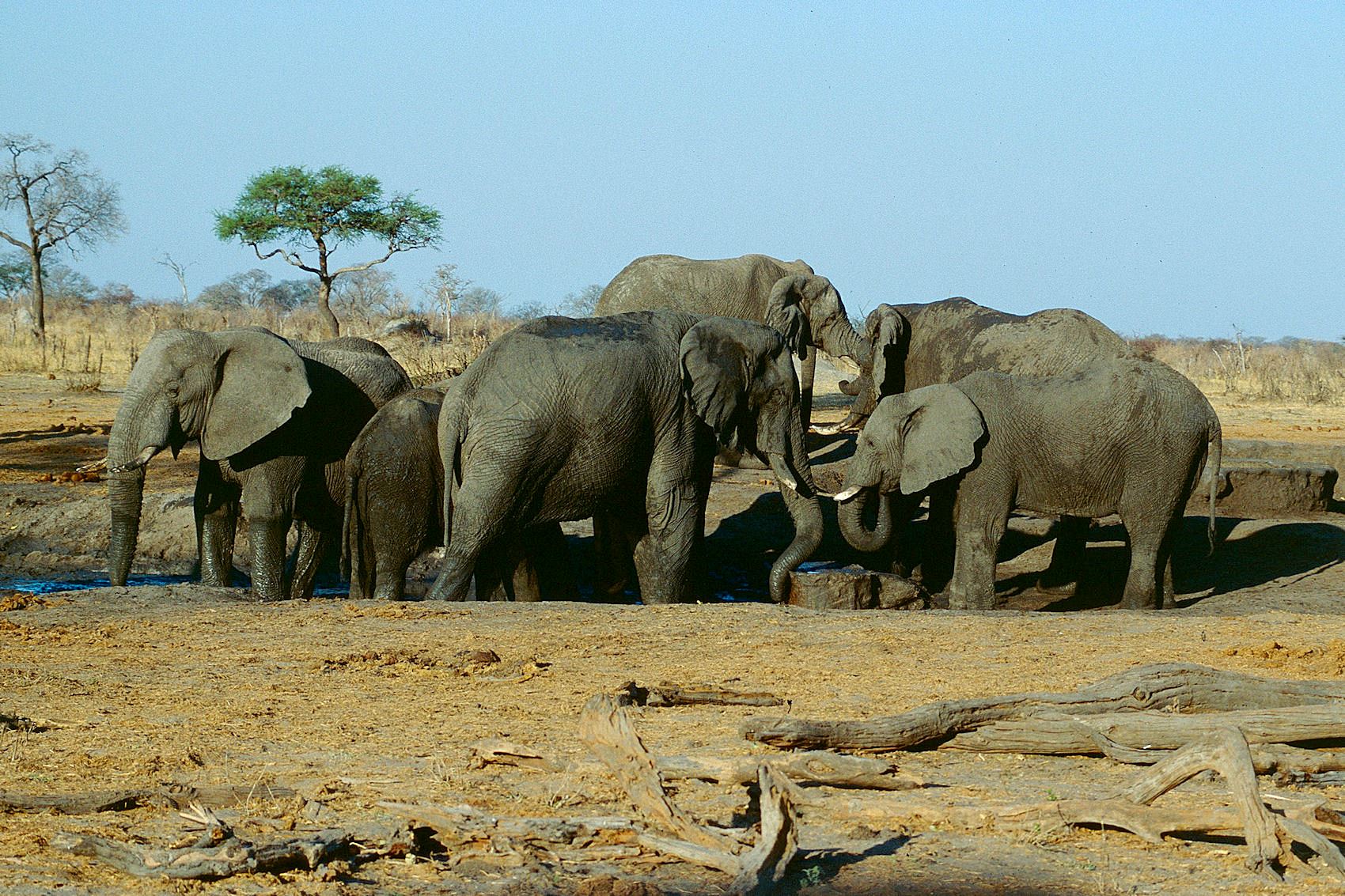
During the dry season (June to October), these waterholes become the park's beating heart. Animals travel enormous distances to drink. At peak season, a single waterhole may host hundreds of elephants, zebra herds, buffalo, lion, hyena, and an extraordinary array of birds simultaneously.
The most productive waterholes — Dom, Nyamandhlovu, Kennedy, Ngweshla — are known to experienced guides and are positioned near the best camps. Staying at a camp with direct waterhole access, or with a guide who knows the system intimately, dramatically improves your experience.
Wildlife in Hwange
Elephant: The park's signature animal. Herds of 100–300 are common at waterholes in September and October. The Hwange elephants are among the most studied in the world — the long-running research by the Hwange Elephant Research Project has tracked individual animals for decades.
Wild dog (African painted dog): Hwange is one of Zimbabwe's strongest wild dog areas and one of the more reliable locations in southern Africa for sightings. Several packs are habituated to vehicles. The Painted Dog Conservation project, based near the park boundary, runs an excellent rehabilitation and community programme.
Lion: Large prides are resident throughout the park. The Hwange lions are known for occasional elephant predation — a behaviour documented in the park and made possible by the extraordinary prey density.
Sable and roan antelope: Two of Africa's most striking antelope, and genuinely difficult to find in many reserves. Hwange supports strong populations of both. The sable antelope — jet black with sweeping curved horns — is Zimbabwe's national animal.
Cheetah: Present but less common than in open savannah reserves. The mopane and teak woodland habitats suit lions and wild dog more than cheetah, though sightings are possible, particularly on the open plains in the south of the park.
Areas of Hwange
Main Camp area (northeast): The most accessible part of the park, with the park headquarters and several public campsites. The Nyamandhlovu waterhole platform here is one of the most famous in Africa — an elevated viewing deck directly overlooking a productive waterhole. Good for self-drive visitors.
Sinamatella (northwest): Higher ground with a different habitat mix — more rocky terrain and good views over the wilderness. Quieter than Main Camp.
Robins Camp (north): Remote and little-visited. Excellent for those wanting solitude. Several productive waterholes nearby.
Private concessions: Several private concessions border or overlap with the park, operated by lodges offering exclusive game drives, walking safaris, and night drives not permitted in the main park. The best wildlife experiences in Hwange are almost universally in these private areas.
How to Get to Hwange
Victoria Falls: The most practical gateway. Victoria Falls airport receives direct flights from Johannesburg (approximately 1.5 hours) and connections from Nairobi and other regional hubs. Hwange's private camps are 1.5–3 hours by road from Victoria Falls. Many camps offer road or light aircraft transfers.
By light aircraft: Several airstrips within and adjacent to the park receive charter flights from Victoria Falls and Harare. Most high-end camps include airstrip transfers.
Self-drive: Hwange is accessible by self-drive on good tar roads from Victoria Falls and Bulawayo. The main park roads are traversable by high-clearance 2WD in the dry season; a 4WD is advisable for the more remote tracks and essential after rain.
Accommodation in Hwange
Private lodge concessions: The finest way to experience Hwange. Several world-class camps operate on private land adjacent to the park, offering exclusive use of waterholes, walking safaris, night drives, and small vehicle numbers. Prices range from USD 400 to USD 1,500+ per person per night all-inclusive.
National Parks camps: Zimbabwe Parks operates Main Camp, Sinamatella, and Robins Camp with basic chalets and campsites. Affordable and well-positioned, particularly for self-drive visitors. Book through the Zimbabwe Parks online portal.
Community and mid-range camps: A growing number of mid-range properties operate on community conservancy land adjacent to the park, offering a genuine Hwange experience at accessible price points.
Frequently Asked Questions
How many days should I spend in Hwange?
Three nights is the minimum for a meaningful visit. Five nights allows you to cover the park's different areas and maximise waterhole time at different hours of the day. Many visitors combine Hwange with Victoria Falls (2–3 nights) as part of a broader Zimbabwe circuit.
Is Hwange better than Chobe for elephants?
They're comparable in scale but different in character. Chobe's elephants concentrate on the riverfront with water always present — a permanent spectacle. Hwange's elephants converge on waterholes in a more dynamic, less predictable way. Both are outstanding; the choice often comes down to broader itinerary logic.
Can I self-drive in Hwange?
Yes. The main park roads are accessible to self-drive visitors with a suitable vehicle. However, the best wildlife experiences — particularly walking safaris and night drives — are only available through private camps and operators. A combination of self-drive and at least one or two nights at a private camp is a strong approach.
Are there rhino in Hwange?
Black rhino are present in the park but in very small numbers and rarely seen. For rhino sightings in Zimbabwe, Matusadona National Park on Lake Kariba is the stronger option, along with Imire Rhino and Wildlife Conservancy near Harare.
Browse Hwange lodges and camps on our Zimbabwe accommodation page.
Ready to plan your trip?
Check live availability, compare lodges and book instantly — or send us an enquiry and we'll help shape the route.