How Many Days for Hwange & Mana Pools? A Guide
It’s one of the most exciting questions to ask when planning a journey to the heart of Southern Africa: how many days for Hwange and Mana Pools? These two Zimbabwean titans, both UNESCO World Heritage Sites, represent the pinnacle of the safari experience. Answering this question thoughtfully is the first step in crafting a journey that moves beyond a simple holiday and becomes a true, soul-stirring immersion in the wild.
As you begin to plan your travels for the upcoming 2027 season, from the lush, green landscapes of February to the bright, cool days of July, let this guide serve as your starting point. These parks are not destinations to be rushed; they are worlds to be discovered, each with its own rhythm and personality. Allocating the right amount of time is crucial to truly appreciate them.
A Tale of Two Parks: Savannas and Floodplains
To understand how much time to dedicate to each park, you first need to appreciate their profound differences. While both offer world-class wildlife viewing, their character and the experiences they offer are wonderfully distinct.
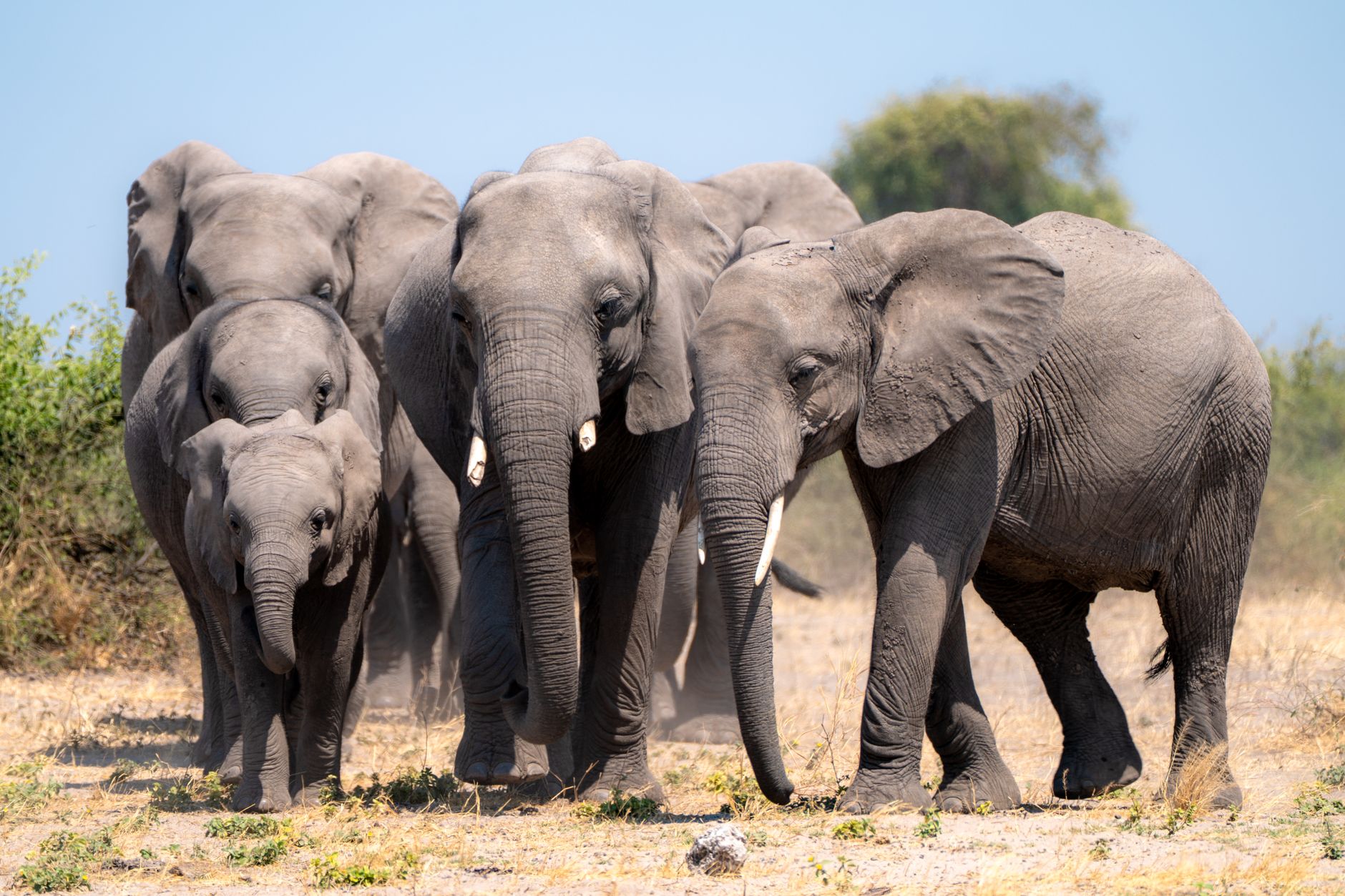
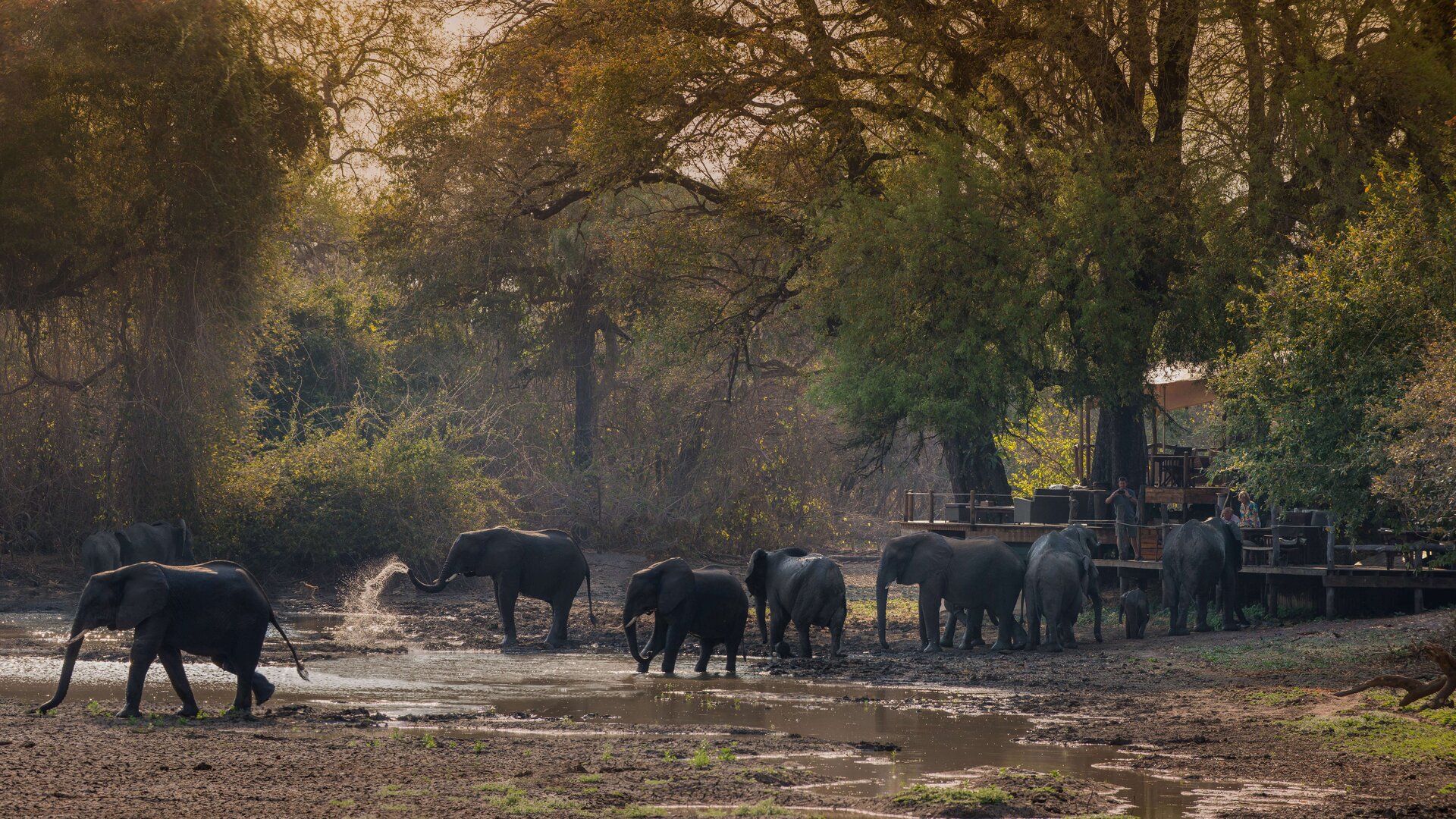
Hwange National Park is a land of superlatives. It is Zimbabwe’s largest park, a vast expanse of over 14,600 square kilometres where Kalahari sands meet teak forests and sprawling savanna grasslands. Hwange is famed for its giants, home to one of Africa's largest elephant populations. During the dry season, life congregates around the pumped waterholes, creating theatrical scenes of survival and interaction that are simply breathtaking. The experience here is often one of scale—of immense herds, endless horizons, and the rumble of elephant society.
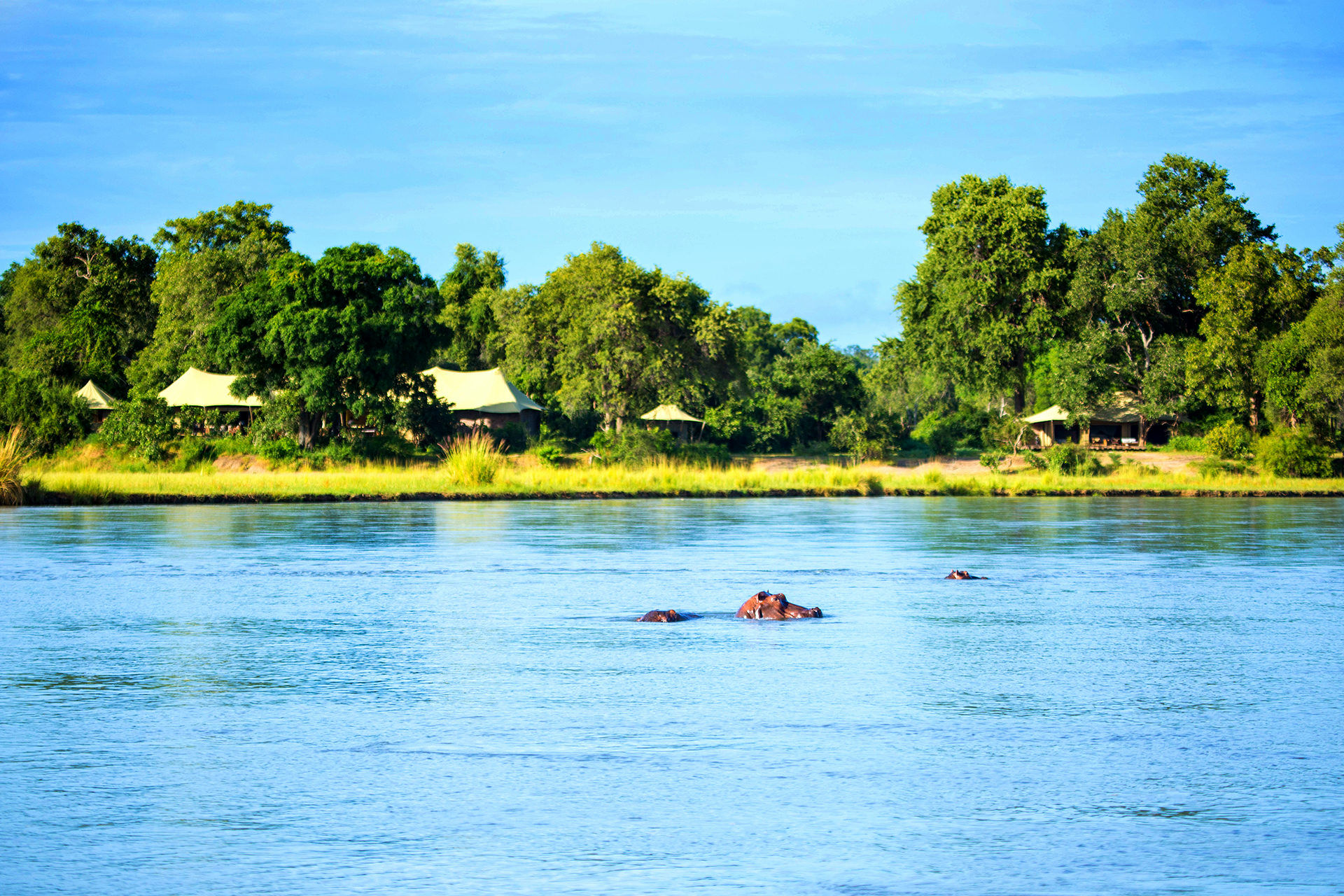
In contrast, Mana Pools National Park offers a safari experience defined by intimacy and proximity to nature. It is a riverine paradise on the banks of the mighty Zambezi. The park is famous for its floodplain, a mosaic of ancient albida trees that create a cathedral-like canopy, dappling the light and attracting wildlife in search of nutritious pods. Mana is a place to get out of the vehicle. It is synonymous with walking safaris and canoe excursions, allowing you to connect with the wilderness on its own terms, feeling the dust under your boots and hearing the sounds of the bush unfiltered.
So, How Many Days for Hwange and Mana Pools?
Given their unique attractions and the logistics involved, a combined trip to both parks deserves a minimum of eight nights on the ground, split between them. However, for a truly comfortable and immersive journey, we recommend a total of 10 to 12 nights. This allows you to settle into the pace of safari life, connect with your surroundings, and create space for the spontaneous magic that makes any trip to Africa unforgettable.
The Hwange Immersion: 3 to 4 Nights
While a two-night stay is possible, it barely scratches the surface. We strongly advocate for at least three, and ideally four, nights in Hwange. The park's sheer size means that different areas and concessions offer varied landscapes and wildlife dynamics. Four nights gives you three full days to explore, allowing you to venture further on game drives, spend unhurried hours in a photographic hide observing elephants at a waterhole, and perhaps embark on a guided bush walk. A lodge like Somalisa Camp, with its famous elephant-frequented pool, exemplifies the kind of immersive stay that Hwange offers when given time.
The Mana Pools Experience: 4 to 5 Nights
If Hwange requires time for its scale, Mana Pools demands it for its depth of experience. This is not a park for box-ticking. A four or five-night stay is ideal because the activities here are more varied and take more time. A typical day might involve a morning walking safari, tracking a pack of wild dogs or approaching an elephant bull on foot with your expert guide. The afternoon could be spent peacefully canoeing down a channel of the Zambezi, watching the river life unfold from a different perspective. A shorter stay would mean choosing between these iconic activities, whereas a longer one allows you to embrace them all. Lodges such as Nyamatusi Camp are perfectly positioned to offer this blend of water and land-based adventure.
The Practicalities of Travel Between Parks
One of the most important factors to consider is travel time. Hwange and Mana Pools are not next door to each other. The journey between them is typically done by light aircraft and will consume the better part of a day.
A travel day usually involves a morning game drive at your first lodge, a hearty breakfast, and then a transfer to the local airstrip. The flight itself may include a brief stop, often in Kariba, before you continue to your final destination. Upon arrival in the afternoon, you’ll be met and transferred to your new camp, where you'll want time to settle in before the evening activity. This is why a two-night stay anywhere is so limiting—it effectively gives you only one full day for exploration.
Factoring in a comfortable buffer for this travel day is essential for a relaxed and enjoyable itinerary. Many itineraries begin or end in the iconic town of Victoria Falls, which serves as a perfect, accessible gateway to both parks.

Building Your Ideal Zimbabwe Itinerary
To help you visualise how it all comes together, here is a classic itinerary framework for the early 2027 season. This period is magical, as the landscapes are often still green and vibrant from the summer rains, but the wildlife viewing begins to concentrate as the season progresses towards the dry winter months.
A 10-Night Classic Hwange & Mana Itinerary
This schedule provides a comfortable pace, balancing incredible wildlife viewing with time to relax and soak in your surroundings.
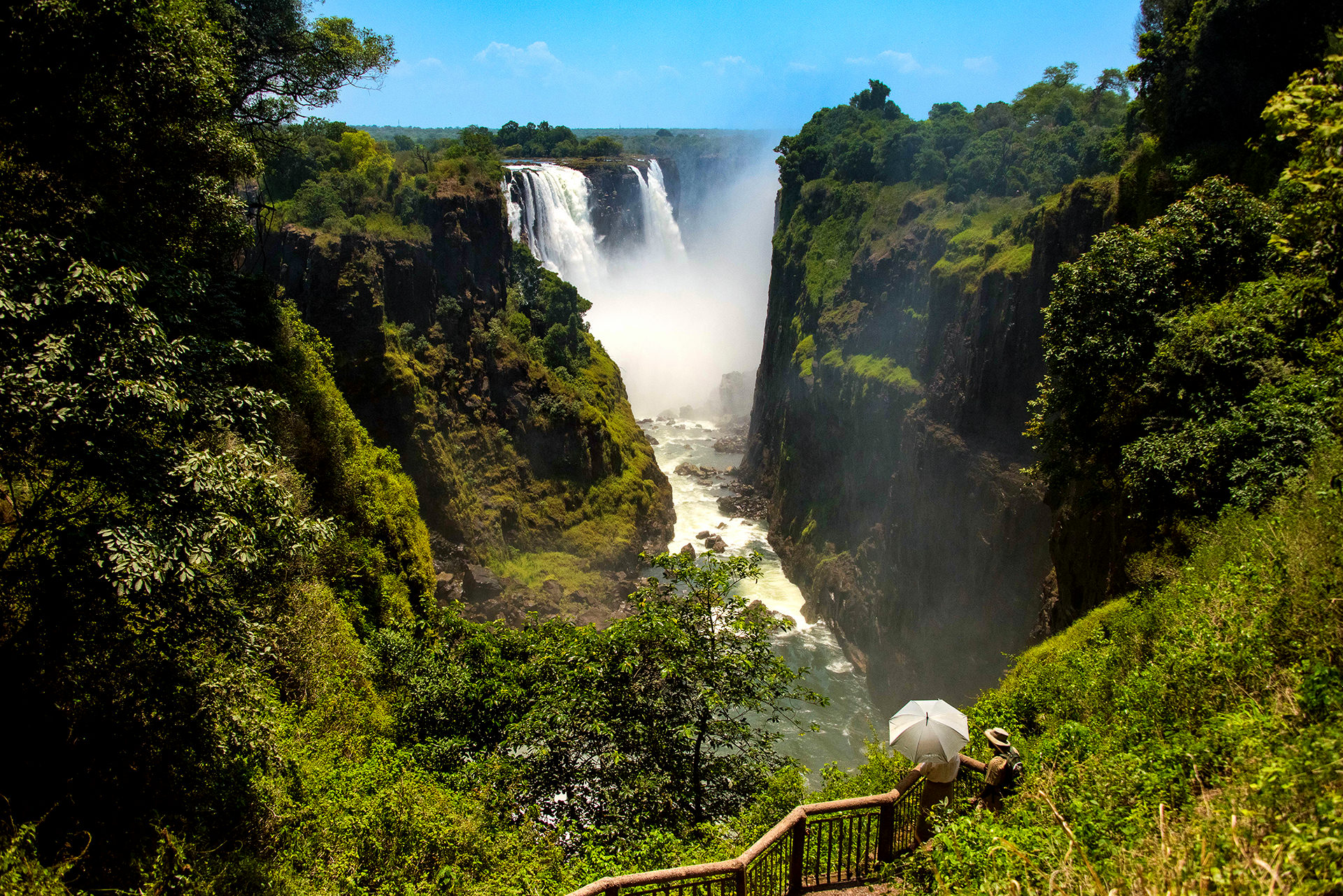
- Days 1-2: Arrival & The Smoke That Thunders: Arrive at Victoria Falls International Airport (VFA). Spend your first two nights acclimatising, allowing for a full day to witness the magnificent Falls and explore the charming town.
- Days 3-6: Hwange's Elephant Kingdom: Take a morning charter flight to Hwange National Park. With four nights, you have three full days to delve into this vast wilderness. You can mix classic game drives with walking safaris and time spent in photographic hides. Staying in a private concession at a lodge like Hideaways Bumbusi Wilderness Camp can provide an incredibly exclusive and remote experience.
- Days 7-10: Mana's Wild Heart: Board another charter flight that transports you from the savannas of Hwange to the floodplains of the Zambezi. Four nights in Mana Pools provides the freedom to enjoy its signature experiences without feeling rushed. You can dedicate full days to walking, canoeing, and game drives, experiencing the full spectrum of this unique ecosystem.
- Day 11: Departure: Enjoy one last African sunrise, and perhaps a final short activity, before your flight from Mana Pools to Harare to connect with your international flight home.
Ultimately, the question of how many days for Hwange and Mana Pools is about investing in the quality of your experience. While it's tempting to fit as much as possible into a short time, these are destinations that reward patience. By dedicating at least 8 to 10 nights to this incredible pairing, you give yourself the gift of time—time to wait for a leopard to descend a tree, time to follow a pack of wild dogs on the hunt, and time to simply sit and absorb the profound beauty of the Zimbabwean bush. You will return home not just with photographs, but with a deep and lasting connection to two of Africa's wildest places.

Where to stay
Browse handpicked places to stay — many with live availability and instant booking.
 4.9(18)
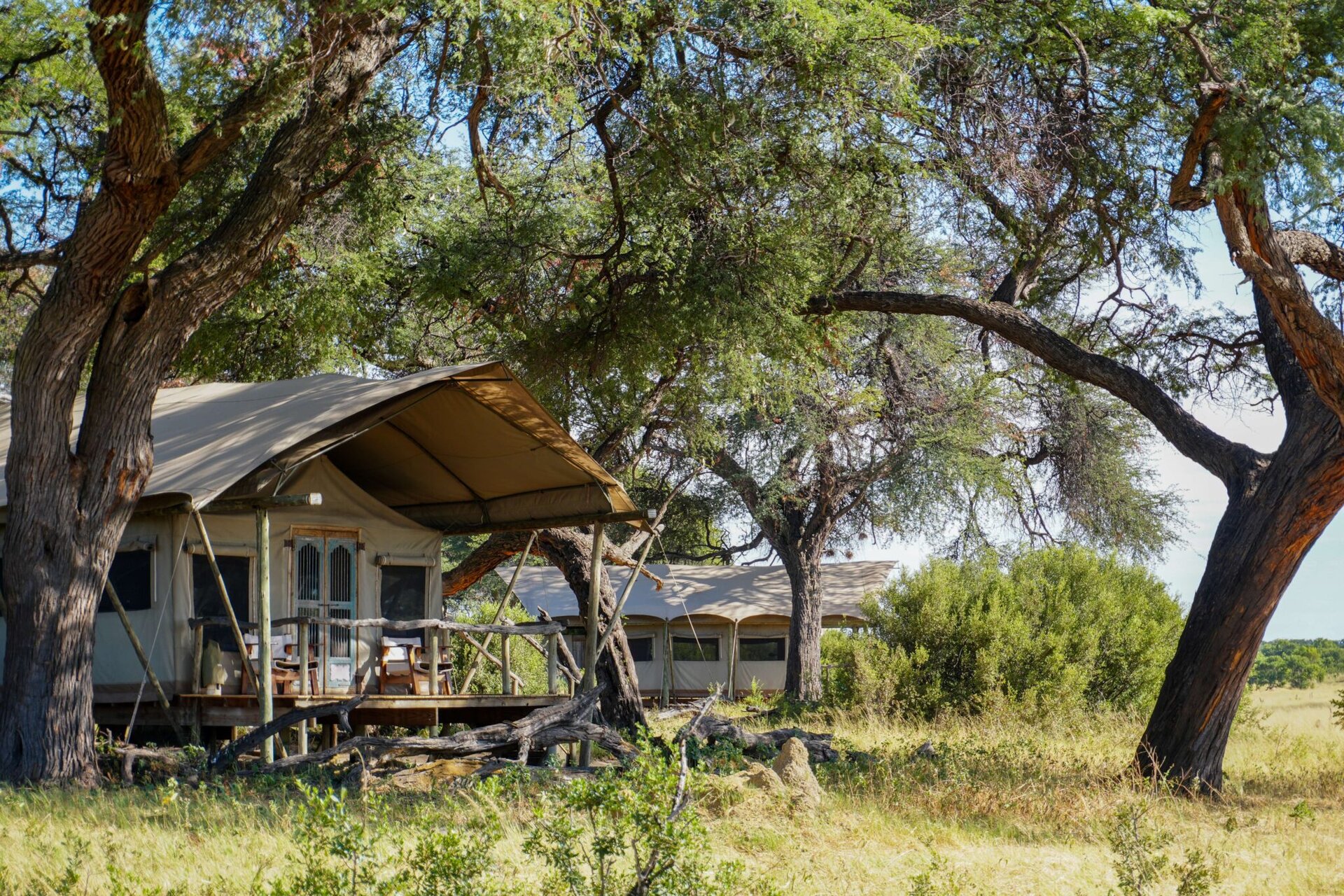
Somalisa Expeditions
Hwange National Park, Zimbabwe
 4.5(84)
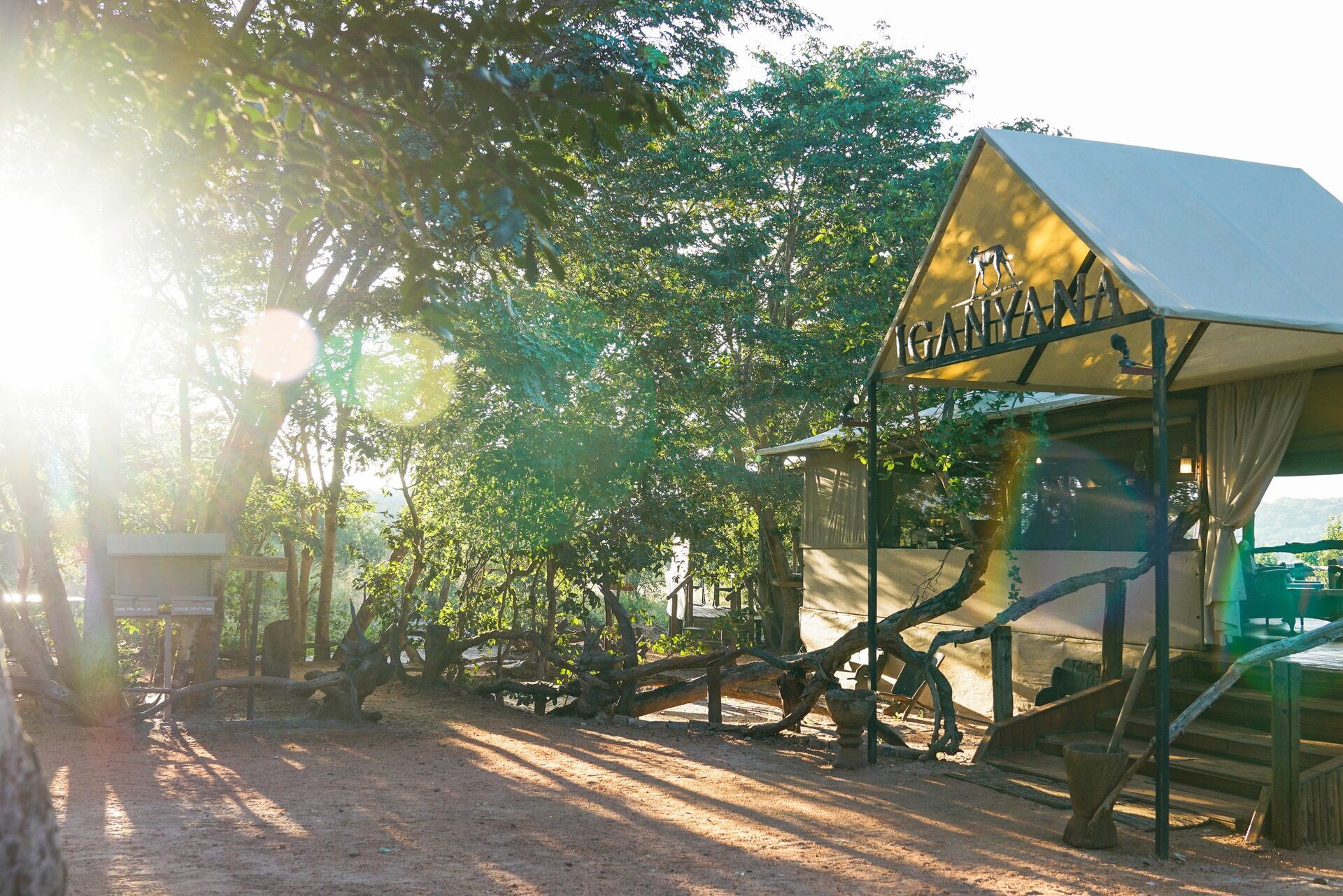
Iganyana Tented Camp
Dete Vlei, Hwange, Zimbabwe
 4.4(167)
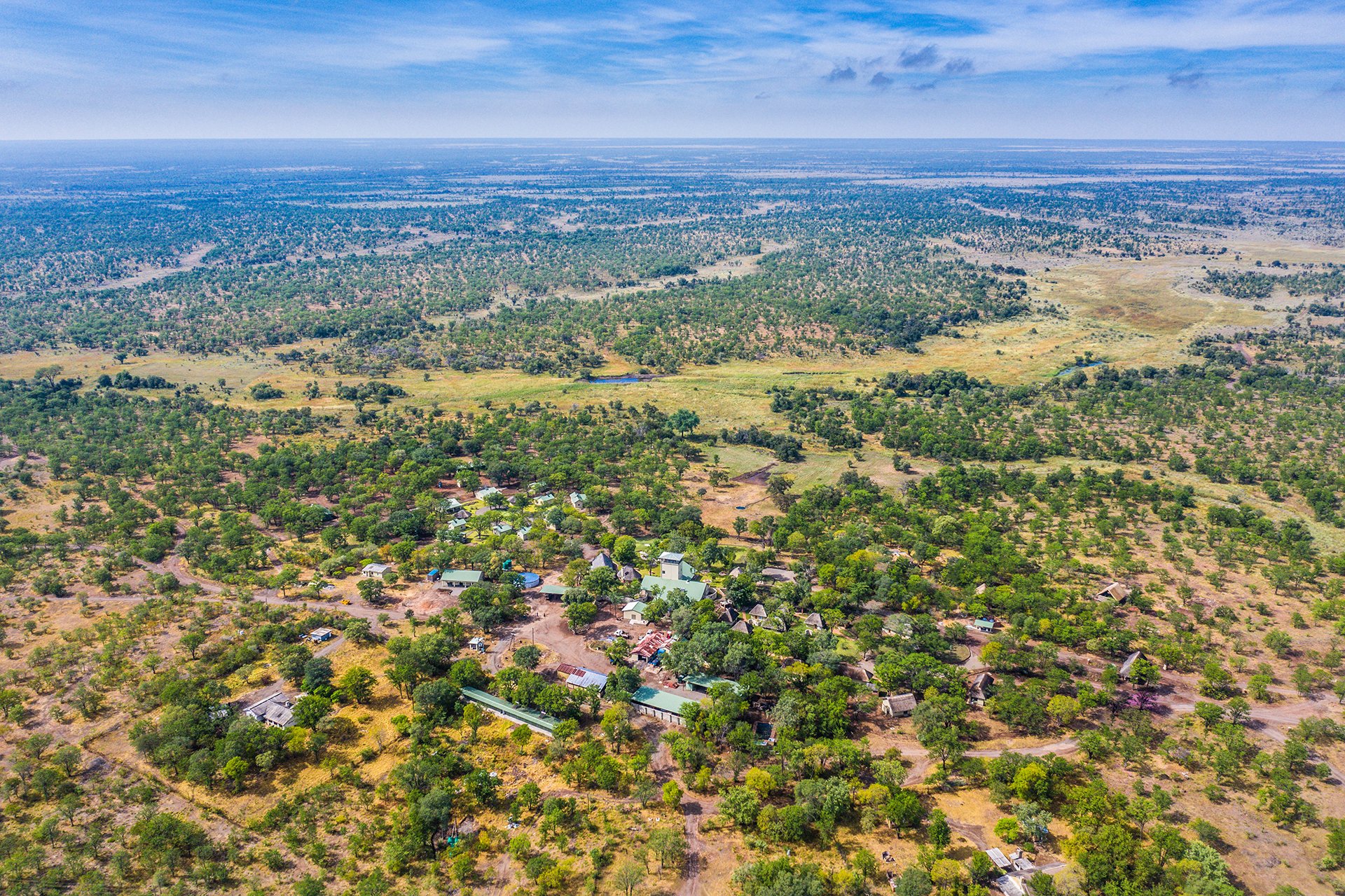
Robins Camp
Hwange National Park, Zimbabwe
 4.9(7)
Tembo Plains Camp
Sapi Private Reserve, Zimbabwe
 4.8(27)
Kanga Expeditions
Mana Pools National Park, Zimbabwe
 4.4(7)
Mpala Jena
Zambezi National Park, Victoria Falls, Zimbabwe
Let us plan this trip for you
Send us your dates, party and budget and we'll come back with a costed itinerary — lodges, flights, transfers and activities in one place. No fee, no obligation.
Keep reading


See our safari advice first on Google
One tap tells Google you want Safari Stays shown higher when you search for safari and travel news. It takes a second and you can undo it anytime.
Make Safari Stays a preferred source on Google