KwaZulu-Natal Safari: The Complete 2026 Guide to South Africa's Wildlife Kingdom
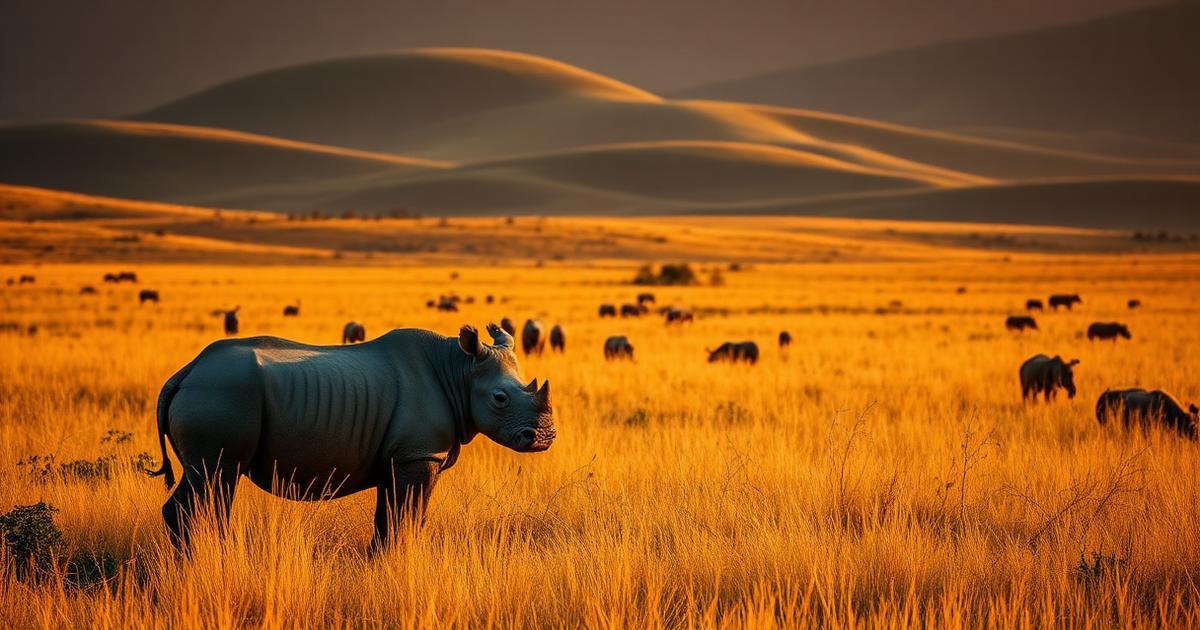
When international safari travellers think of South Africa, Kruger gets most of the attention. But those who know the country well will tell you that KwaZulu-Natal — South Africa's eastern seaboard province — is the destination that consistently surprises, moves, and rewires visitors in ways they did not expect.
KwaZulu-Natal is the birthplace of South Africa's conservation movement. It is home to the world's oldest proclaimed nature reserve. It saved the white rhino from extinction. It harbours one of Africa's great UNESCO World Heritage wetland systems. And threaded through all of it is the living culture of the Zulu people — one of the most storied and recognisable cultures on the African continent.
From the white rhino strongholds of Hluhluwe-iMfolozi to the hippo-filled waterways of iSimangaliso, from the luxury tented camps of Phinda to the whale shark waters of the Indian Ocean coast — KwaZulu-Natal safari country is as diverse as any wildlife destination on earth.
Why KwaZulu-Natal Belongs on Your South Africa Safari Itinerary
The Birthplace of African Conservation
KwaZulu-Natal's conservation credentials are unmatched in South Africa. Hluhluwe-iMfolozi Park — established in 1895 — is the oldest proclaimed nature reserve in Africa. It was here, in the 1960s, that the legendary Operation Rhino was launched: a pioneering conservation effort that brought the southern white rhino back from the brink of extinction and repopulated reserves across the continent. Today, KwaZulu-Natal remains the global stronghold for both white and black rhino, holding the largest populations of both species in the world.
Big Five in a Compact, Accessible Region
KwaZulu-Natal's safari reserves are geographically compact compared to the vast distances of the Kruger ecosystem. Hluhluwe-iMfolozi, Phinda Private Game Reserve, Thanda Safari, and the iSimangaliso Wetland Park all sit within a few hours of each other in the northern part of the province — making it possible to experience an extraordinary diversity of wildlife habitats, landscapes, and species in a single trip without spending half your holiday in a hire car.
Zulu Culture: An Integral Part of the KZN Experience
Unlike many African safari destinations where the wildlife experience exists in isolation from local culture, KwaZulu-Natal offers genuine integration of Zulu heritage into the visitor experience. The Zulu people are one of southern Africa's largest and most historically significant ethnic groups, and their traditions — beadwork, music, dance, the architectural language of the umuzi homestead, and the legacy of the Zulu Kingdom under Shaka — are woven into the landscape.
Coastal and Marine Wildlife
KwaZulu-Natal's Indian Ocean coastline is one of South Africa's most biodiverse marine environments. The warm Mozambique Current brings whale sharks and humpback whales to the coast seasonally, loggerhead and leatherback turtles nest on the beaches of iSimangaliso, and the coral reefs of Sodwana Bay are among the southernmost in the world.
iSimangaliso Wetland Park — Africa's Eden: South Africa's first UNESCO World Heritage Site encompasses 332,000 hectares of lakes, wetlands, swamps, beaches, coral reefs, and coastal forest. It is home to Africa's largest population of hippo, one of the continent's largest crocodile populations, nesting sea turtles, whale sharks, humpback whales, and over 530 bird species.
KwaZulu-Natal's Key Safari Destinations
Hluhluwe-iMfolozi Park
Africa's oldest reserve and the world's most important rhino sanctuary. The only public reserve in KwaZulu-Natal where all of the Big Five can be encountered. The Hluhluwe section in the north is lush and hilly; iMfolozi in the south is wilder and more open. Wilderness trails — multi-day on-foot experiences — are offered here and are unlike anything available in Kruger.
Phinda Private Game Reserve
One of Africa's most celebrated private game reserves, Phinda spans seven distinct ecosystems across 23,000 hectares of northern KwaZulu-Natal. It is home to all of the Big Five plus cheetah, and is one of the few reserves in southern Africa with a thriving black rhino population. Phinda's lodges — Rock, Mountain, Forest, Vlei, Zuka, and Homestead — are consistently ranked among Africa's finest.
Thanda Safari & Private Game Reserve
An ultra-luxury Big Five reserve in northern KwaZulu-Natal with deep roots in Zulu culture. Thanda's main lodge is designed around traditional Zulu architectural motifs and has won multiple World Travel Awards for Africa's best luxury safari lodge.
iSimangaliso Wetland Park
South Africa's first UNESCO World Heritage Site is not a traditional Big Five game reserve — it is something far more ecologically complex. St Lucia Estuary is the heart of the park, offering boat-based hippo and crocodile safaris, and bird watching of extraordinary quality.
Zulu Nyala Game Reserve
A well-established mid-range Big Five reserve in northern KwaZulu-Natal offering guided game drives, bush walks, and a strong rhino conservation focus.
Battlefield Country: Dundee & Ladysmith
The rolling hills of central KwaZulu-Natal contain some of the most significant battlefields in southern African history — Isandlwana, Rorke's Drift, Blood River, and the Anglo-Boer War sites around Ladysmith.
KwaZulu-Natal and the Rhino: Africa's Conservation Story
Operation Rhino: Where It All Began
By the early 1960s, the southern white rhino had been reduced to fewer than 100 animals, all surviving in what is now Hluhluwe-iMfolozi Park. Operation Rhino — led by Dr Ian Player — pioneered the capture and translocation of white rhino to reserves across Africa and the world. The global white rhino population today, numbering over 17,000 animals, exists because of what happened in KwaZulu-Natal.
Black Rhino: The Rarer Prize
KwaZulu-Natal is home to the world's largest population of critically endangered black rhino. Black rhino sightings in KZN — particularly in Hluhluwe-iMfolozi and Phinda — are among the most prized wildlife encounters in Africa.
Conservation Tourism in Action
Several KZN private reserves offer guests the opportunity to participate directly in rhino conservation activities — from accompanying rangers on monitoring patrols to learning about the science of population management.
Best Time to Visit KwaZulu-Natal for a Safari
Winter Dry Season: May – September (Peak Game Viewing)
Cooler temperatures, lower vegetation, and reliable animal concentrations around waterholes make this the strongest window for Big Five game viewing. Rhino sightings are at their most consistent. June through August aligns with peak UK and European holiday periods — book well ahead.
Whale & Turtle Season: November – February
Humpback whales migrate south along the KZN coast from November, and loggerhead and leatherback turtles nest on the iSimangaliso beaches between October and February. Whale shark aggregations peak off the Sodwana Bay and Aliwal Shoal areas during summer.
Shoulder Season: March – April (Best Value)
The end of the summer rains brings lush, green landscapes, excellent birdwatching, and lodge rates that drop considerably from peak.
Humpback Migration: June – November
The annual humpback whale migration along the KwaZulu-Natal coast is one of the world's great marine spectacles. This window overlaps perfectly with peak game viewing conditions inland.
Getting to KwaZulu-Natal
International Flights into Durban
King Shaka International Airport in Durban is KwaZulu-Natal's primary aviation gateway. It receives direct domestic connections from Johannesburg (approximately 1 hour) and Cape Town (approximately 2 hours). The drive from King Shaka Airport to the northern KZN safari region takes approximately three hours on good tarred roads.
Self-Drive from Durban
The N2 north from Durban to the KZN safari region is a well-maintained tarred highway. A standard hire car is perfectly adequate. A 4x4 is recommended only for remote sections of iSimangaliso and the Kosi Bay lake system.
Combining KZN with the Drakensberg
KwaZulu-Natal is the only South African province that contains both world-class safari country and a UNESCO World Heritage mountain range within its borders. The uKhahlamba-Drakensberg Park is approximately three hours inland from Durban.
KwaZulu-Natal Safari Accommodation
Ultra-Luxury Private Game Lodges
Phinda Private Game Reserve and Thanda Safari represent the pinnacle of the KZN safari experience. All-inclusive rates cover twice-daily game drives, bush walks, all meals and beverages, and full conservation and cultural programming.
Mid-Range Private Reserves
Reserves such as Zulu Nyala, Amakhosi, and Nambiti offer fully guided Big Five experiences with comfortable lodge accommodation at rates considerably below the ultra-luxury tier.
Ezemvelo KZN Wildlife Camps
Rest camps including Hilltop, Mpila, and Muntulu Bush Lodge offer accommodation from basic chalets to comfortable self-catering units. Hilltop Camp's elevated position provides some of the most spectacular views of any rest camp in South African safari country.
iSimangaliso Wetland Accommodation
St Lucia town offers a range of guesthouses, self-catering chalets, and options suited to budget-conscious international visitors.
Sample KwaZulu-Natal Safari Itineraries
10 Nights: The Full KZN Experience
Nights 1–3: Luxury tented lodge in Phinda Private Game Reserve. Twice-daily guided game drives, black and white rhino tracking.
Night 4: Transfer to St Lucia — evening boat safari on the estuary.
Nights 5–6: Self-drive through Hluhluwe-iMfolozi Park. Two nights at Hilltop Camp.
Night 7: Battlefield tour — Isandlwana and Rorke's Drift. Overnight near Dundee.
Nights 8–9: uKhahlamba-Drakensberg — Amphitheatre hike, San rock art visit.
Night 10: Durban — seafront dinner before departure.
7 Nights: Safari & Coast
Nights 1–4: All-inclusive Big Five safari at a northern KZN private reserve.
Night 5: iSimangaliso — St Lucia boat safari.
Nights 6–7: Sodwana Bay — coral reef snorkelling or scuba diving, whale shark encounter (seasonal).
5 Nights: First-Time KZN Safari
Nights 1–3: Hluhluwe-iMfolozi Park — two nights at Hilltop Camp, one guided wilderness trail.
Nights 4–5: iSimangaliso Wetland Park — St Lucia estuary boat safari, Cape Vidal beach and snorkelling.
Frequently Asked Questions: KZN Safari
Is KwaZulu-Natal malaria-free?
Partially. The northern KwaZulu-Natal safari region falls within a low-to-moderate malaria risk zone, particularly during the summer months. The inland areas — including the Drakensberg, the Midlands, and Durban — are malaria-free.
How does KwaZulu-Natal compare to Kruger for a safari?
The two destinations are genuinely complementary. Kruger offers unmatched scale and diversity. KwaZulu-Natal offers superior rhino viewing, a more intimate experience, a unique Zulu cultural dimension, and the extraordinary added layer of iSimangaliso's wetland and marine wildlife.
What is the best reserve for seeing rhino?
Hluhluwe-iMfolozi Park offers the most reliable and historically significant rhino viewing in the world. For guided luxury black rhino experiences, Phinda Private Game Reserve has one of the highest black rhino densities in southern Africa.
Can I see whale sharks in KwaZulu-Natal?
Yes. Sodwana Bay, within the iSimangaliso Wetland Park, is one of the most reliable whale shark dive destinations in South Africa. Encounters are most common between November and March.
Do I need a 4x4?
For Hluhluwe-iMfolozi Park and most northern KZN private reserves, a standard hire car is perfectly adequate. A 4x4 is recommended for remote sections of iSimangaliso and the Kosi Bay lake system.
Plan Your KwaZulu-Natal Safari
The rhino are moving through the Hluhluwe thicket. The hippos are surfacing in the St Lucia estuary. The humpbacks are breaching offshore.
Ready to plan your trip?
Check live availability, compare lodges and book instantly — or send us an enquiry and we'll help shape the route.


