Your Guide: What to Pack for a Kenya Safari in July
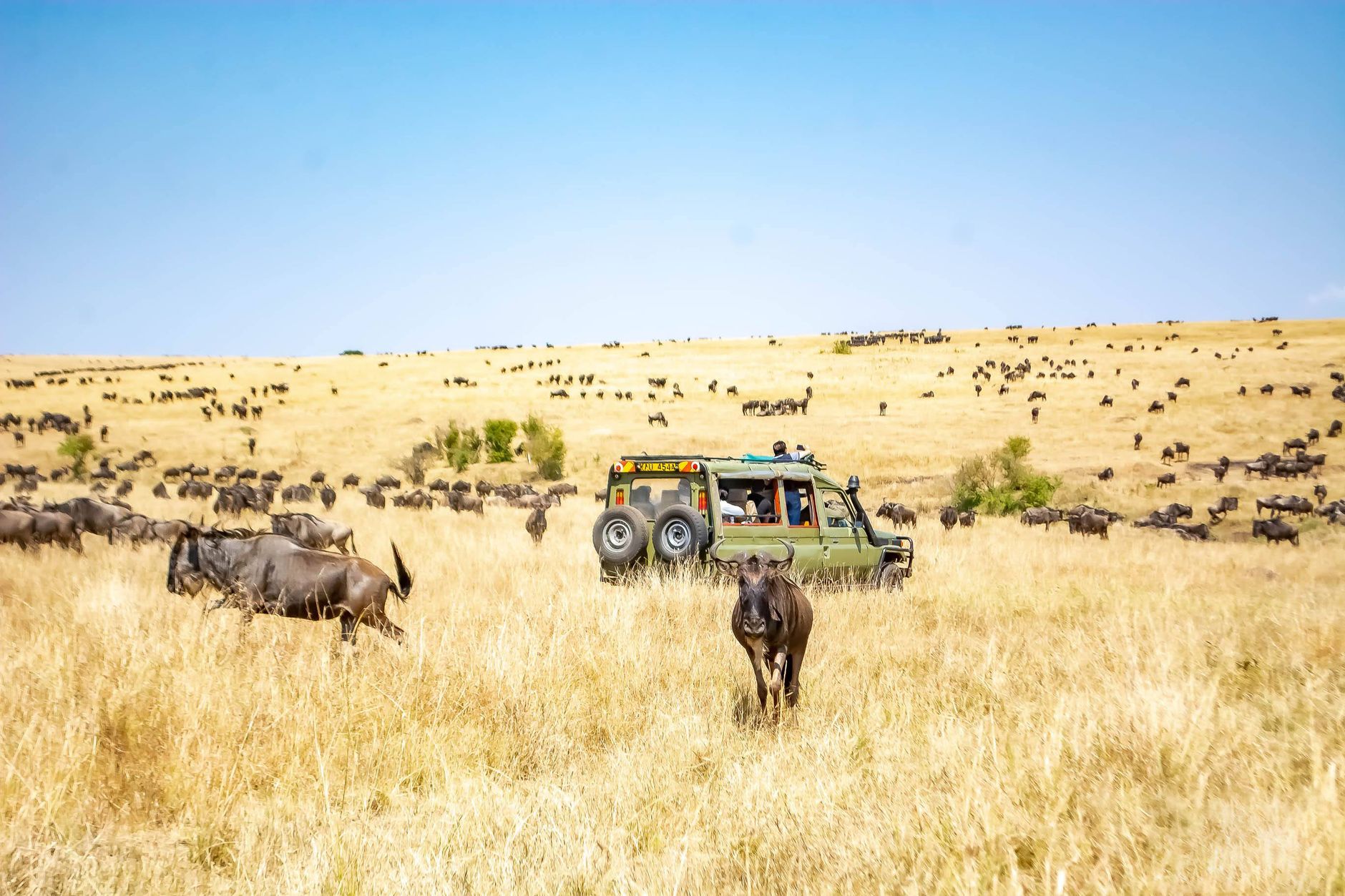
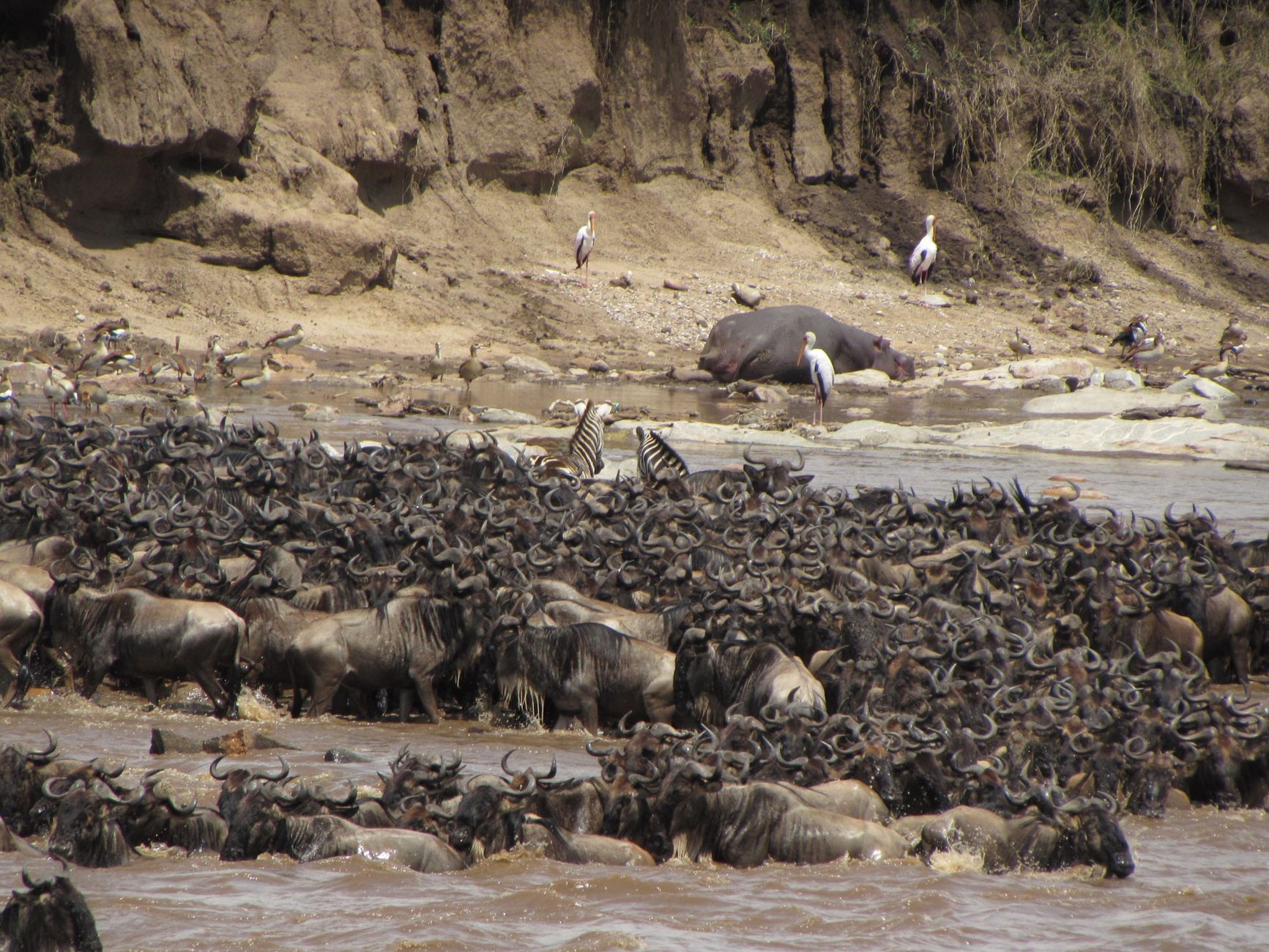
A Kenyan safari is a journey that awakens the senses. The scent of rain on dry earth, the rumbling call of a distant lion, the staggering sight of a million wildebeest on the move. When you travel in July, you are stepping into one of the most magical times of the year—the peak of the dry season and the heart of the Great Migration. The anticipation is palpable, and a well-packed bag is the first step toward a seamless adventure. At Safari Stays, we consider it our privilege to help prepare you for this journey, and we've distilled our experience into this guide on what to pack for a Kenya safari in July.
Understanding Kenya's Climate in July
July marks the middle of Kenya's long dry season, which is also its coolest time of year. Forget any notions of scorching, year-round heat. While the daytime sun is pleasant and warm, the mornings and evenings can be surprisingly chilly, especially at higher altitudes like the Maasai Mara or Laikipia Plateau.
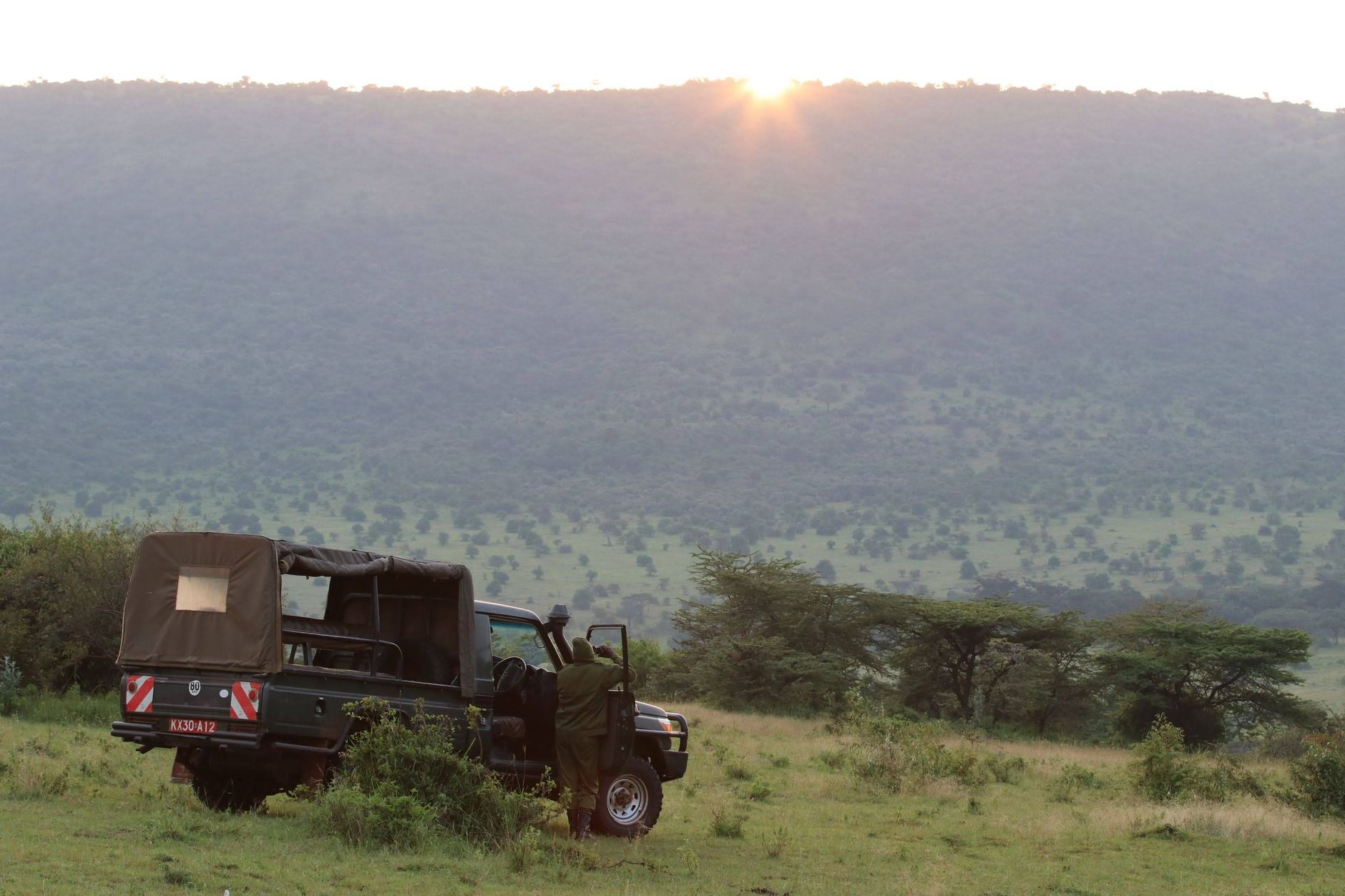
Think of it as a comfortable spring day in Europe or North America, but with a significant temperature drop once the sun goes down. Early morning game drives, when wildlife is most active, will begin in the crisp, cool air. You'll want to be bundled up as you set out in an open-sided vehicle. As the sun climbs, the plains warm up beautifully, and by midday, you will be peeling off layers to enjoy the pleasant sunshine.
This temperature variation is the single most important factor to consider when packing. It means that one single outfit won't suffice for a full day out in the bush. Layering is not just a suggestion; it is the fundamental principle of a comfortable safari experience.
What to Pack for Your Kenya Safari in July: The Wardrobe
Your safari wardrobe should be practical, comfortable, and versatile. The goal is to blend in with your environment, protect yourself from the elements, and easily adapt to changing temperatures. Remember that most safari lodges, including our curated collection, offer laundry services, so you can and should pack light. Luggage restrictions on small internal flights are often strict, typically around 15kg (33lbs) in soft-sided bags.
Colour Palette and Fabrics
The classic safari palette of neutrals exists for a reason. Khaki, green, beige, and brown tones are ideal as they don't startle wildlife and are less visible to insects. Avoid bright colours like red or purple. It's also wise to steer clear of black and dark blue, as they can attract tsetse flies in certain areas. White is impractical as it shows dust and dirt instantly.
Choose lightweight, breathable fabrics like cotton, linen, or technical blends that wick moisture. These will keep you comfortable during warmer afternoons and are easy to layer.
Clothing Essentials Checklist
Here is a comprehensive list to guide your clothing choices. Think in terms of three or four changes of outfits, knowing laundry will be available.
- Long-Sleeved Shirts (2-3): Essential for protection from both the sun and insects. They are also a great base layer on cool mornings.
- T-shirts or Polo Shirts (3-4): In neutral colours, these serve as your primary mid-layer.
- A Warm Fleece or Mid-Layer Jacket: This is non-negotiable. A good quality fleece is perfect for trapping heat during cold mornings and evenings.
- A Windproof & Water-Resistant Outer Jacket: While rain is unlikely in July, a lightweight, windproof jacket is invaluable for cutting the chill on a fast-moving game drive vehicle.
- Comfortable Trousers or Chinos (2-3 pairs): Choose sturdy but comfortable long trousers for game drives. Convertible zip-off trousers can be a practical choice.
- A Pair of Shorts: Ideal for relaxing at the lodge during the warm midday hours. Not typically recommended for evening game drives due to insects.
- Comfortable, Broken-In Footwear: A pair of sturdy, comfortable walking shoes or trail runners is sufficient. Heavy hiking boots are generally unnecessary unless your itinerary includes dedicated walking safaris.
- Sandals or Flip-Flops: Perfect for wearing around the lodge, like at a stunning property such as the Mara Plains Jahazi Suite.
- Socks and Underwear: Pack enough for a few days, considering laundry service.
- Swimwear: Many of our lodges have beautiful swimming pools with breathtaking views—a perfect way to relax between game drives.
- Smart-Casual Evening Wear: Lodge dinners are relaxed but an opportunity to change out of your daytime safari gear. A fresh shirt or a pashmina can add a touch of elegance and warmth.

Beyond Clothing: Essential Gear and Accessories
Your bag should contain more than just clothes. These items will elevate your safari from a great trip to an unforgettable one.
Optics and Electronics
- Binoculars: Perhaps the most crucial piece of safari gear. While your guide will have a pair, having your own means you won't miss a moment. Aim for a magnification of 8x42 or 10x42 for a great balance of power and field of view.
- Camera, Lenses, and Extras: Bring more memory cards and batteries than you think you'll need. The photographic opportunities, especially during the Great Migration in the Maasai Mara, are endless. A zoom lens (e.g., 100-400mm) is highly recommended.
- Portable Power Bank: Essential for charging phones and cameras while out on long game drives or in case of power outages at the lodge.
- Universal Travel Adapter: Kenya uses the Type G plug (the three-pronged UK style). Many lodges have universal sockets, but it's always wise to bring your own adapter.
- Headlamp or Small Torch: Invaluable for navigating your tent or room after dark.
Health and Personal Items
While our partner lodges are well-equipped, it's best to carry a small kit with your personal essentials.
- Personal First-Aid Kit: Include basics like plasters, antiseptic wipes, pain relievers, antihistamines for bites or allergies, and any personal prescription medications.
- High-SPF Sunscreen: The sun in Kenya is strong, even on cooler days. Apply it generously.
- Lip Balm with SPF: Lips can easily get chapped in the dry, breezy conditions.
- Insect Repellent: Choose a repellent containing DEET for maximum effectiveness, especially in the evenings.
- Hand Sanitiser: Useful to have in the vehicle and when you're out and about.

Important Documents and Logistics
- Passport, Visa, and Travel Documents: Ensure your passport is valid for at least six months and has several blank pages. Check visa requirements for your nationality well in advance.
- Digital and Physical Copies: Keep photocopies or digital backups of your passport, visa, flight tickets, and travel insurance in a separate location from the originals.
- Travel Insurance: Comprehensive travel insurance is mandatory for any safari.
- Cash: It is useful to have some Kenyan Shillings for small purchases and US Dollars in small denominations for tipping guides and lodge staff.
What to Leave at Home
Equally important is what not to pack. Kenya has a nationwide ban on single-use plastic bags, so ensure none find their way into your luggage. Drones are strictly regulated and cannot be flown without a special permit. Finally, leave expensive jewellery and valuables at home; the bush is no place for them.
By packing thoughtfully, you free yourself to fully immerse in the wonders of the Kenyan wilderness. With your layers ready and your binoculars in hand, you will be perfectly prepared for the adventure, making your deliberations on what to pack for a Kenya safari in July a rewarding part of the journey itself. Want more tips from our experts? Check out our other articles, like our guide to understanding the Great Migration.
When your bags are packed and your heart is set on adventure, the only thing left to do is find the perfect place to stay. Explore our curated collection of Kenya's most exceptional lodges and camps to begin your story.
Ready to plan your trip?
Check live availability, compare lodges and book instantly — or send us an enquiry and we'll help shape the route.