A Guide to Lewa Wildlife Conservancy Safari
Nestled in the foothills of Mount Kenya, the Lewa Wildlife Conservancy is more than just a safari destination; it is a testament to the power of community-based conservation. As you begin planning your Kenyan adventure for 2027, this comprehensive lewa wildlife conservancy safari guide will illuminate why this remarkable landscape offers one of Africa's most authentic and impactful wildlife experiences.
Spanning 62,000 acres of pristine wilderness, Lewa is a UNESCO World Heritage Site, recognized for its outstanding universal value and its pioneering approach to protecting endangered species. It’s a place where your visit directly contributes to a thriving ecosystem, supporting both the wildlife and the local communities who are its dedicated guardians. Unlike many national parks, Lewa offers an intimate, exclusive feel, with low visitor numbers ensuring your encounters with nature are personal and profound.
Why Choose Lewa for Your 2027 Safari?
In a country blessed with iconic destinations, Lewa carves out a unique identity. While the vast plains of the Maasai Mara are legendary for their scale, Lewa offers a different kind of magic—one rooted in conservation, exclusivity, and diverse experiences. Here, the safari is not just about what you see, but how you see it.
The conservancy model means that every aspect of your trip is meticulously managed for minimal environmental impact and maximum benefit to the local ecosystem. This philosophy extends to the activities on offer. A safari in Lewa goes far beyond the confines of a 4x4 vehicle, inviting you to connect with the land on foot, on horseback, or even on the back of a camel.
This is a destination for the discerning traveller, one who seeks a deeper understanding of the wilderness and their place within it. It’s for those who appreciate the quiet moments as much as the dramatic sightings—the sound of an elephant stripping bark from an acacia tree, the sight of a lilac-breasted roller flashing its colours in the morning sun, the feeling of the earth beneath your boots on a walking safari.
Your Complete Lewa Wildlife Conservancy Safari Guide
Planning a journey to this corner of northern Kenya is an exciting prospect. The period from February to July 2027 offers a fantastic window to experience the conservancy's many moods, from the lush, green landscapes of early in the year to the start of the prime game-viewing dry season.
The Unforgettable Wildlife Encounters
Lewa is a sanctuary for some of Africa’s most vulnerable species. It is famously one of the best places on the continent to see rhinos. The conservancy is home to a significant population of both black and white rhinos, and sightings are exceptionally reliable. Seeing these prehistoric-looking giants thriving in their natural habitat is a humbling and unforgettable experience.
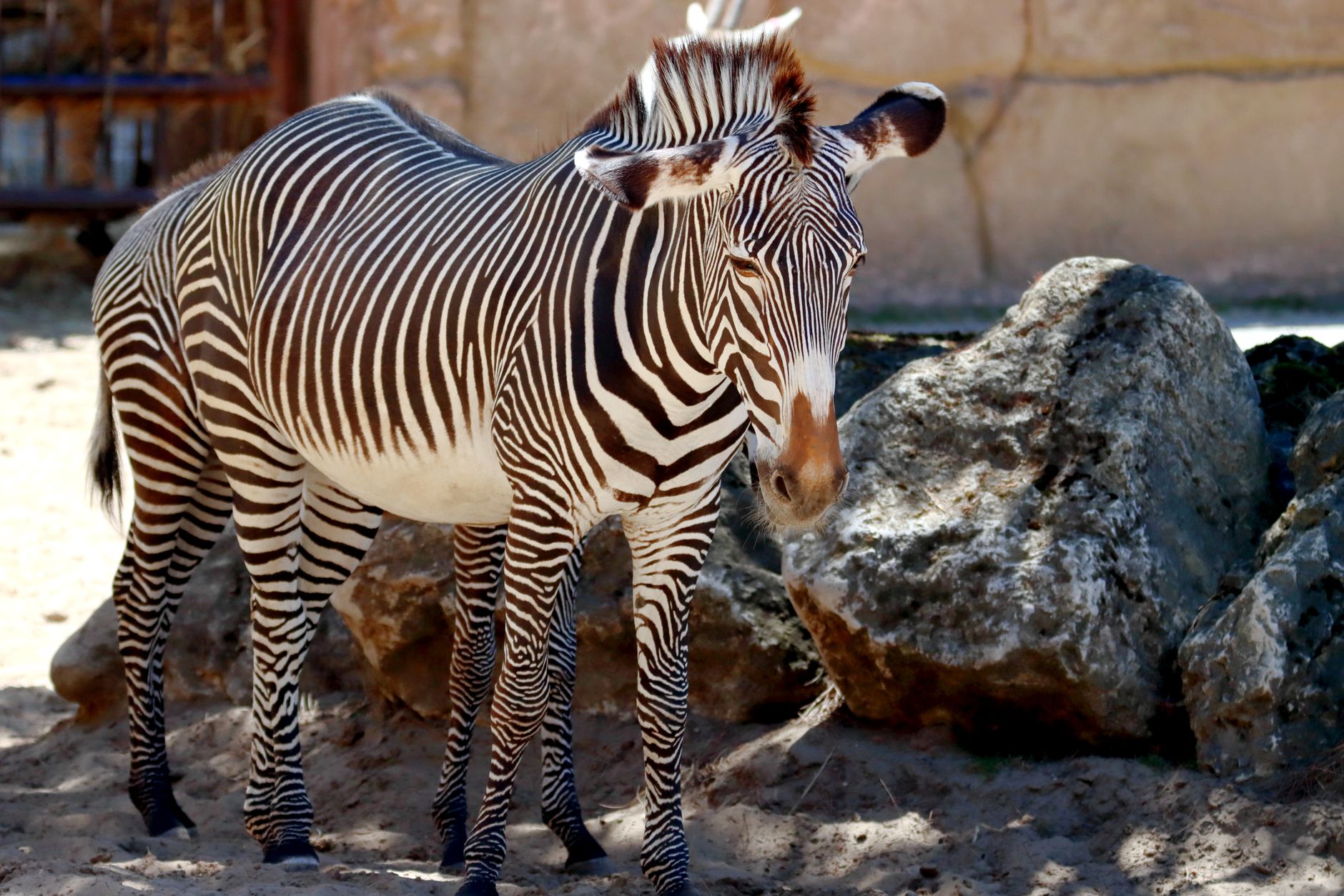
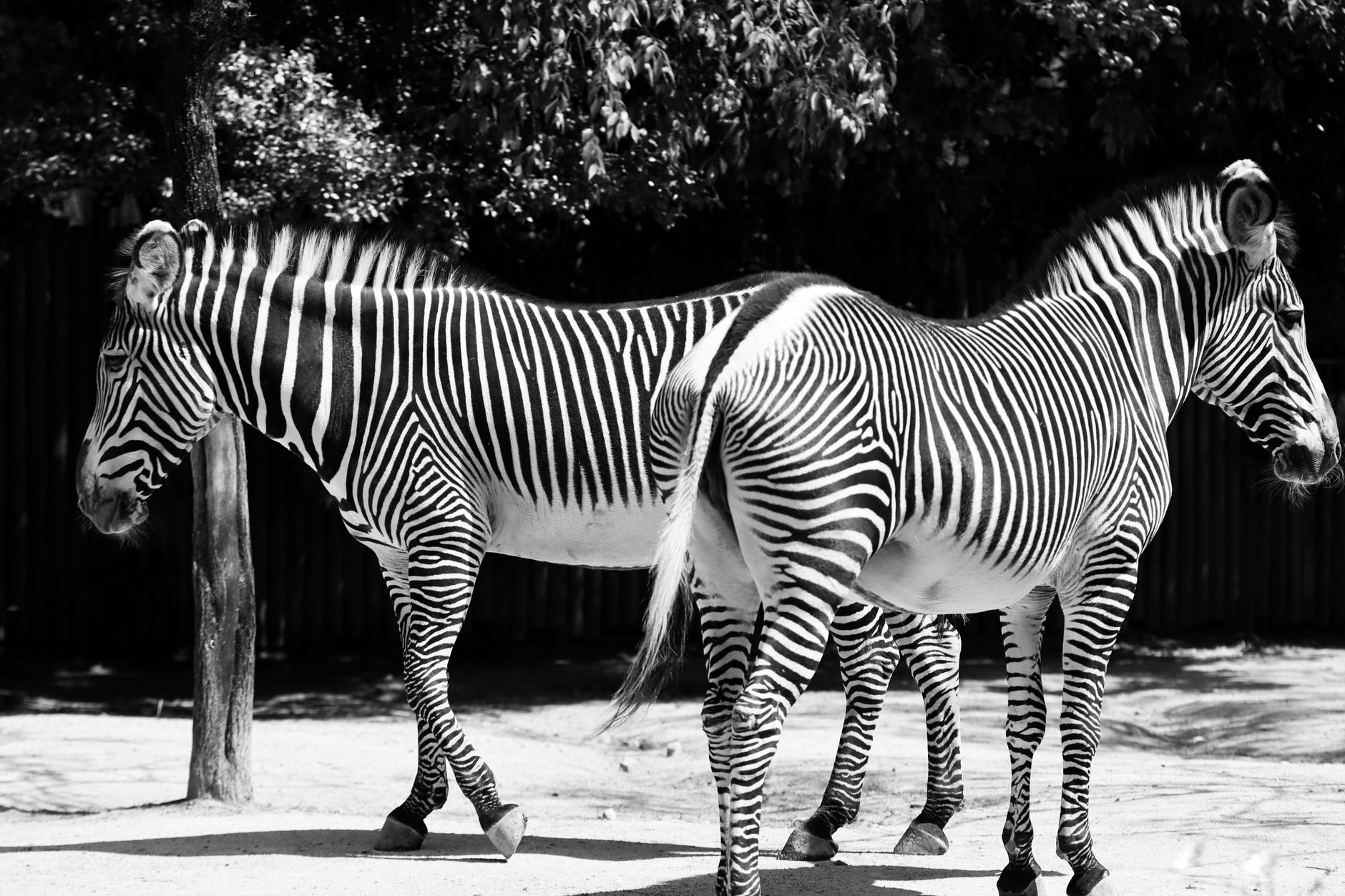
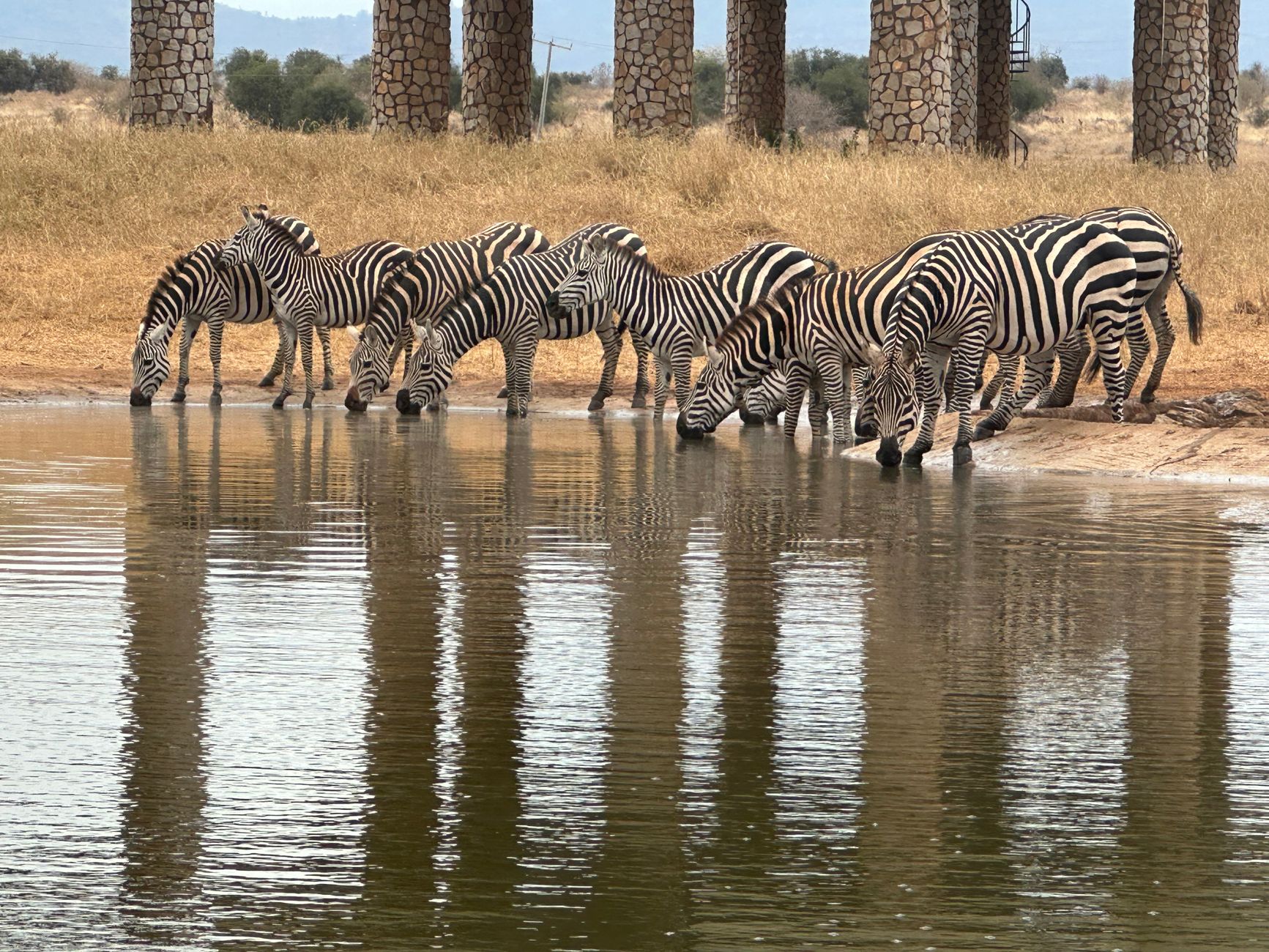
Beyond rhinos, Lewa is a critical habitat for the endangered Grévy's zebra. With their fine, elegant stripes and large, rounded ears, they are strikingly different from the common plains zebra found elsewhere. Lewa holds over 12% of the world's remaining population of this beautiful animal.
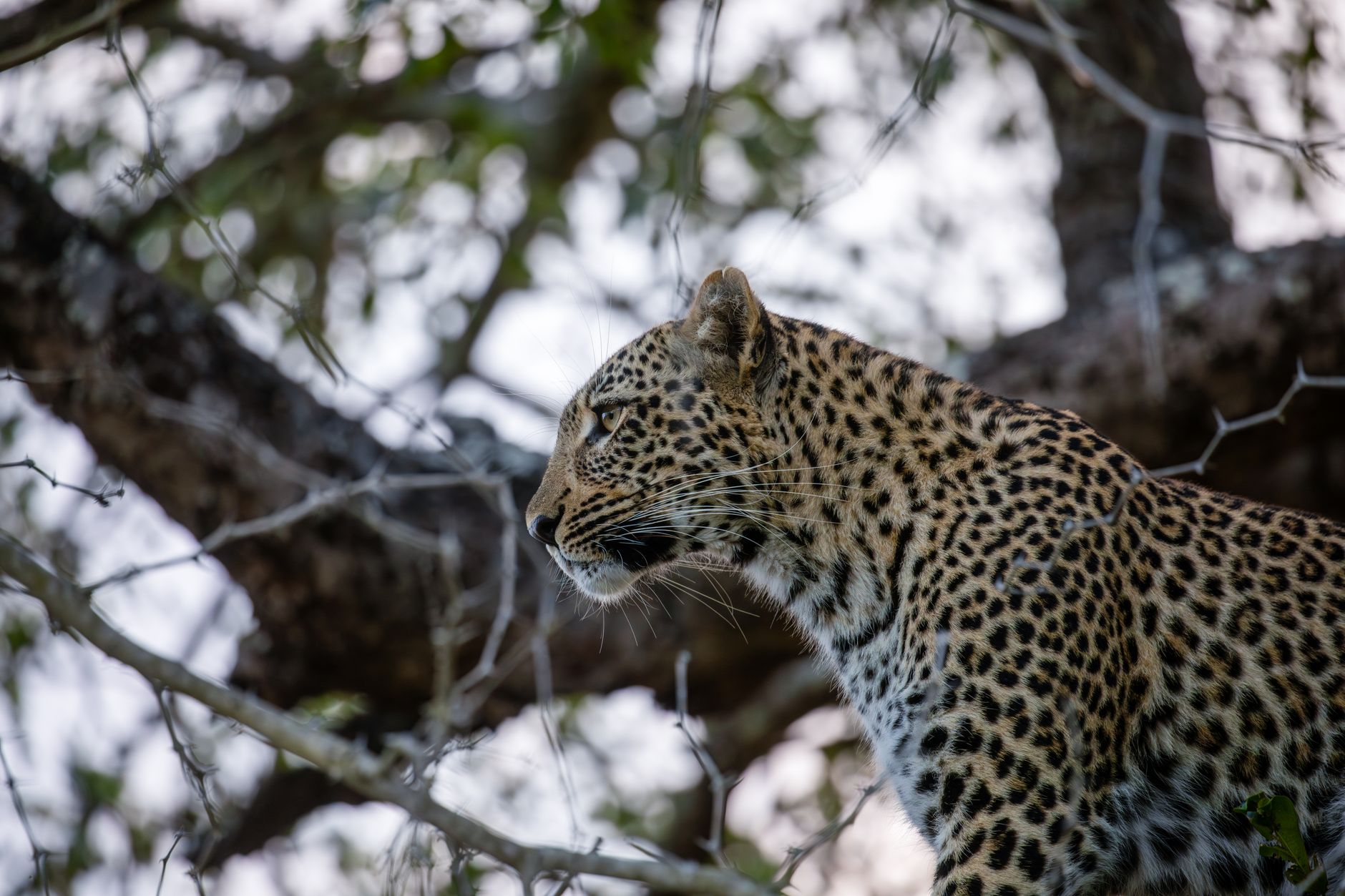
Lewa is also home to the other members of the classic “Big Five”—lion, leopard, elephant, and buffalo. In addition, it’s one of the few places you can see the “Northern Special Five”:
- Grévy's Zebra
- Reticulated Giraffe
- Beisa Oryx
- Gerenuk
- Somali Ostrich
Beyond the 4x4: Unique Safari Activities
One of Lewa's greatest draws is the freedom to explore. Guided bush walks with expert rangers offer an intimate perspective, allowing you to learn about animal tracks, plant life, and the smaller wonders of the ecosystem. It is a thrilling experience to track wildlife on foot, engaging all your senses.
For an even more memorable adventure, consider a horse-riding or camel safari. This allows you to get surprisingly close to plains game like zebra and giraffe, as they are less wary of four-legged companions than they are of vehicles or people. Cantering across the open savannah with a herd of antelope is a moment of pure, unadulterated freedom.
Cultural visits to neighbouring Maasai or Samburu communities provide authentic insights into the traditional ways of life that are inextricably linked to this landscape. You can learn about customs, local craftsmanship, and the deep connection between the people and the wildlife they protect.
The Landscape: Savannah, Forests, and Mountain Views
The scenery in Lewa is as diverse as its wildlife. Rolling hills give way to open grasslands, acacia woodlands, and riverine forests. The permanent wetlands and swamps act as a magnet for wildlife, especially as the dry season progresses from June onwards. Dominating the southern horizon is the majestic, snow-capped peak of Mount Kenya, providing a breathtaking backdrop to your game drives.
Within the conservancy lies the Ngare Ndare Forest, a lush, indigenous woodland with a canopy walkway that offers a bird's-eye view of the forest floor. The forest is also home to stunningly blue rock pools and waterfalls, where a refreshing swim offers a perfect respite during the heat of the day.

Planning Your Trip: When to Visit in 2027
The February to July window provides a wonderful spectrum of seasons. February and March are generally dry and warm, representing the tail end of the short dry season. The landscape is still green from the earlier rains, making it a beautiful time for photography and birdwatching, with many migratory species present.
April and May bring the long rains. While this can mean some afternoon showers, it also transforms the landscape into a vibrant, emerald paradise. This is the 'green season,' a time of renewal when visitor numbers are lower, and you may feel as if you have the entire conservancy to yourself. It’s a photographer’s dream, with dramatic skies and dust-free air.
By June and July, the rains have subsided, and the dry season begins in earnest. The vegetation thins out and animals begin to congregate more predictably around rivers and waterholes, making for exceptional and straightforward game viewing. The days are sunny and pleasant, and the nights are cool and clear, perfect for stargazing.
Where to Stay and Extending Your Journey
Lewa is part of the larger Laikipia plateau, a region renowned for its cutting-edge conservation and exceptional safari lodges. Staying at a lodge within the conservancy, such as the luxurious Maiyan Nanyuki, ensures your funds directly support the vital work happening on the ground. For those interested in a similar conservation-focused experience nearby, Sweetwaters Serena Camp in the adjacent Ol Pejeta Conservancy is another fantastic choice.
Many travellers choose to combine their highland safari in Lewa with other Kenyan highlights. You can easily connect to the iconic plains of the Maasai Mara for a classic Big Five safari or head to the coast for some relaxation. A few days on the pristine white sands of the Diani South Coast is the perfect way to round off an exhilarating wildlife adventure.
A trip to Lewa is an investment in hope. It is a chance to witness a world-class conservation model in action, where wildlife and communities not only coexist but thrive together. As you map out your travels for the coming year, consider this corner of Kenya for a journey that is as meaningful as it is magical. We hope this Lewa Wildlife Conservancy safari guide helps you take the first step toward an unforgettable adventure.
Where to stay
Browse handpicked places to stay — many with live availability and instant booking.
 4.8(63)
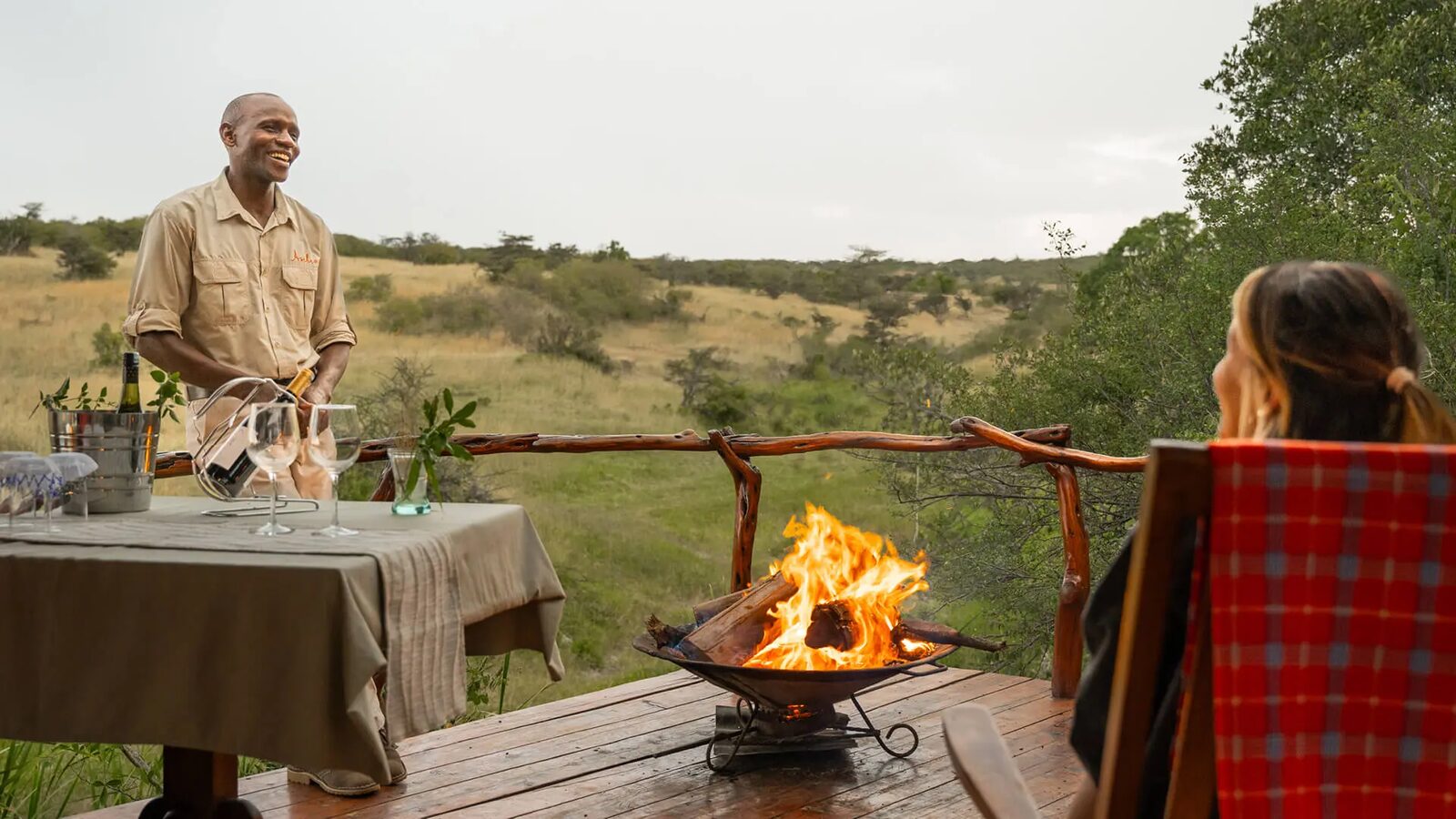
Encounter Mara Camp
Mara Naboisho Conservancy, Kenya
 4.8(95)
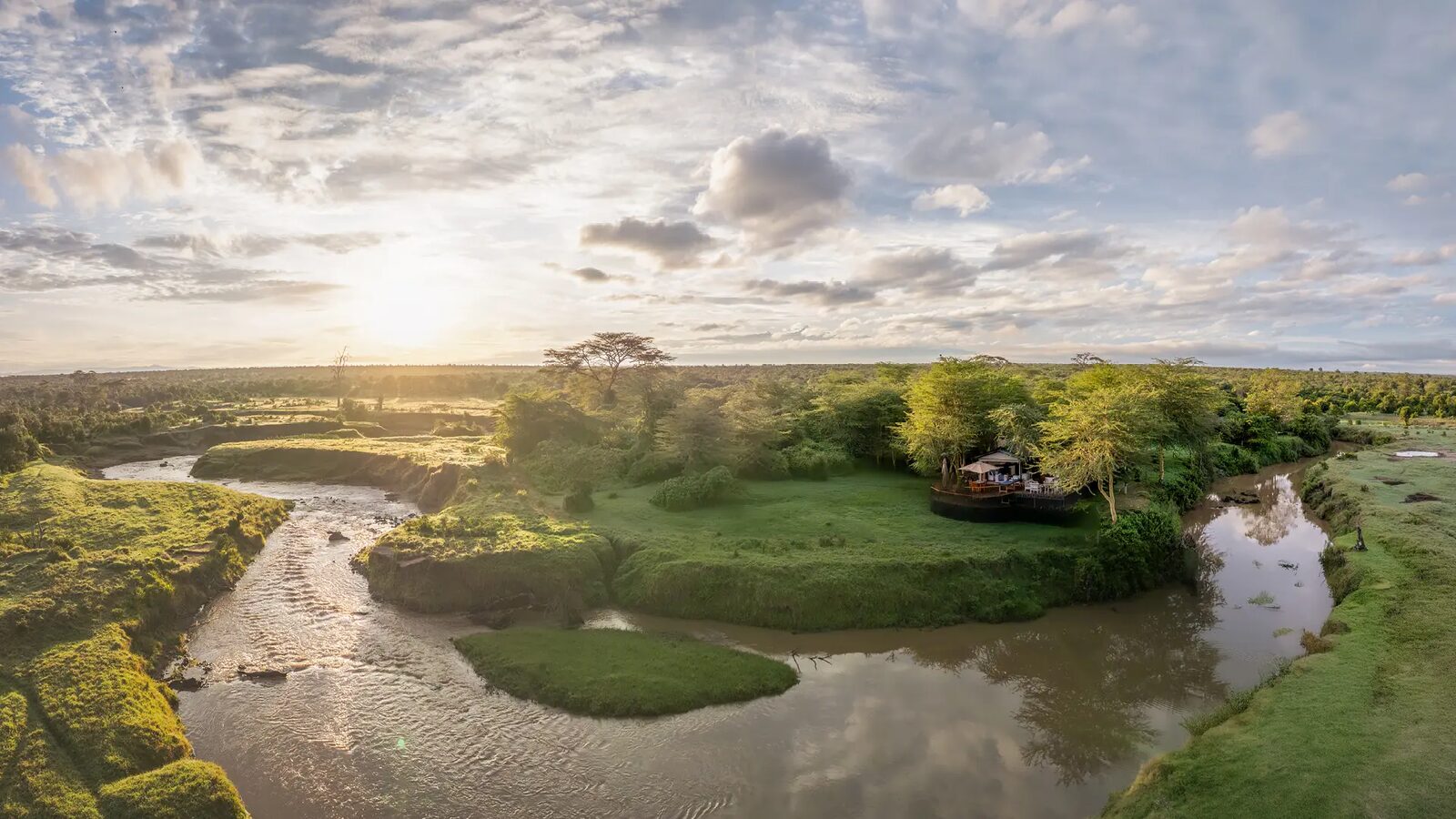
Ol Pejeta Bush Camp
Ol Pejeta Conservancy, Laikipia, Kenya
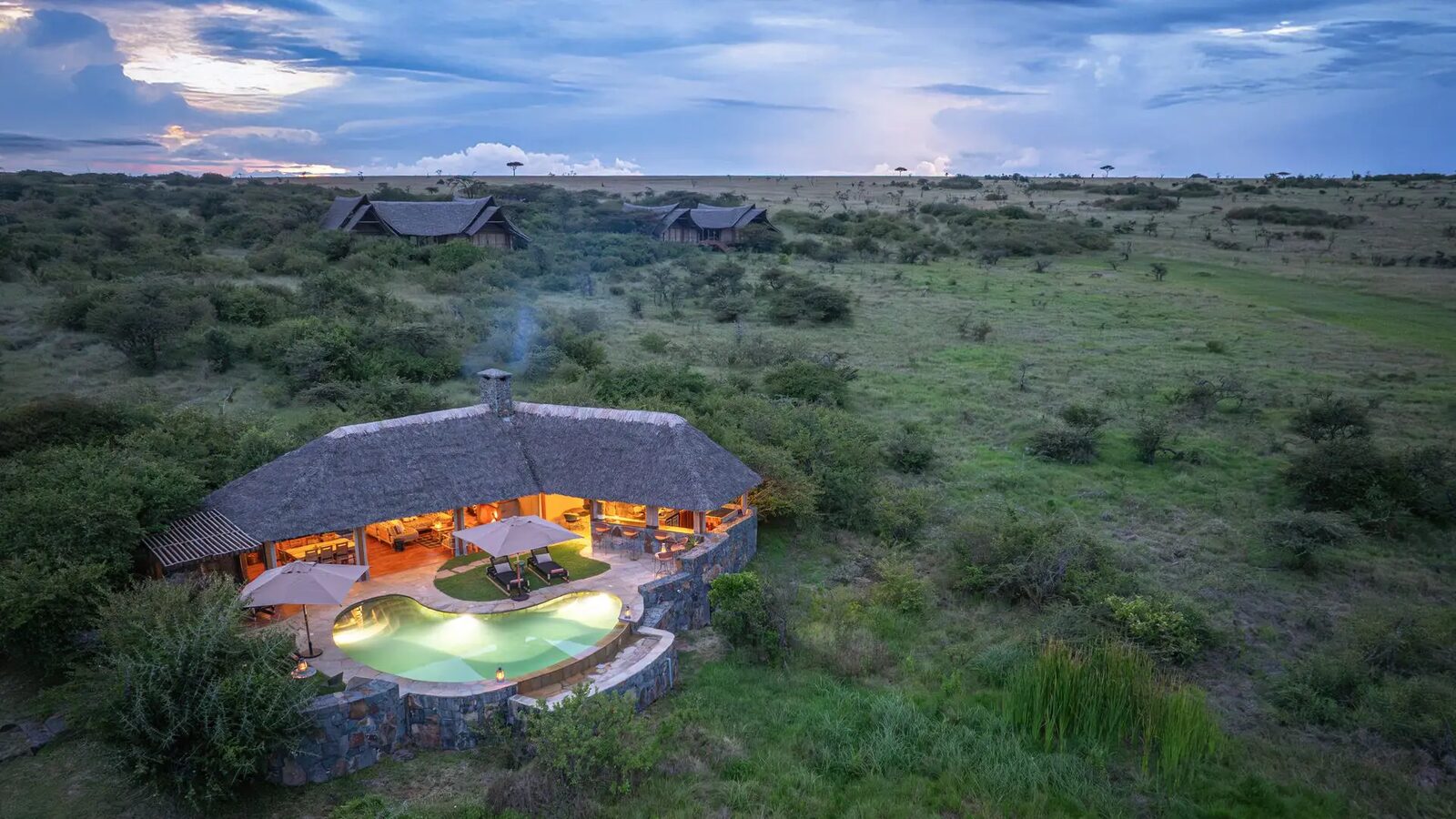 4.7(91)
Naboisho Camp
Mara Naboisho Conservancy, Kenya
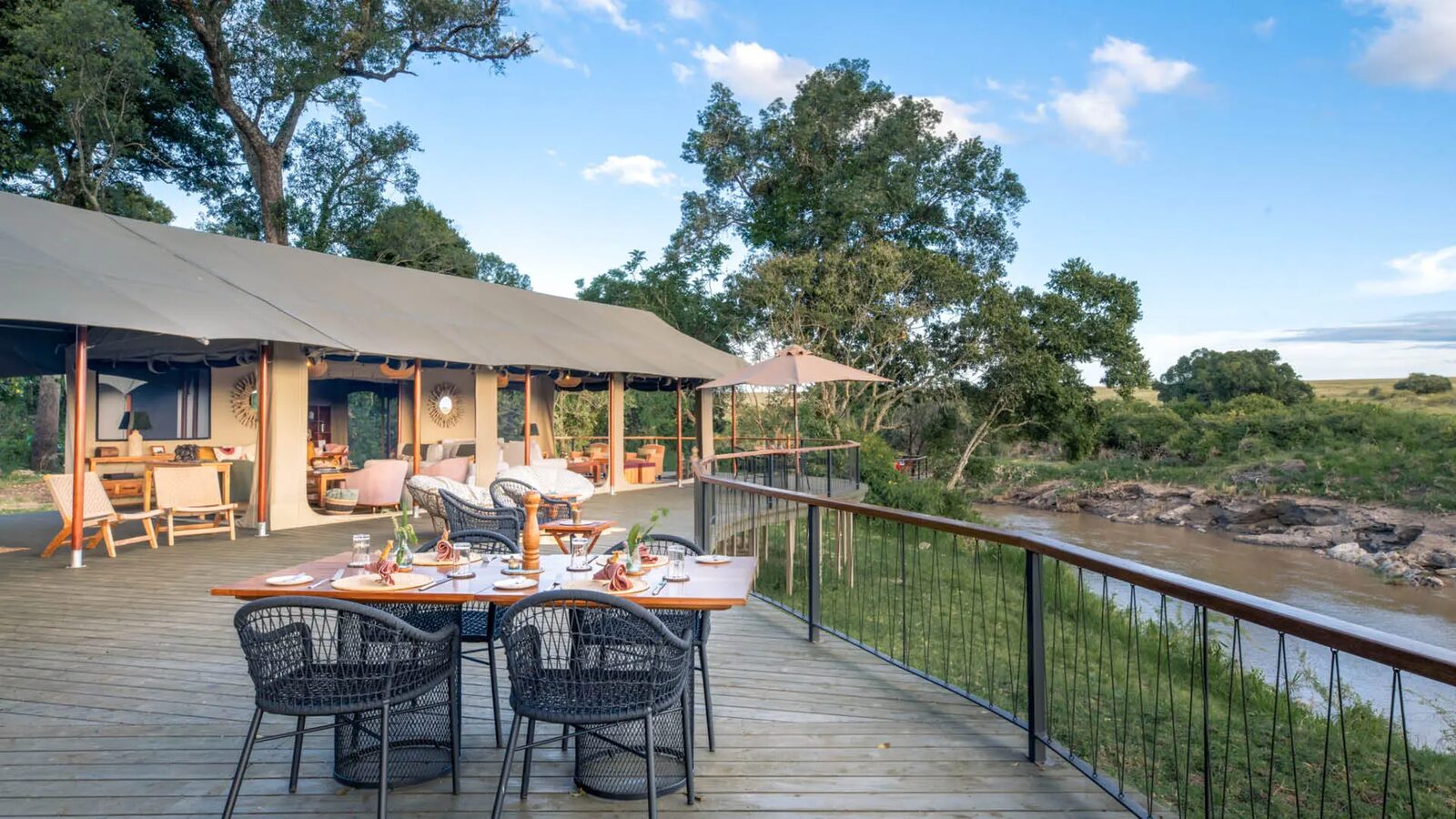 4.9(76)
Rekero Camp
Talek River, Maasai Mara National Reserve, Kenya
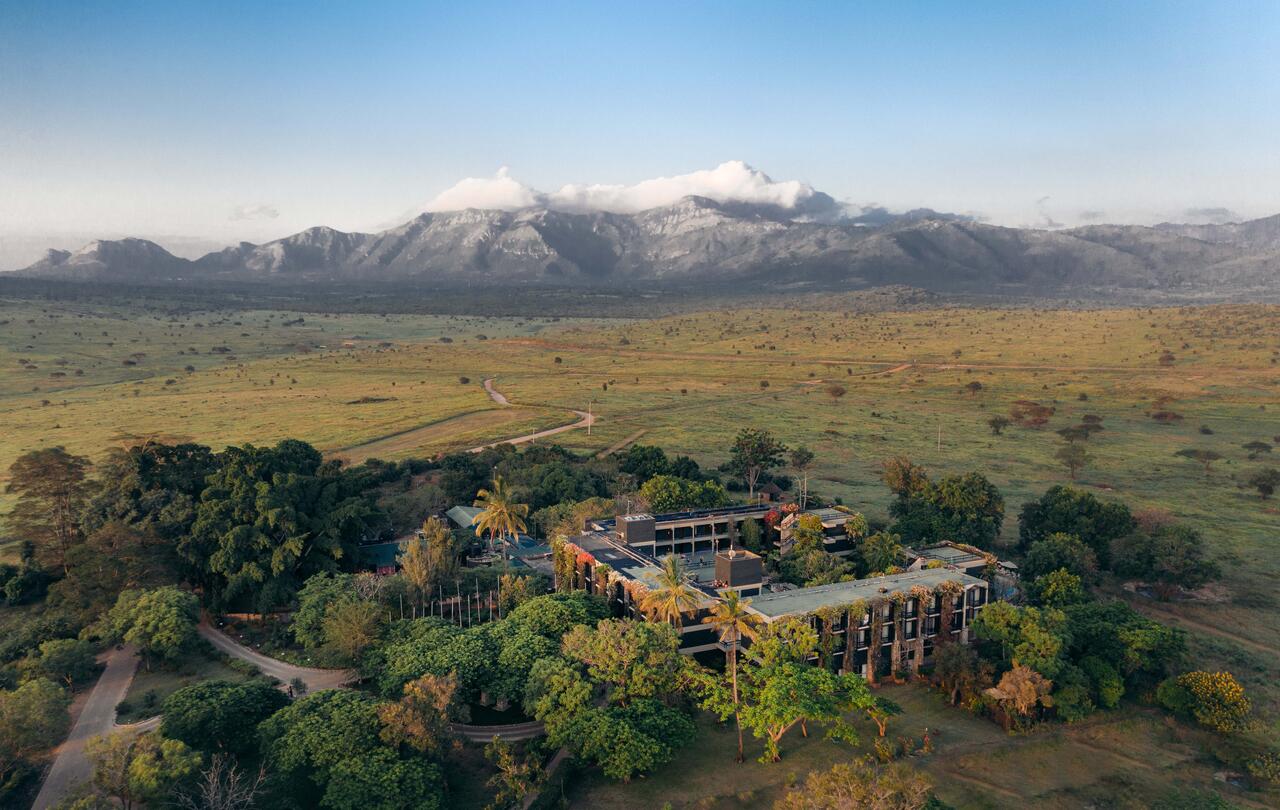 4.6(2137)
Taita Hills Safari Resort & Spa
Taita Hills, Kenya
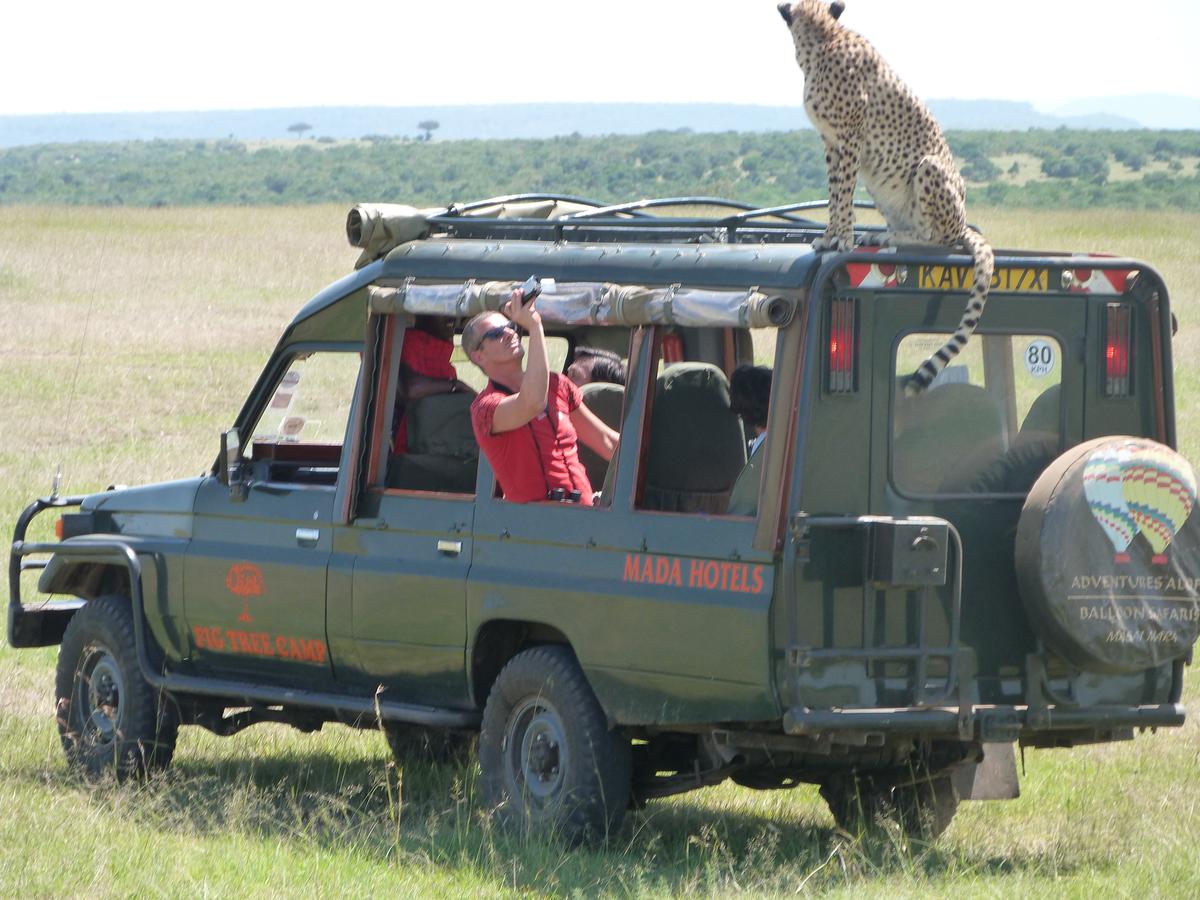 4.5(594)
Fig Tree Camp - Maasai Mara
Maasai Mara, Kenya
Let us plan this trip for you
Send us your dates, party and budget and we'll come back with a costed itinerary — lodges, flights, transfers and activities in one place. No fee, no obligation.
Keep reading

See our safari advice first on Google
One tap tells Google you want Safari Stays shown higher when you search for safari and travel news. It takes a second and you can undo it anytime.
Make Safari Stays a preferred source on Google