Beach and Bush Kenya: The Ultimate 10-Day Safari and Coast Itinerary
Few countries on earth let you wake up to lions on a sunlit savannah and fall asleep to the sound of the Indian Ocean lapping a coral beach — all in the same week. Kenya does, and a well-planned beach and bush itinerary is the single best way to experience the country if you only have 10 days. This guide walks you through a tested route, the lodges to book, the costs to expect, and the small logistics that turn a good safari into a great one.
Why combine beach and bush in Kenya?
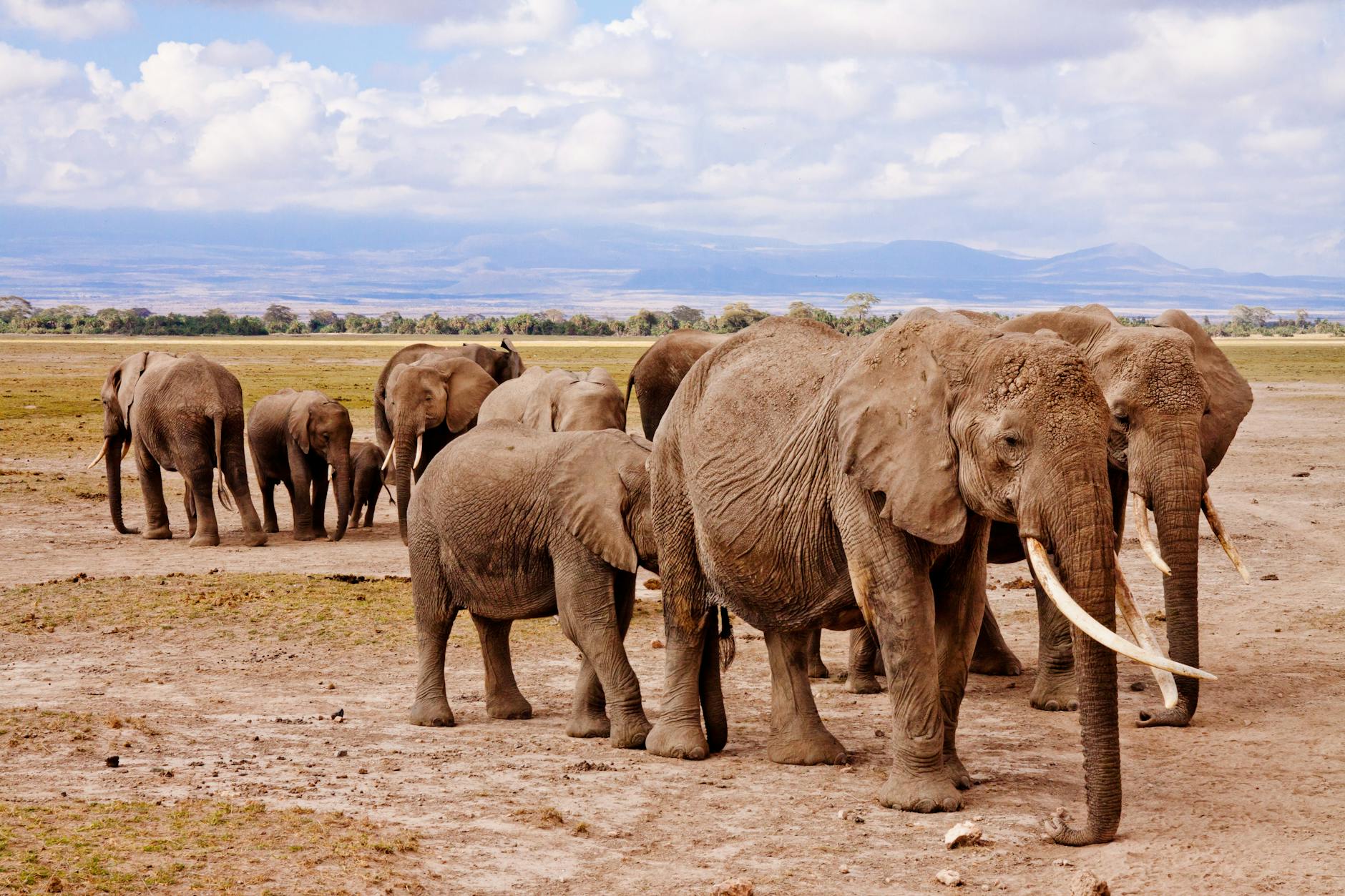
The Maasai Mara is the most famous wildlife destination in East Africa. Amboseli sits at the foot of Mount Kilimanjaro and offers some of the most photogenic elephant viewing on the continent. And the Kenyan coast — Diani in the south, Watamu and Lamu in the north — is one of the most underrated tropical coastlines in the Indian Ocean. Connecting them is easy thanks to a dense network of light-aircraft flights operated by Safarilink, AirKenya and Jambojet, which means you can move from a Mara breakfast to a beach sunset in under five hours.
The combination also balances the pace of a safari. Game drives are exhilarating but tiring — early starts, dusty roads, long hours in a vehicle. After four or five days under canvas, a few nights of swimming, snorkelling and seafood feels less like an indulgence and more like the natural second act of the trip.
The 10-day itinerary at a glance
- Days 1–2: Arrive Nairobi, overnight, fly to Amboseli
- Days 2–4: Amboseli National Park — elephants and Kilimanjaro
- Days 4–7: Maasai Mara — big cats and the open plains
- Days 7–10: Diani Beach — reef snorkelling and recovery
- Day 10: Fly Diani–Nairobi, connect home
Days 1–2: Nairobi arrival
Most international flights land at Jomo Kenyatta International Airport in the late evening. Don't try to push straight to the bush — give yourself a night in Nairobi to reset, shower and repack. Karen and Langata, on the city's southern edge, are the natural choice: leafy suburbs close to the Giraffe Centre, the David Sheldrick Wildlife Trust elephant orphanage, and the Karen Blixen Museum.
If you have a full morning before flying onward, the Sheldrick orphanage opens to the public from 11:00 to 12:00 daily and is one of the most moving wildlife encounters in the country. Book online in advance — walk-ins are no longer accepted.
Days 2–4: Amboseli and the Kilimanjaro view
From Wilson Airport — a separate, smaller airfield used for domestic and bush flights — it's a 45-minute hop to Amboseli. The park is small by Kenyan standards (392 km²) but extraordinarily concentrated. Permanent swamps fed by Kilimanjaro's snowmelt draw enormous herds of elephants out of the dust, and on a clear morning the mountain itself looms over the plains in a way that feels almost computer-generated.
Plan for two full days inside the park. Mornings are best for predators and big game; afternoons reward slower drives along the swamp edges, where you'll find buffalo, hippo and an extraordinary diversity of waterbirds. The classic Kilimanjaro view appears most reliably at sunrise and sunset, when the mountain briefly shrugs off its cloud cap.
Where to stay: Tortilis Camp for romance and a private conservancy setting, Ol Tukai Lodge for a more affordable mid-range option inside the park, or Kibo Safari Camp for a comfortable tented experience just outside the eastern gate.
Days 4–7: The Maasai Mara
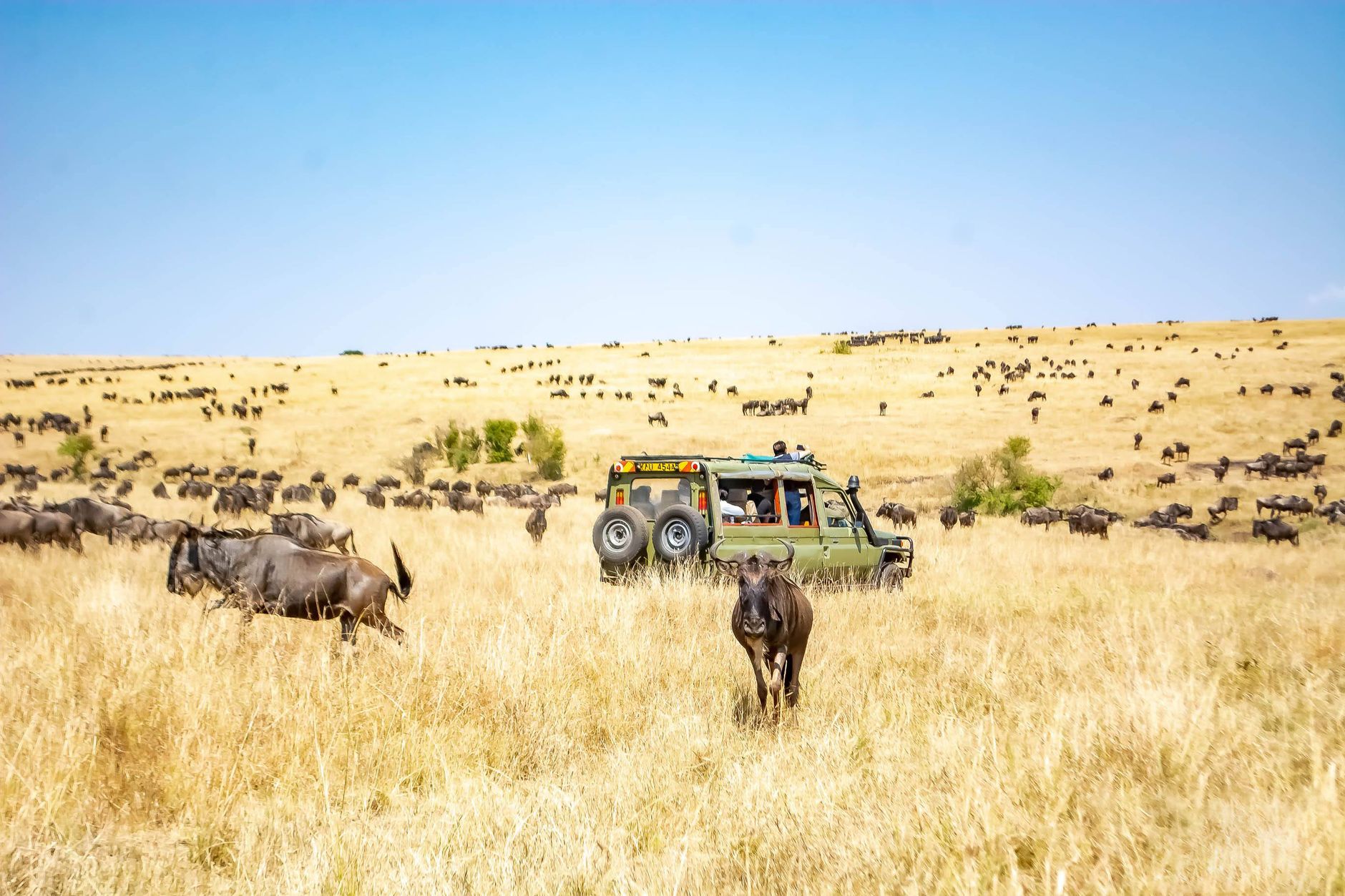
A second light-aircraft flight takes you from Amboseli to one of the Mara's many airstrips — Olkiombo, Musiara, Keekorok or Mara North, depending on where you are staying. The Maasai Mara National Reserve and its surrounding conservancies form one of the densest predator habitats on earth. Lion prides are large and visible. Cheetah hunt across the open plains in daylight. Leopard are reliably found along the Talek and Mara rivers.
If your trip falls between July and October, the Great Migration adds a layer that genuinely defies description: more than a million wildebeest and zebra crossing crocodile-filled rivers in pursuit of fresh grass. Even outside migration months the Mara delivers — resident game is exceptional year-round.
For wildlife density and fewer vehicles, prioritise a conservancy stay over the main reserve: Mara North, Olare Motorogi and Naboisho are the standout choices. Walking safaris and night drives — both forbidden in the reserve itself — are permitted in the conservancies.
Days 7–10: Diani Beach
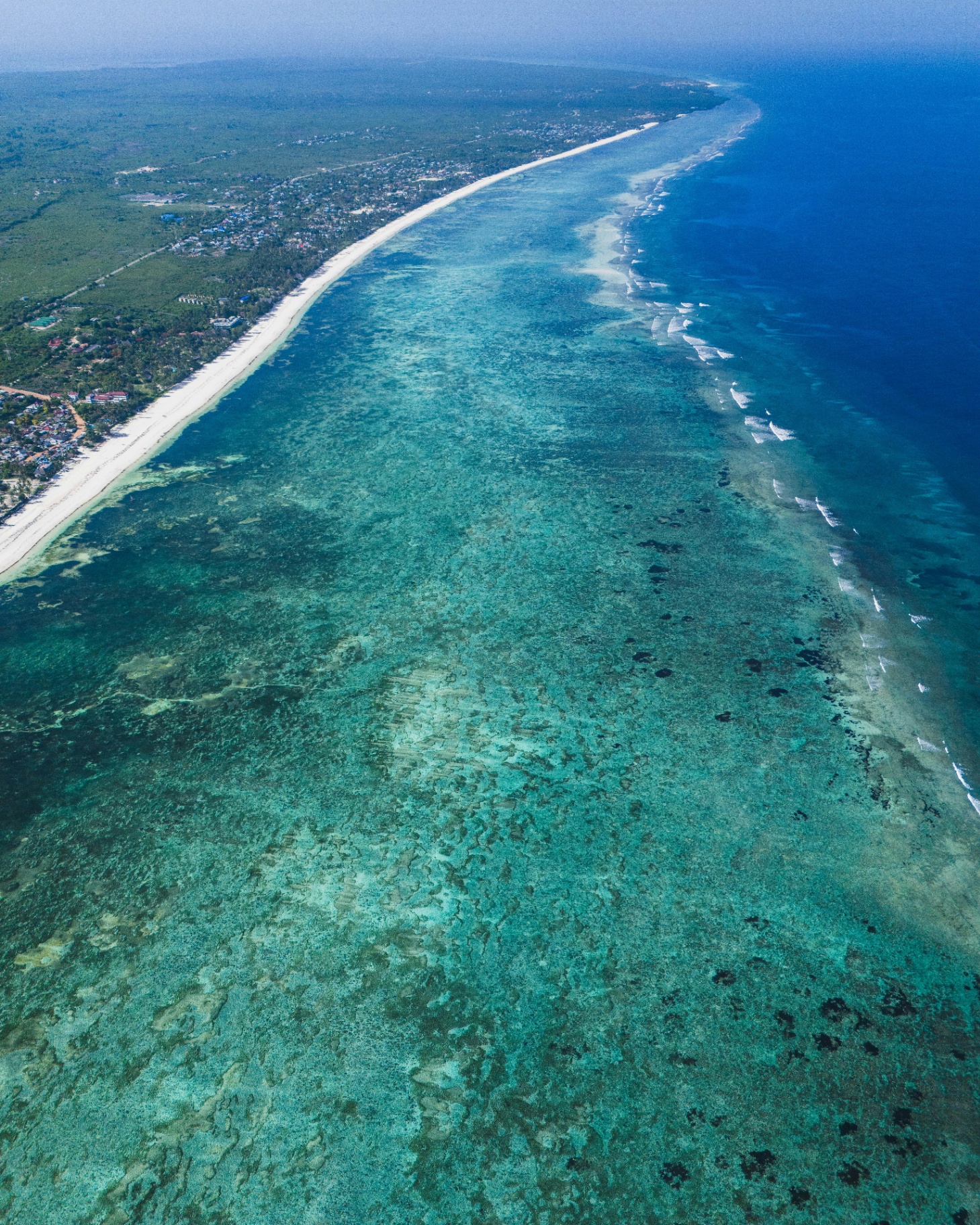
From the Mara, fly back to Wilson and connect to Ukunda (Diani) airstrip. Total transit time is roughly four hours including layover. Diani's 17-kilometre stretch of white sand sits behind a protected coral reef, which means calm, swimmable lagoons at any tide and excellent snorkelling at low water.
Three days here is the right amount. Day one: do nothing. Sleep, swim, order grilled prawns. Day two: book a boat trip out to Kisite-Mpunguti Marine Park for snorkelling among the reefs and, with luck, dolphin sightings. Day three: explore the Shimba Hills, a small reserve just inland with sable antelope, elephant and the Sheldrick Falls walk.
Where to stay: AfroChic Diani for boutique luxury, Almanara for villa-style privacy, or Diani Sea Resort for a relaxed mid-range option directly on the beach.
What it costs
A 10-day beach-and-bush trip of this calibre lands in roughly the following ranges per person, based on two travellers sharing:
- Comfort tier: $4,500 – $6,500 USD
- Premium tier: $7,000 – $10,500 USD
- Luxury tier: $12,000+ USD
The biggest cost lever is the safari portion — conservancy lodges in the Mara typically run $700–$1,500 per person per night all-inclusive, while public-reserve lodges can be half that. Beach accommodation is dramatically cheaper than the bush, so don't trim nights at Diani to save money; trim a night in the Mara instead.
Practical logistics
Visas: Kenya now uses an online eTA system; apply at least three days before travel. Health: Yellow fever certificate required if arriving from a yellow-fever endemic country. Anti-malarials recommended for all safari and coastal areas. Currency: US dollars are widely accepted at lodges; Kenyan shillings are useful for tips and local purchases. Tipping: Budget roughly $15–$20 per guest per day for guides, plus camp staff tips at the end of each stay.
Best months: July–October for the Great Migration; January–February for clear skies, calving season and excellent predator action; June and November are quieter shoulder months with very good value.
Booking the trip
Use SafariStays/Kenya to compare lodges across the Mara, Amboseli and the coast in one place, see live availability where supported, and enquire directly with hosts. The platform is free for travellers — you book the same lodges for the same prices, but with the convenience of a single trusted enquiry channel.
Ready to plan your trip?
Check live availability, compare lodges and book instantly — or send us an enquiry and we'll help shape the route.