Combining Central Kalahari and Okavango Delta Safaris
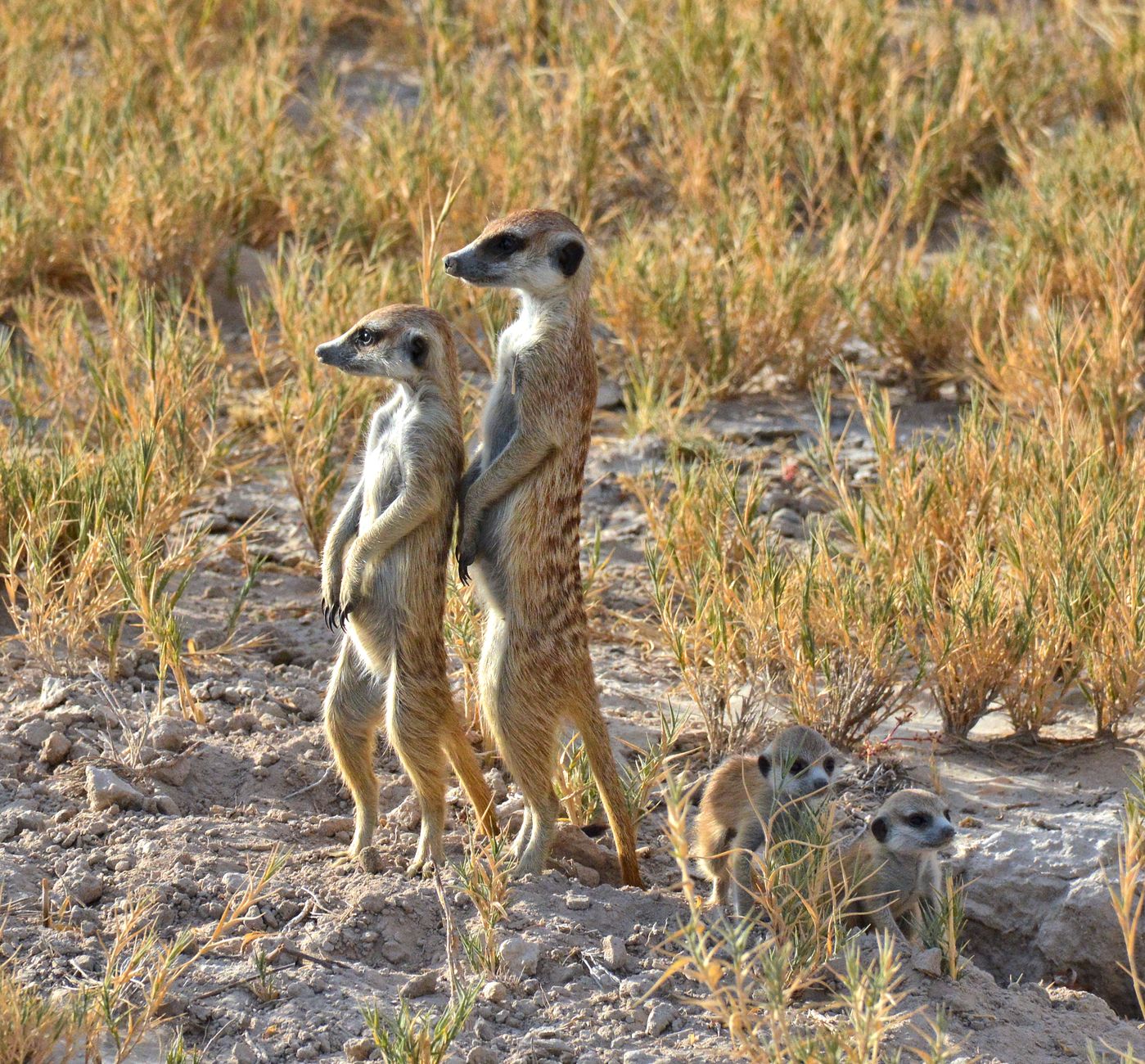
Few wildlife journeys anywhere on earth present the visual and ecological drama of travelling across Botswana’s interior. Planning a journey that bridges the fossil dunes of the south and the lily-strewn waterways of the north reveals the country's staggering diversity in its purest form. When it comes to curating an itinerary of profound contrasts, combining Central Kalahari and Okavango Delta safaris is unmatched.
From the ancient salt pans and undulating grass plains of the south to the labyrinthine papyrus channels fed by Angolan rains, this pairing offers two distinct wilderness perspectives. For travellers preparing for the 2027 season, understanding the rhythm of these two contrasting ecosystems is key to orchestrating an unforgettable safari.
The Geography of Contrast: Desert Meets Water
To appreciate this itinerary, one must first grasp the dramatic geographical divergence between the regions. The vast expanse of the Central Kalahari represents an ancient geological landscape shaped by wind, sand, and deep geological time. Vast expanses of open scrub and fossil river valleys define this reserve, where horizon lines blur endlessly into the sky.
In stark contrast, the Okavango Delta is an alluvial fan formed where the Okavango River spills into the Kalahari Basin, unable to find an outlet to the ocean. The resulting inland wetland creates thousands of crystal-clear lagoons, seasonal floodplains, and forested islands. Moving between these two worlds highlights the profound resilience of African wildlife, showcasing species uniquely adapted to hyper-arid plains alongside those built for aquatic life.
Experiencing both environments in a single itinerary allows you to encounter animals adapted to scarcity followed immediately by creatures thriving in immense water-rich abundance. The shift in sound, scent, and scenery between the desert and the delta provides an experience far deeper than standard single-park visits.
Timing Your Journey: The March to August Window
When planning a trip for the upcoming 2027 dry and transitional months, timing determines the specific character of each region. The period spanning March through August provides a magnificent cross-section of seasonal changes in both ecosystems.
March and April mark the tail end of the Kalahari's green season. During these months, the desert valleys like Deception Pan are carpeted with sweet grasses, attracting vast herds of springbok, gemsbok, and blue wildebeest, closely trailed by Kalahari black-maned lions. Meanwhile, the delta is transitioning into its clear-water cycle, with emerald backdrops and exceptional birding.
By May and June, the Kalahari begins drying, consolidating wildlife around permanent waterholes and offering cooler, dust-free game drives. Simultaneously, the floodwaters from Angola gradually reach the northern delta, slowly spreading southwards. By July and August, water levels across the Delta peak, transforming the landscape into a water wonderland ideal for boating, while the Kalahari experiences crisp, clear winter days and cold, starry desert nights.
Combining Central Kalahari and Okavango Delta: Logistics and Routing
Designing an itinerary that seamlessly links these vast wildernesses requires thoughtful logistics. Because the distances between remote concessions are considerable, light aircraft transfers are the definitive way to travel between regions.
The town of Maun acts as Botswana’s primary aviation gateway, making it an effortless transit hub. Most guests arrive in Maun before boarding a scenic flight directly into a private airstrip in the Central Kalahari, where game drives begin straight from the runway. Flying at low altitudes gives an incomparable perspective on the earth below, as dense savannah gives way to pale clay pans and ancient dunes.
After spending three or four nights exploring the desert expanses, you board another charter flight north towards the delta. As the aircraft approaches the Okavango, the dry earth beneath you abruptly gives way to branching blue channels, emerald reedbeds, and palm-studded islands. This sequence—beginning in the open desert and concluding in the lush waterways—creates a deeply satisfying narrative progression.

Where to Stay: Curated Lodges for the Dual Safari
Selecting accommodations that reflect the distinctive character of both landscapes is vital to capturing the spirit of the journey. In the desert, intimacy, panoramic vistas, and deep cultural immersion define the stay.
Perched on the border of the reserve, Evolve Back Gham Dhao Lodge offers an exceptional sanctuary within an exclusive concession. The lodge combines refined comfort with sensitive earth-toned architecture, serving as a base for desert tracking, night drives, and quiet walks with indigenous San trackers whose ancestral knowledge brings the Kalahari vividly to life.
Upon arriving in the delta, you have the choice between deep-water concessions and vast mixed-habitat private reserves. For guests seeking absolute immersion in the delta's pristine wetlands, Atzaró Okavango Camp provides an elegant stay along permanent channels, balancing refined design with open-air safari luxury.
Alternatively, travellers drawn to dramatic predator encounters and expansive floodplains can base themselves at Duba Plains Camp. Located in the legendary Duba Concession, it offers world-class tracking of lion prides and buffalo herds amidst island clearings and seasonal waterways.
Key Wildlife Experiences Across Desert and Wetland
The contrast between these ecosystems translates into an extraordinary variety of daily activities and wildlife spectacles. A combined journey ensures you encounter specialized species that exist in only one of the two habitats.
- Kalahari Specialties: Watch for the legendary black-maned lion, resilient desert cheetah, brown hyena, honey badger, bat-eared fox, and desert-adapted antelopes like the regal gemsbok and delicate springbok.
- Delta Icons: Encounter large breeding herds of African elephant, red lechwe splashing through shallows, sitatunga antelope hidden in reedbeds, endangered African wild dogs, and leopards resting in sausage trees.
- Distinct Activities: Trade early-morning interpretive tracking on foot across Kalahari sand dunes for quiet afternoon mokoro (dugout canoe) excursions along crystal-clear Okavango channels.
- Atmospheric Nights: Compare the profound, silent darkness and brilliant stargazing of the remote desert sky with the nocturnal chorus of reed frogs and hippos surrounding your delta tent.

Planning Considerations for 2027 Bookings
Because wilderness concessions enforce strict ecological limits on vehicle numbers and guest capacity, availability at premier camps is inherently limited. For those planning a trip between March and August 2027, securing bookings well in advance ensures access to preferred light aircraft flight schedules and seasonal camp combinations.
Pay careful attention to luggage constraints on charter flights, which strictly mandate soft-sided bags within established weight limits. Layering is also essential: morning game drives in the Kalahari during June and July can be frosty, while afternoons warm comfortably under brilliant sunshine, mirroring the daily thermal shifts of the delta.
By carefully combining Central Kalahari and Okavango Delta destinations, you create a safari that captures Botswana's complete ecological tapestry, balancing solitude and abundance in equal measure.
Whether gliding over papyrus-fringed channels in a mokoro or tracing predator tracks across wide desert plains, this dual itinerary delivers memories that remain vivid long after the journey concludes.
Where to stay in Okavango Delta
Browse handpicked places to stay — many with live availability and instant booking.
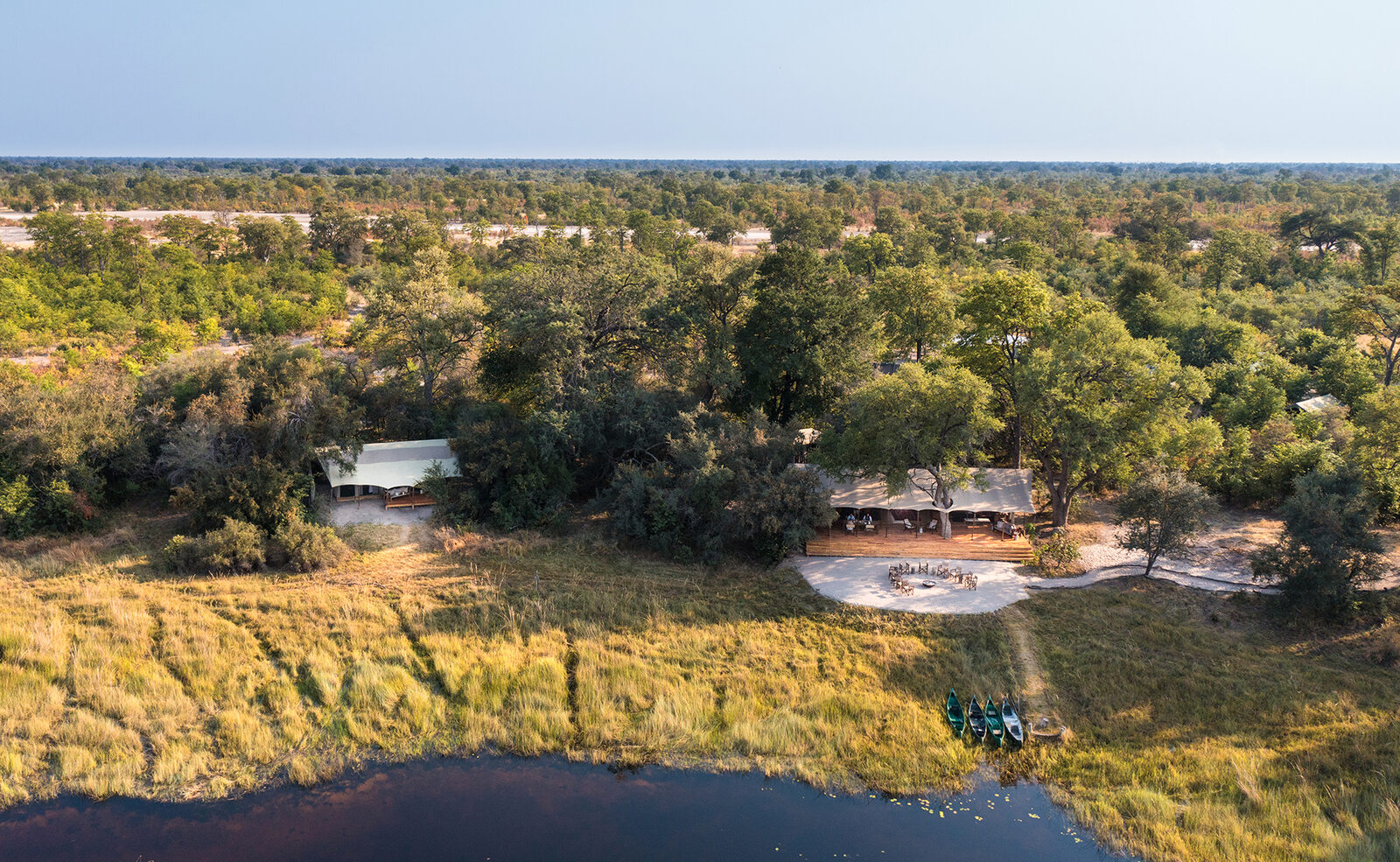 5(8)
Okavango Explorers Camp
Selinda Reserve, Okavango Delta, Botswana
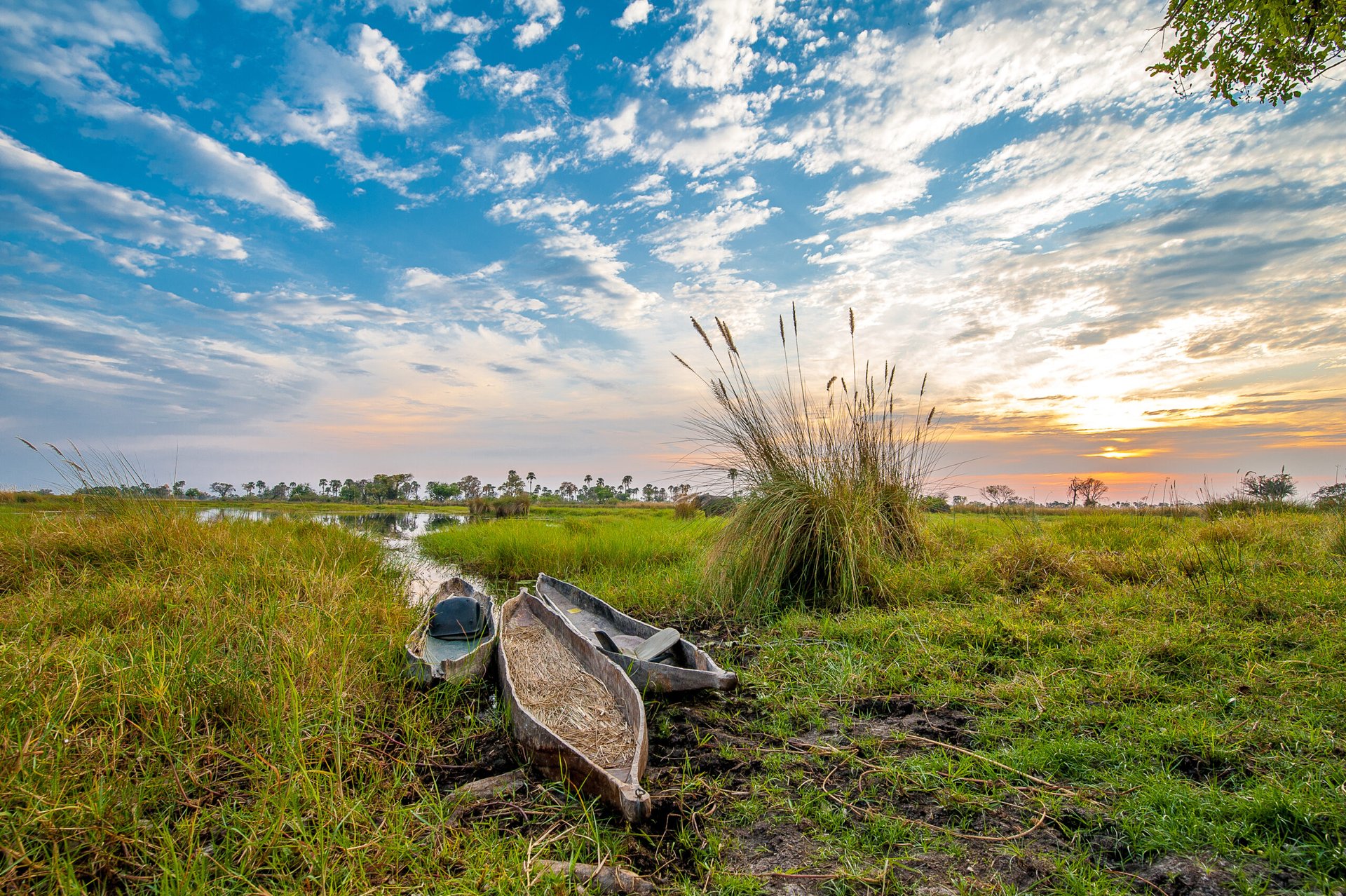 4.8(38)
Oddballs' Camp
Okavango Delta, Botswana
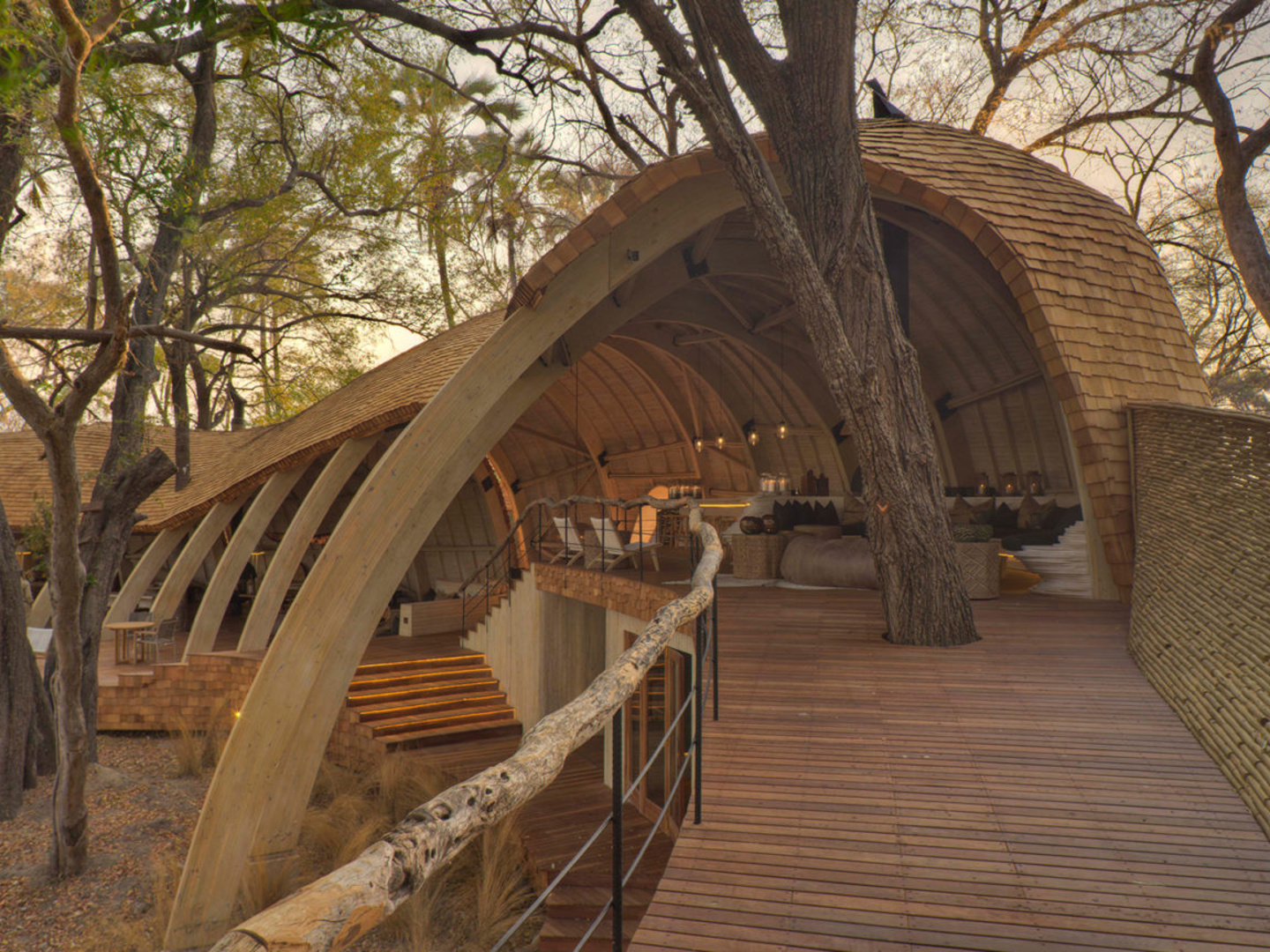 4.7(70)
&Beyond Sandibe Okavango Safari Lodge
Okavango Delta, Botswana
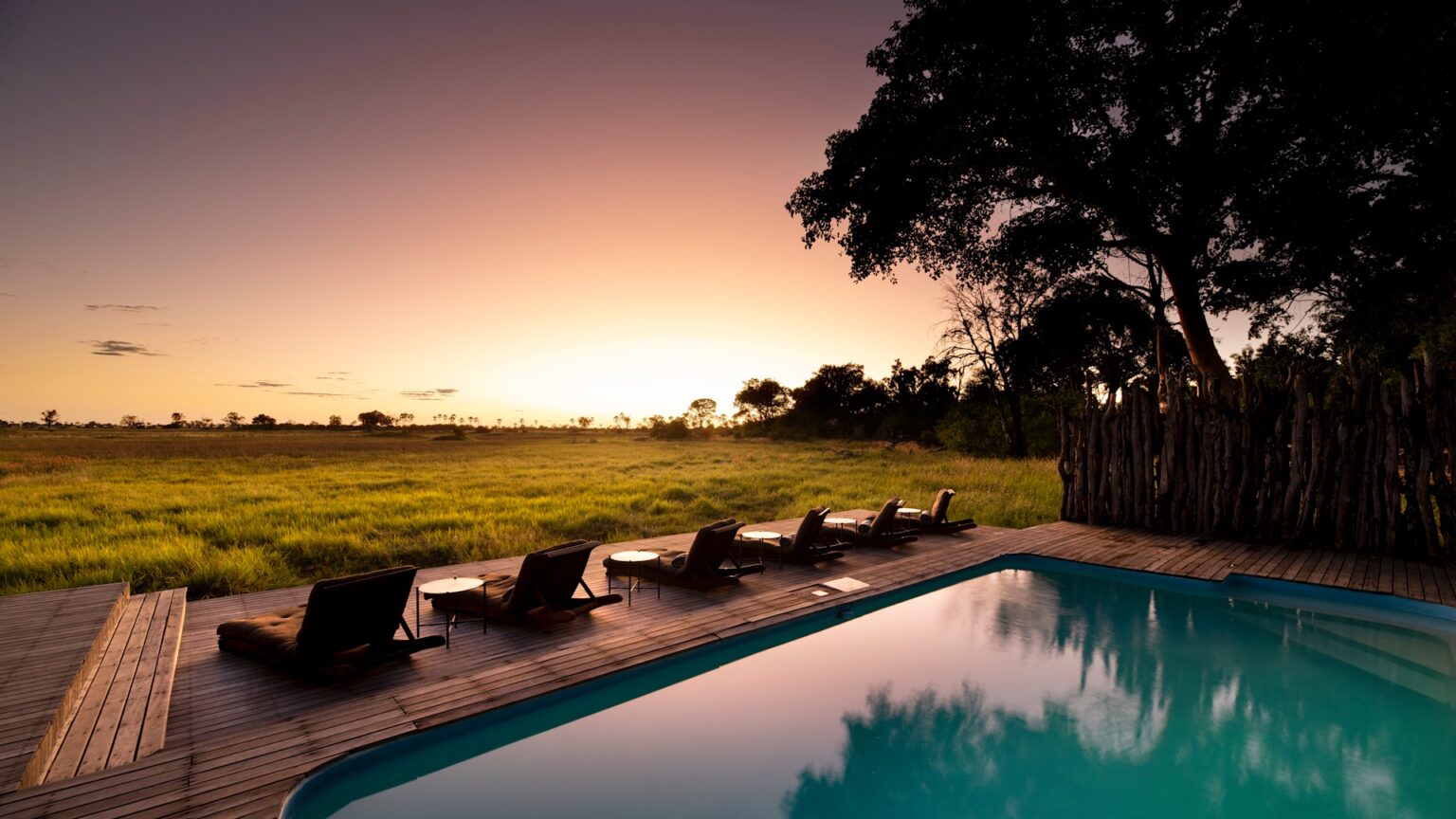 4.8(61)
&Beyond Nxabega Okavango Tented Camp
Okavango Delta, Botswana
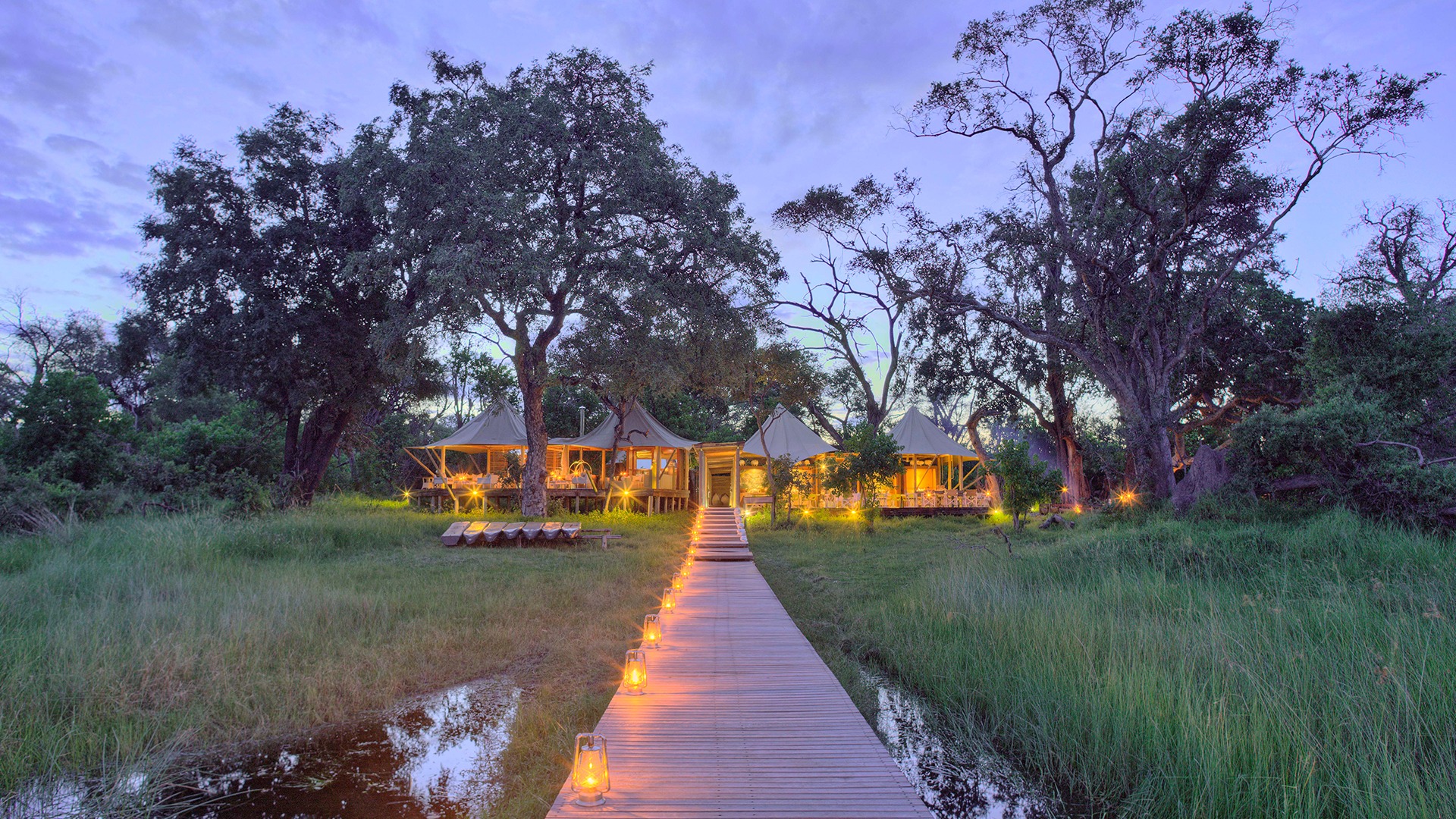 4.6(53)
&Beyond Xaranna Okavango Delta Camp
Okavango Delta, Botswana
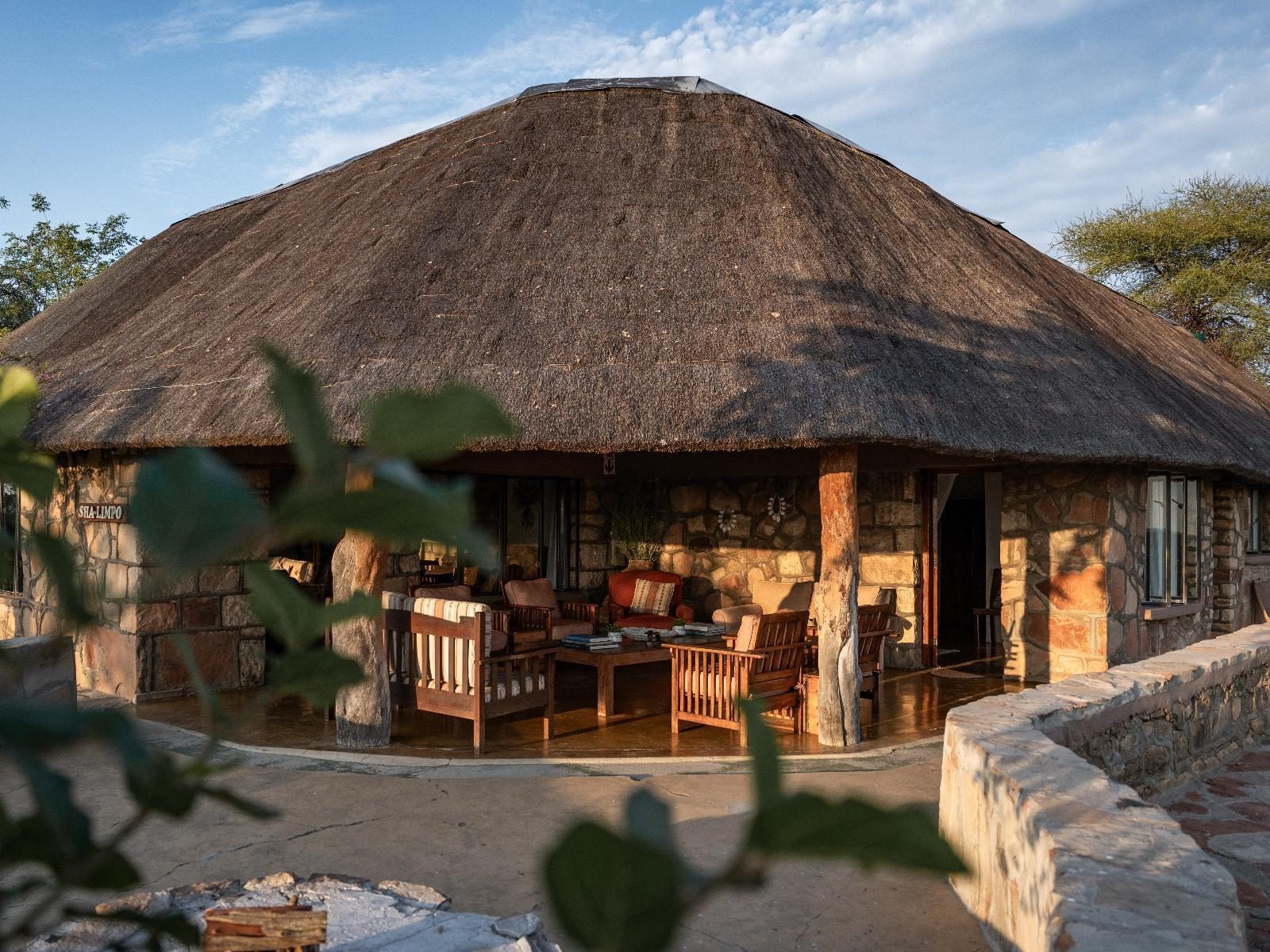 0(0)
Shalimpo Safari Home
Northern Tuli Game Reserve, Botswana
Let us plan this trip for you
Send us your dates, party and budget and we'll come back with a costed itinerary — lodges, flights, transfers and activities in one place. No fee, no obligation.
Keep reading
See our safari advice first on Google
One tap tells Google you want Safari Stays shown higher when you search for safari and travel news. It takes a second and you can undo it anytime.
Make Safari Stays a preferred source on Google