A Guide to Zimbabwe Safari in August Weather
August in Zimbabwe is a time of profound beauty and classical safari allure. As the Southern Hemisphere winter settles into its final, most temperate month, the landscape prepares for a season of renewal. This is the heart of the dry season, a period when the African bush reveals its secrets most generously. For those considering an adventure, understanding the zimbabwe safari in august weather is the first step in planning an unforgettable journey. The days are golden and warm, the nights are crisp and clear, and the wildlife viewing is, simply put, extraordinary.
Imagine waking to a cool, clear dawn, the sky a pale, flawless blue. This is the essence of August. It is a month of sublime comfort and high drama, where nature’s rhythms dictate the pace of each day. The chill of the early morning gives way to pleasant, sun-drenched afternoons perfect for exploration, before the temperature dips again for evenings spent around a crackling fire, sharing stories under a canopy of brilliant stars.
What to Expect from Zimbabwe Safari in August Weather
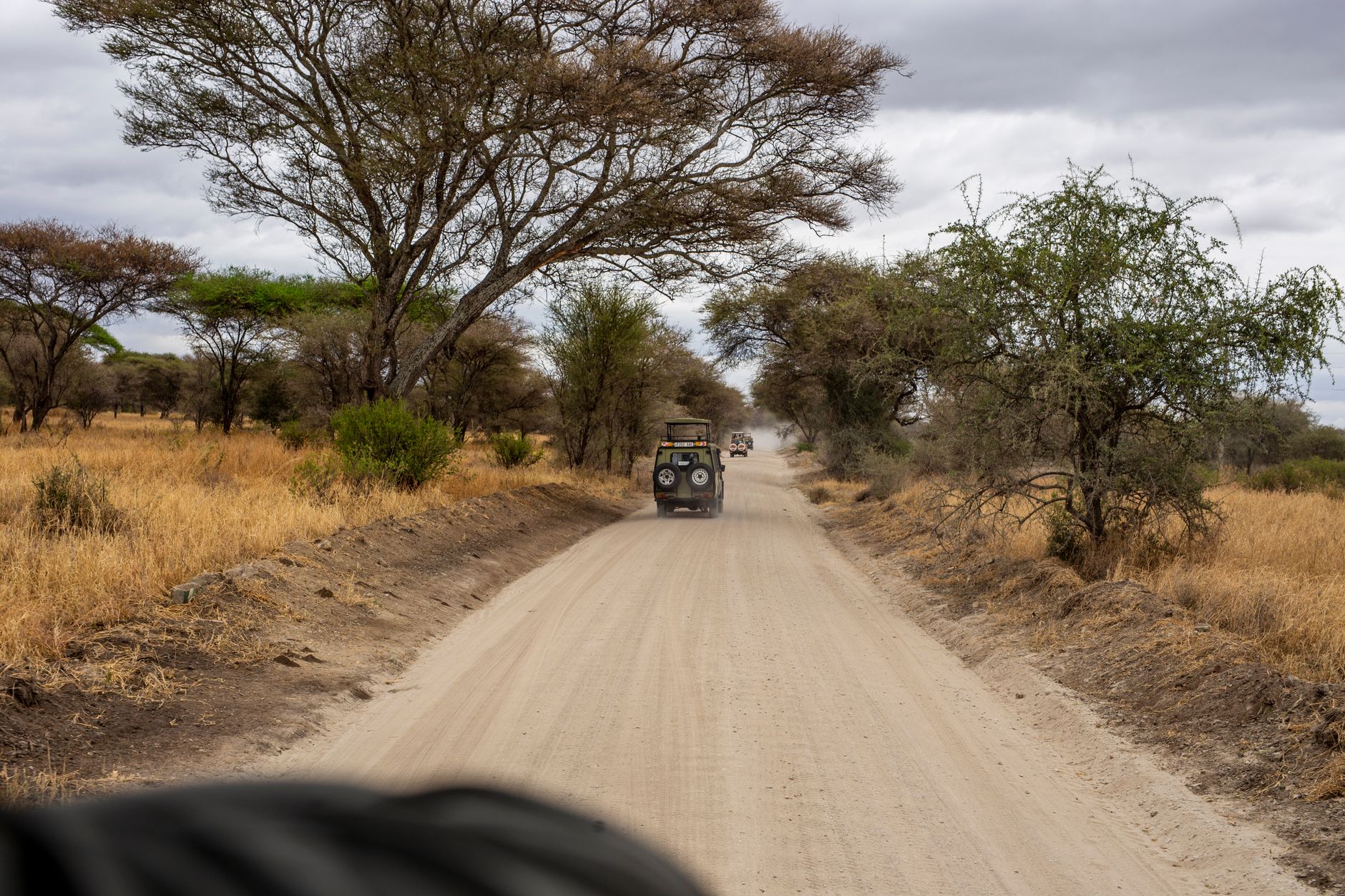
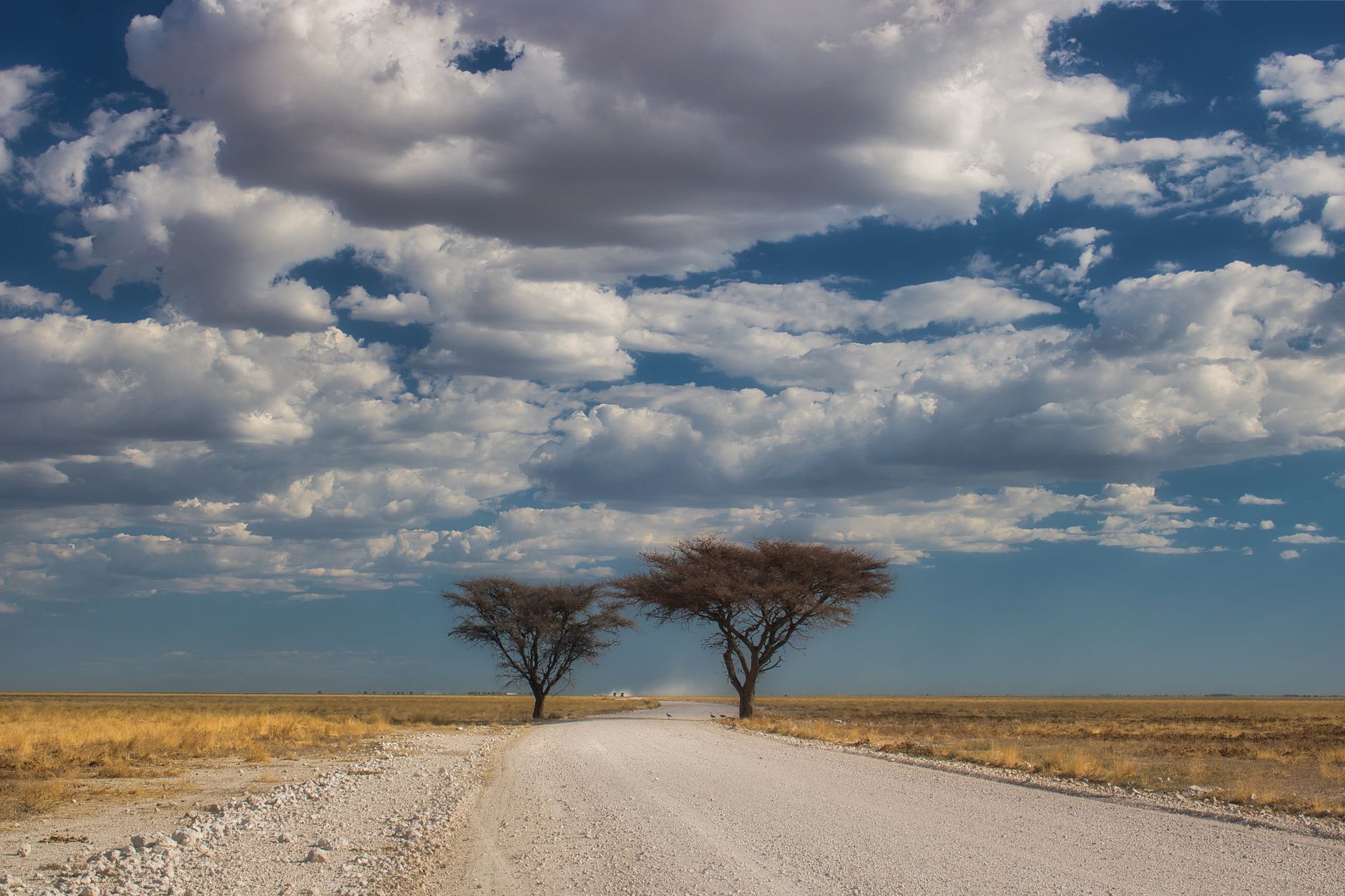
August sits squarely in the middle of Zimbabwe’s long dry season, which typically runs from May to October. This translates to near-perfect weather conditions for a safari. You can expect virtually no rain, low humidity, and skies that are vast and cloudless. The absence of rain and haze results in excellent visibility and stunning light, especially during the ‘golden hours’ of sunrise and sunset, making it a photographer's dream.
Daytime Temperatures: Sun-Kissed and Pleasant
During the day, temperatures in Zimbabwe’s primary safari areas—such as Hwange and Mana Pools—hover in the mid to high twenties Celsius (around 25-28°C or 77-82°F). This is an ideal climate for safari activities. It is warm enough to be comfortable in a shirt and trousers on a game drive vehicle, yet rarely so hot that it becomes oppressive. The sun is strong, but the air remains dry and pleasant, allowing you to fully immerse yourself in the experience without the discomfort of high heat or humidity.
Morning and Evening: Crisp and Clear
Contrastingly, the nights and early mornings are distinctly chilly. Temperatures can drop to as low as 5-7°C (41-45°F), especially in open areas like the plains of Hwange. This invigorating chill requires preparation; a warm fleece, a jacket, a beanie, and a scarf are essential companions on early morning game drives. However, this crisp air is part of the magic. As the sun rises, the land warms quickly, and shedding layers becomes a familiar ritual. By evening, the cool air returns, perfect for enjoying a sundowner drink while watching the sunset, before retreating to the warmth of the lodge campfire.
August Wildlife Viewing: The Dry Season Advantage
While the weather is a significant draw, the main reason safari connoisseurs flock to Zimbabwe in August is the phenomenal wildlife viewing. The dry conditions create a perfect storm for exceptional game sightings.
The first factor is the thinning vegetation. As the season progresses, leaves fall and grasses wither, making it significantly easier to spot animals that might otherwise be concealed in dense thickets. Leopards resting in the boughs of a sausage tree or a lion pride moving through the grasslands are more readily visible.
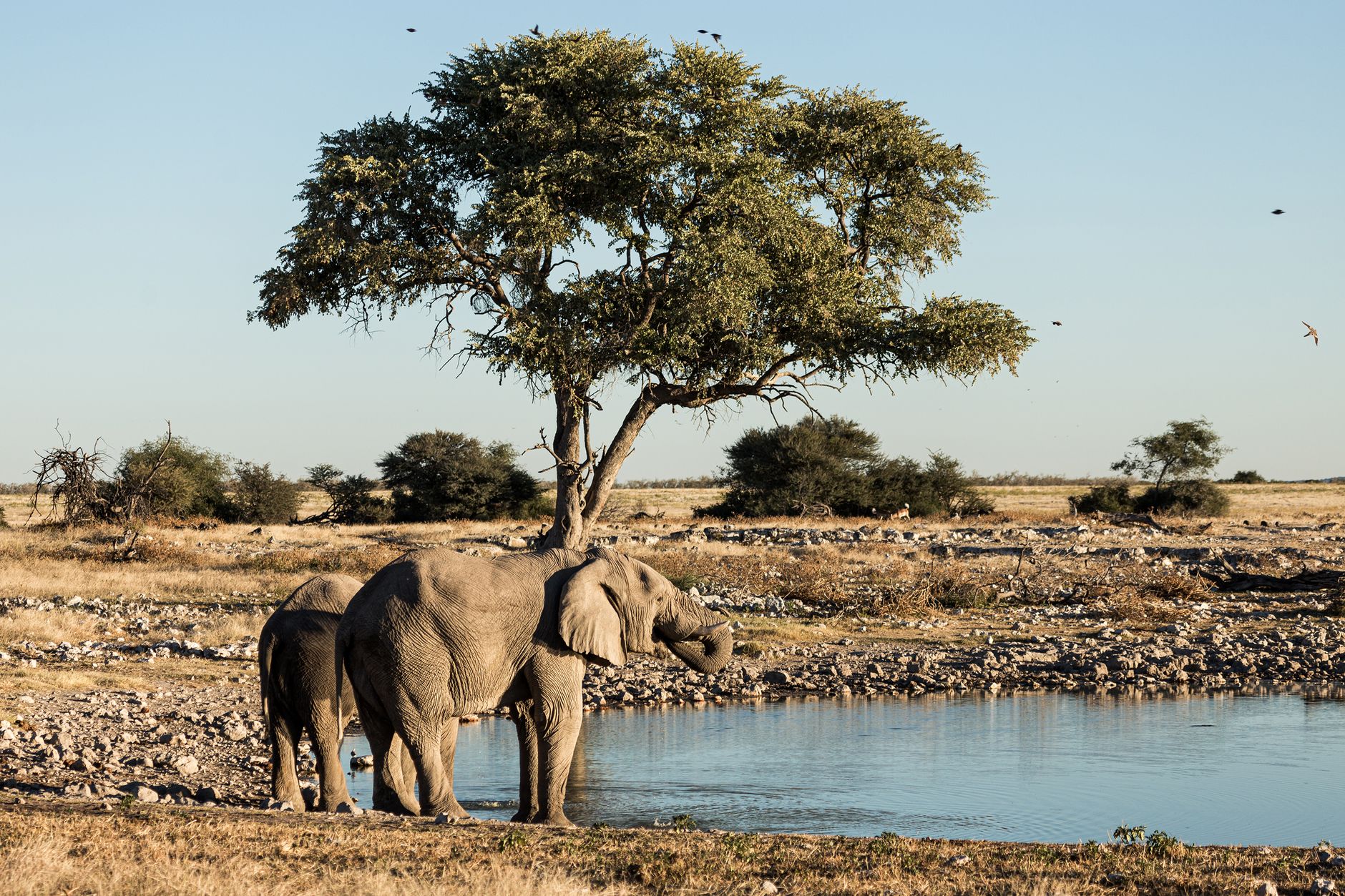
More importantly, water becomes an incredibly scarce and precious resource. Natural pans dry up, forcing wildlife to congregate around the few remaining water sources—permanent rivers, like the Zambezi in Mana Pools National Park, and man-made waterholes, which are a lifeline in parks like Hwange. This concentration of game provides unparalleled viewing opportunities. It is not uncommon to spend hours at a single waterhole watching a constant procession of animals come to drink, from immense herds of elephants and buffalo to graceful giraffes, zebras, and a host of antelope species.

Predators are never far behind. Lions, leopards, and wild dogs know that these water points are their most reliable hunting grounds. The drama of the hunt often plays out in these locations, offering raw, unfiltered glimpses into the circle of life.
Where to Go in Zimbabwe in August
Zimbabwe’s diverse parks each offer a unique flavour of safari in August. Combining two or more destinations can create a truly comprehensive and varied itinerary.
Hwange National Park
As Zimbabwe's largest national park, Hwange is legendary for its elephant population, which is one of the largest in Africa. In August, these gentle giants gather in immense numbers around the park’s pumped waterholes. Watching hundreds of elephants interact—drinking, bathing, and playing—is a signature Hwange experience. The park’s open plains also make it a stronghold for predators, including magnificent black-maned lions. Our collection features exceptional lodges in the area, such as the renowned Somalisa Camp, which offer front-row seats to this spectacle.
Mana Pools National Park
Further north, on the banks of the mighty Zambezi River, lies the UNESCO World Heritage Site of Mana Pools. The name 'Mana' means 'four' in the local Shona language, referring to the four large pools left by the river's meandering path. In August, the river itself is the main attraction, drawing wildlife from miles around. This park is famous for its immersive, active safaris. Canoeing safaris allow you to glide past elephants drinking at the water's edge, while walking safaris—for which Mana is renowned—offer a thrillingly intimate connection with the wilderness. The light filtering through the albida woodlands is ethereal, creating a truly magical atmosphere.
Victoria Falls (Mosi-oa-Tunya)
No trip to Zimbabwe is complete without witnessing the grandeur of Victoria Falls. In August, the water levels of the Zambezi are receding from their peak. While this means the sheer volume of water is less than in the wet season, it creates what many consider to be better viewing conditions. The spray is significantly reduced, allowing for clear, panoramic photos of the falls and the exposed rock face of the gorge. Activities like a dip in the Devil's Pool on the Zambian side are also typically possible at this time of year.
Practical Tips for Your August Safari
A little preparation ensures your comfort and enjoyment. Here are a few key things to consider when packing:
- Layered Clothing: This is the most important rule. Pack lightweight shirts for the day, and supplement with warm fleeces, insulated jackets, scarves, and beanies for the cold mornings and evenings.
- Neutral Colours: Choose clothing in khaki, beige, olive, and brown. These colours blend in with the environment and are less likely to startle wildlife. Avoid bright colours and pure white.
- Sun Protection: The African sun is strong, even when it doesn't feel intensely hot. A wide-brimmed hat, sunglasses, and high-SPF sunscreen are non-negotiable.
- Comfortable Shoes: A pair of sturdy, closed-toe walking shoes is essential, especially if you plan on any walking safaris.
- Essentials: Don’t forget your binoculars for better wildlife spotting, a good camera with extra batteries, and a quality moisturiser and lip balm, as the air is very dry.

Ultimately, August presents a quintessential safari experience in Zimbabwe. It is a month that balances comfortable conditions with peak wildlife action, delivering on every promise of an African adventure. The exceptional zimbabwe safari in august weather ensures that your days are spent in blissful sunshine and your nights under the clearest of star-filled skies, with the soundtrack of the bush all around you. If you're seeking more inspiration on timing your visit, our article on the best time to visit Zimbabwe provides a broader overview.
The stage is set for an unforgettable journey. The landscapes are golden, the wildlife is abundant, and the lodges are ready to welcome you with warm Zimbabwean hospitality. All that is left is to take the first step.
Explore our curated collection of lodges and begin planning your own Zimbabwe adventure by browsing our premier listings.
Ready to plan your trip?
Check live availability, compare lodges and book instantly — or send us an enquiry and we'll help shape the route.