An Expert's Zambia and Malawi Safari Itinerary

For the discerning traveller seeking an African journey beyond the ordinary, a Zambia and Malawi safari itinerary offers a rare and beautiful contrast. This is a tale of two countries: one of untamed wilderness and walking safaris, the other of tranquil waters and lakeside bliss. As you begin to plan your 2027 adventure, consider this classic combination that pairs the adrenaline of Zambia’s premier parks with the serene finale of Malawi’s ‘Lake of Stars’.
This is a journey for those who appreciate depth and diversity. It moves beyond the confines of a safari vehicle to immerse you in the landscape on foot, on water, and by the shore. It is the perfect blend of exhilarating wildlife encounters and peaceful, restorative moments.
Why Combine Zambia and Malawi?
The answer lies in their perfect synergy. Zambia is the heartland of the authentic, old-school safari. It's rugged, remote, and home to some of the most concentrated wildlife populations on the continent. It is, most famously, the birthplace of the walking safari, a tradition that continues with some of the best guides in Africa leading you through the bush.
After the thrilling days spent tracking game in the Zambian wilds, Malawi offers a welcome change of pace. Known as the 'Warm Heart of Africa', its defining feature is the magnificent Lake Malawi, a vast inland sea of crystal-clear freshwater. Here, your safari transitions to a barefoot-luxury beach experience, without ever having to travel to the coast.
The geographical proximity, especially between eastern Zambia and central Malawi, makes for a logical and seamless travel route. You can move from a world-class national park to a tranquil lakeside lodge with relative ease, creating a journey of stunning contrasts.
A Sample 14-Day Zambia and Malawi Safari Itinerary
This itinerary is a framework, designed to inspire your planning for a trip between February and July 2027. It balances iconic parks with sufficient time to relax and absorb the unique atmosphere of each destination.
Days 1-4: The Walking Safari Capital – South Luangwa
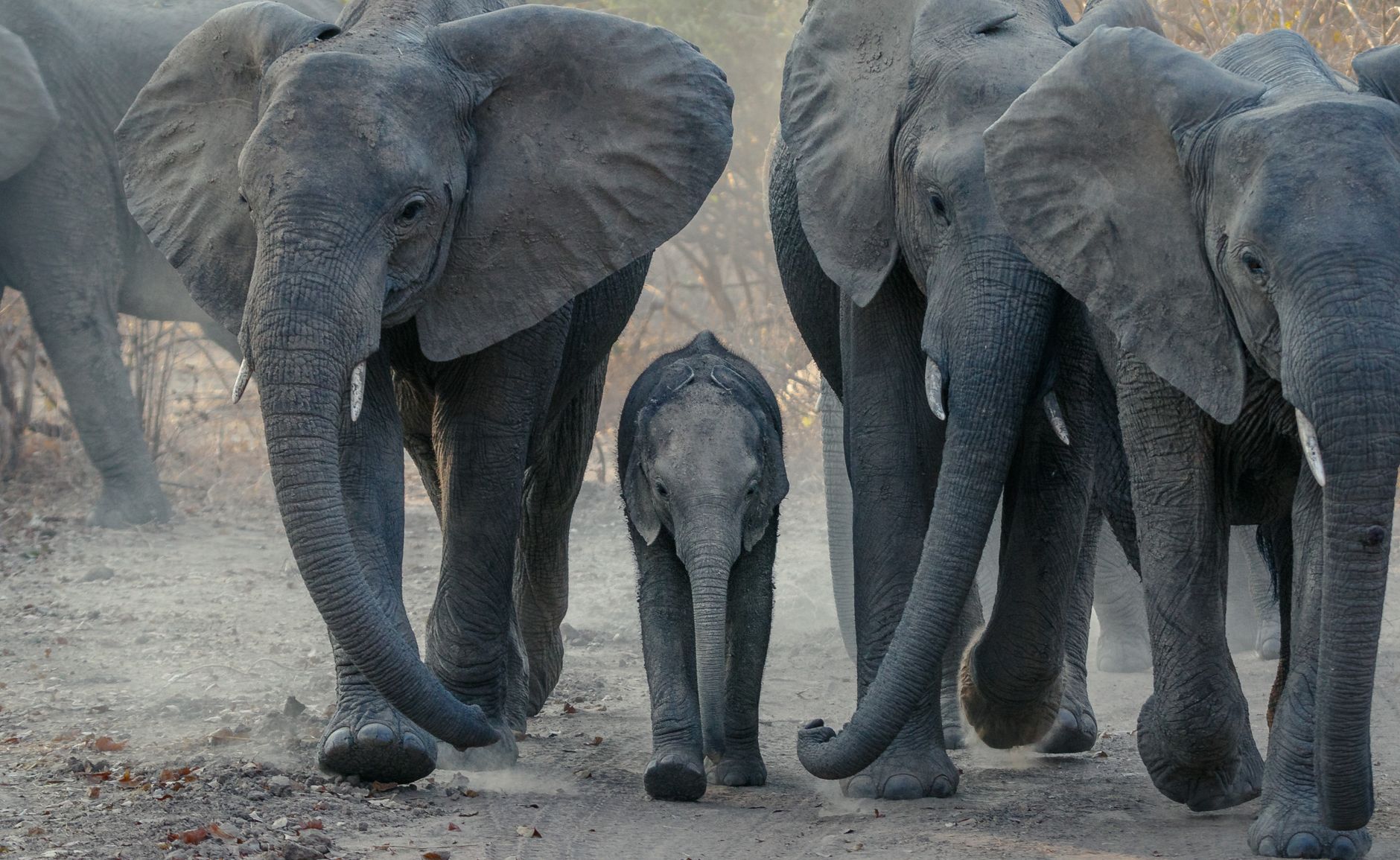
Your adventure begins as you fly into Mfuwe (MFU), the gateway to South Luangwa National Park. This park is legendary for its raw beauty and incredible density of wildlife, particularly leopards. The Luangwa River is its lifeblood, attracting vast herds of elephants and buffalo to its banks.
The focus here is on getting out of the vehicle. Under the guidance of an expert, you will learn to read the signs of the bush on a walking safari, tracking wildlife and appreciating the smaller details of the ecosystem. Night drives offer another dimension, revealing a cast of nocturnal characters from civets and genets to the elusive leopard on the prowl. A stay at a riverside camp like the renowned Tongabezi Lodge offers a front-row seat to the daily drama.
Days 5-7: The Mighty Zambezi River – Lower Zambezi
A short charter flight takes you south to the breathtaking Lower Zambezi National Park. Where South Luangwa is defined by its oxbow lagoons, the Lower Zambezi is dominated by the vast, shimmering presence of the Zambezi River itself.
The experience here is as much on the water as it is on land. Imagine canoeing quietly past a pod of hippos or a herd of elephants drinking at the water's edge. Sunset boat cruises are a daily ritual, offering spectacular photo opportunities as the sky ignites over the river. Of course, game drives through the towering acacia forests are equally rewarding. This dual land-and-water focus provides a wonderful contrast to Luangwa.
The Journey to the Lake of Stars
Transitioning from the Zambian wilderness to the Malawian lakeshore is part of the adventure. Typically, this involves a charter flight from the Lower Zambezi back to Lusaka, followed by a scheduled flight to Lilongwe (LLW), the capital of Malawi. From there, a scenic road transfer brings you to the southern shores of Lake Malawi, where a new landscape unfolds.
Days 8-11: Lakeside Serenity – Lake Malawi
Arriving at the 'Lake of Stars' is a moment of pure bliss. The safari dust washes away as you gaze out over the vast, turquoise expanse. Your time here is unstructured, allowing you to set your own pace. The waters of Lake Malawi are home to hundreds of species of colourful cichlid fish, many of them endemic, making for exceptional freshwater snorkelling and diving.
You can spend your days kayaking to deserted granite islands, sailing on a traditional dhow at sunset, or simply relaxing on the sandy beach with a good book. Engaging with the warm and welcoming local communities in the nearby fishing villages offers a rich cultural dimension to your stay at a beautiful lodge like Pumulani.
Days 12-13: Majete's Conservation Triumph
For a final safari flourish, travel south to Majete Wildlife Reserve. This park is one of Africa’s greatest conservation success stories. Once depleted of wildlife, it has been painstakingly restocked and is now a thriving Big Five destination. A couple of days here provides a fantastic, game-rich conclusion to your journey, showcasing a different style of safari in a beautifully managed reserve.
On Day 14, you'll make the short journey to Blantyre’s Chileka International Airport (BLZ) for your flight home, filled with memories of two incredibly diverse African nations.
Best Time to Travel: February to July 2027
Planning your trip during this window offers two distinct but equally rewarding experiences. The season you choose will shape the character of your safari.
- February – April (The 'Emerald' Season): This is the tail-end of the rainy season. The landscape is brilliantly green and lush, and the skies are often dramatic and clear after afternoon showers. It's a photographer's dream. This period is exceptional for birding, with migratory species in full plumage. While game can be more dispersed due to plentiful water, viewing is still excellent and you'll benefit from fewer visitors and more intimate experiences.
- May – July (The Early Dry Season): As the rains cease, the landscape begins to transform. Temperatures are cool and pleasant, and the humidity drops. Water sources start to recede, concentrating wildlife around rivers and permanent waterholes, which can make for more predictable and dramatic sightings. The bush slowly thins out, improving visibility. This is a fantastic 'shoulder season' that balances great weather and superb game viewing before the peak crowds of August arrive.

From the first moment you track game on foot in the Luangwa Valley to the final, peaceful sunset over Lake Malawi, this journey leaves an indelible mark. It’s a complete narrative of Africa's diverse spirit, blending high adventure with profound tranquility. Crafting the perfect Zambia and Malawi safari itinerary for 2027 is about balancing these incredible experiences, and our travel experts are here to help you begin that journey. Start exploring your options on our blog for more inspiration.
Let us plan this trip for you
Send us your dates, party and budget and we'll come back with a costed itinerary, with lodges, flights, transfers and activities in one place. No obligation.
Keep reading


See our safari advice first on Google
One tap tells Google you want Safari Stays shown higher when you search for safari and travel news. It takes a second and you can undo it anytime.
Make Safari Stays a preferred source on Google