Mara River Crossing 2026: A Planning Guide
It is perhaps the most dramatic spectacle in the natural world. A chaotic, primal, and deeply moving event where the stakes are life and death. The Great Wildebeest Migration reaches its thunderous crescendo at the banks of the Mara River, and planning to witness the wildebeest migration mara river crossing 2026 is to plan for an experience that will stay with you forever. Here at Safari Stays/, we specialise in crafting journeys that place you at the heart of this wildlife phenomenon.
This is not just a trip; it's an immersion into the rhythms of an ancient ecosystem. Understanding this rhythm is the first step toward a successful safari. This guide will walk you through the essential details, helping you prepare for a journey to the wild heart of Africa.
Understanding the Great Migration's Rhythm
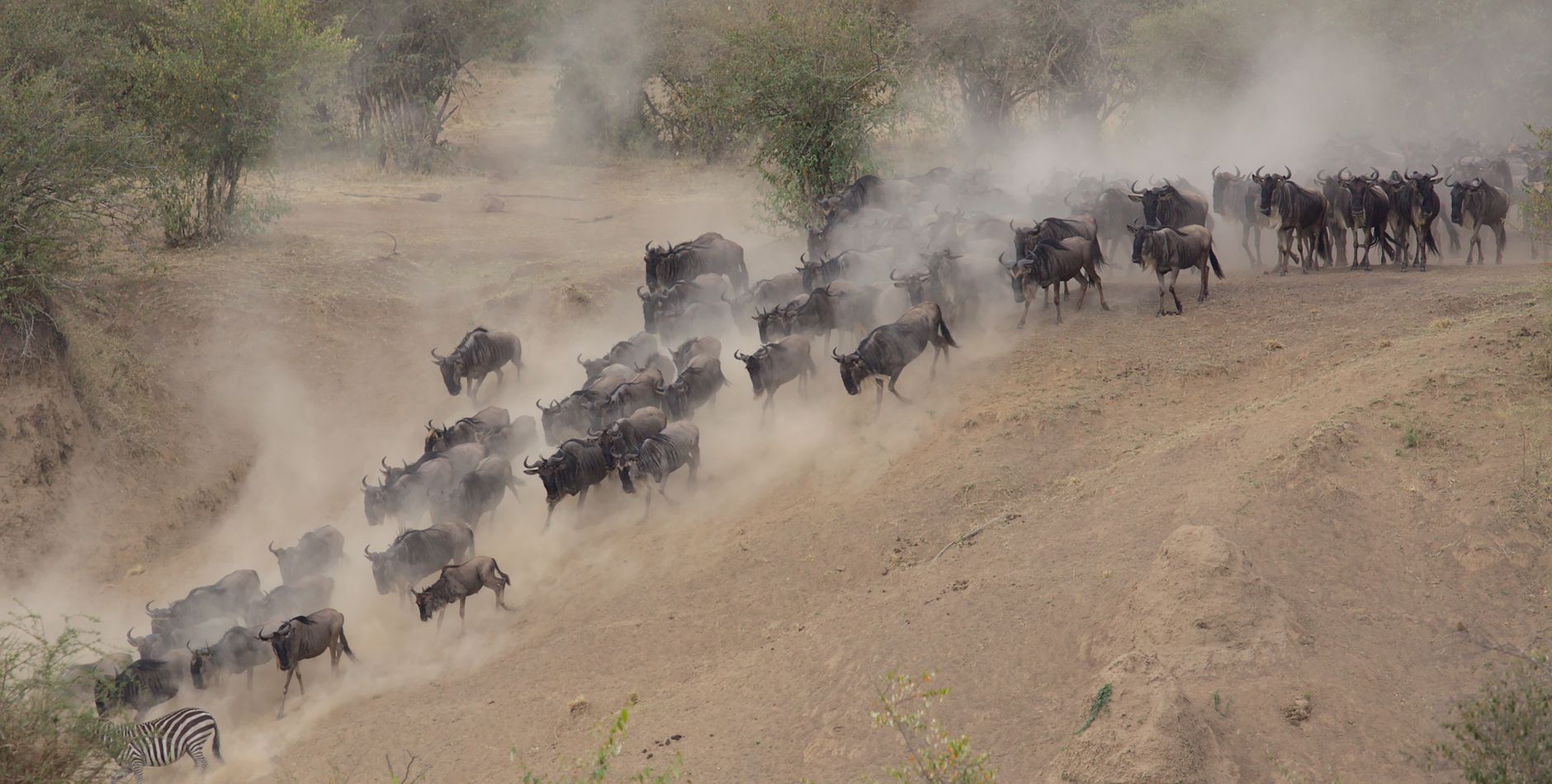
The first thing to understand is that the Great Migration is not a singular event with a fixed schedule. It is a continuous, year-long circular journey of nearly two million animals—mostly wildebeest, but also zebras and gazelles—across the vast plains of the Serengeti-Mara ecosystem/. Their movement is dictated by a relentless search for fresh grazing and water, which in turn is dictated by the rains.
While we can predict the general timing based on decades of observation, the herds' exact location and movement are fluid. They follow an ancient instinct, not a human-made calendar. This is nature in its rawest, most unpredictable form, which is precisely what makes it so captivating.
The journey forms a massive clockwise loop. The calving season occurs in the southern Serengeti from January to March, a time of new life and intense predator action. As the southern plains dry up, the herds begin their trek north and west, eventually reaching the formidable barrier of the Mara River in the later months of the year.
Thinking about 2026 means appreciating this grand scale. Your safari will be a snapshot of this epic journey, and the river crossings are the most sought-after chapter in that story. Flexibility and the guidance of an expert on the ground are your most valuable assets.
When and Where to Witness the Mara Crossings
The million-dollar question for any migration safari is always: when is the best time to go? For the Mara River crossings, the general window falls between late July and October. During this period, the mega-herds have converged on the northern edge of the Serengeti and are massing to enter Kenya's Maasai Mara National Reserve/.
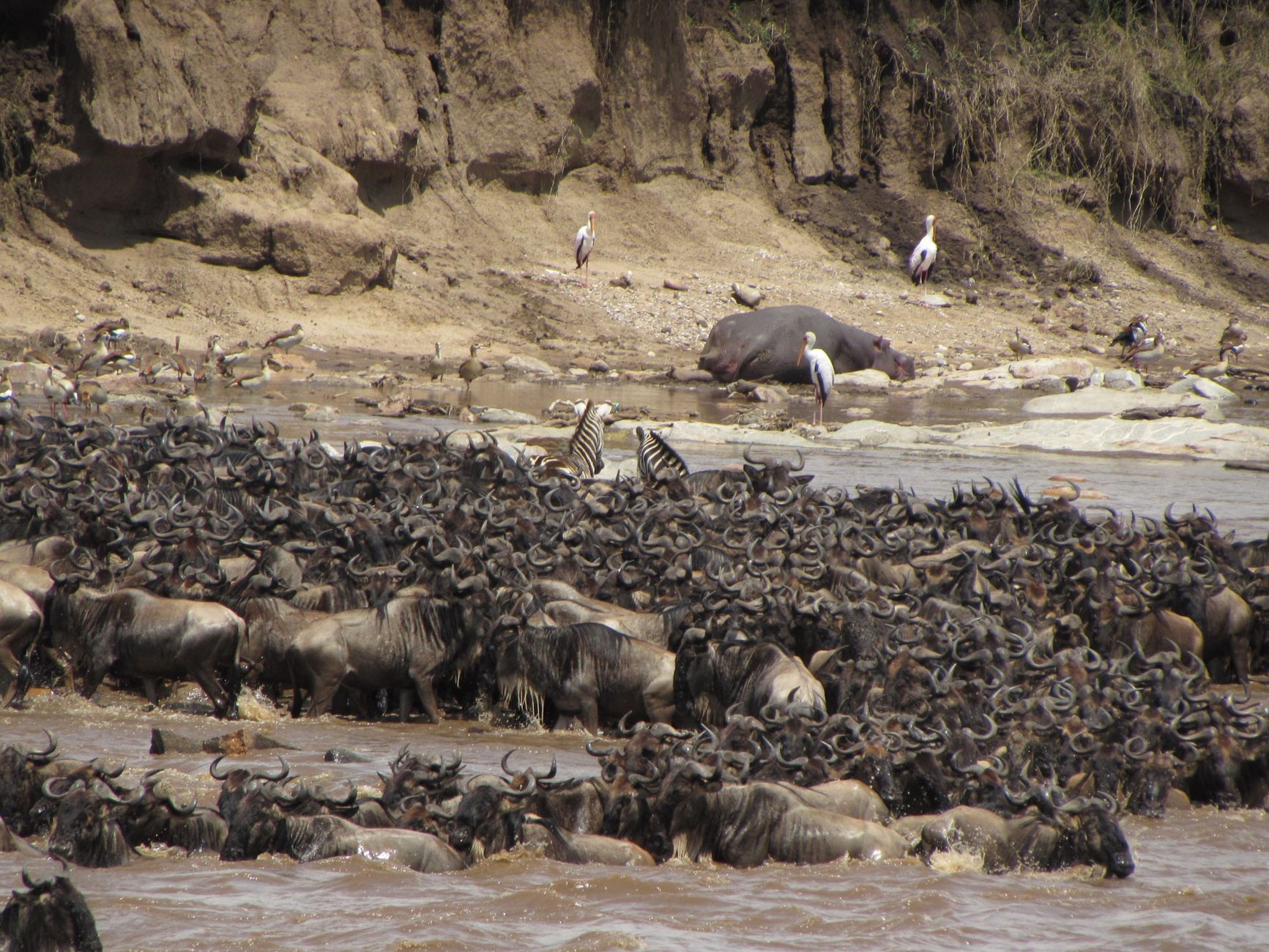
The Mara River, with its steep banks and resident population of enormous Nile crocodiles, is the single greatest obstacle on their entire route. The need for fresh grass on the other side is so strong that it forces them to make the perilous leap. This is the drama that people travel across the world to see.
There is no specific "crossing point." The wildebeest may choose to cross at any number of locations along the river, from well-known spots to completely new ones. Herds can gather at the water's edge for hours, even days, building in number and tension before a single brave individual finally takes the plunge, triggering a cascade of thousands behind it.
This is where patience becomes a key part of the experience. A day on safari during this season involves finding a promising gathering, positioning your vehicle, and waiting. The reward for this patience is a front-row seat to one of Earth's most powerful events.
Planning Your Wildebeest Migration Mara River Crossing 2026 Safari
Given the immense global popularity of this spectacle, advanced planning is not just recommended—it's essential. The best lodges in prime locations are often fully booked more than a year in advance. For a 2026 trip, the ideal time to start planning and booking is now.
Booking and Logistics
Booking 12 to 18 months ahead is the standard for securing your preferred dates and accommodations. This ensures you have access to camps and lodges that offer the best locations for accessing the river and the guidance of seasoned professionals who know the area intimately. It also allows ample time to arrange flights and any other additions to your East African journey.
Choosing Your Location
Your choice of accommodation significantly impacts your experience. Staying inside the Maasai Mara National Reserve offers proximity to the main crossing areas. However, private conservancies bordering the reserve provide a more exclusive experience, with fewer vehicles and the ability to partake in activities not permitted in the main reserve, such as night drives and walking safaris. Many conservancy-based lodges still have excellent access to the river.
What to Pack for the Experience
Packing correctly ensures you are comfortable and ready for anything. Days on the Mara can start cool and become quite hot, so layering is key. Here are a few essentials for your packing list:
- Clothing: Lightweight clothes in neutral colours (khaki, green, brown) are best. Avoid bright colours and white.
- Layers: A fleece or warm jacket for early morning game drives is a must.
- Optics: A quality pair of binoculars is non-negotiable for every person on the safari.
- Camera: A camera with a good zoom lens (300mm or more) will help you capture the action without disturbing the animals.
- Protection: High-SPF sunscreen, a wide-brimmed hat, and sunglasses are vital for protection from the African sun.
- Patience: The most important item you can bring. Waiting is part of the adventure.
The Experience: More Than Just the Crossing
While the river crossing is the headline act, a safari in the Maasai Mara during this season is a rich and multi-layered experience. The sheer density of animals is staggering. The air hums with the sound of millions of wildebeest, a constant, low grunting that becomes the soundtrack to your safari.
The predators of the Mara are on high alert. Lions, leopards, and cheetahs are all drawn to the abundance of prey, and the chances of witnessing a hunt are exceptionally high. Hyena clans patrol the plains, and the river itself is a gauntlet of giant crocodiles.
A typical day involves an early start to catch the golden morning light. Your guide, whose expertise is invaluable, will read the signs—the dust clouds on the horizon, the direction of the herds, the tension in the air—to predict where the action might unfold. The safari is the search itself, a journey of discovery through a landscape teeming with life.
Evenings are for unwinding back at your lodge, sharing stories around a crackling fire under a canopy of stars, with the distant sounds of the wild as your backdrop. For more stories from the field, you can always visit our blog/ for the latest updates and inspiration.
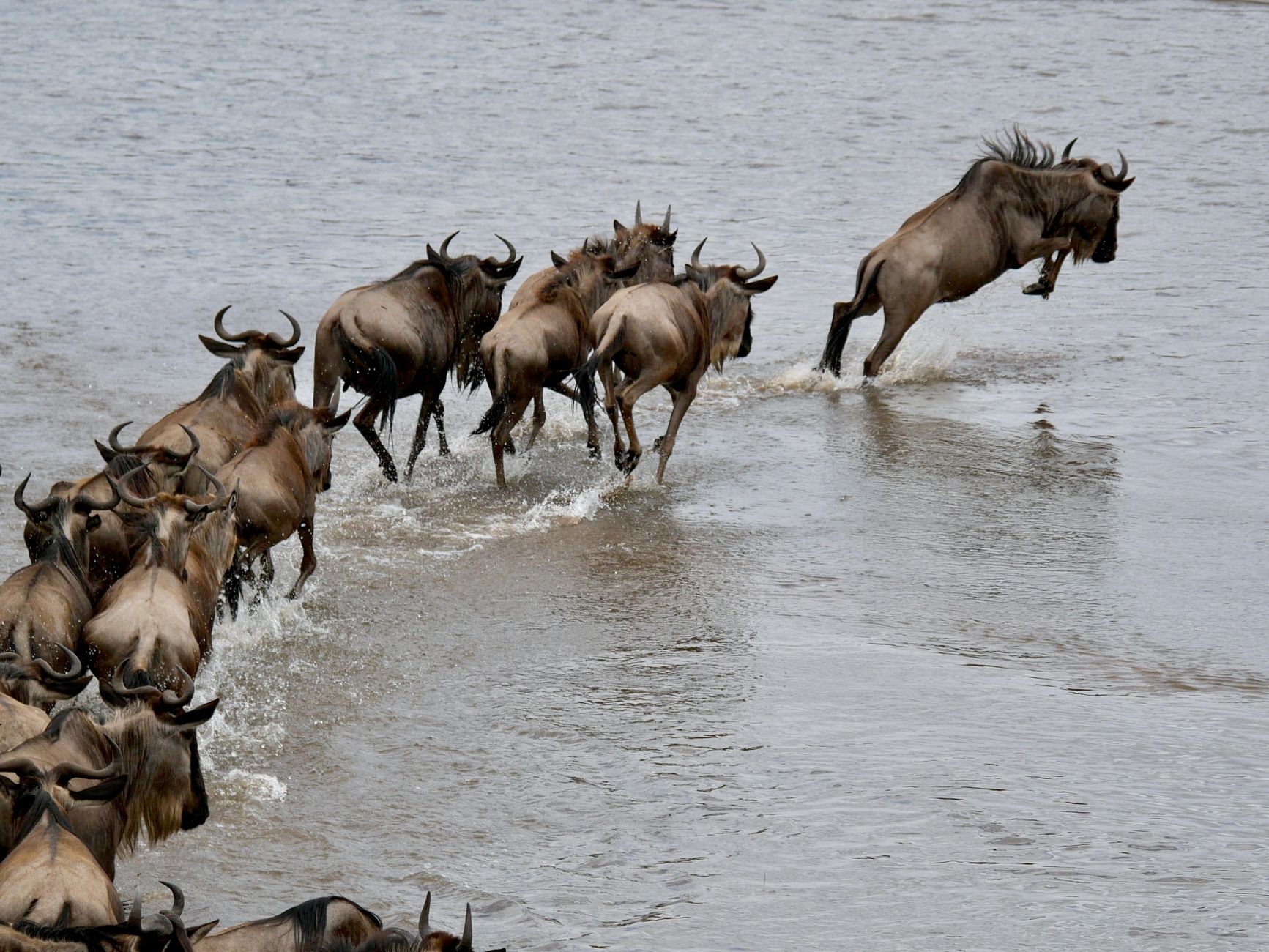
It is an emotional, humbling, and profound experience that connects you to the raw, untamed pulse of the planet. Every moment, from the quiet anticipation to the explosive action, is a powerful reminder of the beauty and brutality of the natural cycle.
To witness the wildebeest migration mara river crossing 2026 is a once-in-a-lifetime privilege. It is a commitment to patience and an investment in a memory that will never fade. With careful planning and expert guidance, you can place yourself at the very heart of this incredible story, a story that has been unfolding on these plains for millennia.
Ready to plan your trip?
Check live availability, compare lodges and book instantly — or send us an enquiry and we'll help shape the route.