Wildebeest Migration July 2026: An Expert's Guide
It is perhaps the single greatest wildlife spectacle on Earth. A circular pilgrimage of over two million animals, driven by ancient instincts and the promise of rain. To plan a journey around this phenomenon is to align yourself with one of the planet’s last great wilderness rhythms. For those looking ahead, understanding the nuances of the wildebeest migration in July 2026 is the first step towards a truly transformative safari experience.
July is a month of high drama and immense anticipation. The mega-herds of wildebeest, zebra, and gazelle have journeyed north through the Serengeti, and their focus narrows to one formidable obstacle: the Mara River. This guide will walk you through where to be, what you can expect to see, and how to best position yourself for this unforgettable chapter of the Great Migration.
The Great Migration: An Unfolding Drama
First, it’s essential to understand that the Great Migration is not a single event confined to one location. It is a vast, year-long cycle covering some 1,000 kilometres of Tanzanian and Kenyan savannah. The herds are in constant motion, tracking the seasonal rains that sprout fresh, nutritious grasses. Their journey is a relentless pursuit of life, fraught with peril and breathtaking in its scale.
While we can predict the herds' general location with a high degree of accuracy based on decades of observation, the precise timing is always at the mercy of the weather. A late rain can delay their push north; an early dry spell can hasten it. This element of unpredictability is part of the magic. It means that every safari is unique, and every sighting is a privilege.
Where to See the Wildebeest Migration in July 2026
By July, the migration has converged on the northernmost reaches of Tanzania’s Serengeti National Park. The long plains of the south and west are now dry and depleted. The herds' instincts pull them inexorably towards the life-giving waters of the Mara River and the promise of greener pastures in Kenya’s Maasai Mara National Reserve, which lies just across the border.
Therefore, your focus for a July 2026 safari should be squarely on the Northern Serengeti. This remote and beautiful area, specifically around the Kogatende and Lamai wedges, becomes the main stage for the month's action.
H3: Early July: The Grumeti and the Final Push North
In early July, lingering columns of the migration may still be traversing the Grumeti region in the Serengeti’s Western Corridor. While smaller than the Mara, the Grumeti River presents its own set of challenges for the herds, with resident pods of enormous crocodiles. If the rains have been favourable, you could still witness these dramatic, albeit less famous, crossings.
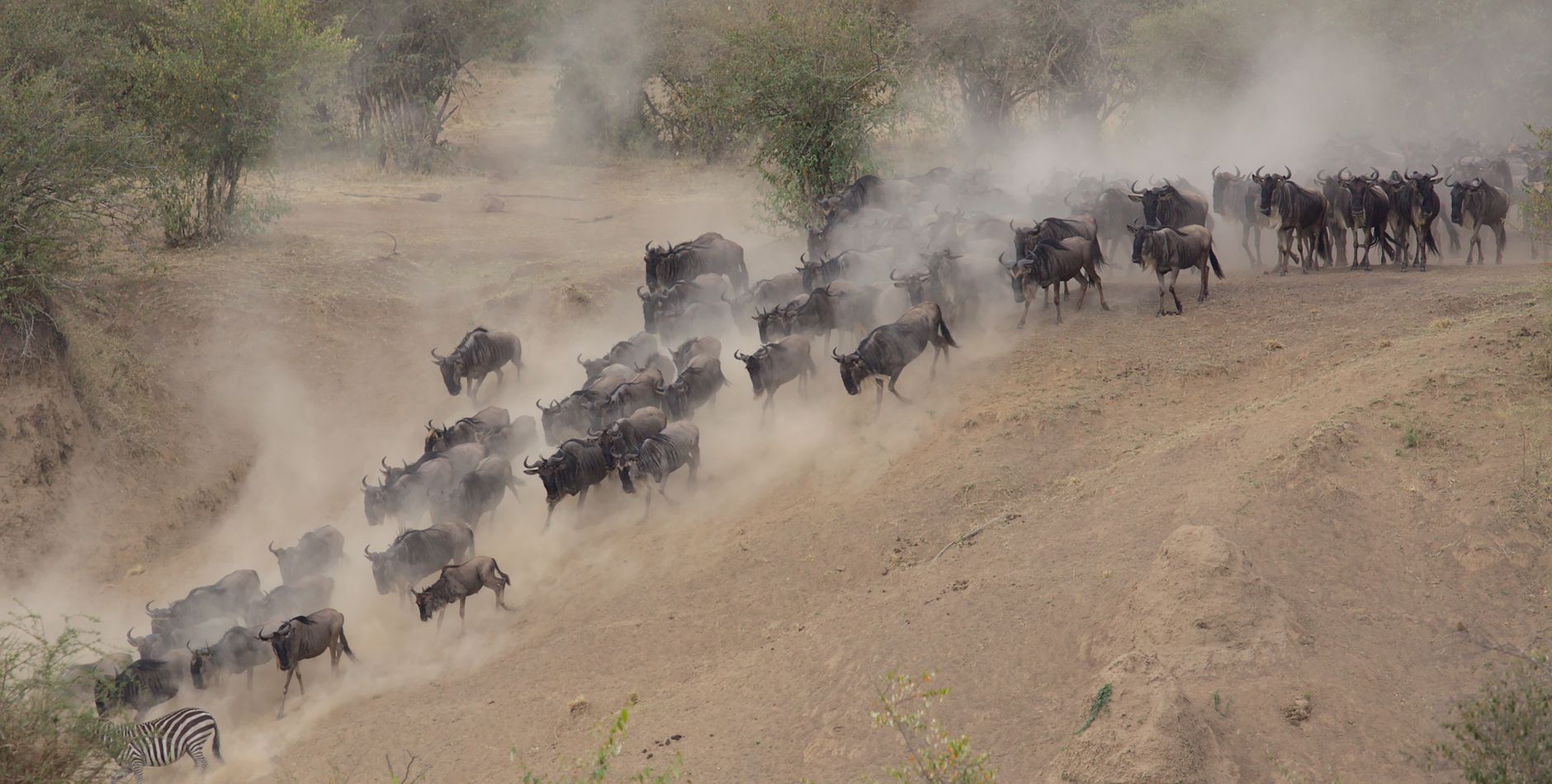
More commonly, however, the bulk of the herds will have moved past the Grumeti and will be fanning out across the vast plains of the Northern Serengeti. This is a time of gathering. The animals amass in colossal numbers, grazing and building strength before confronting the main event. The sheer density of wildlife is staggering, a sea of animals stretching to the horizon.
H3: Mid to Late July: The Mara River Crossings
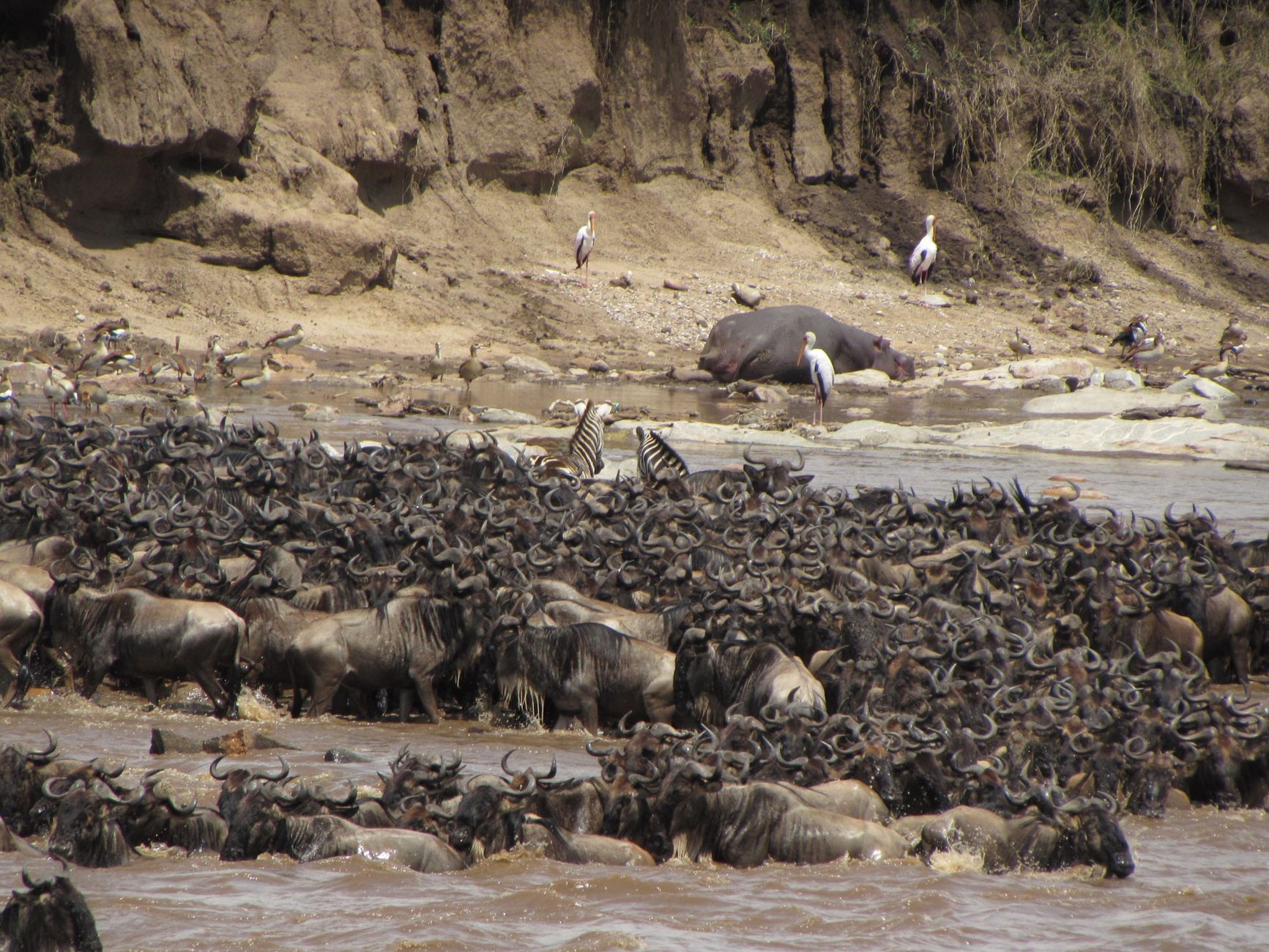
From the middle of July onwards, the spectacle reaches its zenith. The herds arrive at the banks of the Mara River. This is the moment many safari-goers dream of witnessing. It is not, however, a constant stream of action. The wildebeest can gather on the banks for hours, even days, building in number and tension.
They are hesitant, and for good reason. Steep, treacherous banks and the world's largest Nile crocodiles lie in wait. The air crackles with indecision until one brave or panicked individual finally takes the plunge, triggering a chaotic, explosive stampede. For a few frantic minutes, the river boils with flailing limbs, desperate leaps, and the raw power of survival. It is a visceral, heart-pounding, and utterly primeval scene. Patience is paramount for any visitor; your guide will find a strategic spot and wait, sometimes for hours, for the action to unfold. For a truly immersive experience in this area, consider the lodges and camps of the Northern Serengeti.
What to Expect on a July Migration Safari
Beyond location, the quality of your experience depends on understanding the broader context of a July safari.
The weather is typically beautiful. July falls in the heart of the long dry season. Expect clear blue skies, warm and pleasant daytime temperatures, and cool mornings and evenings. The lack of rain and sparser vegetation make for excellent game-viewing conditions, as animals are forced to congregate around remaining water sources.
Unsurprisingly, July is a peak season for tourism. This means booking well in advance—often 12 to 18 months—is crucial, especially for well-placed camps. While you will see other safari vehicles, a stay at a quality lodge with expert guides can make all the difference. They know how to escape the crowds and find private vantage points for the crossings. One of our favourites, perfectly positioned for this time of year, is Singita Mara River Tented Camp.
Remember, the safari is more than just the crossings. The migration is a travelling ecosystem. Where the herds go, predators follow. July in the Northern Serengeti offers some of the best predator action of the year.
- Predators: Lions, leopards, and cheetahs are drawn to the abundance of prey, offering incredible opportunities for sighting dramatic hunts.
- Resident Wildlife: The region hosts large resident populations of elephants, buffalo, giraffes, and topi, which you will see alongside the migrating herds.
- The River's Guardians: The immense Nile crocodiles are a constant, menacing presence in the Mara River, and watching them is a thrilling part of the experience.
- Avian Life: Birdwatching is superb along the riverine forest, home to countless species.
Planning Your Trip: Lodges and Logistics
Success in planning a safari for the wildebeest migration in July 2026 hinges on early decisions. The best-located properties are small and book out far in advance.
You have a choice between permanent lodges and semi-permanent or mobile tented camps. Mobile camps are a fantastic option, as they are specifically designed to move several times a year to stay close to the main concentration of the herd. They offer an authentic, under-canvas experience without sacrificing comfort.
Permanent lodges provide a more solid structure, often with features like swimming pools and expansive lounges, while still being strategically located for excellent game viewing. To understand the different styles, our guide on choosing your Serengeti safari lodge can be an invaluable resource.
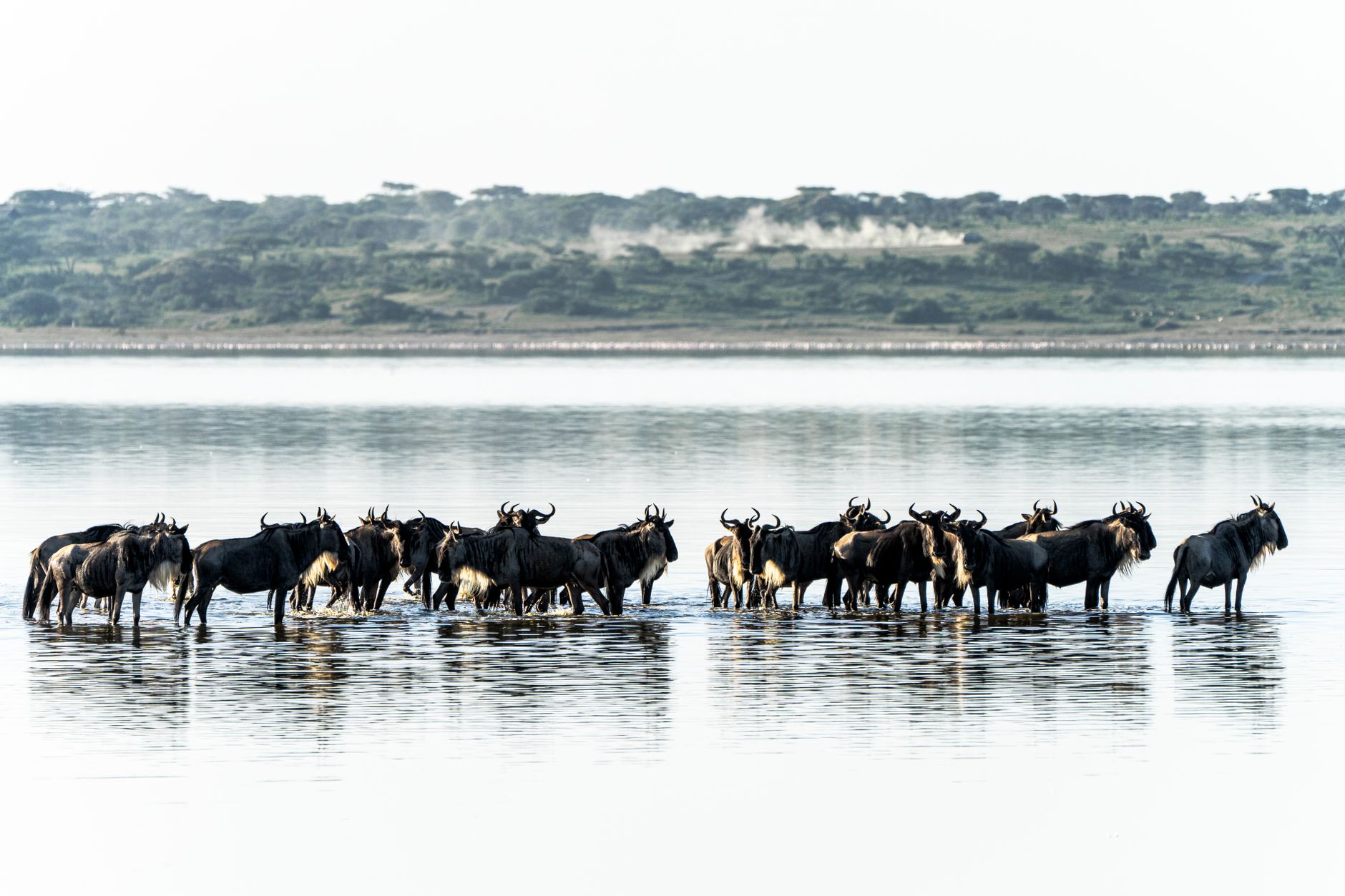
Ultimately, witnessing this part of the migration is a profound encounter with the raw, untamed beauty of the natural world. From the nervous energy of the build-up on the riverbanks to the explosive chaos of a crossing, it is an experience that stays with you forever. Taking the time to plan carefully ensures that your journey is as seamless as it is unforgettable.
Ready to begin planning your front-row seat to the greatest show on Earth? Explore our curated collection of safari lodges across the Serengeti and find the perfect base for your adventure. Explore our lodges here.
Ready to plan your trip?
Check live availability, compare lodges and book instantly — or send us an enquiry and we'll help shape the route.