Your Guide: What to Pack for an African Safari

The thrill of an African safari begins long before you touch down on the continent. It starts with the quiet hum of anticipation, the daydreams of vast savannahs, and the very practical question of preparation. Of all the queries we receive from excited travellers, 'what to pack for an African safari' is the most frequent. And for good reason—packing correctly is the first step toward a seamless and immersive journey.
This is not a holiday for over-packing. Thoughtful preparation allows you to move with ease, stay comfortable in varied conditions, and focus entirely on the breathtaking spectacle unfolding before you. Consider this your definitive guide, curated from decades of experience in the African bush.
The Philosophy of Safari Packing: Less is Truly More
Your journey into the wild will likely involve light aircraft flights to remote lodges. These bush planes are an adventure in themselves, offering incredible aerial views, but they come with strict luggage limitations. Typically, passengers are restricted to one soft-sided duffel or holdall, with a total weight limit of 15-20kg (33-44lbs), including hand luggage. Hard-shell suitcases are often prohibited as they simply cannot fit into the small luggage pods.
This constraint is a blessing in disguise. It encourages a minimalist mindset that simplifies your travel. Furthermore, most reputable safari lodges, including those in the Safari Stays collection, offer excellent and often complimentary daily laundry services. A few well-chosen, high-quality items that can be washed and returned within 24 hours are far more practical than a suitcase overflowing with options.
What to Pack for an African Safari: The Core Essentials
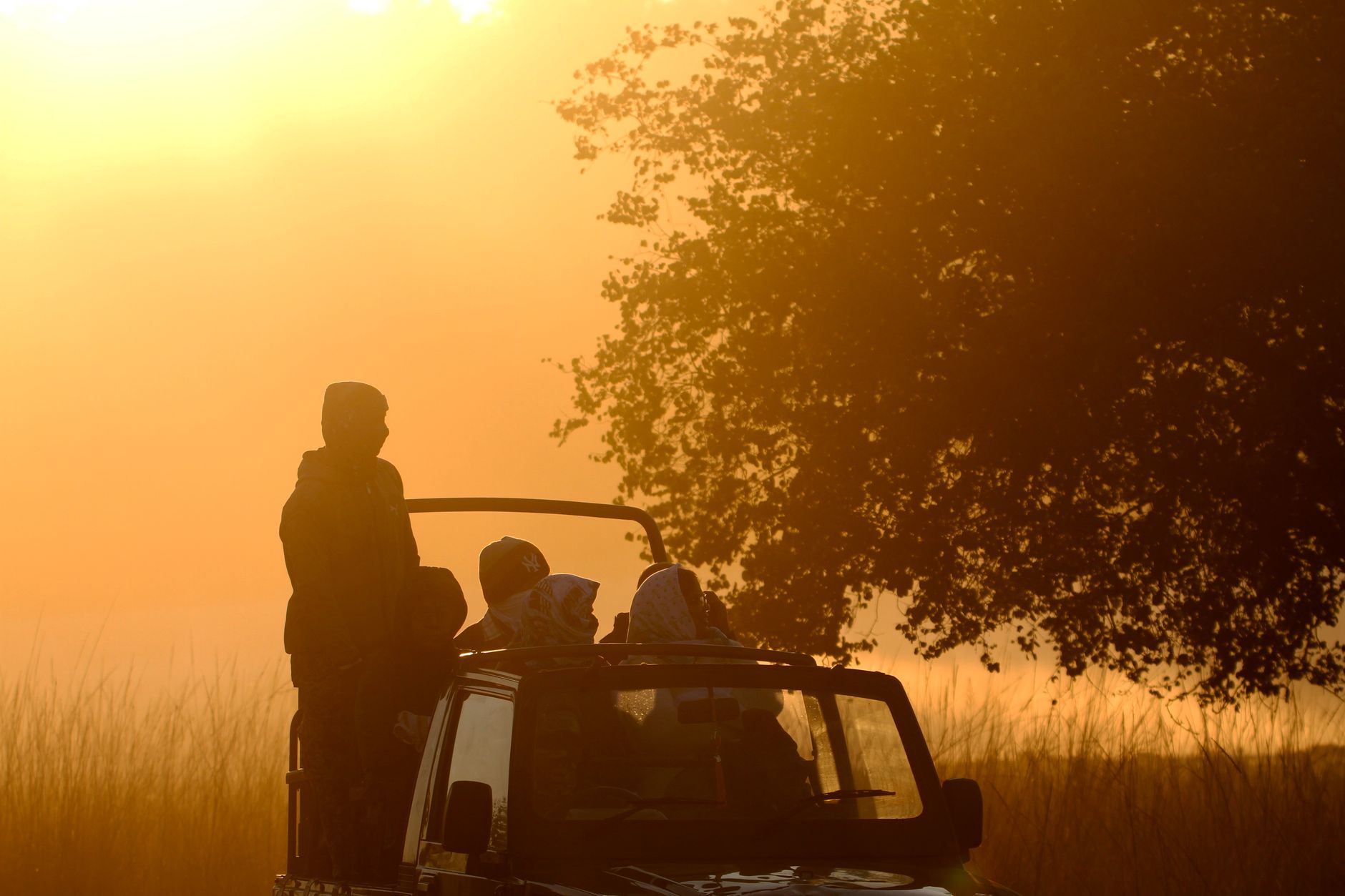
This section breaks down the non-negotiables. The key principles are layering, comfort, and function. Morning game drives can be surprisingly chilly, while midday can be quite warm, and evenings bring a cool air once again.
Clothing: Layers and Neutral Tones
The classic safari palette of khaki, beige, olive, and stone isn’t just for aesthetics. These muted, earthy tones are less obtrusive to wildlife, helping you blend into the landscape and observe animals in their natural state. We advise against very dark colours like black and dark blue, as they can attract tsetse flies in certain regions. Bright white stands out and gets dirty quickly, while vibrant colours like red or yellow can potentially startle animals.
Your wardrobe should be built around versatile layers that you can add or remove as the temperature changes throughout the day. Here is a reliable checklist to build from:
- Lightweight, long-sleeved shirts (2-3): Essential for protection from both the sun and insects. Choose breathable fabrics like cotton or technical blends.
- Short-sleeved t-shirts or tops (3-4): Form the base of your layered outfits.
- A warm fleece or mid-layer jacket: Crucial for chilly mornings and evenings. This is one of the most-used items in any safari bag.
- A windproof and/or water-resistant outer jacket: A lightweight shell is invaluable for windy drives and unexpected showers, especially during the 'green season'.
- Comfortable safari trousers or pants (2 pairs): Convertible zip-off trousers are a practical option. Sturdy cotton chinos or utility pants work perfectly.
- A pair of shorts (1): Ideal for relaxing at the lodge during warm afternoons.
- Socks and underwear: Pack enough for a few days; laundry service will handle the rest.
- A smart-casual outfit for the evening: There’s no need for formal wear, but a clean shirt or a simple dress is nice for dinner. Some lodges, like the elegant Singita Boulders Lodge, have a sophisticated evening atmosphere.
- Swimsuit: Many lodges feature stunning pools with views over the wilderness.
Footwear: Comfort is Key
Unless your itinerary includes dedicated, multi-day walking safaris, there is no need for heavy, technical hiking boots. For most travellers, comfort and practicality are paramount.
- Closed-toe walking shoes: A comfortable, broken-in pair of sturdy trainers, trail shoes, or desert boots is perfect for game drives and short bush walks around the lodge.
- Sandals or flip-flops: Essential for downtime at the lodge, by the pool, or for walking to and from your suite.
Health and Toiletries
While lodges provide basic amenities, it’s wise to bring your personal essentials.
- Sun Protection: This is non-negotiable. Bring a high-SPF, broad-spectrum sunscreen for your face and body, an SPF lip balm, and a wide-brimmed hat.
- Insect Repellent: Choose one containing DEET for any areas where mosquitoes are a concern.
- Personal First-Aid Kit: Include plasters, antiseptic wipes, pain relievers, antihistamines for bites or allergies, and any personal prescription medications. It is vital to consult your doctor or a travel clinic well in advance about anti-malarial prophylaxis if you are travelling to a malaria zone.
- Moisturiser: The air can be dry, so a good moisturiser and after-sun lotion will keep your skin comfortable.
Gear and Gadgets
- Binoculars: This is perhaps the most important piece of gear you will pack. A good pair of binoculars (8x42 or 10x42 are excellent choices) transforms your experience, bringing distant birds and wildlife into sharp, intimate focus. We recommend one pair per person.
- Camera and Accessories: Bring your camera, a telephoto/zoom lens if you have one, extra batteries, and plenty of memory cards. The wildlife opportunities are endless.
- Power Bank/Portable Charger: Essential for charging your phone and camera batteries, especially as some lodges run on generator power which may be switched off overnight.
- Universal Travel Adapter: Africa uses a variety of plug types, so a universal adapter is a must.
- A Good Book or e-Reader: For quiet moments between game drives.
Special Considerations for Diverse Destinations
Africa is a vast continent, and your packing list might need minor adjustments based on your specific destination and time of year. A water-based safari in the lush wetlands of the Okavango Delta in Botswana might require more robust insect repellent than a trip to the arid landscapes of Namibia. Similarly, a highland gorilla trek demands sturdy, waterproof hiking gear. For more on timing your trip, see our guide on the best seasons for an African safari.
It's also important to be aware of local regulations. Countries like Kenya, Tanzania, and Rwanda have banned single-use plastic bags, so ensure you are not carrying any in your luggage.

Ultimately, a well-packed bag is born from an understanding of the environment you are about to enter. By focusing on practical, versatile, and lightweight items, you free yourself from logistical concerns. Thinking through what to pack for an African safari is the final, satisfying step in preparing for an adventure that will stay with you forever. It allows you to step off that plane ready for anything—ready for the dust, the sun, the staggering beauty, and the profound silence of the African bush.
When you are prepared, you can be present. And being present is what a safari is all about. Browse our curated collection of lodges and start planning the journey that awaits.
Ready to find your perfect safari? Explore our collection of lodges across Africa.
Ready to plan your trip?
Check live availability, compare lodges and book instantly — or send us an enquiry and we'll help shape the route.