Top 10 Safari Destinations for 2026
Introduction: Why 2026 Is a Landmark Year for African Safari
African tourism is in the middle of a quiet renaissance. After years of disrupted travel and uncertain demand, the continent's safari industry has rebuilt with new lodges, upgraded infrastructure, and a renewed focus on quality over volume. For travellers who have been waiting for the right moment, 2026 may be the best year yet to visit.
Whether you're planning your first game drive or your fifteenth, this guide covers the ten best safari destinations in Africa right now — their defining wildlife, best seasons, and what kind of traveller each one suits best.
1. Greater Kruger & Sabi Sands, South Africa
Best for: Big Five encounters, luxury lodge experiences, first-time safari visitors
South Africa's Greater Kruger ecosystem — encompassing the national park itself plus adjoining private reserves like the Sabi Sands, Timbavati, and Klaserie — remains one of the most reliable destinations on the continent for big-game viewing. The Sabi Sands in particular is famous for its leopard sightings: nowhere else in Africa offers this level of consistent, close-up access to one of the continent's most elusive cats.
The Greater Kruger is also Africa's most accessible safari destination for international travellers. Johannesburg's OR Tambo Airport is a major global hub, and the drive or short flight to most lodges takes under four hours. A huge range of accommodation — from mobile tented camps to ultra-luxury lodges with private pools — means there's an entry point for most budgets.
Best season: May to September (dry season, animals concentrate at water sources, vegetation is low)
Don't miss: A full-day game drive in the Sabi Sands, a guided bush walk with an armed ranger, sunset drinks at a waterhole
2. Etosha National Park, Namibia
Best for: Self-drive safaris, photographers, travellers who want independence
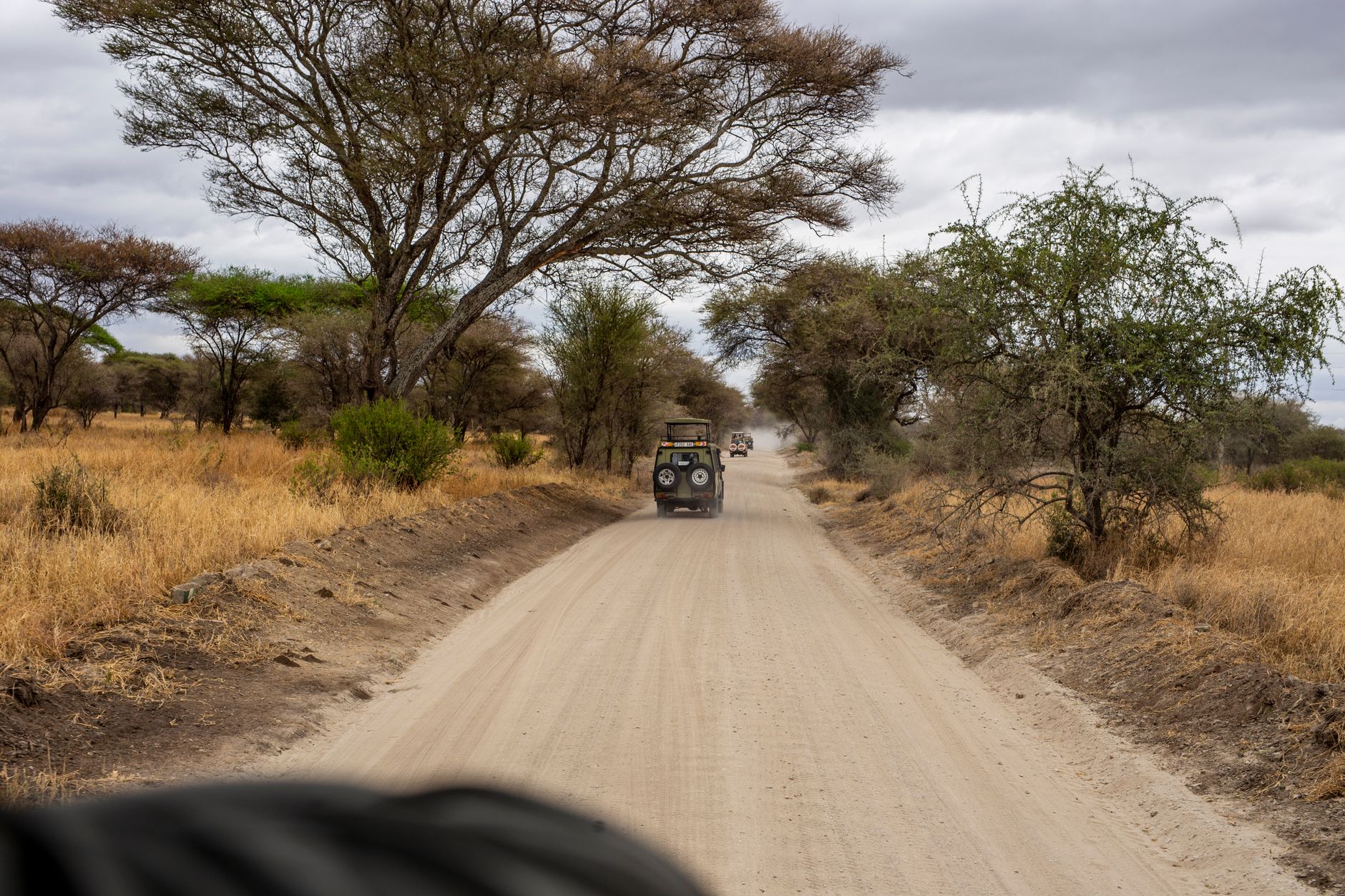
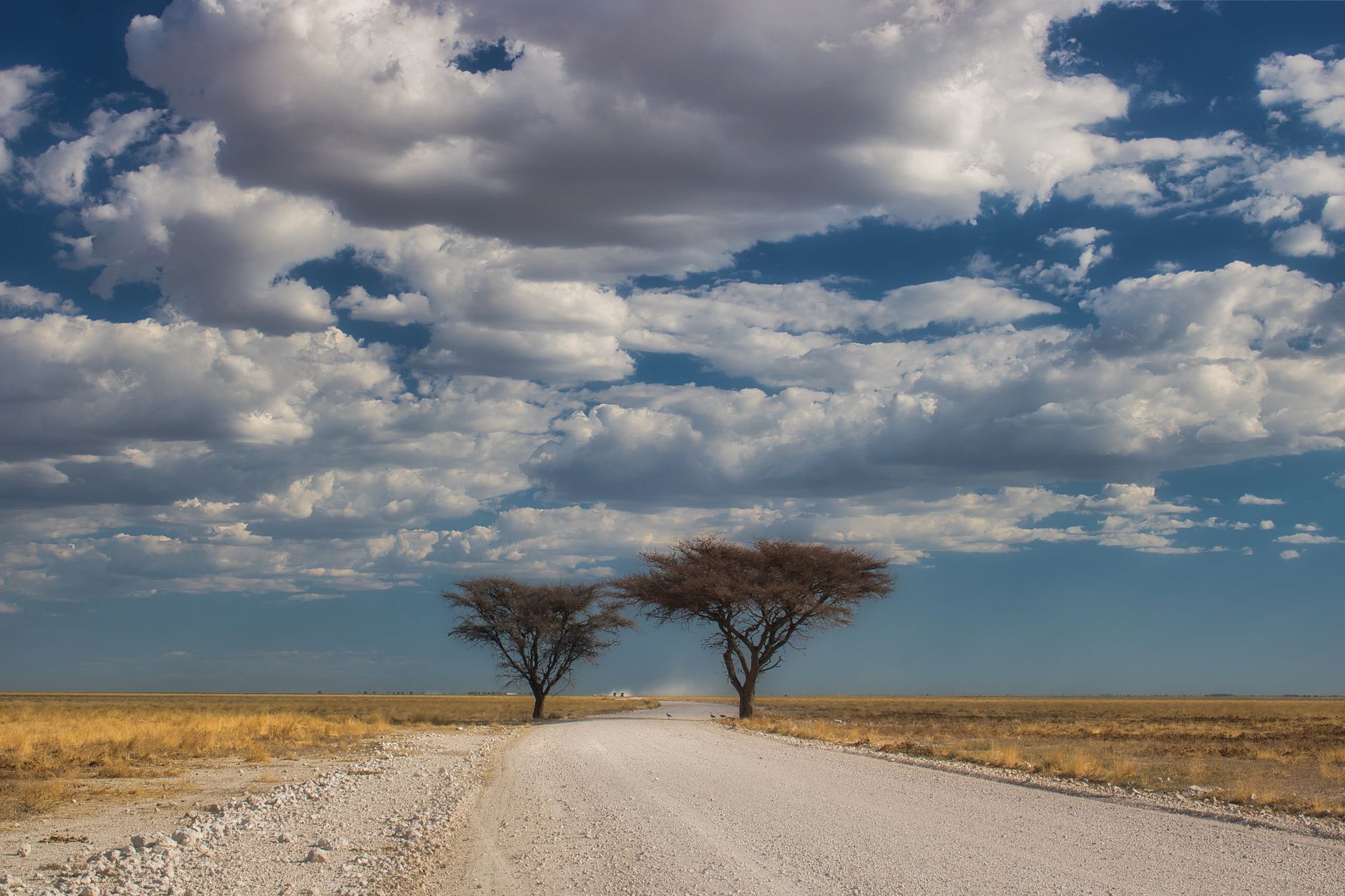
Etosha is one of Africa's great self-drive safari parks — a vast, flat, salt pan-centred landscape where wildlife congregates at floodlit waterholes that can be watched from the safety of rest camp perimeters, even at night. The visibility is extraordinary: the white salt pan reflects light in ways that make animals visible from enormous distances.
Etosha is particularly good for large elephant herds, black and white rhino, lion, cheetah, and the endemic black-faced impala. In good years, flamingos colour the edges of the pan pink. The park is well run, the roads are graded, and the camp facilities are comfortable without being pretentious.
For travellers who want to drive themselves and set their own pace, Etosha is hard to beat anywhere in Africa.
Best season: June to October (dry season; waterholes become the focal point of all wildlife activity)
Don't miss: Watching a waterhole from the hide at Okaukuejo camp after dark; the drive between Halali and Namutoni
3. Okavango Delta, Botswana
Best for: Exclusive, off-grid safari; water-based game viewing; serious wildlife enthusiasts
The Okavango Delta is a natural wonder — a vast inland delta where the Okavango River fans out into a labyrinth of channels, papyrus islands, and floodplains in the middle of the Kalahari. It is one of very few places in the world where you can travel by mokoro (dugout canoe) through a landscape that includes elephant, hippo, crocodile, and lion within metres of each other.
Botswana's high-value, low-volume tourism policy has kept visitor numbers limited and wildlife disturbance minimal. The lodges are small, the areas are exclusive, and the wildlife encounters are often extraordinary. This is not a budget destination — but for those who can access it, the Okavango is among the most profound wildlife experiences in the world.
Best season: July to October (peak flood creates the classic water-channel landscape; dry season later in the year concentrates animals)
Don't miss: A mokoro excursion, a walking safari on a dry island, sundowners on the delta
4. Serengeti National Park & Ngorongoro Crater, Tanzania
Best for: The Great Migration; African wildlife at scale; bucket-list safari experiences
The Serengeti's Great Migration — over a million wildebeest and hundreds of thousands of zebra moving in a clockwise circuit across Tanzania and Kenya — is arguably the greatest wildlife spectacle on Earth. The river crossings at the Grumeti and Mara rivers, where crocodiles wait in ambush for the herds, are scenes of raw, almost overwhelming natural drama.
The adjacent Ngorongoro Crater is a self-contained ecosystem in a collapsed volcanic caldera — a place where virtually every African safari species can be found in a single day's game drive. The density of wildlife is extraordinary, and the landscape itself, ringed by the crater walls, is unlike anywhere else on the continent.
Best season: June to September for the northern Serengeti river crossings; January to March for calving season in the south
Don't miss: River crossing at the Mara River; morning game drive inside the Ngorongoro Crater
5. South Luangwa National Park, Zambia
Best for: Walking safaris; authentic, off-the-beaten-track safari; serious birders
Zambia's South Luangwa is where the modern walking safari was invented — the park's legendary Norman Carr pioneered guided walks in the 1950s, and the tradition continues at lodges across the park today. Walking with armed guides through the bush, close to elephant and hippo and impala on foot, is a fundamentally different — and in many ways more profound — experience than a vehicle-based game drive.
South Luangwa is less visited than the Kruger or Serengeti, which means fewer vehicles, more space, and encounters that feel genuinely wild. The Luangwa River is the park's lifeblood: its banks concentrate extraordinary wildlife, including massive hippo pods, Thornicroft's giraffe (endemic to the Luangwa Valley), and huge numbers of leopard.
Best season: June to October (dry season; the Luangwa River shrinks and concentrates wildlife on its banks)
Don't miss: A multi-day walking safari; night drives for leopard and civet and genets
6. Masai Mara National Reserve, Kenya
Best for: The Migration (northern extension), big cat sightings, Maasai cultural experience
Kenya's Masai Mara is the northern continuation of Tanzania's Serengeti ecosystem. When the wildebeest herds move north in July and August, crossing the Mara River, it is the Mara that receives them — and the camps and lodges of this reserve are some of the most storied in all of Africa.
Beyond the Migration, the Mara is exceptional year-round for lion, cheetah, and elephant. The Maasai people whose land surrounds and interleaves with the reserve are increasingly integrated into the tourism economy through community conservancies — visit the Naboisho or Olare Motorogi Conservancies for a more private Mara experience with a direct community benefit.
Best season: July to October for the Migration; January to March for calving of resident wildebeest and predator action
Don't miss: Hot air balloon safari at dawn over the Mara plains; a visit to a Maasai community
7. Skeleton Coast & Damaraland, Namibia
Best for: Off-the-beaten-track adventurers; desert wildlife; extraordinary landscapes
Namibia's Skeleton Coast — named for the bleached whale bones that once lined its beaches — is one of the most remote and dramatic landscapes in Africa. The Benguela Current drives a cold, fog-shrouded coastline where desert meets ocean, and where the desert-adapted wildlife that survives here does so against all intuitive odds.
Desert-adapted elephant, lion, and black rhino roam landscapes that look like the surface of another planet. Conservation work by organisations like Save the Rhino Trust and the Desert Lion Conservation project is supported by lodge tourism. Damaraland, inland from the coast, offers dramatic red-rock desert scenery and some of the most remarkable community conservancy lodges in Africa.
Best season: May to October (cooler, clearer; desert-adapted wildlife more active)
Don't miss: Tracking desert-adapted black rhino on foot with a community conservancy ranger; the dunes and shipwrecks of the Skeleton Coast
8. Hluhluwe-iMfolozi Park, South Africa
Best for: Rhino conservation, affordable South African safari, uncrowded game viewing
Hluhluwe-iMfolozi (pronounced Shloo-shloo-ee ih-mfo-lo-zee) is one of the oldest proclaimed game reserves in Africa and the birthplace of Operation Rhino — the conservation programme that rescued the white rhino from extinction in the 20th century. Today it has the highest density of white rhino of any park in the world, and black rhino are also present.
The park is significantly less visited than the Kruger, which means less crowding and a more authentic bush feel. Wildlife is excellent across the board: lion, leopard, elephant, buffalo, cheetah, and wild dog are all resident. The landscape — undulating green hills rolling to the horizon — is strikingly beautiful.
Best season: June to September (dry, cooler, better visibility); the park is worthwhile year-round
Don't miss: Tracking rhino on foot with a guide; the views from Hilltop Camp over the Hluhluwe section of the park
9. iSimangaliso Wetland Park, South Africa
Best for: Birders, beach-and-bush combinations, unique ecosystem diversity
iSimangaliso (formerly the Greater St Lucia Wetland Park) is South Africa's first UNESCO World Heritage Site and one of its most ecologically diverse. Within a compact area, it encompasses lakes and wetlands, coral reefs and beaches, dry savanna and coastal forest. The St Lucia Estuary hosts the largest hippo concentration in South Africa; offshore, humpback whales pass during their migration, and loggerhead turtles nest on the beaches at Bhanga Nek.
For travellers who want more than just game drives — who want to snorkel over coral, walk forested trails, and watch hippo at dusk from a town jetty — iSimangaliso is genuinely special. It's also easily combined with Hluhluwe-iMfolozi for a full KwaZulu-Natal safari itinerary.
Best season: June to September for cool dry weather; November to February for turtle nesting; July to November for whale watching offshore
Don't miss: A sunset boat cruise on the St Lucia Estuary; snorkelling at Sodwana Bay; night turtle tours at Bhanga Nek
10. Kgalagadi Transfrontier Park, South Africa & Botswana
Best for: Dramatic predator action, photography, remote self-drive adventure
The Kgalagadi Transfrontier Park — straddling the border between South Africa and Botswana — is one of the world's great wilderness areas. Its defining feature is the red dune landscape of the Kalahari, cut by two dry riverbeds (the Nossob and Auob) where the park's camps and roads are situated and where wildlife concentrates.
The Kgalagadi is famous for its lions — particularly the large black-maned Kalahari lions, which look like nothing else in Africa. It's also one of the most reliable places to see cheetah in the open, making it a paradise for wildlife photographers. The park is remote, the roads are rough, and the lodges are self-catering. This is not a luxury destination — it's an adventure.
Best season: May to September (cooler, better predator activity); winter nights can be very cold
Don't miss: Sunrise from the dunes above Twee Rivieren camp; a dune drive in the late afternoon for cheetah and gemsbok
How to Choose Your Safari Destination
With ten destinations on this list, how do you narrow it down? A few guiding questions:
- Is this your first safari? Start with the Greater Kruger. The infrastructure is excellent, the wildlife is outstanding, and the range of accommodation means you can calibrate exactly to your comfort level and budget.
- Do you want to self-drive? Etosha in Namibia and the Kgalagadi in South Africa are the two best self-drive safari parks on the continent for independent travellers.
- Is budget a significant factor? South Africa's national parks (Kruger, Hluhluwe-iMfolozi, iSimangaliso, Kgalagadi) offer good value through SANParks self-catering rest camps. Botswana and Tanzania are significantly more expensive.
- Do you want more than just game drives? iSimangaliso and the Skeleton Coast offer broader natural experiences — wetlands, ocean, desert — that go beyond the standard game drive formula.
- Is this a bucket-list trip? The Okavango Delta or the Serengeti during the Migration are the experiences most likely to feel genuinely singular — the kind of thing you'll be describing to people decades from now.
Plan Your Safari with Safari Stays
Safari Stays connects travellers with quality-vetted safari accommodation across South Africa and Namibia — including lodges in the Sabi Sands, Hluhluwe-iMfolozi, iSimangaliso, the Waterberg, and Namibia's conservancies.
Every property on our platform is selected for quality, authenticity, and where possible, meaningful connection to the landscapes and communities that make African safari worth doing.
Browse our full collection of safari properties across South Africa and Namibia.
Ready to plan your trip?
Check live availability, compare lodges and book instantly — or send us an enquiry and we'll help shape the route.