Tanzania vs. Kenya: An Expert Safari Guide
Choosing your first—or next—safari destination is a wonderful dilemma. In East Africa, two countries stand peerless at the pinnacle of safari lore: Kenya and Tanzania. They are neighbours, sharing a border, the vast Serengeti-Mara ecosystem, and the rich heritage of the Maasai people. Yet, they offer profoundly different experiences. This Tanzania vs. Kenya safari guide is crafted from our deep, on-the-ground expertise to help you discover which one calls to your soul.
At Safari Stays, we believe the perfect journey is not about finding the 'best' country, but the one that is best for you. Let’s explore the nuances that make each destination uniquely captivating.
The Great Migration: Two Sides of a Circle
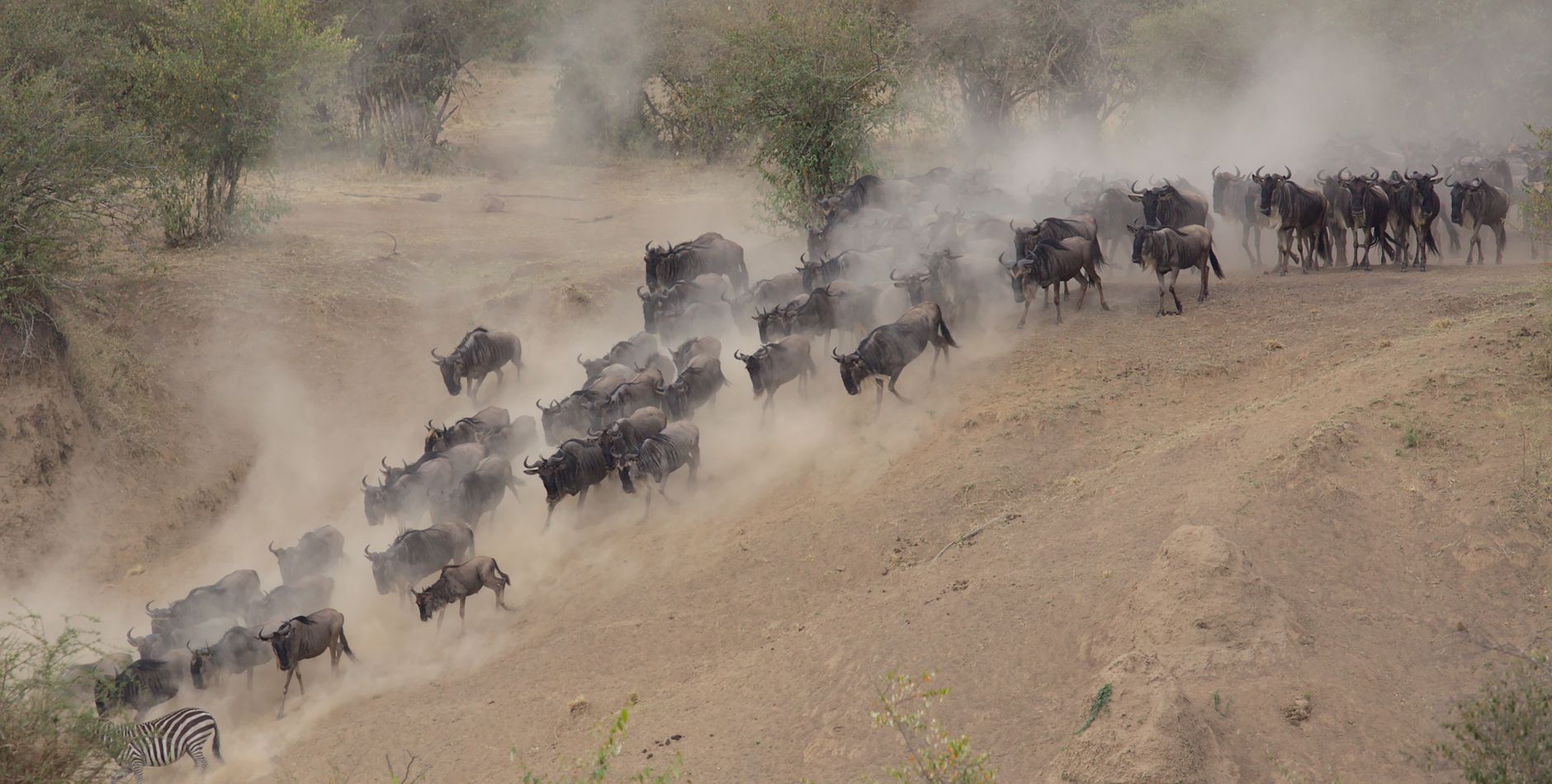
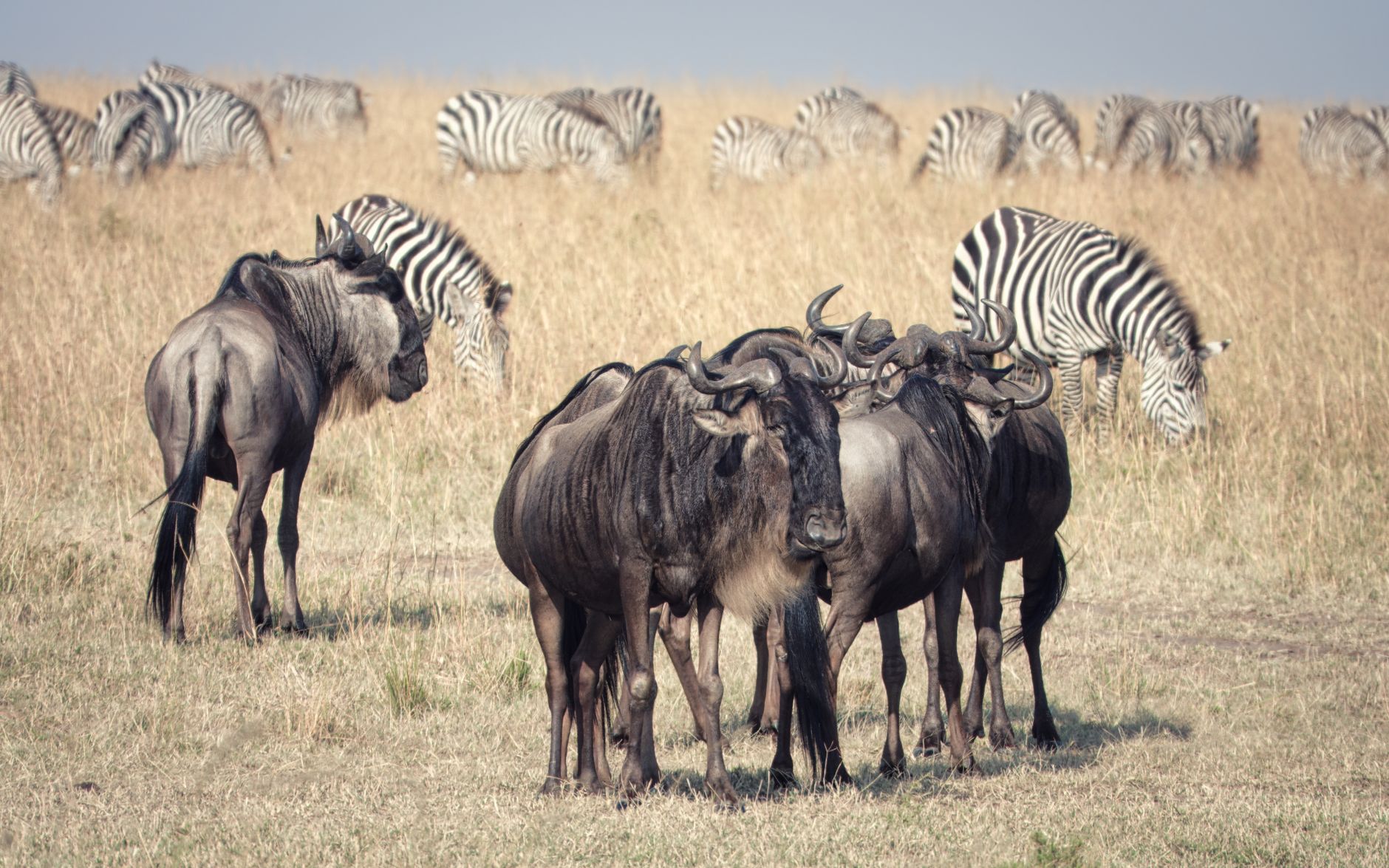
The Great Wildebeest Migration is not an event with a start and a finish line, but a continuous, year-round cycle driven by rainfall and the search for fresh grass. Over 1.5 million wildebeest, accompanied by zebra and gazelle, trace this ancient route across the plains. The border between Kenya and Tanzania simply cuts through their stage.
Kenya: The Theatre of the Crossing
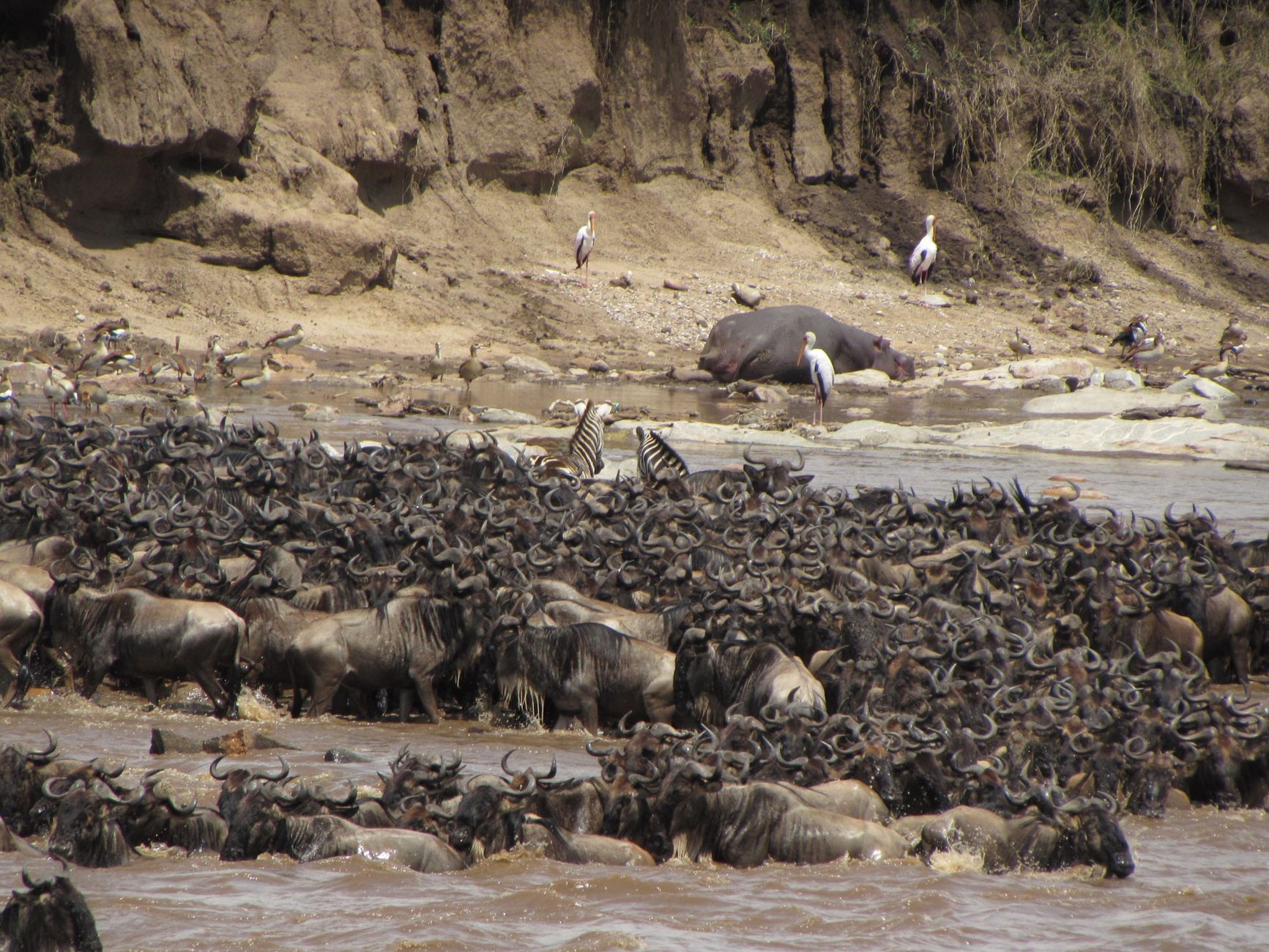
Kenya’s claim to migration fame is the dramatic river crossing. From roughly late July to October, the herds amass on the banks of the Mara River in the Maasai Mara National Reserve. Here, they face the ultimate challenge: plunging into crocodile-infested waters to reach the lush grasses on the other side. This is Attenborough-level drama, a raw and thrilling spectacle that attracts photographers and wildlife enthusiasts from around the globe. The Maasai Mara is smaller and more concentrated than the Serengeti, which can mean more vehicles, but also an incredible density of predators lying in wait.
Tanzania: A Year-Round Spectacle
Tanzania hosts the migration for about nine months of the year, offering a broader and more varied experience. The journey begins here, in the southern Serengeti, with the calving season from January to March. On these endless plains, hundreds of thousands of wildebeest are born within a few short weeks, creating a heart-stirring scene of new life—and providing a feast for cheetahs and lions. As the year progresses, the herds move north, facing another river crossing at the Grumeti River before eventually reaching the Mara. For a deeper dive into the timing, you can explore our guide to the Great Migration.
Landscape and Topography: Diversity vs. Scale
Kenya’s Varied Vistas
Kenya packs an astonishing variety of landscapes into a relatively compact area. You have the iconic, acacia-dotted savanna of the Maasai Mara, which perfectly matches the classic safari dream. To the southeast lies Amboseli National Park, famous for its large elephant herds framed against the breathtaking backdrop of Mount Kilimanjaro (which, ironically, is in Tanzania). Venture north to the Laikipia Plateau and you’ll find a rugged, high-altitude landscape of private conservancies at the forefront of community-based conservation. Further still is Samburu, an arid, beautiful region with unique wildlife adapted to its dry climate.
Tanzania’s Epic Scale
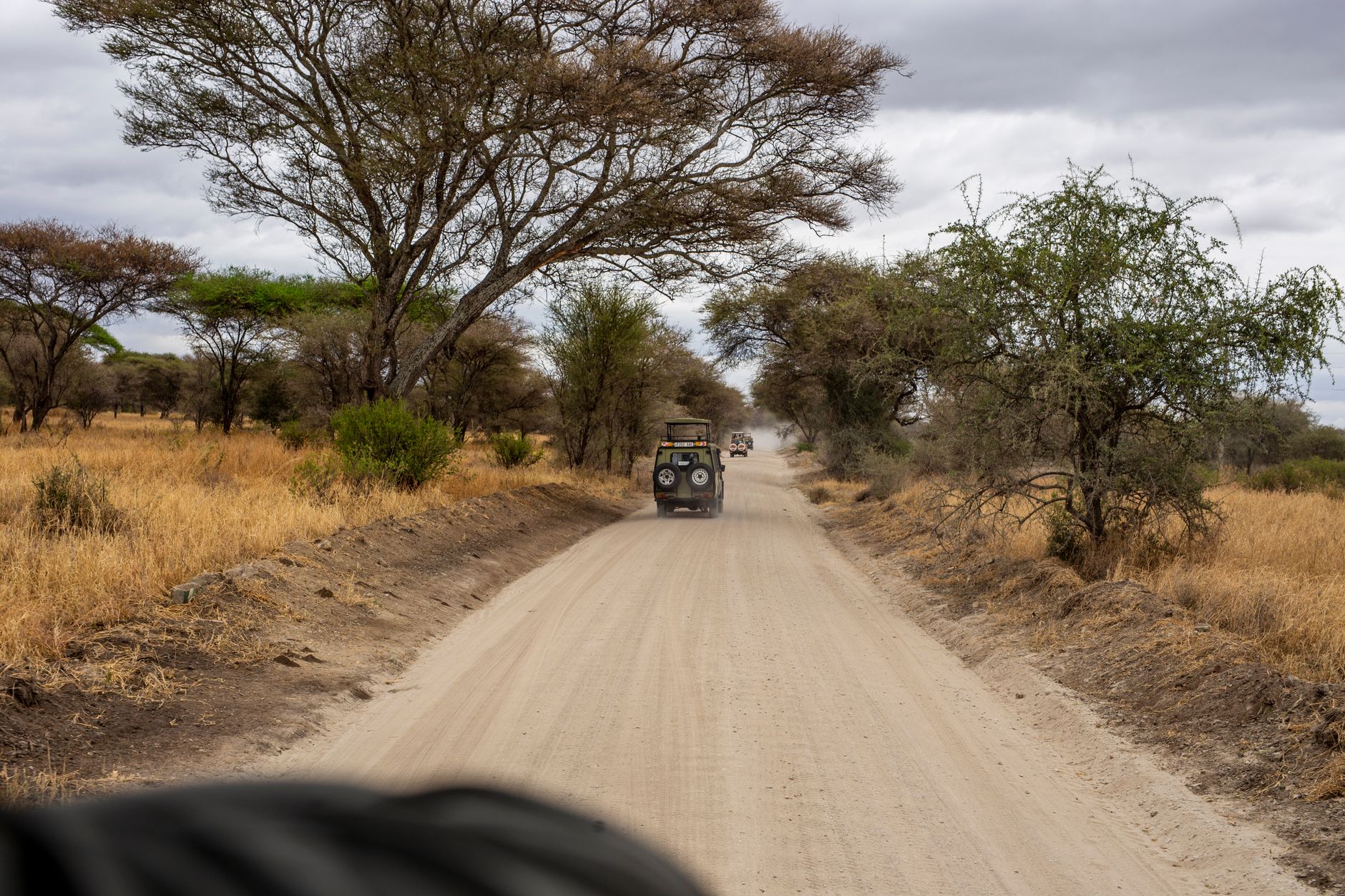
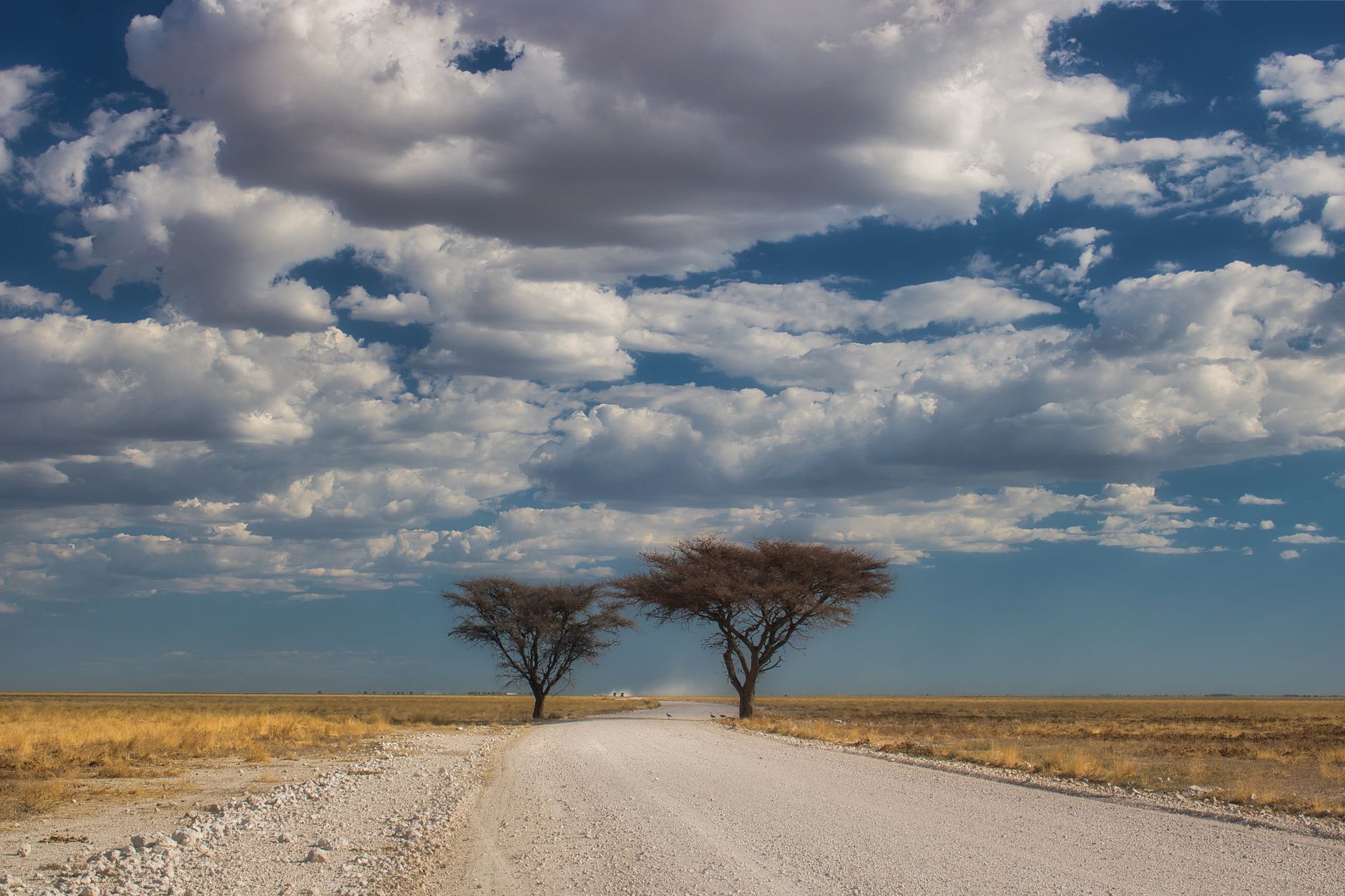
If Kenya is about diversity, Tanzania is about sheer, magnificent scale. The Serengeti National Park alone is vast, its name meaning 'endless plains' in the Maasai language. It feels primeval and profoundly wild. Then there is the Ngorongoro Crater, a UNESCO World Heritage Site. Descending onto the floor of this ancient, unbroken caldera is like entering a self-contained Lost World, home to an unparalleled concentration of wildlife. Beyond this famous 'Northern Circuit', Tanzania’s wild heart beats in its southern parks. Nyerere National Park (formerly Selous) and Ruaha National Park are remote, immense, and offer a wilder, more off-the-beaten-path safari experience, often explored by boat or on foot.
An In-Depth Tanzania vs Kenya Safari Guide to Wildlife
Both countries are home to the 'Big Five'—lion, leopard, elephant, buffalo, and rhino—and offer extraordinary game viewing. The difference is in the details and the supporting cast.
Unique Sightings in Kenya
Kenya is celebrated for its conservation leadership, particularly in its private conservancies. In places like the Laikipia Conservancy, you have an excellent chance of seeing endangered species like black rhino and Grevy's zebra. Samburu National Reserve is home to the 'Samburu Special Five', a quintet of animals found only in this region: the Grevy's zebra, the long-necked gerenuk, the reticulated giraffe, the Beisa oryx, and the Somali ostrich. Kenya is also a fantastic place to see Rothschild's giraffes, especially at Nairobi's famed Giraffe Manor.
Tanzania’s Unrivaled Abundance
Tanzania’s wildlife story is one of staggering numbers. The density of animals within the Ngorongoro Crater is unmatched anywhere in Africa. The Serengeti's predator population is legendary, and it’s one of the best places in the world to see lions and cheetahs in action. For unique sightings, Lake Manyara National Park is famous for its tree-climbing lions, a behaviour seen in only a few locations. And for the ultimate primate experience, the remote Mahale Mountains National Park on the shores of Lake Tanganyika offers unforgettable encounters with habituated chimpanzees.
People, Culture, and Atmosphere
Both nations share the proud, colourful culture of the Maasai people, and respectful cultural visits can be a highlight of any trip. The overall atmosphere, however, feels distinct.
Kenya’s tourism industry is one of the most established in Africa. Nairobi is a bustling, cosmopolitan hub, and the infrastructure for travel is slick and efficient. This can make for a very smooth trip, especially for first-time visitors or families. It has a vibrant, energetic pulse.
Tanzania, due to its size and less-developed infrastructure in rural areas, can feel more remote and adventurous. The journey is often part of the experience, with light aircraft flights over vast landscapes or long drives through the countryside. It fosters a sense of being truly away from it all, immersed in a timeless wilderness.
Making the Choice
So, how do you decide? Here’s a simple breakdown:
- Choose Kenya if: You are short on time and want to see diverse landscapes; you dream of the dramatic Mara River crossing; you are interested in innovative conservation models and community projects; or you are a first-time safari-goer looking for a well-established circuit.
- Choose Tanzania if: You crave a sense of immense space and wildness; you want to experience the migration’s calving season or see the sheer density of life in the Ngorongoro Crater; you have more time and want to explore incredibly remote, crowd-free southern parks; or primates are on your must-see list.
Ultimately, this Tanzania vs Kenya safari guide is here to inform, not to declare a winner. The truth is, you can’t make a wrong choice. Both countries deliver the magic of an African safari with unparalleled grace and power. They are not rivals, but two magnificent stanzas of the same epic poem.
The perfect safari is waiting—a journey defined not by a line on a map, but by the memories you will gather and the lodges you will call home. As you dream of open skies and wildlife encounters, we invite you to explore our curated collection of Safari Stays listings to find the camps and lodges that resonate with your vision of Africa.
Ready to plan your trip?
Check live availability, compare lodges and book instantly — or send us an enquiry and we'll help shape the route.