Your Guide to a Southern Africa Safari in September

September in Southern Africa is a month of raw, distilled beauty. The air is crisp, the sky a vast, unbroken blue, and the bush holds its breath. Winter’s chill is a fading memory, replaced by warm, sun-filled days that signal the end of the long dry season. For those dreaming of the quintessential African adventure, a southern africa safari in september is an experience without equal, a time when the continent’s wildlife dramas play out in plain sight.
As ephemeral water sources across the landscape vanish, life is drawn to the few remaining rivers and waterholes. The vegetation is sparse and brittle, stripping away the dense cover of summer and making wildlife sightings breathtakingly clear. This is not a time of subtle glances; it is a time of grand theatre.
The Allure of September: Peak Dry Season Viewing
To understand why September is so revered by safari guides and seasoned travellers, one must understand the rhythm of the African seasons. The month marks the apex of the dry season, a period that began back in May. For months, little to no rain has fallen. The consequences for the ecosystem are profound and create a perfect storm for safari-goers.
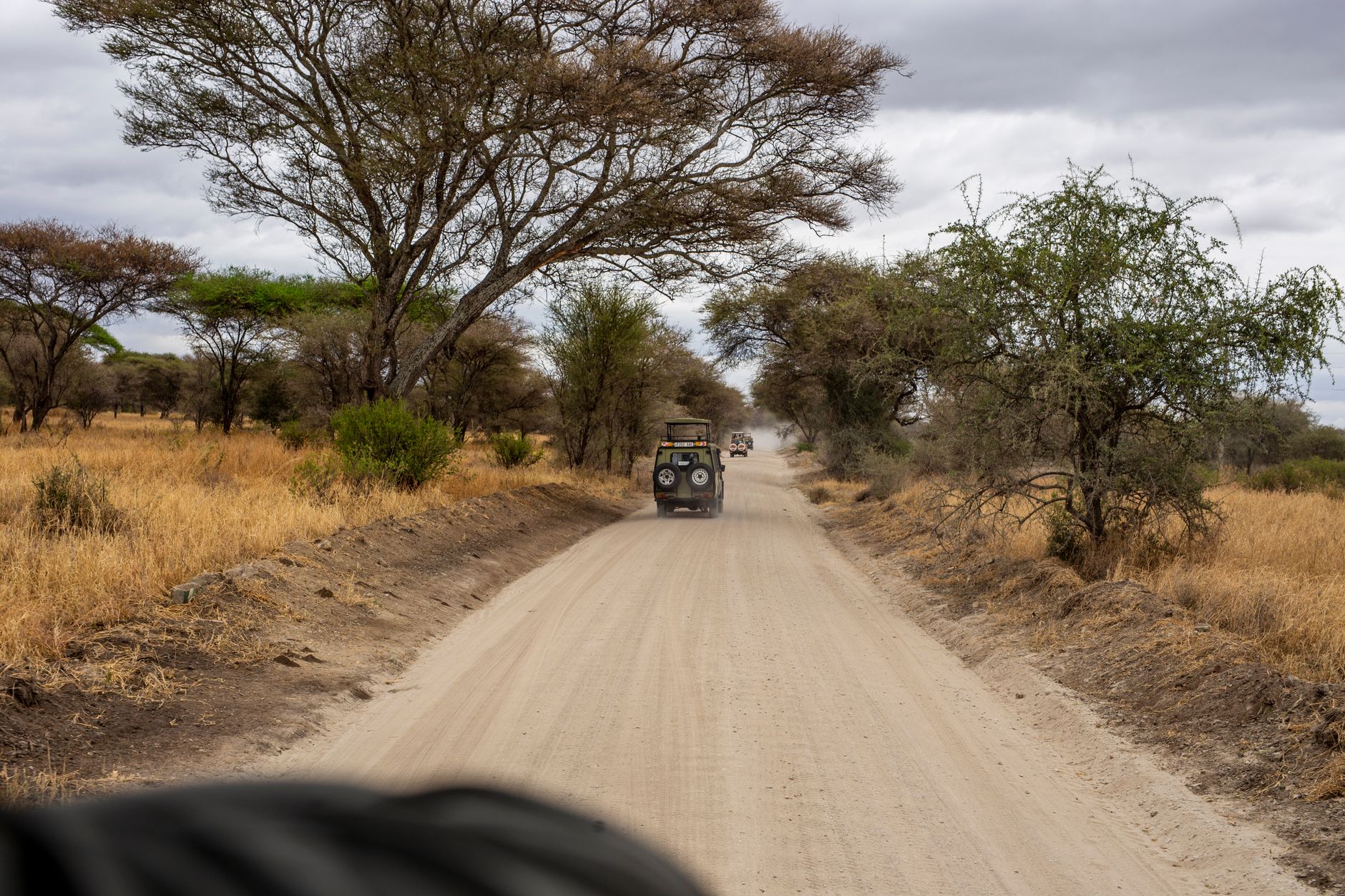
The bush is at its most open, allowing for long, unobstructed views. A flicker of a leopard’s tail or the twitch of a lion’s ear is more easily caught by the searching eye. Animals do not need to be tracked deep into thickets; they are drawn, by an undeniable thirst, into the open.
Water becomes the most precious of commodities. Rivers like the Chobe, the Zambezi, and the Luangwa become vital lifelines, their banks teeming with a concentration of game rarely seen at other times of the year. Inland, man-made and natural waterholes become magnets for an astonishing diversity of animals, all forced to share the same life-giving resource. It is here that the intricate tales of predator and prey, of tolerance and tension, unfold from sunrise to sunset.
Where to Go on Your Southern Africa Safari in September
While the entire region is magnificent this time of year, certain destinations truly shine. Your choice will depend on the landscapes and experiences that call to you most.
Botswana: Deltas and Giants
September finds Botswana at its most dramatic. The annual floodwaters, having travelled for months from the Angolan highlands, have typically peaked in the Okavango Delta. This creates a mesmerizing paradox: a lush, watery Eden in the heart of an arid country. You can glide through crystal-clear channels in a traditional mokoro, watching elephants wade between islands and red lechwe antelope leap through the floodplains. The concentration of wildlife on the Delta’s islands is extraordinary.
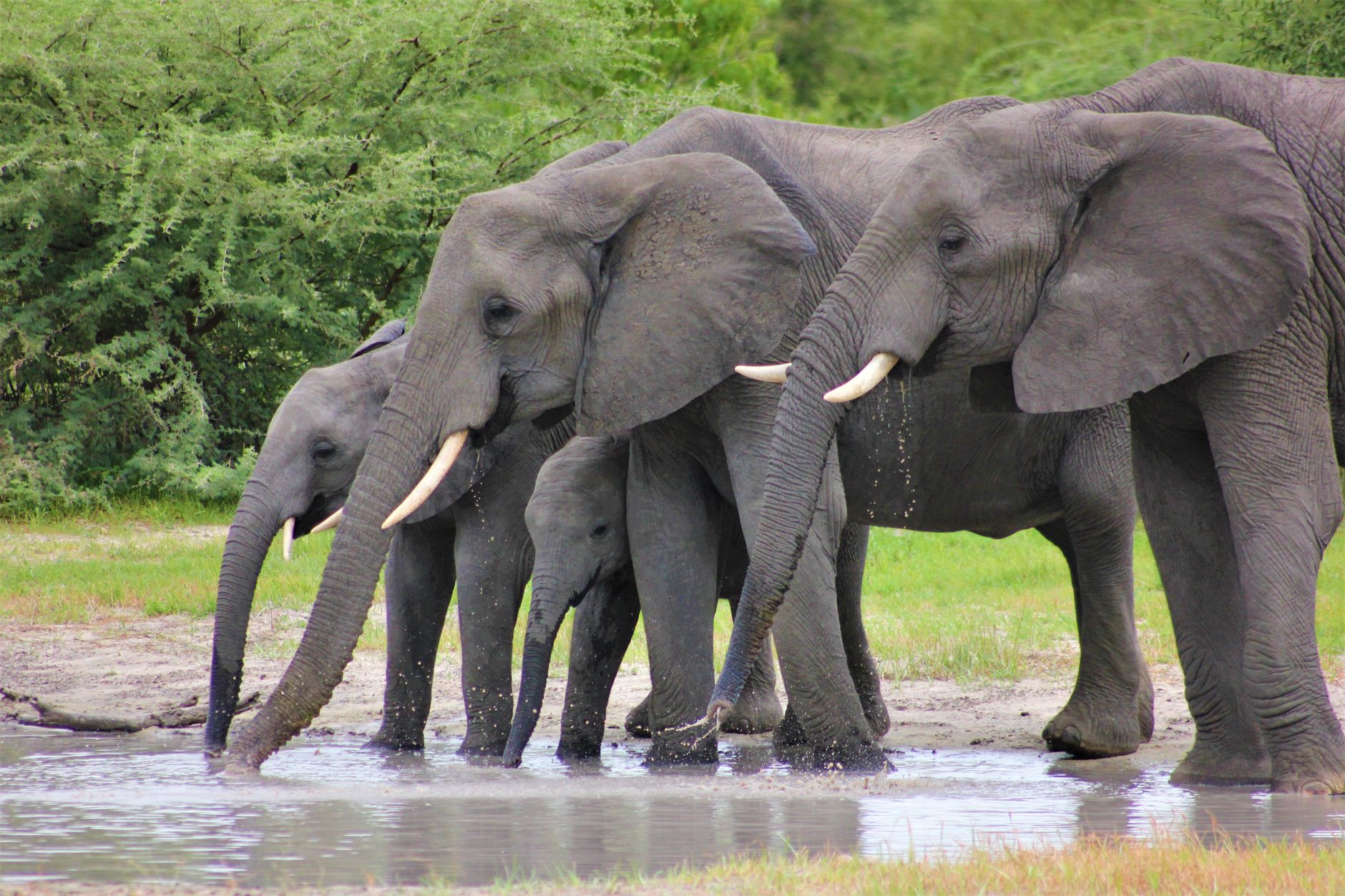
Further north, Chobe National Park is legendary for its elephant population. By September, enormous herds congregate along the Chobe River. A river safari here is not just a game-viewing activity; it's an immersion into a world of pachyderms. Witnessing hundreds of elephants drinking, playing, and swimming against the backdrop of a fiery sunset is a memory that endures.

Zimbabwe: Walking with Titans in Hwange & Mana Pools
Zimbabwe offers some of the most authentic and wild safari experiences on the continent. In Hwange National Park, September’s heat intensifies the drama around the park’s many waterholes. Known for its staggering population of elephants, Hwange delivers powerful sightings of large breeding herds and magnificent old bulls. It is also a stronghold for lions, painted dogs, and a rich array of plains game. For a truly immersive stay, explore our hand-picked lodges like the intimate and wild Safari Stays Hwange Hideaway.
For the more adventurous, Mana Pools National Park along the Zambezi River is unparalleled. A UNESCO World Heritage Site, it is famous for its light-dappled acacia forests and the freedom to explore on foot. Under the guidance of some of Africa’s best guides, you can track elephants and other game in a respectful, low-impact way that fosters a profound connection to the wilderness. Learn more about the ethics and thrill of this experience in our guide to walking safaris in Zimbabwe.
Zambia: The Birthplace of the Walking Safari
Across the Zambezi lies Zambia, and specifically, the South Luangwa Valley. This is widely considered the birthplace of the modern walking safari, and in September, the experience is at its zenith. The Luangwa River has receded, leaving behind lagoons and oxbow lakes that trap fish and attract flocks of birds and thirsty mammals. The valley is particularly famous for its leopard sightings, and the dry, open terrain of September makes finding these elusive cats much more likely. It’s also the time when vibrant Carmine bee-eaters begin to arrive to nest in the riverbanks—a dazzling spectacle of colour and sound.
Namibia: A Land of Stark Beauty and Resilience
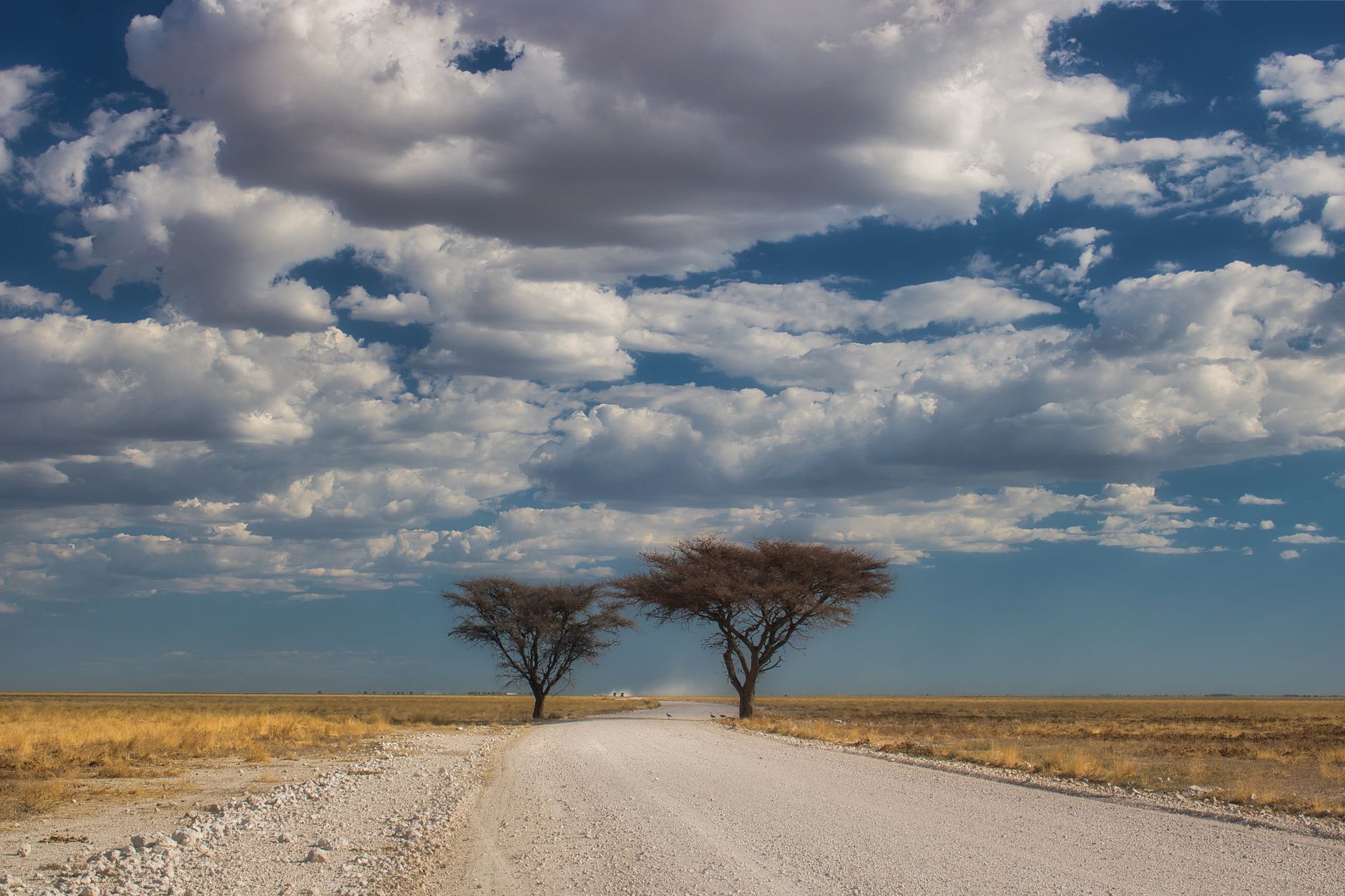
Namibia presents a different, yet equally compelling, safari canvas. In Etosha National Park, the landscape is dominated by a vast, shimmering salt pan. Life revolves around the waterholes dotted along its edge. In September, a single waterhole can host a staggering procession of species: desert-adapted elephants, endangered black rhinos, lions, giraffes, and vast herds of springbok and zebra. The stark, white backdrop makes for phenomenal photography.
In the country’s northwest, the rugged region of Damaraland offers a safari of a different kind—a search for desert-adapted elephants and rhinos that roam freely across this vast, unfenced wilderness. It is a testament to the resilience of life in one of the world’s oldest deserts. Discover more about this unique country in our Namibia destination guide.
Planning Your September Safari: What to Know
Weather and Packing
The climate in September is near-perfect. Days are warm to hot and filled with sunshine, with temperatures generally ranging from 25-32°C (77-90°F). However, mornings and evenings can be surprisingly cool, even cold, with temperatures dipping to 5-10°C (41-50°F). Layering is essential.
Here’s a brief packing list to guide you:
- Layers: A warm fleece or jacket is non-negotiable for early morning and evening game drives.
- Clothing: Lightweight, breathable fabrics in neutral colours (khaki, beige, olive) for daytime.
- Sun Protection: A wide-brimmed hat, high-SPF sunscreen, and quality sunglasses are vital.
- Optics: A good pair of binoculars will transform your experience, bringing distant animals into sharp focus.
- Comfort: Comfortable, closed-toe walking shoes.
Booking and Availability
September is one of the most popular months for a safari in Southern Africa. The secret is out. This means that to secure your spot at the best small, intimate lodges and with the most experienced guides, booking well in advance—often 9 to 12 months ahead—is highly recommended. This ensures you have the widest choice and can craft the exact itinerary you dream of.
A southern africa safari in september is an experience that connects you to the raw, untamed rhythms of the continent. It’s a time of clarity, of drama, and of intense life, promising moments of wonder that will stay with you forever.
Whether you dream of gliding through the Delta's waterways or watching giants at a Hwange waterhole, the perfect September safari awaits. Explore our curated collection of lodges to begin your journey.
Ready to plan your trip?
Check live availability, compare lodges and book instantly — or send us an enquiry and we'll help shape the route.