A South Luangwa Walking Safari in June: An Expert Guide
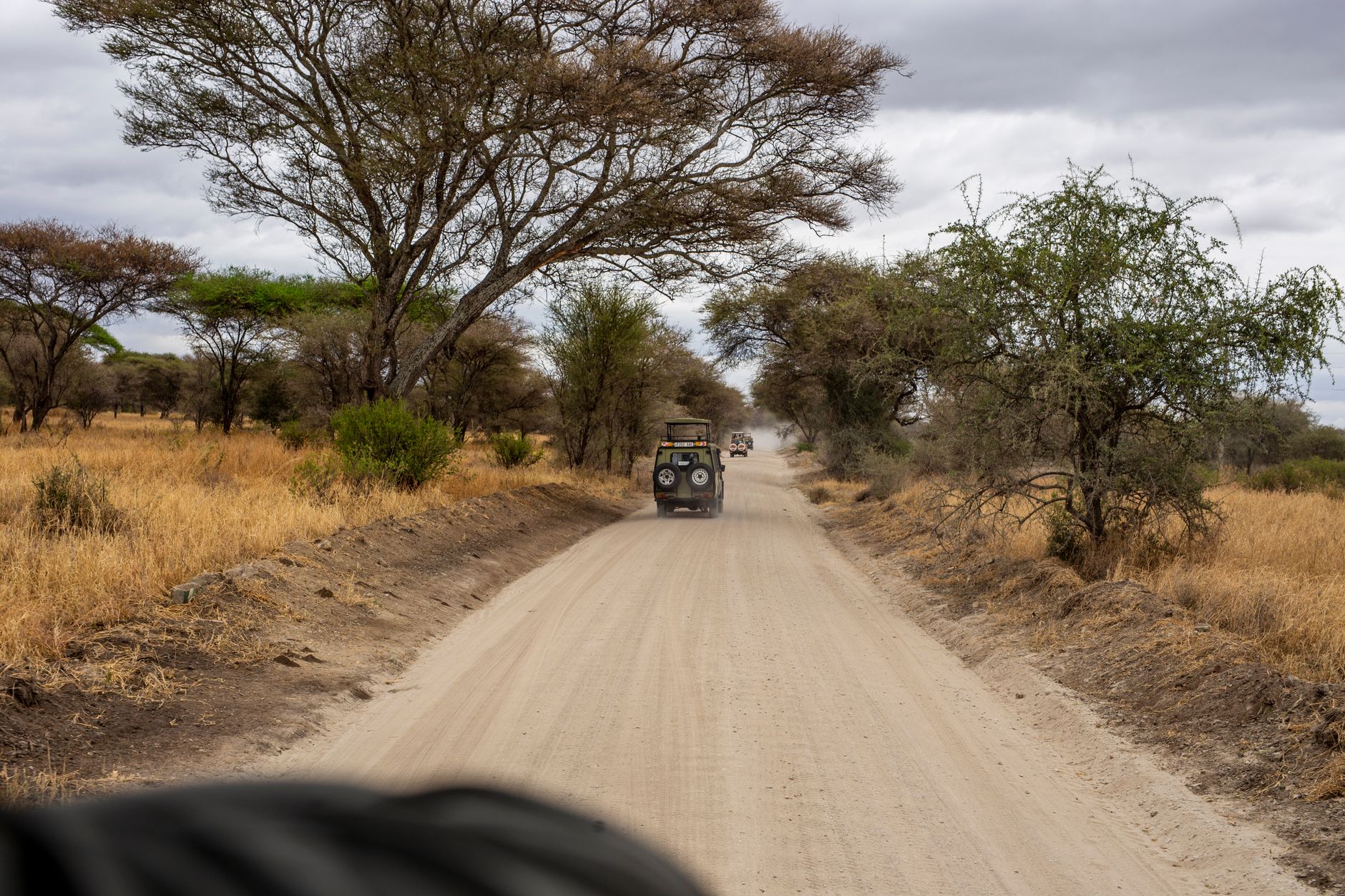
The first thing you notice is the sound. Not the rumble of a diesel engine, but the crunch of dry leaves under your guide’s boots, the alarm call of a puku deer in the distance, the gentle rustle of a breeze through ebony trees. This is the essence of a walking safari, and there is no better place on Earth to experience it than in its birthplace, South Luangwa National Park. To plan a south luangwa walking safari in june is to choose a moment of perfect alchemy, when the seasons converge to create an unparalleled encounter with the African wilderness.
Here, in the vast, untamed valley carved by the Luangwa River, the safari experience is stripped back to its most authentic and thrilling form. You are no longer a spectator in a vehicle; you are an active participant in the ecosystem, engaging all your senses to read the stories written on the landscape.
The Allure of Luangwa on Foot
South Luangwa is rightly known as the home of the walking safari. It was here in the 1950s that pioneers like Norman Carr championed the idea of exploring the bush on foot, believing it fostered a more profound connection to the wild. That legacy is carried on today by some of the most skilled and passionate guides in Africa.
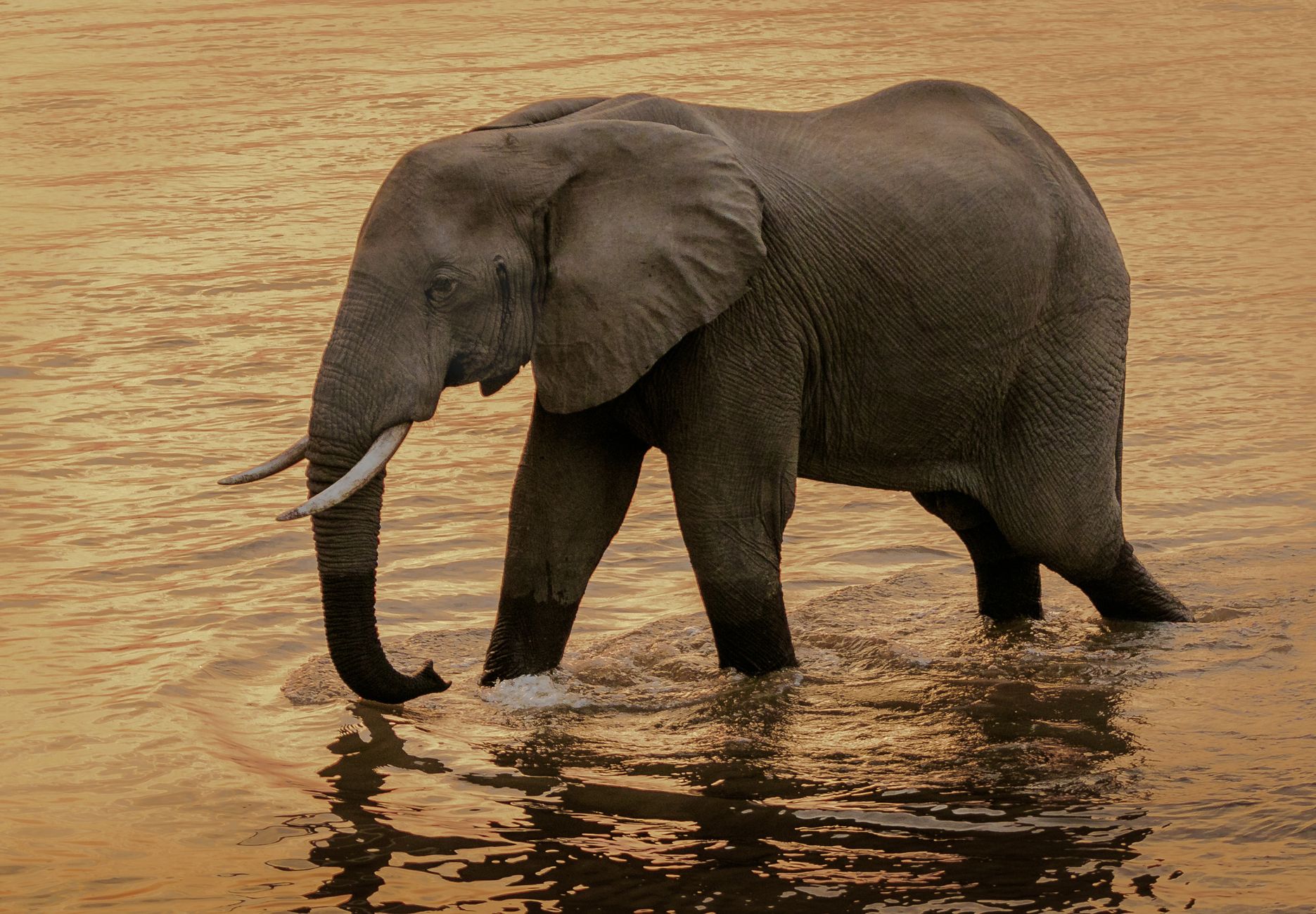
A walking safari is a paradigm shift. The goal is not simply to race from one big sighting to the next. Instead, it is an immersive education in the minutiae of the bush. You will learn to identify animal tracks in the soft sand, discover the medicinal uses of a mopane tree, examine the intricate architecture of a termite mound, and understand the behaviour of birds. When you do encounter big game—and you will—the experience is electrifying. Meeting a herd of elephants on their terms, watching them from a safe distance behind a tamarind tree, is a memory that stays with you forever.
This is a slow safari, a contemplative safari. It’s about feeling the warmth of the sun, smelling the wild sage crushed underfoot, and attuning your ears to the complex symphony of the bush. It is, in a word, transformative.
Why June? The Perfect Convergence of Season and Sight
Choosing when to visit is crucial, and June represents a golden window in the Luangwa Valley. It is the beginning of the dry season, a time of transition that offers the best of both worlds.
Firstly, the weather is idyllic. The humidity of the preceding wet season has dissipated, leaving behind clear, brilliant blue skies. Mornings are crisp and cool, perfect for walking, requiring a warm fleece as you set out from camp. As the sun climbs, the day becomes pleasantly warm and dry, before cooling again for a comfortable evening around the campfire. The mosquito population is also significantly lower than in the wetter months.
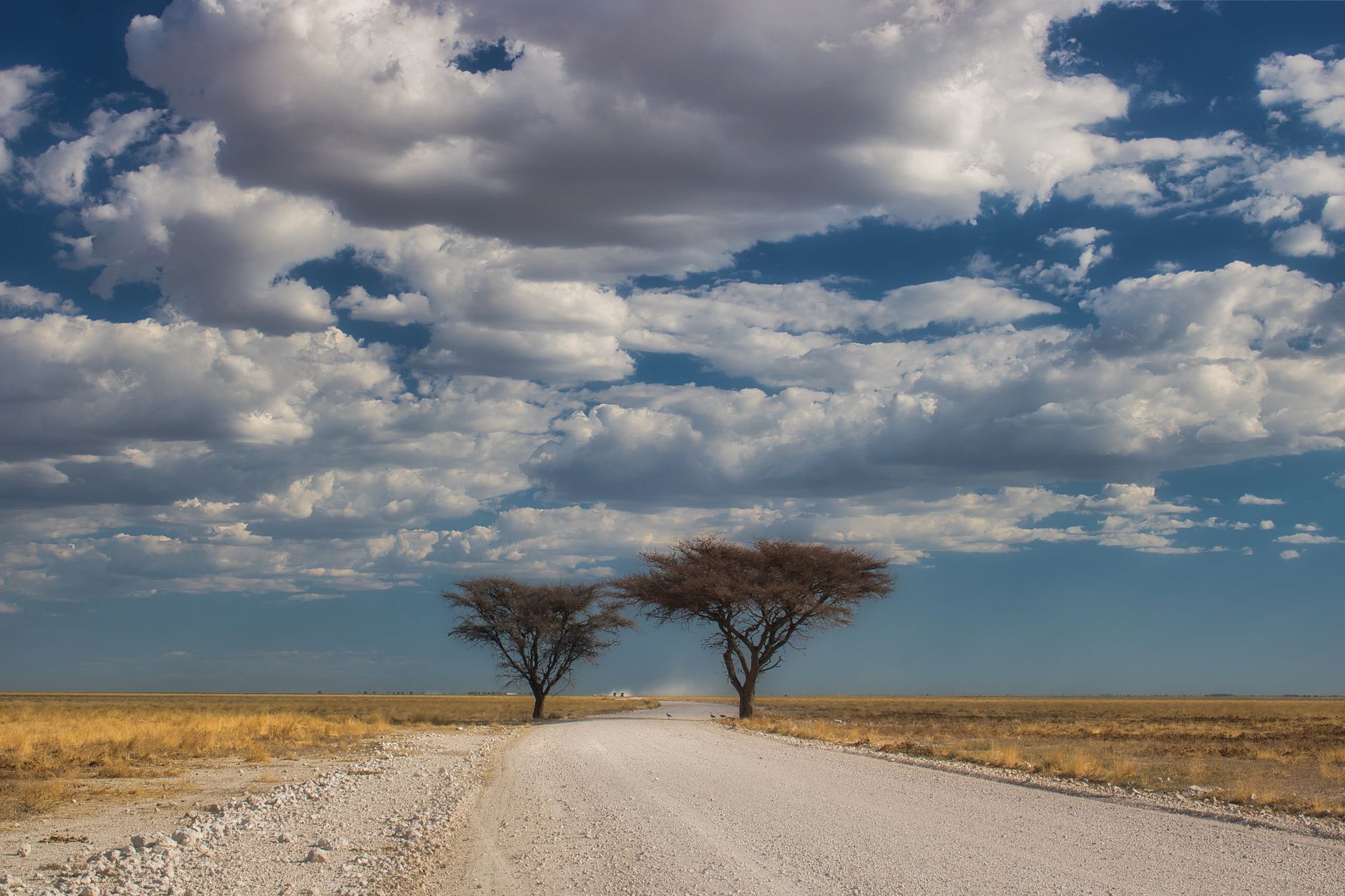
Secondly, the landscape is in a state of beautiful flux. The park has not yet taken on the scorched, dusty character of the late dry season. There is still a lingering greenness, and the air is free from the haze that can build up later in the year. Yet, the vegetation is beginning to thin out, making it easier to spot wildlife from a distance. The grasses have been trampled down by elephants and buffalo, opening up visibility on your walks.
Most importantly, water becomes a magnet. As inland pans and streams begin to dry up, wildlife is drawn from the deep bush towards the permanent water of the Luangwa River and its many oxbow lagoons. This concentration of animals along the riverbanks makes for spectacular and predictable game viewing.
Wildlife Encounters on a South Luangwa Walking Safari in June
The sheer density and variety of life in the valley is staggering, and being on foot provides a unique perspective on the daily drama that unfolds.
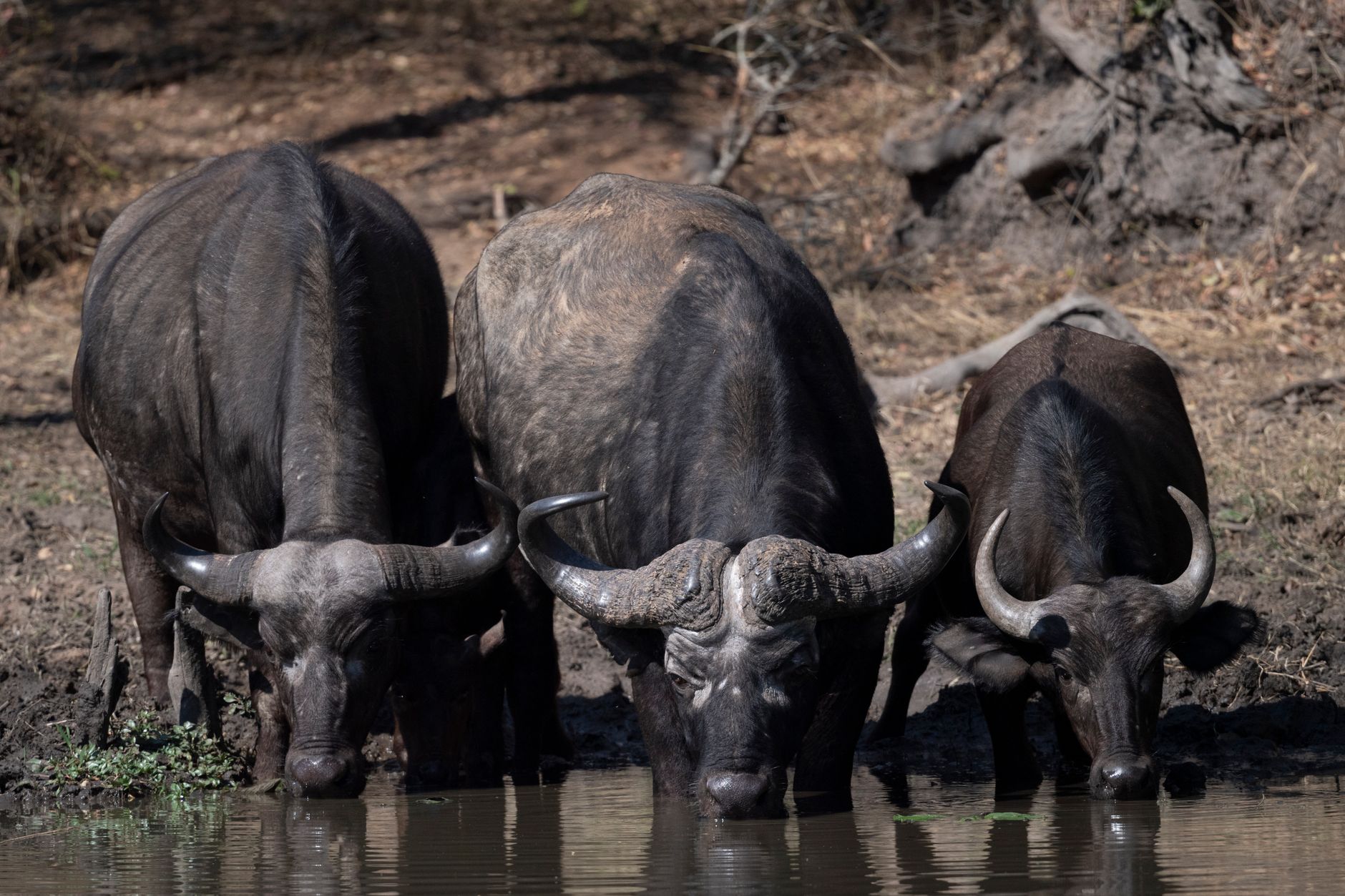
Herds of elephant, often in family groups, move with quiet purpose to and from the river. Enormous herds of Cape buffalo, sometimes hundreds strong, create clouds of dust as they graze. The park is home to unique subspecies like Thornicroft's giraffe and Cookson's wildebeest, alongside vast numbers of impala, puku, waterbuck, and zebra.
The Luangwa River itself is teeming with life. Pods of hippos, numbering in the thousands, grunt and jostle for position in the shrinking pools, while some of the largest crocodiles in Africa bask on the sandy banks.
Predators and Remarkable Sightings
South Luangwa has a well-deserved reputation as one of the best places in Africa to see leopards. These elusive cats thrive in the riverine forests, and the expert eyes of your guide can often spot one resting in the boughs of a sausage tree. While seeing a predator on foot is a rare and carefully managed situation, you will become an expert in tracking them, learning to read their spoor and listen for the warning calls of other animals that betray their presence.
Lion prides are also strong in the valley, and hearing them roar at night from the safety of your tent is a visceral thrill. Furthermore, South Luangwa is a key stronghold for the endangered African wild dog, and a sighting of a pack on the hunt is a safari highlight of the highest order.
Your walking safari in June might reveal:
- Massive herds of elephant and buffalo congregating near the river.
- Leopards lounging in sausage trees or strolling through dry riverbeds.
- Thornicroft's giraffe browsing gracefully on acacia trees.
- Dazzling birdlife, including Lilac-breasted Rollers, ground hornbills, and numerous eagles and vultures.
- The intricate tracks of hyena, lion, and civet from the previous night's activity.
- Huge pods of hippos in the main Luangwa River channel.
A Day on a Walking Safari
The rhythm of a day is dictated by the animals and the sun. You’ll wake before dawn to the sounds of the bush, gathering for coffee and a light snack around the fire. The walk begins as the sun rises, casting a golden light across the landscape. Led by your expert guide and an armed National Park scout, you will walk for three to four hours, covering a few miles at a leisurely pace, stopping frequently to observe and learn.
Safety is paramount. Your guide is not just an ecologist but also highly trained in animal behaviour and reading potentially dangerous situations. Their calm expertise allows you to relax and completely immerse yourself in the environment.
You return to camp mid-morning for a hearty brunch and a well-earned rest during the hottest part of the day. This is a time for a nap, reading, or simply watching the wildlife from the comfort of your tent. The day's activities resume in the late afternoon with either another, shorter walk or a game drive, which often includes a stop for sundowner drinks as you watch the sun set over the horizon.

Choosing Your Experience
One of the great joys of Luangwa is the ability to combine stays at different types of camps. The classic experience involves walking between remote, seasonal bush camps, which are intimate, rustic, and designed for total immersion. Staying at a camp like Mchenja Camp allows for an authentic, away-from-it-all feeling. For a broader perspective on all of Zambia's exceptional wildlife destinations, you can easily combine a bush camp stay with a few nights at a larger, more established lodge on the main river. Both offer incredible experiences and contribute to a well-rounded safari.
No matter where you stay, packing correctly is key. Be sure to read our comprehensive safari packing guide before you travel. In short, think layers, comfortable walking shoes, and neutral-coloured clothing.
To experience the South Luangwa Valley on foot is to connect with a wilder, more ancient version of our world. It’s an adventure that challenges the body, stimulates the mind, and nourishes the soul. The unique conditions that make a south luangwa walking safari in june so special create a rare opportunity for discovery, reflection, and pure, unadulterated wonder.
Ready to walk on the wild side? Explore our curated collection of lodges in South Luangwa and begin planning an adventure that will leave footprints on your heart. Discover your perfect African safari with our Safari Stays listings.
Ready to plan your trip?
Check live availability, compare lodges and book instantly — or send us an enquiry and we'll help shape the route.