Serengeti River Crossing Viewing July 2026: A Guide
The ground trembles first. A low, persistent hum that builds into a thunderous chorus of hooves and guttural calls. This is the sound of the Great Migration, and for those planning their serengeti river crossing viewing for July 2026, it is the overture to one of Earth's most dramatic wildlife spectacles. To witness it is to witness nature at its most raw, powerful, and utterly unforgettable.
Understanding the Great Migration Cycle
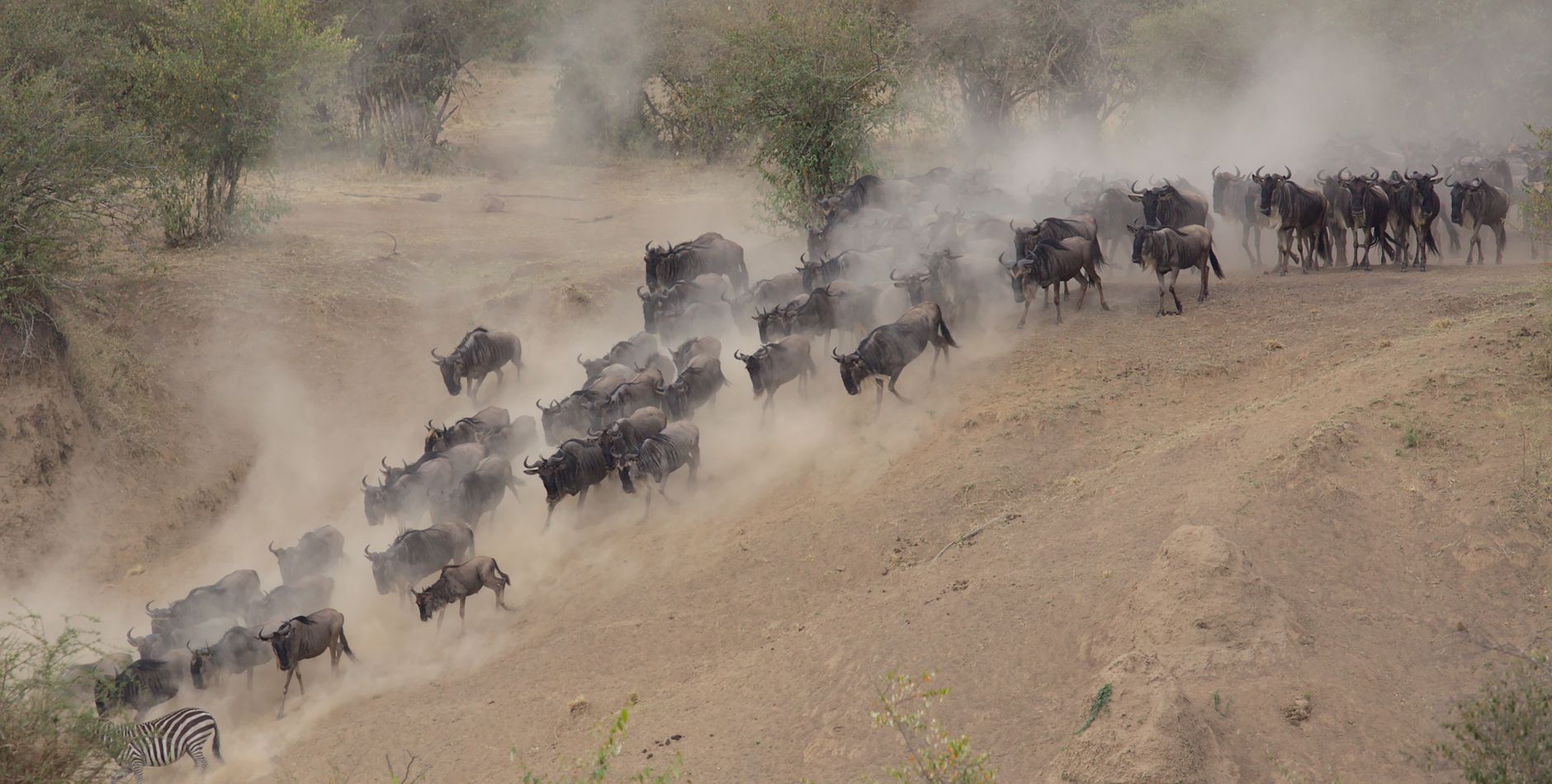
Before focusing on the climactic river crossings, it is essential to understand the journey. The Great Migration is not a single event but a continuous, circular odyssey undertaken by over 1.5 million wildebeest, accompanied by hundreds of thousands of zebra and gazelle. Their year-long trek is dictated by the rains, an eternal search for fresh grazing and water.
The herds move clockwise through the vast Serengeti-Mara ecosystem, spanning Tanzania and Kenya. The year begins in the southern Serengeti, where calving season takes place from January to March. As the dry season approaches, the plains wither, and the herds begin their long march north and west, moving through the Seronera Valley and Western Corridor before congregating on the banks of the Grumeti and, ultimately, the mighty Mara River.
The Best Serengeti River Crossing Viewing July 2026
By July, the vanguard of the Great Migration typically reaches the northernmost tip of the Serengeti. Here lies the greatest and most famous obstacle of their entire journey: the Mara River. This makes planning a serengeti river crossing viewing for July 2026 a pursuit of a prime and highly sought-after safari window. This is where the real drama unfolds.
The river, swollen and treacherous, carves a deep scar across the landscape. Its steep banks and fast-flowing currents present a formidable challenge, but the pressure from the thousands of animals behind, and the promise of lush green pastures in Kenya's Maasai Mara on the other side, forces their hand.
The Spectacle of the Mara River Crossings
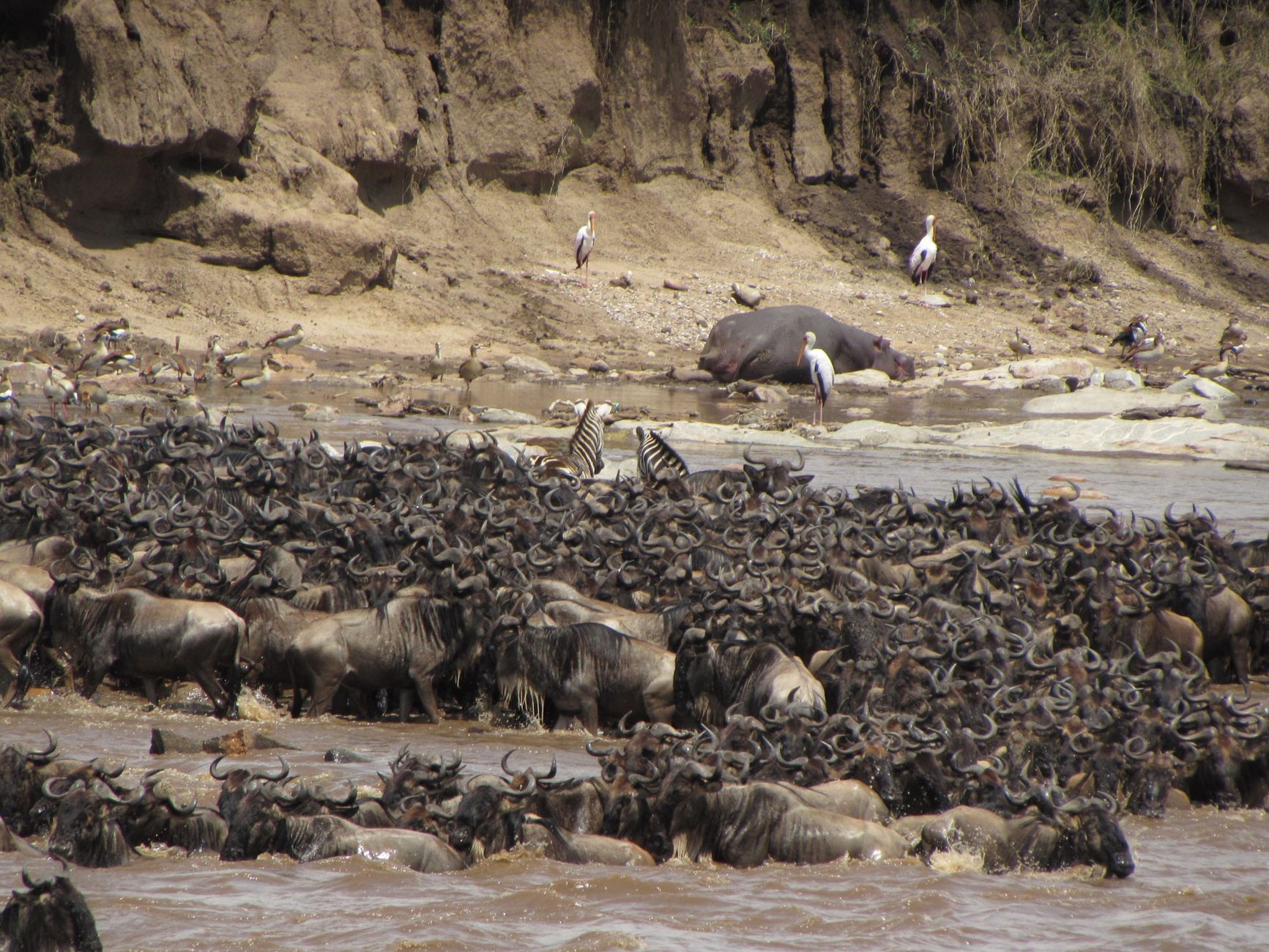
A crossing is never guaranteed. Herds can amass on the riverbanks for days, a sea of mottled grey and black, building in numbers and nervous energy. They mill about, tentatively approaching the water's edge, only to retreat. The tension is palpable. Your guide will position the vehicle at a respectful distance, understanding the delicate balance required. Too much pressure, and the herd will scatter.
Then, something shifts. A single, bold wildebeest takes the plunge. This act of courage, or desperation, triggers a chain reaction. Suddenly, the entire herd surges forward in a chaotic, thundering mass. They pour down the embankments and into the water, a frenzy of flailing limbs and desperate swimming. For the next several minutes, it is a sensory overload of sound, dust, and spray. It is life and death played out on a monumental scale.
Patience: The Ultimate Safari Virtue
It’s crucial to manage expectations. The wildebeest do not keep a schedule. The exact timing and location of a crossing are impossible to predict. They are driven by herd instinct, predator pressure, and the scent of rain. Your safari may involve hours, or even days, of waiting and watching.
This waiting, however, is not empty time. It is part of the experience. It is sitting in the quiet of the bush, listening to the bellowing of distant wildebeest, watching crocodiles drift like logs in the current, and feeling the immense anticipation build. When the crossing finally happens, your patience is rewarded a thousand times over. It's a key reason why booking with an expert who knows the area is so important. More on this is available in our Safari Planning Guide.
Where to Stay for the July Crossings
Location is everything when your goal is to witness a crossing. For a July safari in the Serengeti, you must be in the far northern sector, specifically in the Lamai Wedge or Kogatende areas. This is where the primary crossing points are located. Proximity to the river is your greatest asset, allowing your guide to quickly respond to news of herd movements.
There are two main types of accommodation to consider:
- Permanent Lodges: These offer supreme comfort, stunning architecture, swimming pools, and often, incredible views directly from the property. They provide a luxurious base from which to explore. One of our favourites is the Lamai Wedge Lodge, perched strategically for optimal access.
- Mobile Camps: These camps move seasonally to follow the migration, ensuring you are always in the heart of the action. They offer a more intimate and immersive bush experience. While slightly more rustic, modern mobile camps provide exceptional comfort, with en-suite bathrooms, comfortable beds, and gourmet food.
When choosing your accommodation, consider these factors:
- Proximity to the main crossing points of the Mara River.
- The quality and experience of the resident guides.
- Your preference for luxury versus immersive bush experience.
- Booking well in advance, as camps in this region fill up 12-18 months prior.
Beyond the Crossing: A Complete Safari
While the crossing is the headline act, a safari in the Northern Serengeti in July is rich with other incredible wildlife encounters. The concentration of the migration attracts a formidable cast of predators. Lions, leopards, and cheetahs patrol the plains, while hyena clans are never far from the action.
The resident wildlife is just as spectacular. Large herds of elephants navigate the woodlands, giraffes browse gracefully on acacia trees, and the river itself is home to pods of hippos and some of the largest crocodiles on the continent. The birdlife is also prolific. Your days will be filled with wonder from sunrise to sunset, extending far beyond the riverbanks.
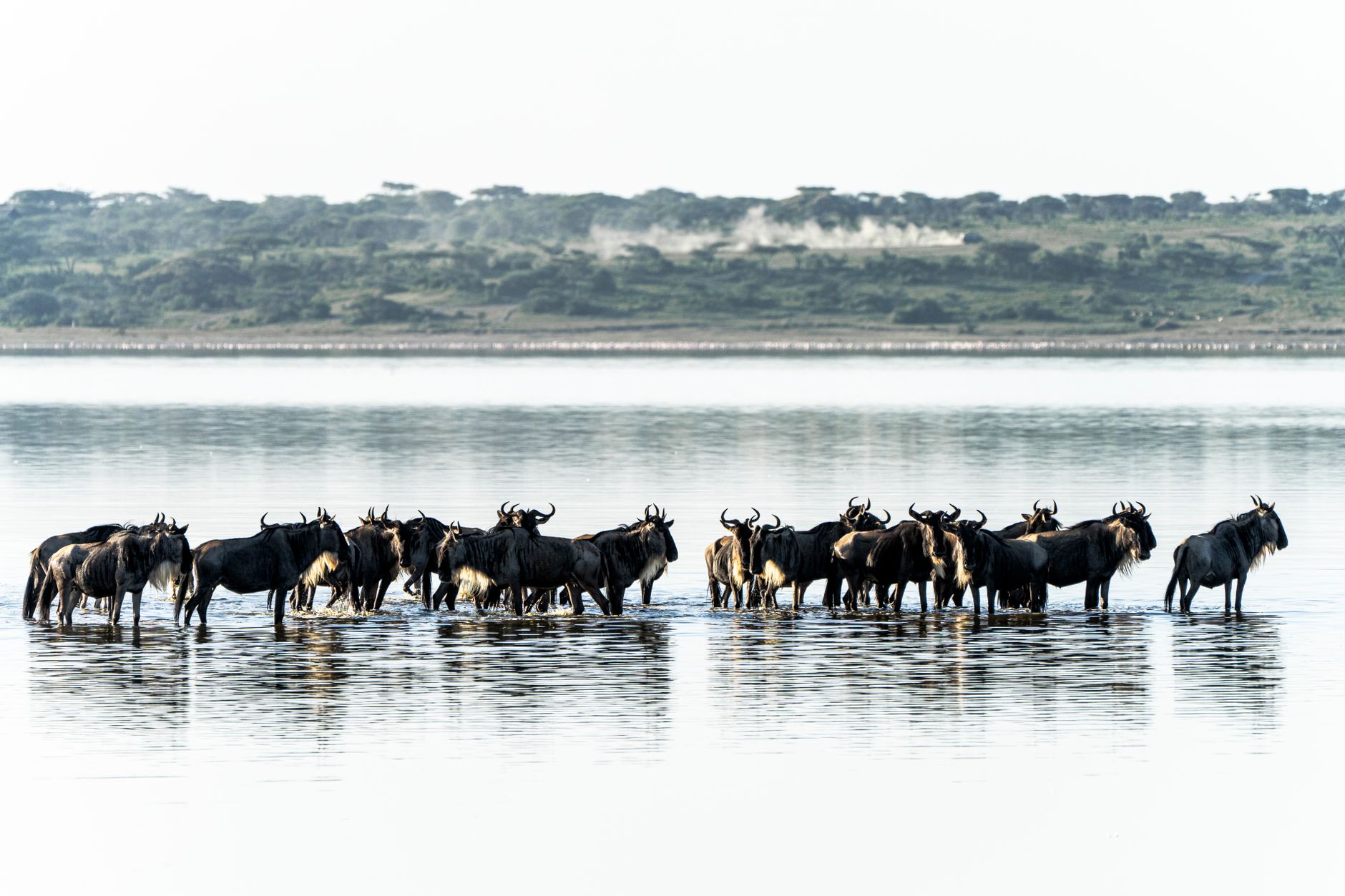
The sheer scale of the event, the primal struggle for survival, and the breathtaking beauty of the Serengeti landscape combine to create an experience that transcends a simple holiday. It’s an encounter that resonates deeply, a powerful reminder of the wild heart of our planet. As you begin to envision your own journey, planning for your serengeti river crossing viewing in July 2026 becomes more than just logistics; it is the first step toward an extraordinary adventure.
The drama of the Mara River is an experience that stays with you forever. If you are ready to begin planning your own African story, we invite you to explore our curated collection of lodges across the continent, each chosen for its ability to deliver an authentic and unforgettable safari. Start your journey by browsing our Safari Stays listings.
Ready to plan your trip?
Check live availability, compare lodges and book instantly — or send us an enquiry and we'll help shape the route.