Serengeti Grumeti River Crossing June 2027: A Guide
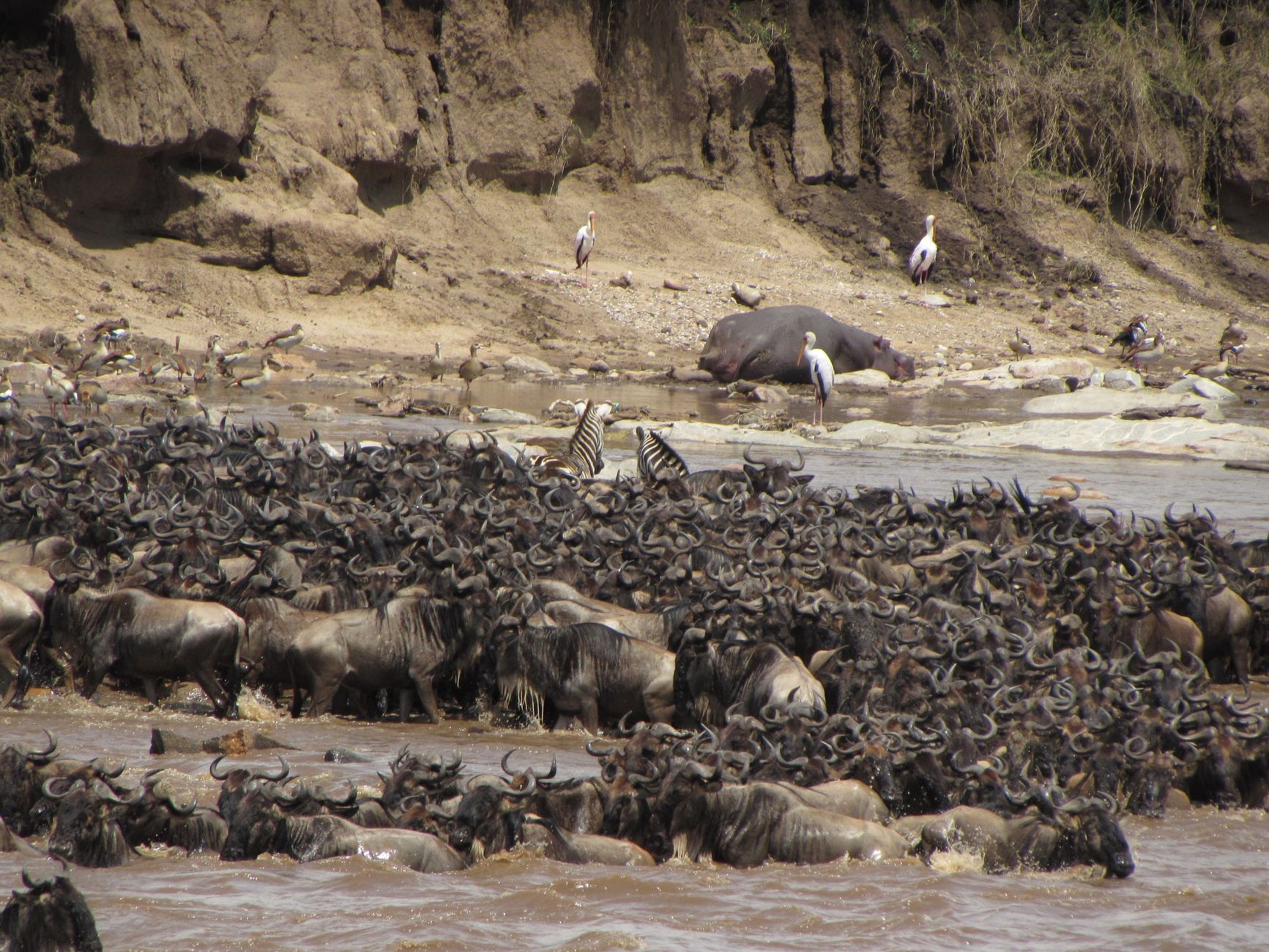
Each year, the rhythm of rainfall across East Africa initiates one of the planet's most formidable wildlife spectacles. As the short rains recede and the southern plains dry out, hundreds of thousands of wildebeest, zebra, and gazelle push inexorably northwest into the Western Corridor. For travelers looking ahead to the serengeti grumeti river crossing june 2027, understanding the topographical and seasonal dynamics of this migration phase is essential to crafting an unforgettable journey.
The Grumeti River acts as the first major aquatic obstacle the herds encounter on their long circuit northward toward Kenya. Unlike the sprawling, open riverbanks of the northern Mara, the Grumeti flows through dense riverine forest and narrow channels. Here, the drama unfolds on a more intimate, intense scale, where sudden charges into brown currents meet ancient apex predators lying in wait.
Understanding the Western Corridor Migration
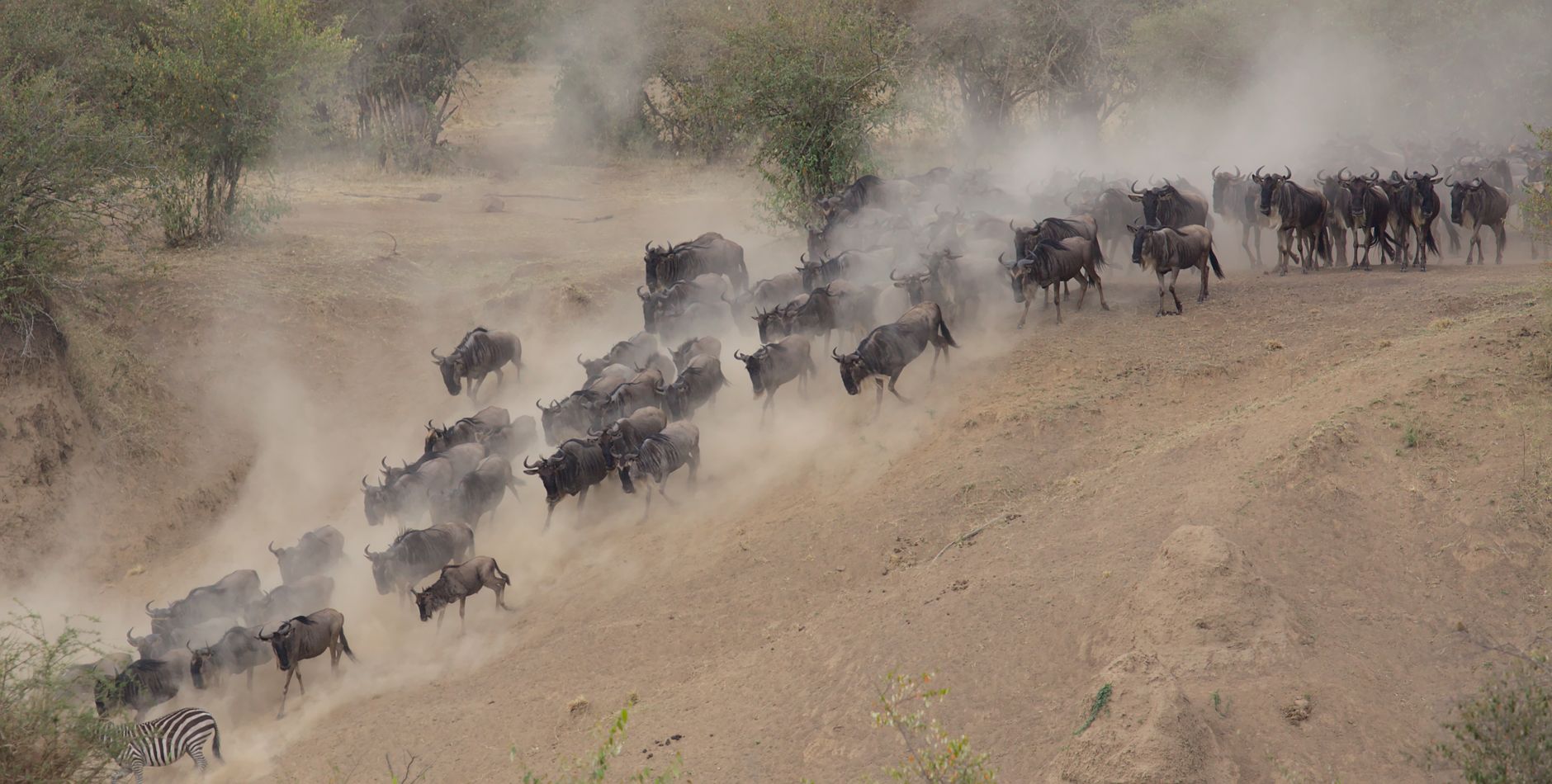
The Great Migration is not a single, synchronized event, but a fluid continuum driven by grazing pressure and rainfall patterns. By late May and early June, the lush green grasses of the southern Serengeti plains have dwindled into dry golden stubble. Instinct compels the herds toward the wetter western plains and the fertile river valleys carved by the Grumeti and Mbalageti rivers.
Traveling through the Western Corridor presents a shift in landscape. Wide-open savanna gives way to rolling hills, thick acacia woodlands, and gallery forests framing meandering watercourses. The herds often accumulate in immense numbers on the open plains of the corridor before braving the river itself, creating dramatic build-ups where thousands of animals mill anxiously along the tree-lined banks.
Because the exact timing of water levels varies each season, securing your place well in advance ensures access to exclusive concessions and prime vehicle positioning. Explorers preparing their itineraries through our curated safari stays gain access to private reserves bordering the national park, offering unhurried wildlife viewing far from vehicle congestion.
Why the Serengeti Grumeti River Crossing June 2027 Is Unique
While the later crossings of the Mara River command significant global attention, the serengeti grumeti river crossing june 2027 offers an experience characterized by exclusivity and raw wilderness. June represents a transitional shoulder period where the herds are strong, energetic, and frequently accompanied by growing calves born earlier in the year.
The nature of the Grumeti River itself creates a distinct wildlife theater. The river does not run as a continuous torrent; rather, it forms deep, permanent pools interspersed with shallow sandbanks and thick riverine brush. This fragmented watercourse forces the herds into concentrated bottlenecks, amplifying the tension as they gather the collective courage to plunge into the water.
Furthermore, visitor numbers in the Western Corridor during June are considerably lower than those found in the northern Serengeti during the peak months of July and August. Guests seeking deeper immersion, guided bush walks, and off-road tracking will find the corridor’s private concessions notably rewarding.
Predator Dynamics Along the Grumeti River
The arrival of the mega-herds transforms the quiet riverbanks into a focal point of intense predator activity. Resident carnivores that have survived the lean months suddenly find themselves surrounded by abundant quarry, leading to days of unrelenting tactical interaction.
Giant Nile Crocodiles and Ambush Tactics
The Grumeti River is renowned for harboring some of the largest Nile crocodiles in Africa. Reaching lengths of up to five meters, these prehistoric reptiles have evolved alongside the migratory cycle for millennia. Because deep pools remain year-round, crocodiles congregate precisely where game trails intersect with viable crossing points.
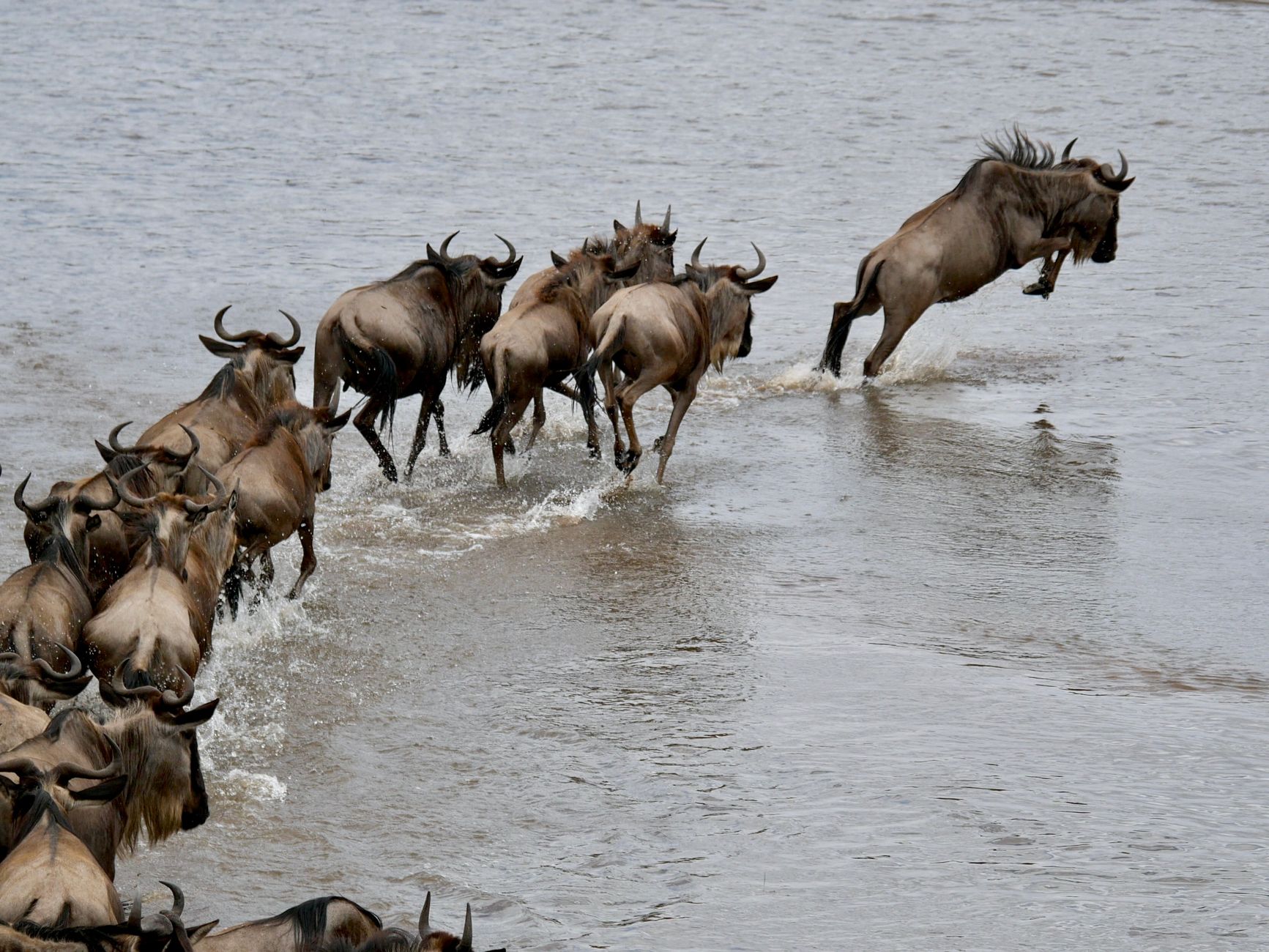
When crossing begins, the chaos is immediate. Dust rises as thousands of hooves churn the riverbanks into mud. The crocodiles launch swift, explosive attacks, using the murky water for concealment. Witnessing a crocodile strike requires patient vehicle positioning and an experienced guide who understands the subtle ripples on the water's surface that betray a lurking reptile.
Big Cats of the Riverine Forests
Beyond the water’s edge, the gallery forests and surrounding kopjes provide exceptional shelter for terrestrial predators. Prides of lion take full advantage of the dense cover, ambushing wildebeest as they emerge exhausted and dripping onto the northern banks. The thick canopy also favors leopards, which frequently hoist kills into the branches of large sausage trees and mahogany species lining the river.
Spotted hyenas patrol the peripheries in formidable clans, opportunistically claiming injured animals or scavenging leftover kills. For those interested in studying predator-prey relationships, June safari notes compiled in our safari journal highlight that few environments showcase this raw dynamic as vividly as the Grumeti ecosystem.
Practical Considerations for Planning Your June Safari
A successful journey to the Western Corridor requires meticulous forward planning. June brings clear skies and comfortable daytime temperatures, but the transition into the dry season demands specific preparation:
- Reserve Accommodation Early: Premier camps within the Western Corridor and adjacent private reserves feature limited tent capacity and routinely fill reservations ten to twelve months ahead.
- Prepare for Variable Temperatures: Mornings often start crisp and cool around 15°C (59°F), while midday game drives can reach 28°C (82°F); packing functional, neutral-toned layers is recommended.
- Select Concession Access: Camps situated on private concessions allow specialized activities not permitted within national park boundaries, including night drives and guided walking safaris.
- Invest in Quality Optics: A sharp 10x42 pair of binoculars and a camera lens with a focal reach of at least 400mm will ensure you capture the action across broad pools and forested river margins.
Choosing the Right Safari Camps and Locations
Location is paramount when planning for river crossings. The herds can shift several miles within a matter of hours depending on localized showers or sudden predator pressure. Staying within striking distance of the Grumeti River minimizes drive times and ensures you are in position when herds gather along the banks.
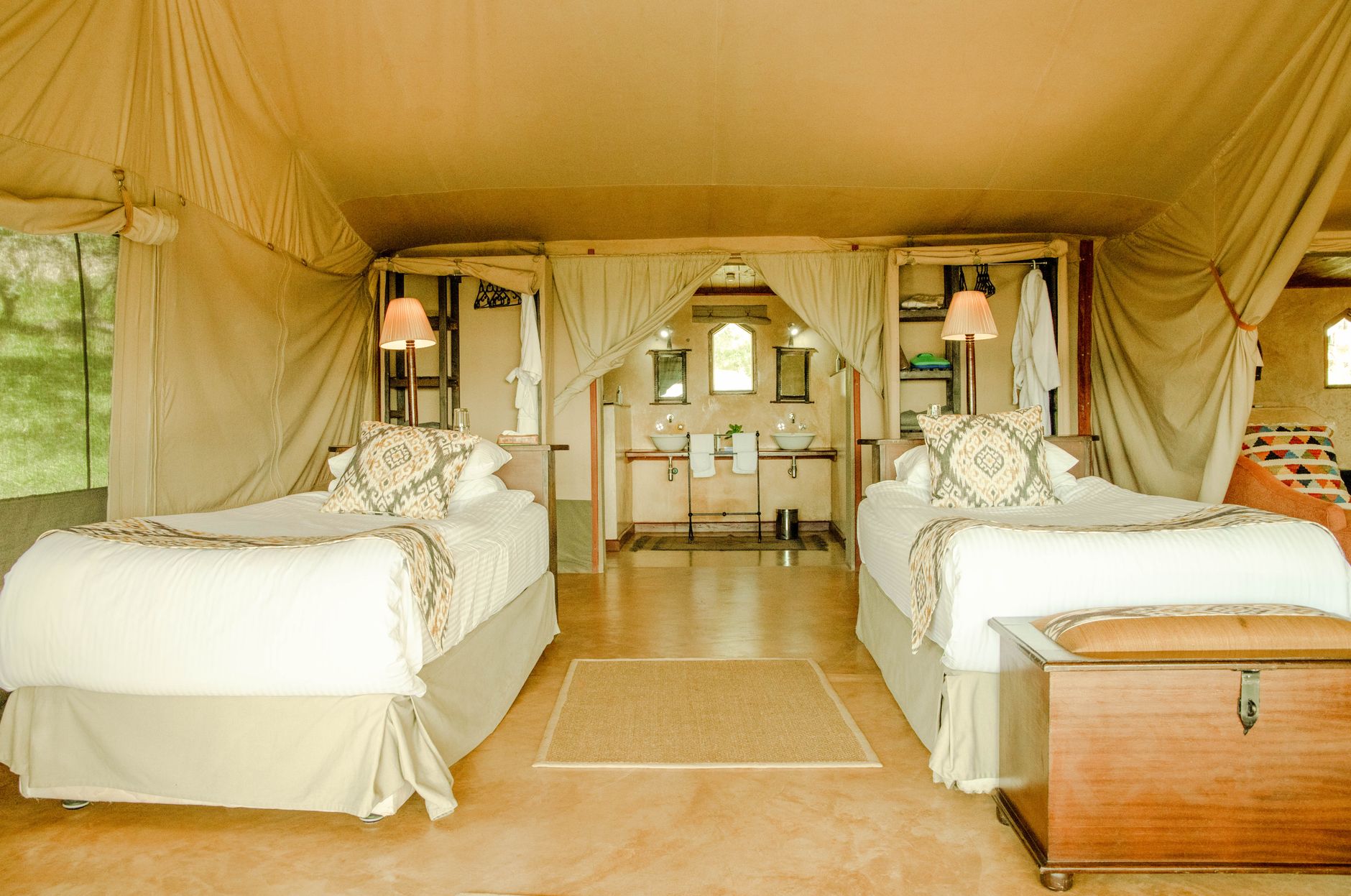
Permanent luxury lodges nestled along the ridge lines offer expansive views across the corridor, providing a calm sanctuary between morning and afternoon drives. Alternatively, semi-permanent mobile tented camps move seasonally with the migration, placing guests right at the heart of the movement. Discovering refined accommodations through our Tanzania safari destinations allows you to balance luxurious comfort with front-row positioning along the migration path.
Combining the Western Corridor with other key regions of the northern circuit—such as the central Seronera Valley for resident big cats or the Ngorongoro Crater for endangered black rhino—creates a balanced, multi-dimensional safari. For in-depth regional comparisons and packing strategies, explore our broader wildlife guide collection to help refine your itinerary.
Witnessing the thundering hooves, rising dust, and primeval struggle of the serengeti grumeti river crossing june 2027 is a rare privilege that rewards thorough preparation. By partnering with knowledgeable guides and securing lodgings in prime Western Corridor territories well ahead of time, you set the foundation for an extraordinary encounter with one of Africa's most storied wilderness spectacles.
Let us plan this trip for you
Send us your dates, party and budget and we'll come back with a costed itinerary, with lodges, flights, transfers and activities in one place. No obligation.
Keep reading


See our safari advice first on Google
One tap tells Google you want Safari Stays shown higher when you search for safari and travel news. It takes a second and you can undo it anytime.
Make Safari Stays a preferred source on Google