Crafting Your Perfect Self-Drive Namibia Itinerary
There is a unique magic to Namibia, a country defined by its vast, humbling landscapes and the profound silence that hangs in the desert air. To truly connect with its scale and spirit, there is no better way than from behind the wheel. A road trip here is not just a means of travel; it is the destination itself. This expert guide offers a classic 14-day self drive namibia itinerary, a route designed to balance iconic highlights with the unscripted moments of discovery that make a journey unforgettable.
Why Choose a Self-Drive Adventure?
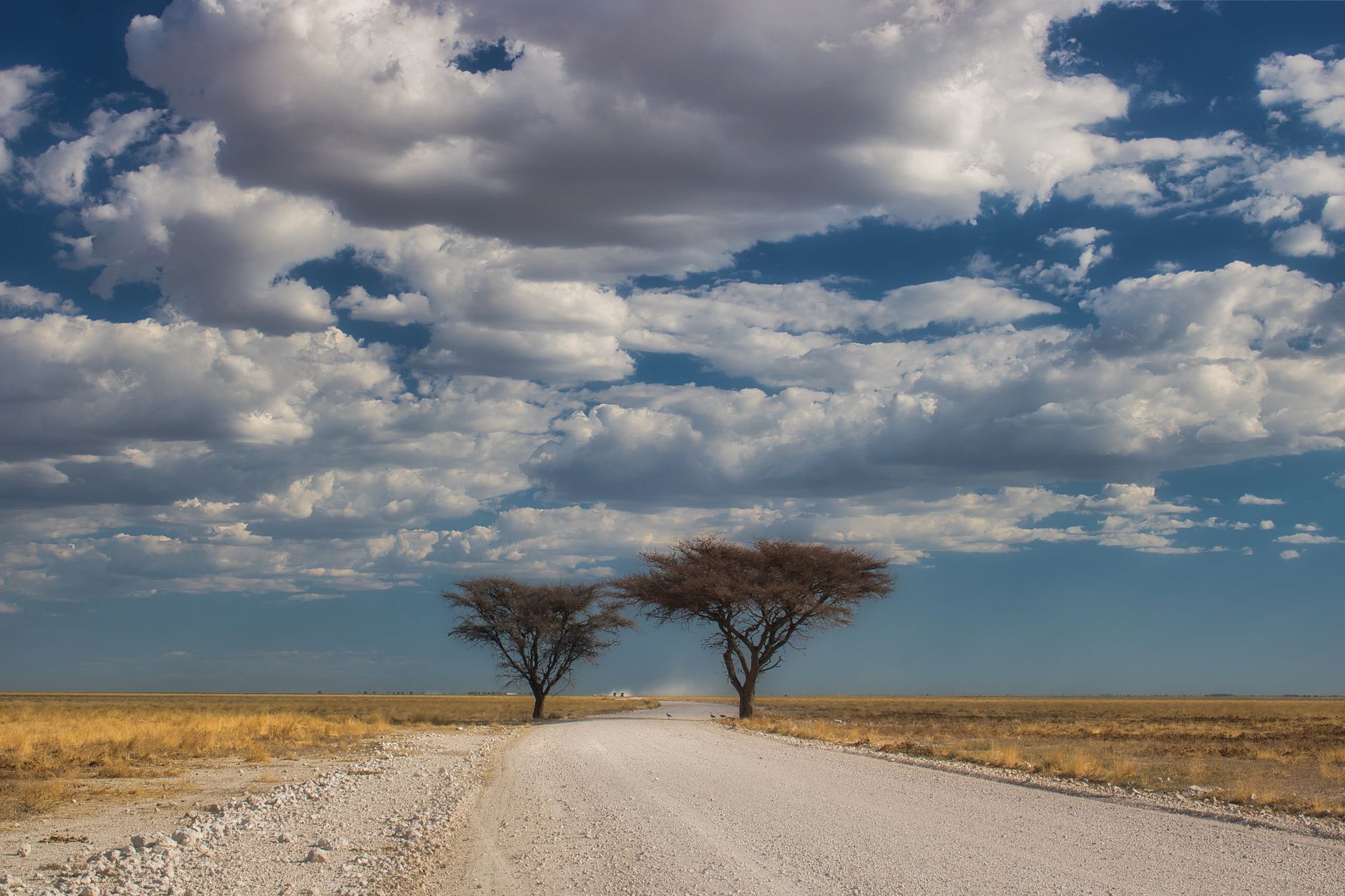
Namibia feels as though it were designed for road trips. The freedom to chart your own course, to stop and marvel at a solitary oryx silhouetted against a dune, or to simply pull over and breathe in the immensity of it all, is a luxury in itself. Unlike many other African safari destinations, Namibia boasts a well-maintained network of roads (primarily gravel) and a safe, welcoming environment for independent travellers. A self-drive journey allows you to set your own pace, linger where you feel a connection, and weave your personal story into the fabric of this ancient land.
Planning Your Self-Drive Namibia Itinerary
Thoughtful preparation is the foundation of a seamless adventure. The distances are significant, and services can be few and far between. Getting the fundamentals right before you leave will allow you to relax and immerse yourself in the experience.
The Right Vehicle
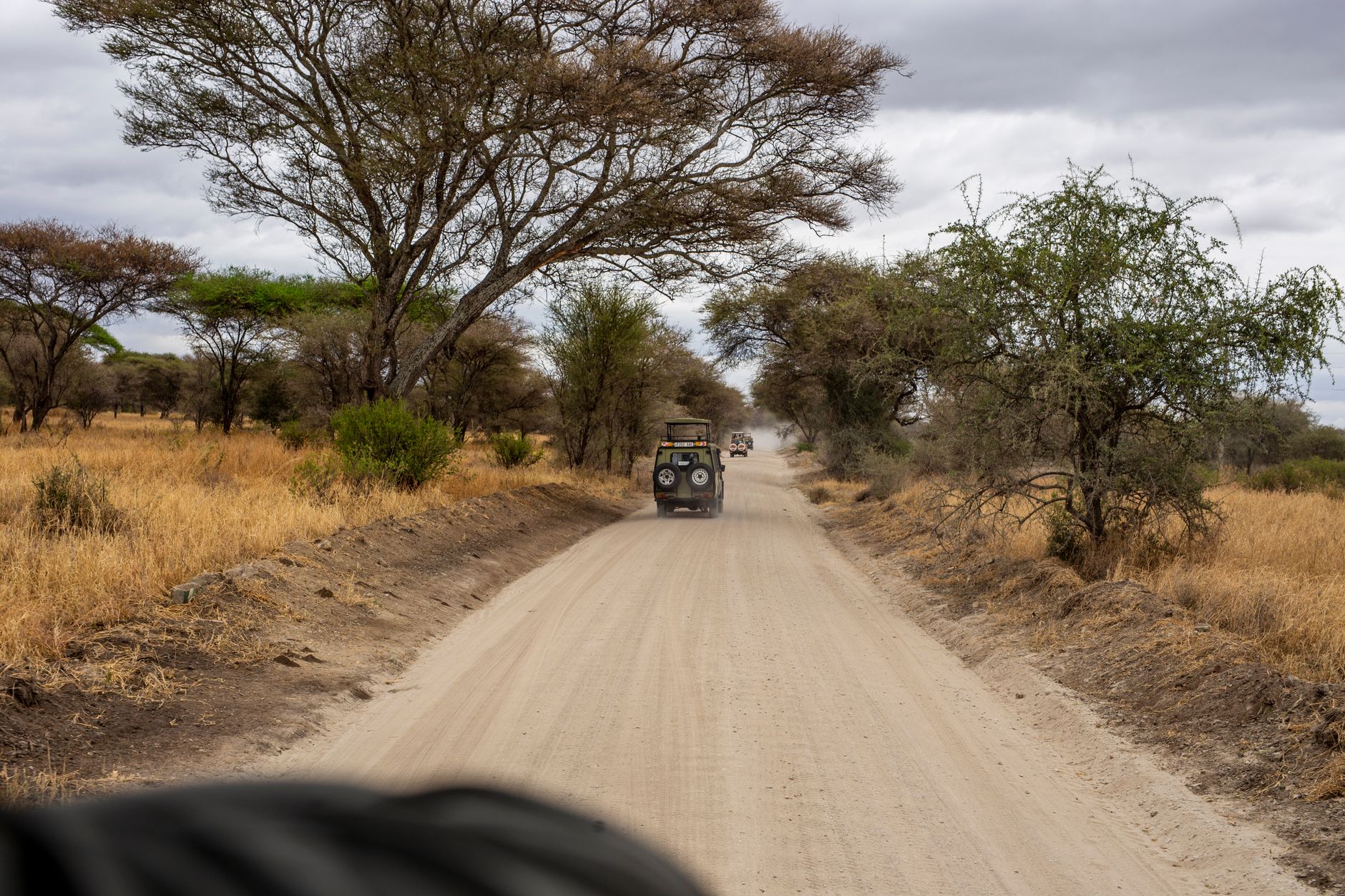
A high-clearance 4x4 is not a suggestion; it is an absolute necessity. While you may encounter stretches of perfect tar, the most rewarding roads are graded gravel or sand. A capable 4x4 provides the clearance, traction, and durability required to confidently access remote lodges and navigate challenging sections, particularly the final sandy kilometers into Sossusvlei. Ensure your rental includes two spare tires and that you know how to change them.
When to Go
Namibia is a year-round destination, but each season offers a different persona. The dry winter season, from May to October, is traditionally considered the best time for wildlife viewing. As water sources become scarce, animals congregate predictably around waterholes, especially in Etosha National Park. The climate is pleasant, with warm, sunny days and cool, clear nights perfect for stargazing.
The summer 'green season', from November to April, sees sporadic rainfall that can transform the arid landscapes into a soft, green canvas dotted with wildflowers. It is a photographer's dream. While some wildlife disperses, it is a fantastic time for birding, seeing newborn animals, and enjoying lower visitor numbers.
A Note on Pace
The single biggest mistake one can make in Namibia is to rush. The journey between destinations is an integral part of the experience, not a task to be completed. Our itinerary suggests drives of 4-6 hours, which allows for leisurely photo stops, unexpected detours, and arriving at your lodge with enough daylight to settle in and enjoy a sundowner. Trust us: build buffer time into your plan.
A Classic 14-Day Namibian Circuit
This circular route from Windhoek encompasses three of the country's most essential and diverse regions: the iconic dunes of the Namib Desert, the rugged, life-filled plains of Damaraland, and the wildlife theatre of Etosha.
Days 1-2: Arrival and South to the Namib Desert
Arrive at Windhoek's Hosea Kutako International Airport, collect your 4x4, and spend your first afternoon stocking up on essentials: water, snacks, and a good map. Your journey begins in earnest on day two with the drive south. The urban landscape quickly gives way to rolling hills before flattening into the gravel plains of the Namib periphery. Your destination is the area around Sesriem, the gateway to the great dunes. The sense of arrival, as the first towering red dunes appear on the horizon, is simply breathtaking. Settle into your lodge and watch the mountains blush in the fading light. Explore our lodges in the Sossusvlei & Namib region.
Days 3-4: The Ancient Dunes of Sossusvlei & Deadvlei
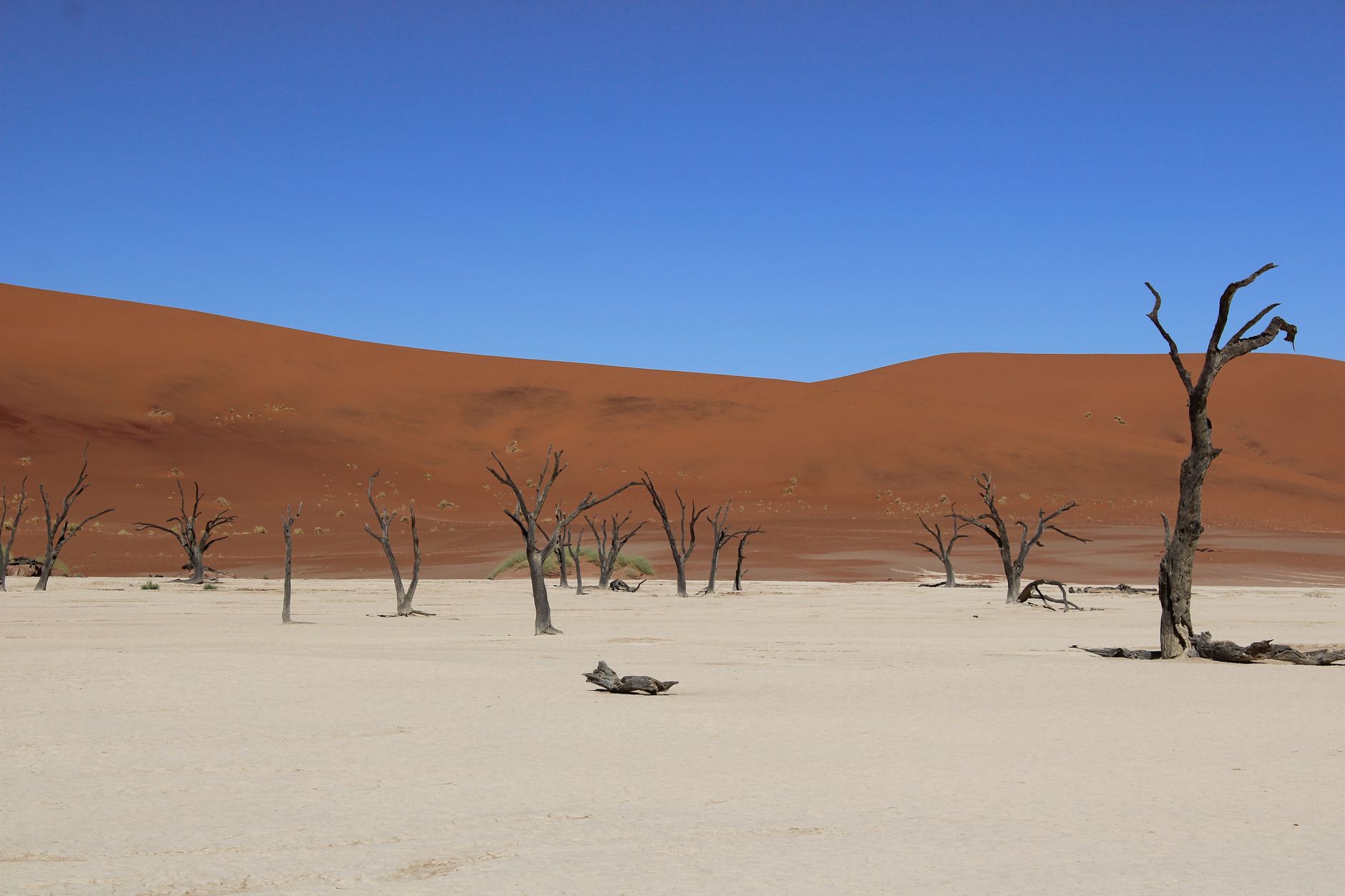
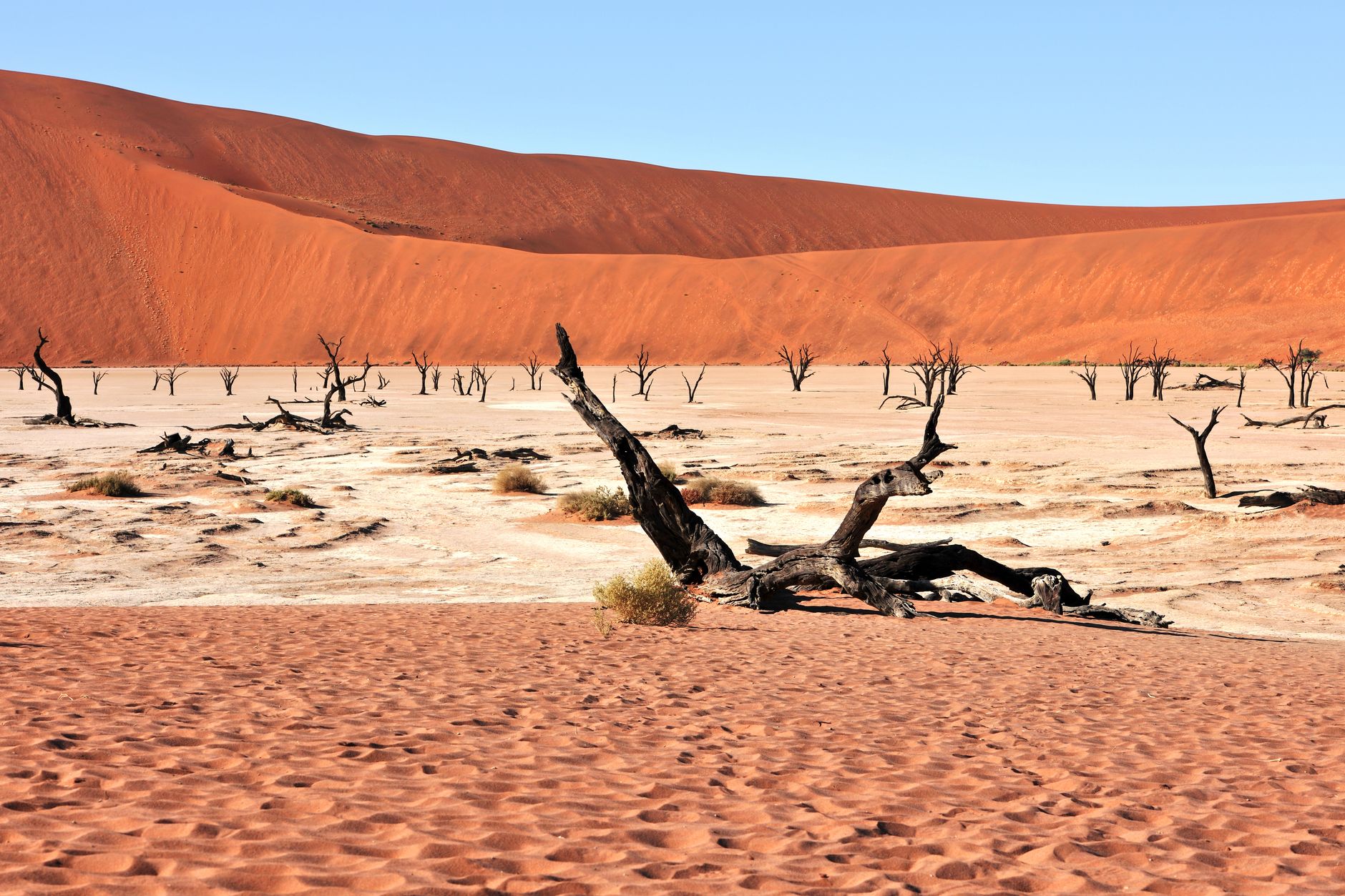
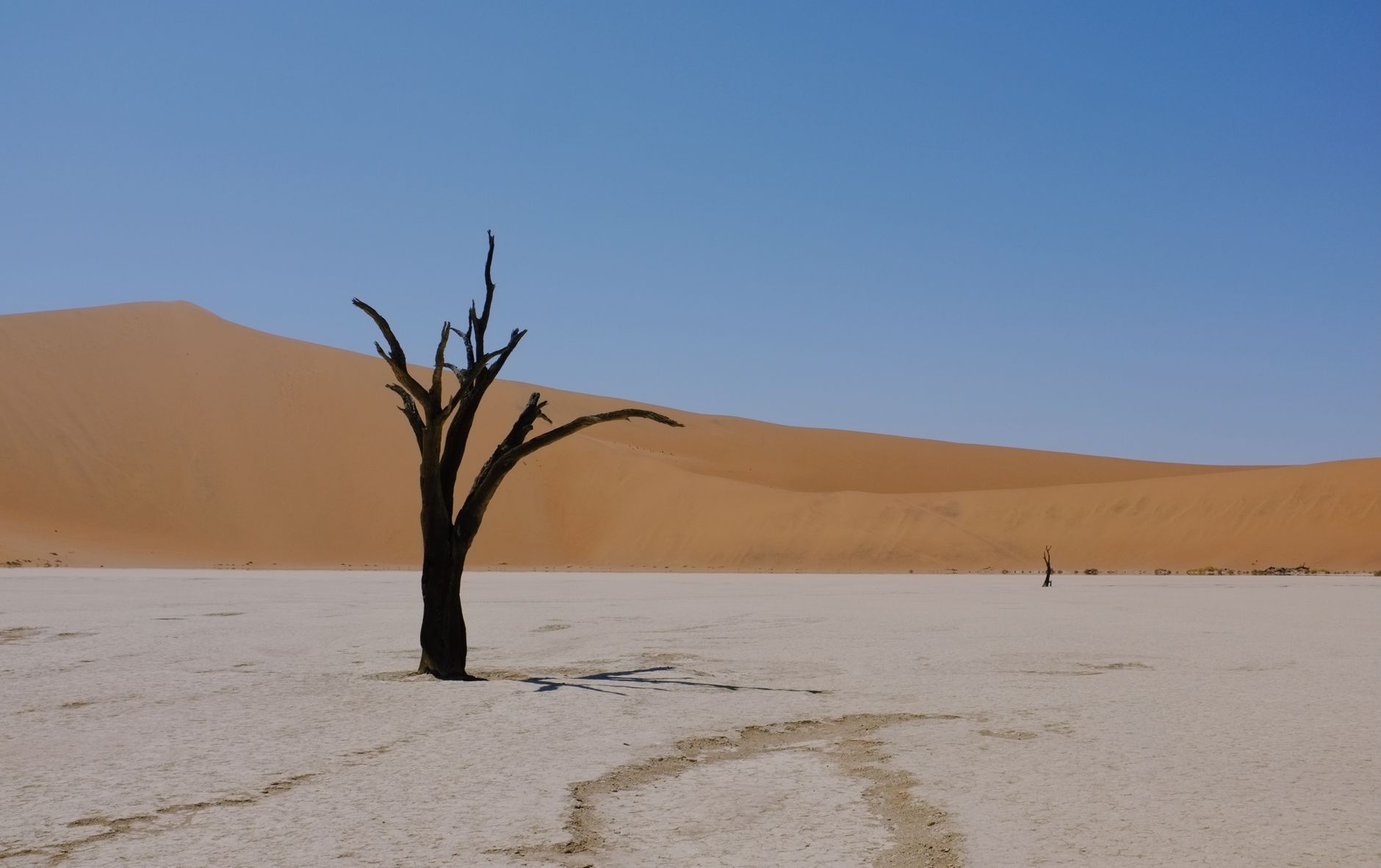
Enter the Namib-Naukluft National Park at sunrise to witness the first light paint the dunes in spectacular shades of orange, apricot, and red. The early hours are the best time to climb one of the famous dunes, like Dune 45, for an unparalleled perspective of the sand sea. The ultimate goal, however, is the otherworldly pan of Deadvlei. Here, a forest of 900-year-old camel thorn trees, scorched black by the sun, stand frozen in time against a cracked white-clay floor. The stark contrast of the black trees, white pan, red dunes, and blue sky is one of Africa's most hauntingly beautiful sights. Also take time to explore the cool, narrow depths of Sesriem Canyon.
Days 5-6: Coastal Contrasts in Swakopmund
From the desert's heat, your journey turns west, crossing the Tropic of Capricorn and traversing the stark Gaub and Kuiseb Canyons before the cool Atlantic breeze announces your arrival in Swakopmund. This coastal town, with its distinct German colonial architecture, palm-lined streets, and excellent restaurants, provides a comfortable and fascinating contrast to the wilds of the interior. Use your time here to join a dolphin and seal cruise from Walvis Bay, try sandboarding on the coastal dunes, or simply enjoy a stroll along the chilly shore.
Days 7-8: The Wilds of Damaraland
Heading north, the stark beauty intensifies. A stop at the Cape Cross Seal Reserve is essential to witness the noisy, chaotic lives of tens of thousands of Cape fur seals. From there, you turn inland into Damaraland. This is a region of raw, primeval geology—a vast, boulder-strewn landscape of flat-topped mountains, ancient riverbeds, and incredible resilience. It is here you have the chance to track desert-adapted elephants and rhino, a truly special and humbling experience. Damaraland is also home to Twyfelfontein, a UNESCO World Heritage Site with one of Africa's largest concentrations of ancient rock engravings. If you're looking for a sanctuary in this wild place, consider the remote beauty of a lodge like the fictional Damaraland Desert Lodge.
H3: Essential Tips for Damaraland Exploration
- Fuel and Water: Never pass a fuel station without filling up. Always carry several litres of spare water in your vehicle.
- Drive Slowly: Roads are unfenced. Wildlife, from elephants to giraffe to springbok, can appear at any moment.
- Respect the Wildlife: These are wild animals. Keep a safe distance, especially when tracking desert elephants.
- Book Ahead: Accommodation is sparse and sought-after. Booking your lodge well in advance is critical.
Days 9-12: The Wildlife Mecca of Etosha National Park
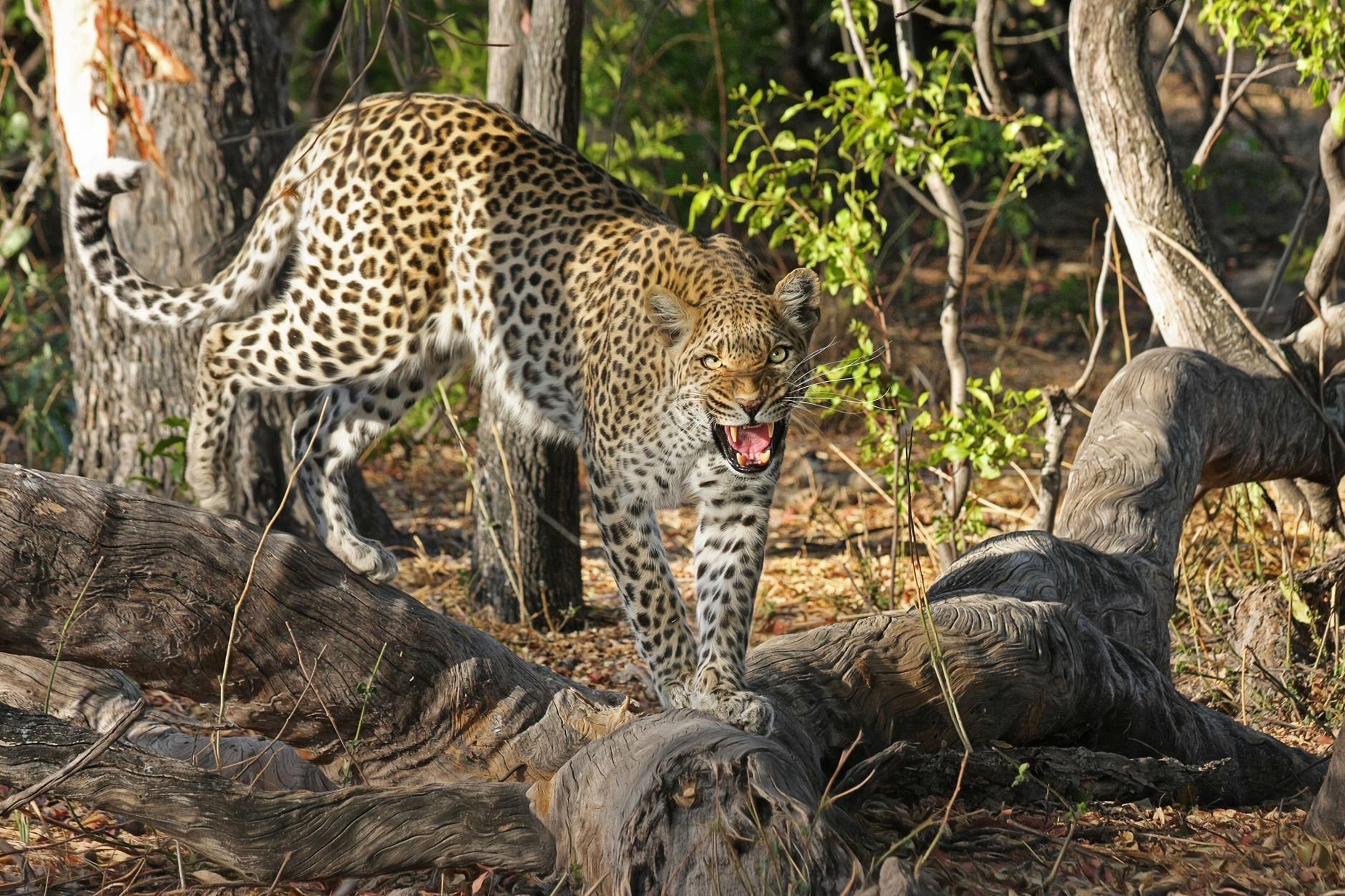
Your journey continues east towards the legendary Etosha National Park. The landscape softens as you approach, and the promise of big game hangs in the air. Etosha's magic lies in its massive, shimmering salt pan and the network of waterholes along its southern edge. During the dry season, a safari here is an exercise in patience and reward. Find a productive waterhole, turn off your engine, and simply wait. Soon, a procession of life will arrive: vast herds of zebra and springbok, elegant giraffe, and, with luck, lions, leopards, and the park's famous 'white' elephants, dusted in the pale clay. For a deeper dive, read our Guide to Etosha National Park.
Day 13-14: Return to Windhoek & Departure
The long, straight road south to Windhoek offers time for reflection. The landscapes that seemed so alien on your first day now feel familiar, inscribed in your memory. A stop at the large craft market in Okahandja provides a last chance to pick up souvenirs. After a final night in the capital, you'll drop off your trusty vehicle, now covered in a proud layer of Namibian dust, and depart, carrying with you the stillness and wonder of the desert.
This classic route represents the heart of a Namibian adventure. The beauty of this country lies in its infinite capacity for surprise, and having a well-considered self drive namibia itinerary provides the perfect framework upon which to build your own personal and unforgettable journey.
The road is your guide, but the right lodge is your sanctuary. After a long day of discovery, a place of comfort, beauty, and warm hospitality is essential. Explore our curated collection of Namibian Lodges to find the perfect anchor points for your adventure.
Ready to plan your trip?
Check live availability, compare lodges and book instantly — or send us an enquiry and we'll help shape the route.